REVIEW · SIEM REAP
Siem Reap: Bike the Angkor Temples – Full-Day 30km Tour
Book on GetYourGuide →Operated by Discova Southeast Asia · Bookable on GetYourGuide
Angkor Wat on two wheels is a whole different day. This full-day, small-group ride pairs crowd-free temple viewing with forest tracks you don’t get from a tuk-tuk route. You’ll pedal along the Siem Reap River, then spend the morning and afternoon among Khmer masterpieces and rural scenery.
I especially like the way the route keeps you moving at an easy pace while still putting the major sights on your map: Angkor Wat, Bayon, Ta Prohm, plus Elephant Terrace. The bikes and helmets are included, and the tour runs with vehicle support in case you need help along the way. Guides such as Soun Chen, Tu, Lem, Moon, and Seng come up again and again in feedback for clear explanations and a steady, friendly rhythm.
One consideration: this is a real ride, not a sightseeing stroll. You’ll cover about 30 km total and include off-road bits, mud/sand, and some heat, so you’ll want at least a basic cycling comfort level.
In This Review
- Key Things That Make This Bike Tour Special
- From Pte Kru Café to the Siem Reap River Ride-Out
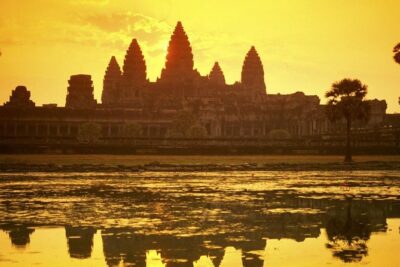
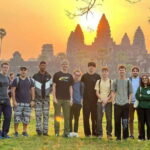
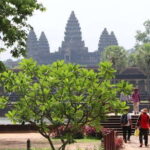
- Angkor Wat First: Morning Light and Giant-Scale Details
- Angkor Thom to Bayon: Forest Paths That Change the Mood
- Elephant Terrace and Lunch: Fuel for the Afternoon Roots
- Ta Prohm: Roots, Moss, and the Story Behind the Scene
- The 30km Cycling Reality: Terrain, Pace, and Staying Comfortable
- Price and Value: What $35 Covers (and the Pass You Still Need)
- Who This Tour Fits Best (And Who Should Skip It)
- Guides Make the Day: Names You Might Hear Along the Route
- Should You Book This 30km Angkor Temples Bike Tour?
- FAQ
- What time does the tour meet, and how long is it?
- Where is the meeting point?
- How far do you cycle?
- Is lunch included?
- Do I need an Angkor Pass?
- Are bikes and helmets provided?
- Is the tour suitable for kids?
- What should I bring, and what clothing is not allowed?
Key Things That Make This Bike Tour Special
- A maximum of 8 guests keeps the day feeling intimate, not crowded
- Hidden forest tracks and quiet entrances get you away from busier angles
- Temple stop stories add meaning as you ride between sites
- 30 km with breaks and lunch options is a solid full-day effort
- Guides help with photos and often create a memorable, keep-sake style moment
From Pte Kru Café to the Siem Reap River Ride-Out
The day starts with a simple meet-up at Pte Kru Café (ផ្ទះគ្រូ Café) in Siem Reap. Aim to arrive around 15 minutes early so you can get fitted with your bike and helmet and be ready to roll on time. You’ll also want to check for the updated meeting point note: from 05 February, the meeting point shifts to Gingold Coffee on Sivutha Boulevard, so confirm which spot applies to your date.
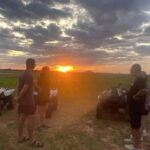
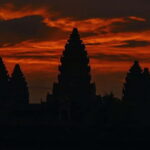
At around 7:30 AM, you’re off and cycling beside the Siem Reap River. This early start matters more than it sounds. Angkor area heat ramps up fast, and the morning light also gives Angkor Wat a calmer, more photogenic feel before the biggest waves of visitors settle in.
The best part of this pre-temple stretch is that it sets your mindset. You’re not jumping straight into crowds and ticket lines. You’re warming up on a gentle, scenic intro, so your legs feel ready for the day ahead.
You can also read our reviews of more cycling tours in Siem Reap
Angkor Wat First: Morning Light and Giant-Scale Details
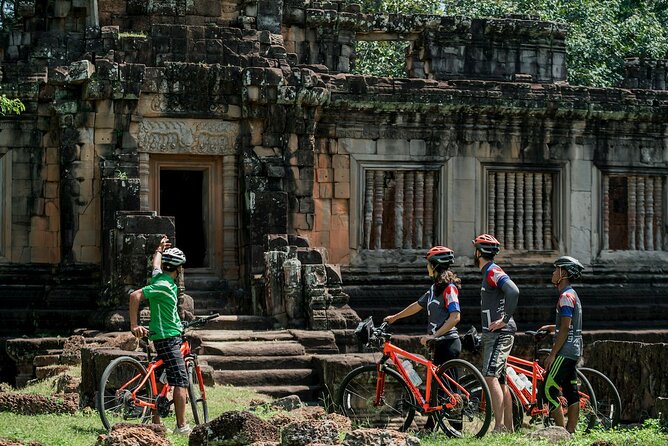
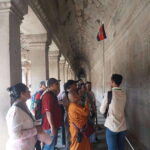
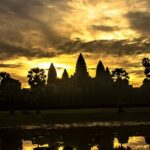
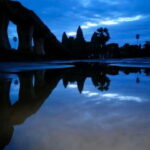
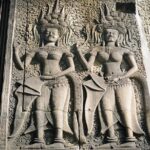
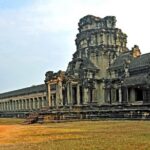
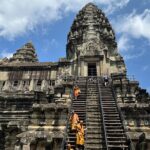
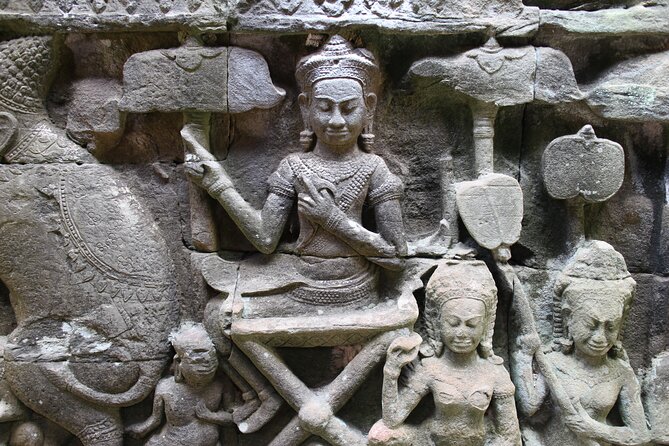
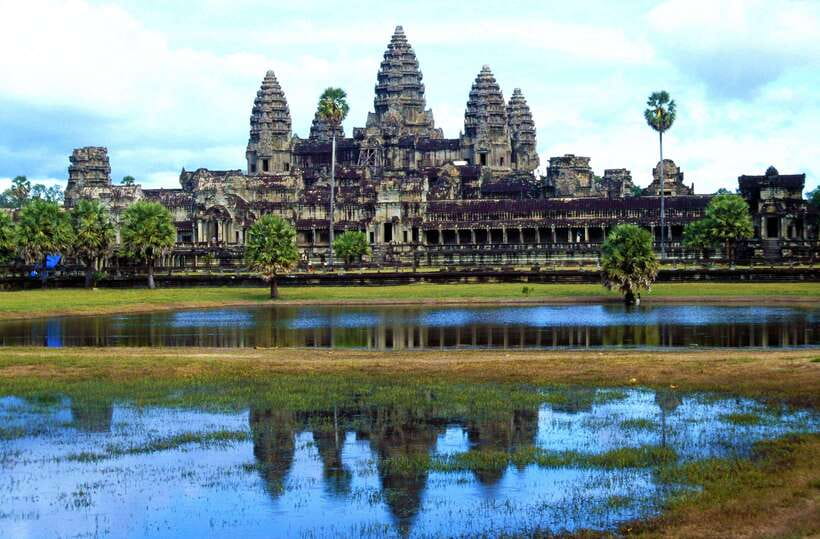
Angkor Wat is the headline stop, and it lands early for a reason. You’ll spend time exploring the vast galleries and bas-reliefs, which are the type of details that can be hard to appreciate at a rushed walking pace.
By doing this at the start of your day, you get two practical wins:
- Your eyes are fresher for detail work.
- You’re less likely to feel like you’re crammed into a slow moving crowd.
One smart thing here is the way the tour mixes cycling with guided time at the temples. The bike segments give you breaks for water, shade, and re-focusing. Then your guide explains what you’re seeing so you don’t just look at stone towers; you understand what you’re looking at.
If you love photography, this is also a good moment to think in terms of composition. The morning angle helps with contrast, and the tour rhythm gives you time to step back, reposition, and get your shot before everyone piles in closer.
Angkor Thom to Bayon: Forest Paths That Change the Mood
After Angkor Wat, you cycle toward Angkor Thom, starting with the grand gate area and then moving off the main road. This is where the tour earns its reputation for riding “the road less travelled.” You slip onto secluded forest paths that many day visitors never experience.
The ride between areas is more than a transfer. It’s a chance to see the landscape like a local cyclist would: trees overhead, smaller routes, and fewer vehicles. It also makes the transition to Bayon smoother. Instead of arriving into a chaotic crush, you arrive into a quieter, more atmospheric setting.
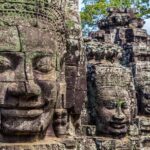
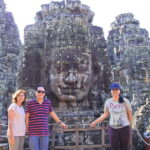
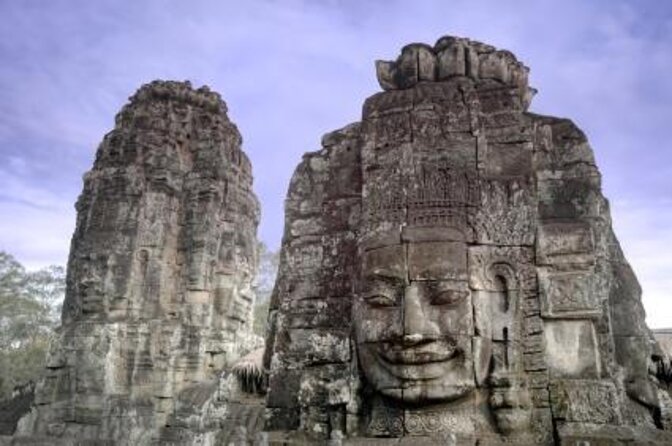
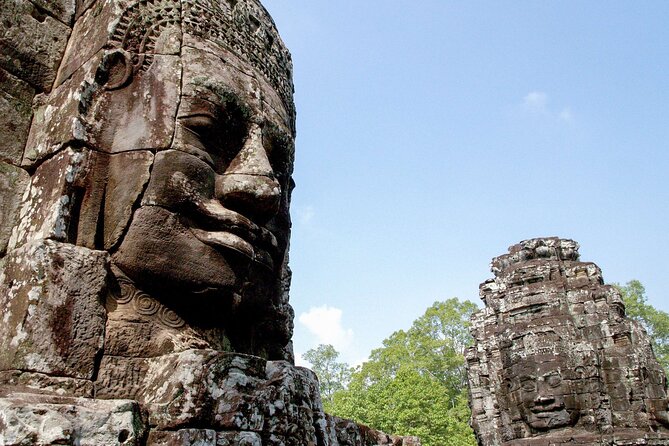
Then comes Bayon, famous for its stone faces. The guide’s job here is to connect the architecture to meaning—so the faces don’t just look cool, they start to read as part of a larger story. Even if you’ve studied Angkor before, this kind of guided context can help you notice patterns you would otherwise miss when you’re scanning alone.
Expect about an hour at Bayon. That’s enough time to walk, look carefully, and not feel like you’re doing a speed-run. The cycling afterward keeps you from feeling temple fatigue too quickly.
Elephant Terrace and Lunch: Fuel for the Afternoon Roots
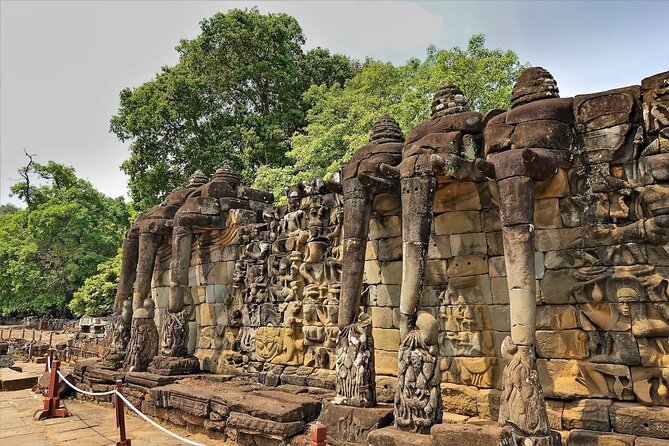
Next you reach the Elephant Terrace complex, another major stop. You’ll get guided time here, then you’ll shift into the lunch break. This is where the “full-day bike” part becomes real planning: you’ll likely be warm from cycling, even if shade covers much of the route.
Lunch is offered as an option. If you choose it, a local meal is arranged in advance. If you skip lunch, you’ll have free time to explore or eat on your own before regrouping. Either way, plan your energy for the afternoon, because Ta Prohm is a heavier visual and emotional stop.
What I like about the way this is structured is that it’s not a rushed rest. You get about 1.5 hours at the restaurant break window, which gives you time to eat, cool down, and reset your camera batteries or phone storage.
Also note a small but real detail: the route includes off-road sections and you may get covered in mud or sand. If you’re worried about keeping your clothes clean, bring something you don’t mind getting dusty. A few guides are known for being hands-on in keeping everyone comfortable, and having shade plus a solid lunch stop helps a lot.
Ta Prohm: Roots, Moss, and the Story Behind the Scene
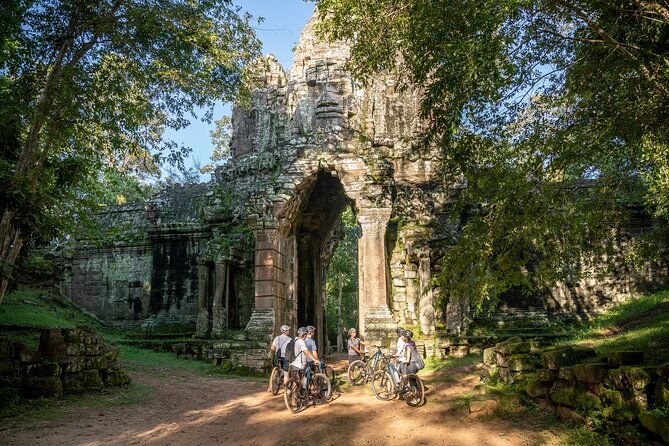
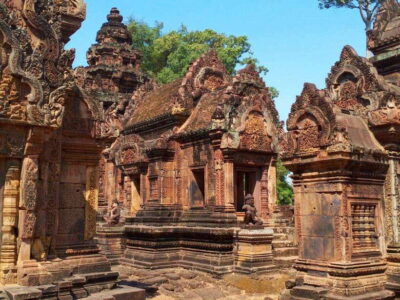
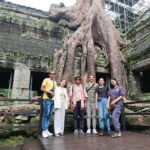
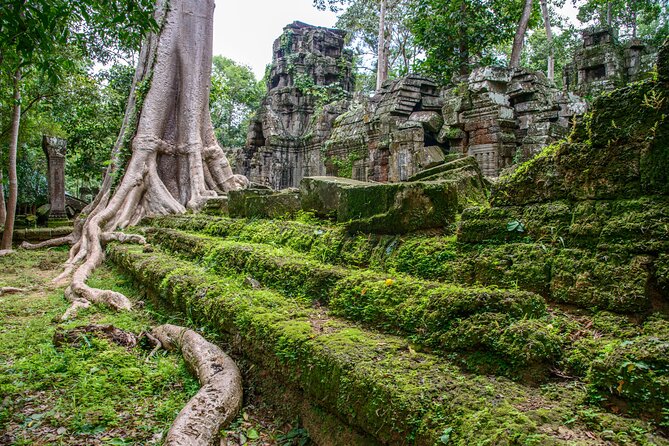
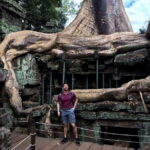
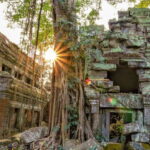
The afternoon route heads toward Ta Prohm, the temple that most people picture when they think of Angkor’s “nature taking over” look. Expect tree roots twisting through structures and stones with a mossy, aged feel.
Ta Prohm is where the tour’s cycling format really pays off. Riding to the temple means you’re not just entering a famous site; you’re moving through quieter village and forest corridors first. That makes Ta Prohm land with more atmosphere.
Your guide will share history and symbolism at each stop, and this is where that storytelling matters. Khmer temples aren’t just impressive ruins; they reflect a worldview in stone. When you get the right context, the temple stops feel less like checklist items and more like a connected experience.
You’ll also get time for walking and exploring within the site. The tour design tries to balance movement (so you don’t burn out) with enough temple time to really look.
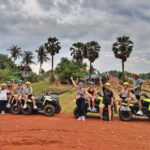
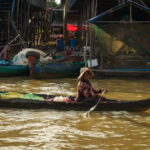
Then you’ll head back toward Siem Reap on red-earth tracks and village paths. This final stretch is often a favorite because it feels relaxed and scenic, passing rural communities and quiet forest sections.
You can also read our reviews of more tours and experiences in Siem Reap
The 30km Cycling Reality: Terrain, Pace, and Staying Comfortable
This tour is about 30 km over about 7.5 hours, which means you should treat it like an active day. The good news: the route is built for a range of abilities. The cycling is split between quieter roads and off-road tracks, and many segments are under tree cover.
From the feedback pattern, there are a few things you should take seriously so the day stays fun:
- You’ll likely hit some rougher ground. Off-road means uneven surfaces, not just smooth pavement.
- There can be a longer “last hurdle” return stretch. One group noted roughly 9–10 km back being the hard part.
- Heat is real, especially in hotter months. In March, you’ll want to take the sunscreen and water seriously.
Bikes are a big part of comfort. You get quality mountain bikes and helmets, and guides sometimes handle photo stops and pacing so everyone can keep up. Several people highlight how guides like Mr Ta, Thou, and Sam kept the pace friendly and explainable, which helps if you’re not an expert cyclist.
One more practical point: dress for the sun and the dust. The tour notes that sleeveless shirts aren’t allowed, so choose breathable covered tops. Bring a hat and sunglasses, and use sunscreen even on shaded segments. Cambodia sun doesn’t care that you’re under trees.
If you’re traveling with kids, there’s flexibility: children’s bikes, baby seats, and tag-along trailers are available on request. Child seats have a weight limit of 14 kg, and you should mention the child’s height needs so the right bike setup is prepared.
Price and Value: What $35 Covers (and the Pass You Still Need)
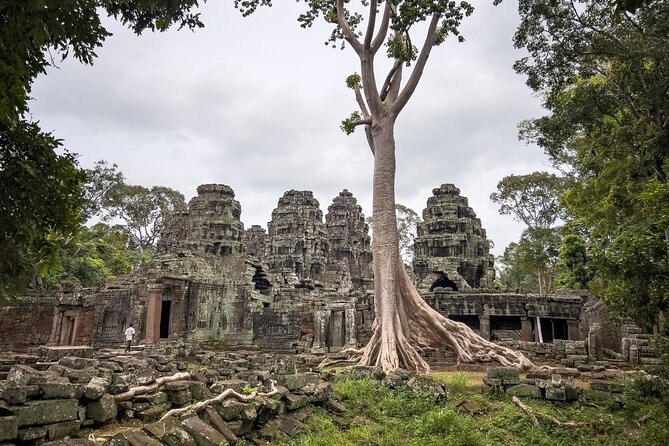
At $35 per person, this is positioned as real value because so much is included. You get the bike and helmet, an English-speaking cycling guide, snacks plus fruits and bottled water. If you pick the lunch option, you also get a local meal arranged in advance.
The big “not included” item is the Angkor Historical Park Pass. You’ll need an Angkor Pass to enter the Angkor Zone for the tour. If you don’t already have one, you can purchase a ticket on the morning of the tour from the official Angkor Enterprise website.
That pass matters for value math. But even with that extra cost, this bike format can feel like more than just another temple circuit. It gives you:
- A different way to arrive at sites
- More time for guided context
- Less time sitting in traffic or being stuck in slow moving lines
- A route that includes countryside life along the way
If you’re deciding between a bus/tuk-tuk plan and this cycling day, think about what you want your photos and memories to include. If you want the temples only, you can do it many ways. If you want temples plus the everyday landscape between them, the bike route is the key difference.
Who This Tour Fits Best (And Who Should Skip It)
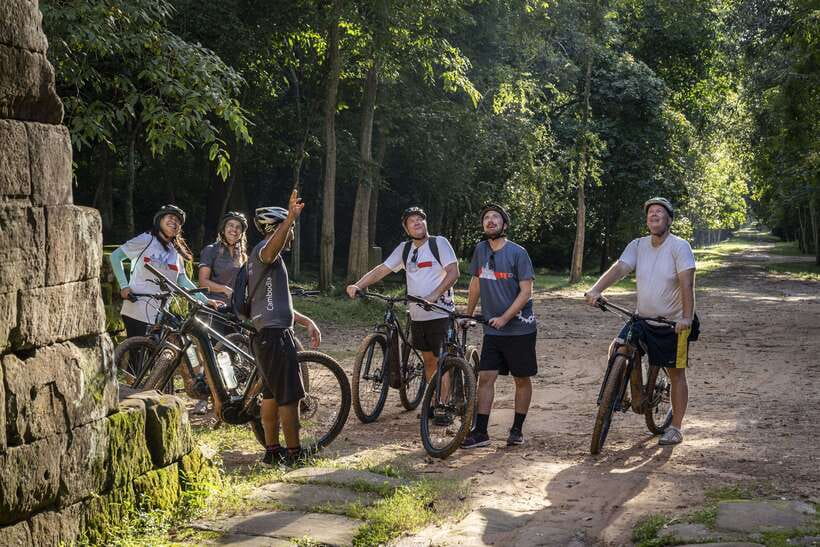
This is a strong match if you want active travel with guide-led history. The tour specifically notes it suits active families, and it can work well even when everyone isn’t equally fast because the group is small (up to eight guests) and your guide sets a workable pace.
It’s also a good fit if you care about experiencing Angkor with fewer crowds and more shade. Many riders are happy with how a chunk of the route is off the main roads.
It may not be a good fit if:
- You don’t feel comfortable cycling on uneven surfaces
- You’re not used to long rides in warm weather
- You’re pregnant (this tour is marked not suitable)
If you’re bringing kids, the logistics are covered. You can request kid bikes, trailers, and baby seats (with the 14 kg limit). Just be ready to share the height for adults so the guide can set up the correct right-size bike.
Guides Make the Day: Names You Might Hear Along the Route
The experience stands or falls on the guide, and the feedback pattern is consistent: people praise guides for history context, friendliness, pacing, and helping with photos.
Some names that come up in reviews include:
- Soun Chen (praised for an excellent private-tour feel and strong Angkor Wat explanations)
- Tu (praised for being knowledgeable and answering questions)
- Lem (praised for Khmer empire cultural insight)
- Moon (praised for friendliness and making the route feel magical)
- Seng (praised as the best guide in one account)
- Sam (praised for being engaging)
- Mr Ta (praised for knowledge and friendly guiding)
You shouldn’t expect any single guide name on your exact day, but it’s a useful signal. This tour clearly puts effort into matching the “how” (pacing, photos, English explanations) to the “what” (Angkor sights and rural tracks).
Should You Book This 30km Angkor Temples Bike Tour?
Book it if you want Angkor in a way that feels less like standing in lines and more like moving through a living landscape. The small group, the off-road routes, and the guided context at major temples are the big reasons this works.
Skip it (or consider a gentler option) if you’re unsure about long-distance cycling or if uneven terrain and heat sound like stress. Also skip if you’re pregnant, since the tour is marked not suitable.
If you’re on the fence, here’s my practical decision rule: if you can handle a full-day activity plan and you’re excited about mixing temples with countryside riding, you’ll likely love this day. If your top priority is maximum comfort and minimum effort, you might prefer a vehicle-based option.
FAQ
What time does the tour meet, and how long is it?
You meet at the start location and gear up before cycling out at around 7:30 AM. The total duration is about 7.5 hours.
Where is the meeting point?
The meeting point is Pte Kru Café (ផ្ទះគ្រូ Café) on Preah Sihanouk Ave. Starting from 05 February, the meeting point shifts to Gingold Coffee on Sivutha Boulevard. Check your date’s correct location.
How far do you cycle?
The ride is about 30 km total.
Is lunch included?
Lunch is included only if you select the option with lunch. If you don’t choose lunch, you’ll have free time to explore or eat independently before regrouping.
Do I need an Angkor Pass?
Yes. An Angkor Pass is required for this tour and is not included. You can purchase one at the Angkor Zone entry on the morning of the tour.
Are bikes and helmets provided?
Yes. The tour includes a bike and helmet, plus snacks, fruits, and bottled water.
Is the tour suitable for kids?
It’s suitable for active families, and kids equipment is available on request, including children’s bikes, baby seats, and tag-along trailers. Child seats can accommodate up to 14 kg only.
What should I bring, and what clothing is not allowed?
Bring sunglasses, sun hat, camera, and sunscreen. Sleeveless shirts are not allowed.