REVIEW · SIEM REAP
Siem Reap: Angkor Wat Sunrise Bike Tour & Jungle Breakfast
Book on Viator →Operated by Discova Southeast Asia · Bookable on Viator
4:30am sunrise is a perfect kind of exhausting. This Angkor Wat bike tour is built around pre-crowd temple viewing and ends up feeling like more of an adventure day than a check-the-box temple circuit, plus you start strong with a chef-prepared jungle breakfast. The trade-off: the biking is a long day with sandy, dirt paths and enough effort to make you earn those views.
I like that you travel in comfort from Siem Reap in an air-conditioned minivan, then pedal through quieter back routes with an English-speaking guide who keeps things moving. With a max group size of 10 and vehicle support alongside the bikes, it’s easier to stay in the flow even if you pause for photos or need a breather. Just note the Angkor entrance pass is not included, so budget for that upfront.
In This Review
- Key Things I’d Plan for on This Angkor Bike Sunrise Day
- From Siem Reap to Angkor Wat: The Morning Rollout
- Angkor Wat Sunrise: What You’re Really Buying With That Early Start
- Jungle Breakfast Picnic in a Quiet Corner: Fuel Before the Pedals
- The Bike Route Between Temples: Quiet Back Roads and Real Shade
- Ta Prohm’s Roots and Bayon’s Geometry: How the Guide Shapes the Visit
- How Hard Is the Ride, Really? Sandy Tracks, Hills, and Tips That Matter
- Price and Value: $75 Plus the Angkor Pass
- Who This Tour Fits Best (and Who Might Want Another Option)
- Should You Book This Angkor Wat Sunrise Bike Tour?
- FAQ
- What time does the Angkor Wat sunrise bike tour start?
- How long is the tour?
- Is hotel pickup and drop-off included?
- What’s included with the biking?
- Do I need to buy the Angkor Wat Pass?
- Is lunch included?
- How big is the group?
- How difficult is the ride?
- Can I cancel for free?
Key Things I’d Plan for on This Angkor Bike Sunrise Day
- 4:30am start so you’re at Angkor Wat before the densest crowds
- Jungle breakfast picnic after the main sunrise temple time
- Small-group cap of 10 for a more personal pace
- A/C minivan support alongside bikers when you want water or a rest
- Back roads and shaded paths to link temples with less road time
- Sand and dirt paths mean you should ride with real bike comfort in mind
From Siem Reap to Angkor Wat: The Morning Rollout
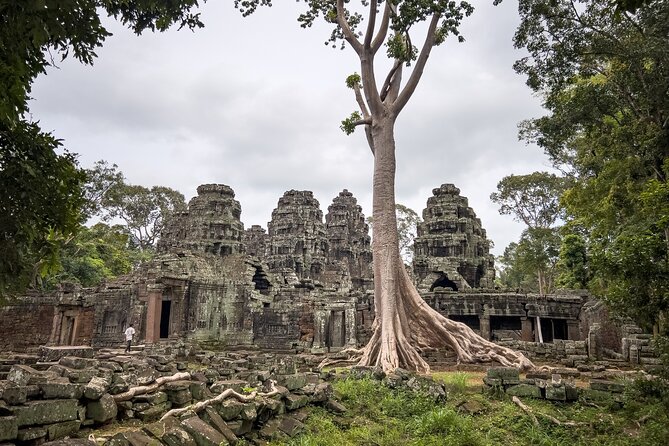
This day is timed like a pro. Your start is 4:30am, which sounds brutal until you realize it’s the best way to see Angkor Wat in soft morning light. The morning begins with hotel pickup, then a short transfer toward the Angkor Wat area. You’re not left to figure out timing, parking, tickets, or which entrance to use—your guide and team handle the flow.
The other practical win here is the air-conditioned minivan. Even if you’re excited to bike, you’ll still spend time on transfers, regrouping, and short waits. On humid mornings, having A/C support is the difference between enjoying the day and feeling cooked before the first temple photo.
One more thing I appreciate: this is set up for a group of up to 10 travelers. That small size matters. It usually means fewer stopping-and-starting moments and better ability for the guide to adjust the route to your comfort level.
You can also read our reviews of more cycling tours in Siem Reap
Angkor Wat Sunrise: What You’re Really Buying With That Early Start
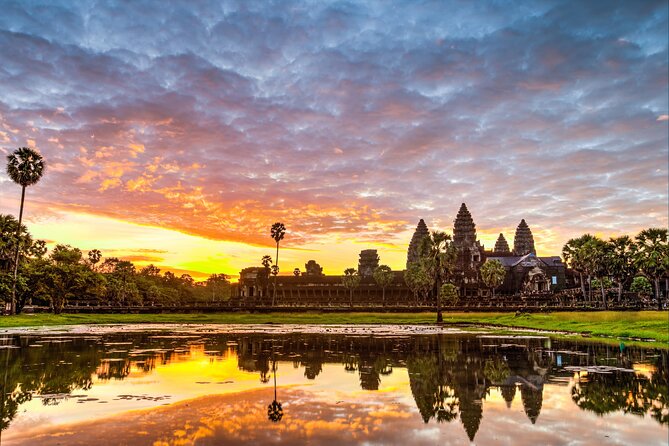
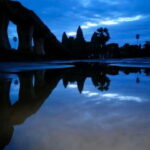
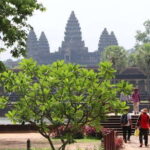
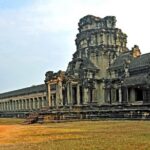
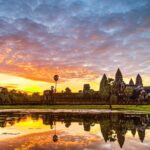
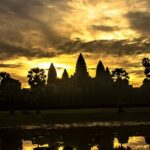
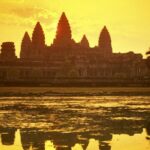
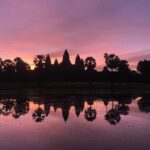
Angkor Wat is the headline, and the sunrise portion is scheduled so you can watch the temple’s silhouette as dawn appears. The idea is simple: start early enough that the experience feels calmer. In practice, you’ll still see other visitors because this is Angkor, but the earlier timing helps you avoid the thickest surge of people.
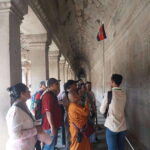
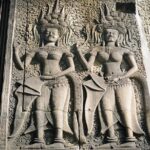
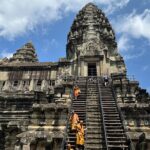
After sunrise viewing, you move into Angkor Wat for guided temple time—about an hour is set aside for galleries and courtyards. This is where a good guide makes the difference. You’re not just walking; you’re getting pointers on what you’re looking at: layout, symbols, and the meaning behind the design language.
A small heads-up on expectations: sunrise weather can be unpredictable. If it’s cloudy, you might miss some of the dramatic sky effects. Still, the morning session at Angkor Wat is valuable because it gets you onto the “right track” early, and you spend the rest of the day exploring temples while the heat is lower.
Jungle Breakfast Picnic in a Quiet Corner: Fuel Before the Pedals
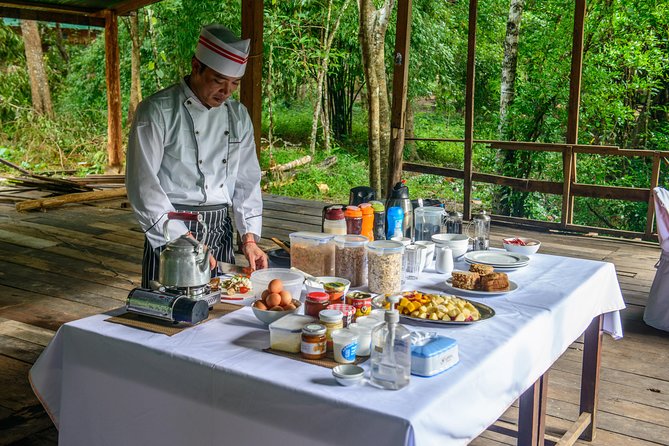
Once you’ve done the sunrise temple time, the tour shifts to a chef-prepared jungle breakfast in a quiet area within the Angkor complex. This is one of the most distinctive parts of the day because it’s not just a snack stop. It’s set up like a small picnic moment after the big wow-factor at sunrise.
The breakfast is positioned as a highlight: eggs prepared by a chef, and a laid-back setup that gives you a breather before you start biking between sites. Reviews also mention that the breakfast and lunch feel plentiful and well done, and that the team keeps topping up snacks, fruit, and bottled water.
This meal timing is smart. If you’ve ever tried to do Angkor after sleeping badly and skipping breakfast, you know the difference food can make. Here, you get fed before you ride. That helps you keep your energy for the sandy tracks and temple-to-temple cycling later.
The Bike Route Between Temples: Quiet Back Roads and Real Shade
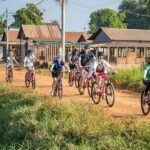
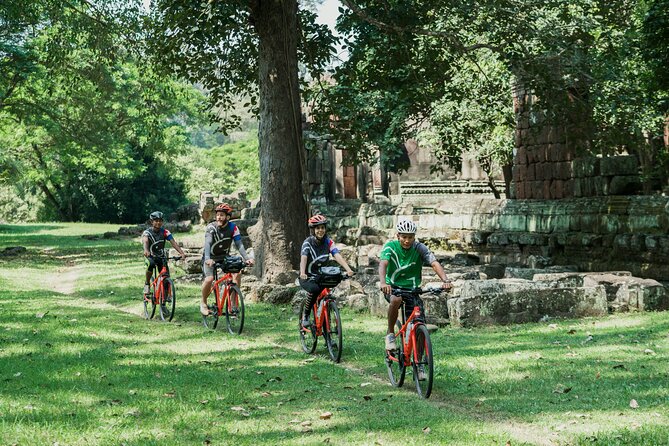
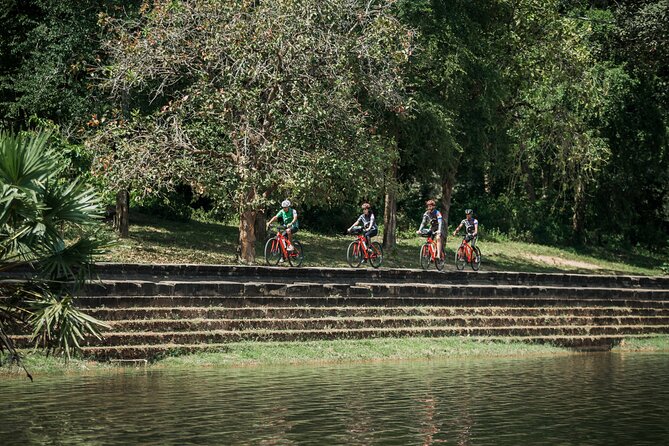
This tour earns its name because you actually ride through Angkor Archaeological Park. After breakfast, you start biking along gentle park roads and shaded paths that connect major temples. One of the main benefits is that cycling lets you cover more ground than walking without turning the day into a car tour.
The route is designed to avoid the busiest routes when possible. You’ll be on a mix of dirt paths and sandy surfaces, and the shade from trees becomes a real part of the experience—especially compared with open, direct sun routes.
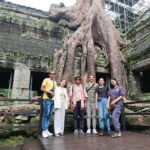
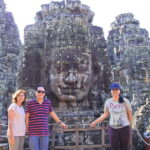
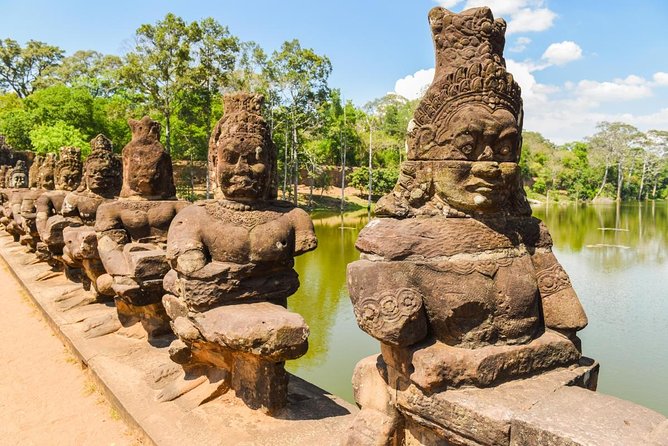
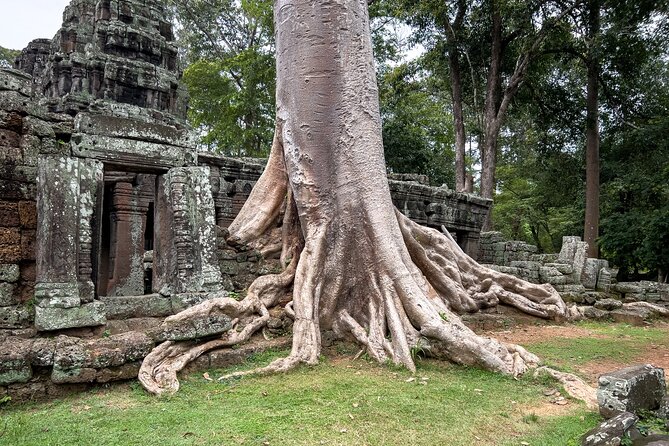
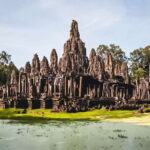
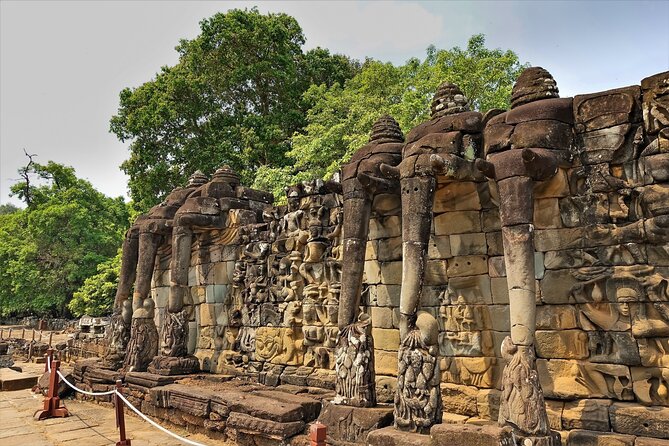
The itinerary includes Bayon Temple and Ta Prohm. Bayon is your “faces and symmetry” moment, while Ta Prohm is the “Tomb Raider” temple, famous for enormous silk-cotton and strangler-fig trees growing through the structures. Getting to Ta Prohm by bike rather than bus or tuk-tuk makes it feel less rushed and more personal, like you’re moving through the park rather than hopping between stops.
Also, you’re not left alone on the bike route. Vehicle support travels alongside the bikers. If you’d rather rest, grab water, or regroup, support is there.
Ta Prohm’s Roots and Bayon’s Geometry: How the Guide Shapes the Visit
Cycling gets you to the temples faster, but a good guide shapes how you experience them once you arrive.
You’ll get context on architecture and symbolism throughout the day, not just at one stop. Names that show up in guide praise include Chen, Muen, Bun Bath, Sophat Phal, Som, Soda, and Sambo—people consistently highlight guides who explain what you’re seeing and point out good photo angles. Some guides also bring extra ways to capture the moment, such as taking GoPro-style pictures along the route.
Practically, what to expect:
- You’ll move through each temple area with guided stops rather than wandering with no plan.
- You’ll likely get prompts on where to stand for the best views and angles.
- The day feels paced: the bike segments break up temple walking, so you’re not stuck doing long stretches on foot in the heat.
One small caution: you’ll want to dress for temple respect and bike comfort at the same time. The tour recommends comfortable clothes and shoes. If you’re wearing something too hot or too restrictive for biking, you’ll feel it later.
You can also read our reviews of more tours and experiences in Siem Reap
How Hard Is the Ride, Really? Sandy Tracks, Hills, and Tips That Matter
This isn’t a couch-to-temple luxury cruise. Even with a relatively low difficulty rating, you should plan for:
- some trekking on dirt paths
- a reasonable amount of biking skill
- sandy and sometimes slippery surfaces
- a long day total (about 10 hours)
Several people call out that the cycling can be more challenging than they expected, mostly because it’s not paved-road riding. There are hills and stretches of sand, and if you’re not used to braking on slippery ground, you’ll want to ride calmly.
What helps:
- Wear shoes with decent grip.
- Expect a bit of push-and-ride rather than constant easy pedaling.
- Keep a relaxed pace. You don’t need to race between temples.
Also, weather can change the ride. If there’s rain, dirt can get slick. A poncho isn’t listed as included, but it’s the kind of simple item you’ll be glad you packed if the sky turns.
And if biking isn’t your strength, don’t panic. Vehicle support is available whenever you prefer to rest, and some riders have even used the support minivan when needed.
Price and Value: $75 Plus the Angkor Pass
At $75 per person, this tour price covers the core “day out” services: bike and helmet, hotel pickup and drop-off, an English-speaking guide, A/C minivan transfers and support, bottled water and snacks, and a private jungle breakfast. Depending on the option you choose, lunch may also be included (the listing notes lunch as private option only).
But there’s one extra cost you must plan for: the Angkor entrance pass. The Angkor Wat Pass is required and is listed at $37 per person. Admissions aren’t included in the base price.
So your practical budget looks like:
- $75 tour price
- plus $37 Angkor pass (required)
That math matters because the pass is what you’re really paying for to enter the temple complex. The tour price is mainly paying for the bike experience, guide, and logistics—getting you there early, moving you between sites, and keeping your day fueled with breakfast and snacks.
When the value feels strongest is when you want a single-day plan that combines:
- sunrise viewing
- guided temple time
- biking between sites
- food included
- support when the route gets sandy
If you already have your own bike and want full independence, you could compare costs. But if you want the early start and guide-led pacing without navigating alone, the $75 plus pass adds up as a good deal.
Who This Tour Fits Best (and Who Might Want Another Option)
This is best for you if you:
- want a sunrise Angkor Wat experience without spending your whole day in traffic
- like moving between sights rather than sitting around waiting for transport
- enjoy learning why temples look the way they do, with a guide explaining architecture and symbols
- can handle a long morning start and a ride that’s more “adventure cycling” than “easy city lanes”
It can also suit families and groups, because the max group size stays small and support is built in. One review praised the patience of a guide with a 10-year-old, which suggests the team is used to mixed ages and energy levels.
Consider a different plan if you:
- dislike early wake-ups and long, uninterrupted days
- can’t handle sandy dirt under your wheels
- expect a paved-road, low-effort ride
A good middle ground is the guide’s ability to adjust. With vehicle support running alongside bikers, you’re not forced to suffer through every segment.
Should You Book This Angkor Wat Sunrise Bike Tour?
I’d book it if you want the best-use-of-time version of Angkor: sunrise at Angkor Wat, a real breakfast moment, then temple-hopping by bike through quieter paths. The combination of early timing, small group size (max 10), and A/C van support makes it feel organized without killing the adventure.
Also, it’s a flexible-day style trip: the biking breaks up temple fatigue, and the included snacks and water keep you from running on fumes. The big “do your homework” item is the Angkor pass, because it’s required and not included in the $75.
One more practical note: cancellation is free up to 24 hours before the experience start time. If you’re watching the weather or your schedule, that buffer can reduce stress.
If you’re a first-time bike rider, go in with realistic expectations: expect sand, hills, and a long day. If you’re comfortable with that, this tour is a smart way to experience more of the Angkor Archaeological Park than a one-temple-per-transfer itinerary.
FAQ
What time does the Angkor Wat sunrise bike tour start?
The start time is 4:30am, with hotel pickup in the early morning.
How long is the tour?
The duration is approximately 10 hours.
Is hotel pickup and drop-off included?
Yes. Hotel pick-up and drop-off are included.
What’s included with the biking?
You get a bike and helmet, an English-speaking guide, and transfers/support via an air-conditioned minivan alongside the bikers for breaks.
Do I need to buy the Angkor Wat Pass?
Yes. The Angkor Wat Pass is required and costs $37.00 per person. It is not included in the tour price.
Is lunch included?
Lunch is listed as included for a private option. The tour also includes a private breakfast picnic, plus snacks, fruits, and bottled water.
How big is the group?
The tour has a maximum of 10 travelers.
How difficult is the ride?
It’s rated relatively low difficulty, but there is biking skill needed and some trekking on dirt paths. Expect sandy, possibly slippery paths and hills.
Can I cancel for free?
Yes. You can cancel up to 24 hours in advance for a full refund.