REVIEW · SIEM REAP
Siem Reap: Angkor Wat Sunrise Bike Tour & Jungle Breakfast
Book on GetYourGuide →Operated by Discova Southeast Asia · Bookable on GetYourGuide
Sunrise by bike makes Angkor feel personal. I love the sunrise at Angkor Wat with lotus-shaped towers emerging through the morning light, and I love the chef-prepared jungle breakfast served in a calm forest setting. The one thing to weigh is that this is an active, early start day, with occasional sandy or off-road bike sections.
Instead of bouncing around by tuk-tuk, you connect temples by pedaling quiet paths, with support when you need it. Bikes are a big part of the appeal here (helmet included, quality bikes reported often), and guides like Seng and Thou set the pace while sharing clear stories; just note sleeveless shirts are not allowed for temple time.
In This Review
- Key points worth knowing before you go
- Sunrise Wat-to-temple route: why this day works
- Getting started in Siem Reap: timing, transfer, and what it means
- Angkor Wat at dawn: the Vishnu-focused morning visit
- Jungle breakfast inside the Angkor area: more than a snack stop
- Riding between temples: how the bike portion feels
- Bayon and the Terrace of the Elephants: where details matter
- Ta Prohm, the Tomb Raider temple: roots, light, and atmosphere
- Food and comfort across the whole day
- Price and value at $75: what you’re really paying for
- Who should book, and who should skip this bike style
- Practical tips to make the day smoother (and cooler)
- Should you book this Angkor Wat Sunrise Bike Tour?
- FAQ
- How long is the Angkor Wat Sunrise Bike Tour & Jungle Breakfast?
- What does the $75 price include?
- Do I need an Angkor Wat pass?
- What time does the tour start?
- Is breakfast included, and where is it served?
- What happens after Angkor Wat in the morning?
- Is lunch included for everyone?
- Are there clothing rules for visiting the temples?
- Can kids join, and do you provide child seats?
- Is the tour suitable for pregnant women?
- Is there cancellation flexibility and a pay-later option?
Key points worth knowing before you go
- Pre-dawn Angkor Wat: beat the rush and watch the towers take shape as the sky brightens
- Chef-prepared jungle breakfast: a proper meal in a tranquil forest stop inside the Angkor area
- Forest trails between temples: ride shaded paths that help you get away from heavy traffic
- Bayon faces + Ta Prohm roots: two iconic stops with very different atmospheres
- Support and smart pacing: minivan assistance available, plus water/snacks for the long morning
Sunrise Wat-to-temple route: why this day works
Angkor is huge, and most people burn daylight by watching traffic and lines. This tour aims at the opposite. You start before sunrise, then you keep moving with a bike route that links sights inside the Angkor Archaeological Park, using slower roads and calmer trails where possible.
What I like most is the balance: you get the classic Angkor Wat moment first, then you earn the rest of the morning through cycling. It turns the day into a sequence instead of a checklist. And that chef-prepared breakfast matters more than you might think. A quiet meal in the forest helps you slow down before the temples start feeling like an overload of stone, carvings, and stairs.
If you’re only looking for a mild, sit-down tour, bike time may feel like effort. But if you want the day to feel active, in a good way, this is an excellent format.
You can also read our reviews of more cycling tours in Siem Reap
Getting started in Siem Reap: timing, transfer, and what it means
You’re picked up in Krong Siem Reap, then transferred by air-conditioned minivan to the Angkor area. The schedule is built around being ready for sunrise: you’ll reach Angkor Wat before the sky fully breaks.
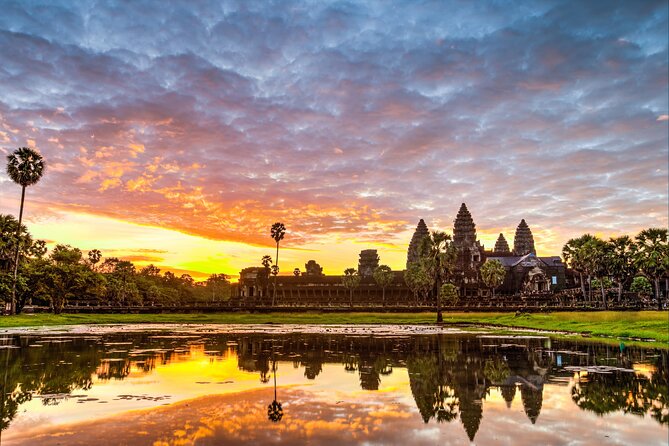
Why that matters: sunrise isn’t just about a pretty photo. The lighting changes how the temple reads. At first light, details soften, shadows stretch, and the lotus-shaped towers can look almost sculpted out of mist. Later in the morning, things get sharper, hotter, and busier.
A practical note: your total day is listed at 9 hours, and it feels like it. Even with a support vehicle waiting for breaks, plan to be tired afterward. If you prefer a short sightseeing block, you might want a lighter day plan.
Angkor Wat at dawn: the Vishnu-focused morning visit
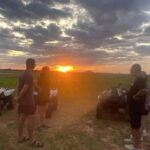
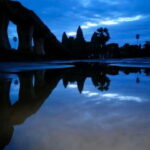
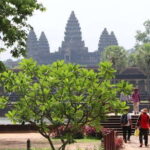
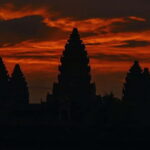
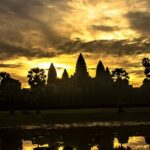
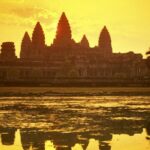
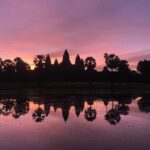
Your morning begins with a guided look at Angkor Wat right as the light arrives. As dawn breaks, the lotus-shaped towers gradually appear in silhouette against the sky—simple, but it’s the kind of moment that makes Angkor feel human instead of monumental.
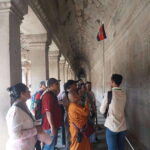
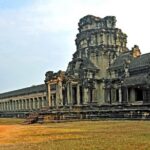
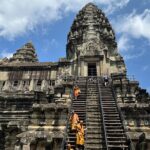
After the sunrise viewing window, the guide brings you into the temple’s corridors, galleries, and courtyards. You’ll hear the story of this 12th-century Khmer Empire masterpiece dedicated to the Hindu god Vishnu. It’s not just name-dropping; the guide helps you connect what you’re seeing to why it was built and how the symbolism works.
You’ll also be guided through about an hour at Angkor Wat. That pacing is smart because sunrise photography can easily swallow your time. Here, you get time for photos, but you also get temple time before the day ramps up.
Tip: bring a light layer. Sunrise mornings can feel cooler before the heat returns fast.
Jungle breakfast inside the Angkor area: more than a snack stop
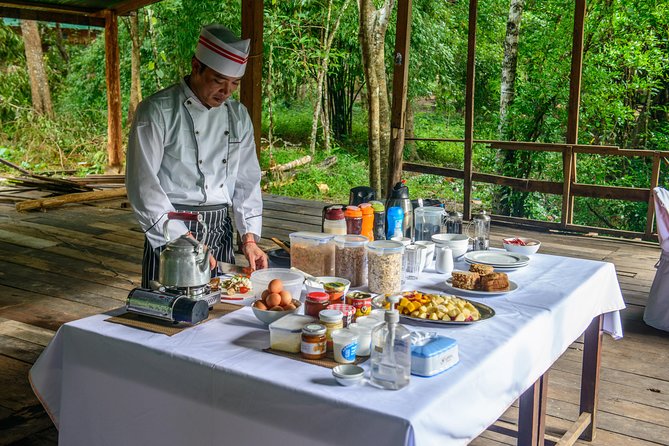
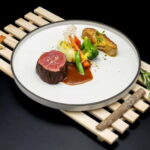
Then comes one of the real standouts: a chef-prepared jungle breakfast set up in a tranquil forest setting. This isn’t a roadside plate grabbed quickly. It’s presented as a proper picnic break inside the Angkor complex area, with the sound of the morning around you.
The food is freshly cooked, and it’s served privately for Discova guests in that calm natural setting. Many tours sell breakfast as an add-on. Here it’s used as a reset button. You slow down, eat well, and re-fuel before more walking and biking.
From the on-the-ground descriptions, the breakfast can include made-to-order items like omelets, plus fruit. You’ll also get the larger snack-and-water rhythm of the day continuing around the temples and ride segments.
If you have dietary needs, mention them at booking. The tour asks for dietary requirements ahead of time, and that kind of heads-up is what keeps breakfast from becoming a guessing game.
Riding between temples: how the bike portion feels
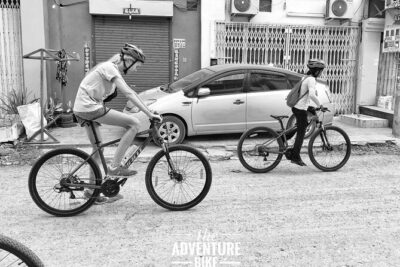
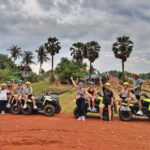
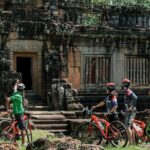
After breakfast, you start cycling along gentle park roads and shaded paths. The route is designed to avoid heavy traffic and to show you Angkor from angles many visitors never see because they stay on the main routes.
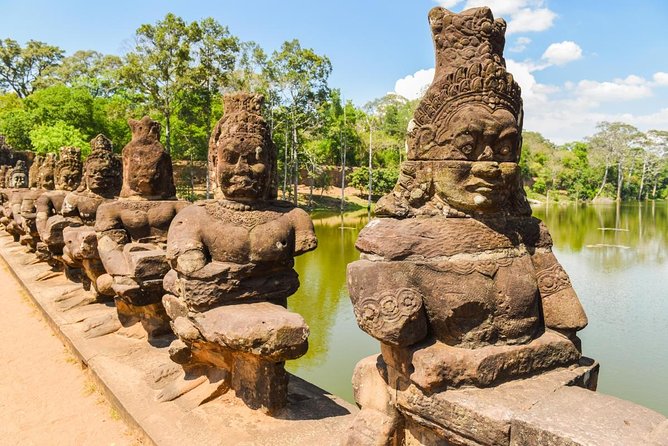
This part is where the tour earns its cost. Angkor sprawls across multiple zones, and bikes help you cover ground without the stops and start-up delays of vehicles. You also get a better sense of the park’s edges—green cover, quieter roads, and those ancient gateways that feel like you’ve stumbled into a different world.
What the ride is like in real terms:
- Mostly flat and manageable, with shaded segments that help in the Cambodian heat
- Some off-road trail segments can include sand or rough patches
- If you’re used to normal paved streets, you may find a few stretches bumpy, but support is available
Vehicle support runs in the background. The idea is you bike when you’re good, then step into the minivan when you want a rest. That flexibility is a big plus for people who don’t want to force a fitness goal.
Bike setup is also taken seriously. You’ll be asked for height details so the right-side bike can be arranged. That’s more than admin. A good fit makes the difference between enjoying the morning and fighting discomfort halfway through.
You can also read our reviews of more tours and experiences in Siem Reap
Bayon and the Terrace of the Elephants: where details matter
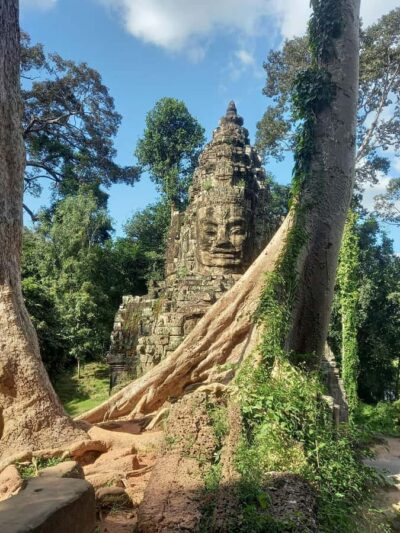
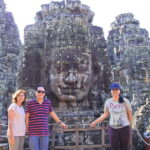
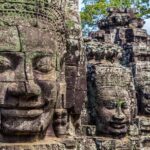
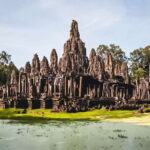
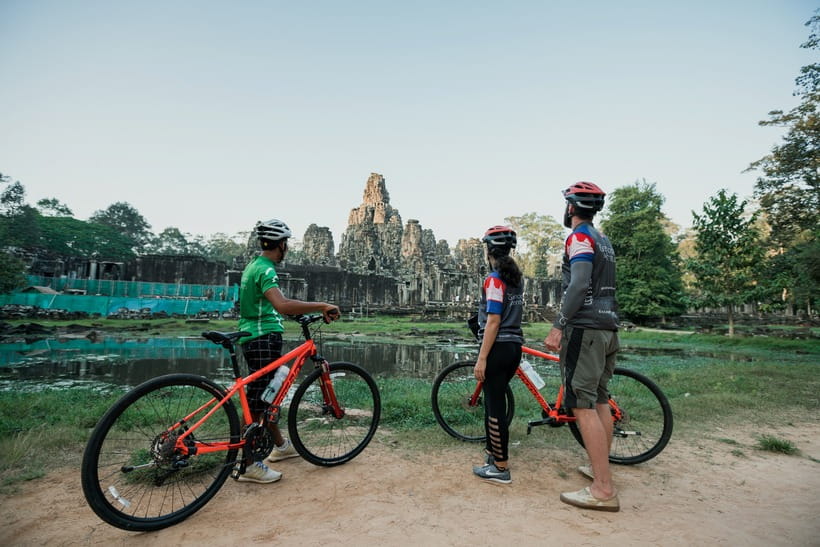
Next up is Bayon Temple. You’ll visit as part of the larger Angkor Thom area, and the guide helps you understand why Bayon is the centerpiece: its famous fifty-four towers carry more than two hundred serene stone faces, often linked in interpretation to King Jayavarman VII or Avalokiteshvara.
The key value here isn’t just seeing the towers. It’s walking through the space with explanations that keep the faces, layout, and setting from turning into a blur. A strong guide can make you notice patterns you’d otherwise miss.
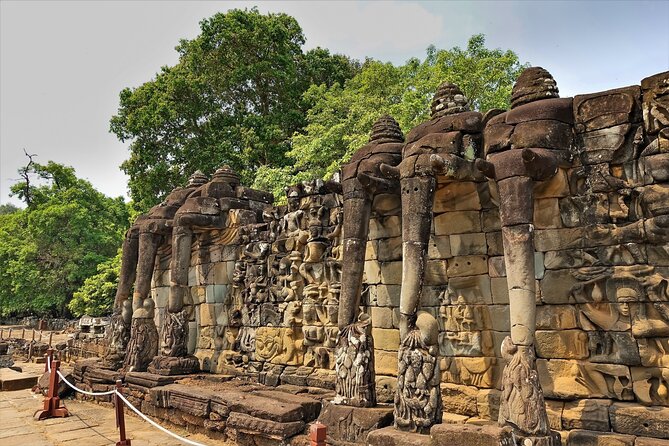
Then you move to the Terrace of the Elephants. It’s scheduled as a guided sightseeing stop, with time to look around and take it in without rushing. This is one of those areas where pacing helps—stop long enough for your brain to catch up with the scale.
Even if you’ve seen photos before, these stops tend to land differently in person, especially when you’re not surrounded by buses and loud tour groups.
Ta Prohm, the Tomb Raider temple: roots, light, and atmosphere
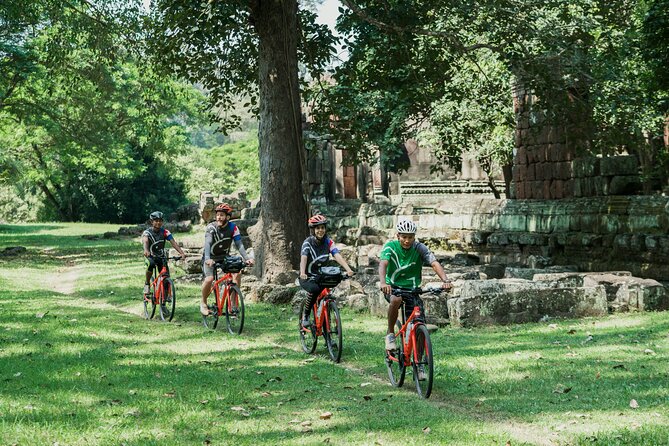
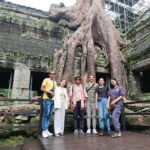
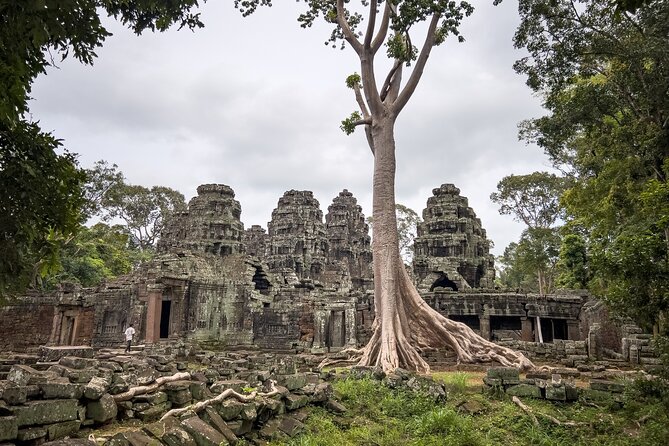
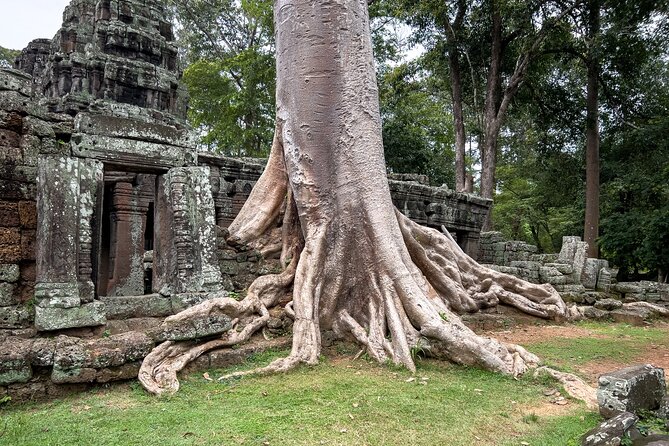
Ta Prohm is where nature and architecture collide in a way that feels almost staged. It’s commonly called the Tomb Raider temple, and it lives up to the nickname thanks to huge silk-cotton and strangler-fig trees that have taken root in and through the crumbling walls.
Your visit includes guided time at Ta Prohm, roughly an hour and a half. That’s enough time to see the main corridors, pause for photos, and absorb the way the tree roots frame doorways and stone paths.
From a viewer’s perspective, Ta Prohm can be the most emotional temple on the circuit. Angkor Wat is about symmetry and deliberate order. Ta Prohm is about time—wear, growth, and how ruins keep breathing in the jungle.
If you like photography, tell your guide you want photo stops. Several guides are praised for stepping in with picture help and knowing good angles.
Food and comfort across the whole day
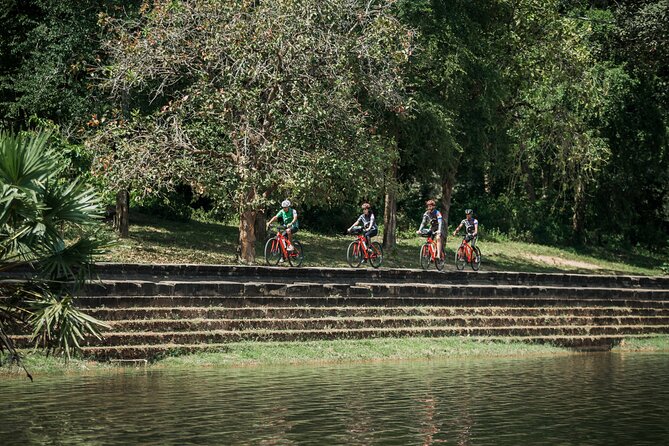
The day includes snacks, fruits, and bottled water, plus a guided rhythm with breaks. That sounds basic, but in Angkor heat it’s huge. When you’re biking and walking, thirst and energy dips happen fast.
You’ll also have minivan support available whenever you prefer to rest. In the field, that can mean quick meet-ups with the driver and cold drinks ready without you having to stop and chase.
A few riders specifically mention cool lemongrass towels and the team staying on top of water. Even if you don’t expect towels every day, the overall plan is clear: you don’t go dry on a long morning.
If you’re worried about lunch: lunch is included on private tours. If your booking is structured differently, double-check in your details. Either way, the experience is designed to keep you fed, not just entertained.
Price and value at $75: what you’re really paying for
At $75 per person for a 9-hour experience, the math works because you’re buying several “expensive in time” pieces at once:
- hotel pick-up and drop-off
- an English-speaking guide
- bike and helmet
- air-conditioned support minivan
- private jungle breakfast
- snacks, fruits, and bottled water
The Angkor Wat pass is not included. That’s the one big add-on you must handle before you go. Once you account for the pass, the day still tends to feel like good value because you’re not paying separately for bikes, extra transport time, and a proper breakfast setup.
Also, you’re paying for route planning. Avoiding heavy traffic and mixing riding with structured temple visits saves hours. In Angkor, hours are the currency.
Who should book, and who should skip this bike style
This is a great fit if you:
- like a more active sightseeing day
- want quieter roads and shaded forest paths
- enjoy a guided explanation while you move
- want sunrise without having to fight the biggest crowds
It may not be the best fit if you:
- prefer strictly easy walking or purely vehicle-based touring
- aren’t comfortable with bumpy terrain (sand and rough spots can happen)
- are pregnant, since the tour lists it as not suitable
Kids can be accommodated with kids bikes and discounts for children age 12 and under, plus child seats available on request. The limit is listed as 14kg for child seats, and you’ll be asked for heights to match bike sizing.
In short: if you can ride a bike on uneven park paths with support available, you’ll likely feel good about the choice.
Practical tips to make the day smoother (and cooler)
Here’s how you get the best experience out of this specific setup:
- Pack for temple rules: sleeveless shirts are not allowed
- Bring sunscreen and a hat, because sunrise coolness won’t last
- Wear shoes you can handle if a path gets sandy or muddy
- Tell the operator your height so the bike fit is correct
- Mention dietary requirements at booking so breakfast and lunch options work for you
One more thing: arrive with a photo mindset. Guides often act as both guide and photo helper, and they tend to know where the best moments happen. At sunrise, your position matters, and the tour structure is designed to get you there early.
Should you book this Angkor Wat Sunrise Bike Tour?
I’d book this tour if you want Angkor Wat at sunrise, then you want the day to keep moving—by bike—through calmer parts of the park. The chef-prepared jungle breakfast and the guided visits to Bayon and Ta Prohm create a full Angkor day without feeling like a frantic hopscotch.
I’d think twice if you hate early mornings, aren’t comfortable on a bike over uneven ground, or want a strictly relaxed pace. This is still very manageable thanks to minivan support, but it is not a sit-and-stare outing.
If you want one Angkor day that feels both iconic and quietly different, this is a strong choice.
FAQ
How long is the Angkor Wat Sunrise Bike Tour & Jungle Breakfast?
The tour duration is 9 hours.
What does the $75 price include?
It includes bike and helmet, English-speaking guide, hotel pick-up and drop-off, transfers and support by air-conditioned minivan, private jungle breakfast picnic, snacks, fruits, and bottled water. Lunch is included only for private tours.
Do I need an Angkor Wat pass?
Yes. The Angkor Wat pass is required and not included.
What time does the tour start?
The day begins before sunrise, with hotel pick-up and a transfer to Angkor Wat so you can watch sunrise.
Is breakfast included, and where is it served?
Yes. Breakfast is included as a chef-prepared jungle breakfast served in a tranquil forest setting within the Angkor area.
What happens after Angkor Wat in the morning?
After Angkor Wat, you continue with breakfast, then cycle through the park to Bayon and the Terrace of the Elephants before visiting Ta Prohm.
Is lunch included for everyone?
Lunch is included for private tours only.
Are there clothing rules for visiting the temples?
Sleeveless shirts are not allowed.
Can kids join, and do you provide child seats?
Child seats are available upon request for children up to 14kg. Discounts for children age 12 and under are available with kids bikes.
Is the tour suitable for pregnant women?
No, the tour is not suitable for pregnant women.
Is there cancellation flexibility and a pay-later option?
Yes. Free cancellation is available up to 24 hours in advance for a full refund, and you can reserve and pay later.