REVIEW · SIEM REAP
Angkor Temples Highlights: 2-Day Private Tour with Sunrise
Book on Viator →Operated by Bayon Guide · Bookable on Viator
4:30 a.m. changes everything. This private two-day Angkor tour is built around the quiet magic of sunrise at Angkor Wat, then lets you keep your own rhythm through Angkor Thom and Ta Prohm with an English-speaking guide. I like that it feels personal: you’re not stuck following a pack that rushes, stops, or drags you along.
I also love the practical comfort—air-conditioned transport plus mineral water and cold towels on the go. One thing to consider: you’re up early and you’re walking a lot across two days, and meals aren’t included, so plan for snacks or simple meal breaks of your own.
In This Review
- Key points worth knowing before you go
- A 4:30 a.m. sunrise plan that actually makes sense
- Day 1: Angkor Wat to Ta Prohm at a steady, guided pace
- Angkor Wat Sunrise (the morning anchor)
- Angkor Thom South Gate (giants and myth at the entrance)
- Bayon Temple (smiling faces and bas-reliefs)
- Ta Prohm (tree roots, stone, and a calmer kind of chaos)
- Day 2: The Grand Circuit plus Neak Pean, East Mebon, and Banteay Srei
- Preah Khan (grand scale along the circuit)
- Neak Pean (the island temple and its meaning)
- Ta Som (a quiet, root-crowned gateway)
- East Mebon (island feeling, elephant guardians, stone towers)
- Banteay Srei (the pink stone carving masterclass)
- What’s included in the $39 price, and what you should compare
- The comfort upgrades that actually help you enjoy Angkor
- Angkor Pass, dress code, and the costs you should plan for
- Angkor Pass: optional in the tour listing, but read it carefully
- Dress code: knees and shoulders covered
- You still need to think about meals
- Who this private sunrise-and-circuit tour suits best
- Should you book this Angkor Temples 2-Day Private Sunrise tour?
- FAQ
- What time does the tour start?
- Is this tour private?
- What’s included in the tour price?
- Do I need to buy the Angkor Pass?
- Are entrance fees covered?
- What should I wear to visit the temples?
- What should I bring for the day?
- What’s the cancellation policy?
Key points worth knowing before you go
- Sunrise timing at Angkor Wat so you get the early-light calm instead of only the late-day crowds
- Private tour format means your group sets the pace, not a tour schedule built for strangers
- AC pickup with cold towels keeps the day more bearable in Siem Reap heat
- Grand Circuit temples on Day 2 plus the pink-stone carvings of Banteay Srei
- English-speaking guide focus helps you understand what you’re seeing, not just where to stand for photos
- Sugar growers stop adds local life context beyond temple stones
A 4:30 a.m. sunrise plan that actually makes sense
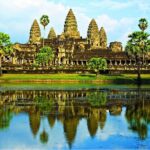
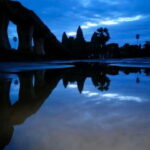
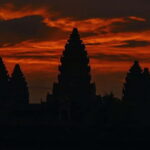
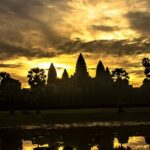
Angkor Wat at sunrise sounds like a cliché until you experience why it works: the light is softer, the air feels cooler, and the whole place seems less like a checklist and more like a moment. This tour starts with hotel pickup at 4:30 AM, then moves you straight into the sunrise experience at Angkor Wat.
The value here is not just the early start. It’s the way the morning is structured for flow. You’re guided through the big impressions without having to figure out timing, tuk-tuk logistics, or where to park your attention. If you’ve ever tried to DIY sunrise temples, you know how quickly it turns into stress: timing slips, heat ramps up, and you end up rushing to catch up. This format protects your energy.
The biggest trade-off is obvious: you’ll feel the early wake-up. If you’re traveling with a late-sleeping mindset, you might grumble at first light. My advice is to treat it like a one-day reset. Go to bed early, hydrate before you leave, and save your biggest photo effort for the sunrise window and the first major stops.
You can also read our reviews of more private tours in Siem Reap

Day 1: Angkor Wat to Ta Prohm at a steady, guided pace
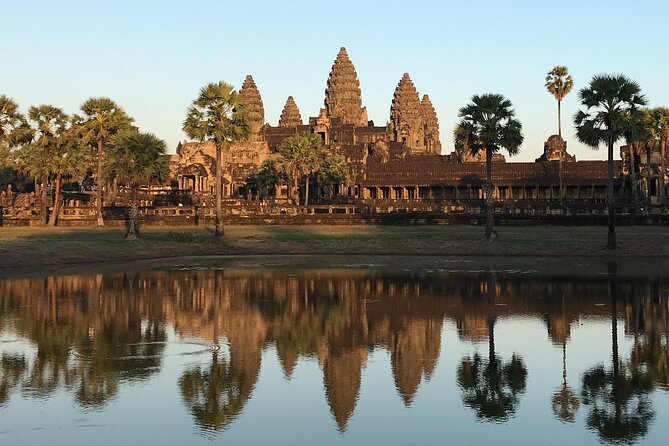
Angkor Wat Sunrise (the morning anchor)
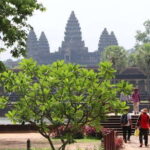
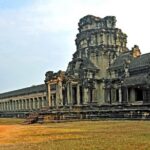
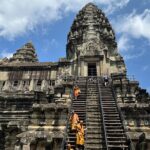
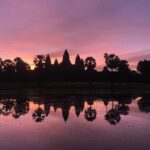
The day begins at Angkor Wat for the sunrise experience. This is where you’ll get your first real sense of how Khmer architecture is meant to be read—through symmetry, layers of stone, and wide temple sightlines that look different as the sky changes.
You’ll be with an English-speaking guide who explains what you’re looking at, so you don’t just see towers and carvings. You start to understand the logic: what’s central, what’s ceremonial, and why certain layouts matter. That’s a huge part of why people love this tour. It turns time spent walking into meaning you can carry into the rest of Angkor.
A practical tip: bring sunscreen and something for your shoulders and knees. The tour has a dress code requiring knee and shoulder coverage, and you’ll want that covered before you arrive at temples. A light long-sleeve top or a scarf you can adjust quickly makes mornings easier.
Angkor Thom South Gate (giants and myth at the entrance)
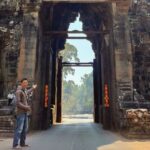
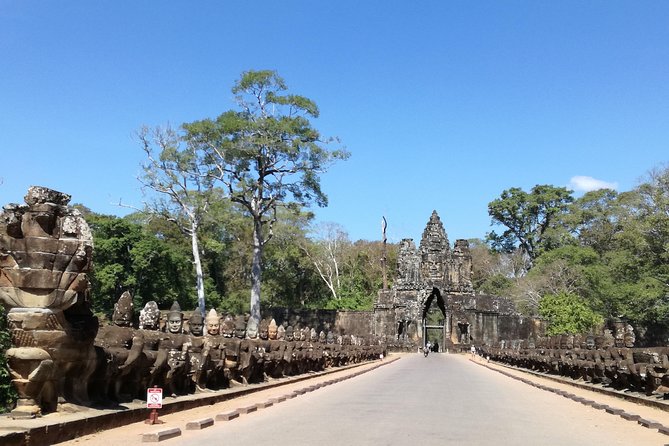
After Angkor Wat, you move to Angkor Thom’s South Gate. The causeway is lined with stone figures tied to the legend of the Churning of the Ocean of Milk. Even if you don’t memorize the story on the spot, the point is clear: you’re not entering a random ruin. You’re walking into a myth-shaped gateway.
This stop is also a helpful “orientation moment.” It gives you a sense of scale and direction before you head into the inner core.
Bayon Temple (smiling faces and bas-reliefs)
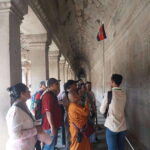
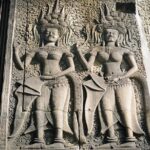
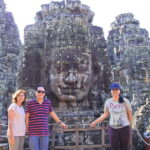
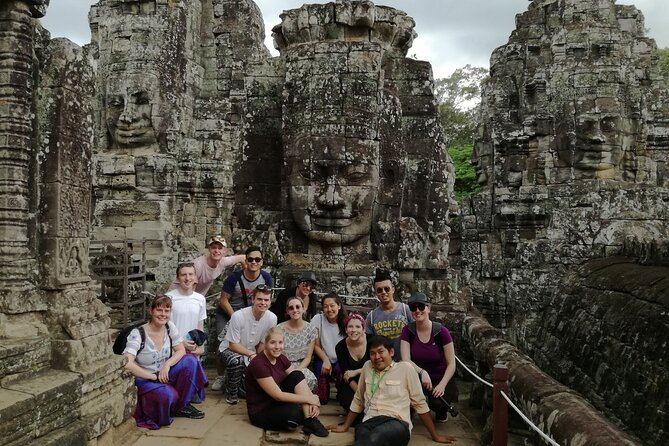
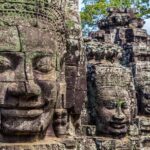
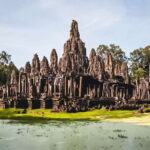
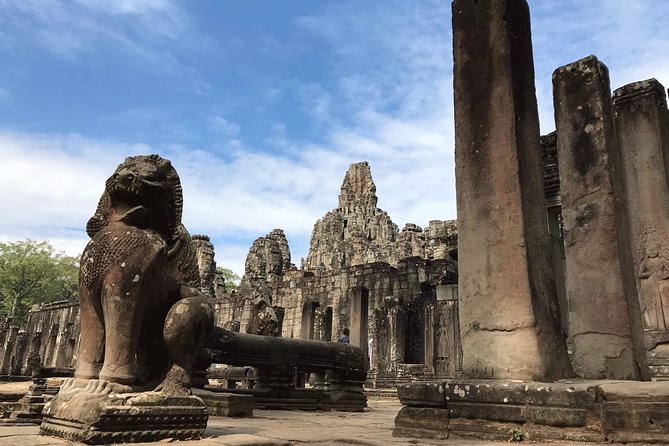
Bayon Temple sits in the heart of Angkor Thom, famous for the many stone faces. The experience works best when you slow down and let the guide point out details rather than just hunting for your favorite angle. Bayon’s bas-reliefs show daily life, historical events, and Khmer mythology—so the temple doesn’t feel frozen. It feels like a snapshot of a lived world.
This is the point in Day 1 where your legs will start to remind you that you’re up early. If you’re the kind of traveler who likes short breaks, take them now. You’ll enjoy the next stop more.
You can also read our reviews of more tours and experiences in Siem Reap
Ta Prohm (tree roots, stone, and a calmer kind of chaos)
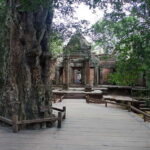
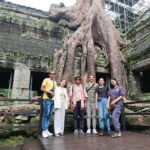
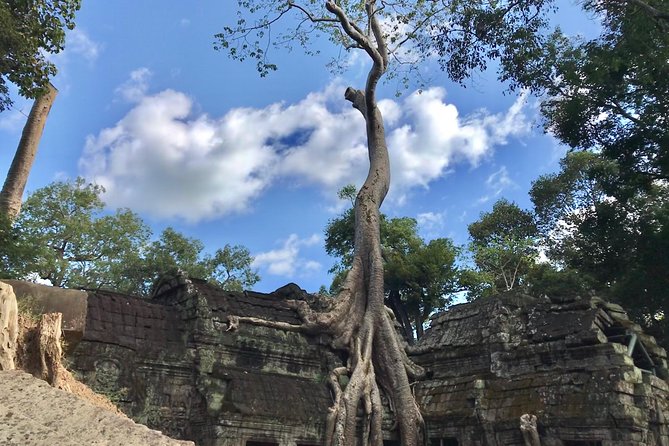
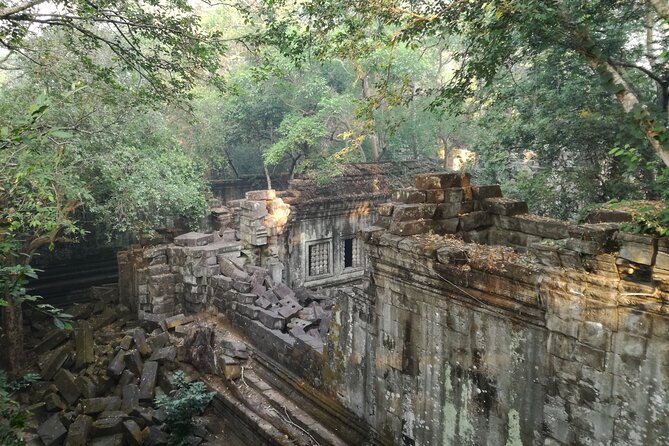
Ta Prohm is the stop most people recognize for the way enormous tree roots weave through the buildings. What makes it special is the atmosphere: left largely unrestored, it shows a real tug-of-war between architecture and nature. It’s not about perfection. It’s about presence—stone that has weathered centuries, and roots that keep pushing.
This part is also where your photos get better with intention. Instead of firing off shots randomly, watch how the light falls through the roots and pick a couple of compositions you can repeat. Your guide can help you choose angles that make the temple’s structure easier to read.
One more consideration: this is a long Day 1 with early pickup. If you get heat-stiff, ask for small pauses. The private format matters most here, because your guide can adjust rather than just marching everyone like a metronome.
Day 2: The Grand Circuit plus Neak Pean, East Mebon, and Banteay Srei
Day 2 is about variety. You’re still in temple country, but the sequence moves through different kinds of sites: the grand and sprawling, the symbolic and healing, the quieter photographic corners, and then the finest carving stop.
Preah Khan (grand scale along the circuit)
Preah Khan sits on the Grand Circuit route. You’ll see a temple complex that reflects the scale and spiritual ambition of the Khmer civilization. The guide’s job here is key: without explanation, large temple sites can blur into a lot of stone and walls. With explanation, you start noticing what’s planned, what’s ceremonial, and what connects visually from one section to another.
Neak Pean (the island temple and its meaning)
Neak Pean is different in feel. It’s an island temple that was once a sacred healing site, representing balance, purification, and spiritual harmony. Even if you’re not seeking spiritual answers, the meaning helps you frame the site: this isn’t just a scenic stop. It’s a symbolic one.
This is also a good break in the day. The pace is lighter, so it helps reset you before the next series.
Ta Som (a quiet, root-crowned gateway)
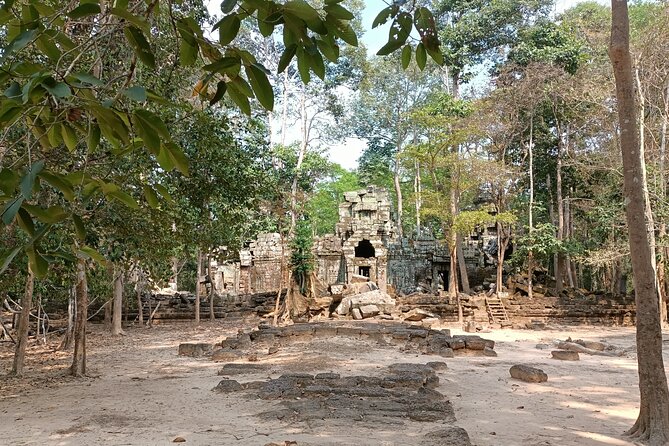
Ta Som is known for its gateway topped by massive tree roots and for that slightly quieter atmosphere compared to some of the louder famous names. The best way to enjoy it is to slow down and let your camera find the details—root texture, stone edges, and the way the gateway frames your view.
This is one of those stops where the private nature pays off. If you want a longer pause to photograph, you can.
East Mebon (island feeling, elephant guardians, stone towers)
East Mebon is built on what was once an island in the East Baray reservoir. That island context matters because it changes how the temple feels in your eyes: more isolated, more ceremonial, more set apart. You’ll notice stone towers and detailed carvings, plus guardian elephant statues at each corner.
The elephant guards can be easy to miss if you walk too fast. This is a good moment to step back from the main doorway and check the corners.
Banteay Srei (the pink stone carving masterclass)
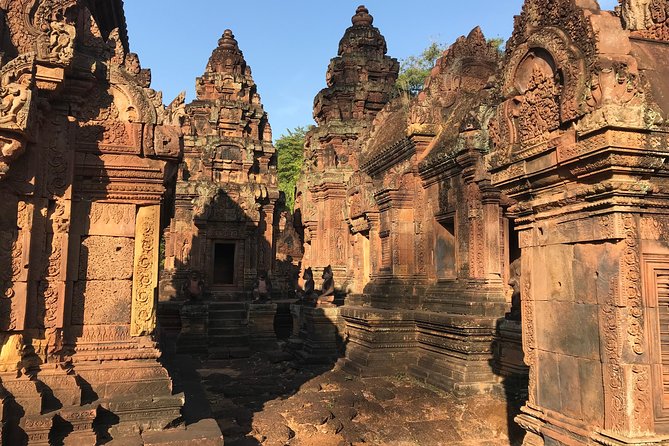
Banteay Srei is often called the jewel of Angkorian architecture, and it’s sometimes described as the Citadel of Women. The reason is the pink sandstone and the intricate carving work, often considered among the finest in Angkor.
This is where you’ll feel the payoff of two days. Your eyes start recognizing patterns: how carvers balanced space, how motifs were repeated, and how the overall design aimed to guide attention. Plan to spend time here rather than rushing to tick it off.
The tour wraps after Banteay Srei with return to your hotel. It’s a long two days, but the ending stop makes it feel complete rather than cut short.
What’s included in the $39 price, and what you should compare
At $39 per person, this tour is priced as a value-focused way to see major Angkor highlights without doing the logistics yourself. The reason it can feel like a bargain is that it includes several high-friction items:
- Hotel pickup (so you don’t coordinate your own early transport)
- Comfortable air-conditioned transport
- Mineral water and cold tissues during the tour
- An expert English-speaking tour guide
- A private group format, so you’re not negotiating for time or space
It’s also listed with mobile ticket use and group discount availability. That matters if you’re traveling with friends or family and want to keep planning simple.
If you’re comparing costs, watch the difference between the tour price and the temple access costs. The tour notes the Angkor Pass is optional (2–3 days, listed as US$62 per person). The itinerary also marks many stops as ticket free, so the clean way to plan is to confirm with the provider exactly how your pass is handled for your date and format. Either way, the tour is structured so you’re not paying extra for every stop.
A final value note: this tour clearly invests in comfort. In Siem Reap, that can be the difference between enjoying the afternoon and feeling wrecked by the heat. AC plus cold towels may not sound glamorous, but your body notices it.
The comfort upgrades that actually help you enjoy Angkor
Angkor tempts you to overdo it. You want to see everything fast, then you end up tired and grumpy. This tour fights that with small, real-world supports:
- Air-conditioned transport keeps you from cooking between sites
- Cool water and cold towels give you quick recovery
- Hotel pickup reduces morning stress
- A guide who explains what you’re seeing keeps your brain engaged, not just your feet moving
One thing I found especially smart from past experiences shared with this type of route: guides like Mork are praised for being passionate about history and culture, and others such as Moaung are noted for bringing fun insight into Cambodian culture. Driver Hak also gets credit for keeping things smooth and comfortable. Even when the temples are fixed, the tour experience depends heavily on how well the guide manages pacing and how the driver handles timing.
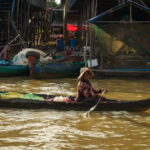
You’ll also meet local sugar growers, which adds context beyond the temple stones. It’s a quick reminder that Angkor isn’t the entire region’s story. It’s part of a living area with farming and daily work.
Angkor Pass, dress code, and the costs you should plan for
Angkor Pass: optional in the tour listing, but read it carefully
The tour states that the Angkor Pass (2–3 days) is optional and lists it at US$62 per person. Since the itinerary shows admission tickets as free per stop while the pass is still mentioned as optional, don’t guess. When you book, confirm what’s required for your exact itinerary.
If you’re staying only a short time in Siem Reap, the two-day pass often makes sense. If your plans are limited, you might choose what fits best based on your temple list.
Dress code: knees and shoulders covered
Temple rules here aren’t optional. You’ll need knee and shoulder coverage. This isn’t about style. It’s about access. Pack something light and breathable, and keep it ready for the moment you step out of the car.
You still need to think about meals
Meals are not included. That’s not a dealbreaker, but it means you should plan for breaks. If your body needs food to keep going, grab simple snacks or plan meal stops in between temple blocks. Water is included, but food is not.
Who this private sunrise-and-circuit tour suits best
This tour is a strong match if you want:
- A private format with your own pace
- The big Angkor highlights across two days instead of trying to cram it into one
- English explanations that help you understand what you’re seeing
- A comfort-first approach in Siem Reap heat (AC, water, cold towels)
- A sunrise start at Angkor Wat without DIY stress
It may be less ideal if you hate early mornings, or if you don’t like long walks and temple time without frequent breaks. The tour is built for people who are ready for the day to start fast and end with tired legs.
Should you book this Angkor Temples 2-Day Private Sunrise tour?
Book it if you want the best combination of sunrise magic, guided storytelling, and comfort that keeps you moving without feeling miserable. The private nature is a real advantage on temples where small timing changes can make your experience either peaceful or exhausting.
Skip or rethink it if you’re on a very tight schedule for meals and rest, or if you know you won’t handle a 4:30 AM start. Also, make sure you clarify how the Angkor Pass is handled for your date so you don’t get surprised by temple access requirements.
If you’re choosing one plan to cover major Angkor highlights over two days, this one is built for exactly that: less hassle, better pacing, and a guide who helps you see the place as more than stone.
FAQ
What time does the tour start?
The start time is 4:30 AM with hotel pickup.
Is this tour private?
Yes. It’s a private tour/activity, and only your group participates.
What’s included in the tour price?
Included items are comfortable air-conditioned transport, an English-speaking tour guide, mineral water, and cold tissues on tour.
Do I need to buy the Angkor Pass?
The Angkor Pass is listed as optional. It’s described as 2–3 days and priced at US$62 per person if you include it, so confirm your exact needs when booking.
Are entrance fees covered?
The itinerary marks admission ticket free for the listed temple stops, while the Angkor Pass is optional. Check with the provider at booking to confirm how entry works for your specific tour date.
What should I wear to visit the temples?
You need a dress code that covers knees and shoulders.
What should I bring for the day?
The tour suggests good walking shoes, sun cream, and mosquito repellent.
What’s the cancellation policy?
You can cancel for a full refund if you cancel at least 24 hours before the experience’s start time.