REVIEW · SIEM REAP
Angkor Wat one Day Private Tour for All Highlight Angkor Temples
Book on Viator →Operated by About Cambodia Travel & Tours · Bookable on Viator
Angkor Wat in a single day is doable. This private tour strings together the big names with a guide timed for sunset views. You get picked up from your hotel and driven around in comfort, so you spend less time bargaining and more time looking up at stone faces.
What I like most is the tight, logical run through the temples, from Angkor Thom’s gates to Ta Prohm’s roots and Angkor Wat’s main complex. I also like that you get hotel transfers plus a private driver/guide setup, which means you can move at a pace that fits your group instead of getting dragged by strangers.
One thing to consider: the itinerary is packed for 7–9 hours, and entry tickets + meals are not included. You’ll need to plan for the Angkor Pass, follow the temple dress code, and budget for lunch.
In This Review
- Key highlights that make this tour worth your time
- What you’re really buying: a private Angkor day with smart pacing
- Price and value: $61.75 is the easy part
- The logistics that matter on a temple day
- Stop-by-stop: how each temple fits your day
- Angkor Thom South Gate: the restored faces on the main approach
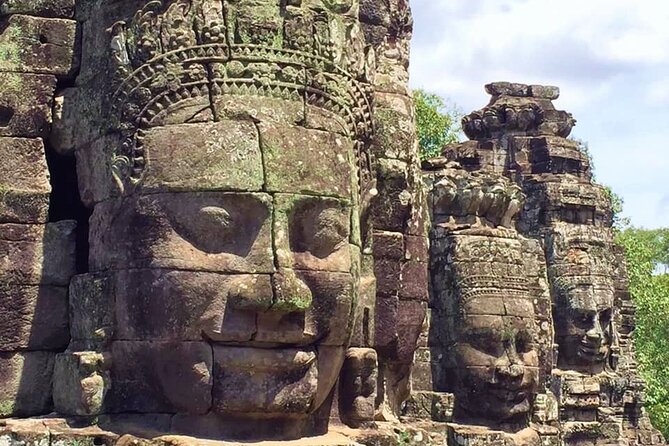
- Bayon Temple: stone faces and the city-center vibe
- Angkor Thom: the bigger urban picture
- Baphuon Temple: a different kind of mountain-temple
- Phimeanakas: palace area, once crowned in gold
- Terrace of the Elephants: ceremonial movement in stone
- Terrace of the Leper King: power and dramatic bas-reliefs
- Ta Nei Temple: a quieter, dedicated Buddha site
- Ta Prohm: the famous trees you came for
- Angkor Wat: the main event, with time to breathe
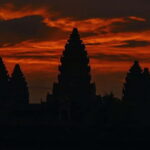
- Phnom Bakheng at sunset: the panoramic closer
- Guides and comfort: why the private format feels different
- Dress code and entry reality check
- Who this tour is best for
- Should you book this Angkor Wat one-day private highlights tour?
- FAQ
- What’s the duration of the Angkor Wat one-day private tour?
- Do you get hotel pickup and drop-off?
- Is the tour private or shared?
- What’s included in the tour price?
- Are temple entrance tickets included?
- Is lunch included?
- What about tipping?
- What vehicle will you use: car or tuk-tuk?
- What’s the dress code for the temples?
- Is cancellation free?
Key highlights that make this tour worth your time
- Hotel pickup and drop-off in Siem Reap, so you start fast and don’t fight traffic chaos
- Air-conditioned private vehicle or tuk-tuk option for comfort in the heat
- Sunset timing built into the day, with Phnom Bakheng for panoramic views
- All the major stops in one circuit, including Bayon, Ta Prohm, and Angkor Wat
- Know-the-meaning guidance from English-speaking guides like Rain and Mr. Sara (based on reported experiences)
- Water and cool fresh towels during the day, which is more helpful than it sounds
What you’re really buying: a private Angkor day with smart pacing
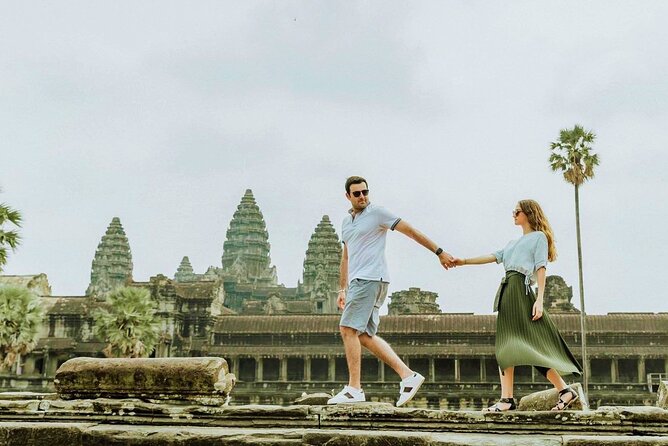
This tour is designed for people who want the headline temples without the hassle of coordinating transport on your own. You’ll get a professional English-speaking guide and a private ride—either an air-conditioned vehicle or a tuk-tuk depending on the option you choose—plus pickup and drop-off from your hotel.
The real value here isn’t just that it lists a lot of temples. It’s that the plan moves you through the Angkor area in a sensible order, with enough structure that you don’t waste half the day working out where to go next. And because it’s private, you’re not stuck in a mob timeline. If you want to linger at a carving, get photos without constant interruption, or slow down for a break, you have more control.
Just know the day is long. At 7–9 hours, you’ll be walking, climbing stairs, and shifting locations repeatedly. That can be great if you enjoy temple-hopping, but it’s not the best match if you want a gentle, low-effort sightseeing day.
You can also read our reviews of more private tours in Siem Reap


Price and value: $61.75 is the easy part
The listed price is $61.75 per person. That covers pickup and drop-off, a private guide, and the private transfers around Angkor. You also get water and cool fresh towels during the trip.
However, three important costs sit outside the price:
- The Angkor Pass (temple entry), which covers the temples in the itinerary
- Meals/lunch, typically available at local restaurants (menu prices stated as $3–$10 per dish)
- Tipping for the guide and driver
So how do you judge value? I’d treat the $61.75 as the transportation + guiding package, and then budget separately for entry and food. If you’re comparing to cheaper group tours, the private part usually wins when you care about timing, comfort, and explanations that actually stick. If you’re mainly interested in just “seeing the stones,” you may find lower-cost options locally. But if you want a guide to connect what you’re looking at to what it meant, this format can feel more efficient.
The logistics that matter on a temple day
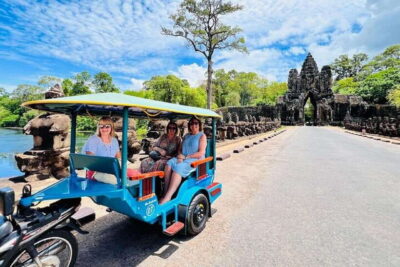
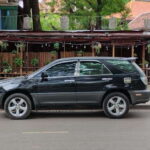
You start in Siem Reap with hotel pickup. The tour meets you at the hotel lobby, and then you’re off in a private vehicle or tuk-tuk. The ride choice matters more than it sounds: the air-con vehicle is a lifesaver in the afternoon heat, while a tuk-tuk can feel fun and local but still means more sun exposure.
This is also built around long site time. Many stops are short (30 minutes), and a couple are longer (Angkor Wat up to around 2 hours, plus time for sunset views from Phnom Bakheng). The guide’s job is to keep you moving while still giving you enough context to make the stops meaningful.
Two quick practical notes before you go:
- The tour includes water and cool fresh towels, so you won’t be totally unprepared if the day turns hot.
- The dress code is strict: no shorts or sleeveless tops. You need knees and shoulders covered for both men and women, or you can be refused entry at places of worship.
Stop-by-stop: how each temple fits your day
Here’s how the day flows, and what each stop is good for. Think of it as a greatest-hits route with enough variety to keep you from feeling like you’re staring at the same wall all day.
Angkor Thom South Gate: the restored faces on the main approach
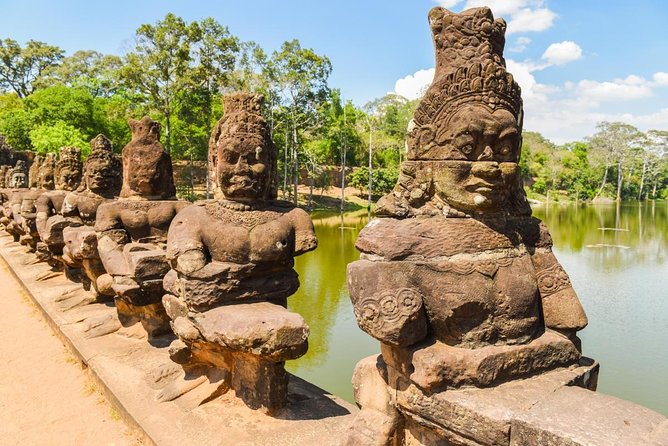
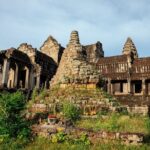
You’ll start at Angkor Thom South Gate, a major entry point into Angkor Thom from Angkor Wat. This gate stands out because it’s fully restored, and many of the heads are still in place.
What to watch for: the symmetry and the scale. Gates like this act like a transition zone. You’ll feel like you’ve crossed from modern Siem Reap into the ancient city layout.
Time on site is about 30 minutes. The drawback is that it can feel like a “see it and move on” stop unless your guide gives you the backstory and you slow down to actually scan the details.
You can also read our reviews of more tours and experiences in Siem Reap
Bayon Temple: stone faces and the city-center vibe
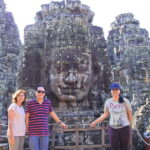
Next is Bayon Temple, built nearly a century after Angkor Wat. It’s located in the center of the royal city, which helps explain its importance in how the Angkor world was structured.
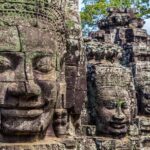
Bayon is the temple most people associate with those famous faces. Even if you’ve seen photos, being there in person changes the experience. The carvings and viewpoints feel different as you move around.
Your time here is around 1 hour. That’s good. Bayon rewards patience, but it’s still fast enough to keep you from falling behind later in the day.
Angkor Thom: the bigger urban picture
After Bayon, you’ll spend time at Angkor Thom itself. This is where the “city” idea becomes clearer—Angkor Thom isn’t just a single building; it’s a whole expression of religious and royal planning, in a big, three-dimensional way.
This stop is about 30 minutes. The best use of this time is to get your bearings: where you are, how the city is laid out, and why later temples connect to this central layout. If your guide is strong at explanations, this becomes one of the stops that makes the rest click.
Baphuon Temple: a different kind of mountain-temple
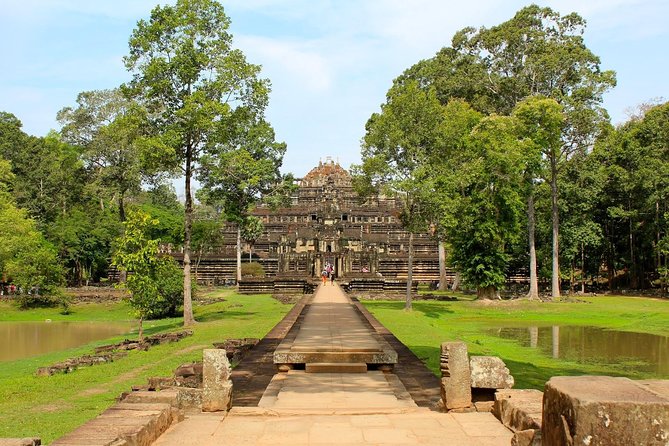
Baphuon Temple sits on a rectangular sandstone base with five levels, which makes it a bit different from the more common pattern of stepping levels.
If Angkor Wat is all about perfection and balance, Baphuon can feel more rugged and architectural. It’s a good mid-day mix-up that keeps you from only seeing the most famous sites.
Expect about 30 minutes. The drawback: if you’re already tired, this can be the stop where you start rushing. Try to get at least one angle that shows the tiered base clearly.
Phimeanakas: palace area, once crowned in gold
Phimeanakas is near the center of the Royal Palace area. Historically, it was described as having a golden pinnacle, so the temple’s original visual impact would have been huge.
Time is about 30 minutes. This is one of those stops where the explanation matters because the structure may not look like the grand photos people imagine. A good guide helps you see it as it would have appeared in its prime.
Terrace of the Elephants: ceremonial movement in stone
Next is the Terrace of the Elephants. The carvings connect to ceremonial scenes, with elephants tread quietly in a kind of procession.
This stop takes about 45 minutes, which is longer than most in the middle of the day. That extra time is helpful because the terrace carvings are worth scanning slowly. If you only glance, you’ll miss the storytelling.
Terrace of the Leper King: power and dramatic bas-reliefs
The Terrace of the Leper King has dramatic bas-reliefs both inside and outside, carrying the grandeur of Jayavarman VII’s reign.
This one takes around 30 minutes. The payoff is that bas-reliefs can be visually dense. If you’re getting tired by then, use the guide: ask for which carvings to focus on. That way you’re not trying to decode everything alone.
Ta Nei Temple: a quieter, dedicated Buddha site
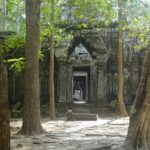
Then comes Ta Nei Temple, a late 12th-century stone temple dedicated to the Buddha, near the northwest corner of East Baray.
This is about 30 minutes. It can feel calmer than the headline stops, which is good if your energy is dropping. The risk is the opposite: if you want maximum drama all the way through, this might feel more subdued.
Ta Prohm: the famous trees you came for
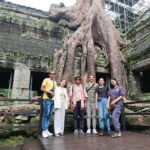
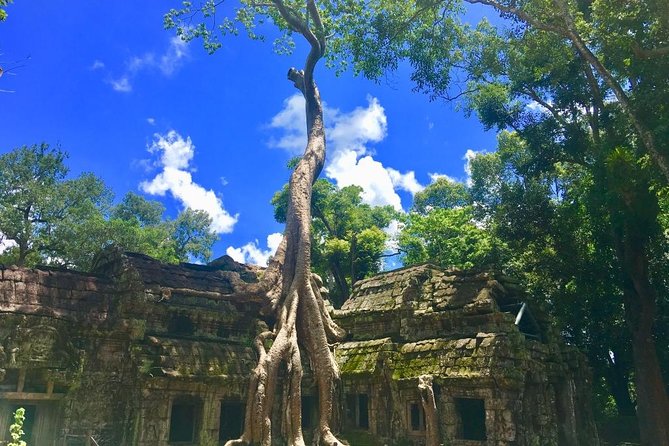
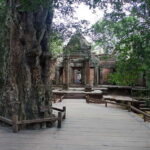
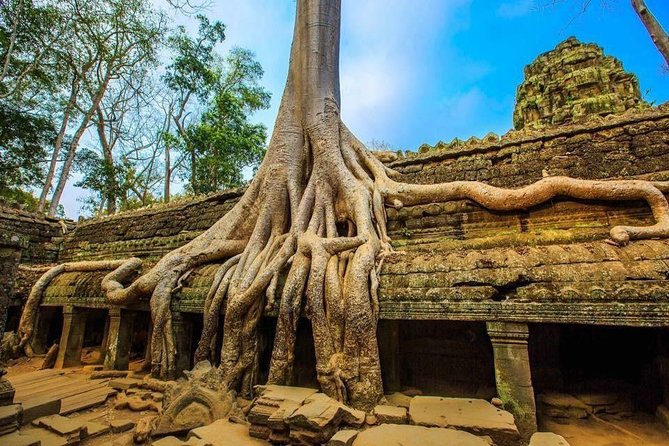
Ta Prohm Temple is the one that most people recognize as the kingdom of trees. The temple has been left largely untouched, aside from clearing paths for visitors and structural strengthening to reduce further deterioration.
This stop is about 1 hour. It’s a great chance to slow down and take in the way roots and stone are fused. You’ll also want your guide’s help spotting key areas, because Ta Prohm looks visually busy from every direction.
If you’ve seen it in photos, know this: the best moments come when you pick one viewpoint and stay there long enough for the light and your angle to change the whole look.
Angkor Wat: the main event, with time to breathe
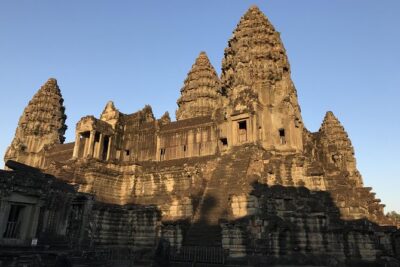
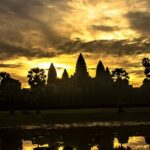
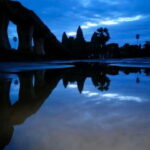
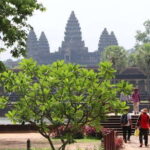
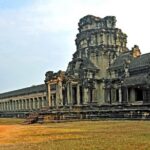
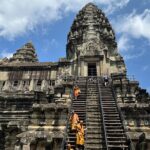
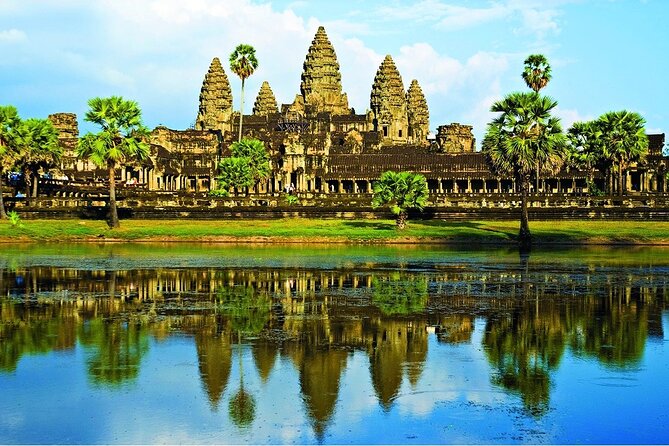
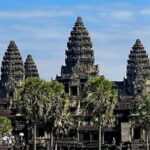
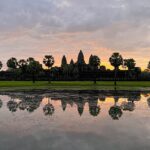
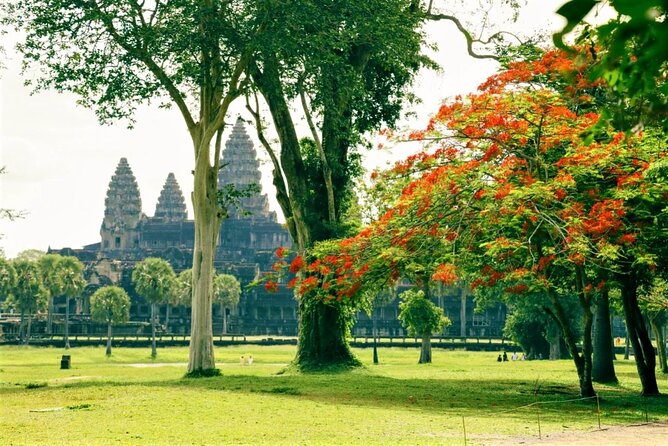
Then it’s Angkor Wat, the largest and best preserved monument in the Angkor group. You’ll get about 2 hours here.
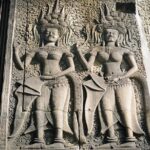
This is the heart of the day. Angkor Wat’s appeal is not just “big and old.” It’s composition, balance, proportions, relief work, and sculpture. A strong guide helps you see those things instead of treating it like a single, flat picture.
One practical note: this stop is long enough that you can do it properly—walk key areas, pause for explanations, and get photos without needing to sprint to the next gate.
Phnom Bakheng at sunset: the panoramic closer
To finish, you’ll head to Phnom Bakheng, described as the highest temple in the Angkor Archaeological Park. It’s a temple mountain honoring Shiva, and it offers panoramic views.
This is about 1 hour, and the whole day is timed so you can see sunset over the ancient city. That timing matters because Phnom Bakheng views depend on late-day light.
The drawback: sunset viewpoints can mean you’re dealing with crowds and a bit of crowd rhythm even on a private tour, because the site is popular. Your advantage is that your guide can get you positioned and help you manage your time so you don’t spend the best light searching for the next photo spot.
Guides and comfort: why the private format feels different
A key part of this experience is the guide. In reported experiences, guides like Rain and Mr. Sara were praised for their explanations and for making the day feel structured. There’s also a note that having a private guide and driver helped people avoid crowds and move at a comfortable pace.
Comfort is also real here. You’ve got air-conditioned transport as an option, plus water and cool fresh towels during the trip. Those are the small things that stop a long day from turning into a heat-stress grind.
One more pattern from reported experiences: guides can sometimes be flexible if you need to adjust due to a health or rest situation. I can’t promise that every day will run the same, but it’s a good sign that the private format can handle real-life needs better than fixed group schedules.
Dress code and entry reality check
The dress code is non-negotiable: no shorts or sleeveless tops. Your knees and shoulders must be covered, and if you don’t comply, you risk being refused entry to places of worship.
This matters because Angkor is full of details you’ll want to see up close. If you get blocked at one site, you lose time—and you’ll lose momentum fast in a 7–9 hour schedule.
If you’re unsure, pack a light long-sleeve layer or a shawl that covers shoulders and lets you stay compliant without melting.
Who this tour is best for
This one-day private Angkor highlights tour makes the most sense if you:
- want the major temples in a single day and hate trying to plan routes on the fly
- value a guide’s explanations over just walking around with a map
- prefer hotel pickup and a private vehicle to reduce stress
- like a structured day with a sunset finale
It’s less ideal if you:
- want a slow pace with lots of free time
- have mobility issues that make stairs and temple walking difficult (you’ll be moving between multiple sites)
- don’t want to pay extra for the Angkor Pass, lunch, and tips
Should you book this Angkor Wat one-day private highlights tour?
I’d book it if your priority is an efficient, private, temple-focused day with sunset views and minimal logistics work. For the price, you’re getting the hard part covered: pickup, private guiding, and transport across the Angkor highlights route. The value improves if you actually plan to buy the Angkor Pass and take lunch during the day, because then you’re not underestimating the real cost.
Don’t book it if you’re trying to stretch your budget only on the listed price. The Angkor Pass and meals are add-ons, and the day is packed enough that you’ll likely want the explanations the guide provides rather than treating it like a fast drive-by.
If you want the easiest path through Angkor’s biggest hits, with a guide to point out what matters and when, this private format is a solid choice. Just come prepared for a long day and a strict dress code.
FAQ
What’s the duration of the Angkor Wat one-day private tour?
It runs about 7 to 9 hours, depending on the timing of stops and the sunset schedule.
Do you get hotel pickup and drop-off?
Yes. Pickup and drop-off are offered from your hotel in Siem Reap. You’ll need to provide your hotel name and address for the pickup meet point.
Is the tour private or shared?
It’s private. Only your group participates.
What’s included in the tour price?
Included are hotel pickup/drop-off, a professional English-speaking tour guide, private transfers by luxury air-con vehicle or tuk-tuk (depending on your option), water and cool fresh towels during the trip, and services charges and government VAT tax.
Are temple entrance tickets included?
No. Entrance fees are not included. You’ll need the Angkor Pass, and your guide will assist you in purchasing it at the entrance of Angkor Park.
Is lunch included?
No. Lunch is at your own expense. Local restaurant meals are available, with menu prices mentioned as $3–$10 per dish.
What about tipping?
Tipping for the tour guide and driver is not included.
What vehicle will you use: car or tuk-tuk?
You’ll use a comfortable private vehicle or a tuk-tuk, depending on the price option you select.
What’s the dress code for the temples?
You must cover your knees and shoulders. No shorts or sleeveless tops are allowed, or you risk being refused entry.
Is cancellation free?
Yes. Free cancellation is available up to 24 hours in advance for a full refund.