REVIEW · SIEM REAP
Angkor Wat Sunrise & Ancient City Discovery
Book on Viator →Operated by Angkor Cycling Tour · Bookable on Viator
The sun hits Angkor Wat before the crowds move in. This 9-hour cycling tour pairs a real sunrise moment with off-road temple exploring, guided by people like Mr. Seng and Bobo. Two big wins for me are the bike-access to quieter areas and the included breakfast/lunch, but one thing to plan for is the temple pass cost on top of the tour price.
Starting at 5:00 am, you’ll begin in the dark, then watch the horizon light up Angkor Wat’s carvings and shadows. You’ll love that the day mixes temple chambers with riding—so you see the complex and still get to feel the surrounding rainforest trails. Just know this is active: you’re on a mountain bike all morning, including dirt and single-track style paths, so it helps if you’re comfortable riding early and handling mixed terrain.
In This Review
- Key things to know before you go
- Why this Angkor Wat sunrise cycling plan makes sense
- Price and what you actually pay in total
- What the morning feels like at 5:00 am
- Angkor Wat: temple chambers plus time to appreciate details
- Pedaling through Angkor Thom gates and toward Prasat Chrung
- Bayon, Preah Khan, Ta Nei, Tapron: what each stop adds
- The bikes and the route: what mixed terrain means for you
- Food, drinks, and the smart pacing of breakfast + lunch
- Dress code and what to pack for a sunrise ride
- Transfers and the group size that keeps things friendly
- Who should book this Angkor Wat sunrise bike tour
- Should you book it? My practical take
- FAQ
- What time does the tour start?
- How long is the Angkor cycling tour?
- Is the temple pass included?
- What’s included with the tour besides the guide?
- Do they provide pickup from my hotel?
- What kind of bike do I get?
- Are water and juice included?
- What should I wear for temple visits?
- Is this tour limited to a small group?
- Will there be dietary options if I have specific needs?
Key things to know before you go
- Bike-first access: You’re not just walking from one highlight to another—you’re pedaling between them.
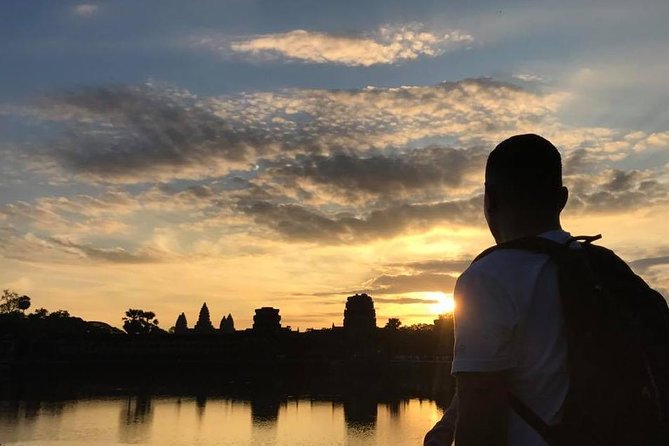
- Early sunrise timing: Starting pre-dawn helps you catch Angkor Wat as the light changes.
- Meals and drinks included: Breakfast, lunch, water, and fresh coconut juice keep the morning fueled.
- Small group size: A maximum of 10 travelers makes it easier to move as a unit.
- Multiple Khmer temples: You’ll see major stops like Bayon and Preah Khan, not only Angkor Wat.
Why this Angkor Wat sunrise cycling plan makes sense
Angkor Wat is famous for a reason, but the logistics can get messy: you’re competing with lines, big tour groups, and the simple fact that everyone wants the same sunrise view. This tour’s idea is smart: hit the sunrise, then immediately switch into a bike route that changes how you experience the site.
I like that the day is built around the feeling of Angkor at dawn—dark to gold in minutes—before you spend the rest of the morning moving through the wider temple landscape. And I really like the included pacing: you get time to roam within the temple complex, then your guide keeps you moving through other major ruins with stops that feel varied rather than repetitive.
The best part for you is probably the combo: sunrise spectacle + active, scenic access. The possible catch is that you’ll be riding early, so if you hate mornings or you’re not a confident rider, this could feel like a lot. The tour is described as being open to most travelers, but it’s still a cycling day.
You can also read our reviews of more city tours in Siem Reap

Price and what you actually pay in total
The tour price is $70 per person, for a day that runs about 9 hours. What’s included is a lot: an English-speaking guide, a quality mountain bike (Giant/Trek) with helmet, hotel pickup, breakfast, lunch, and drinks (pure water plus fresh coconut juice).
What’s not included is the temple pass: $37 for 1-day entry. That means your all-in day is closer to $107, before any personal extras. For most people, that’s reasonable because the biggest costs on these days are usually the entry ticket and the guide/transport. Here, you’re also getting gear and meals, which can otherwise add up quickly.
If you’re doing Angkor solo, you’d still need the ticket and you’d likely spend time sorting transport and timings. The value of this tour is that it removes that headache and gives you a structured route starting at dawn.
What the morning feels like at 5:00 am
Your day starts at 5:00 am, and that early start matters more than it sounds. Angkor is an active spiritual place for Buddhists who worship, pray, and meditate. So the atmosphere at that hour is different: calmer, more respectful, and very focused on the site rather than on Instagram-friendly sprinting.
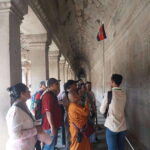
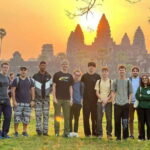
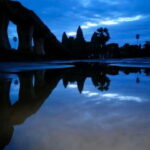
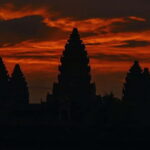
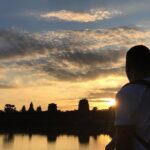
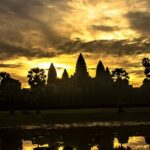
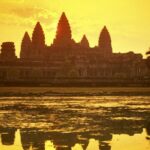
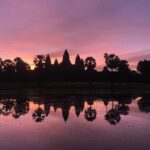
The tour begins with the darkness over Angkor Wat, then the sun appears on the horizon, turning the stone golden and sharpening the sense of mystery in the architecture. After sunrise, you’ll stroll through temple complex chambers with your guide explaining history and details, then you’ll move onto the bike part of the day.
This rhythm is one of the tour’s strengths. You get the classic sunrise moment first, but you don’t stop there. You immediately transition into discovery on a bike route, so the morning doesn’t collapse into one long queue.
Angkor Wat: temple chambers plus time to appreciate details
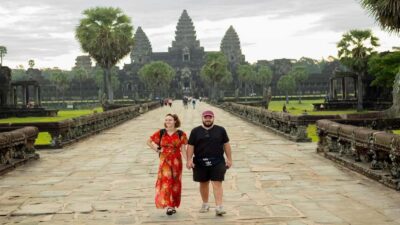
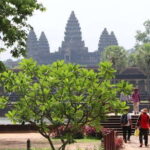
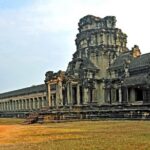
Angkor Wat is the anchor stop, and it’s treated like more than a single photo stop. Expect a walk through chambers inside the complex, with your guide pointing out fascinating context and architectural details.
A practical note: sunrise is fast. Light changes quickly, and Angkor is large. The tour’s benefit is that your guide helps you prioritize what to see and when. People praised the way guides avoided crowds at Angkor during sunrise, and that’s exactly the kind of small timing skill that changes your experience from rushed to satisfying.
What to watch for: you’ll likely spend some time off the bike at Angkor itself, so have your camera ready and be ready for early-morning steps around the complex. Also, dress matters here. This is a sacred site, and revealing clothing—like shorts or skirts above the knees, or bare shoulders—is prohibited in sacred palace areas.
Pedaling through Angkor Thom gates and toward Prasat Chrung
Once you leave Angkor Wat, the day shifts into a more varied, adventure-feeling route. You’ll ride through Angkor with an English-speaking guide, and the stops are designed to break up the morning into different types of sights.
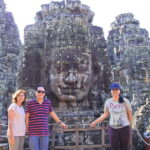
One highlight is the South gate of Angkor Thom, described as a particularly appealing defensive wall. Seeing it as part of a cycle route helps because you get perspective from moving around the area, not only from standing still.
You’ll also get a chance to climb up and walk the protection wall for a view at Prasat Chrung. That’s the kind of moment that’s hard to schedule if you’re on your own. On a bike tour, it’s built in—so you can enjoy the payoff without spending your time figuring out how to reach it.
And you’ll pass other gate areas too, including the West gate and North gate mentioned in the route. Even if gates sound repetitive on paper, they feel different in person because of height, stonework, and the way the ruins frame your view.
You can also read our reviews of more tours and experiences in Siem Reap
Bayon, Preah Khan, Ta Nei, Tapron: what each stop adds
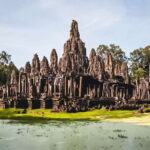
After the gates and wall viewpoints, the tour continues to major temples around the Angkor complex. The route includes Bayon, Preah Khan, Ta Nei, Tapron, and also Prasat Chrung as part of the wider circuit.
Here’s how these stops typically add value on a cycling day:
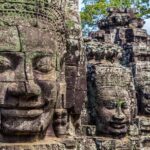
- Bayon helps you understand Angkor’s “living” face. You tend to leave Bayon with a better mental picture of how the site connects spiritually and visually.
- Preah Khan feels like a deeper dig into the maze-like layout. With a guide, the experience becomes less about memorizing names and more about seeing how the space is designed.
- Ta Nei and Tapron give you a different texture—less “single landmark moment,” more “wander and recognize patterns.” When you’ve already done sunrise and gates, these stops help balance the day with variety.
The big advantage is that you’re not stuck repeating the same type of walking route all morning. Cycling lets your body reset between temple clusters. You get breaks without losing momentum.
Also, guide style shows up here. In past experiences, people specifically praised guides for knowing where to stand for photos and for explaining history in a way that still felt practical. Guides named Vannarath/Vannaroth, Sihal, and Seyha came up in feedback for being friendly and helping with photo spots and timing. Even if you don’t care about photos, that mindset usually means fewer wasted minutes.
The bikes and the route: what mixed terrain means for you
The tour provides a quality mountain bike (Giant/Trek) and a helmet. The bike choice matters because Angkor routes often mix surfaces: asphalt links, dirt roads, and trail sections.
One review described the ride as varying from asphalt to dirt roads, elevated trails, and single-track style segments. That’s a big clue about what you should expect: this isn’t a gentle stroll loop. It’s a proper ride through a complex area where you’ll probably slow down for terrain and short climbs.
If you like your sightseeing with movement, this will feel like a highlight. If you prefer to keep it easy, bring your patience. Your guide controls pacing, but the route is designed to connect places efficiently.
Food, drinks, and the smart pacing of breakfast + lunch
This tour includes breakfast and lunch, plus water and fresh coconut juice. In Siem Reap heat (and especially early when your body is waking up), having food planned is a big deal. You won’t have to hunt down a snack right when your energy dips.
I also like that lunch is included because it lets you keep the day together. Sunrise tours can feel fragmented when you’re hungry mid-temple. Here, you can focus on the ruins instead of thinking about your next meal stop.
If you have dietary needs, the information says you should advise them at booking. That’s the right time to ask.
Dress code and what to pack for a sunrise ride
Angkor is active for Buddhists, and respectful dress is strongly encouraged. The key rules you’ll want to follow:
- No shorts or skirts above the knees in sacred palace areas
- No bare shoulders
For what to bring, the tour suggests:
- A camera
- Sunglasses
- Sunscreen
I’d add one practical strategy: treat this as both a temple day and a cycling day. That means you’ll likely want comfy clothes you can move in, plus something light enough for early sun once the heat starts building.
Transfers and the group size that keeps things friendly
You get round-trip hotel transfers, and the tour group is kept small—maximum 10 travelers. That matters more than people think. On a sunrise-to-temples day, smaller groups generally mean:
- less waiting
- easier turns between temple areas
- more room for your guide to manage timing
It also helps with the photo factor. Several guides were praised for spotting good picture angles and helping people position for shots. When groups are larger, that kind of attention becomes harder.
Who should book this Angkor Wat sunrise bike tour
This tour is a strong fit if you want:
- the classic Angkor Wat sunrise moment
- a day that feels active, not just walking
- bike access to temple areas and rainforest trail sections
- included breakfast, lunch, and drinks
- a small-group pace with an English-speaking guide
You might think twice if:
- you’re not comfortable cycling on mixed surfaces
- you dislike early wake-ups at 5:00 am
- you know you’ll struggle with modesty rules in sacred areas (bring clothing that complies)
Should you book it? My practical take
I’d book this tour if you want your Angkor day to feel like both a spiritual sunrise and a real adventure route. The value is built on practical inclusions: bike + helmet, English guide, hotel pickup, and meals and drinks, plus a small-group size that makes timing smoother.
The one cost you must plan for is the temple pass ($37), and the one commitment is getting up early and riding. If you’re good with that, this is the kind of structured day that leaves you with more than one view—you get the sunrise, multiple major temples like Bayon and Preah Khan, and the feeling of moving through Angkor rather than just hovering around it.
FAQ
What time does the tour start?
The start time is 5:00 am.
How long is the Angkor cycling tour?
The duration is about 9 hours.
Is the temple pass included?
No. The temple pass is not included and is listed as $37 for 1-day entry.
What’s included with the tour besides the guide?
The tour includes a quality mountain bike with a helmet, breakfast, lunch, pure drinking water, fresh coconut juice, and hotel pick-up.
Do they provide pickup from my hotel?
Yes, hotel pickup is included.
What kind of bike do I get?
You’ll be provided a quality mountain bike (Giant or Trek) and a helmet.
Are water and juice included?
Yes. The tour includes pure drinking water and fresh coconut juice.
What should I wear for temple visits?
Angkor is a sacred site. Revealing clothes are prohibited in sacred palaces, including shorts or skirts above the knees and bare shoulders. Respectful dress is strongly encouraged.
Is this tour limited to a small group?
Yes. The tour has a maximum of 10 travelers.
Will there be dietary options if I have specific needs?
If you have dietary requirements, you should advise them at booking.