REVIEW · SIEM REAP
Full-Day private Tour in Lost City & Angkor Wat from Siem Reap
Book on Viator →Operated by Journey2 Angkor · Bookable on Viator
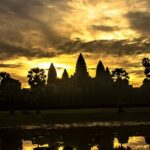
Angkor is busy; this tour works around it. You get a focused day that starts at Angkor Wat via the less-frequented eastern side, then rolls through the big hitters at Angkor Thom and ends with the jungle mood of Ta Prohm. I like that the guide keeps the pace human (so you’re not sprinting just to tick boxes) and I also like the practical touches like pickup, bottled water, and photo time built into each stop. One consideration: Angkor Wat admission isn’t included, so you’ll need to plan for that extra ticket cost.
The best part is the way guides like Sim and Rith are described as both history-minded and flexible—able to adjust the order if the heat or timing shifts. That matters in Siem Reap, where humidity can hit hard. If you prefer totally independent wandering with zero structure, a private guided route may feel a bit more “managed” than you’re used to.
In This Review
- Key highlights worth caring about
- Price and tickets: what $30 really buys you
- How the day is paced: private comfort, real walking, smart timing
- Entering Angkor Wat from the eastern side (and why it helps)
- Angkor Thom’s South Gate and Bayon: the faces, plus the stories beneath
- Baphuon, Phimeanakas, and the royal palace zone you don’t rush
- The Elephant Terrace and Leper King Terrace: ceremony carved into stone
- Ta Prohm: what to do with all that atmosphere
- Lunch, cold drinks, and surviving the heat with a plan
- Who this private tour is best for (and who should skip it)
- Should you book this Angkor Wat and Lost City private tour?
- FAQ
- Is hotel pickup and drop-off included?
- How long is the tour?
- Is the Angkor Wat admission ticket included?
- Are there admission fees for the other temples?
- What’s included besides the guide?
- What should I wear to visit the temples?
- Is this a group tour?
- What if I need to cancel?
Key highlights worth caring about
- Eastern-side entry at Angkor Wat for a less familiar approach to the main temple
- Bas-relief storytelling in the central chambers, including the long stretch of carved wall detail
- Angkor Thom’s face towers at Bayon, with time for both the upper terrace and wall carvings
- Terrace classics with context: Elephants, Leper King, and the Khmer royal ceremonies they reference
- Ta Prohm’s photo-ready atmosphere with the famous trees and ruins left in place
- Private vehicle + hotel pickup so you spend less time figuring out transport and more time seeing
Price and tickets: what $30 really buys you
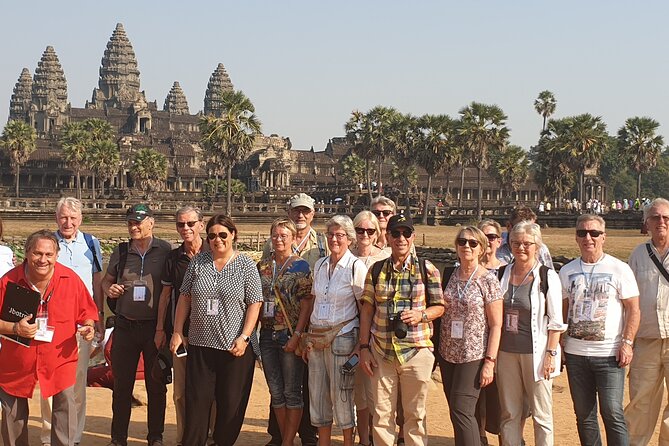
On paper, this tour is $30 per person for an about 8-hour private experience. In value terms, that’s the sweet spot: you’re paying for an English-speaking guide, hotel pickup and drop-off, a private comfortable vehicle, and bottled water—plus the way the day is organized so you don’t lose time.
The key cost detail is simple: Angkor Wat admission fee is not included. Other stops are listed with admission as free, which is a big deal for budgeting. You’ll also get a link ahead of time to purchase an Angkor Wat e-ticket, so you’re not stuck hunting for tickets at the last minute.
In other words, the tour price covers the “how” (guide + logistics). You cover the “entry” for Angkor Wat itself.
You can also read our reviews of more city tours in Siem Reap


How the day is paced: private comfort, real walking, smart timing
This is a private tour, meaning it’s only your group in the vehicle. That affects everything: you can slow down for photos, linger at stone carvings, and take a break without the guide needing to keep a large group on a strict schedule. The tour also calls out avoiding crowds and escaping the heat, and while no temple day is ever truly quiet, the route choices help.
Expect a mix of driving and walking, with several focused temple blocks. The longest walking concentration is at Angkor Wat, where you’re given time to move through the complex on foot and into the central areas. Then the day shifts into Angkor Thom’s “clusters” (South Gate, Bayon, Baphuon, then the palace-area temples and terraces), which keeps things from feeling like one endless grind.
Comfort notes that actually matter:
- Wear flat, comfortable shoes. You’ll be on uneven stone paths.
- For some sacred spaces, you’ll need clothing that covers knees and shoulders. Plan for lightweight long pants or carry something simple like a scarf.
Entering Angkor Wat from the eastern side (and why it helps)
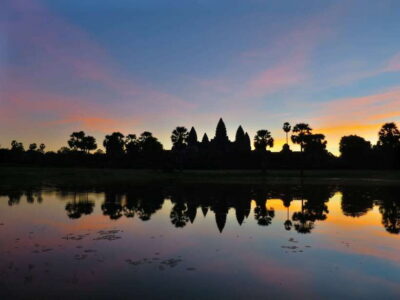
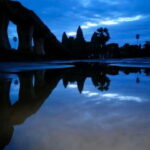
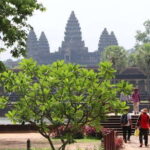
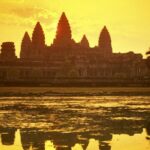
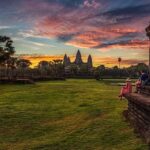
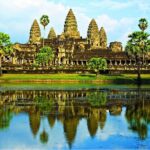
Angkor Wat is the big one, and the way you enter changes how the whole place feels. This tour starts by entering from the eastern side, described as less visited. That tends to mean a calmer start and a different visual approach to the temple complex.
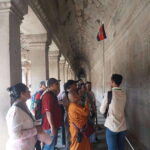
You’ll spend about 2 hours at Angkor Wat. The route includes on-foot time through a jungle path, plus a slow move toward key areas like pools and libraries associated with the temple grounds. Your guide uses the setting to explain what you’re looking at—then you get time in the central chambers where bas-reliefs take center stage.
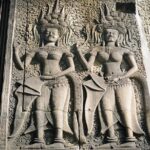
The standout detail here is the bas-relief coverage: it’s described as the longest stretch of bas-relief carvings in the world. Translation for your brain: you’ll see wall narratives that aren’t just decorative. They’re stories carved into stone, and the guide’s job is to connect what’s in front of you with the myths and history behind it.
Possible drawback: this portion is the most “in the zone.” If you’re the type who gets museum-ed out, you might want to break your attention into small chunks—wide shots for context, then close-ups for carving details, then back out for air.
Angkor Thom’s South Gate and Bayon: the faces, plus the stories beneath
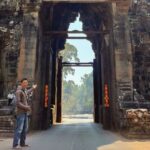
After Angkor Wat, the day pivots to Angkor Thom. You start with the South Gate, which is one of the five gates of the ancient capital. You get about 20 minutes here, just enough to take in the stone figures lining the entrance and get oriented before the deeper temples.
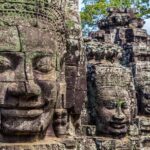
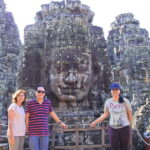
Next is Bayon, where the time shifts to about 1 hour. Bayon is famous for its towers covered with more than 200 enormous faces, and this is where your guide’s explanations really earn their keep. You’ll also see bas-reliefs in two layers:
- outer wall reliefs tied to historical events and everyday life scenes
- inner wall reliefs tied to mythological events
The practical value: Bayon can look like one big iconic photo spot—until someone helps you read the carvings. With guidance, you stop treating it like background and start seeing it like narrative.
What to watch for:
- Bayon’s best experience comes from mixing distance (to see how the faces cluster) with time close to the reliefs.
- This area can feel busy. A private group and a steady guide plan help you avoid spending your best energy in a bottleneck.
Baphuon, Phimeanakas, and the royal palace zone you don’t rush
From Bayon, the tour continues to Baphuon (about 1 hour). Baphuon is described as a three-tier temple mountain built as a state temple, located in Angkor Thom near the royal palace zone. It’s the kind of place where you appreciate proportions—how it towers and how it connects to the surrounding layout.
Then the itinerary moves to Phimeanakas (also about 1 hour). This is a celestial temple inside the walled enclosure of the royal palace. The structure is described as three-tier pyramids with a tower on top, and there are galleries around the upper platform.
Why this matters for you: these palace-area temples turn the day from “temples I saw” into “a city that functioned.” You start understanding Angkor as a designed space—religion, politics, and ceremony all tied together.
Possible drawback: these stops are less iconic than Bayon, which can make them feel quieter. If you love symbolism and architecture, that’s a plus. If you mainly came for face towers and tree-wrapped ruins, you may want your guide to explain what to prioritize so you still get the payoff.
You can also read our reviews of more private tours in Siem Reap

The Elephant Terrace and Leper King Terrace: ceremony carved into stone
Two of the most memorable stretches come next, both tied to royal ceremony and storytelling in stone.
The Terrace of the Elephants is about 40 minutes. It’s described as a long reviewing stand for public ceremonies and a base for the king’s grand audience, built in the 13th century under King Jayavarman VII. Locals sometimes call it the Ancient Khmer Stadium—useful wording because it helps you picture the “event energy,” not just the carved walls.
The Terrace of the Leper King is also about 40 minutes. Its modern name comes from a sculpture discovered there, thought to depict Yama, the Hindu god of death. The terrace has an U-shaped structure and is associated with theories about its earlier use.
Here’s the value: these terraces can be misunderstood if you only see them as “stone platforms.” With explanations, you start seeing how Angkor’s built forms were meant to stage power—who gathered where, how audiences were organized, and how religion framed authority.
Two additional “short stops” are included in the Angkor Thom circuit, described as off-the-radar places most tourists don’t typically focus on. They’re brief (around 10 minutes each), but they add contrast—like switching from the main show to a side street where the city feels more lived-in.
Ta Prohm: what to do with all that atmosphere
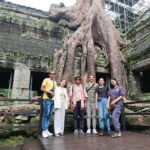
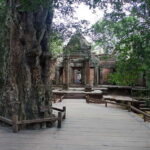
Ta Prohm is about 1 hour, and it’s famous for the jungle-wrapped look made iconic by films. The key difference with Ta Prohm is that the ruins are described as being left in much the same condition as they were found—so you get that “trees over stone” relationship without it feeling overly restored.
This stop is your emotional reset after the palace-temple zone. It’s also where the guide’s advice helps you photograph without going cross-eyed:
- Look for tree roots and how they frame the architecture.
- Take at least a few wider shots first, then move in for details once you understand the composition.
The only real downside is crowd density. Ta Prohm is one of the most visited complexes in the Angkor region, and even with a private setup, you’ll still be among other people. The trick is to use your guide’s pacing to switch between angles rather than standing in one spot waiting for perfect emptiness.
Lunch, cold drinks, and surviving the heat with a plan
This tour includes lunch with cold drinks at a restaurant near the temple area. That sounds basic, but it matters. In Cambodia’s humidity, you want hydration and a predictable break so you don’t end up power-walking the final temples on empty.
One of the praised strengths in the day is flexibility when conditions change. In one account, the guide handled an afternoon downpour by adjusting the order and building in a coffee break near Angkor Wat. You don’t get that kind of human judgment from a rigid, big-bus plan.
Your takeaway: bring a light layer for shade, drink your water steadily, and don’t treat every stop as a race. Your feet will thank you.
Who this private tour is best for (and who should skip it)
This experience is a strong fit if you:
- want guided history tied to what you’re physically seeing on stone
- prefer a private pace instead of a large-group scramble
- care about seeing both the “famous” areas (Angkor Wat, Bayon, Ta Prohm) and the quieter angles inside Angkor Thom
- like practical touring details: hotel pickup, private vehicle, bottled water, and a planned lunch stop
It’s less ideal if you:
- only want the most iconic single sights and plan to self-guide every other moment
- dislike walking and prefer short, low-effort stops (this day includes multiple temple circuits)
Should you book this Angkor Wat and Lost City private tour?
Yes—if you want a well-paced Angkor day that balances big icons with storytelling and smarter route choices. The price is compelling for what’s included, especially because most stops after Angkor Wat are listed as admission-free. The biggest “make sure” is your planning for the Angkor Wat ticket, since that’s the one add-on you’ll handle separately.
Book it if you value:
- an Angkor Wat approach from the eastern side
- time with a guide who can explain bas-reliefs instead of letting them blur past
- a day designed to manage heat and crowds through route and pacing
Skip it if you’re traveling on a shoestring that can’t absorb the Angkor Wat admission, or if you truly prefer to wander without a plan at all. Otherwise, this is the kind of private Angkor circuit that helps you leave with more than photos—you leave with meaning.
FAQ
Is hotel pickup and drop-off included?
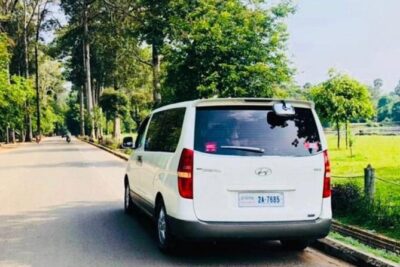
Yes. The tour includes hotel pickup and drop-off, plus a private comfortable vehicle for getting between temple areas.
How long is the tour?
It’s listed as about 8 hours.
Is the Angkor Wat admission ticket included?
No. Angkor Wat admission fee is not included. You’ll receive a link to purchase an Angkor Wat e-ticket in advance.
Are there admission fees for the other temples?
The other stops listed are marked with admission ticket free (including South Gate of Angkor Thom, Bayon, Baphuon, Phimeanakas, Terrace of the Elephants, Terrace of the Leper King, and Ta Prohm).
What’s included besides the guide?
Included are an English-speaking tour guide, private comfortable vehicle, hotel pickup and drop-off, and bottled water. Lunch with cold drinks is also included.
What should I wear to visit the temples?
For some sacred places, you’ll need clothes that cover your knees and shoulders. Flat shoes that are comfortable for walking are recommended.
Is this a group tour?
It’s a private tour/activity, meaning only your group participates.
What if I need to cancel?
You can cancel for free up to 24 hours in advance for a full refund. If you cancel less than 24 hours before the experience starts, the amount paid is not refunded.