REVIEW · SIEM REAP
Angkor Wat Sunrise and Angkor Thom Sunset Tour
Book on Viator →Operated by Angkor Doors · Bookable on Viator
Four-thirty makes Angkor feel unreal. This private sunrise-to-sunset route links Angkor Wat at dawn with Angkor Thom at golden hour, plus a real mid-day reset.
I love the cooler early hours and the calmer first rounds before the biggest crowds settle in. I also like that you’re not just walking from temple to temple; you’re getting an English-speaking guide who can explain what you’re seeing while you move.
The drawback is the schedule. You’ll be up early for the 4:30 am pickup, and sunrise can still get busy even with smart timing, with some litter around at peak moments.
In This Review
- Key things I’d bet on
- Why sunrise-to-sunset beats the usual one-temple day
- 4:30 am pickup and the run to Angkor Wat before crowds bite
- Ta Prohm: the temple that feels like it grew in place
- Banteay Kdei: the chamber-citadel with a clear Khmer story
- Angkor Thom in the afternoon: Royal Palace, terraces, and the South Gate sunset
- The mid-day hotel break: the smartest part of this whole day
- Transportation, water, and comfort you can actually feel
- Price and value: what $59 covers, and what you must budget for
- How private guiding changes what you see at Angkor
- Timing, walking, and who this day suits best
- Where this tour may disappoint (so you can plan around it)
- Should you book this sunrise-and-sunset Angkor tour?
- FAQ
- What time is pickup for this tour?
- How long is the tour from start to finish?
- Is this a private tour or a shared group?
- Which temples and areas are included?
- Is the Angkor Pass included in the price?
- What’s included in the tour price?
- Is hotel pickup and transport provided?
- Does the tour operate in bad weather?
- Can I cancel and get a full refund?
Key things I’d bet on
- Early access energy at Angkor Wat with sunrise timing that feels worth the alarm clock
- A hotel break in the middle so you’re not stuck frying in the heat all day
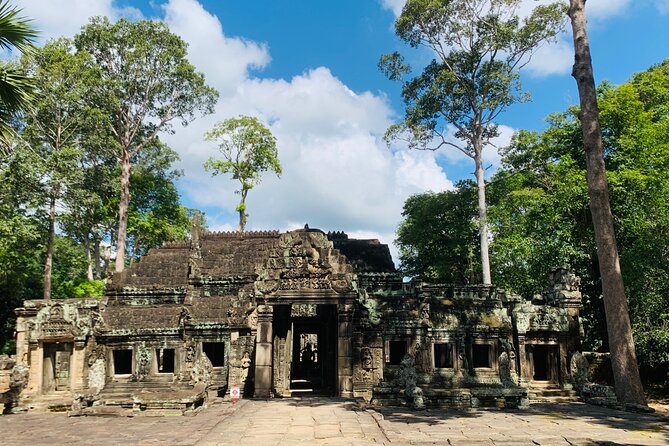
- A tight temple lineup: Ta Prohm and Banteay Kdei after Angkor Wat
- Sunset at the South Gate of Angkor Thom to close the day on a high note
- AC car/minivan transport plus cold drinking water at breaks
- Guides who aim for better angles and help you move around foot-traffic
Why sunrise-to-sunset beats the usual one-temple day
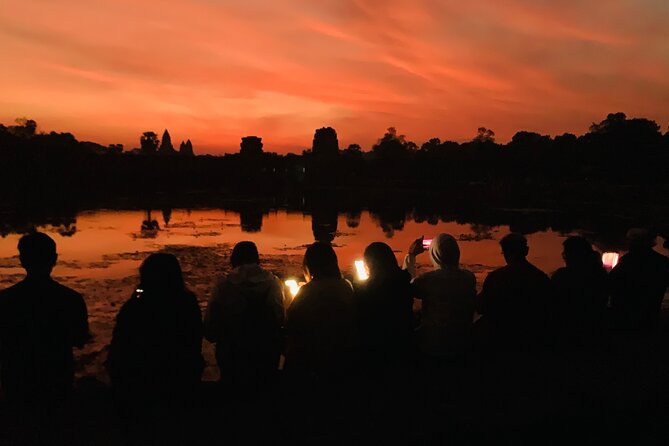
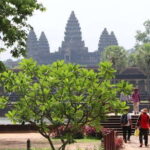
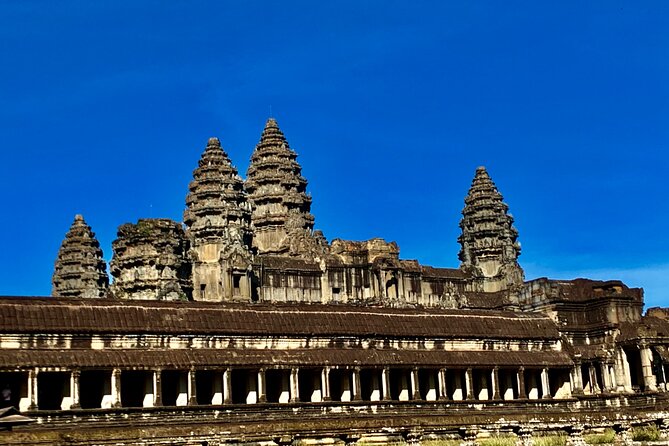
Angkor is big, and doing it the standard way often turns into rushing. What I like about this tour is the structure: you start at the iconic moment (sunrise at Angkor Wat), then you keep going through other major sites in the UNESCO Angkor Archaeological Park, and you end with sunset at Angkor Thom’s South Gate.
That means you’re seeing two different moods of the same place. Dawn is cooler and the light hits differently. Late afternoon lets you keep exploring without feeling like you missed the day because of the early start. You also get time back at your hotel between the two halves, which matters in Cambodia, where the heat isn’t a background detail.
This is private too, so the pacing can actually match you. If you want more story and context, your guide can lean in. If you’d rather take lots of photos and keep questions short, that works as well. Reviews repeatedly praise guides like Samnang, Peng, Bunpheng, Sophat, and Pal-Chen for explaining details and finding good picture spots away from the busiest lanes.
You can also read our reviews of more evening experiences in Siem Reap

4:30 am pickup and the run to Angkor Wat before crowds bite
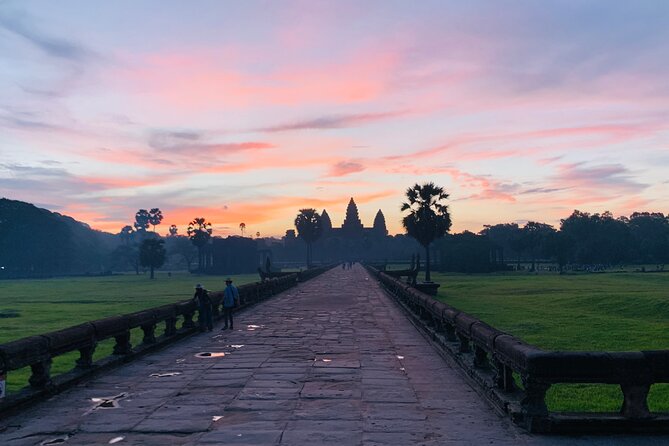
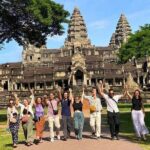
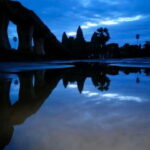
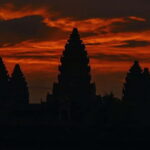
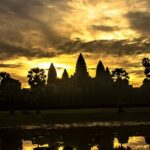
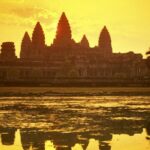
Your day starts at 4:30 am. You’ll get picked up early and driven out to Angkor Wat so you can watch sunrise over the temple. After that first viewing, you continue exploring Angkor Wat itself.
Why that early timing is a big deal: the tour is built around cooler temperatures and fewer crowds at the start. Even when sunrise is still popular, getting there early means you spend more time experiencing the site instead of standing in slow-moving lines.
In the real world, the sunrise scramble has two parts: traffic and lighting. The guide’s role here is practical. People mention guides steering them to good viewing points and managing the flow so you’re not stuck fighting the crowd. If photography matters to you, this is one of the best moments of the day to put in the effort—just be ready for a lively start.
Admission isn’t included for Angkor Wat. You’ll need the one-day Angkor Pass (listed as $37 per person) on your own. Plan for that so you’re not dealing with ticket stress while it’s still dark and everyone’s moving quickly.
Ta Prohm: the temple that feels like it grew in place
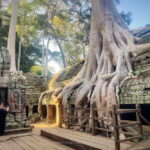
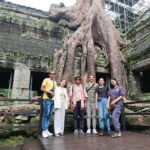
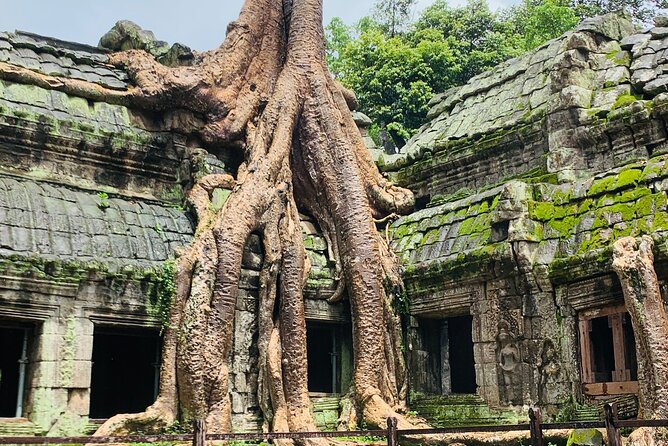
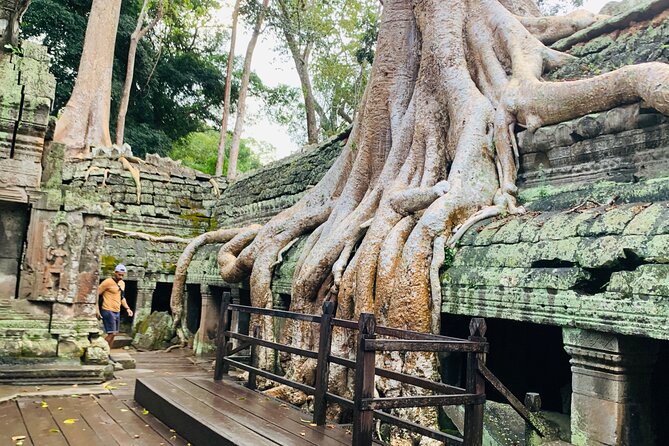
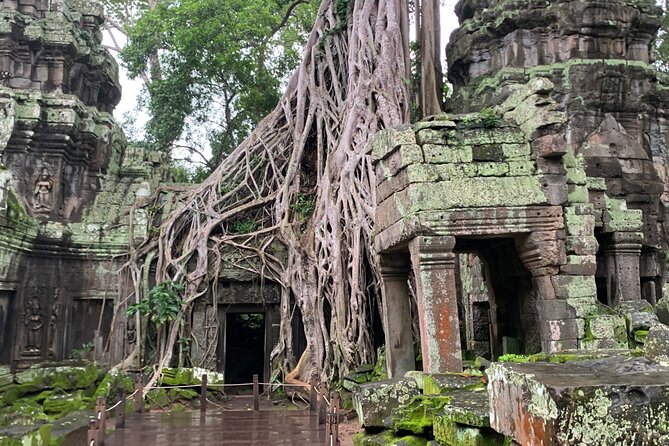
After Angkor Wat, the tour shifts to Ta Prohm for about 2 hours. The guide brings this one to life with context: it was built in the Bayon style in the late 12th and early 13th century, and it originally served as a Buddhist monastery and university.
This stop is special because it’s not just about architecture in textbooks. You get a sense of how a living religious center functioned—at least as far as the ruins still communicate it. A good guide also helps you connect what you’re seeing to the era, instead of treating the place like a photo backdrop.
Practical tip: Ta Prohm can be an intense visual experience, so pace yourself. I like that this schedule doesn’t overload you with too many sites in one continuous straight line. You’re moving through highlights, but you still get your brain a breather between stops.
Admission still isn’t included here, so keep thinking about the day pass you’ll be using across the circuit.
Banteay Kdei: the chamber-citadel with a clear Khmer story
Next up is Banteay Kdei (about 1 hour). The tour notes the meaning right up front: “A Citadel of Chambers.” It also gives you the historical anchor—this Buddhist temple was built in the late 12th and early 13th century by King Jayavarman VII.
One reason I like this stop: it’s not just a name on a map. When a guide ties the structure to the person and period, you start noticing details differently. You’re no longer looking at random stones; you’re looking at choices made by a specific Khmer reign.
This is also where the time-box approach works. It’s a shorter visit, which helps keep the day from turning into temple overload. If you’re the kind of traveler who wants to see everything, you may wish it lasted longer. If you’d rather keep energy for Angkor Thom sunset, the timing makes sense.
Angkor Thom in the afternoon: Royal Palace, terraces, and the South Gate sunset
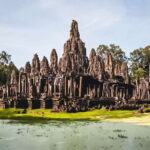
In the afternoon, you’ll visit Angkor Thom, the ancient capital city of the Khmer Empire. The tour highlights several key areas you’ll see, including the Royal Palace, the Terrace of the Elephants, and the Terrace of the Leper.
This part of the day is where the vibe shifts again. Morning has that dawn glow and early crowd pressure. Afternoon feels more spacious, especially because the tour is designed to send you back to your hotel mid-day and return later. One review even notes that later temples felt less crowded than earlier ones.
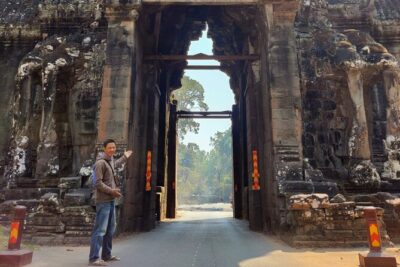
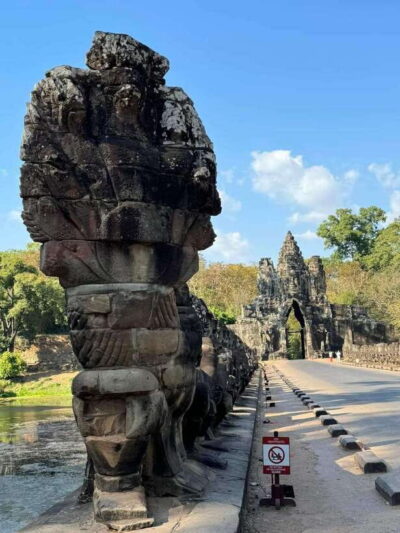
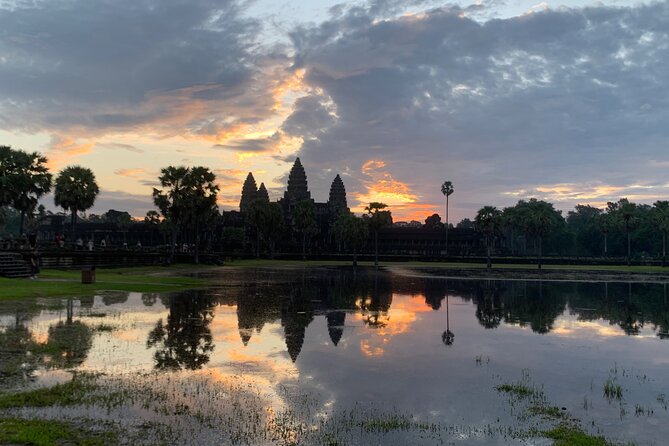
Then comes the finale: you’ll linger for sunset at the South Gate of Angkor Thom. If sunrise is about arriving, sunset is about savoring. You’re ending the day where the light can make the structures feel even more cinematic, and you’re also wrapping up the Angkor arc in one continuous itinerary.
You can also read our reviews of more tours and experiences in Siem Reap
The mid-day hotel break: the smartest part of this whole day
A big selling point here is the downtime. You rest at your hotel between the morning Angkor Wat start and the afternoon Angkor Thom sunset. That break is not an afterthought.
Going sunrise to sunset is long. Heat makes it longer. With this schedule, you can cool down, eat something, and reset before you get back in the car and head out again around the afternoon window (one guest mentions pickup around 2:30 to 3:00 pm for the sunset portion).
I actually think this is what makes the day feel doable for more people. You’re not stuck trying to power through fatigue. You get to keep the full temple coverage without letting the last hours feel like a chore.
Transportation, water, and comfort you can actually feel
The tour includes transportation in an AC car/minivan/minibus, plus bottled cold drinking water. Reviews also mention cold wet towels during breaks, which is exactly what you want on a hot day.
This matters because Angkor sites are spread out. If you had to arrange transport on your own for sunrise and sunset separately, you’d probably lose time and stress. Here, the logistics are handled, and the comfort keeps you from feeling drained before the best scenes.
Also, it’s described as operating in all weather conditions. Cambodia can be hot year-round, and if you’re traveling in the wet season, you’ll want a rain coat or umbrella. The tour advises dressing appropriately, so come ready for sudden weather shifts and strong sun.
Price and value: what $59 covers, and what you must budget for
The listed price is $59 per person. For that you’re getting a private experience with an English-speaking guide, AC vehicle transport, and cold drinking water.
The main extra cost is the Angkor Pass: $37 per person for a one-day pass. The tour also lists food and drinks as not included, so your lunch and snacks are on you. That makes your realistic baseline closer to about $96 per person before meals, plus whatever you spend on food.
So is it good value? For me, yes, because you’re paying for more than temple tickets:
- You’re paying for someone to take you from dawn scenes to late-day sunset without making you coordinate two separate outings.
- You’re paying for private guiding, which can keep the day from turning into just walking and photos.
- You’re paying for the mid-day hotel recovery time, which helps you enjoy the afternoon instead of slogging through it.
If you’re the type who can do Angkor on your own easily, you might skip the guide. But if you want meaning, smoother timing, and help with photo angles and crowds, this price starts to look fair fast.
How private guiding changes what you see at Angkor
This itinerary is built for highlights, but the real difference is the guide.
People mention guides who:
- explain history and stories tied to what you’re looking at
- help you find better photo spots
- work around tourist traffic so you spend more time seeing and less time stuck
Names that come up in the information you provided include Peng, Samnang, Bunpheng, Sophat, Pal-Chen, and Sear. I can’t promise you’ll get any specific person, but it’s clear this tour’s success depends on the guide quality, and guests consistently call out the same strengths: clear English, strong explanations, and patient pacing.
One other practical advantage: guides can adjust time. That matters because some people move fast and others need more time at each structure. One review even notes the tour avoided feeling overwhelming by managing the number of sites for the pace of the day.
Timing, walking, and who this day suits best
The tour runs about 9 to 10 hours. You’ll spend time moving between temple areas, and the tour lists a moderate physical fitness level. That usually means a mix of walking, stairs, and uneven ground—nothing extreme, but it’s not a sit-and-watch event either.
If you’re planning your first Angkor day after arrival, this tour can fit well because it gives you the big moments: Angkor Wat at sunrise, then Ta Prohm and Banteay Kdei, then Angkor Thom at sunset.
It also suits couples and solo travelers who want the full circuit without splitting into multiple tours. Because it’s private, you’re not trapped with a fixed group pace.
If you hate early mornings, take that seriously. The 4:30 am pickup is the tradeoff for experiencing the dawn light and the calmer start.
Where this tour may disappoint (so you can plan around it)
No tour is perfect, and this one has a couple of realistic friction points:
1) Crowds still happen at sunrise. Even when you start early, Angkor Wat at dawn draws attention. The vibe can feel less serene than you imagined.
2) You might see litter. One guest specifically mentioned litter around during the sunrise portion. That’s not something you can fix, but it can affect how you experience the place.
The upside is that a strong guide can help you reduce the crowd pressure by choosing better angles and routes. The schedule also helps: the mid-day hotel break and the later afternoon visit can feel more relaxed than the early start.
Should you book this sunrise-and-sunset Angkor tour?
Book it if you want one full day that covers both temple “bookends”: sunrise at Angkor Wat and sunset at Angkor Thom’s South Gate. The hotel break, the private guiding, and the AC transport are the combo that makes the day feel survivable.
Consider a different option if you:
- can’t handle waking up around 4:30 am
- want a strictly low-crowd experience with no busy moments at all
- are only interested in a single temple and don’t care about the broader Angkor Archaeological Park circuit
If you do book, I’d do two things right away: plan for the $37 Angkor Pass, and pack rain-ready clothing for wet season travel since the tour explicitly expects all-weather conditions.
FAQ
What time is pickup for this tour?
Pickup starts at 4:30 am.
How long is the tour from start to finish?
The tour runs about 9 to 10 hours.
Is this a private tour or a shared group?
It is private, meaning only your group participates.
Which temples and areas are included?
You’ll visit Angkor Wat for sunrise, Ta Prohm, Banteay Kdei, and Angkor Thom with time for sunset at the South Gate.
Is the Angkor Pass included in the price?
No. The one-day Angkor Pass is listed separately at $37 per person.
What’s included in the tour price?
Included items are an English-speaking tour guide, transportation in an AC vehicle, and bottled cold drinking water.
Is hotel pickup and transport provided?
Yes. Pickup offered includes convenient hotel transport by car or minivan.
Does the tour operate in bad weather?
It operates in all weather conditions, and you’re advised to dress appropriately and bring a rain coat or umbrella in the wet season.
Can I cancel and get a full refund?
Free cancellation is available if you cancel at least 24 hours before the experience’s start time.