Siem Reap’s lake day is small, but it packs weight. This Kompong Phluk trip uses boat time and a local village visit to show how life links to Tonle Sap. I love that you get hotel pickup and drop-off without fuss, and I also like the hands-on way the day explains fishing, farming, and everyday routines on the water and stilted homes. One thing to plan for: the big added cost is the boat fee, so the advertised price is not the full cost.
You’ll ride in an air-conditioned vehicle and start with a simple rhythm: pickup, a short stop to handle the boat tickets and restroom, then out to the lake for village time. I also like the small-group limit (15 people), which makes it easier to ask questions and hear your English-speaking guide clearly. Plus, you get drinking water and cold towels, which matters in Cambodia heat.
The main drawback is timing and flexibility. You’re working with a tight 3 to 4 hour window, so don’t expect long wandering or multiple deep stops. If you’re the type who wants slow photo breaks and lingering, you might feel slightly rushed.
In This Review
- Key reasons this Kompong Phluk and Tonle Sap lake day works
- Price and the real logistics of the $50 day
- From Siem Reap pickup to the boat-ticket stop
- Tonle Sap Lake: big size, short time
- Kompong Phluk Village: stilted life, fishing and farming focus
- What to watch for (and why it matters)
- The guide effect: Tom and the value of good storytelling
- Comfort that actually helps in Cambodian heat
- What the trip teaches: why Tonle Sap changes everything
- The responsible touch: 50% of profits to education
- Who this tour fits best (and who should think twice)
- Should you book this Kompong Phluk and Tonle Sap trip?
- FAQ
- What is the price of the tour?
- How long does the tour take?
- Does the tour include hotel pickup and drop-off?
- Is a boat ride required, and how much is it?
- Is the guide English speaking?
- What comfort items are included during the tour?
- Is there a group size limit?
- Are admission tickets included for all stops?
- Is tipping included?
- What is the cancellation policy?
Key reasons this Kompong Phluk and Tonle Sap lake day works
- Pickup-to-drop-off convenience: you start and end in Siem Reap without arranging transport yourself.
- Boat-led village access: the best views and stilted-living angles happen once you’re on the water.
- Tonle Sap’s scale, explained fast: it’s framed with clear size numbers (200 km long by 50 km wide).
- Local routines over tourist tricks: the focus is how families live, fish, farm, and manage daily life.
- A guide can make or break it: one guide named Tom is singled out for going out of his way to make the experience unique.
Price and the real logistics of the $50 day
Let’s talk money first, because this tour’s value depends on understanding what’s included vs. what’s extra. The base price is $50 per person, which covers the guided experience, air-conditioned transport, and key comfort touches like water and cold towels. It also includes hotel pickup and drop-off, plus transportation insurance.
Then comes the unavoidable add-on: the boat fee is $22 per person. So in plain terms, you should budget $72 per person before tipping. This still can be good value because you’re paying for boat access plus an English guide, not just a bus ride.
Also note what’s recommended rather than included: tipping the guide and driver is listed as recommended. If you want to keep costs predictable, set aside a little extra from the start.
You can also read our reviews of more tours and experiences in Siem Reap.

From Siem Reap pickup to the boat-ticket stop
Your day begins with hotel pickup in Siem Reap, then the drive toward Kompong Phluk. Expect a short practical stop before you get on the water. This is where the group buys the boat tickets and handles restroom needs, which saves time later when you’d rather not hunt for facilities.
After that, you journey to the boat and start the lake part of the day. Stop 1 is listed as about 1 hour with admission ticket marked as free for that segment. Translation: the schedule is built so the main paid component is the boat fee, not surprise gate charges.
What I like about this setup is that it reduces decision fatigue. You don’t need to negotiate or figure out where to buy tickets. You show up, get sorted quickly, and move on.
Tonle Sap Lake: big size, short time
Once you’re out on the water, the tour shifts to Tonle Sap Lake, framed as the largest fresh-water lake in Southeast Asia. The tour info gives clear scale: 200 km long and 50 km wide. Even if you only spend part of the trip on open water, those numbers help you understand why the lake matters so much to the communities around it.
Stop 2 is also listed as about 1 hour, and admission is noted as not included. In practice, your main lake “ticket” is the boat access itself, so don’t expect a separate payment to “unlock” the lake viewpoint.
The itinerary describes seasonal wonders of Tonle Sap Lake. You won’t get an essay in geology, but the day is designed around the idea that the lake changes what you see and how people live. That context is useful because it keeps Kompong Phluk from feeling like a standalone village photo stop. It’s part of a living system.
Kompong Phluk Village: stilted life, fishing and farming focus
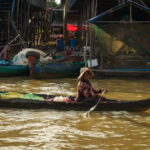
This is the heart of the trip. At Kompong Phluk, you’ll visit the local village lifestyle, including traditions and culture, and how families manage daily life. The tour is explicitly about sharing the experience of local people, which is a good sign: it’s not just a look-and-leave route.
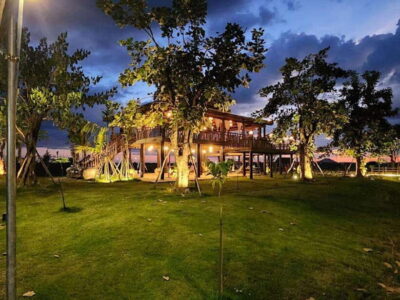
The highlights point to stilted houses and a lively local market. Even with limited time, this combination matters. Stilted homes show how housing adapts to water levels and daily routines, while a market scene helps you connect those routines to trade, supplies, and what people are actually buying and selling.
The village portion is listed as about 1 hour. Admission is marked as not included for this segment, but you should treat that as a note about what’s not baked into the package beyond your boat access. Your real “investment” here is time: one hour isn’t long, so the guide’s role becomes extra important for making it meaningful.
What to watch for (and why it matters)
Look for the everyday details. You’ll get the most out of the hour by paying attention to how people describe work and family management rather than only searching for the most dramatic photo angle. The tour is also described as self-sustained in how people live off fishing and farming, which is exactly the kind of reality that turns a short visit into something you remember.
The guide effect: Tom and the value of good storytelling
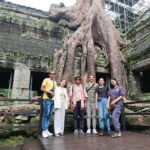
One name stands out in the experience: Tom. His strength is described as going out of his way to make the tour unique and amazing, and teaching visitors so much about how the village life works.
That kind of guide skill matters more than it sounds. In a short, structured trip, you’re not spending hours slowly exploring. The guide has to help you connect the dots fast: lake ecology to livelihoods, stilted living to routines, and market activity to daily needs.
So when you book, treat the English-speaking guide as part of the value, not an extra. Ask questions about fishing and farming rhythms. Ask what the lake means to family life. If your guide is sharp (Tom is one example), those answers can transform a quick visit into a real understanding.
Comfort that actually helps in Cambodian heat
A lot of tours promise comfort. This one backs it up with practical choices: an air-conditioned vehicle, plus drinking water and cold towels. On a 3 to 4 hour schedule, those details add up because you’re likely to feel the heat during travel and walking.
Also, the group size has a cap of 15 travelers. Smaller groups usually mean fewer people blocking the view when you’re looking down the stilted walkways or listening at the village. It also tends to create smoother pace control when your guide needs to pause for questions.
For your side, wear comfortable walking shoes. The info also advises not to bring valuables. That’s smart for boat and village time, when you’re moving around and your attention is on water and daily life, not juggling phone and wallet security.
What the trip teaches: why Tonle Sap changes everything
The tour’s story line is clear: Kompong Phluk is explained in relation to Tonle Sap Lake, because the lake is central to livelihoods. The lake is framed as essential to the community, and the village portion focuses on how families live and work.
That matters because it stops the trip from feeling like a generic sightseeing loop. You’re learning the “why” behind what you see: stilted homes aren’t just architecture, and fishing isn’t just a job. They’re linked to the lake and the seasonal rhythm (the tour explicitly mentions seasonal wonders).
If you like practical learning—less lecture, more real-life explanation—this is the right kind of guided day.
The responsible touch: 50% of profits to education
There’s a community-minded element built into the pricing: 50% of the profits support underprivileged student education. Even if you’re not measuring social impact during a lake trip, it’s worth noticing because it signals that the company is tying revenue to something beyond pure tourism.
This doesn’t automatically make any tour “good,” but it’s a meaningful line item you can feel good about while you’re there. If education support is important to you, this tour checks that box.
Who this tour fits best (and who should think twice)
This is a strong match if you want:
- a short day plan with pickup and drop-off
- boat time and a village visit without spending the whole day on logistics
- an English-speaking guide who can explain how lake life works
It may not be ideal if you need:
- lots of free time to wander without a schedule
- long stops for slow photography sessions
- a tour that feels like a deep, multi-day exploration (the total duration is listed as 3 to 4 hours)
Think of it as a concentrated taste. You’ll leave with context, not a full thesis.
Should you book this Kompong Phluk and Tonle Sap trip?
Book it if you want a practical, guided “lake-to-village” experience that doesn’t require you to figure out transport, tickets, or pacing. The combination of air-conditioned comfort, a small group size, and an English guide who can teach you (Tom is highlighted for exactly that) makes the short time feel worthwhile.
Skip it or reconsider if you hate fixed schedules or boat fees arriving as a surprise. Budget for the $22 boat fee, wear decent shoes, and plan to focus your attention during the village hour.
If you’re in Siem Reap and want Tonle Sap to feel real—stilted life, markets, fishing and farming—this is one of the more efficient ways to do it in a few hours.
FAQ
What is the price of the tour?
The tour price is $50.00 per person.
How long does the tour take?
The duration is about 3 to 4 hours.
Does the tour include hotel pickup and drop-off?
Yes. Hotel pickup and drop-off are included.
Is a boat ride required, and how much is it?
Yes. The boat fee is $22.00 per person, and it is not included in the base price.
Is the guide English speaking?
Yes. The tour includes an English speaking tour guide.
What comfort items are included during the tour?
You receive drinking water and cold towels during the experience.
Is there a group size limit?
Yes. The tour has a maximum of 15 travelers.
Are admission tickets included for all stops?
Admission is listed as free for the Siem Reap stop (stop 1), while admission is listed as not included for Tonle Sap Lake (stop 2) and Kompong Phluk (stop 3).
Is tipping included?
Tipping for the guide and driver is recommended, and it is not included in the package.
What is the cancellation policy?
Cancellation is free if you cancel at least 24 hours in advance for a full refund.