REVIEW · SIEM REAP
Full Day Small Group Tour Guide with Sun rise
Book on Viator →Operated by Siem Reap Experiences · Bookable on Viator
4:30am sounds early, and that’s the point. This small-group Angkor tour is built around catching Angkor Wat at sunrise, then moving through the big-hitters while it’s cooler and (usually) less crowded. You also get a simple, guided route that helps you cover several major temples without burning half your day figuring out logistics.
I especially like the small-group size (up to 12). It keeps the pace human and makes it easier for the guide to explain what you’re seeing, instead of just herding everyone onto the next photo spot. I also like the practical comfort touches: cold water, cool towels, and air-conditioned transport for a long morning in Siem Reap heat.
One thing to consider is that the sunrise plan means an early start, and that area can still be crowded even when you beat the bigger tour buses. Also, temple entrance fees are not included, so you’ll want to budget separately before you go.
In This Review
- Key Highlights Worth Getting Up For
- The 4:30am Sunrise Plan (Why It Works)
- From Pickup to Angkor Wat: Getting There Without Stress
- Stop 1: Angkor Wat (Sunrise + 2 Hours of Big Views)
- Stop 2: Bayon Temple (Faces, Stone Detail, and 2 Hours to Notice Things)
- Stop 3: Ta Keo (The Sandstone Temple-Mountain in 1 Hour)
- Breakfast Break (On Your Own, Near the Temple Area)
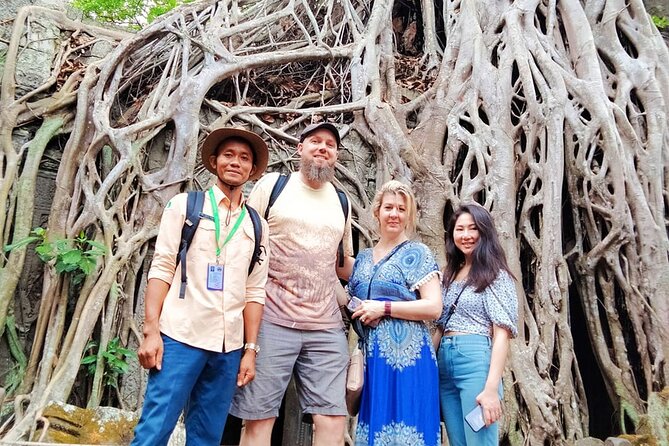
- Stop 4: Ta Prohm (Tree Roots Through Stone, about 1 Hour)
- Stop 5: Angkor Thom South Gate (A Final 30-Minute Hit of Carved Faces)
- What You Actually Get for the Price (and What You Still Pay)
- The Tour Experience: Pacing, Group Size, and Comfort
- Who This Tour Fits Best (and Who Should Think Twice)
- Quick Booking Guidance: Should You Book This Sunrise Route?
- FAQ
- What time does the sunrise tour start?
- How long is the tour?
- Are temple entrance tickets included in the price?
- Is pickup and drop-off included?
- Is breakfast included?
- How many people are in the group?
- What happens if weather is poor?
Key Highlights Worth Getting Up For
- Sunrise timing over Angkor Wat for great light and a smoother start to the day
- Max 12 people so you don’t feel like you’re in a moving crowd
- English-speaking guide who keeps the day organized across multiple sites
- Angkor Wat, Bayon, Ta Keo, Ta Prohm, and South Gate in one efficient circuit
- Included cold water and cool towels that actually matter midday
- Plan for temple tickets and breakfast on your own so you’re not surprised
The 4:30am Sunrise Plan (Why It Works)
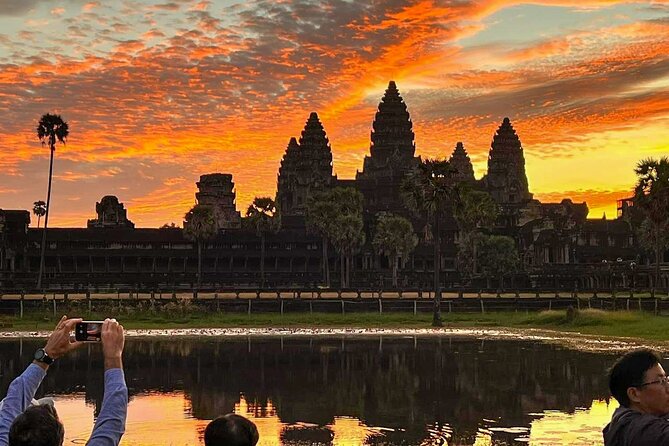
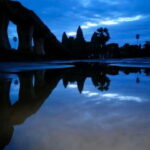
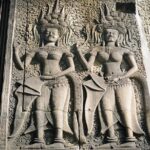
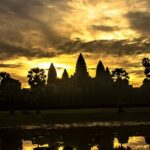
If you’re choosing between sleeping in and seeing Angkor the way it’s meant to look, this tour picks the early option. Starting at 4:30am puts you at Angkor Wat when the world is quiet and the sky is doing that gentle color shift. Even if you’re not a hardcore sunrise person, the lighting can make the carvings on Angkor Wat pop more than midday glare.
The bigger value is timing. After sunrise, you shift into sightseeing while temperatures are kinder and the worst of the crush has usually shifted elsewhere. That matters because you’re out for about 7 to 8 hours, and temples are not the place to drag yourself through fatigue.
Small group also changes the feel. With a maximum of 12 travelers, you spend less time waiting and more time looking closely. You still see plenty of people, but you’re not stuck in a giant convoy.
You can also read our reviews of more guided tours in Siem Reap
From Pickup to Angkor Wat: Getting There Without Stress
This tour includes pickup and drop-off, plus an air-conditioned vehicle. That’s a real quality-of-life upgrade in Siem Reap, where the ride can be longer than you think and the air can turn quickly if you’re waiting in the heat.
The tour uses a mobile ticket, which is convenient. You won’t be rummaging for paper while you’re half-awake at dawn. You’ll also have cool water and a cool towel early in the day, which sounds small until you’re standing in humid air at a stone complex that doesn’t care how tired you are.
One practical note: sunrise mornings only work if the timing is clear. If pickup happens later than expected, the start of the day can feel rushed. I’d treat it like a “be ready a bit early” situation and stay alert for updates.
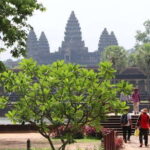
Stop 1: Angkor Wat (Sunrise + 2 Hours of Big Views)
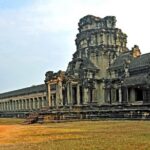
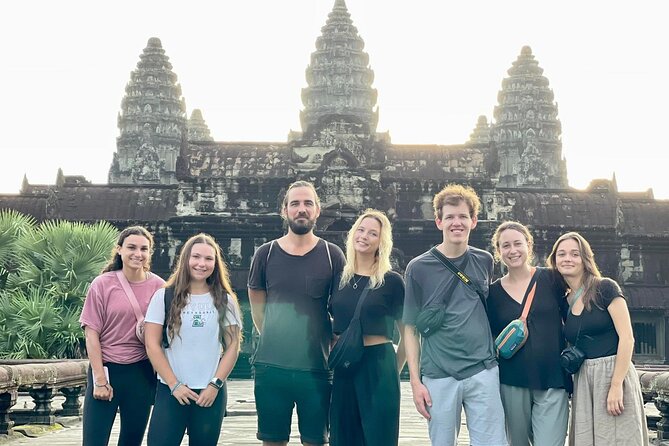
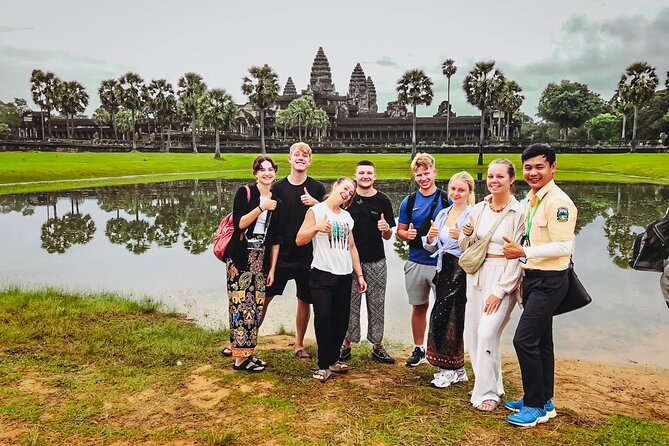
Angkor Wat is the headline for a reason. It’s the largest religious monument in the world, spread across a site of 162.6 hectares, and it’s built to frame the sky, water, and stone textures like a giant outdoor stage.
You get about 2 hours here, which is just enough time to do the big-picture views and still enjoy a slower look at details. The sunrise light is the main event, but the real magic is how the temple changes from dim early light to full visibility. If you’re into photography, this is where the day’s best shots often come from.
A balanced expectation check: sunrise at Angkor Wat is popular. Even on a small group route, you’ll still share the moment with plenty of other visitors. If you hate crowds, you might feel the trade-off. But if you like iconic sights with better light and a quieter atmosphere than later, sunrise is the smart move.
Stop 2: Bayon Temple (Faces, Stone Detail, and 2 Hours to Notice Things)
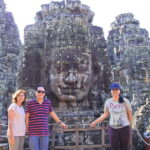
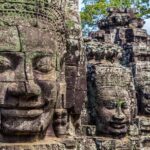
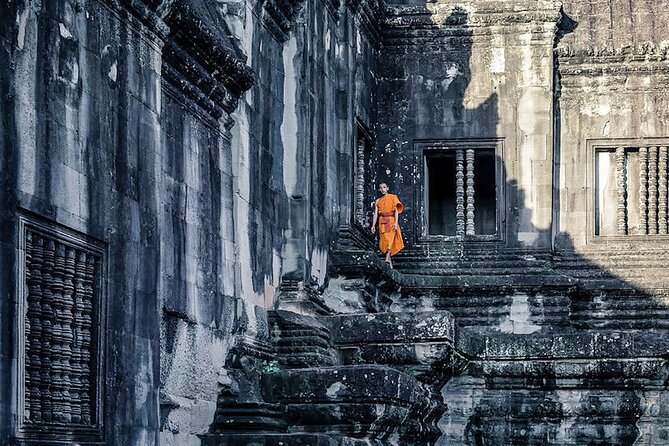
Next up is Bayon Temple, part of the Angkor experience that most people remember for its faces—countless carved expressions staring out from the towers. It’s a richly decorated Khmer temple connected to Buddhism at Angkor, built in the late 12th or early 13th century as the state temple of King Jayavarman VII.
You’ll have around 2 hours here. That duration matters because Bayon isn’t a one-glance temple. It rewards time spent walking, pausing, and looking up. With a guide, you’re more likely to understand why the temple is laid out the way it is and what you’re seeing in the carvings.
One drawback to note: Bayon is often mentally tiring. The sheer volume of stone faces and carvings can make your eyes blur if you rush. The upside is that this tour’s pacing is set up so you can slow down before you hit the next site.
Stop 3: Ta Keo (The Sandstone Temple-Mountain in 1 Hour)
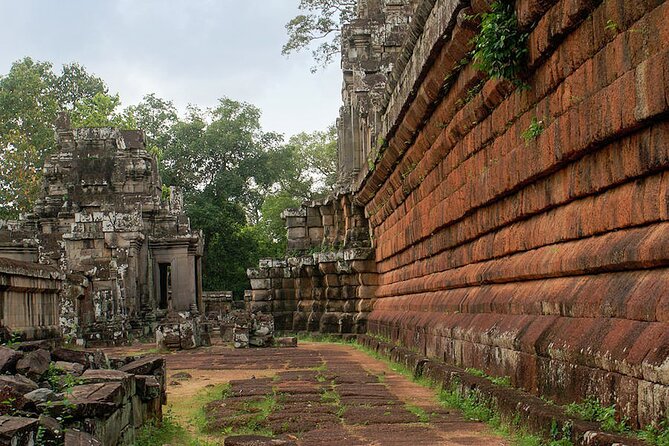
Then you move to Ta Keo, a temple-mountain in Angkor. It’s possibly the first at Angkor built entirely of sandstone by the Khmer Empire, and the look is different from the greenery-and-root scenes later in the day.
You’ll get about 1 hour, which is a good length for this kind of stop. Ta Keo works well as a breather between the more intensely detailed areas. It’s still impressive, but it gives you a change of texture and a fresh set of angles.
If you’re the kind of traveler who loves architecture and materials, you’ll probably enjoy the way Ta Keo’s mass and stone color shape the whole experience. If you prefer only the biggest pop-culture photo moments, this stop may feel quieter—but it’s still worth including for variety.
You can also read our reviews of more tours and experiences in Siem Reap

Breakfast Break (On Your Own, Near the Temple Area)
You’ll take a break for breakfast at your own expense near the temple area. This is a smart slot in the schedule because it helps you regain energy before the most dramatic photo stop of the day.
Since the tour doesn’t include meals, I’d treat breakfast as part of your budgeting. Have a little cash ready and keep it simple: something you can eat quickly and digest easily. You don’t want a heavy meal slowing you down for the next temples.
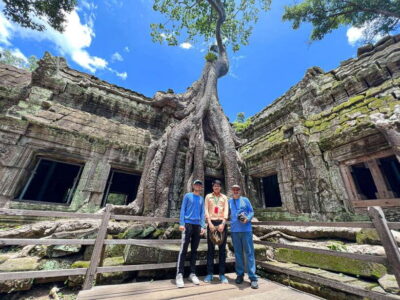
Stop 4: Ta Prohm (Tree Roots Through Stone, about 1 Hour)
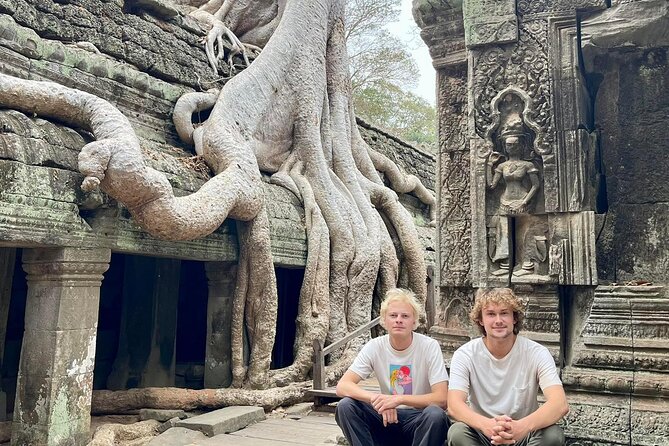
Now comes the temple most people recognize from Tomb Raider imagery: Ta Prohm. It was originally called Rajavihara and built largely in the late 12th and early 13th centuries in the Bayon style.
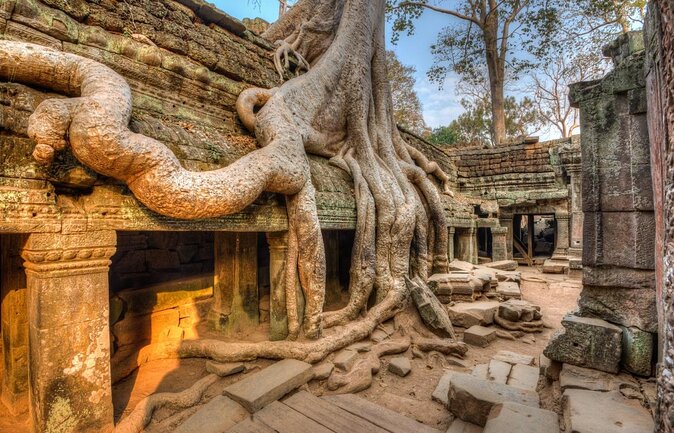
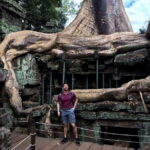
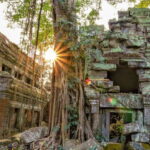
You’ll spend about 1 hour, and that’s a good match for Ta Prohm because the appeal is visual and immediate. Massive tree roots grow through the structures, giving you that sense of nature slowly taking back the stone. It’s the kind of place where you’ll naturally wander, pause, and then wander again.
Two tips for getting the most out of Ta Prohm:
- Go slowly enough that you notice how the roots interact with doorways and walls, not just the most famous photos.
- Remember it’s still a working temple area—watch your footing and avoid rushing through tight spaces.
If you’re traveling with kids or people who love cinematic settings, this stop usually lands well because it feels different from the more symmetrical temple-mountain look.
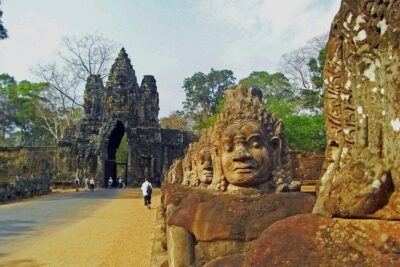
Stop 5: Angkor Thom South Gate (A Final 30-Minute Hit of Carved Faces)
To wrap up, you’ll stop at Angkor Thom South Gate, a city gate dating to the 12th century. You’ll see carved faces and a causeway lined with stone figures.
You’ll have around 30 minutes here. That’s not a long stop, but it fits the day’s flow: it’s a strong final visual without eating your energy before the ride back.
This is a great place for one last look at the classic Angkor layout. Even at a quick pace, you can understand why these gates were so important—stone art that guided people in, and a statement of power at the edges of the city.
What You Actually Get for the Price (and What You Still Pay)
The tour price is listed at $14 per person, and the booking is typically made about 8 days in advance on average. That’s a low base cost for a sunrise start, guide, and full-day transport.
But here’s the budget math you need to know: temple entrance tickets are not included. The day pass is listed as $37 per person per day. So you should expect the real total to be more like $50+ per person once the temple ticket is part of your plan.
Where the value comes in:
- Guide + English explanation for multiple sites rather than self-guiding with guesswork
- Pickup and drop-off that saves time (and avoids paying separately for transport)
- Cooling essentials like water and towels for long hours
- A route that hits major temples without making you choose between them
What’s not included:
- Breakfast (you pay your own during the break)
- Temple tickets (you pay your own at $37 per person per day)
The Tour Experience: Pacing, Group Size, and Comfort
This is designed for smooth movement across a big day. With up to 12 travelers, you get enough companionship to feel social, but not so many people that the guide disappears into a crowd.
The itinerary is also structured to reduce dead time. You’re not jumping randomly between far corners of the park. Instead, you hit the major sequence: Angkor Wat → Bayon → Ta Keo → Ta Prohm → South Gate, then ride back.
Comfort details are actually meaningful here:
- Air-conditioned vehicle for early pickup and the ride between stops
- Cool water and cool towels to handle heat during walks and waiting
- The guide helps keep you aware of timing so you don’t lose daylight
One small caution: sunrise is demanding. Even with good comfort support, you’ll want to sleep the night before and keep your morning routine simple.
Who This Tour Fits Best (and Who Should Think Twice)
This tour is a strong match if you:
- Want the major Angkor sites in one day without switching plans repeatedly
- Like guided context, not just standing and photographing
- Prefer a small-group pace over long bus tours
- Don’t mind an early start if it means better light and cooler walking
You might think twice if you:
- Hate early mornings and struggle with 4:30am wake-ups
- Don’t want crowds at all, even with a sunrise strategy
- Have a tight budget and dislike that temple tickets and breakfast are separate
Quick Booking Guidance: Should You Book This Sunrise Route?
I’d book this tour if you want an organized, full-day Angkor highlights route with practical comforts and the sunrise option doing real work for your photos and your comfort. The combo of small group + guide-led pacing + included cooling touches makes the $14 base price feel like more than just transportation.
I’d also be smart about expectations: plan for the temple ticket cost and be ready for breakfast to be on your own. And if you’re sensitive to timing, keep your phone charged and be ready at pickup time so you’re not dealing with morning stress.
If you’re mainly chasing the easiest, least complicated Angkor day possible, this hits a good balance. You’ll trade a little sleep for a sunrise experience and a route that covers the big temples efficiently.
FAQ
What time does the sunrise tour start?
The meeting/start time is 4:30am.
How long is the tour?
The duration is 7 to 8 hours (approx.).
Are temple entrance tickets included in the price?
No. Temple entrance tickets are not included. The listed temple ticket cost is $37 per person per day.
Is pickup and drop-off included?
Yes. Pickup/Drop-off is included, along with air-conditioned transport.
Is breakfast included?
No. Breakfast is not included, and you’ll pay for it yourself at a spot near the temple area.
How many people are in the group?
This experience has a maximum of 12 travelers.
What happens if weather is poor?
This experience requires good weather. If it’s canceled due to poor weather, you’ll be offered a different date or a full refund.