REVIEW · SIEM REAP
Siem Reap: Full Day Angkor Wat Temple Experience with Sunset
Book on GetYourGuide →Operated by ASEAN ANGKOR GUIDE · Bookable on GetYourGuide
Angkor feels bigger than you expected, even when you have a map. This full-day temple loop is timed so you see the headline sights, from Angkor Thom’s stone faces at Bayon to Ta Prohm’s tree-and-root spectacle, and you finish with a sunset climb at Phnom Bakheng. I like that the day runs on a clear rhythm—pickup, temples, lunch, then the main show—without leaving you to figure out logistics in the Cambodian heat. The main drawback is the extra cost and effort: you still need an Angkor pass, and you’ll be doing plenty of walking and stairs.
You’ll also appreciate the small comfort details that make a long day feel manageable: an A/C vehicle (with phone charging points on many rides), plus cold towels and bottled water during the stops. If you want to see a lot without rushing, this route is built for that. Just plan your outfit and energy level ahead of time, because Angkor rules are strict and the sun is not.
In This Review
- Key moments that make this day tour work
- A full-day temple circuit that saves you from planning headaches
- Angkor Thom: South Gate, Bayon, and the fortified city’s big mood
- South Gate and the Avalokiteshvara statue
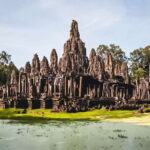
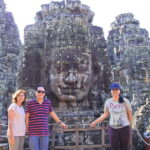
- Bayon Temple: hundreds of faces that feel almost human
- Terrace of the Elephants and the royal layout
- Baphuon, Phimeanakas, and the Terrace of Leper King in one long walk
- Baphuon: Hindu grandeur inside Angkor Thom
- Phimeanakas and the palace-temple idea
- The Terrace of the Leper King (Preah Ponlea Sdach Komlong)
- Srah Srang break, lunch, then Ta Prohm’s roots and jungle mood
- Lunch at a local restaurant with a chef connection
- Phum Preah Dak: palm cake and palm sugar making
- Ta Prohm: the jungle temple that feels untouched
- Angkor Wat: the moat-and-five-towers icon plus a Phnom Bakheng sunset
- Phnom Bakheng: the sunset climb finish
- Price and value: what $25 really buys you (and what it doesn’t)
- What to pack and how to dress for Angkor rules
- Who should book this day tour, and who might want a different option
- Should you book this Angkor Wat with sunset tour?
- FAQ
- Do I need to buy an Angkor pass for this tour?
- What’s the pickup time from my hotel?
- How long is the tour?
- What temples and sights are included in the day?
- Is lunch included, and do they have vegetarian food?
- What should I bring for the day?
- Are there dress code rules?
- Is this tour suitable for children?
Key moments that make this day tour work
- Angkor Thom start: South Gate and Avalokiteshvara statue details that even movie fans recognize
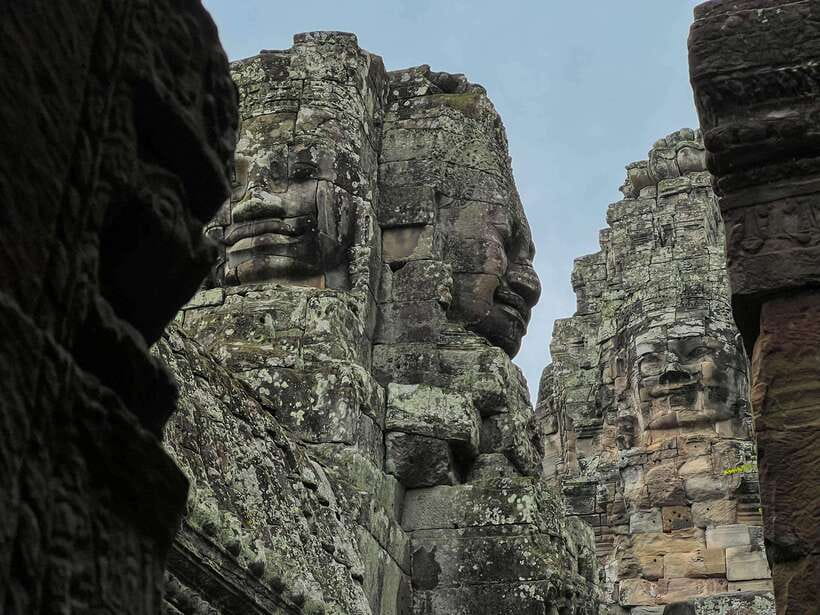
- Bayon faces: hundreds of stone faces that change as you walk around the towers
- Ta Prohm in the original feel: roots and jungle growth left where they are, not rebuilt for you
- Local lunch break plus palm treats: you eat in town and stop at Phum Preah Dak for palm cake and palm sugar making
- Angkor Wat + Phnom Bakheng sunset: enough time at Angkor Wat, then a hilltop finish for the day’s light
A full-day temple circuit that saves you from planning headaches
The day starts with hotel pickup in Krong Siem Reap between about 8:00 and 8:20 a.m. You head straight toward the Angkor pass purchase first, which matters because the pass is required before you start temple time at Angkor. From there, the tour becomes a steady sequence of short temple stops plus driving between them, which is exactly what you want when the goal is big sights, not slow logistics.
I like the way the transport supports the day. You ride in an A/C car or minivan, and many groups have mentioned USB and USB‑C charging ports, so your phone survives long photo sessions. More importantly, the driver keeps the heat under control with unlimited bottled water during the outing and cool towels between stops. That sounds like a small thing until you’re standing on stone in full sun.
One practical note: this is a 10-hour experience, and Angkor is active sightseeing. If you’re sensitive to heat or have mobility limits, you’ll feel it. The schedule tries to balance pace, but you still need to treat the day like a workout plus history lesson.
You can also read our reviews of more evening experiences in Siem Reap

Angkor Thom: South Gate, Bayon, and the fortified city’s big mood
Angkor Thom is your entry into the “great royal city” energy. You’ll spend time inside this 12th-century walled complex built by King Jayavarman VII—and the feel is different from Angkor Wat. Here the focus is on the city as a living monument: gates, courtyards, terraces, and temples that make you walk through layers of royal and religious power.
South Gate and the Avalokiteshvara statue
At the South Gate, you’ll see the imposing Avalokiteshvara statue. It’s the one that appears in the Tomb Raider movie, which helps you orient fast. You don’t just see it for the movie connection—you see how the gate works as a threshold, forcing you to slow down for the first look before you start threading deeper into the ruins.
Bayon Temple: hundreds of faces that feel almost human
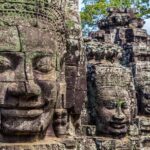
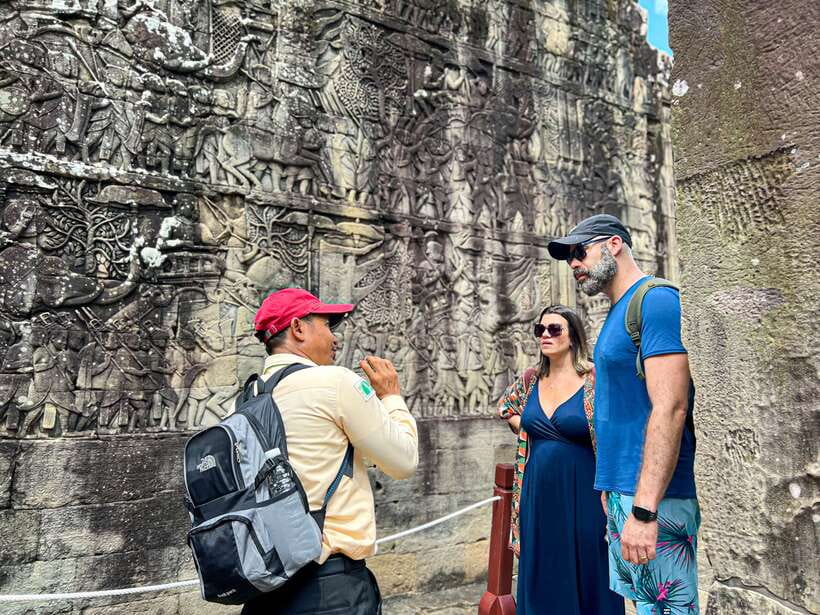
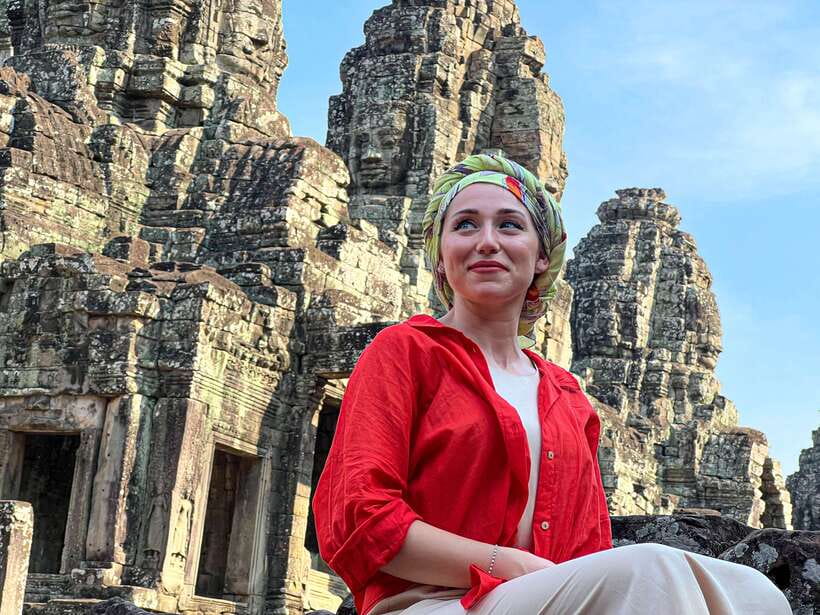
Next comes Bayon Temple, with its Buddhist style and the famous stone faces. This is the stop where the architecture starts to feel like a conversation. The faces are everywhere, but they don’t look identical from every angle; they shift with your movement around the towers. You’ll get about an hour here, which is long enough to do a full loop without feeling trapped.
If you end up with a guide like Mony (a name that comes up repeatedly), you’ll probably notice a pattern in how you’re taught to look. People have praised him for pace, timing, and even grabbing group photos in the right spots. Even if your guide isn’t the same person, the goal is consistent: you should understand what you’re looking at instead of just snapping pictures.
Terrace of the Elephants and the royal layout
You’ll also move through the Terrace of the Elephants area and other parts of Angkor Thom’s palace zone, including courtyards connected to former royal life. The terrace is a reminder that these temples weren’t only religious spaces—they were public stages for power, ceremony, and storytelling in stone.
You can also read our reviews of more tours and experiences in Siem Reap
Baphuon, Phimeanakas, and the Terrace of Leper King in one long walk
The middle of the day is where Angkor Thom turns from “wow faces” into “wow, how did they build all this.” You’ll visit several key structures with different religious identities living side-by-side across centuries.
Baphuon: Hindu grandeur inside Angkor Thom
You’ll get time at Baphoun (Baphuon) temple. In the Angkor Thom city context, it’s considered the largest Hindu temple there. That matters because it helps you read the temples as a timeline, not as one uniform style. You can feel the switch in mood: the ornamentation and temple logic don’t behave like Bayon’s Buddhist symbolism.
Phimeanakas and the palace-temple idea
Phimeanakas is next, and it ties directly into the royal-palace concept. Even if you don’t climb every available level, you’ll see enough to understand why this area is treated like the royal heart of the complex. Think of it as the place where the sacred and the political overlap.
The Terrace of the Leper King (Preah Ponlea Sdach Komlong)
The Terrace of the Leper King—called Preah Ponlea Sdach Komlong—is one of those stops that sounds strange until you’re standing in front of the stone details. You’ll have about 20 minutes here. It’s not just a quick photo stop; it gives your brain a change of focus, and then you’re ready to move toward the quieter jungle and lake areas later.
This block of stops is where you’ll likely notice your comfort level. The day is full, and the walking between these points can add up. If you want the best experience, wear shoes you can trust for uneven stone and stairs.
Srah Srang break, lunch, then Ta Prohm’s roots and jungle mood
After the Angkor Thom temple sequence, the tour slows with a break and lunch. You’ll visit Srah Srang, then take lunch time. This part of the day matters more than people think. Angkor temperatures can wear you down, and you’ll want the recovery time before you hit Ta Prohm and then Angkor Wat.
Lunch at a local restaurant with a chef connection
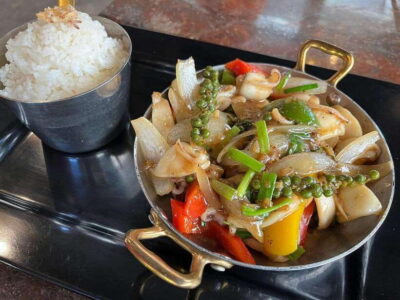
Lunch is included, with a vegetarian option available if you tell them in advance. The meal is described as cooked by a local chief, which usually means more real Cambodian home-style cooking than an overly polished tourist buffet. You’ll likely have a menu choice, and fish amok is one dish that comes up as a recommended option.
Phum Preah Dak: palm cake and palm sugar making
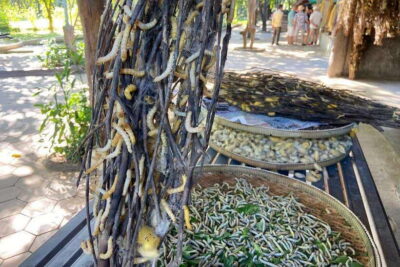
Then you go to an authentic village stop: Phum Preah Dak. Here you can learn how local people make palm cake and palm sugar. It’s a quick cultural window, not a show. If you like seeing how daily life works alongside the big temple sites, this is a nice contrast.
Ta Prohm: the jungle temple that feels untouched
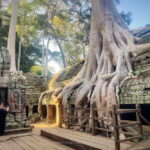
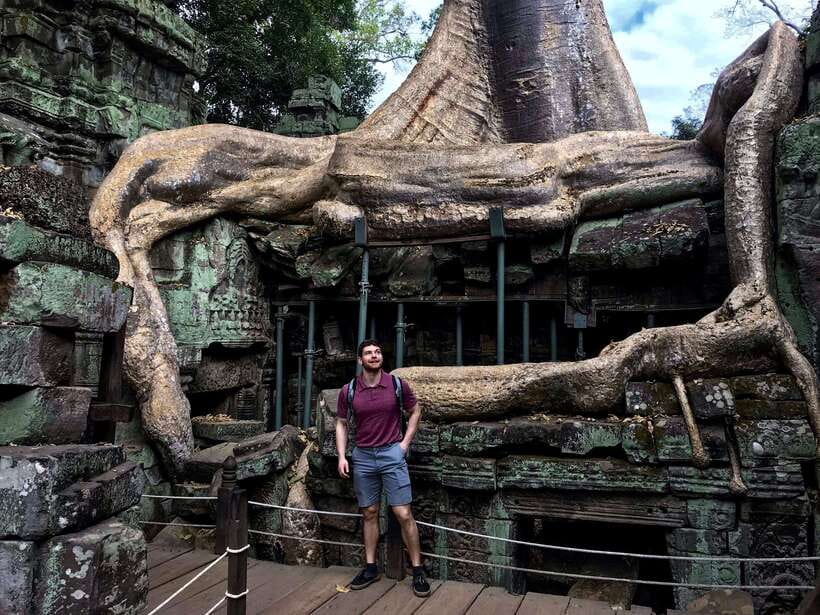
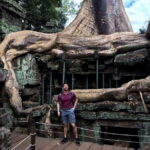
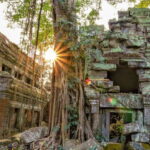
Next is Ta Prohm, the temple famous for being left in its original state and overgrown with trees and giant roots. This is the other “can’t believe this is real” moment of the day. The roots don’t look staged—they look like the jungle is reclaiming stone, and it changes how you photograph everything. It also plays well with the story people associate with the Tomb Raider film, but you don’t need movie context to appreciate it.
You’ll have about an hour here. That gives you time to step back and take in the full scene, plus time to get close enough to see how the stone and roots interact. If your guide is good at pacing (many are praised for exactly this), you won’t feel herded, which makes a huge difference at Ta Prohm.
Angkor Wat: the moat-and-five-towers icon plus a Phnom Bakheng sunset
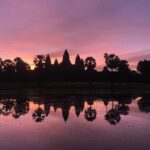
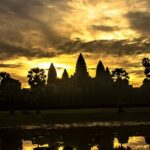
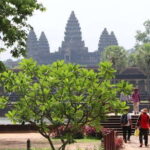
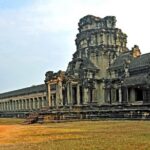
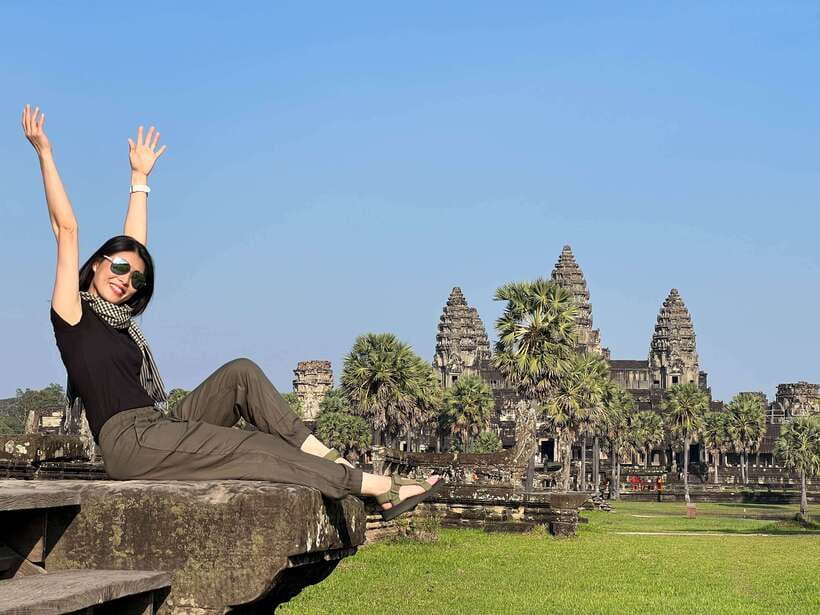
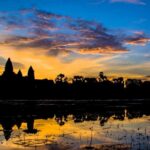
This is the headline. Angkor Wat is the largest sacred building associated with the Khmer civilization and an iconic symbol of the region. It was built under King Suryavarman and dedicated to the Hindu god Vishnu. You’ll spend about two hours at Angkor Wat itself, and this time window is what makes the whole day feel complete.
Here’s what you’ll be able to appreciate:
- The giant moat that frames the temple like a boundary of importance
- The five towers connected to the Cambodian flag’s design
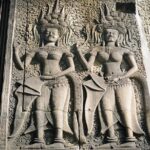
- Hundreds of wall decorations covering surfaces in layered detail
- The famous bas-relief work—described here as the longest bas-relief in the world
- Views back toward the dense jungle, especially from temple levels you can climb
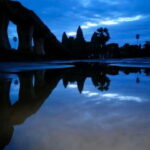
Angkor Wat at the right light is different from Angkor Wat at midday. Your schedule is built so you’re not stuck in the worst of the sun when you arrive, and then you get a second perspective later from the hilltop.
Phnom Bakheng: the sunset climb finish
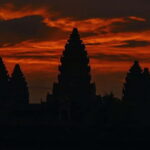
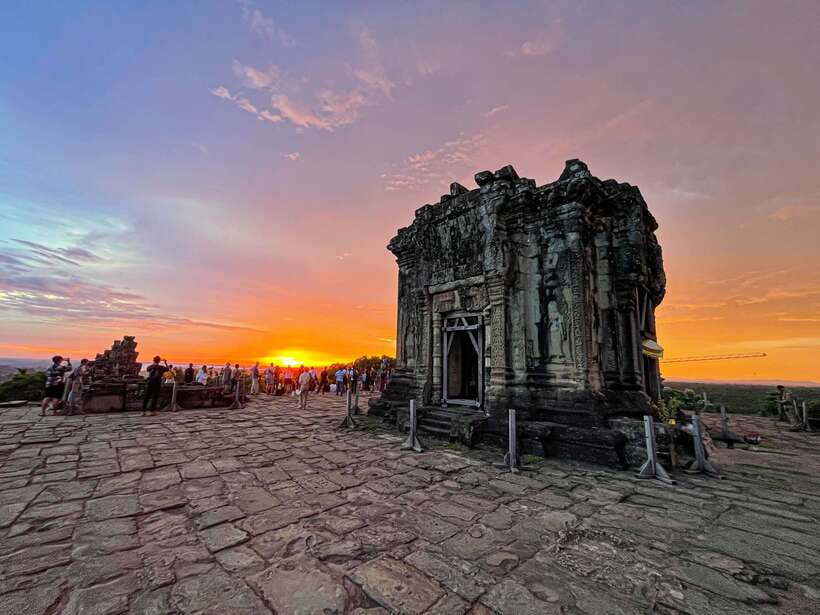
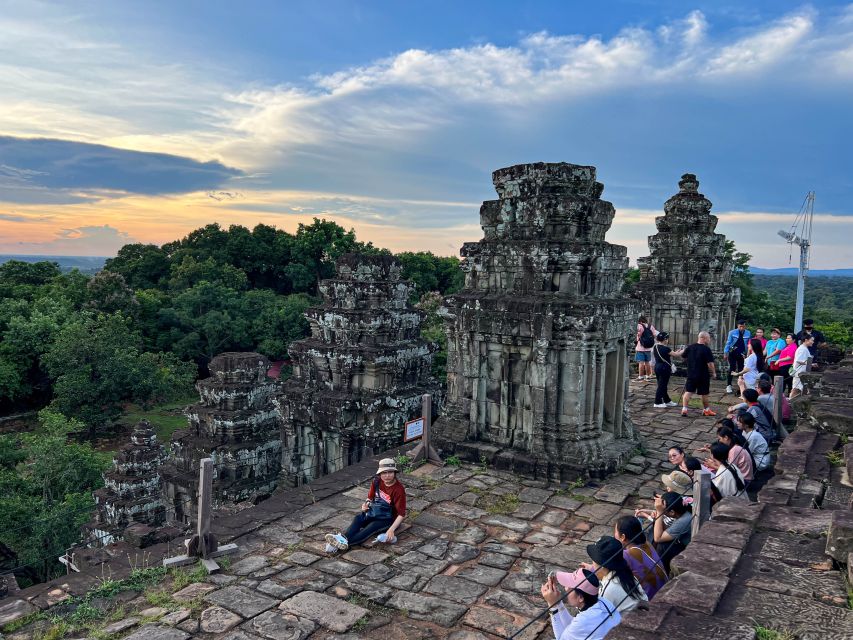
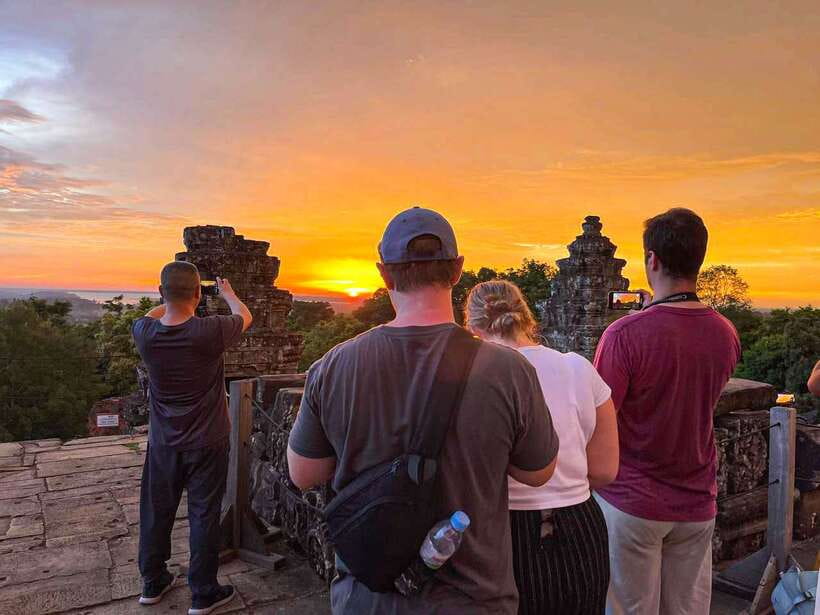
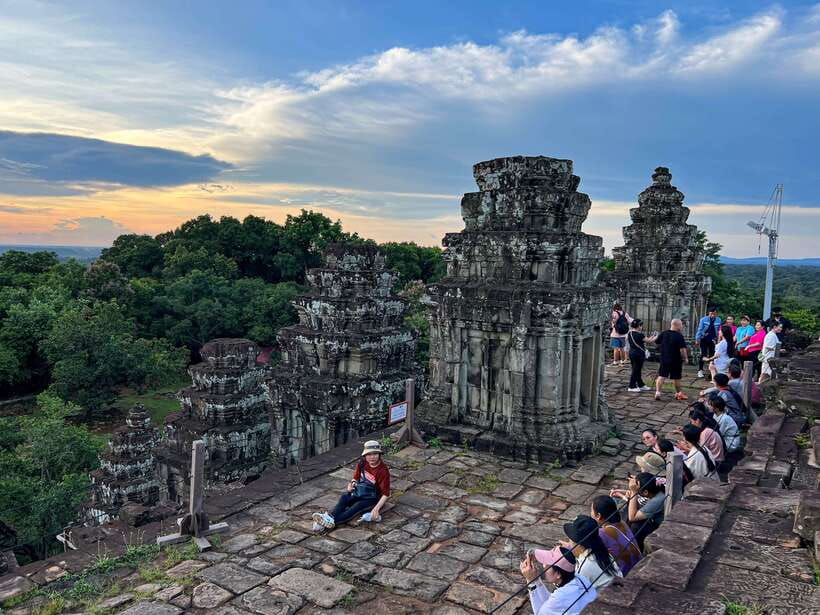
After Angkor Wat, you transfer to Phnom Bakheng for the sunset. You’ll have time to visit, walk, and watch the sunset, with about 1.5 hours here. This is where the day becomes more than stone architecture. From the hilltop, you get a wider sense of Angkor’s scale and the way jungle and temple shapes blend into one large visual world.
One thing to plan: this is a climb-and-stand kind of sunset. Wear breathable clothes, keep water handy, and don’t underestimate how long you may be moving slowly on stairs and walkways in the heat.
Price and value: what $25 really buys you (and what it doesn’t)
The tour price is $25 per person, and it’s a fair deal if you compare it to what you’d otherwise pay for transport, a good English guide, and a structured full-day route across multiple major sites. But there’s one unavoidable extra: the Angkor pass is $37 per person and it is not included.
So your real temple-day budget looks closer to $62 for the pass plus this tour. For many people, that total still feels reasonable because you’re not paying for just one temple. You’re covering Angkor Thom, Bayon, Baphuon, Phimeanakas, the Terrace of the Leper King, Srah Srang break time, Ta Prohm, Angkor Wat, and a sunset viewpoint at Phnom Bakheng.
Also included:
- Professional English-speaking guide
- A/C transportation
- Hotel pickup and drop-off
- Unlimited bottled water and cool towels
- Lunch with a vegetarian option if you request it
Not included:
- Soft drinks
If you’re the type who hates wasting half a day arranging tickets and rides, the value is in the structure. If you already have a pass and you like to go at your own speed without a guide, then you might compare against a DIY plan. But for most first-timers, the guide-driven route is what makes the day feel effortless.
What to pack and how to dress for Angkor rules
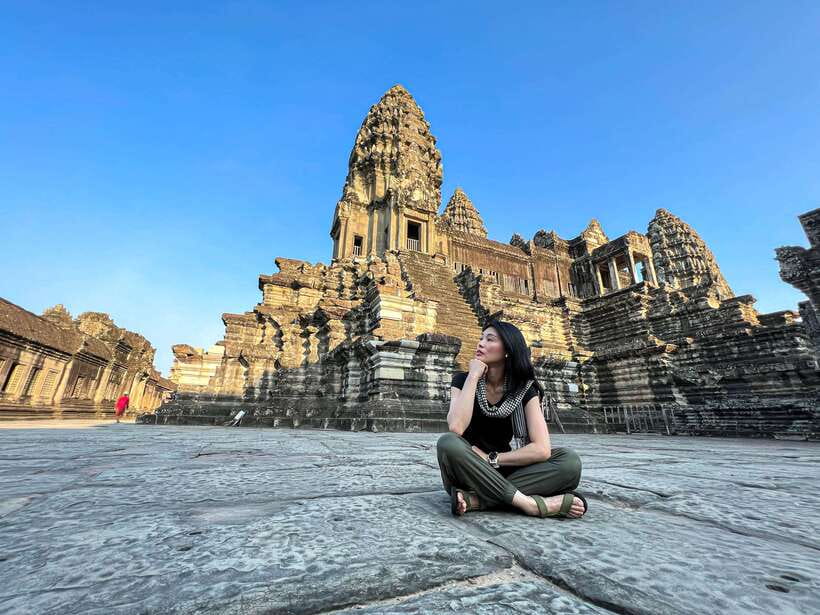
Angkor is strict about clothing and bags, and this tour follows those rules. Before you go, pack like you’re going to be outside all day.
Bring:
- Sunscreen
- Hat
- Insect repellent
- Camera and sunglasses can help a lot
Dress code is simple but important:
- Knees and shoulders must be covered
- Short skirts and sleeveless shirts are not allowed
Also:
- No luggage or large bags
I recommend you carry essentials in a small day bag or side pack so you’re not slowed down during security-style moments and temple entry.
Who should book this day tour, and who might want a different option
This works best if:
- You want to see the major Angkor sites in one full day: Angkor Thom, Bayon, Ta Prohm, and Angkor Wat
- You prefer a guided explanation so the carvings and symbolism make sense as you walk
- You appreciate comfort supports like cool towels and bottled water during the hottest hours
- You like taking photos with a guide who helps with timing and group shots. Many guests specifically praised guides for being good at photography and getting people into the right spots.
You might skip or adjust the plan if:
- You’re traveling with kids under 10, at least for the small-group option (it’s noted as not suitable)
- You don’t do well with long days, lots of walking, and stairs
- You’re on a tight budget once you add the $37 pass
Group size is kept small for the personal feel: small-group tours are limited to 14 participants.
Should you book this Angkor Wat with sunset tour?
If you want a single-day Angkor plan that feels organized and not stressful, I’d book it. The combination of multiple major temples, a real lunch break, plus the Phnom Bakheng sunset finish gives you a full range of Angkor experiences without needing to get up before dawn.
Do it especially if you value:
- a guide who helps you read what you’re seeing (many guides named here, like Mony, Raman, Dara, Seila, Kim, and Makara, are praised for explanations and good pacing)
- comfort details that matter in the heat, including cold towels, water, and A/C
- a route that covers the movie-famous sights (Tomb Raider connections at Ta Prohm and the South Gate statue) without turning the day into a theme park
If you hate crowds so much that you want a very early morning plan, or if you’d rather move completely independently, then you may need a different style of Angkor visit. But for most people—this is one of the cleanest ways to see the big hits.
FAQ
Do I need to buy an Angkor pass for this tour?
Yes. The Angkor pass is $37 per person and is not included. The tour requires you to have the pass before starting the temple portion, and you can purchase it online.
What’s the pickup time from my hotel?
Pickup is included and typically happens between 8:00 a.m. and 8:20 a.m. You should wait in the hotel lobby, and the guide will be holding a sign with your last name.
How long is the tour?
The experience runs for about 10 hours.
What temples and sights are included in the day?
You’ll see Angkor Thom (including the South Gate and Bayon), Baphuon, the Terrace of the Elephants, Phimeanakas, the Terrace of the Leper King, Srah Srang for a break, Ta Prohm, Angkor Wat, and end with Phnom Bakheng for sunset.
Is lunch included, and do they have vegetarian food?
Lunch is included, and there is a vegetarian option available if you let the tour team know in advance.
What should I bring for the day?
Bring sunscreen, a hat, insect repellent, and a camera if you want photos. Sunglasses are also helpful.
Are there dress code rules?
Yes. You must wear clothing that covers knees and shoulders. Short skirts and sleeveless shirts are not allowed.
Is this tour suitable for children?
Children under 10 are not suitable for the small-group tour option.