REVIEW · SIEM REAP
Private Angkor Wat Tour from Siem Reap
Book on Viator →Operated by Angkor Focus Travel · Bookable on Viator
Angkor Wat can feel overwhelming at first glance. This private day keeps it practical, with an English-speaking guide and hotel pickup so you’re not wasting time figuring out logistics. I like that the pacing is built around seeing the major sites—Angkor Wat, Bayon, and Ta Prohm—without turning the day into a rushed checklist.
You’ll get two things that really matter for a first (or even repeat) Angkor visit: an organized route and time on the ground to actually look. The tour includes an air-conditioned ride, plus water and wet towel, which you’ll appreciate once the heat and humidity kick in. It’s also private, so your group stays together.
One consideration: the temple pass is not included, so you’ll need to budget for tickets at the ticket office. Also, you’re booking a day that’s weather-dependent since the plan includes a sunset stop.
In This Review
- Key things to know before you go
- Price and Logistics That Actually Affect Your Day
- Hotel Pickup in Siem Reap: Less Time Waiting, More Time Looking
- Stop 1: Angkor Wat Without the Chaos Feeling
- The likely benefit for your experience
- The one drawback to plan around
- Stop 2: Bayon Temple and Its Four-Face Focus
- A practical tip
- Stop 3: Terrace of the Elephants Inside the Angkor Thom Wall
- What to watch for
- Stop 4: Ta Prohm, Where Jungle Meets Stone
- The trade-off to consider
- Lunch on Your Own: Use the Time, Don’t Let It Slip Away
- Stop 5: Phnom Bakheng for Sunset Views
- A simple plan for better photos
- What Makes This Tour Worth It (When You Compare Options)
- Who This Private Angkor Wat Tour Is Best For
- Practical Tips to Make the Day Easier
- Should You Book This Private Angkor Wat Day?
Key things to know before you go
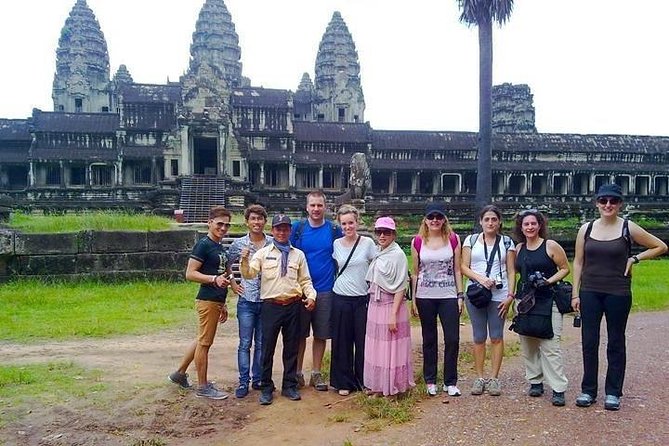
- Private group experience: only your group participates, so you’re less stuck waiting on crowds.
- Hotel pickup at Tara Angkor Hotel: you’re picked up and dropped back, which makes the day simpler.
- Smart temple routing: a day built to connect Angkor Wat to Angkor Thom to Ta Prohm, then toward Phnom Bakheng for sunset.
- Included comfort basics: air-conditioned car or minivan plus water and wet towel.
- Time for lunch on your own: lunch isn’t included, but the schedule leaves room to eat.
Price and Logistics That Actually Affect Your Day
This tour runs about $59 per person for an 8-hour day in Siem Reap. For Angkor, the real value isn’t just the guide. It’s the fact you’re being moved between sites in comfort, with a plan that reduces wasted time, and you’re not managing day-entry decisions on your own.
What’s included is the foundation you’ll feel all day:
- A private English-speaking tour guide
- Air-conditioned transport (car or minivan)
- Hotel pickup and drop-off
- Water and wet towel during the tour
What’s not included is also important:
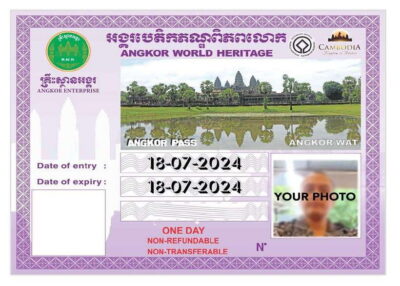
- Temple pass (you pay at the ticket office)
- Meal (lunch is at your own expense)
So the comparison is simple: you’re paying for the guide, the ride, and the routing. If you’re the type of traveler who can manage transit and ticketing on your own, a self-guided day might cost less. If you want the day to feel smooth and timed, this price is in the zone that often makes sense.
One more practical point: the tour includes a mobile ticket and mentions group discounts, which can matter if you’re booking with friends. The tour is also described as requiring good weather, so keep that in mind when choosing your travel dates.
You can also read our reviews of more private tours in Siem Reap

Hotel Pickup in Siem Reap: Less Time Waiting, More Time Looking
Your day starts at Tara Angkor Hotel on Preah Sihanouk Ave. Pickup is included, and you return to the same meeting point at the end. That matters because Angkor days often go sideways when people are trying to coordinate transport at the last minute.
Also, having a private ride means you can start earlier without the stress of hunting down the right bus or shared taxi. It’s not just comfort. It’s how you get to the temples with enough energy to enjoy them.
The guide also brings the small-but-real comforts. Water and a wet towel are included. Those extras don’t sound glamorous, but they help you stay out longer and keep your focus while you walk between temple zones.
Stop 1: Angkor Wat Without the Chaos Feeling
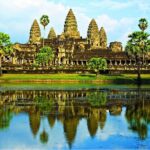
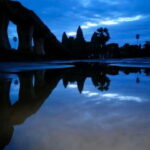
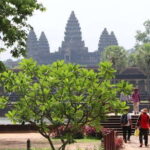
Angkor Wat is the headliner: a massive temple complex covering about 162.6 hectares and considered one of the world’s largest religious monuments. The guide will frame it as a Hindu temple originally dedicated to Vishnu, with an enduring Hindu-Buddhist architectural legacy. Even if you already know the basics, it’s the kind of site where a good explanation changes what you notice.
This stop is listed for about 3 hours, and that duration is key. You’re not just walking through; you’re given time to see the layout and absorb what makes Angkor Wat visually unique—its scale, its cause-and-effect design, and the way the architecture pulls your eyes across the complex.
Admission is not included here, so be ready to handle the temple pass at the ticket office. If you’re hoping to minimize friction, arrive with the expectation that ticketing is part of the flow. Your guide can help you stay organized once you reach the entry area.
The likely benefit for your experience
A well-timed route helps you experience Angkor Wat without constantly feeling like you’re being swept along with a huge crowd. The private format also means you can pause longer at the spots you care about.
The one drawback to plan around
Angkor Wat is a big walking day. Even with time set aside, you’ll still want comfortable shoes and a willingness to move steadily.

Stop 2: Bayon Temple and Its Four-Face Focus
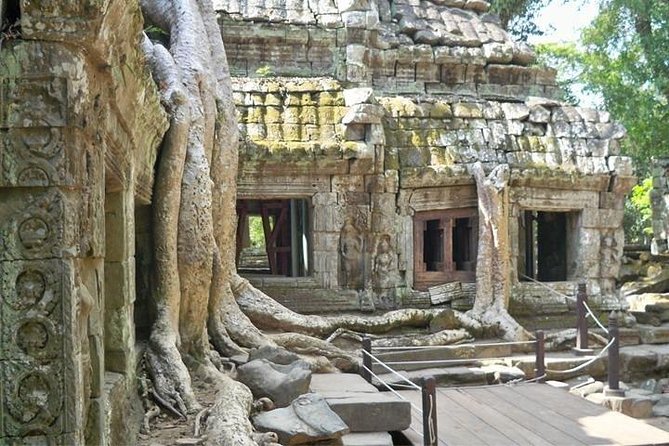
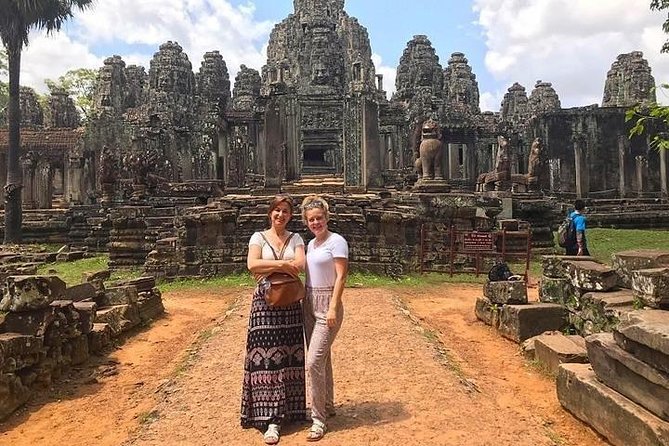
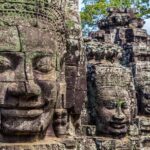
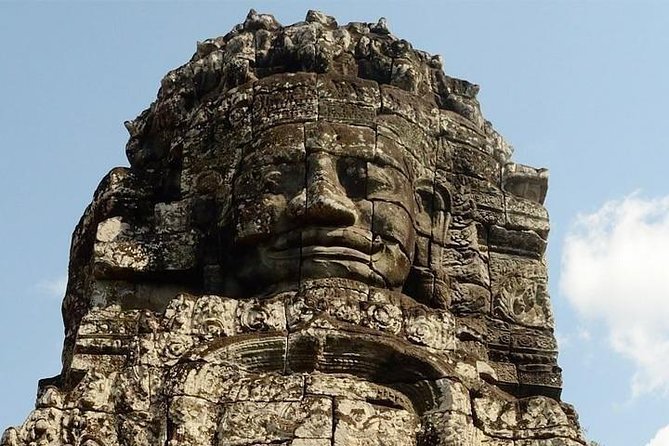
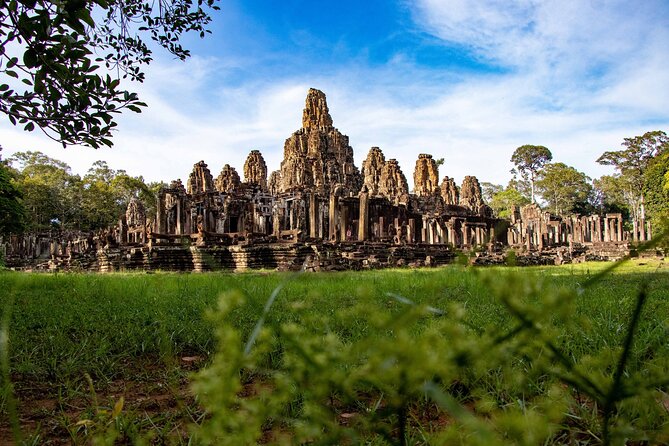
From Angkor Wat you transition toward Angkor Thom, and the next major stop is Bayon Temple. Bayon is famous for the central towers covered in more than 200 enormous faces—often described as smiling stone faces or Buddha-like faces.
Your visit here is about 1 hour 30 minutes. That’s usually a sweet spot: long enough to circle and notice details, short enough that you’re not exhausted before you reach the next temple.
What I like about this stop is how it changes the mood. Angkor Wat can feel grand and structured. Bayon feels more immediate. Those faces are everywhere you look, and the guide’s stories help you connect the art to the era that built it—late 12th or early 13th century, as the state temple of the Khmer rulers.
Admission isn’t included, so you’ll likely rely on your temple pass for access across multiple stops.
A practical tip
Bring a light layer or rain protection if you’re traveling during the wet season. One reason guided days score points here: your guide can react to weather and keep the plan moving.
Stop 3: Terrace of the Elephants Inside the Angkor Thom Wall
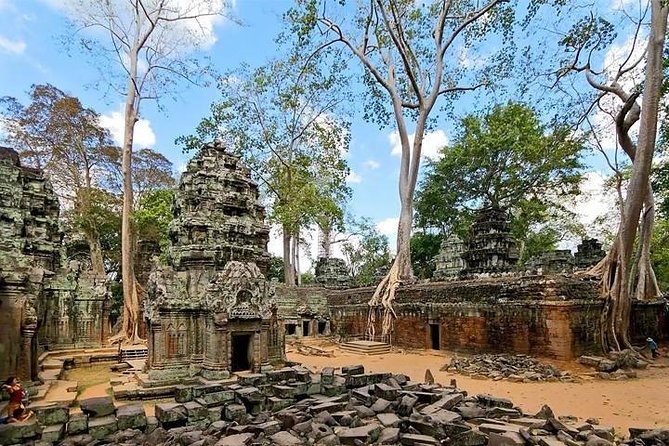
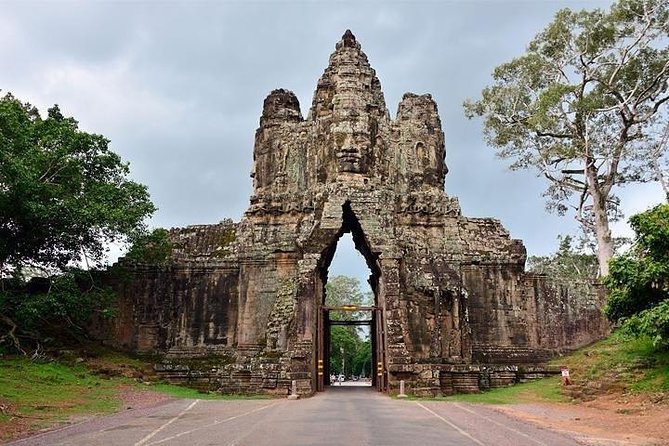
The Terrace of the Elephants is part of the walled city of Angkor Thom, an important Khmer-era capital area. This terrace served as a platform for King Jayavarman VII, used to view victorious moments and ceremonies.
Your time here is about 1 hour. For such a famous piece of stone, that time can still feel short if you wander. But in a timed route, it’s enough to get the main sightlines and understand the purpose of the terrace.
The “value” of this stop is context. It’s the kind of spot where you learn how power and ritual shaped how the city was built and used. Without that explanation, you might just see an ornate wall. With it, you start recognizing why the Khmer architects placed things where they did.
What to watch for
Look at the terrace as a stage. Think about who stood where and why. Even if you’re not a history buff, that mental shift makes the stone feel like a lived space.
Stop 4: Ta Prohm, Where Jungle Meets Stone
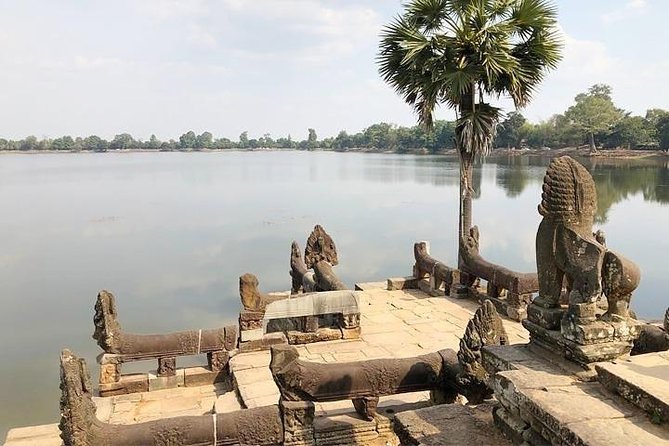
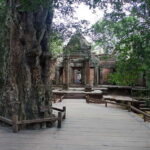
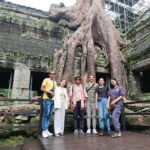
Next up is Ta Prohm, one of the most photographed temples in the Angkor region. It’s known for huge trees with massive roots growing out of the walls, creating a visual tension between ancient architecture and the jungle reclaiming it.
You’ll spend about 1 hour here. The time allocation is reasonable because Ta Prohm is less about “one perfect angle” and more about exploring layers—walkways, doorways, root tunnels, and viewpoints.
This is also the stop where a guided story can help you see beyond the visuals. Ta Prohm is linked to the adventure movie The Tomb Raider, and the cultural echo of that fame can be useful to understand how modern audiences connect to the site.
Admission isn’t included, so make sure your temple pass covers this stop as well.
The trade-off to consider
Ta Prohm is famous, so it can attract lots of attention. A private route won’t eliminate crowds entirely, but it gives you more control over where you linger and how you move.
Lunch on Your Own: Use the Time, Don’t Let It Slip Away
Lunch is listed as at your own expense. That means you’re responsible for choosing where to eat, and you should plan for the fact that you’ll likely be in a “temple day rhythm,” not a leisurely restaurant sit-down.
Still, you’ll want lunch to do two jobs:
- Keep your energy up for the later walk and climb at sunset
- Let you avoid decision fatigue mid-tour
If you’re traveling with dietary needs, aim to ask your guide for timing and practical options. The general pattern of the day tends to keep you on schedule, which helps you avoid eating too late or too early and getting thrown off.
Stop 5: Phnom Bakheng for Sunset Views
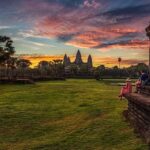
The final major stop is Phnom Bakheng, described as a mountain viewpoint for a memorable sunset. Your time here is about 1 hour 30 minutes—enough to reach the viewpoint, wait for the light, and take in the view before you head back.
This is the emotional payoff for many Angkor days. The temples look different in late light, and you get the kind of panoramic view that makes you understand why people plan entire trips around this region.
Because the tour depends on weather, sunset can be the most sensitive part of the itinerary. If skies don’t cooperate, the tour notes that you’ll be offered a different date or a full refund. That’s the right kind of safety net for a plan built around a specific natural moment.
A simple plan for better photos
When you arrive, don’t spend all your time searching for the best spot. First, take a quick look to understand the flow—where people gather, where you can stand comfortably, and how you’ll move back afterward.
What Makes This Tour Worth It (When You Compare Options)
Angkor tours often fall into two categories: cheap transport with no context, or a guide plus a higher price. This private format tends to land in a practical middle: it’s not trying to be flashy, but it does aim to remove the day’s friction.
From the experience setup, the biggest “value drivers” are:
- Private timing that helps you spend more time looking and less time waiting
- A guide who brings stories and helps you understand what you’re seeing
- Comfort supports like air-conditioned transport, plus water and wet towel
- A route that connects major areas without forcing you to backtrack constantly
Even better, the reviews attached to this tour style point to a helpful detail: the guide keeps an eye on weather and helps you stay dry when it rains. That’s not something you get from every operator, and it matters because getting cold and wet can ruin the last half of the day.
Who This Private Angkor Wat Tour Is Best For
This is a strong fit if:
- You want a private day instead of sharing vans with strangers
- You appreciate explanations while you walk between temples
- You want an organized route with hotel pickup and return
- You’re planning a first Angkor trip and want the highlights done in a logical order
It may not be the best fit if:
- You prefer full independence and already know how to manage temple tickets and transport timing
- You hate paced schedules and want total freedom to roam slowly with no structure
Practical Tips to Make the Day Easier
Angkor is busy, hot, and often uneven on your feet. A few practical steps will help you enjoy the day more:
- Wear shoes you can walk in for a long time. Stone surfaces and temple steps add up.
- Bring sun protection. Even with the schedule, you’ll spend time in open areas.
- If rain is possible, pack a light rain layer. Getting caught without one is uncomfortable during temple stops.
- Keep your temple pass ready for the stops where it’s needed.
Also, since lunch is on your own, pick something you can eat quickly and comfortably. Save the “long meal experience” for a day that isn’t built around sunset timing.
Should You Book This Private Angkor Wat Day?
If you want the Angkor highlights without the stress of coordinating transport and entry details, this tour is a solid choice. The price feels fair for what you’re getting: a private English-speaking guide, air-conditioned pickup and drop-off, comfort basics like water and wet towel, and a route that flows from Angkor Wat to Angkor Thom to Ta Prohm, then to Phnom Bakheng for sunset.
I’d book it if you’re the type who wants stories, timing, and fewer logistical headaches. I’d think twice only if you’re trying to cut costs to the absolute minimum or you already plan to self-guide your day from scratch.
If your dates are flexible, that weather-dependent sunset factor is worth weighing—but the tour’s weather approach gives you a clear path if conditions don’t work out.