REVIEW · SIEM REAP
Siem Reap: Angkor Wat Sunrise Tour with Spanish Guide
Book on GetYourGuide →Operated by Vamos Camboja Turismo · Bookable on GetYourGuide
Sunrise at Angkor hits different. I love the early-morning Angkor Wat experience and I also love how a Spanish-speaking guide turns the temples into a clear, story-driven route (with real help for photos).
One thing to plan for: the Angkor Archaeological Park ticket isn’t included, so your final cost depends on whether you choose the 1-day or 2-day option, and you’ll also need to be ready for a very early pickup.
In This Review
- Key things I’d watch for
- Why Angkor Wat Sunrise from 4:30–5:00 Changes Everything
- The Spanish Guide Touch: Clear Stories and Better Photos
- Morning Route on Day 1: Angkor Wat, Ta Prohm, and Angkor Thom Without Wasted Time
- Angkor Wat at sunrise, then guided time inside
- Ta Prohm: the Tomb Raider temple moment
- Victory Gate quick photo stop
- Angkor Thom and the classic faces
- 2-Day Option: Grand Circuit Temples + Banteay Srei for Khmer-Detail Lovers
- Grand Circuit temples: variety beyond the postcard stops
- Banteay Srei: the pink sandstone carving payoff
- Price and Logistics: The Real Cost of Getting Inside
- Entering Temples Smart: Dress Code and What to Pack
- How the Transportation Fits Your Day
- Who This Tour Is Best For (and Who Should Skip It)
- A Quick Reality Check Before You Book
- Should You Book This Angkor Wat Sunrise Tour With a Spanish Guide?
Key things I’d watch for
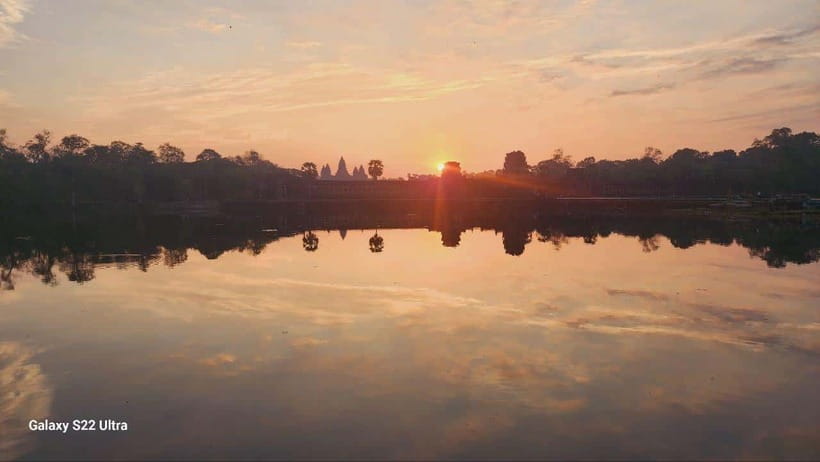
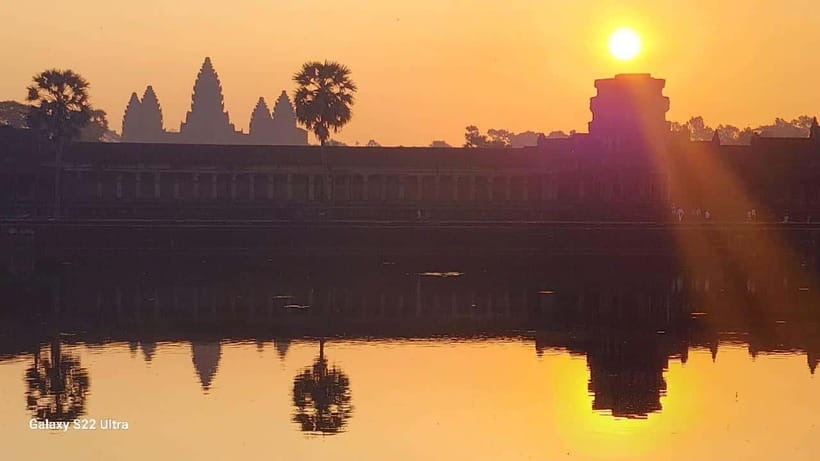
- Sunrise timing that protects your photos: you’re at Angkor Wat when light is soft and crowds are still manageable.
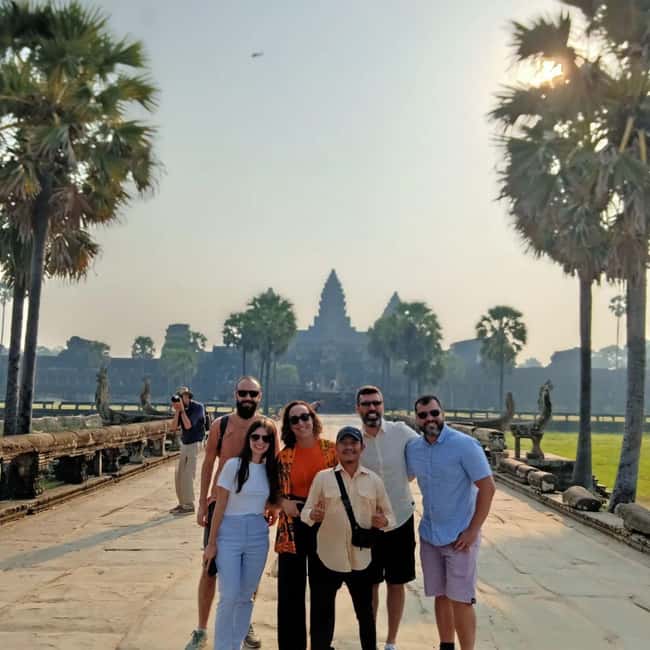
- Spanish guide who helps with angles: the guide actively positions you for the best views, not just a checklist of ruins.
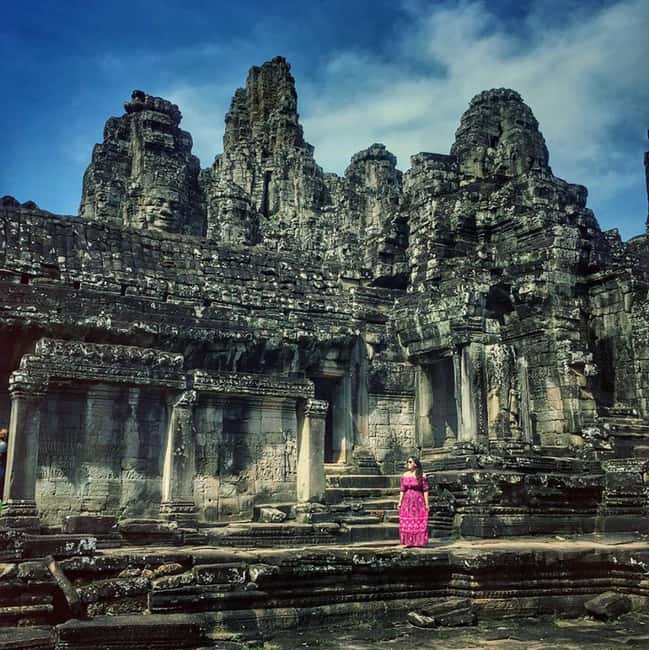
- Small Circuit route that balances big names: Ta Prohm, Victory Gate, Angkor Thom, Bayon—packed, but explained.
- A relaxed Day 2 upgrade: Grand Circuit stops plus Banteay Srei with its detailed pink-stone carvings.
- Comfort extras included: cold water and a cold towel help on hot mornings.
Why Angkor Wat Sunrise from 4:30–5:00 Changes Everything
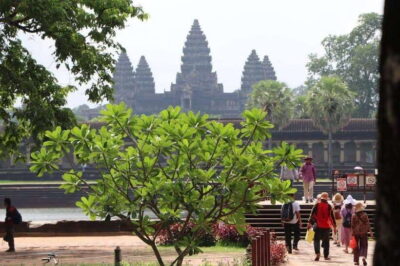
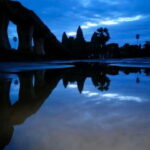
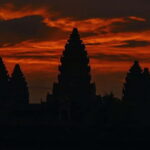
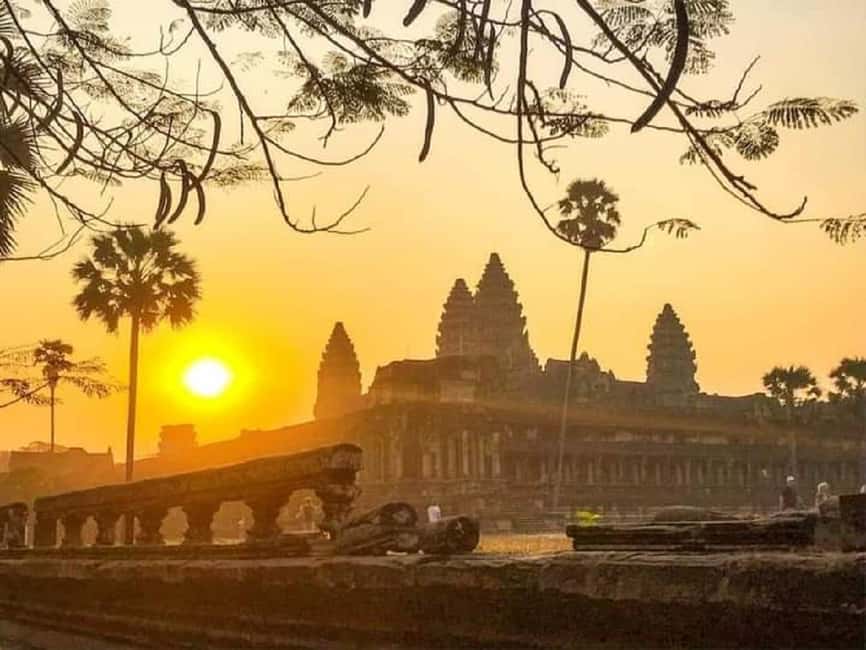
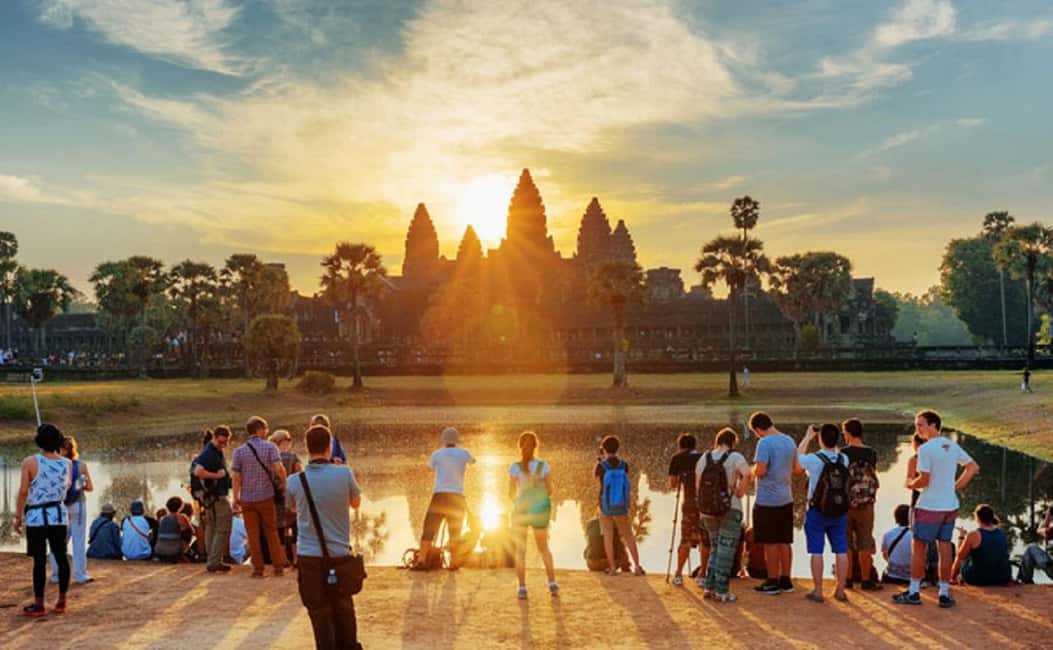
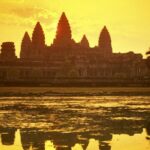
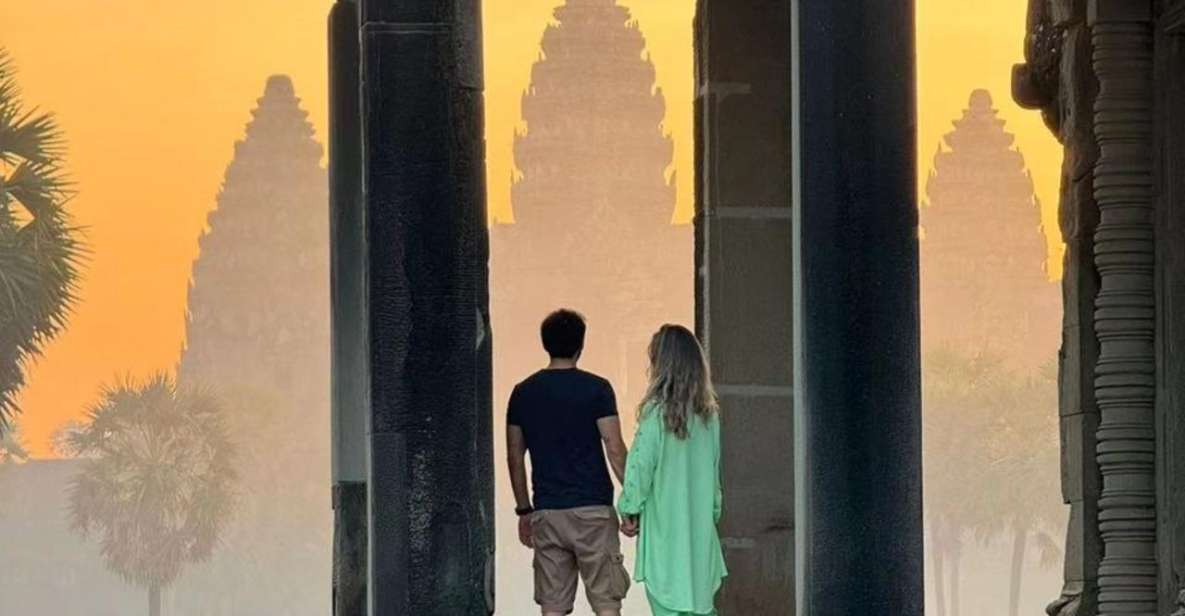
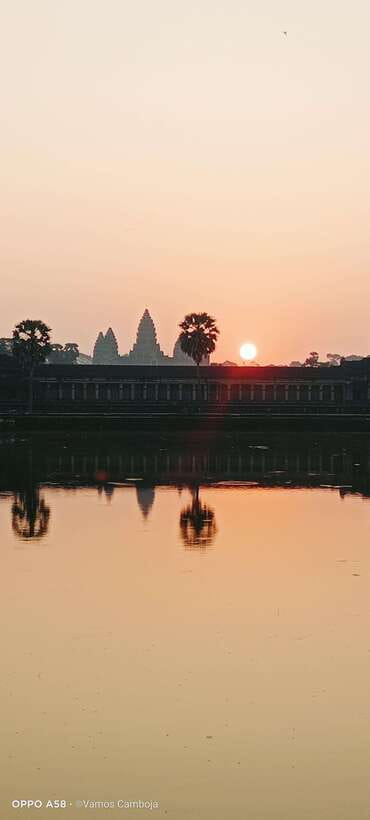
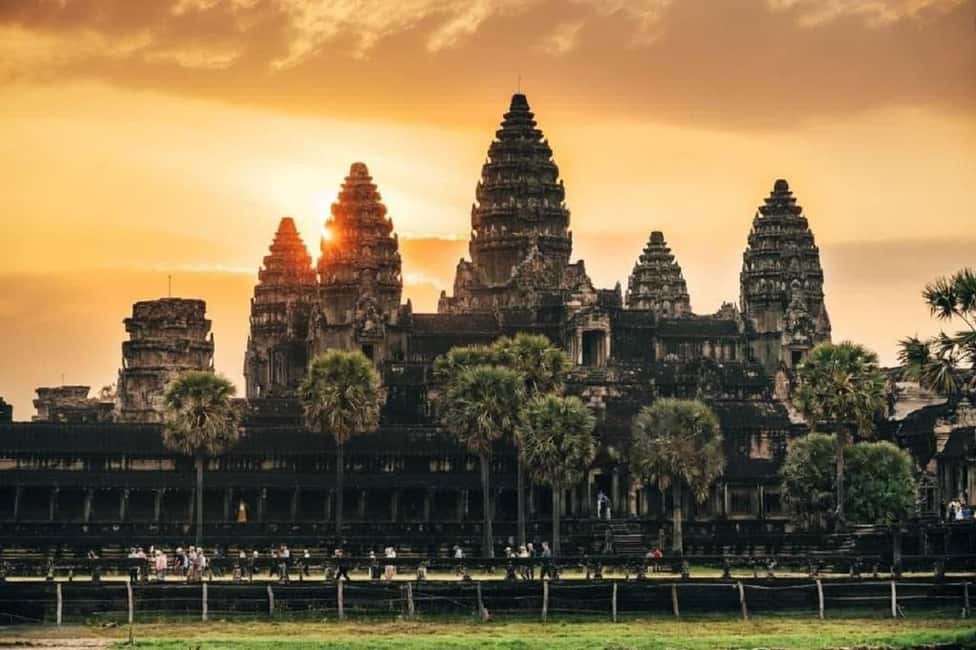
Most Angkor days start with chaos: warm stone, hot air, and the same photos every bus seems to take. This tour starts earlier. Pickup is typically between 04:30 and 05:00 AM, so you arrive at Angkor Wat for sunrise while the light is still gentle and the temple’s layers look crisp instead of washed out.
That early start isn’t just about pretty skies. It’s also about rhythm. You get time to look slowly at details—doorways, lintels, terraces—before the day’s heat and foot traffic stack up. If you care about photos that feel like a place (not just a landmark), this timing matters.
Also, you’re not stuck rushing through in silence. After sunrise, you’re set up to eat something first and then move into the guided exploration.
You can also read our reviews of more guided tours in Siem Reap
The Spanish Guide Touch: Clear Stories and Better Photos
This experience is built around a Spanish-speaking live guide, and that makes a real difference at Angkor. The temples are visual puzzles, and a local guide helps you read the story behind the stone—how the Khmer rulers shaped sacred space, how parts of the complex were used, and why specific areas look the way they do.
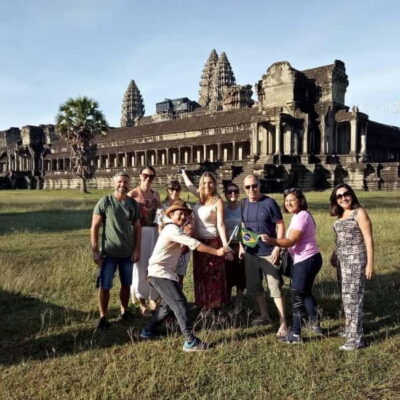
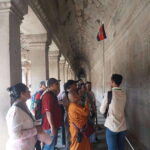
In the reviews, guides like Mario and Sovuth Sun are repeatedly praised for being clear and for photo skills. The practical part: the guide doesn’t just point. They help with where to stand, when to move, and how to frame details—so you spend less time chasing the perfect angle and more time actually seeing what’s in front of you.
One more small win: breakfast. The plan encourages you to bring snacks or a breakfast box from your hotel, and in real-life use, guides have arranged breakfast so you’re not scrambling in the dark or hunting for food right after sunrise. Even if your setup is more basic, plan on using that first stop break to stabilize the morning.
Morning Route on Day 1: Angkor Wat, Ta Prohm, and Angkor Thom Without Wasted Time
Day 1 follows a smart arc: start with the biggest icon, then move into the complex city sections where the ruins feel lived-in by trees and time.
Angkor Wat at sunrise, then guided time inside
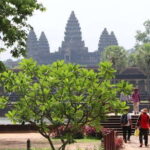
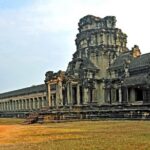
You’ll spend about 1.5 hours for sunrise and another 1.5 hours exploring Angkor Wat with your guide. This gives you a real chance to connect what you’re seeing with what you’re learning—because Angkor Wat isn’t one view. It’s a sequence of courtyards, causeways, and layered lines that look different depending on where the sun hits.
If you’ve ever stood in front of a famous ruin and thought, okay… now what?—that’s what the guide helps fix.
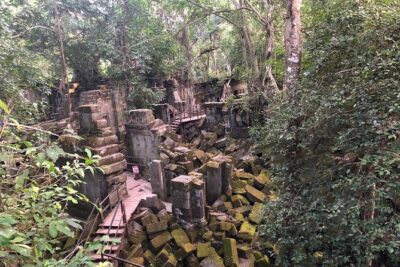
Ta Prohm: the Tomb Raider temple moment
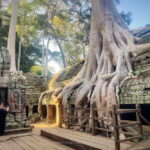
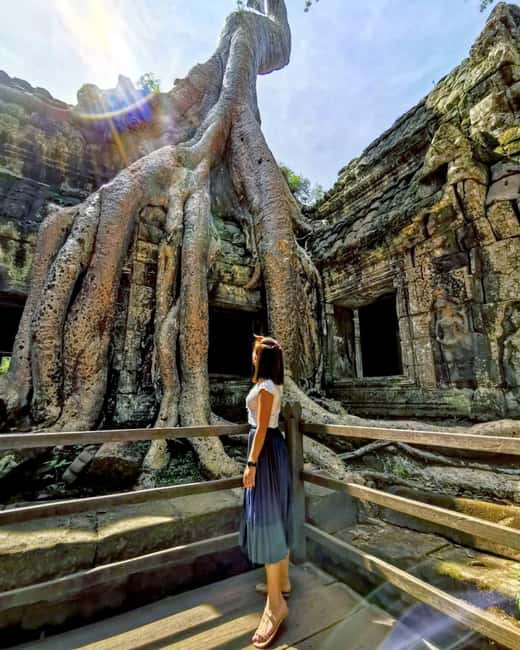
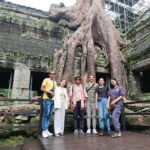
Next comes Ta Prohm, the famous temple where giant roots hug the structures. You get a short break/breakfast window (~30 minutes) and then about 1 hour of guided visiting.
Ta Prohm is one of those places where you can either see it as chaos or as controlled design. With guidance, you start noticing how the buildings sit in relation to gates and courtyards, and how the vegetation changes the way you understand the ruin. It’s visually dramatic, but it’s also educational.
The downside? Ta Prohm can be humid and crowded later in the day. Since you’re going after sunrise and early morning, you’ll usually feel less rushed than most bus groups.
You can also read our reviews of more tours and experiences in Siem Reap

Victory Gate quick photo stop
You’ll hit Victory Gate for about 10 minutes. This is a short stop by design. It works best if you treat it as a photo-and-glance moment—get your picture, then keep moving. If you’re the type who needs ten different shots from ten different angles every time, you may feel a little rushed here.
Angkor Thom and the classic faces
Then you step into Angkor Thom, the royal city, with about 105 minutes of guided time. Inside, the tour focuses on several key areas:
- Terrace of the Elephants (~20 minutes): decorated with elephant bas-reliefs, it gives you a feel for ceremonial architecture.
- Baphuon (~30 minutes): a restored temple mountain symbolizing Mount Meru—so you’re seeing how the Khmer built sacred geography into stone.
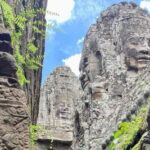
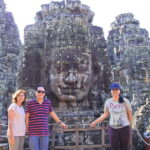
- Bayon (~45 minutes): famous for many towers with over 200 serene, smiling faces.
Bayon is the stop where I think you’ll either fall in love instantly or need a minute to warm up. The faces are famous, but the magic is in spacing and perspective. The guide’s job is to help you see patterns instead of just counting faces.
2-Day Option: Grand Circuit Temples + Banteay Srei for Khmer-Detail Lovers
If Day 1 feels like a perfect hit of the highlights, the 2-day extension is for people who want the slower, deeper Angkor flavor. The second day starts at 08:30 AM and tends to run until late afternoon (around 4:30–5:00 PM).
Grand Circuit temples: variety beyond the postcard stops
Day 2 includes:
- Pre Rup: a temple mountain of brick and laterite, described as once used for royal cremations. It’s a different texture and a different mood than the jungle-heavy stops.
- East Mebon: a 10th-century temple that once stood on an island in a larger reservoir. It’s a good reminder that Angkor’s water systems were part of the sacred layout, not just scenery.
- Ta Som: quieter, with a peaceful feel and a strangler fig tree engulfing the eastern gate. Great for anyone who wants less noise and more stillness.
- Neak Pean: a small island temple on a man-made lake, originally linked to healing rituals through sacred pools. This one is especially interesting if you like connections between religion and architecture.
- Preah Khan: a vast, maze-like complex dedicated to King Jayavarman VII’s father, mixing Hindu and Buddhist symbolism. It’s the kind of place where getting a route explanation helps you not feel lost.
Lunch is a break at a local restaurant (not included), so you’ll want cash and patience for local pacing.
Banteay Srei: the pink sandstone carving payoff
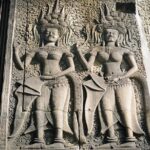
The big afternoon attraction is Banteay Srei, about 37 km from Siem Reap. It’s known for pink sandstone and very fine, detailed carvings—often treated as a jewel of Khmer art.
This stop can feel like a reward after seeing many larger monuments. Instead of massive layouts, you get intricate craftsmanship. If you’re the type who likes to zoom in mentally, you’ll enjoy how the guide helps you spot patterns in the details.
Price and Logistics: The Real Cost of Getting Inside
The tour price is listed as $65 per person, but the Angkor ticket is separate. Plan on adding:
- $37 per person for a 1-day Angkor Archaeological Park ticket
- $62 per person for a 2–3 day ticket
So your likely total becomes about $102 for Day 1 or $127 for the 2-day option, before lunch on Day 2 (since lunch isn’t included).
That’s still good value for a guided day that starts before dawn, includes transportation, and covers multiple major sites. The savings isn’t just money—it’s time. You’re not trying to piece together a sunrise plan, ticket rhythm, and temple route on your own.
Also worth noting: the tour includes hotel pickup and drop-off in Siem Reap city, plus cold water and a cold towel. Those small comfort items matter at Angkor, where mornings can still feel chilly and afternoons can get sweaty fast.
Entering Temples Smart: Dress Code and What to Pack
Angkor is strict about clothing. The tour data says you should avoid:
- Shorts
- Short skirts
- Sleeveless shirts
- Alcohol and drugs (also just be reasonable)
There’s also a temple-specific dress rule: you may use a scarf to cover knees and shoulders to enter most temples, but except Angkor Wat, you must wear pants and skirts that cover the knees and shirts that cover the shoulders.
Practical packing list you should follow:
- Comfortable shoes (you’ll be walking)
- Sunglasses and sunscreen
- A sun hat
- Insect repellent (biodegradable is mentioned)
- Cash
- Comfortable clothes that fit the dress rules
- A camera (or your phone set to photo-ready)
If you show up with borderline clothing, you can lose time. Don’t guess—plan clothes that clearly work.
How the Transportation Fits Your Day
Transportation depends on group size:
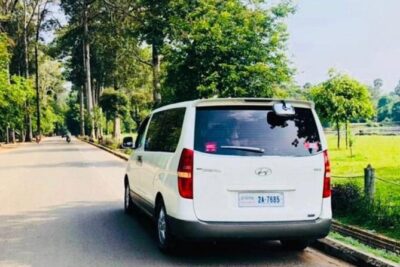
- 1–2 people: tuk tuk
- 3+ people: air-conditioned van/bus
This matters because it changes how quickly you can move between stops. Tuk tuk rides are more flexible, while vans can reduce heat stress for larger groups. Either way, hotel transfers are included, so you’re not stuck organizing your own route after sunrise or between Day 1 and Day 2.
Who This Tour Is Best For (and Who Should Skip It)
This is a strong choice if you:
- Want Angkor Wat at sunrise without dealing with a self-made schedule
- Speak Spanish (the guide is Spanish-only)
- Care about stories and meaning, not just ruins as scenery
- Like photos but don’t want to spend the day figuring out where to stand
- Prefer a structured route that hits the major temples of the Small Circuit (and optionally the Grand Circuit)
It might not be the best fit if you need wheelchair access. The tour isn’t suitable for wheelchair users, and it also isn’t designed for babies under 1 year or people over 95 years.
Also consider the early wake-up. This is not for people who do best with late starts.
A Quick Reality Check Before You Book
This tour has a 5-star rating with 18 reviews, and the strongest repeating themes are clear: the guides are praised for being helpful, organized, and strong on both history and photography. Names like Mario, Sovuth Sun, and Rat show up as excellent guide examples, including guidance on the best visiting times and photo angles.
Just remember the practical reality: you’ll still need to buy the Angkor entrance ticket, follow the dress code, and show up early enough to enjoy sunrise the way it’s meant to be enjoyed—before crowds and heat take over.
Should You Book This Angkor Wat Sunrise Tour With a Spanish Guide?
If you want the classic Angkor sites without turning your day into a logistics project, I’d book this. The early pickup and sunrise timing are the big win, and the Spanish guide layer makes the experience easier to understand and easier to photograph.
Choose the 1-day Small Circuit option if you’re on a tight schedule but still want the core temples: Angkor Wat, Ta Prohm, Victory Gate, Angkor Thom, Terrace of the Elephants, Baphuon, and Bayon.
Choose the 2-day option if you want a more relaxed pace and extra temples like Pre Rup, Ta Som, Neak Pean, and the detailed carvings of Banteay Srei. You’ll pay more only because you’re extending temple time and using the 2–3 day ticket window.
If you’re ready to wake up early, respect the clothing rules, and enjoy a guided route in Spanish, this is a smart, high-value way to do Angkor.