REVIEW · SIEM REAP
Siem Reap: Banteay Srei and Grand Circuit Heritage Tour
Book on GetYourGuide →Operated by Journey Cambodia · Bookable on GetYourGuide
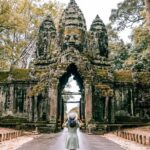
A day like this turns Angkor from a checklist into a story. You’ll get lesser-visited temples on the Grand Circuit, and then end with the kind of slow-burning Banteay Srei carvings that make you stop mid-sentence just to look. It’s also a small-group style outing, so your guide can actually keep track of your questions and photo stops.
The main thing to plan for is cost on top of the tour price. Temple entry isn’t included, and you’ll need an Angkor Pass to get into the sites, with $37 for a 1-day pass to pay on the day.
In This Review
- Key things I’d flag before you go
- Price and Value: What the $18 Gets You (and What It Doesn’t)
- Getting Picked Up in Siem Reap and Why the Morning Start Helps
- Preah Khan: Roots, Ruins, and the Contrast With Bigger Temples
- Neak Pean: The Artificial-Island Temple Break in the Middle of the Day
- Banteay Srei: The Carving Stop You’ll Want to Revisit
- Pre Rup and Sunset Views: When the Day Finally Slows Down
- Lunch, Breaks, and Staying Comfortable in Real Cambodian Heat
- What Makes the Guide Matters More Than You Think
- Practical Tips: What to Bring (and What Not to Wear)
- Who This Tour Fits Best
- So, Should You Book This Banteay Srei and Grand Circuit Heritage Tour?
- FAQ
- What is the duration of the Siem Reap Banteay Srei and Grand Circuit Heritage Tour?
- How much does the tour cost, and what extra fees should I expect?
- Is hotel pickup and drop-off included?
- What’s included during the day?
- Are shorts allowed during temple visits?
- Who is this tour not suitable for?
Key things I’d flag before you go
- Grand Circuit focus: you spend your time outside the main Angkor Thom core.
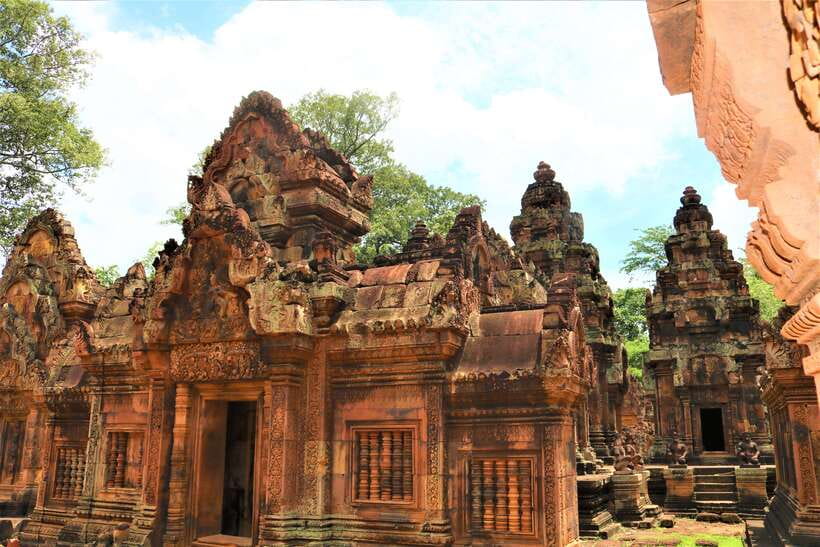
- Banteay Srei’s carving quality: smaller temple, stunning detail in sandstone reliefs.
- Preah Khan’s atmospheric ruins: tree roots, crumbling stone, and great photo angles.
- Neak Pean’s calm break: an artificial island setting that slows the day down.
- Pre Rup sunset timing: you’re set up for sweeping views as the light changes.
- Comfort that matters in heat: air-conditioning, bottled water, and cool towels on repeat.
Price and Value: What the $18 Gets You (and What It Doesn’t)
At $18 per person, this is the kind of tour that feels smart if you’re already budgeting for at least a couple temple days in Siem Reap. The value isn’t in a fancy add-on—it’s in the logistics: hotel pickup and drop-off in Siem Reap, an air-conditioned vehicle, and a real English-speaking guide who helps you connect what you’re seeing to why it was built.
Do expect one extra bill: temple entrance isn’t included. You’ll pay an Angkor Pass for the day at $37 per person. When you’re doing several sites like Preah Khan, Neak Pean, Banteay Srei, and Pre Rup, that pass is part of the deal—you just don’t want surprise costs at the last moment.
Also, your “$18 value” depends on how you like to travel. If you enjoy temples with context (religion, myth, politics, and architecture) and you prefer not to drive yourself between far-flung sites, this tour format makes sense.
You can also read our reviews of more historical tours in Siem Reap
Getting Picked Up in Siem Reap and Why the Morning Start Helps
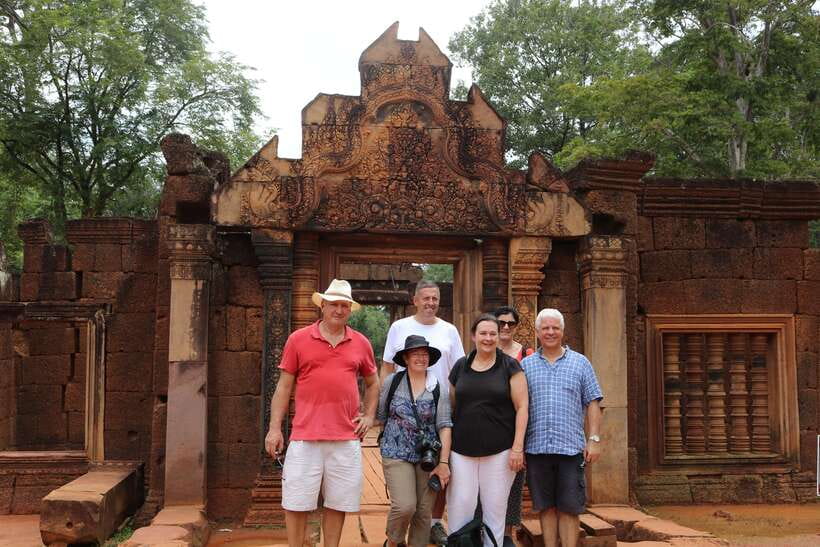
The day starts early—your pickup is around 8:00 am (your exact time depends on where your hotel is, and you’ll get the pickup details the day before). That early start isn’t just for convenience. You’ll cover a lot of ground before the heat becomes thick and your feet start demanding their own temple tour.
The ride between stops is part of the experience, too. You’re in an air-conditioned van, and you get refreshment support during the day, including bottled water and cool towels after temple walking. In hot months, this is the difference between doing “one more photo” versus wanting to call it quits.
This outing is set up as a small-group tour. In practice, you may be in a group around 6–7 people, which usually means less waiting around and more time for your guide to point out details rather than rushing everyone forward.
Preah Khan: Roots, Ruins, and the Contrast With Bigger Temples
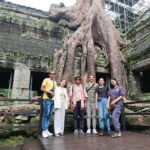
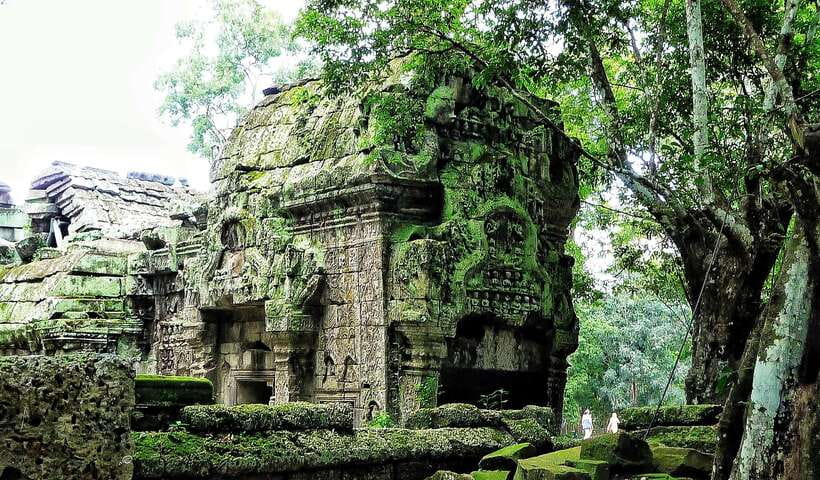
Preah Khan is the kind of site that looks like it’s half finished and half reclaimed by the jungle. You’ll do a photo stop, then a guided visit and walking time. The “wow” factor here is the visual mix: crumbling stone structures paired with dramatic tree roots.
What I like about starting here is the mood shift it creates. If you’ve already seen the big, iconic Angkor spaces, Preah Khan feels like a different chapter. It’s smaller than the headline temples, but it’s not small in atmosphere. You can linger at sightlines where roots arch over pathways and where stone blocks show wear from centuries of weather.
You’ll also learn the site’s purpose: it was commissioned by Jayavaraman VII, built in honor of his father. That small bit of context helps you read the site instead of just scanning it for the best angle.
One practical note: it’s a walk-based stop. Bring your best temple shoes and plan to move at a steady pace. The guide will generally help you aim for the best viewpoints and keep you from backtracking.
Neak Pean: The Artificial-Island Temple Break in the Middle of the Day
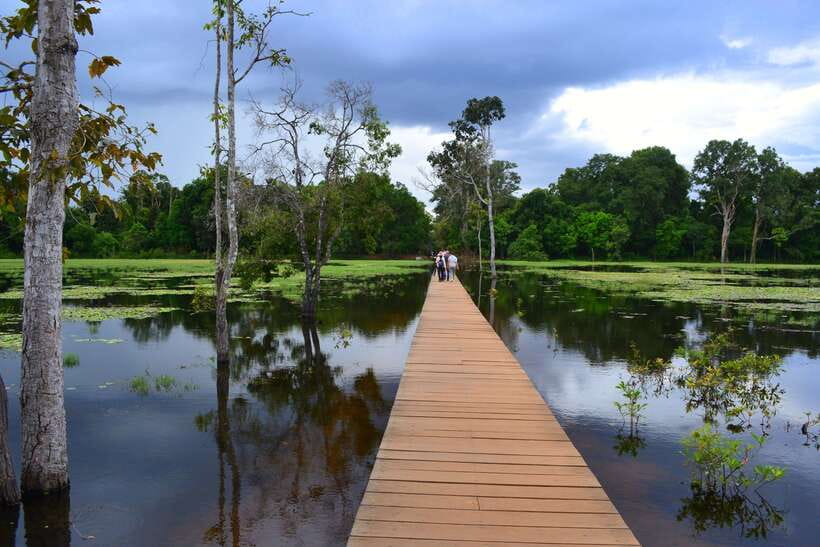
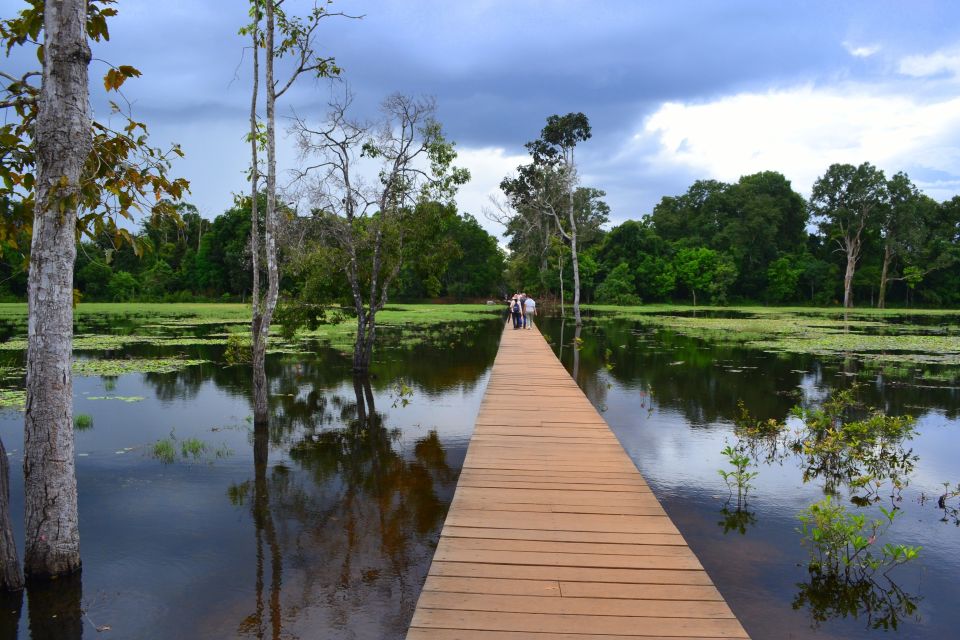
After the first big stop, Neak Pean works as your tempo reset. You’re visiting an artificial island with a Buddhist temple on a circular island in the Jayatataka Baray area. In plain terms: it’s a temple moment that feels more contained, less sprawling than what you’ve seen before.
You’ll get another photo stop and guided walking time here. The cool thing about Neak Pean is how it changes your visual “lens.” Instead of reading huge carvings or monumental structures, you’re noticing symmetry, water-and-stone relationships, and the way the island setting frames the temple.
This stop is also a helpful break before you hit the day’s main carving star. If you treat Neak Pean like a rest stop for your mind, you’ll enjoy Banteay Srei more when the details start to pop.
Banteay Srei: The Carving Stop You’ll Want to Revisit
If you’re only going to remember one place from the Grand Circuit day, make it Banteay Srei.
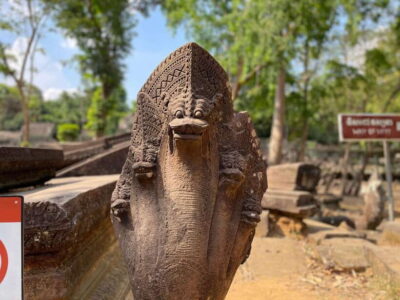
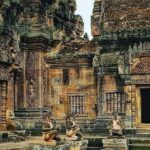
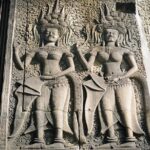
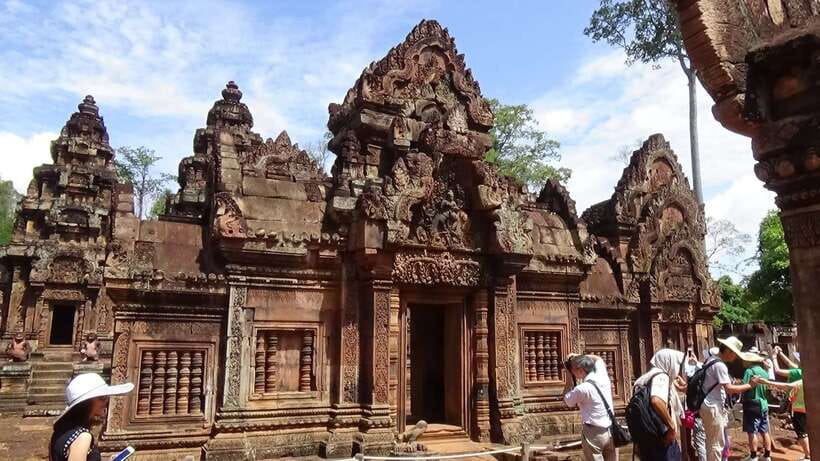
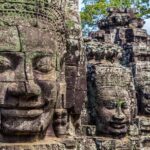
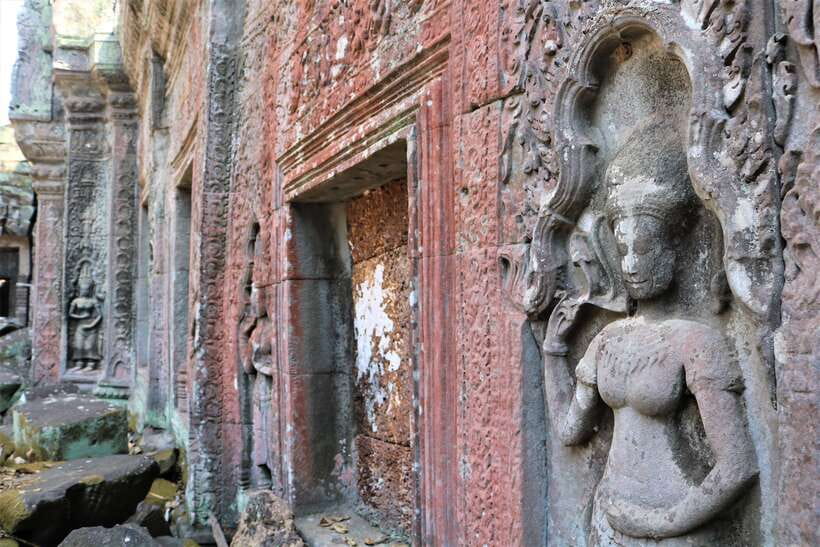
This is a smaller sandstone temple, and that matters. Because the structure is more compact than the mega-sites, you can actually slow down and study reliefs without feeling like you’re constantly sprinting from one end of a complex to another. The relief carvings here are widely considered among the finest examples in Cambodia—high-skill stonework packed into tight spaces.
There’s also a very real storyline built into the temple’s modern history. Banteay Srei became accessible later (after the Khmer Rouge left the area in the late 1990s). That doesn’t change the stones, but it adds weight to your visit. You’re seeing art that had a hard, modern-era interruption, not just an ancient monument preserved by default.
Plan to spend real time here. Expect a guided tour, walking, and time to take photos. The guide will help you locate the best places for detail shots—especially if you’re trying to photograph the carving surfaces without getting blocked by angles, glare, or crowds.
One drawback, if you want to call it that: because Banteay Srei’s value is in its details, you don’t get the “big sweep” feel you might get at Angkor Wat-style monuments. If you prefer dramatic scale over fine craftsmanship, you might need to adjust your expectations. But if you enjoy precision—figures, patterns, and storytelling in stone—this is the day’s anchor.

Pre Rup and Sunset Views: When the Day Finally Slows Down
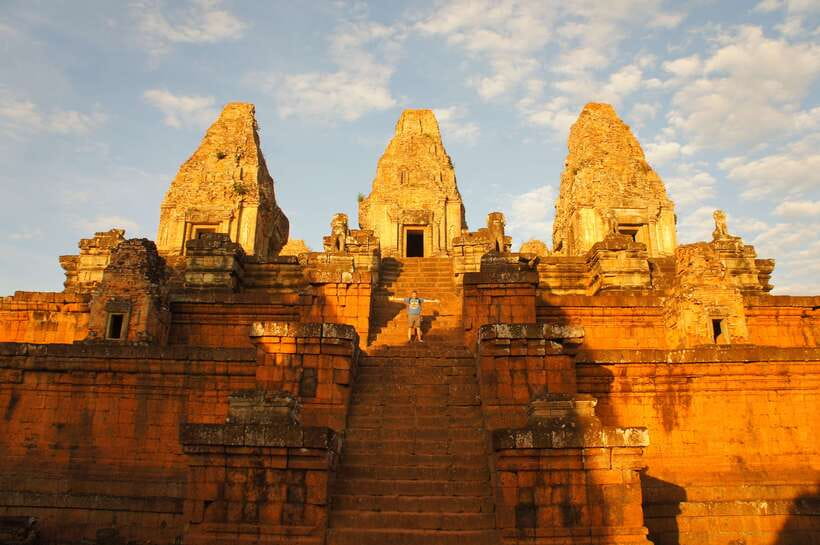
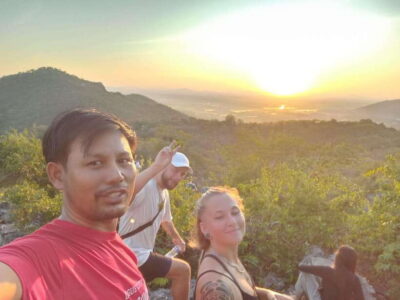
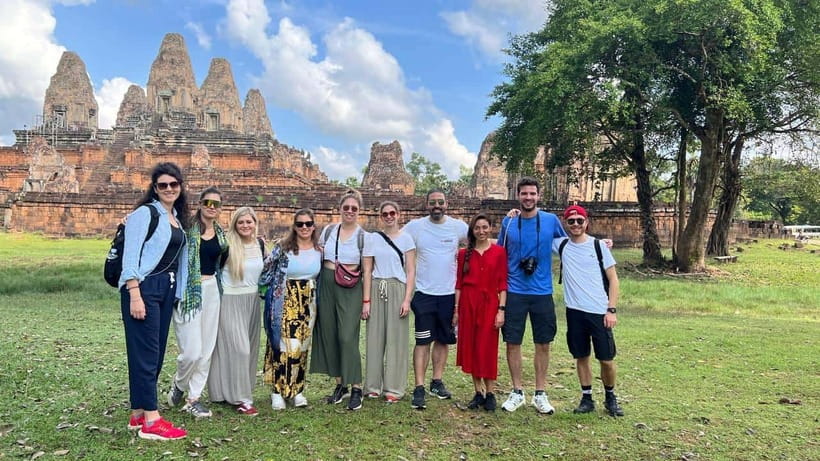
The last main temple stop is Pre Rup, with a photo stop, guided visit, sightseeing time, and then a sunset slot (about 1.5 hours here). Pre Rup is a temple mountain built of brick, laterite, and sandstone, associated with King Rajendravarman. It’s dedicated in the 960s, with the date described as 961 or early 962.
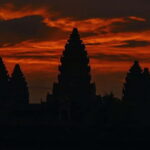
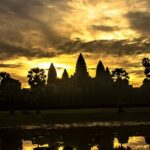
Here’s why I like this for a Grand Circuit day: it gives your eyes a wide-angle payoff after hours of close-up detail and root-choked ruins. From the right angles, you get sweeping views as the light shifts, and the site’s stepped structure turns the sunset into a real event instead of a random moment you catch on the way out.
Be ready for changing weather. Rain season can interrupt sunset plans. If clouds roll in, or rain makes walking uncomfortable, the tour can shorten that final stop and return you earlier to avoid keeping everyone out too long.
If you’re chasing sunset photography, bring sunglasses and dress for sun and sudden rain. Even if you’re not a photographer, good evening light is when carved surfaces and stone textures show their best colors.
Lunch, Breaks, and Staying Comfortable in Real Cambodian Heat
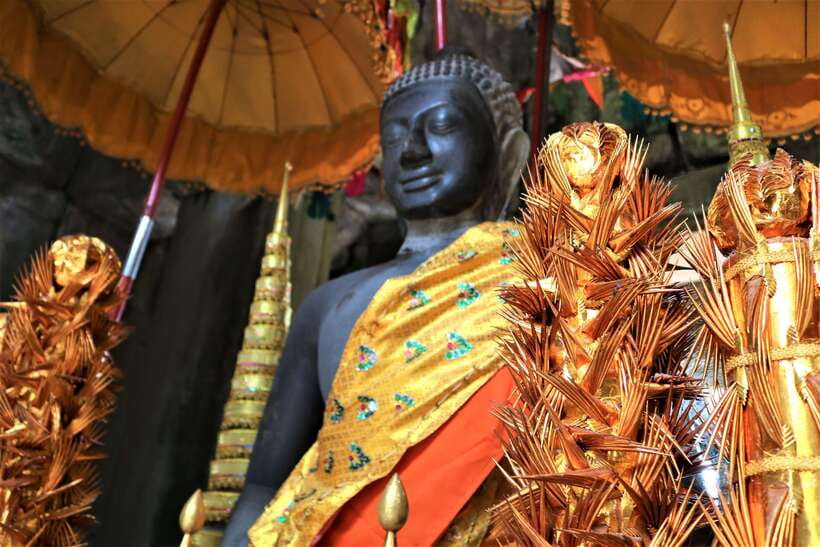
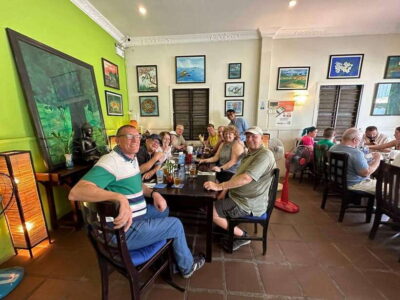
This tour includes lunch at a local restaurant for about 1 hour, with typical options like beer, coffee, and tea along with lunch. It’s not about food tourism on this one—it’s about getting you back out there feeling functional.
The real comfort theme is hydration and cooling support. You’ll get bottled water and cool towels, and the rhythm is consistent: return to the van with that quick reset after temple walking. In Siem Reap, that matters. Temples are beautiful, but the combination of walking, sun, and humidity can wear you down fast.
Also, the van ride spacing helps. There are travel segments (around 30 minutes between major stops) that keep you moving without feeling like you’re trapped on the road all day.
What Makes the Guide Matters More Than You Think
On a route like this, the guide isn’t just a ticket-reader. A good guide changes how you see stone.
Many of the guides associated with this tour are known for explaining the links between Hindu and Buddhist themes and for using visual aids—often a tablet with photos/videos of earlier temple views and close-up detail references. That helps when temple symbolism gets confusing fast. Instead of guessing, you get names, stories, and architecture cues that you can hold in your head as you walk.
Guides also tend to help with practical photo planning. They’ll often point out where to stand for the best views and give you a bit of breathing room for photos rather than treating every stop like a conveyor belt.
Examples of guide names you might see linked to this experience include Pal, Bun, Sak, and Sakriya, with drivers like Mao, Keal, Syha, and others mentioned for safety and comfort. You won’t control who you get, but you can control your attitude: go in ready to ask questions. The best moments tend to happen when you use that time.
Practical Tips: What to Bring (and What Not to Wear)
Because you’re doing multiple walking-focused temple stops, pack like the day is hot and you’ll sweat.
Bring:
- Sunglasses
- Sun hat
- Insect repellent
- Outdoor clothing
Plan around the dress rule:
- Shorts are not allowed.
Also, consider using light layers that cover your arms and legs without overheating. Temple rules are one thing, but your comfort is another. You’ll be happier if your clothing handles sun, insects, and longer walking stretches.
Who This Tour Fits Best
This tour is a strong choice if:
- You’ve already done or plan to do at least one major Angkor day and you want the quieter Grand Circuit temples next.
- You want to see Banteay Srei and you care about carving detail, not just the biggest monuments.
- You prefer a small-group experience where the guide can slow down for questions and photos.
It’s probably not your match if:
- You’re traveling with kids under 8 (not suitable).
- You need wheelchair access (not suitable).
- You’re looking for an easy sit-and-see ride with minimal walking.
If you’re sensitive to heat, this route can still work because of the cooling support and air-conditioned transport—but you’ll want to show up prepared with repellent, water-friendly habits, and sun coverage.
So, Should You Book This Banteay Srei and Grand Circuit Heritage Tour?
I’d book it if you want an Angkor day that feels like a guided interpretation, not a rushed temple stamp. The combination of Preah Khan’s atmospheric ruins, Neak Pean’s water-temple pause, and Banteay Srei’s carving focus gives you variety in one long day. Then Pre Rup sunset adds a real finishing touch.
Skip it if your idea of a perfect temple day is only the largest headline sites and minimal walking. This is about craftsmanship, contrast, and a calmer circuit route outside the main crowds.
If you go, do two things: bring the right clothing (no shorts) and be ready to spend time looking closely at stone. This is the kind of day where the best memories come from the details you stopped for, not the clock you obeyed.
FAQ
What is the duration of the Siem Reap Banteay Srei and Grand Circuit Heritage Tour?
The tour lasts about 9 hours, with pickup starting around 8:00 am and a return to Siem Reap in the late afternoon/evening.
How much does the tour cost, and what extra fees should I expect?
The tour price is $18 per person, but temple entrance fees are not included. You’ll need to pay for an Angkor Pass on the day of your activity, with the pass listed at $37 for a 1-day ticket.
Is hotel pickup and drop-off included?
Yes. Pickup and drop-off are included for hotels in Siem Reap city. The exact pickup time depends on your hotel location and is shared one day before the tour.
What’s included during the day?
You get an English-speaking guide, air-conditioned transport, bottled water and cool towels, and sweeping sunset views. Lunch is included at a local restaurant.
Are shorts allowed during temple visits?
No. Shorts are not allowed on this tour.
Who is this tour not suitable for?
It isn’t suitable for children under 8 and it’s not suitable for wheelchair users.