REVIEW · SIEM REAP
2-Days Tour (The Best Historical of Khmer Empire)
Book on Viator →Operated by Hidden Angkor Tour · Bookable on Viator
Two days, one Khmer empire story. This private 2-day tour from Siem Reap gives you a car, an English-speaking guide, and a local driver who move you through Angkor’s key sites with clear context and sunset time at Pre Rup. I love the way the schedule centers on the Khmer Empire’s most memorable spaces—Angkor Thom, Banteay Srei, and then Angkor Wat—without feeling like you’re sprinting. The one real drawback is that lunch is on your own, and the Angkor site pass is extra.
The team also lets you tailor the pace and order, which is a big deal if you’re traveling with kids or you prefer slower stops for photos. One thing to plan for: some temples enforce a strict dress code (shoulders covered and clothing below the knees), and there is still some walking even when routes are chosen to stay comfortable.
In This Review
- Key highlights to look forward to
- How this 2-day Khmer Empire tour actually feels
- A practical note on timing
- Entering Angkor with a plan: what your first day is built around
- Day 1 in Angkor Thom: Bayon, terraces, and the royal core
- Tip for this day: let your guide set your photo priorities
- Banteay Srei, Banteay Samre, and the Pre Rup sunset you may want
- Dress and comfort for the afternoon
- Day 2 at Angkor Wat: the morning that sets the tone
- Ta Prohm’s jungle feel, then the early capital zone
- Psar Chaa (Old Market) and Artisans Angkor: culture after the stone
- Price and value: what you pay for and what you must budget
- What I’d ask before booking (so it matches your travel style)
- Who should book this 2-day Khmer Empire tour?
- Should you book Hidden Angkor Tour for the Best Historical of Khmer Empire?
- FAQ
- Is the Angkor Archaeological site entrance pass included?
- What’s included in the $145 per person price?
- Are meals included during the tour?
- Do I need to worry about a dress code?
- Is pickup and drop-off included?
- Can the itinerary be adjusted for your group?
Key highlights to look forward to
- Private, full guide and driver service focused on you, not a crowd shuffle
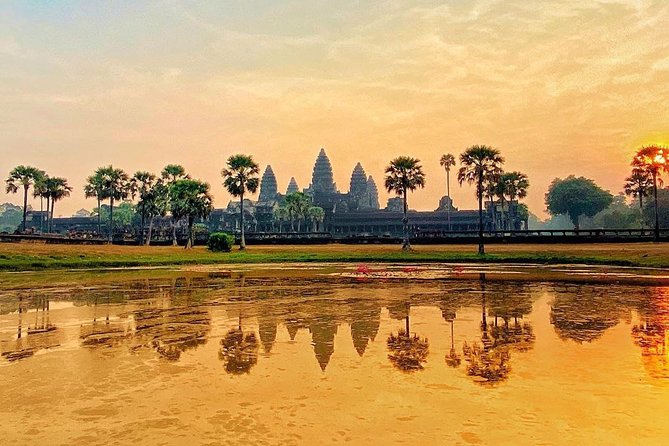
- Sunset at Pre Rup for classic views and temple-mountain carvings
- Angkor Thom loop with Bayon faces plus the Elephant and Leper King terraces
- Banteay Srei and Banteay Samre for finer, more intimate temple detail
- Day 2 morning at Angkor Wat plus Ta Prohm’s tree-temple feel
- Old Market and Artisans Angkor so the trip includes daily life, not just ruins
How this 2-day Khmer Empire tour actually feels
This is the kind of Angkor tour that works best when you want the story, not just the photo. You get picked up and taken from site to site in an air-conditioned vehicle, with cool waters and wet towels waiting to make the heat less of a problem. Then your English-speaking guide keeps the ruins from blending together by pointing out what to look for—faces, lintels, towers, false doors, and the way each temple fits into Khmer design.
I also like that the tour isn’t locked into one rigid script. You can request small changes to your private itinerary, which matters when you want more time at one monument (or less time at another). The overall flow gives you a balance: big signature sights early, then smaller temples, and finally a sunset moment.
You can also read our reviews of more historical tours in Siem Reap
A practical note on timing
The tour is listed as about 2 days, but your real schedule is driven by the Angkor site pass hours and the order of temple visits. Some stops are short on paper (like 15–20 minutes), so the guide’s job is crucial: you’ll want someone who can help you see the important details quickly without rushing you out.
Entering Angkor with a plan: what your first day is built around
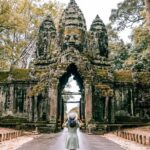
Day 1 is anchored in Angkor Thom, the walled city at the heart of Angkor’s classic royal power. It’s a great first day if you want your eyes trained on Khmer symbolism fast. Instead of jumping randomly, you get a structured loop through some of the most famous structures inside Angkor Thom—so by the time you reach the terraces, you start noticing how the decorations connect to the myths and royal ideology.
You also get a change of pace on Day 1 afternoon. After Angkor Thom, the tour heads toward Banteay Srei and Banteay Samre, which feel like a different kind of temple experience. These are often the stops that people remember later because the carved details look sharper and the overall vibe feels calmer than the biggest showpiece sites.
Day 1 in Angkor Thom: Bayon, terraces, and the royal core
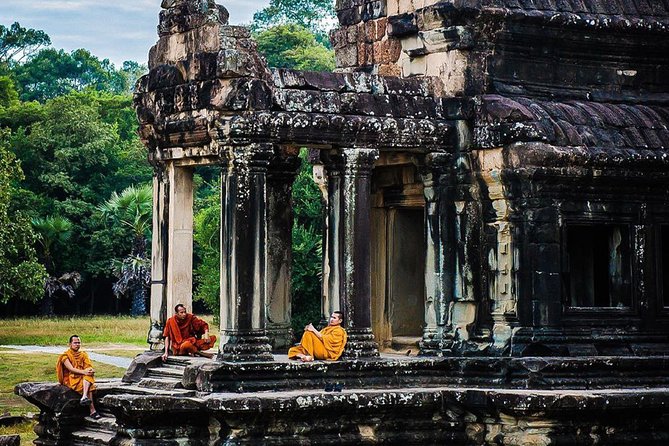
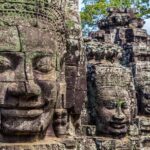
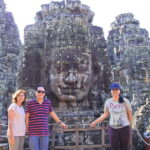
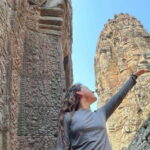
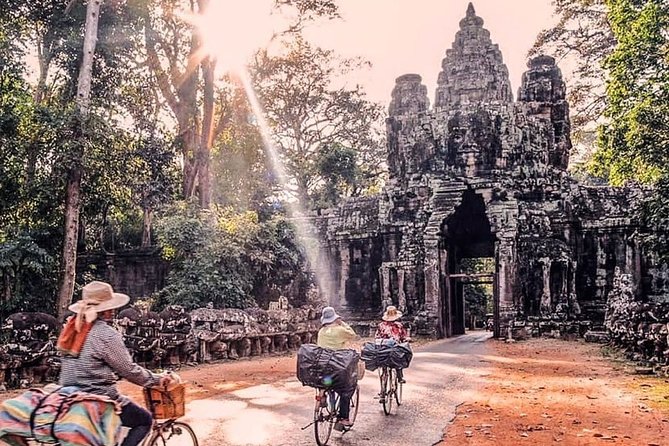
Your day begins at Bayon Temple, known for the giant stone faces that have become one of the signature images of classic Khmer art. Bayon is all about pattern and perspective: the more time you spend walking its spaces, the more you notice how the faces repeat across towers and how that repetition changes the feel of the temple.
From there, you move to Baphuon Temple, a temple mountain area tied to the Shiva tradition in Khmer Hinduism. It’s a key contrast stop because Bayon tends to steal the attention, while Baphuon reminds you that the Khmer world was not only Buddhist—religion shifted and layers overlapped over time.
Then comes the Terrace of the Elephants, a long carved wall that stretches across the heart of Angkor Thom. This is where I’d slow down if you care about imagery. The carvings aren’t just decoration; they’re part of the storytelling language of the complex, and you start seeing the same mythic figures repeated across different structures.
Next is the Terrace of the Leper King, which people often find darker in theme and richer in symbolism. The terrace is named for the statue on top, and the wall carvings involve demons and nagas—so it feels like an epic scene frozen in stone. Even if you don’t read every explanation, the shape of the carving program makes sense when your guide points out the characters and their roles.
After that, you visit smaller Angkor Thom towers and buildings like Preah Palilay (a sandstone/laterite tower in a shaded forest setting) and Phimeanakas, which sits in the center area of the former Royal Palace enclosure. These stops are shorter, but they matter if you like seeing how the royal core worked beyond the biggest names.
Tip for this day: let your guide set your photo priorities
If you care about photos, ask your guide to tell you where the light hits best and where you’ll get the cleanest angles without climbing or standing in the wrong spot. In this kind of private setup, the best value is in the guidance that helps you see what to focus on, not just where to stand.
You can also read our reviews of more tours and experiences in Siem Reap

Banteay Srei, Banteay Samre, and the Pre Rup sunset you may want
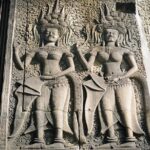
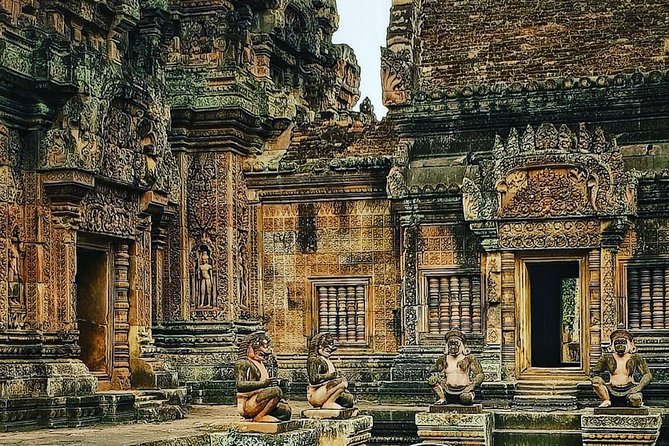
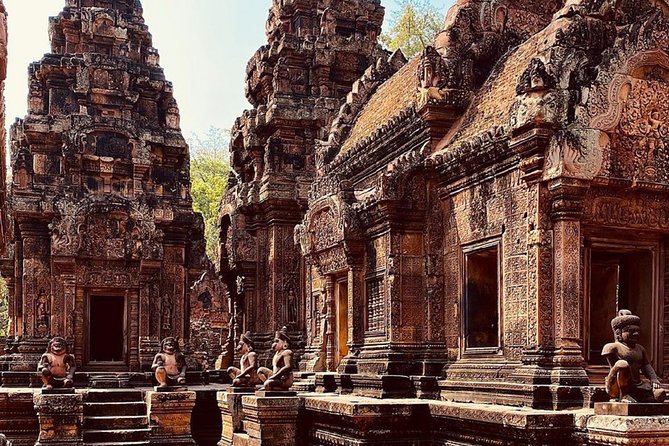
After lunch is on your own, the tour shifts to Banteay Srei, often described in connection with delicate carving work. The temple’s name is commonly translated as citadel of women, and the effect you’ll likely notice is elegance: finer detail, sharper patterns, and carvings that feel almost too precise for ancient stone.
Then you go to Banteay Samre. The architecture is known for Angkor Wat-style artistry, and the overall feel is different from Angkor Thom. If you want a change from walls crowded with the most iconic faces, Banteay Samre gives your eyes a breather while still rewarding you with Khmer design.
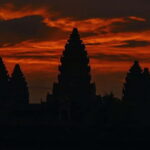
Finally, there’s an optional sunset at Pre Rup Temple. This is one of the best times to experience a temple-mountain because the light makes the stone reliefs pop, and you get a view of the surrounding countryside. Pre Rup is also famous for false doors on upper levels, which are the kind of detail that looks easy in the daytime and striking at golden hour.
Dress and comfort for the afternoon
Temple visits can get hot fast, and some areas have stricter dress rules than others. Bring clothing that covers shoulders and keeps you below the knees. Also pack something simple for sun protection—sunglasses and a hat help a lot even when clouds move in.
Day 2 at Angkor Wat: the morning that sets the tone
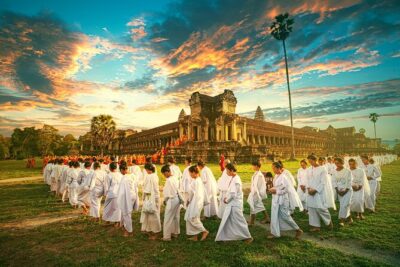
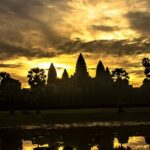
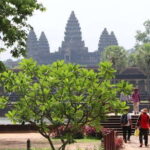
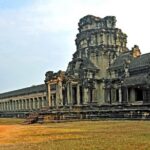
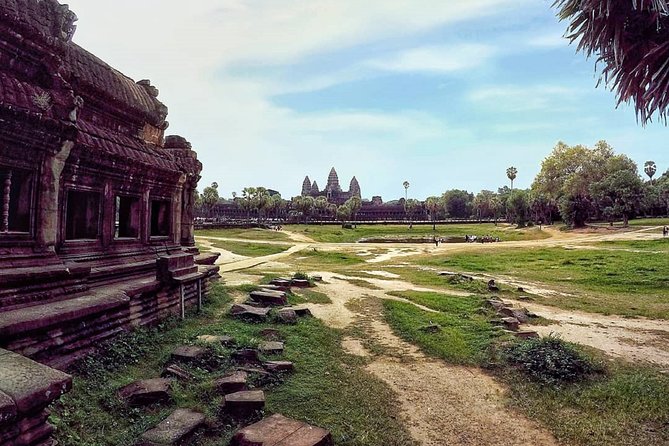
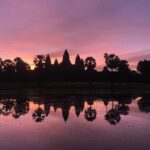
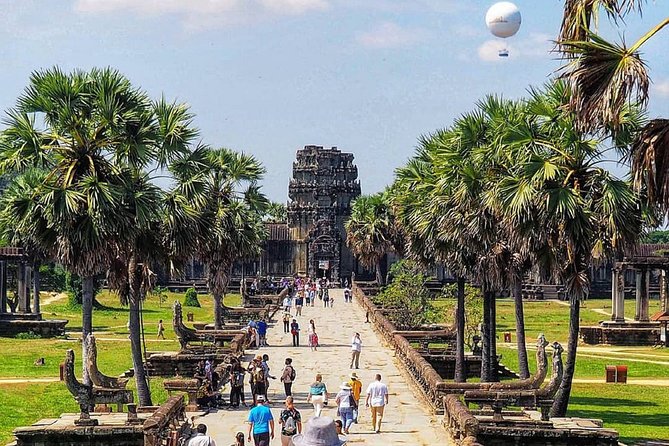
Day 2 starts with Angkor Wat, and it’s a smart move to hit it in the morning. Angkor Wat rewards you for walking slowly and paying attention to decorative detail as much as to the overall silhouette. The temple city effect is real: you’re not just staring at one building; you’re seeing a designed sacred space.
Angkor Wat is also the site where your guide’s explanations make a big difference. When you understand what you’re looking at—doorways, towers, and the way the complex is laid out—you stop treating it like a single landmark and start seeing it as an organized, symbolic world.
Ta Prohm’s jungle feel, then the early capital zone
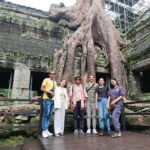
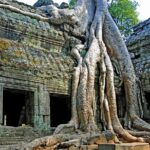
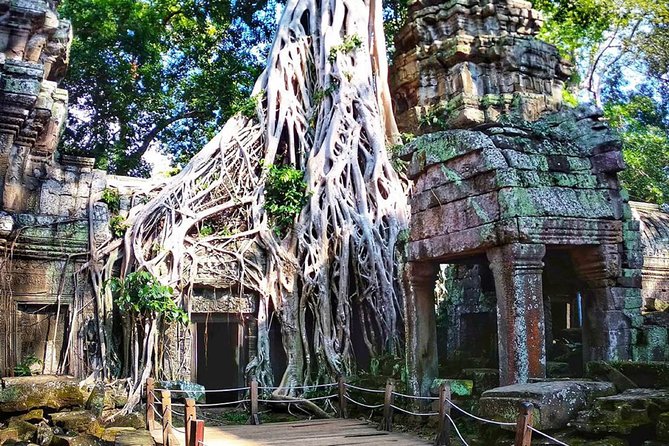
After Angkor Wat comes Ta Prohm, the famous monastic complex that still has jungle growth in place. This is where the temple’s atmosphere becomes part of the attraction: parts of the complex feel like they’re reclaiming each other, and the tree-in-temple look is made for photos.
Next is Bakong, part of the Roluos Group. Bakong sits near the center of the first Angkorian capital area and is often described as the first temple mountain of sandstone built by the Khmer rulers in that early phase. This stop changes your perspective because it connects Angkor to its earlier start—so the later massive sites feel like evolution, not random construction.
After Bakong you visit Lolei, an island-temple set in the middle of a now dry baray (reservoir). Lolei is smaller, but it’s a great follow-up because it helps you see how water management and ritual architecture worked together in Khmer design.
Then you go to Preah Ko (Sacred Bull), which ties into the early Khmer capital of Hariharalaya. Hariharalaya is key to this tour’s theme: you’re not only focused on the later peak period. You’re seeing the empire’s earlier spiritual geography as well.
Psar Chaa (Old Market) and Artisans Angkor: culture after the stone
One of the best surprises in this itinerary is the way it adds real life at the end of Day 2. You finish with Psar Chaa—Old Market. This is a traditional market scene where souvenir vendors line up and you can browse curios without the pressure of a single shopping stop.
Then you visit Artisans Angkor, an organization that trains rural youth in craft skills so they can make a living through handicraft production. This stop is valuable because it connects the trip to Cambodia today. You’re not just leaving with postcards; you’re getting a sense of how skills and work continue in Siem Reap beyond the temple gates.
Price and value: what you pay for and what you must budget
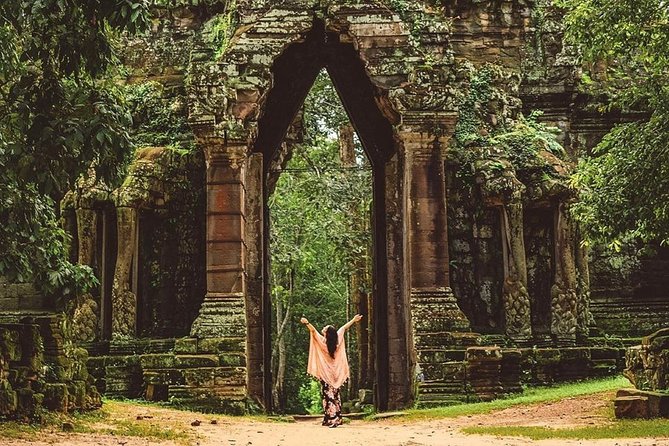
At $145 per person for a 2-day private tour, the price is most fair when you compare it to the real costs of getting around Angkor with a guide. What you’re paying for is not only “transport”—it’s the combination of an air-conditioned vehicle, an English-speaking guide, and the time saved by having someone manage the stop order.
Included details that matter in practice:
- Private transportation with a professional driver
- English-speaking guide for explanations during each site
- Cool waters and wet towels to handle the heat
- Taxes and service charges covered
Not included (and this is the part you need to plan in advance):
- Angkor Archaeological site entrance pass (needed for Angkor sights and nearby access)
- Meals and drinks (lunch is excluded)
- Tips/gratuities and personal shopping
- Travel insurance
Here’s how I’d budget this without stress: assume your total trip cost will include the Angkor pass on top of the tour price. If you plan to see more sites around Angkor beyond this itinerary, a multi-day pass can make sense. The pass gives access to sights around Angkor and should be visible at all times; children under 12 enter free.
What I’d ask before booking (so it matches your travel style)
Even though this is a private tour, the details that make it feel great are worth confirming. Here are smart questions to ask:
- Do you have specific interests (faces at Bayon, carving detail at Banteay Srei, or early capitals at Hariharalaya) so the guide can time your stops accordingly?
- Can the order be adjusted if you prefer less walking at one monument and more time at another?
- What lunch options do you recommend nearby on your day?
This is where tailoring helps most. If you tell your guide what you care about, the same route can feel twice as satisfying.
Who should book this 2-day Khmer Empire tour?
This works especially well if:
- You want a private guided experience rather than a group tour feel
- You like structure: big sites first, then smaller ones that deepen your understanding
- You want temple time plus a brief slice of Siem Reap daily life at Psar Chaa and Artisans Angkor
It might not be your best match if you want:
- A very relaxed, low-walking pace all day (some walking is required, even with comfortable routes between entrances and sights)
- A tour that includes meals and the Angkor pass in the price
Also, if you’re sensitive to strict temple rules, plan ahead with clothing that follows the shoulders and below-knee dress code.
Should you book Hidden Angkor Tour for the Best Historical of Khmer Empire?
If your goal is to see Angkor Wat and Ta Prohm while also understanding how the Khmer Empire’s story fits together—from Angkor Thom to the early capital zone around Hariharalaya—this itinerary makes sense. The standout value is the combination of guided context, smart stop selection, and the way it adds Artisans Angkor and Old Market so your trip feels grounded in modern Cambodia too.
I’d say book it if you want a guide who can keep the ruins from becoming “just more temples.” In the kind of private service this company runs, guides such as Veasna, Vutha, and Sophea Kas (names you may see associated with the tour) have a reputation for being friendly, adjusting to the group, and helping with practical moments like photo timing. With the right clothing and a plan for the Angkor pass, you’ll get a full, balanced two days that covers the empire’s most important visual chapters.
FAQ
Is the Angkor Archaeological site entrance pass included?
No. The Angkor Archaeological site entrance pass is not included, and you’ll need to purchase it separately at the main gate. The pass provides access to all sights in and around Angkor and should be visible at all times.
What’s included in the $145 per person price?
The price includes transportation by air-conditioned vehicle with a professional driver, an English-speaking guide, cool waters and cool wet towels, and applicable taxes and service charges.
Are meals included during the tour?
Lunch is excluded, so you’ll need to arrange your own meals and drinks during the day. Tips/gratuities and personal expenses are also not included.
Do I need to worry about a dress code?
Yes. Some temples enforce strict dress rules, including covering shoulders and wearing clothing that falls below the knees. It’s essential to dress appropriately during the excursion.
Is pickup and drop-off included?
Pickup is offered, and return transfers apply only for customers staying in and inside Siem Reap. You’re responsible for providing correct hotel information for pickup and drop-off.
Can the itinerary be adjusted for your group?
Yes. There’s an option to tailor your private tour itinerary to suit your needs, since this is a private tour/activity where only your group participates.