REVIEW · SIEM REAP
2-Day Angkor Wat Tour with Banteay Srei and Floating Village
Book on Viator →Operated by Asean Angkor Guide · Bookable on Viator
Two mornings at Angkor change everything. You’ll hit the big-name temples, then finish with detailed carvings at Banteay Srei and a boat trip to Kampong Phluk on Tonle Sap Lake. Add in private air-conditioned transport and a guide who keeps the story straight, and the whole trip feels like a focused, high-value tour instead of a temple stampede.
I love the air-conditioned private vehicle and the practical comfort touches like cool towels. I also like how the English-speaking guides zero in on what you’re looking at, from Bayon’s Khmer faces to Ta Prohm’s tree-root embrace.
One drawback to plan for: temple and lake costs add up. Sunrise means a very early start (Day 2 pickup is before 4:40 AM), and the tour price doesn’t include all admissions and the Tonle Sap boat.
In This Review
- Key things to know before you go
- The big idea: sunrise at Angkor Wat plus Banteay Srei and Kampong Phluk
- Price and logistics: what $130 really covers (and what to budget)
- Day 1 through Angkor Thom: Bayon, Baphuon, and the royal terraces
- Day 2 at 4:40 AM: Ta Prohm, Pre Rup, Preah Khan, and the carved calm of Banteay Srei
- A smart note about the best time for floating villages
- What makes the tour feel good: private pacing, AC comfort, and guides who time it right
- What to bring (so your day doesn’t turn into misery)
- Should you book this 2-day Angkor Wat + Banteay Srei + Floating Village tour?
- FAQ
- How much does the 2-day tour cost?
- What’s included in the tour price?
- Are temple admission fees included?
- What’s the extra cost for the floating village?
- Is Banteay Srei included, and does it have an admission fee?
- What time is pickup for sunrise on Day 2?
- Is this tour private or shared?
- Are meals included besides breakfast?
- What should I bring for the tour?
- Can I cancel for a full refund?
Key things to know before you go
- Sunrise is built in twice: one morning is early enough to beat the day’s heat and crowds.
- Tonle Sap is a separate add-on: you’ll pay the Tonle Sap pass and the boat ride cost on top of the tour price.
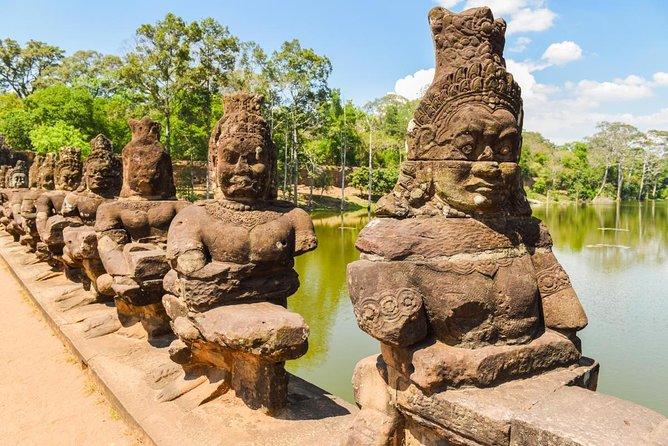
- Admission fees aren’t bundled: Angkor Thom South Gate is listed at $62 per person, and other temple entries are also not included.
- Most lunches are on your own: you’ll have set breaks, but you pay for food and soft drinks.
- Banteay Srei is marked free: the carved temple entry fee is noted as free on this tour.
- Guides help with the best photo angles: multiple guides are praised for timing and choosing the right spots.
The big idea: sunrise at Angkor Wat plus Banteay Srei and Kampong Phluk
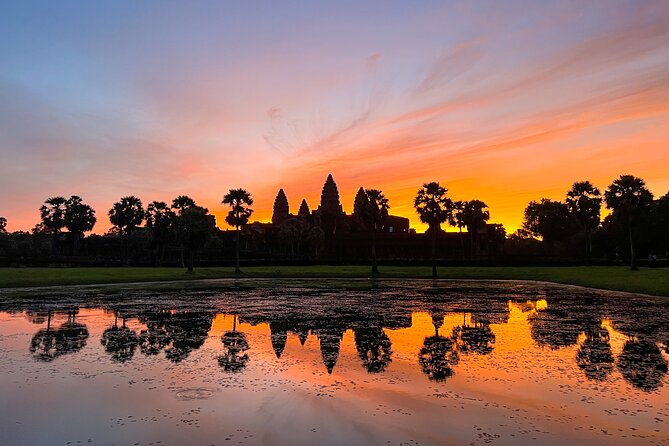
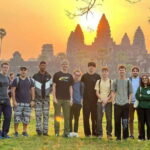
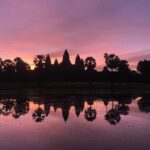
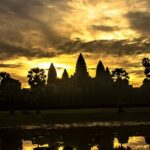
This is the kind of two-day plan that works well if you want maximum impact without feeling lost. You get the headline moment—sunrise over Angkor Wat—and then you still cover a full day of temples instead of treating Angkor like a one-hour stop.
What makes the mix work is the variety. Day 1 leans classic Angkor Thom highlights and the Angkor Wat complex. Day 2 keeps the momentum with jungle-temple vibes at Ta Prohm and several Hindu and Jayavarman VII-era sites, then shifts to the smaller but exquisitely carved Banteay Srei. Finally, Kampong Phluk on Tonle Sap gives you a very different view of Cambodian life—water, fishing, and a community built around the lake.
If you’re chasing authenticity (not just selfies at the first viewpoint), the floating village portion is the right kind of contrast.
You can also read our reviews of more tours and experiences in Siem Reap
Price and logistics: what $130 really covers (and what to budget)
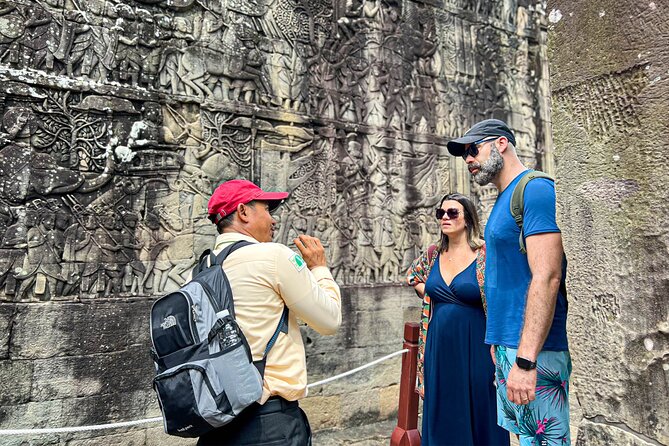
At $130 per person, you’re paying for the structure: a professional English-speaking guide, private air-conditioned transport, and comfort perks like cool towels during the day. Day 2 also includes breakfast, which is a big deal when you’re starting before sunrise.
What’s not included matters for budgeting, especially if you’re trying to stick to one number:
- Tonle Sap pass & private boat ride: $15 per person (not included)
- Admission fee for Angkor Thom South Gate: $62 per person (not included)
- Most temple admission tickets: listed as not included at multiple stops
- Food and soft drinks: you pay yourself during lunch breaks
A helpful way to think about value: you’re not only paying for “going to temples.” You’re paying for getting there efficiently, learning what you’re seeing, and having someone manage the timing. That’s where the private format starts paying you back—less waiting in the wrong place, more time at the right place.
Day 1 through Angkor Thom: Bayon, Baphuon, and the royal terraces
Day 1 focuses on Angkor Thom, the walled city tied to Jayavarman VII’s reign. It’s not just a collection of buildings. It’s the setting for the empire’s grand building program, and one inscription (quoted in tour background) treats Jayavarman as the groom and the city as his bride. That’s the kind of context your guide should make real as you walk.
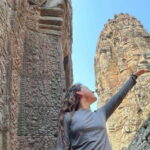
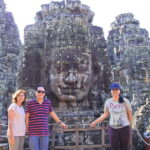
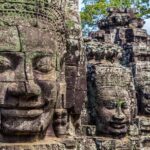
You start at Bayon Temple, roughly 45 minutes. Bayon is famous for its Khmer faces—towering expressions that show up everywhere in your photos. The real win here is understanding why Bayon sits at the center of the city’s religious life under Jayavarman VII. Even if you’ve seen pictures, standing there with explanations changes it from “big stone” into a political and spiritual statement.
Next is Baphuon Temple (about 30 minutes), located northwest of Bayon. It’s a three-tiered temple mountain built in the mid-11th century as the state temple of Udayadityavarman. Baphuon is a good pacing reset: after the busy face towers of Bayon, you get a different scale and a clearer sense of how temples are designed as vertical symbolism.
Then come the royal terraces—small by comparison, but memorable if you pay attention to the carvings and the function of each space:
- Terrace of the Elephants (~15 minutes): traditionally tied to royal ceremonies and viewing platforms.
- Terrace of the Leper King (~10 minutes): named from carvings that later visitors interpreted as leprosy-themed imagery, and built in the Bayon style under Jayavarman VII.
After the terraces, the tour moves toward the Angkor Archaeological Park area for lunch time (about 45 to 60 minutes). The practical note: you choose what you eat. Expect to pay for meals and drinks yourself.
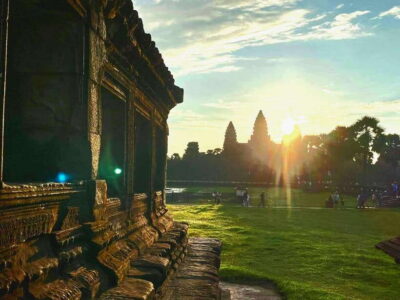
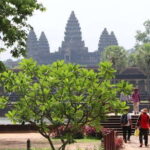
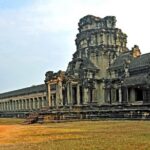
Then you head to Angkor Wat for about 1 hour 30 minutes. Angkor Wat is the largest religious monument in the world on a site of 162.6 hectares. It was originally constructed as a Hindu temple dedicated to Vishnu. If that sounds like trivia, here’s why it matters: it affects the details you notice—orientation, sacred geometry, and why certain areas feel designed for specific rituals, not just viewing.
Day 1 ends with Phnom Bakheng (about 45 minutes) for sunset if weather allows and you’re not too tired. This is one of those “plan for it, don’t force it” moments. Sunrise at Angkor Wat is the big scheduled win; Phnom Bakheng is the bonus if conditions cooperate.
Day 2 at 4:40 AM: Ta Prohm, Pre Rup, Preah Khan, and the carved calm of Banteay Srei
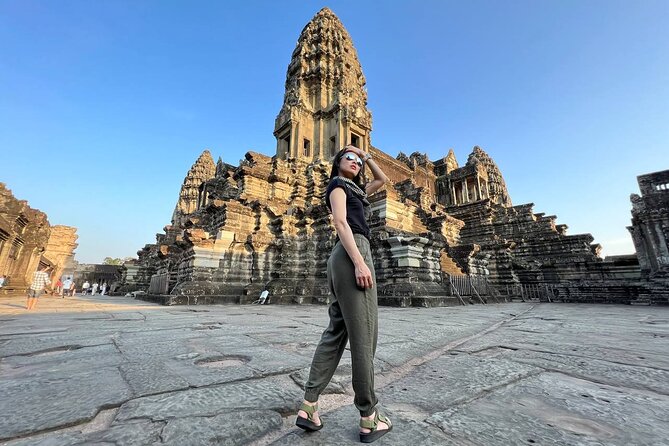
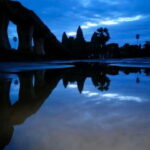
Day 2 starts early: pickup is 4:40 AM before sunrise. That’s not just for a romantic picture. It’s also for a smoother experience—cooler air, fewer people moving at once, and better light over the temple complex.
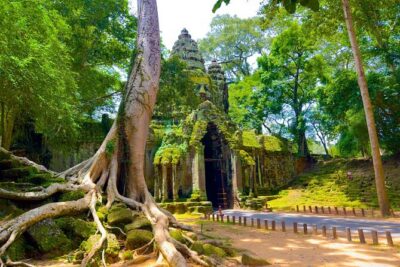
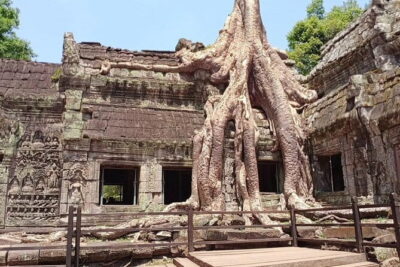
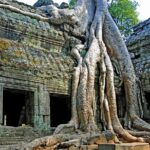
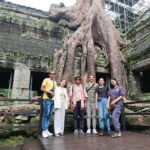
After sunrise at Angkor Wat, you return for breakfast (Day 2 breakfast is included), then head to Ta Prohm Temple for about 1 hour. Ta Prohm is the jungle temple with huge roots and parts left in its original state. The magic here is how the architecture and nature look like they’re negotiating space. You’ll get the strongest payoff if your guide points out the details rather than letting you treat it as a scenic backdrop.
Next is Pre Rup (about 40 minutes), a Hindu temple tied to King Rajendravarman, built around 961 or early 962. It’s a good stop for understanding temple purpose: it’s not only about beauty, it’s about ritual stages and a structure that signals status and sacred order.
Then Eastern Mebon (about 30 minutes). This 10th-century temple stands on what was an artificial island at the center of what’s now the dry East Baray reservoir. Even if you don’t remember the geography later, the stop helps you see how Angkor’s designers used water systems as part of the sacred world.
Ta Som (~30 minutes) follows. It was built in the late 12th century during Jayavarman VII’s reign as a Mahayana Buddhist building dedicated to Lord Svara, and it’s tied to the idea of how divine symbols were interpreted. It’s one of those temples that feels a little less famous, which is exactly why it can be a breath of fresh air.
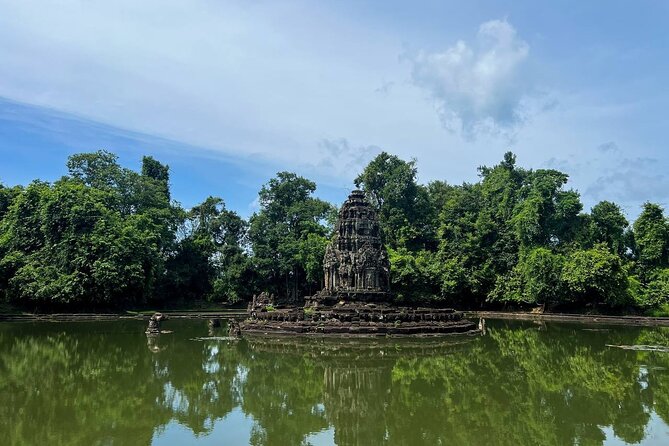
Then Neak Pean (about 30 minutes). It’s associated with a dedication to Maha—your guide should explain how this temple functions within Angkor Thom’s spiritual map. Even if the details are dense, the structure helps you understand the bigger layout: Angkor is designed like a system, not a random pile of monuments.
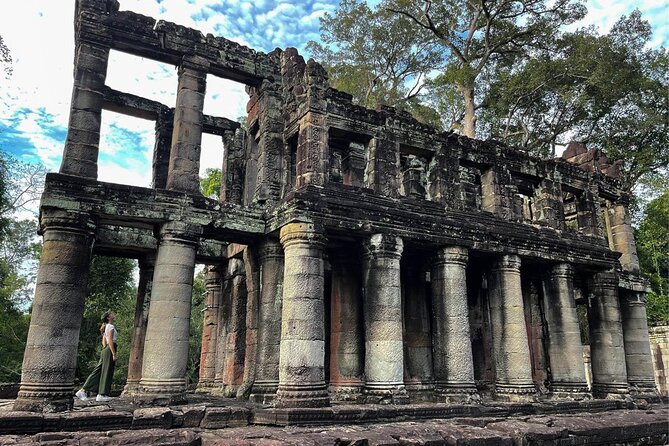
After that comes Preah Khan (about 1 hour). Built in the 12th century for Jayavarman VII to honor his father, it’s located northeast of Angkor Thom. This is often where the tour’s storytelling becomes especially useful. The more your guide connects temples to specific rulers and purposes, the less you feel like you’re just walking from one landmark sign to the next.
Lunch is next at a local restaurant before the tour moves on to Angkor Archaeological Park for another stop (about 1 hour). Again, expect to pay for your own food and drinks.
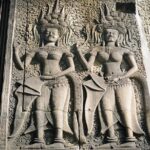
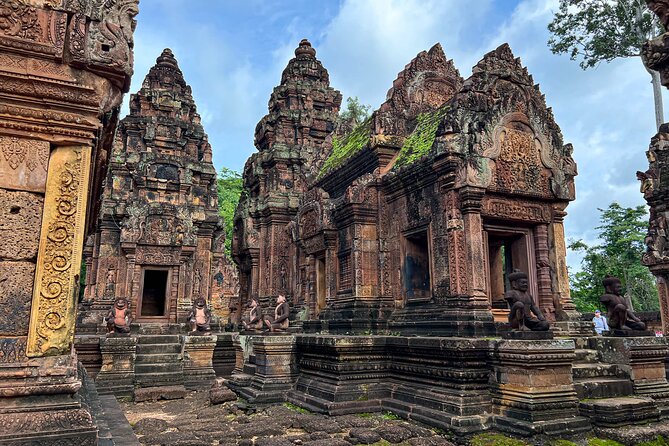
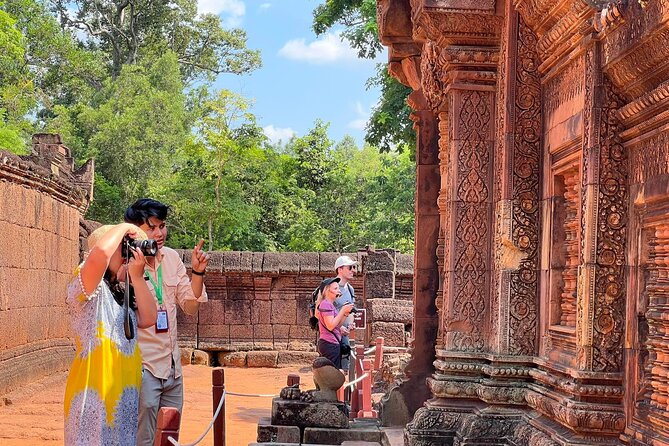
Then you reach Banteay Srei in the early afternoon for about 45 minutes. This temple is smaller than the giants you’ve just visited, but the tour highlights its reputation for the finest, most skillfully crafted reliefs on its sandstone structure. The difference is immediate: instead of sweeping views, you’re looking at tight carving work and details that reward slowing down.
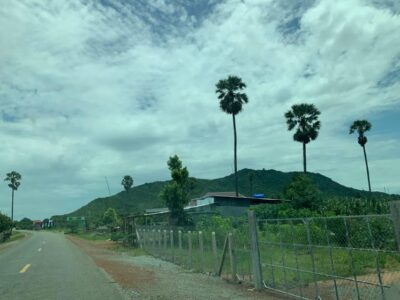
Finally, you go to Kampong Phluk Floating Village on Tonle Sap Lake, with about 1 hour 30 minutes for the stop and boat portion. The village is about 21 kilometers from Siem Reap town. From the lake port, you take a local boat ride (this is where the Tonle Sap pass and private boat ride fee of $15 per person comes in, since it’s not included).
A smart note about the best time for floating villages
Timing affects what you see. From the end of March to the end of July, water levels start to recede across many floating villages. That can change the look of the place. You may not get as many postcard-style scenes during the drier season.
But here’s the trade you can actually be grateful for: you get a different perspective on daily life as parts of the community adjust to the changing water. Boats can get stuck and smaller canoes may not travel through jungle forest sections. If you can roll with imperfect conditions, you’ll likely feel you saw a more real slice of lake life, not just the easiest version.
What makes the tour feel good: private pacing, AC comfort, and guides who time it right
Angkor can be exhausting even for fit people. Stone is heavy and heat is relentless. This is why I appreciate the private air-conditioned transport. You’re not building energy just to lose it again in traffic or between stops.
Cold towels and bottled water show up during the day, which sounds small until you’re standing under sun for an hour. Multiple guide descriptions emphasize being ready with cold water and a cool cloth when you get back from temples. That’s the difference between feeling annoyed and feeling taken care of.
The biggest value, though, is what your guide does with the ruins. In many cases, guides are praised for:
- explaining the stories behind what you see (so you know what to look at)
- picking quieter routes and better photo angles
- staying flexible for timing and what you want to prioritize
You’ll notice it right away at the stops that people skim too fast—Bayon terraces, Preah Khan side areas, and the shift from large-temple scale to the tight detail of Banteay Srei.
This private format also means you’re not trapped in someone else’s pace. If you want a bit longer at a specific viewpoint or need a shorter stretch after a longer walk, the tour is built to handle that style of day.
What to bring (so your day doesn’t turn into misery)
You’ll be outside for long stretches, and sunrise adds another layer. Pack for heat, bugs, and walking.
Bring:
- Insect repellent
- Sunscreen
- Sun hat
- Comfortable shoes
If you wear light layers, you’ll thank yourself when your early-morning starts feel cooler, then the day quickly warms up.
Also, plan to pay for meals during breaks. Having small cash on hand and a simple plan for water and snacks will keep lunch from feeling like a scramble.
Should you book this 2-day Angkor Wat + Banteay Srei + Floating Village tour?
Book it if you want:
- a tight two-day loop that hits Angkor Wat sunrise, key Angkor Thom highlights, and Ta Prohm
- time for Banteay Srei when you’re already temple-shaped
- Tonle Sap at Kampong Phluk, with a boat ride option that changes your Siem Reap experience
Skip it or adjust expectations if:
- you want a trip where admissions and lake fees are fully included in one simple price
- you hate early mornings (Day 2 pickup is at 4:40 AM)
- you’d rather spend more time in one area than follow a multi-temple route
For most people doing a short Cambodia visit, this is one of the more practical ways to see the highlights without turning your trip into a full-time logistics job. You trade a bit of flexibility for a strong structure—and the private guide support helps you get more from every stop.
FAQ
How much does the 2-day tour cost?
The price is $130.00 per person.
What’s included in the tour price?
You get a professional English-speaking tour guide and driver, private transport with air-conditioning, free cool and towels during the tour, and breakfast on Day 2.
Are temple admission fees included?
No. Admission fees are not included for multiple stops. Angkor Thom South Gate is listed as $62.00 per person and is not included.
What’s the extra cost for the floating village?
Tonle Sap pass and a private boat ride are $15 per person, and they are not included.
Is Banteay Srei included, and does it have an admission fee?
Banteay Srei is included, and the admission ticket is listed as free for this stop.
What time is pickup for sunrise on Day 2?
You’re picked up from your hotel lobby before sunrise at 4:40 AM.
Is this tour private or shared?
It’s a private tour/activity. Only your group participates.
Are meals included besides breakfast?
Breakfast is included on Day 2. During lunch breaks, food and soft drinks are not included and you pay yourself.
What should I bring for the tour?
Bring insect repellent, sunscreen, a sun hat, and comfortable shoes.
Can I cancel for a full refund?
Yes. You can cancel up to 24 hours in advance for a full refund.