REVIEW · SIEM REAP
2-Day Angkor Wat With Small, Big Circuit & Banteay Srei Tour
Book on GetYourGuide →Operated by Happy Angkor Tour Cambodia · Bookable on GetYourGuide
Angkor looks better with a local driver plan. This private 2-day circuit is built around smart temple order, an English-speaking licensed guide, and comfort touches like cool face towels and cold water at stops. It’s also paced with your group in mind, so you’re not stuck rushing through stonework you’ll want to actually understand.
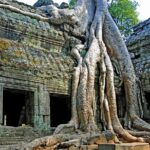
On top of the main sites, you get the classic emotional hits: Ta Prohm’s giant tree roots and Angkor Thom’s repeated layers of meaning, from Bayon’s 49 smiling towers to the reclining Buddha behind Baphoun. Day 2 starts early for sunrise at Angkor Wat, then keeps going with the big circuit plus the pink sandstone glow of Banteay Srei.
One thing to consider: the temple pass isn’t included, and you’ll also need to plan for lunch/dinner on your own (you’ll stop at local restaurants, but food costs extra). If you hate early mornings or you want every meal handled for you, this may feel like an added chore.
In This Review
- Key points at a glance
- Your $136 value: what’s included, what’s extra, and why it matters
- Pickup, van comfort, and pacing: how your day stays sane
- Day 1 Small Circuit: Angkor Wat, Ta Prohm roots, and Angkor Thom’s layered maze
- Phnom Bakheng sunset: why the viewpoint stop is worth it
- Day 2 sunrise at Angkor Wat: the early start that changes everything
- Big Circuit temples: Prah Khan, Neak Poan, Ta Saom, East Mebon, and Pre Rup
- Banteay Srei and the pink sandstone: Ladies Temple in the best mood
- The guide part: why Chhay, Banhak, and Sreang/That get praised
- Temple pass math, meal reality, and how to budget for the real cost
- Who this 2-day Angkor Wat circuit tour fits best
- Should you book this 2-Day Angkor Wat With Banteay Srei tour?
- FAQ
- Is this tour private or shared?
- What does the $136 per person price include?
- Do I need an Angkor temple pass?
- Are meals included in the tour price?
- Does the tour include sunrise at Angkor Wat?
- Which temples are included on the small circuit?
- Which temples are included on the big circuit?
- Does the tour visit Banteay Srei?
- What language is the guide?
- Is free cancellation available?
Key points at a glance
- Private guide + private AC transport means you can set the pace and adjust the route to your interests
- Sunrise at Angkor Wat gives you the iconic start before the day gets full
- Small Circuit + Big Circuit in 2 days helps you hit the best-known clusters without repeating the same ground
- Ta Prohm’s Tomb Raider tree roots are the one stop that always gets your camera working
- Banteay Srei’s pink sandstone is a different texture and mood than the big Angkor complexes
- Guide and driver route efficiency can reduce backtracking so your day feels smoother
Your $136 value: what’s included, what’s extra, and why it matters
At $136 per person for 2 days, you’re mostly paying for the stuff that makes Angkor practical: pickup/drop-off from Siem Reap, private air-conditioned transportation, and a live English guide. You also get cool drink water and face towels, which sounds small until you’re walking temples in the heat and humidity for hours.
The biggest “budget surprise” is that the temple pass is separate. This tour includes the guiding and transport, but you still need to buy the Angkor entrance pass at your own cost, and food during lunch stops is also not included. So the real value is best if you’re okay handling tickets and meals yourself.
You can also read our reviews of more tours and experiences in Siem Reap

Pickup, van comfort, and pacing: how your day stays sane
The tour begins with hotel pickup in Siem Reap, and you’re asked to wait about 10 minutes in the lobby before the scheduled time. That small detail matters because you’re moving early for sunrise and you’ll want to avoid stress while everyone is trying to board.
Because it’s private, you’re not bargaining with a shared schedule. Your guide can keep the day moving at a pace that fits you, and the ride between sites is in an air-conditioned vehicle rather than a long open-air scramble. In the reviews, guides like Chhay (with driver That) and Banhak (with driver Sreang) are singled out for comfort-minded planning, including cold water and towels appearing right when you get back to the car.
Day 1 Small Circuit: Angkor Wat, Ta Prohm roots, and Angkor Thom’s layered maze
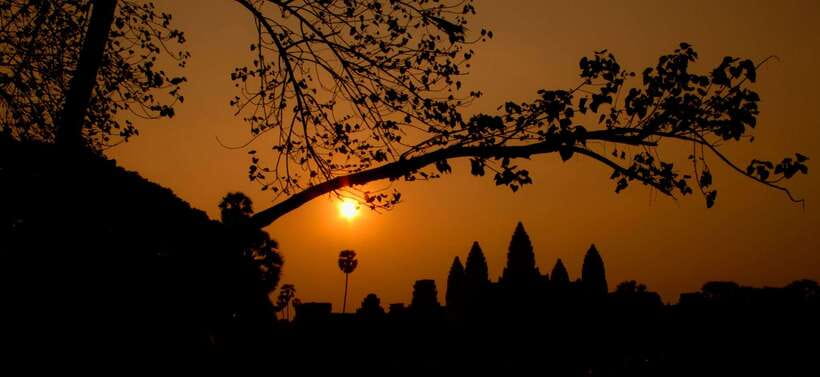
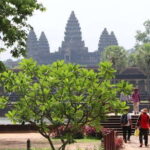
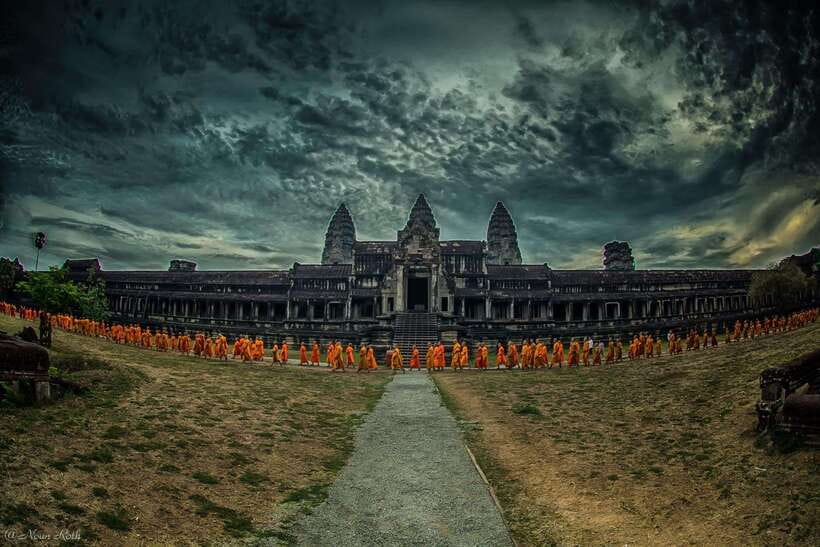
Day 1 starts with Angkor Wat, the big name for a reason. You’ll spend a few hours exploring the immense 12th-century complex, and the payoff here is scale: it’s not just one temple, it’s a whole symbolic machine built to move you through space.
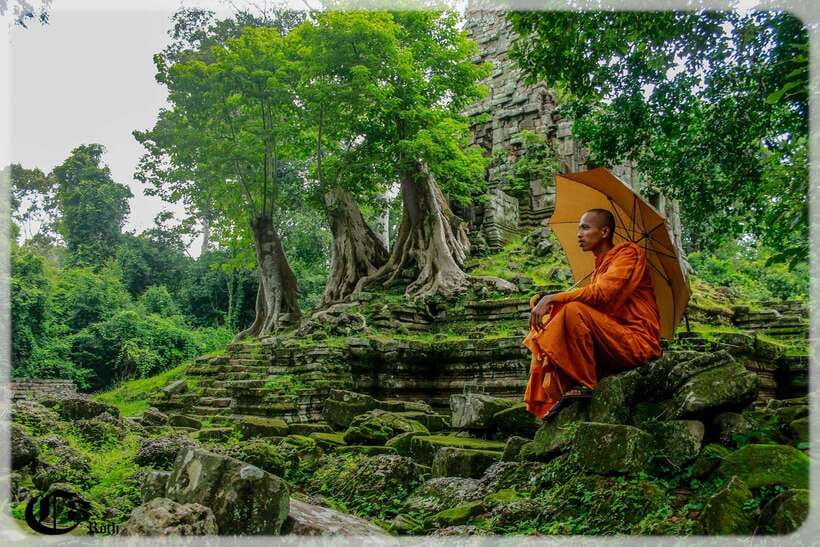
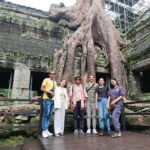
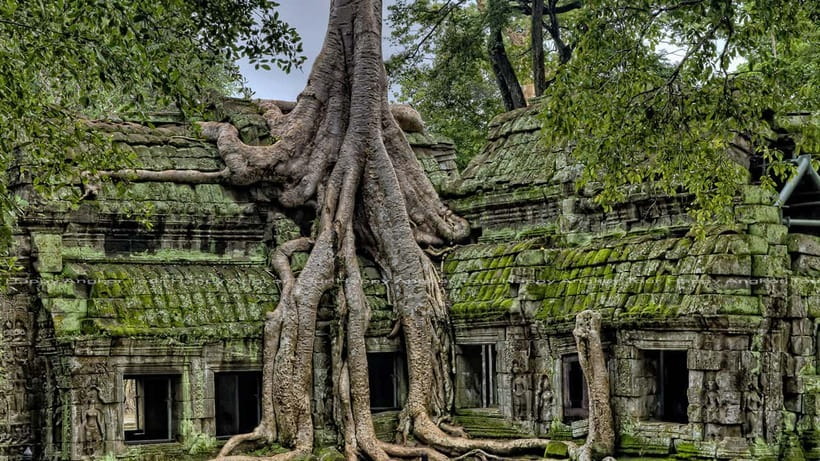
After that, you shift into the small circuit temples. One of the key stops is Ta Prohm, famous for the giant tree roots that wrap around stone. It’s also the scene that many people recognize from Tomb Raider, but the better reason to go is how the roots changed the experience of the ruins—everything feels half reclaimed, half preserved.
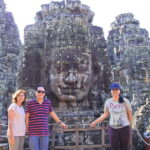
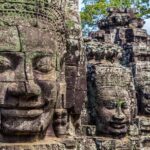
From there, you continue to Ta Nei and then into Angkor Thom, where the choice of gate sets the tone. You’ll enter from the Victory or Death Gate, walk toward Bayon, and see Bayon’s 49 smiling towers up close. If you’ve ever felt confused inside Angkor, a guide helps you decode what you’re seeing: which courtyards matter, what the architectural shifts mean, and why the same themes repeat with different meanings.
The Angkor Thom stretch also includes Baphoun, where you can marvel at the reclining Buddha behind the temple. Then you move through the city features around the Royal Enclosure Wall and nearby terraces, including Phimeanakas, Elephant Terrace, Leper King Terrace, and Palilay. The practical win is that you’re not bouncing between far-away parking areas—you’re walking a connected route with the guide helping you stay oriented.
Phnom Bakheng sunset: why the viewpoint stop is worth it
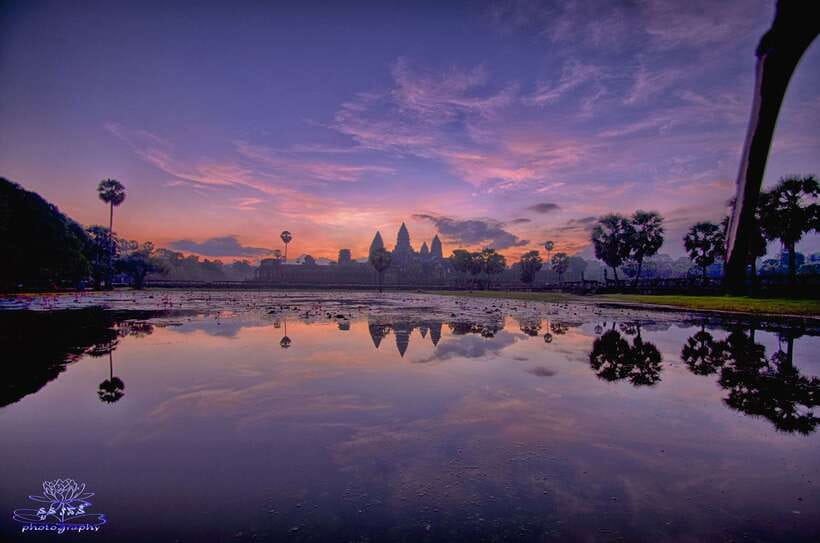
Day 1 finishes with a sunset viewpoint from the hill of Phnom Bakheng. This is the moment when the temples stop feeling like monuments and start feeling like a lived-in religious landscape—long shadows, silhouettes, and a sense of depth across the site.
It also works as a mental reset. After a day of carvings and courtyards, you’re rewarded with a slower view that lets you take it in without constantly reading stone details. If your legs are tired, the guide’s route planning on the back half of the day becomes even more important.
Day 2 sunrise at Angkor Wat: the early start that changes everything
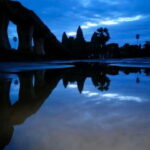
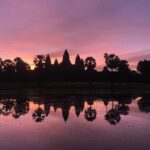
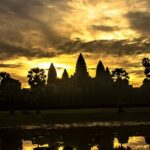
Day 2 starts bright and early for sunrise at Angkor Wat. The time is the point here: you get the iconic view without the day fully in gear. Even if you don’t consider yourself a sunrise person, Angkor has a way of making you one—because the light changes the stone color, and because the complex looks different when you’re not fighting daylight glare.
After sunrise, you return to your hotel for breakfast, or you can stop at a restaurant (food isn’t included). This break is important. It gives you time to refuel rather than pushing straight through, and it helps you keep the second day from turning into a blur.
Big Circuit temples: Prah Khan, Neak Poan, Ta Saom, East Mebon, and Pre Rup
Once you’re back fueled, you tackle the big circuit temples: Prah Khan, Neak Poan, Ta Saom, East Mebon, and Pre Rup. This part of Angkor often feels more “spread out,” so having private transport matters. You’re spending less time figuring out logistics and more time actually seeing the temples in sequence.
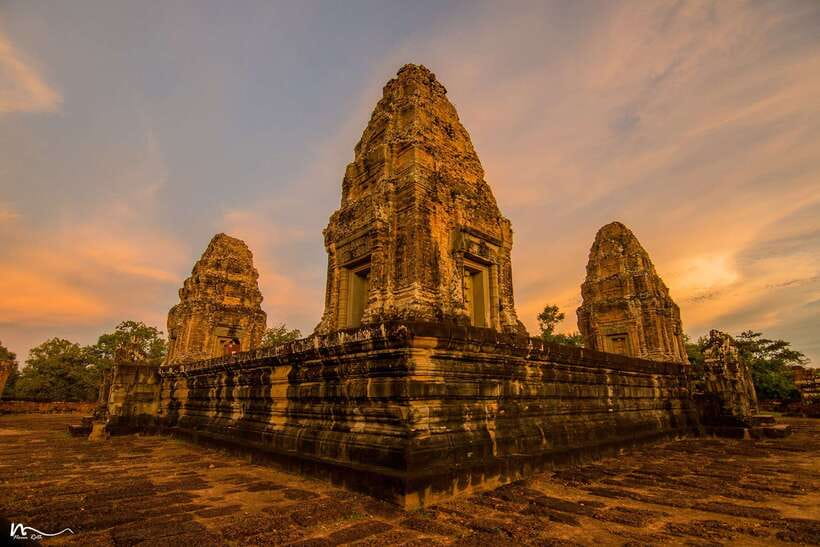
Prah Khan is a major stop with its own character and mood—more than just a photo pause. Neak Poan adds variety with its water setting, and Ta Saom is another temple that helps you see how Angkor’s religious architecture can shift style and emphasis as you move around. East Mebon continues that rhythm, and Pre Rup is the kind of temple where the approach and viewpoint feel tied together.
After these sites, there’s a lunch break at a local restaurant, but food isn’t included. Then the day shifts out of the core temple zone into villages and rice-paddy fields by car, which gives you a sense of what the Angkor region looks like beyond the stone.
Banteay Srei and the pink sandstone: Ladies Temple in the best mood
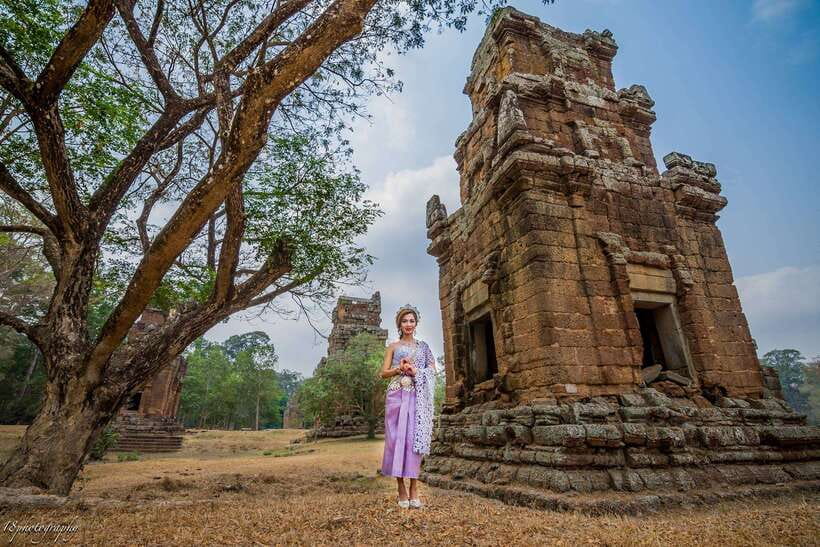
The highlight on day 2’s later half is Banteay Srei, also known as the Ladies Temple. The signature detail is its pink sandstone, which looks almost unreal beside the greys and browns you see at many larger Angkor structures.
Banteay Srei also feels like a different kind of temple visit because it’s more intimate. You’re not only chasing big towers and broad vistas—you’re paying attention to the stone surfaces and how the color changes through the day.
After Banteay Srei, you continue to Banteay Samre and then Banteay Kdei. This last stretch is valuable because it keeps the momentum while still giving you variety. It’s a smart way to finish a two-day circuit: you get the signature pink sandstone, then you round out the picture with two additional temples rather than ending the day right after the big “wow.”
The guide part: why Chhay, Banhak, and Sreang/That get praised
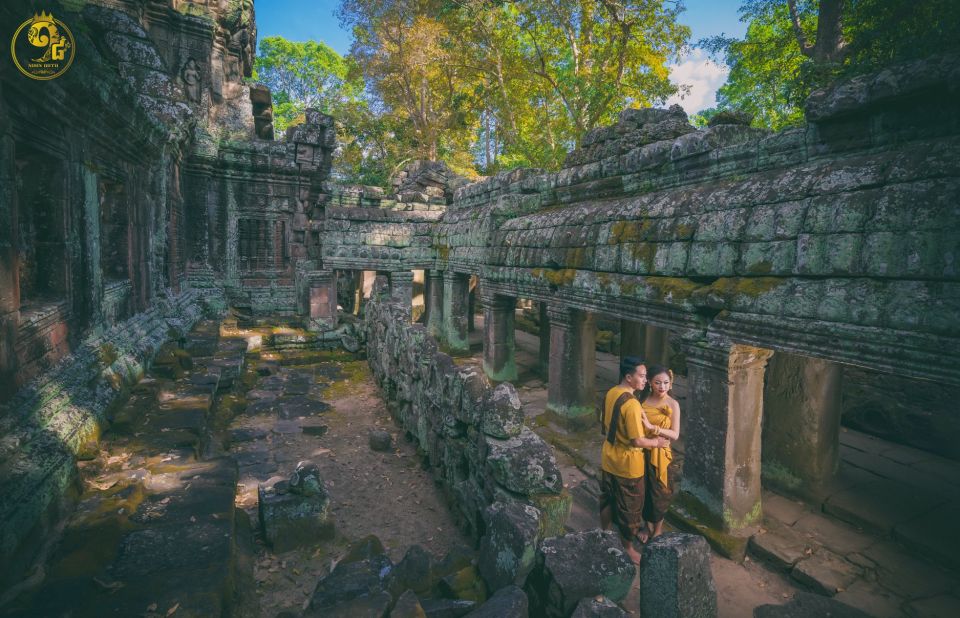
In a place like Angkor, the guide is the difference between seeing temples and understanding them. The best guides do three things: they explain what you’re looking at, they keep you oriented, and they reduce wasted walking.
In the reviews, guides like Chhay and Banhak are praised for deep English explanations and for finding good picture spots. The driver teamwork also gets credit, including how the vehicle is positioned so you don’t walk back and forth unnecessarily. One review also highlighted route ideas like entering a temple from one side and exiting from another to avoid duplicating paths—exactly the kind of planning that makes a long day feel shorter.
Also, the pace is repeatedly mentioned as being adjusted to the group. That’s a big deal for Angkor, because you can’t “power through” your way to enjoyment here. You want a guide who knows when to slow down for a key detail and when to move on before you lose the day’s rhythm.
Temple pass math, meal reality, and how to budget for the real cost
Here’s the practical budget picture. The tour price is $136 per person and includes pickup/drop-off, private AC transport, guide, cool water, and face towels. The temple pass is not included, and you can purchase a 2–3 day pass for $62 per person. Children under 12 have free entrance.
Food is also not included. You’ll stop for lunch at a local restaurant during both days, but you’ll pay for meals yourself. The value question becomes: does your comfort with those add-ons match how you like to travel? If you’d rather handle tickets and eat locally, this setup is flexible. If you want everything packed into one price, you’ll need to calculate those extras up front.
Who this 2-day Angkor Wat circuit tour fits best
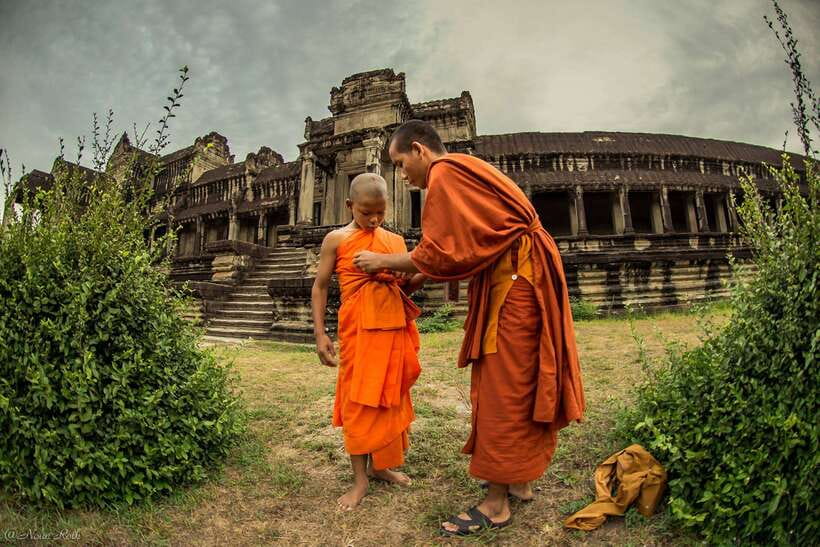
This tour fits best if you want maximum temple coverage without public-transport headaches. Two days is a sweet spot: enough time to cover Angkor Wat, Angkor Thom, the small and big circuits, and Banteay Srei without turning your trip into a 12-site sprint every morning.
It’s also a good match if you appreciate a guide who can explain religious symbolism and Cambodian cultural context while you walk. You’ll get English interpretation, plus the chance to tailor the itinerary to your specific interests with your private guide.
If you’re someone who hates early mornings, sunrise may be your biggest obstacle. Otherwise, the rhythm is logical: one long, heavy day of temples, a sunrise start, then a second day that mixes major sites with the pink sandstone break at Banteay Srei.
Should you book this 2-Day Angkor Wat With Banteay Srei tour?
Book it if you want a private, efficient two-day plan that hits the main Angkor highlights and adds Banteay Srei’s standout pink sandstone. The included guide, private AC transport, and comfort stops like cool towels make a long day easier to enjoy, and the early sunrise at Angkor Wat is one of those things you’ll remember for the right reasons.
Skip it (or compare other options) if you dislike ticket add-ons or you prefer fully included meals and a later start. In that case, the temple pass cost and lunch/dinner reality may feel annoying.
Either way, if you’re going to do Angkor, this is the kind of structure that helps you see more while staying calm enough to actually take it in.
FAQ
Is this tour private or shared?
It’s a private group tour, with a live guide and private air-conditioned transportation.
What does the $136 per person price include?
It includes hotel pickup and drop-off, private air-conditioned transportation, an English live guide, cool drink water, and face towels.
Do I need an Angkor temple pass?
Yes. The temple pass is not included. A 2–3 day pass can be purchased for $62 per person (children under 12 have free entrance).
Are meals included in the tour price?
Food is not included. Lunch breaks are part of the day, but you’ll purchase meals at local restaurants.
Does the tour include sunrise at Angkor Wat?
Yes. Day 2 begins bright and early to see sunrise at Angkor Wat.
Which temples are included on the small circuit?
On the small circuit, you’ll visit Ta Prohm, Ta Nei, Angkor Thom (including Bayon), Baphoun, and sights around the Royal Enclosure Wall such as Phimeanakas, Elephant Terrace, Leper King Terrace, and Palilay.
Which temples are included on the big circuit?
On the big circuit, you’ll visit Prah Khan, Neak Poan, Ta Saom, East Mebon, and Pre Rup.
Does the tour visit Banteay Srei?
Yes. Day 2 includes Banteay Srei, also known as the Ladies Temple, noted for its pink sandstone, plus stops at Banteay Samre and Banteay Kdei.
What language is the guide?
The guide speaks English.
Is free cancellation available?
Yes. You can cancel up to 24 hours in advance for a full refund.