REVIEW · SIEM REAP
2-Day Best of Angkor Wat and Tonle Sap Lake Tour
Book on Viator →Operated by Green Era Travel · Bookable on Viator
Two days, two very different Cambodian worlds. This private tour pairs focused time at Angkor Wat with a guided boat-and-village day at Tonlé Sap. You get a plan that keeps the temples from turning into one big blur.
I love how smoothly it starts with hotel pickup in an air-conditioned vehicle, then moves you from stop to stop without wasting time. I also love the human touch—on my tour, guide Sophy kept explanations clear and pointed, and she seemed genuinely tuned in to what our group wanted to see.
One thing to factor in is that the $99 price does not cover the Angkor entry fee. You’ll pay for the Angkor Pass at the ticket office, so your all-in cost will be higher than the headline number.
In This Review
- Key Highlights You’ll Feel Right Away
- A Two-Day Rhythm in Siem Reap: What This Tour Gets Right
- Morning Starts: Angkor Wat Without the Guesswork
- Angkor Thom South Gate and Bayon: Seeing the Human Scale
- The Terrace Stops: Elephants and the Leper King in Context
- Ta Prohm: When the Jungle Became the Co-Host
- Kampong Phluk on Tonlé Sap: A Boat Ride That Changes Your Perspective
- Price and Value: $99 Plus the Angkor Pass
- Timing, Comfort, and Dress Rules That Keep You Out of Trouble
- Who This Tour Fits Best (and Who Might Want More Time)
- Should You Book This 2-Day Best of Angkor Wat and Tonlé Sap Tour?
- FAQ
- What’s included in the $99 per person price?
- What’s not included in the tour price?
- Do I need to buy the Angkor Pass during the tour?
- What time does the tour start?
- Is this tour private or shared?
- What temples have dress rules?
- How long is the boat ride on Tonlé Sap?
- Is this tour okay for kids?
- What’s the cancellation policy?
Key Highlights You’ll Feel Right Away
- Hotel pickup plus an air-conditioned private vehicle keeps the morning heat from running the show.
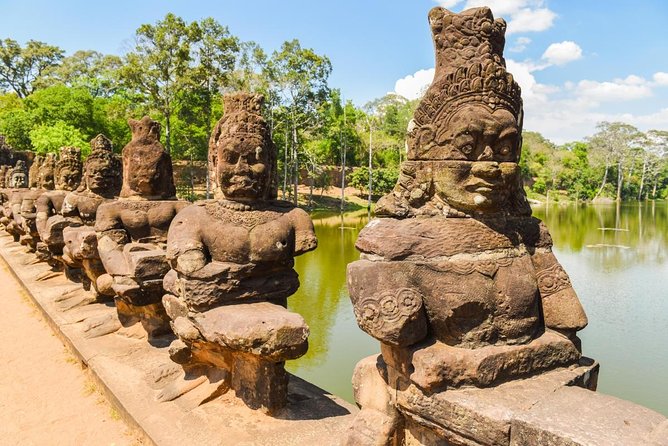
- Angkor Wat plus the “next tier” temples (Angkor Thom South Gate, Bayon, Terrace of the Elephants) give you more than just the postcard view.
- A guide who connects scenes to meaning makes the carvings and layout easier to understand.
- Ta Phrom with jungle framing shows why some temples look like they are still negotiating with nature.
- Kampong Phluk on Tonlé Sap via boat ride gives you a real sense of life on the water, not just a photo stop.
- Private format means only your group participates, so you’re not squeezed between strangers.
A Two-Day Rhythm in Siem Reap: What This Tour Gets Right
This is the kind of Siem Reap plan that works because it respects how tiring Angkor can be. Two full days lets you see major sites without rushing every 10 minutes, and it keeps logistics simple with hotel pickup and drop-off.
The day-by-day split is smart. Day one is built around the Angkor Archaeological Park highlights, with a guided flow through the “big names” and the in-between gems. Day two switches gears to Tonlé Sap, where the pace shifts from stone monuments to water-based village life.
This also feels like good value for people who want structure. You’re paying for a guide, private transport, and (on the lake side) a boat trip—not just access to temples. That matters in Angkor, where the site is huge and your time can vanish fast if you’re figuring it out on your own.
You can also read our reviews of more tours and experiences in Siem Reap

Morning Starts: Angkor Wat Without the Guesswork
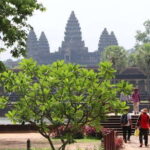
Your day begins at about 8:00 am with pickup in an air-conditioned vehicle. The first practical win is going together to the Angkor Wat Ticket Office, where you pay and receive the Angkor Pass you need for entry. The Angkor Pass is required and costs $37 per person, and it’s not included in the $99 tour price.
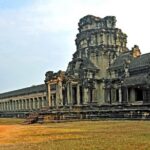
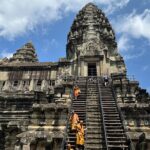
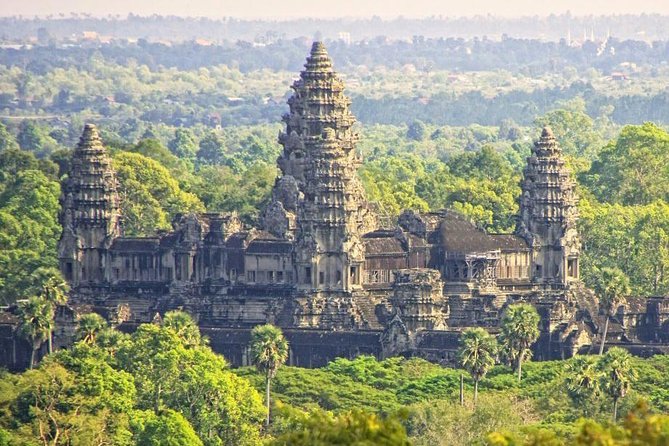
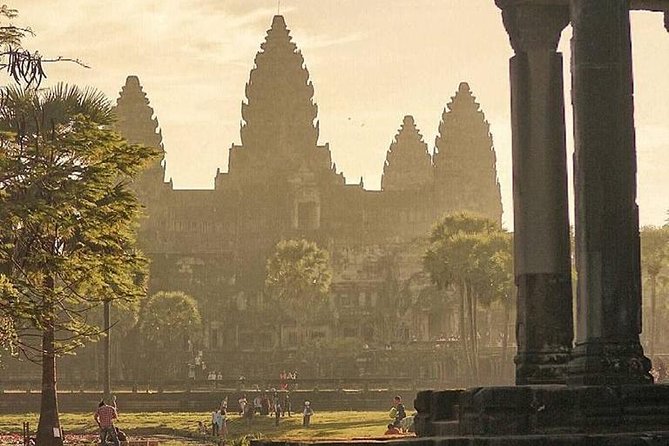
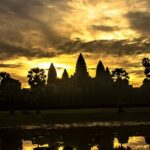
Angkor Wat is also where having a guide really pays off. Left on your own, it’s easy to admire and wander but miss the layout and the visual story. With a guided plan, you’re more likely to understand why certain views matter and how the space guides your eye.
You’ll spend about 3 hours on Angkor Wat. That’s enough time to do the main areas without turning it into a speed run. It also gives you a chance to slow down at the moments that feel symbolic rather than just scenic.
One small consideration: Angkor temples have dress rules. You’re only permitted to wear trousers or a knee-length skirt/dress. If your plan is shorts and a T-shirt, you’ll want to change before you arrive at the sites.
Angkor Thom South Gate and Bayon: Seeing the Human Scale
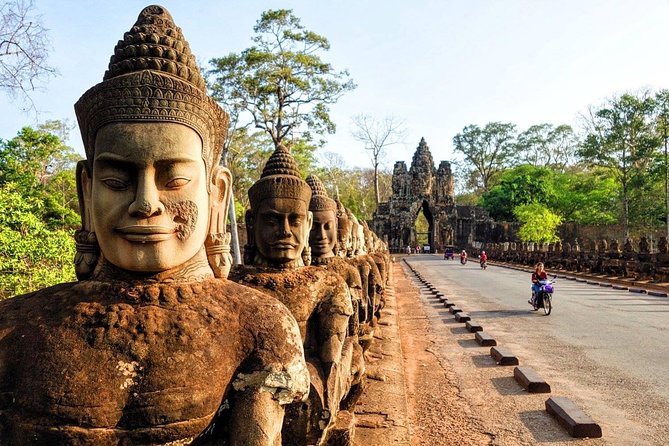
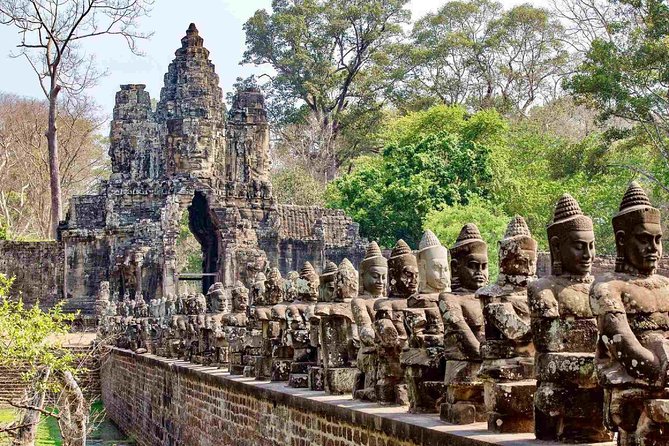
After Angkor Wat, the tour moves into Angkor Thom. First up is the South Gate, where you can appreciate the sheer scale of the walls—massive, with serious height and thickness. The time here is brief (around 30 minutes), but it’s a useful warm-up because it sets the tone for the complex inside.
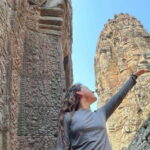
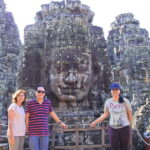
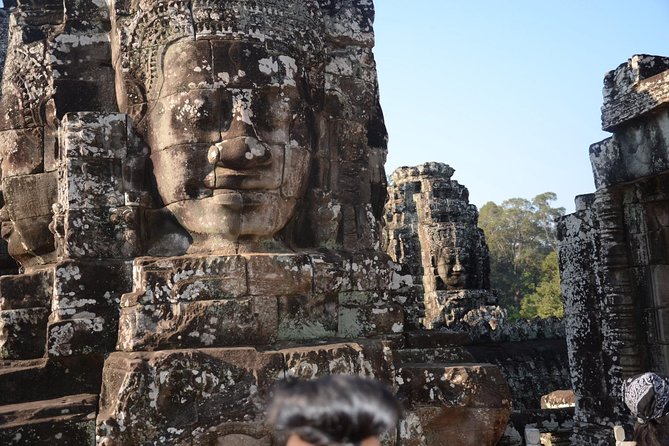
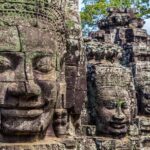
Then you go to Bayon, centered on richly decorated Khmer temple architecture. Bayon is associated with the state temple of Mahayana Buddhist King Jayavarman VII, built in the late 12th or early 13th century. That date range is more than trivia—it helps you read the place as a product of a specific reign and style, not just an “ancient landmark.”
You’ll spend about 45 minutes at Bayon, which is usually the sweet spot for getting the big features without getting temple fatigue. The carvings and faces can feel overwhelming in a self-guided visit, especially when you’re trying to translate what you’re looking at. A guide helps you know what to focus on first.
Practical note: the itinerary has ticket fees for temples listed as not included. So you’ll be thinking about the Angkor Pass, and you’ll already have it in hand from the earlier ticket office stop.
The Terrace Stops: Elephants and the Leper King in Context
Next come two of the more “story-like” stops: the Terrace of the Elephants and the Terrace of the Leper King. The itinerary groups this time as about 1 hour total, and it’s one of those segments where pacing matters.
The Terrace of the Elephants served as a platform from where the king could welcome back a victorious army. That’s a useful detail because it changes how you look at the terrace. You’re not just viewing stone steps; you’re imagining ceremony, movement, and public power.
Then there’s the Terrace of the Leper King, known for detailed carvings. Even if you don’t know every icon or figure, you’ll get more out of it if you understand what kind of space it was. It wasn’t meant for casual strolling—it was meant for meaning.
This is also where I like a guide who stays organized. If you’re left to wander, you can end up just looking at the biggest carvings and skipping half the story. With a set order, you’re more likely to see the main sections in the time you have.
Ta Prohm: When the Jungle Became the Co-Host
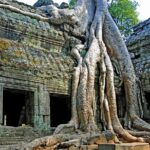
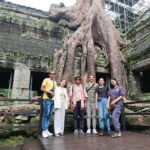
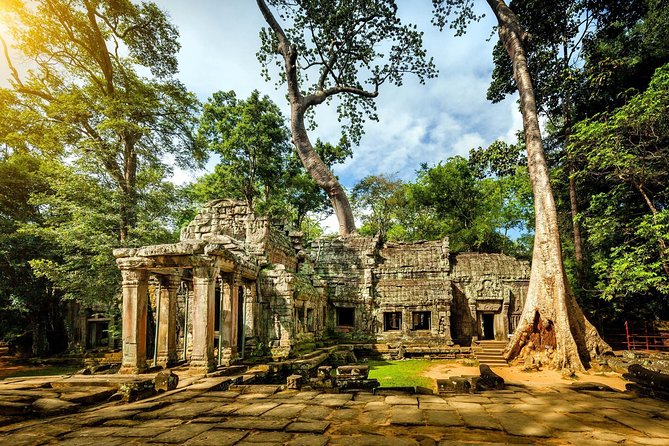
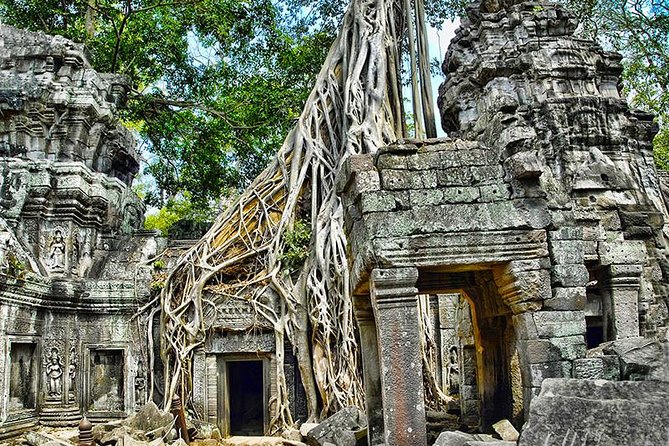
Ta Prohm is the stop where you see why Angkor doesn’t feel like a dead museum. The tour explains that Ta Phrom was built in the 12th century and was controversially left to the destructive power of the jungle by French archaeologists to show how nature can take over.
You’ll spend about 1 hour here. That’s long enough for the famous tree-root scenes and also for noticing the way the architecture frames the growth—columns, walls, and doorways that make the jungle look arranged, even when it’s not.
Just be honest with yourself: Ta Prohm is popular. That means crowds can affect your enjoyment and photos. The time is set, so you can still enjoy it without turning it into a waiting game.
Dress rules still apply. Knees and shoulders covered is the expectation. The tour requires trousers or a knee-length skirt/dress, and it’s not the time to improvise at the gate.
Kampong Phluk on Tonlé Sap: A Boat Ride That Changes Your Perspective
Day two starts again with pickup around 8:00 am, driving about 45 minutes to the countryside. Then you reach the quay and board a local boat for about a 1.5-hour ride to the lake area.
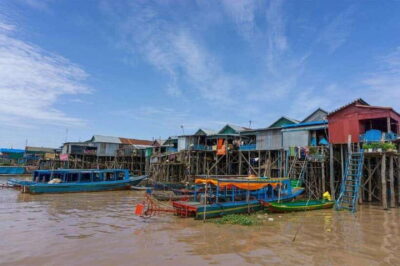
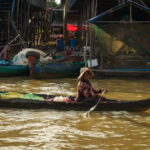
The stop is Kampong Phluk Floating Village, and the real value here is the guided visit to a way of life tied to the water. Angkor is about stone and time depth; Tonlé Sap is about movement, seasonal changes, and everyday routines shaped by the lake.
This boat segment is also where the tour earns its price. The itinerary calls for a private boat trip at Tonlé Sap Lake and lists a Tonlé Sap admission ticket as included for the day’s lake stop. In plain terms: you’re paying for transport plus the lake time, not just for a drive and a snack break.
Cold bottled water is included in the car on the Angkor side, and it’s the kind of comfort detail that matters in Cambodia’s heat. On the water day, you’ll still want to plan for sun and warmth, because you’ll spend time outside.
Price and Value: $99 Plus the Angkor Pass
Let’s talk math, because this tour’s headline price can feel too simple.
The tour price is $99 per person, and that includes:
- an experienced English-speaking guide
- hotel pickup and drop-off
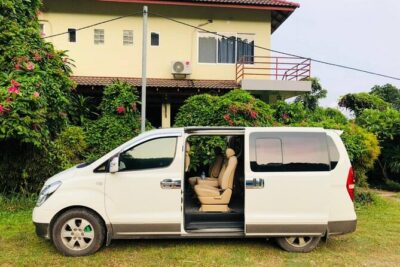
- a private air-conditioned vehicle
- the private boat trip at Tonlé Sap Lake
- cold bottled water on the car
It does not include:
- the Angkor Pass (required) at $37 per person
- food and drinks
- travel insurance
So for budget planning, you should assume at least $136 per person before meals. Meals aren’t included, and that’s standard for a tour like this. But the big ticket item you must plan for is the Angkor Pass.
Where I see the value is in the combination. Two days with guided interpretation at multiple major sites plus a boat day adds up quickly if you try to piece it together. Also, the private format reduces stress: only your group participates, and you’re not stuck waiting on other parties.
Timing, Comfort, and Dress Rules That Keep You Out of Trouble
The itinerary is set up around starting early. That matters for two reasons: temple heat and crowd momentum. Starting at 8:00 am gives you a better chance to enjoy the sites before the day gets too sticky.
The tour also includes practical restrictions: only trousers or a knee-length skirt/dress is permitted. If you pack the wrong clothes, you’ll either miss time or scramble at the last second. I’d treat this as a checklist item, not a suggestion.
It’s also described for moderate physical fitness. That usually means you’ll be walking and standing at temples and moving between stops, but you shouldn’t expect intense hiking. Still, Angkor can be uneven underfoot, and the terraces involve steps, so bring a calm pace.
Another small but helpful detail: the tour uses a mobile ticket. That’s one less thing to manage, especially when you’re already thinking about the Angkor Pass and where to go next.
Who This Tour Fits Best (and Who Might Want More Time)
This works best for first-timers to Siem Reap who want structure. You get Angkor Wat plus major surrounding stops, then a distinct change of scenery with Tonlé Sap.
It’s also a good fit for groups who value private transport and smoother pacing. If you’ve done a shared group tour before, you know how often the day becomes about other people’s timing. Here, the private format keeps the day under your control.
Families can consider it too, as long as children are accompanied by an adult. That’s clearly part of the rules, and it matters for planning the right expectations.
If you’re the type who hates scheduled stops and wants hours of free roaming, you might find two days a bit tight. But if you prefer knowing you’re hitting the core highlights with a guide to guide your eyes, this plan is built for you.
Should You Book This 2-Day Best of Angkor Wat and Tonlé Sap Tour?
I’d book it if you want a well-paced best-of plan with the heavy lifting handled. The mix of Angkor Wat, Angkor Thom stops, Ta Prohm, and a guided Tonlé Sap boat-and-floating-village day is a strong combo for most visitors.
I’d also book it if you’re traveling with limited time and want your money to buy more than entry tickets. The guide time, private vehicle, and lake boat trip are the real value drivers here.
I would hesitate only if you’re on a tight budget and don’t want to add the Angkor Pass fee. The $99 is just the tour; the $37 per person Angkor Pass is a required add-on. If that extra cost makes you uneasy, you might look for a different format that clarifies entry fees differently.
If you go, bring the right clothes for temples and plan for heat and walking. Do that, and you’ll come away with a sense of place that feels bigger than one famous temple photo.
FAQ
What’s included in the $99 per person price?
The price includes an experienced English-speaking guide, hotel pickup and drop-off, a private air-conditioned vehicle, a private boat trip on Tonlé Sap, and cold bottled water on the car.
What’s not included in the tour price?
Entrance fees are not included. You’ll need the Angkor Pass (required) at $37 per person, plus you’ll pay for food and drinks and any travel insurance.
Do I need to buy the Angkor Pass during the tour?
Yes. You’ll go to the Angkor Wat Ticket Office early in the day to pay and receive the Angkor Pass, which is required.
What time does the tour start?
Day 1 starts with pickup around 8:00 am in Siem Reap, and Day 2 also has pickup around 8:00 am.
Is this tour private or shared?
It’s a private tour/activity, meaning only your group participates.
What temples have dress rules?
The tour requires that only trousers or a knee-length skirt/dress is permitted.
How long is the boat ride on Tonlé Sap?
The boat trip is about 1.5 hours from the quay to the lake area for the Kampong Phluk floating village visit.
Is this tour okay for kids?
Children must be accompanied by an adult.
What’s the cancellation policy?
Free cancellation is available up to 24 hours in advance for a full refund. If you cancel less than 24 hours before the start time, the amount paid is not refunded.