REVIEW · SIEM REAP
3-Day Angkor Wat & All Interesting Temples With Beng Mealea
Book on GetYourGuide →Operated by Happy Angkor Tour Cambodia · Bookable on GetYourGuide
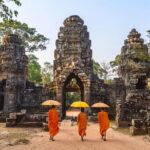
Angkor hits different at dawn. I loved how this private 3-day plan balances the big-name sights with real temple mood, and I also liked the way my English licensed guide (for me it was Chhay) translated Khmer history into what you actually see on the stone. One thing to plan for: the temples pass is an extra cost, and the schedule includes early mornings plus lots of walking.
The best part is the human touch. With guides like Lonn Thou and drivers like Bunhay, the day feels controlled—air-conditioned comfort when you’re moving, then you’re dropped at strong viewpoints and key story spots when you’re inside the ruins. Your pace can flex, which helps if you hate rushing or you just want more time staring at the details.
In This Review
- Key Highlights You’ll Actually Feel
- Why This 3-Day Angkor Route Works Better Than a Rush Tour
- Day 1: Angkor Wat First, Then Ta Prohm, Angkor Thom, and a Phnom Bakheng Sunset
- Day 2: 5:00am Angkor Wat Sunrise + Big Circle Temples Through the Countryside
- Day 3: Roluos Group Classics in a Small Town, Then the Untouching Beng Mealea Jungle Temple
- Guides, Transport, and Comfort: The Little Things That Add Up
- Price and Value: $224 Plus the Temple Pass Reality Check
- Who Should Book This Tour (and Who Might Want Something Else)
- Should You Book It? My Straight Answer
- FAQ
- FAQ
- What does the tour price include?
- Are meals included?
- How much are the temple passes?
- What time does pickup happen on day 1?
- Do you visit Angkor Wat at sunrise?
- Which temples are included in the Small Circle on day 1?
- Which temples are included on the Big Circle and later day 2 stops?
- What makes Beng Mealea different from other temples here?
- Do you visit Roluos Group on day 3?
- Can you change or skip the market stops on day 3?
Key Highlights You’ll Actually Feel
- Angkor Wat sunrise day 2: early start, then time for breakfast afterward or a meal nearby if your hotel doesn’t include it.
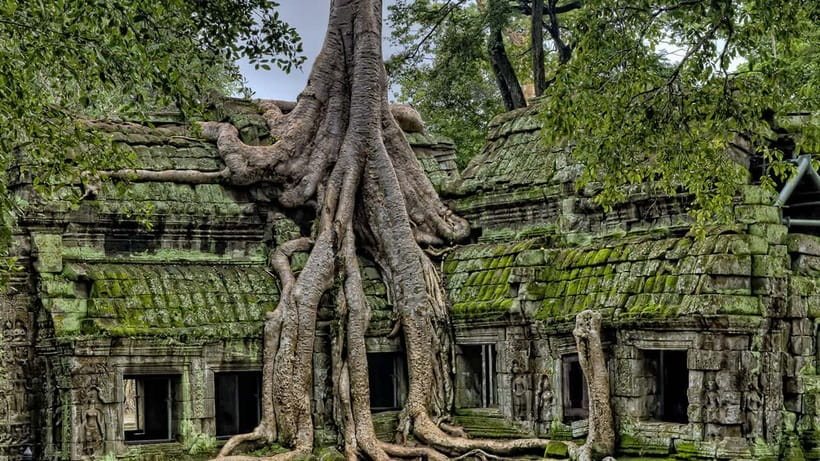
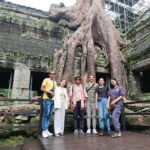
- Ta Prohm’s movie-famous roots: you’ll see why it became the setting for Tomb Raider, with giant tree pressure in the stone.
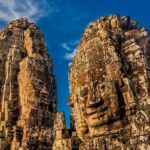
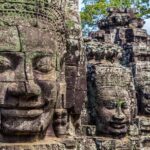
- Angkor Thom walk-through: a long circuit with Bayon’s 49 towers and the smiling faces that guide your eye.
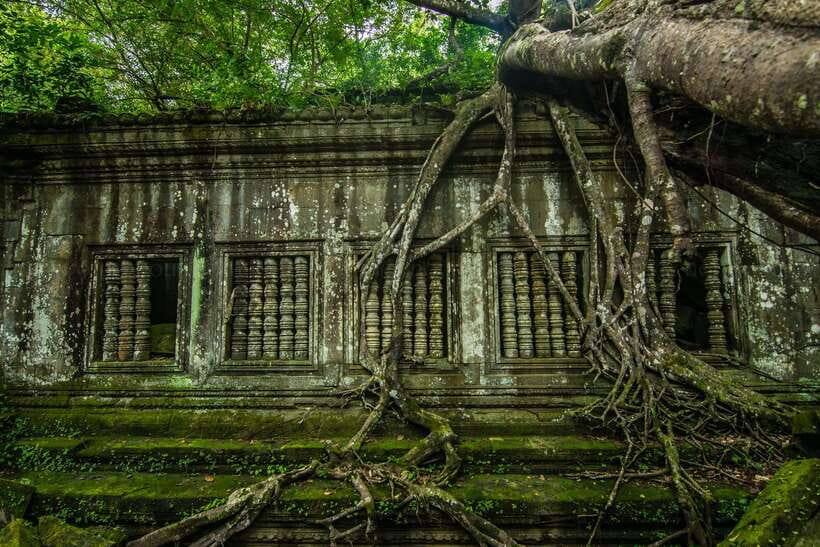
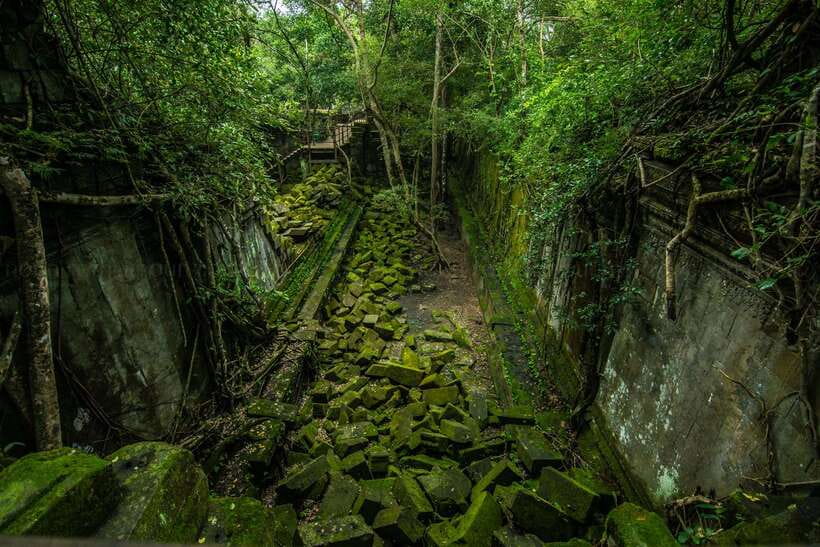
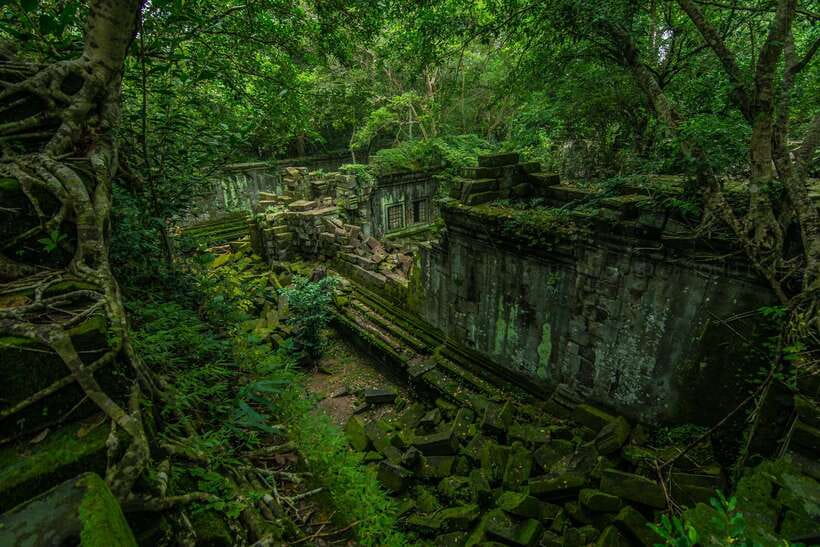
- Beng Mealea stays untamed: little restoration, heavy jungle cover, and a raw feel unlike the more polished temples.
- Sunset from Phnom Bakheng: a classic payoff after a big day of exploring.
- Private timing with an English licensed guide: when you want slower or different, it’s easier to adjust.
Why This 3-Day Angkor Route Works Better Than a Rush Tour
This tour is built around the reality of Angkor: it’s huge, hot, and very easy to do badly. By using a private group with an English licensed guide, you get two practical wins. First, you’re not locked into the same pace as strangers. Second, your guide can focus you on what matters so you don’t end up taking photos of random stone blocks.
You’ll also notice the rhythm they use: temples early, midday refuel with a local lunch break, then another block of ruins. Day 1 and Day 2 mix major highlights with “read-the-stone” stops, so the story builds instead of repeating itself.
And yes, it’s still a lot. You should expect long sightseeing days, especially if you add extra time inside the most popular areas. If you hate early starts, the sunrise component will be the toughest part.
You can also read our reviews of more tours and experiences in Siem Reap
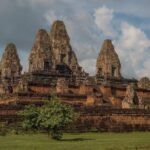
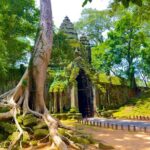
Day 1: Angkor Wat First, Then Ta Prohm, Angkor Thom, and a Phnom Bakheng Sunset
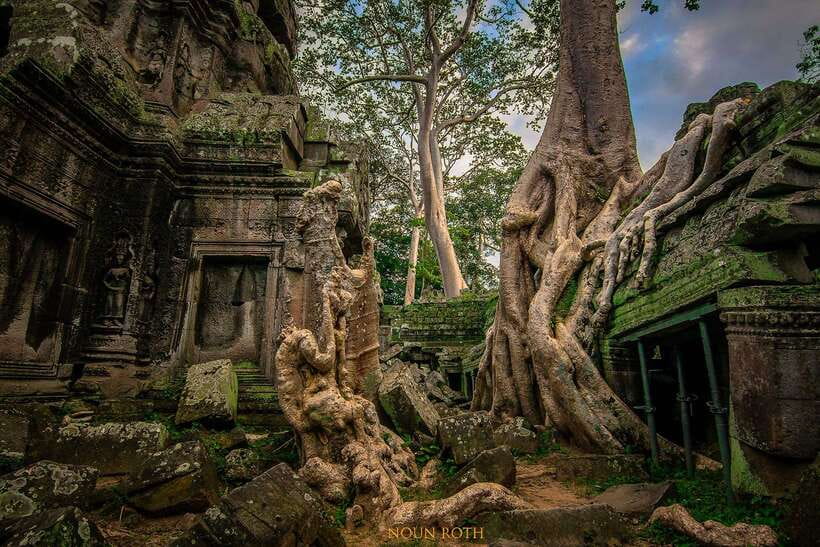
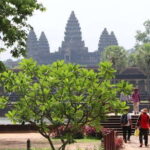
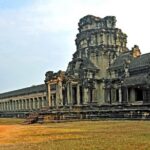
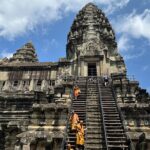
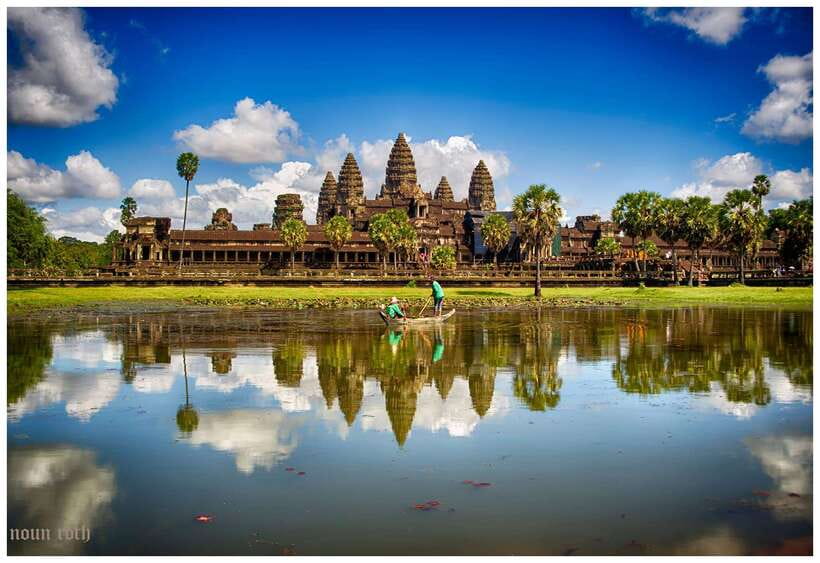
Day 1 starts with hotel pickup at 8:00am, then you head straight to Angkor Wat, the largest religious temple built in the 12th century. Expect a few hours here to get your bearings. This isn’t just “go see the famous structure”—it’s the anchor for your whole trip because many later temples feel like responses to this design and sacred layout.
After Angkor Wat, you move into the Small Circle. The big draw is Ta Prohm, the jungle temple known for those dramatic tree roots and often tied to the Tomb Raider movie look. This is one of the most photogenic stops, but it’s also more interesting than the photos suggest: the roots and overgrowth change how you walk through the ruins and how the space feels.
Midday you’ll take lunch around 12:30pm at a local restaurant, which is a smart reset before the afternoon temple walk.
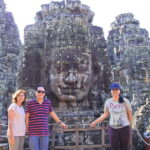
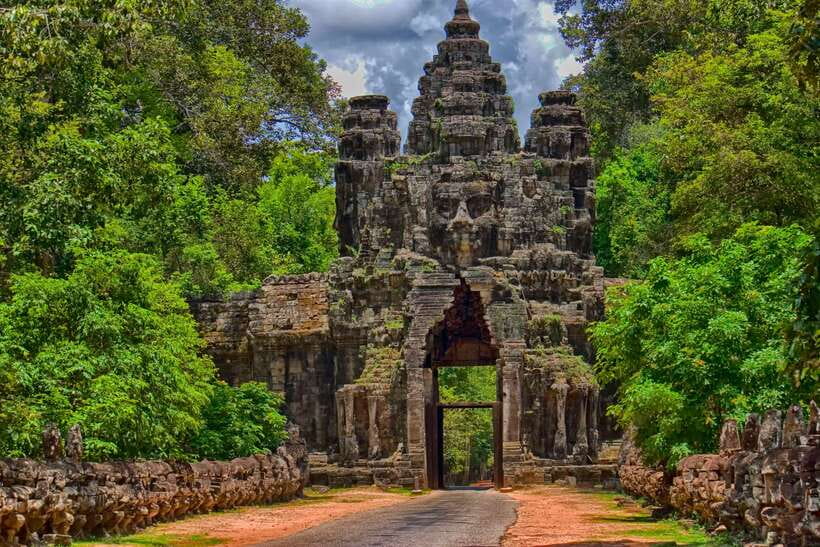
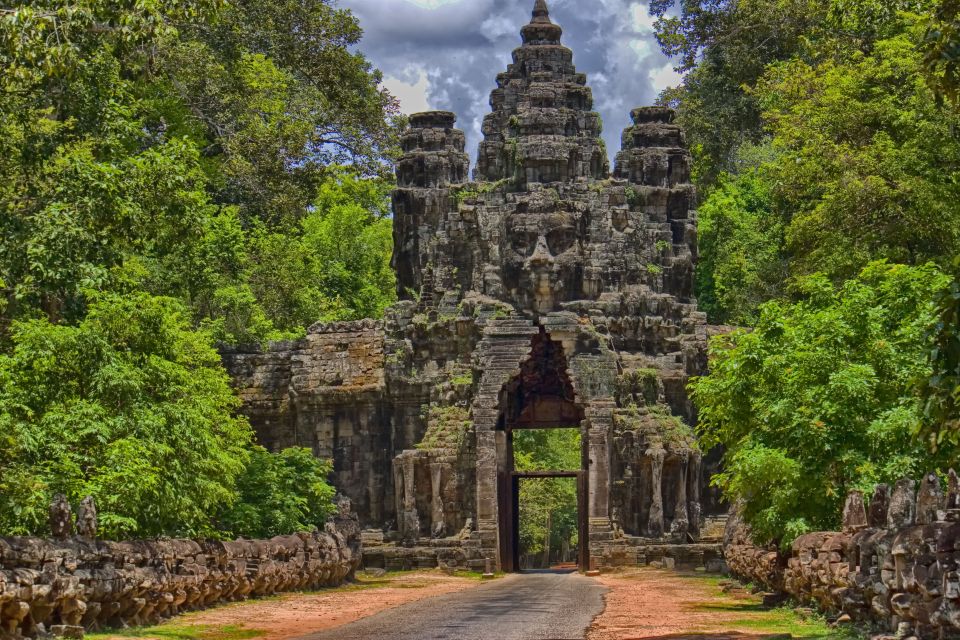
Then it’s into Angkor Thom (the city of Angkor Thom), starting from the Victory or Death gate. From there, you go toward the center to see Bayon, famous for its 49 towers with four smiling faces on each. This part works well with a guide because it helps you track the layout as you move, so Bayon feels like a place you understand—not a view you pass through.
Nearby you’ll also see Baphoun, and behind it there’s a large reclining Buddha viewpoint. After that comes a “walk and connect the dots” stretch: Royal Enclosure Wall, Phimeanakas, Elephant Terrace, Leper King Terrace, and Palilay.
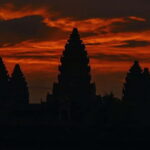
The day ends with a sunset from Phnom Bakheng, typically with your return to the hotel around 6:00pm–7:00pm. Sunset is the emotional payoff—after hours of stone and shade, the light changes everything. If you burn out early, you’ll still get something meaningful out of the final viewpoint.
Day 2: 5:00am Angkor Wat Sunrise + Big Circle Temples Through the Countryside
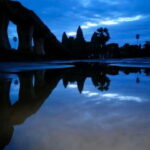
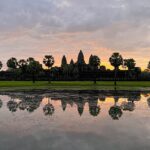
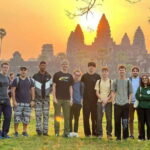
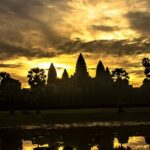
Day 2 is the one you plan for now, not later. The tour starts at 5:00am for sunrise at Angkor Wat. If you’ve ever wondered why people keep talking about it, sunrise is usually the answer. Even without chasing perfect Instagram angles, the quiet before the crowds makes Angkor feel more like a lived sacred space and less like an outdoor museum.
After sunrise, you may be taken back to your hotel for breakfast if your hotel includes it. If not, you’ll have a breakfast break at a nearby restaurant.
Then you shift to the Big Circle. This loop is where the trip stops feeling like a greatest-hits album and starts feeling like a Khmer empire map. Key stops include:
- Prah Khan
- Neak Poan
- Ta Saom
- East Mebon
- Pre Rup
Midday lunch comes again around 12:30pm. You’ll want this. By this point the day’s heat and walking add up, and lunch is what keeps you from turning your afternoon into a survival mission.
After lunch, the scenery changes. You drive over 30km through village and rice-paddy field countryside, which is a welcome break from only temple views. Then you reach Banteay Srei, often called the Ladies temple. It’s built from pink sandstone and dedicated to the trinity gods in Hindu tradition, with a strong focus on Shiva.
From there you’ll continue to:
- Banteay Samre
- Banteay Kdei
You should finish back at your hotel around 4:00pm–5:00pm. That earlier finish compared to Day 1 is useful if you want energy for dinner or a relaxed evening stroll.
Day 3: Roluos Group Classics in a Small Town, Then the Untouching Beng Mealea Jungle Temple
Day 3 starts after breakfast and has two very different halves.
First: Roluos Group in a modern small town on the east side of Siem Reap. You visit Lolei, Prah Ko, and Bakong. This area matters because it links Angkor to earlier Khmer capital history—once the seat of Hariharalaya, the first capital of the Khmer Empire north of Tonlé Sap. It’s also a nice contrast to the more famous Angkor Wat zone because these structures are among the earliest permanent Khmer temple structures in the region.
Then you take a long drive—more than one hour—out to Beng Mealea.
Around 12:00pm you break for lunch first, then you visit Beng Mealea around 1:00pm. This is one of the most distinctive stops on the whole trip. It’s described as untouching and still original with no restoration yet, and it’s covered by jungle so heavily that many people call it the Indianajon temple. That untamed feel is the point. At Beng Mealea you don’t get “perfect postcard ruins.” You get something closer to what Angkor looked like before restoration and crowds turned it into a controlled experience.
On the way back to Siem Reap, you stop at local craft and market areas: Phsa Leur (local market), Old Market, and Artisan d’Angkor (known for traditional crafts like stone and wood carving, lacquering, gilding, and silk processing). If you don’t want the market portion, you can skip Old Market/Artisan d’Angkor and head back to your hotel to end the tour.
This structure—history early, jungle ruin mid-day, then cultural stops—makes Day 3 feel like you’re seeing Cambodia beyond only temple photography.
Guides, Transport, and Comfort: The Little Things That Add Up
You’re mostly dealing with temples and heat, so comfort isn’t luxury—it’s how you keep your energy for the next hour.
This tour includes an English licensed guide, plus A/C vehicles with a driver. You also get cool drinking water and towels, which sounds minor until you’re walking in strong sun and your day has started before breakfast.
Parking fees and road tolls are included too, so you’re not doing math at the curb while your guide is trying to keep you moving.
From the experience quality side, the guide focus is what stands out. In my case, Chhay guided us to strong viewing angles and helped with photo spots that didn’t feel jammed. Similar care shows up with guides like Lonn Thou (and driver Bunhay), who kept the tour adjusted to comfort and pacing, and even added extra language if you happen to speak Spanish.
Price and Value: $224 Plus the Temple Pass Reality Check
The listed price is $224 per person for 3 days, with hotel pickup/drop-off, an English licensed guide, water/towels, and the A/C vehicle/driver.
But the main extra cost is the temples pass. It’s $62 per person for a 3-day pass (children under 12 are free). Meals (breakfast/lunch/dinner) aren’t included either.
So what are you really paying for? In practical terms:
- You’re paying for time saved. Someone is driving you, planning the route, and keeping your order of stops logical.
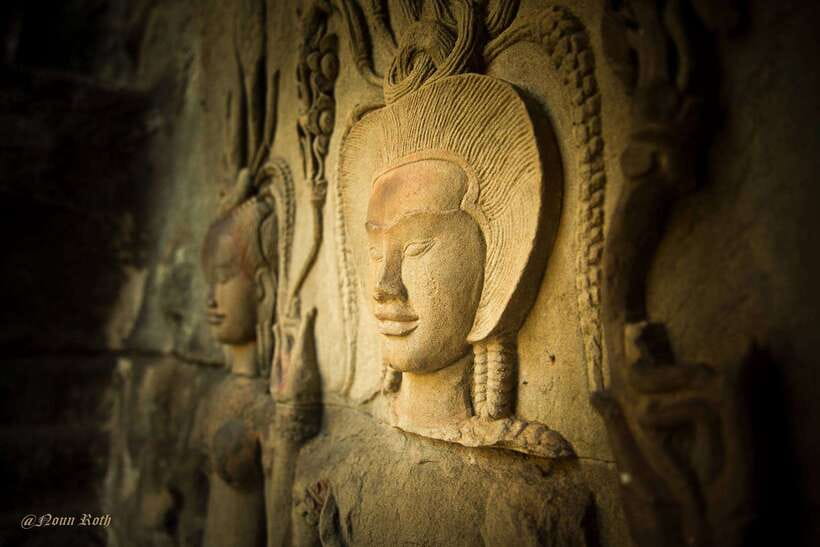
- You’re paying for explanations. A good guide helps you see what each temple was built to do and how the empire story fits together.
- You’re paying for comfort buffers: water, towels, and A/C between stops.
If you were to DIY this with separate transport and a lot of map work, the value can disappear fast. If you’re already comfortable budgeting for the temple pass and you want a guide to make the ruins readable, this price structure usually makes sense.
Who Should Book This Tour (and Who Might Want Something Else)
This tour fits best if:
- You want the major Angkor highlights plus Beng Mealea without turning it into a logistics puzzle.
- You value a licensed English guide and want context, not just a list of names.
- You like having flexibility because it’s a private group.
You might want to think twice if:
- You hate early mornings. Day 2 starts at 5:00am.
- You’re very price-sensitive. The temple pass is extra, and meals aren’t included.
If you’re the type who enjoys pacing yourself and learning what you’re seeing, this is a strong fit.
Should You Book It? My Straight Answer
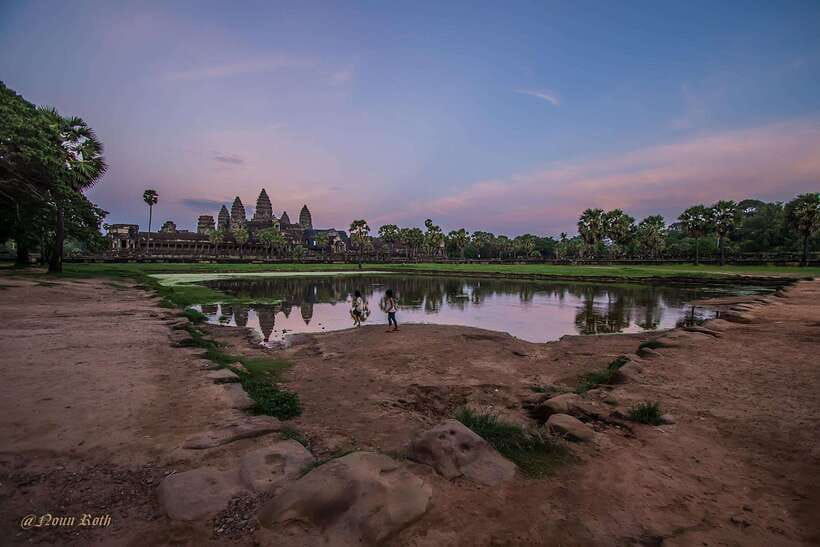
Yes, I’d book this if you want a guide-led Angkor experience that includes both the famous big temples and the more chaotic-feeling jungle ruins. The value comes from the full three-day shape: early light at Angkor Wat, a structured temple circuit, then Beng Mealea for that untamed contrast.
If you’re planning a short stay and you don’t want to negotiate transport or timing day-by-day, the private setup makes life easier. Just budget for the $62 temple pass and expect walking days that start early.
FAQ
FAQ
What does the tour price include?
It includes hotel pickup and drop-off, an English licensed guide, cool drinking water and towels, parking fees and road tolls, and an A/C vehicle with a driver.
Are meals included?
No. Meals (breakfast, lunch, dinner) are not included.
How much are the temple passes?
You need a temples pass of $62 per person for a 3-day pass. Children under 12 are free.
What time does pickup happen on day 1?
Day 1 pickup is at 8:00am. You should wait in the hotel lobby about 10 minutes before the scheduled pickup.
Do you visit Angkor Wat at sunrise?
Yes. Day 2 starts at 5:00am for sunrise at Angkor Wat.
Which temples are included in the Small Circle on day 1?
Angkor Wat, Ta Prohm, Ta Nei, Bayon in Angkor Thom, Baphoun, Phimeanakas, Elephant Terrace, Leper King Terrace, Palilay, plus sunset at Phnom Bakheng.
Which temples are included on the Big Circle and later day 2 stops?
On day 2 you visit Prah Khan, Neak Poan, Ta Saom, East Mebon, Pre Rup, then later Banteay Srei, Banteay Samre, and Banteay Kdei.
What makes Beng Mealea different from other temples here?
Beng Mealea is described as untouching and original, with no restoration yet, and it’s covered by jungle, which is why people sometimes call it the Indianajon temple.
Do you visit Roluos Group on day 3?
Yes. You visit Lolei, Prah Ko, and Bakong, and the tour notes this area as connected to the early Khmer capital of Hariharalaya.
Can you change or skip the market stops on day 3?
Yes. You can visit Phsa Leur, Old Market, and Artisan d’Angkor, or if you don’t want the Old Market/Artisan d’Angkor portion, you can go back to your hotel and finish the tour.