REVIEW · SIEM REAP
Angkor Wat Sunset In Private and Small-In-Group
Book on GetYourGuide →Operated by Angkor Happy Tour by Pitt Angkor Tour · Bookable on GetYourGuide
Angkor at golden light feels different. This small-group Angkor Wat sunset tour strings together the key sights with a real guide and enough pacing to enjoy them, not just rush through. You’ll move from the big temple gate scenes to jungle-grown stones and end with a view over Siem Reap from Phnom Bakheng.
I especially like the professional English guide focus. You get stories and clear descriptions at Bayon, Ta Prohm, and Angkor Wat, plus the kind of practical help that makes photos come out better. I also like the comfort touches: A/C transport, cool water, and towels for a long temple day.
One consideration: you still need the Angkor pass, and lunch is on your own. If you don’t plan for that, the final cost and hunger timing can surprise you.
In This Review
- Key things I’d plan around
- Why this sunrise-to-sunset temple day actually works
- Getting picked up in Krong Siem Reap and staying comfortable
- Angkor Thom walls: Bayon faces and the feeling of scale
- Ta Prohm: the jungle path and the Tomb Raider vibe
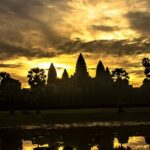
- Angkor Wat at sunrise: where your attention should go
- Phnom Bakheng sunset with a peak crowd cap
- Price and value: $20 tour plus the Angkor pass you must plan for
- What’s actually special about this route (beyond famous names)
- Who this tour suits best
- Photo tips and timing that make a real difference
- Quick reality check: what you should bring
- Should you book this Angkor Wat sunset tour?
- FAQ
- How long is the Angkor Wat sunset tour?
- What is included in the price?
- Do I need an Angkor pass?
- Is lunch included?
- What group size should I expect?
- What language is the guide?
- Is hotel pick-up included, and where do I wait?
- Does the tour include breakfast?
- What is the cancellation policy?
- Is Angkor Happy Tour by Pitt Angkor Tour the operator?
Key things I’d plan around
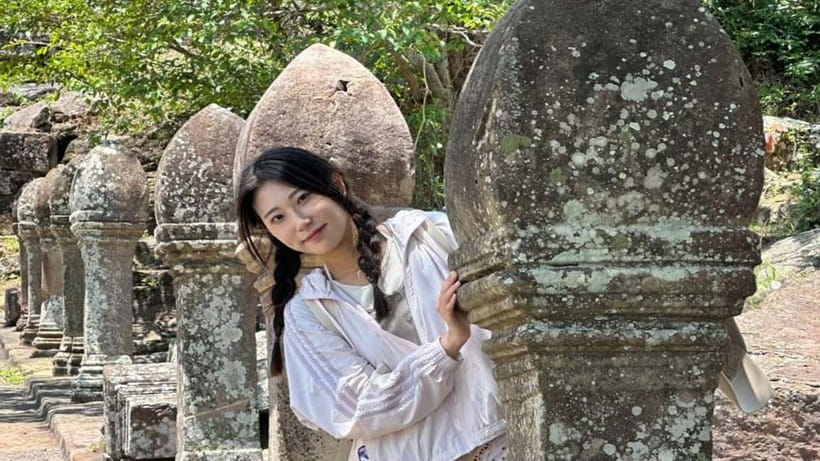
- Small group limit (14 max) keeps the day more human when crowds spike.
- Phnom Bakheng peak cap (300 people) shapes the schedule so you get time at each stop.
- Angkor Thom + Bayon means you’re looking at the faces and gates that define the complex.
- Ta Prohm with a jungle walk gives you that tree-and-stone contrast in a manageable way.
- Sunrise at Angkor Wat plus sunset later gives you both moods of the same sacred zone.
- Breakfast included (with vegetarian option) helps you start strong before temple time.
Why this sunrise-to-sunset temple day actually works
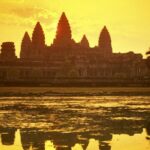
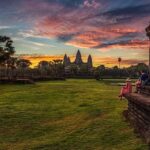
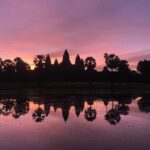
Angkor can feel overwhelming. The smart part of this tour is the pacing across two lighting “chapters.” First, you get Angkor Wat in the morning light (the schedule includes a guided sunrise visit). Later, you return for the sunset viewpoint from Phnom Bakheng.
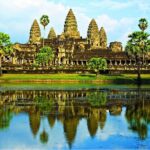
That mix matters because Angkor Wat and Phnom Bakheng aren’t just different locations. They create different viewing styles. Morning at Angkor Wat is the quieter, more architectural mood—where symmetry, towers, and causeway lines do the talking. Sunset from Phnom Bakheng shifts the focus to atmosphere: layered silhouettes, sky color, and a broad look across the area.
The day also takes crowd rules seriously. Phnom Bakheng has a peak limit of 300 people, so the tour keeps the number of temples on your route smaller than a typical “see everything” day. In plain terms: you spend less time sprinting and more time actually seeing.
You can also read our reviews of more private tours in Siem Reap

Getting picked up in Krong Siem Reap and staying comfortable
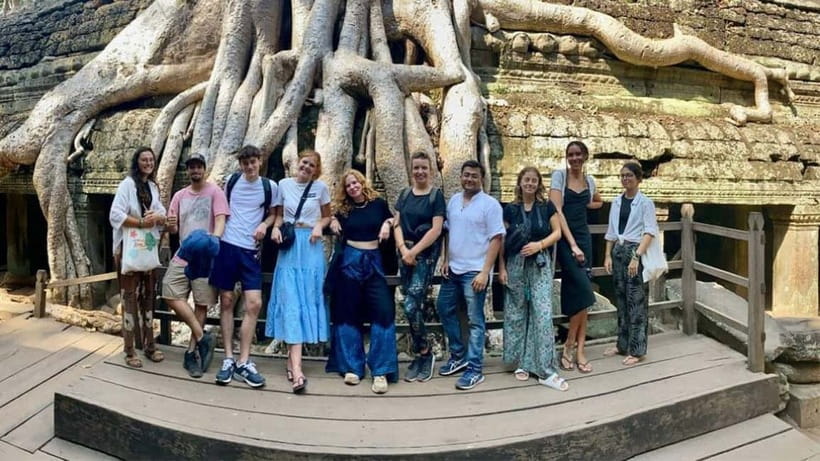
This is built for a full day away from your hotel without turning you into a sweaty zombie. Pickup and drop-off are included in Krong Siem Reap, and you’ll ride in an A/C minivan or minibus.
Two practical details I like:
- You receive cool bottled water and towels, which is genuinely useful after sun and walking.
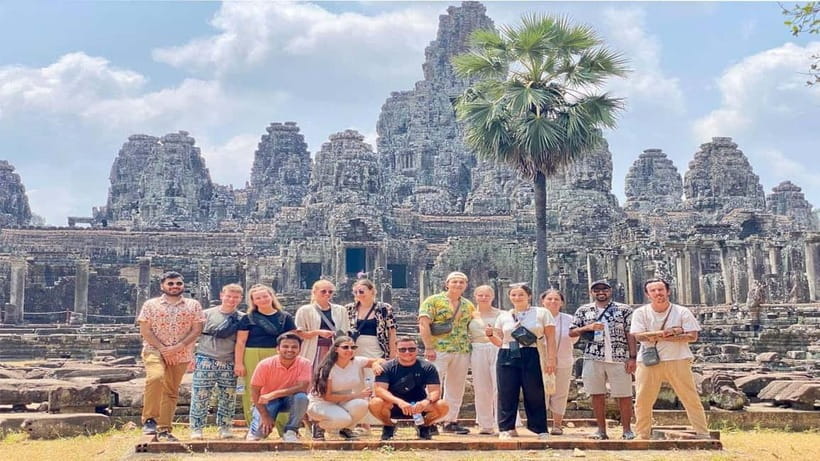
- The group stays small—up to 14 participants—so the guide can keep a steady pace and answer questions without constant regrouping.
Pickup is also straightforward: you wait in the hotel lobby about 10 minutes early, and the driver holds a sign with your last name.
If you hate unclear logistics, this part lowers your mental load. If you’re traveling with someone who wants fewer surprises, that’s another win.
Angkor Thom walls: Bayon faces and the feeling of scale
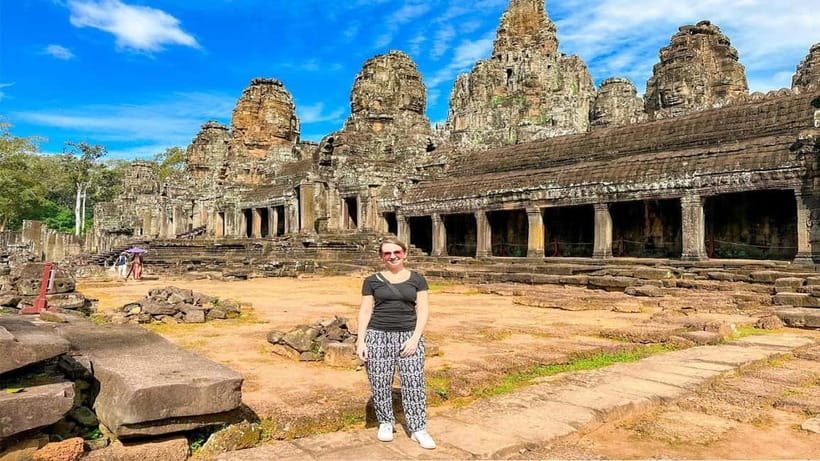
Angkor Thom is one of those places where the first reaction is usually size. The city is wrapped by massive walls and gates, and this tour spends real time inside that boundary—so you’re not just passing by.
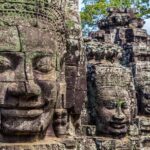
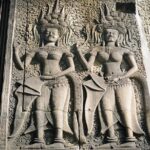
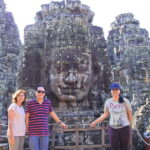
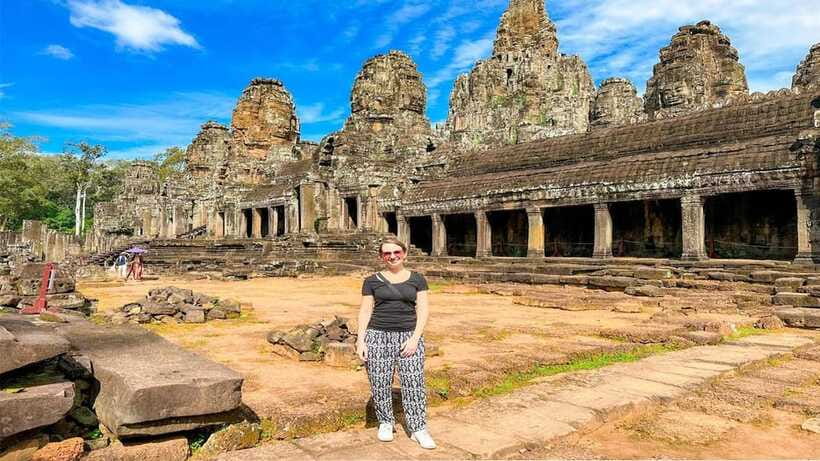
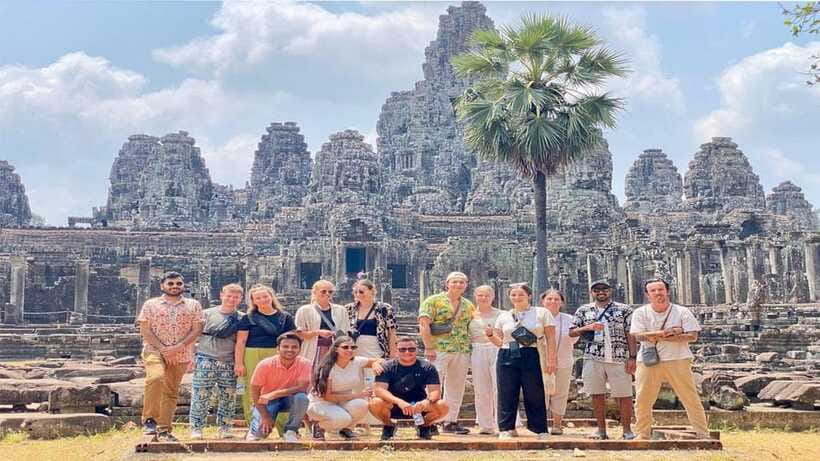
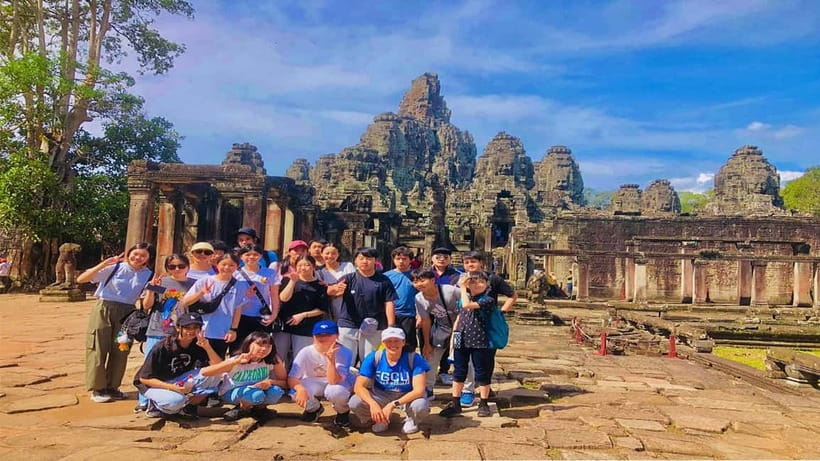
You’ll start with Angkor Thom, then focus on Bayon Temple. Bayon is famous for its faces, and the guide-led format is where you get more out of it than just photo ops. With a guide describing what you’re looking at, you’ll have a better sense of how the temple layout connects to the broader story of Angkor Thom.
Why this works for you:
- If it’s your first time at Angkor, Bayon gives you a strong “anchor.” You can mentally map the complex faster later because you’ve already seen one of the key visual motifs.
- If you’re returning to Angkor, Bayon’s carvings and architectural choices become easier to notice when someone points out what matters.
Possible drawback: like most Angkor temple visits, you’ll be on your feet in direct sun at parts of the day. Bring a hat and plan to take short pauses when the light is harsh.
Ta Prohm: the jungle path and the Tomb Raider vibe
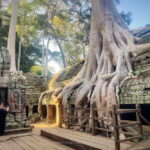
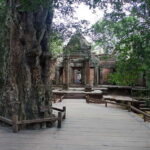
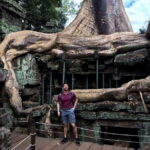
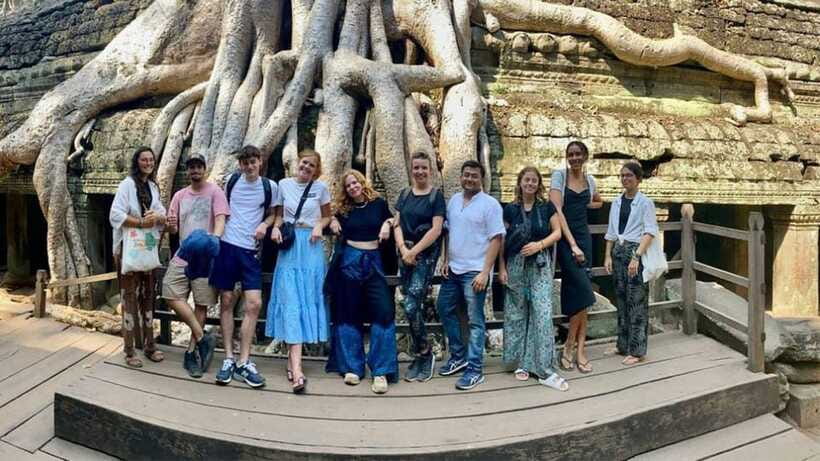
After the stone-heavy atmosphere of Bayon, the tour shifts into something more wild: Ta Prohm. This stop is specifically described as a stroll through lush jungle paths on the way in, and that matters because Ta Prohm isn’t just a temple—it’s a scene where nature and architecture constantly wrestle for attention.
You’ll spend about an hour in the Ta Prohm area with guided context. The guide’s job here is important. Without guidance, Ta Prohm can feel like a lot of similar “cool ruins.” With guidance, you start seeing the composition: where the trees catch the eye, how the temple corridors feel, and why certain views are worth stepping to.
The Ta Prohm experience is also a good tempo reset. If you’ve been focusing on symmetry and straight lines (hello Bayon), Ta Prohm gives you more irregular angles and layered textures. That variety keeps the day from going flat.
Angkor Wat at sunrise: where your attention should go
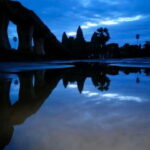
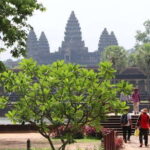
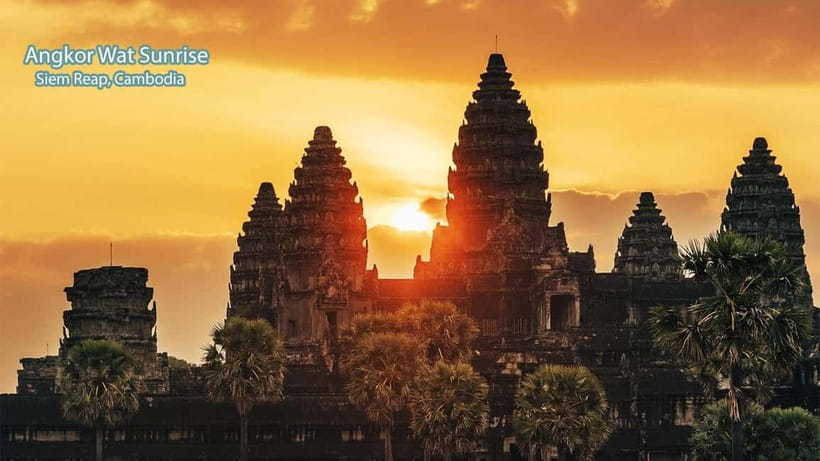
This tour includes a guided visit at Angkor Wat Sunrise for around two hours. Sunrise is not only about beautiful color. It also helps you avoid some of the biggest crowds and lets you focus while the grounds feel calmer.
I like that the tour keeps the Angkor Wat time guided. Angkor Wat is huge, and even when you know the name, it’s easy to miss the important sight lines. A guide helps you get orientated quickly: where to position yourself, what to look for first, and how the temple’s geometry creates those famous views people travel for.
Even if you’ve seen Angkor Wat photos online, sunrise is still worth it because the lighting changes the feel of the stone. Details pop differently, and the mood is quieter. You’re not just collecting images—you’re watching the complex come alive in steps.
Practical note: sunrise mornings can still be cooler early on, but once the sun climbs, it can warm fast. Plan for temperature swings.
You can also read our reviews of more evening experiences in Siem Reap

Phnom Bakheng sunset with a peak crowd cap
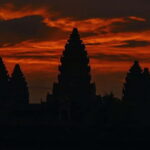
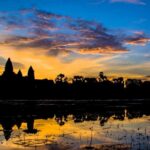
The final act is sunset from Phnom Bakheng, guided with a focus on viewing. This stop comes with a big operational constraint: Phnom Bakheng has a 300-person limit at the peak. That limitation shapes the tour strategy.
Here’s what that means for you as a practical traveler:
- The schedule is designed to keep you from arriving to a dead-end situation where you can’t find space or you lose the best light.
- Since the tour keeps temple count smaller to protect your time, you’re more likely to get the viewing window instead of being herded from one site to another.
What should you expect at the top? You’ll be in a viewing zone where the mood is all about sky color and silhouettes. The guide helps you choose where to look and how to time the best moments within the viewing period.
Possible drawback: it’s still a viewpoint at peak time, which means you’ll be around other people. If you hate any crowd at all, this isn’t the kind of place to guarantee solitude. But the structure around the 300-person cap is there to reduce frustration.
Price and value: $20 tour plus the Angkor pass you must plan for
The tour price is $20 per person, and that’s the part people often latch onto first. Here’s the value math that matters.
Included in the $20:
- Professional English-speaking guide
- A/C transportation (minivan/minibus)
- Hotel pick-up and drop-off
- Cool water and towels
- Breakfast, with a vegetarian option if you tell them in advance
Not included:
- Angkor pass (1-day): $37 per person
- Lunch and soft drinks
So your real total is the tour price plus the pass (and then whatever you eat for lunch). The guide and transport alone can easily justify a paid tour in Cambodia because Angkor days are logistically heavy—long distances, timed entry patterns, and the need to understand what you’re seeing.
Bottom line: if you already know you’re buying the Angkor pass anyway, this tour price looks like good value. The day gives you structured temple time with a guide and doesn’t force you to arrange transportation from scratch.
What’s actually special about this route (beyond famous names)
It’s easy to say you’ll see Angkor Wat, Bayon, and Ta Prohm. Lots of tours say that. The reason this one feels different is how it balances the day:
- You get Angkor Thom + Bayon + Ta Prohm as a coherent storyline before the final Angkor Wat experience in the morning slot.
- You’re not trying to cram in every temple possible. The schedule respects the Phnom Bakheng peak limit and protects time at each stop.
- The guide isn’t just walking you to spots. The emphasis is on descriptions and context, which helps you read the carvings and layout instead of only snapping pictures.
I also appreciate that the tour provides water and towels and includes breakfast. Those small support pieces matter on long temple days because they keep energy and focus steadier.
Who this tour suits best
This fits best if you:
- Want guided context at the major temples rather than exploring totally on your own
- Prefer a small group (up to 14) and a calmer pace
- Have a limited amount of time in Siem Reap and want sunrise-and-sunset highlights in one day
- Appreciate basic comfort during a long outing (A/C, water, towels, breakfast)
It might be less ideal if you:
- Hate all crowd situations, since you’ll be at major viewpoints at set times
- Plan to buy your own lunch and snacks anyway, because lunch is not included and soft drinks are not included
Photo tips and timing that make a real difference
This is an advice section I think you’ll actually use, because temple days are about timing.
- Go in with a plan for sunrise: once the light hits, it doesn’t wait. The guided sunrise portion helps you avoid spending the best minutes wandering.
- For Phnom Bakheng, think in terms of “best moments” not “constant looking.” The sunset window is short, and you’ll want to be positioned when the sky changes.
- Wear shoes you trust for uneven stone and steps. You’ll do a lot of walking, including a jungle path approach at Ta Prohm.
- If you’re sensitive to heat, ask the guide to help you choose the most shaded breaks during the transitions. The schedule is built for time at stops, so you won’t feel guilty taking a breath.
Quick reality check: what you should bring
The tour gives water and towels, plus breakfast. You still need your own basics:
- Sunscreen, hat, and sunglasses
- Comfortable, grippy shoes
- A small amount of cash for lunch since it’s not included
- Your Angkor pass planning sorted ahead of time
Should you book this Angkor Wat sunset tour?
I’d book it if you want the classic Angkor hits with a guide and you care about pacing. The small group size, English guidance, and the thoughtful approach to Phnom Bakheng’s 300-person limit are the strongest reasons. Add in A/C transport, breakfast, and the included water and towels, and the overall value looks solid for a day that covers sunrise and sunset.
Skip it only if you already plan to self-guide with your own transport and you’re comfortable figuring out the timing and viewing constraints on your own. Otherwise, this is a practical way to get the big sights without losing your day to confusion.
FAQ
How long is the Angkor Wat sunset tour?
The duration is 7 to 9 hours, depending on the starting time available.
What is included in the price?
The tour includes a professional English-speaking guide, A/C transportation, hotel pick-up and drop-off, cool bottle of water and towels, and breakfast (with a vegetarian option if you notify in advance).
Do I need an Angkor pass?
Yes. The Angkor pass for 1 day is not included, and it costs $37 per person.
Is lunch included?
No. Lunch and soft drinks are not included.
What group size should I expect?
It’s a small group limited to 14 participants.
What language is the guide?
The live tour guide is English.
Is hotel pick-up included, and where do I wait?
Yes, pick-up is included. You should wait in the hotel lobby 10 minutes before your scheduled time, and the driver will hold a sign with your last name.
Does the tour include breakfast?
Yes. Breakfast is included, and there is a vegetarian option if you let the provider know in advance.
What is the cancellation policy?
Free cancellation is available up to 24 hours in advance for a full refund.
Is Angkor Happy Tour by Pitt Angkor Tour the operator?
The experience provider is Angkor Happy Tour by Pitt Angkor Tour.