REVIEW · SIEM REAP
3-Day ‘Temples & Tonle Sap’ Tour
Book on Viator →Operated by Asia Voyage Tour · Bookable on Viator
Angkor in three days, done right. With hotel pickup and drop-off plus an English-speaking guide, you’ll cover the major Angkor sites and the Tonle Sap floating villages without wrestling with timing. I like that the itinerary mixes top-name temples with less-visited ruins, so the days feel full but not repetitive. One consideration: you’ll walk a lot and climb stairs, and the tour isn’t a fit if you can’t walk normally.
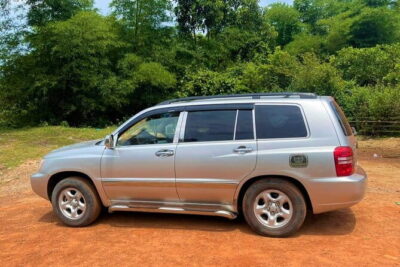
What makes this trip work is the built-in structure. You get air-conditioned transport, bottled water and cold towels, and even a motorized boat ride on the lake—so you can focus on the sights and let someone else handle the route.
In This Review
- Key highlights that make this tour worth your time
- Temples and Tonle Sap, packed into a smart 3 days
- Price and what it really costs (beyond the $250)
- Day 1: Angkor Thom’s face towers, jungle-carved icons, and Angkor Wat at full force
- Bayon Temple: the famous faces and the emotional scale
- Baphuon and Ta Prohm: Hindu roots and later Khmer style
- Terrace of the Elephants: the palace boundary you can actually read
- Angkor Wat: the main event, and a full afternoon
- Phnom Bakheng: a sunset-style finish (with real stairs)
- Day 2: sunrise at Angkor Wat, then the clustered temples that keep the story going
- Preah Khan, Neak Poan, Ta Som, East Mebon: temples grouped like a mini-world
- Banteay Srei (ladies temple): smaller scale, big impact
- Banteay Samre and Banteay Kdei: more style, less repetition
- Day 3: Tonle Sap life at Kampong Phluk, plus the early Roluos temples
- Kampong Phluk: a lake world, not an indoor museum
- Roluos temples: early Khmer roots for the curious eye
- Markets and Artisans d Angkor: practical shopping with cultural context
- What’s included, what’s not, and how to pack like you mean it
- Pacing, comfort, and who this tour fits best
- The real value: you learn what you’re looking at, and you avoid the worst logistics
- Should you book the 3-Day Temples & Tonle Sap tour?
- FAQ
- What time does the tour start in Siem Reap?
- Are hotel pickup and drop-offs included?
- Do I need to buy temple passes for Angkor sites?
- Is Angkor Wat included, and do you see it more than once?
- Is the Tonle Sap boat ride included?
- What about meals and drinks?
- What’s included in the tour besides the sightseeing?
- Is the tour private or shared?
- Is there an age limit?
- If I cancel, do I get a refund?
Key highlights that make this tour worth your time
- Hotel transfers included, so you’re not starting each morning on hard mode
- Motorized boat ride on Tonle Sap, a totally different side of Cambodia
- Sunrise revisit to Angkor Wat, built into a multi-day rhythm
- A mix of major and quieter temple groups, including the Roluos temples
- 3-day Angkor pass help on Day 1, so you’re not scrambling after arrival
- Air-conditioned vehicle plus a guide, which matters when the heat kicks in
Temples and Tonle Sap, packed into a smart 3 days
This is the kind of tour you choose when you want Angkor to feel manageable. Three days is short, and the Angkor area can be overwhelming fast. Here, you get a plan that keeps you moving through the big highlights—then adds extra temple stops so you don’t feel like you only saw the famous postcards.
You’ll also get variety on purpose. Day 1 and Day 2 stay in the Angkor temple world, with classic stops across Angkor Thom and Angkor Wat. Day 3 switches gears to Kampong Phluk, then rounds things out with the Roluos temples and a market/crafts stop.
The net effect: you come away with more than one “Angkor day.” You get multiple temple styles, different areas, and a lake experience that doesn’t feel like the same thing repeated.
You can also read our reviews of more tours and experiences in Siem Reap
Price and what it really costs (beyond the $250)
The tour price is $250 for about three days. That includes hotel pickup and drop-off, an air-conditioned vehicle, a professional English-speaking guide, bottled water, cold towels, and the fee for the motorized boat.
What’s not included is the part that can surprise first-timers: temple passes and meals. The Angkor pass info is given clearly: buy an Angkor pass for at least 3 days, one pass per person. The listed cost is USD 62 for 3 days (and USD 72 for 7 days).
So, as a practical ballpark, you’re looking at:
- $250 tour price
- + $62 per person for a 3-day Angkor pass
- + meals and soft drinks/alcohol (not included)
That’s not bad value for what you get, especially when you consider transport inside the Angkor area and the guide. If you tried to do the same route on your own, you’d still pay for temple entry, transport, and a lot of time sorting logistics. Here, that work is handled for you.
Day 1: Angkor Thom’s face towers, jungle-carved icons, and Angkor Wat at full force
Day 1 is designed to hit the core Angkor Thom circuit and then land you at Angkor Wat. It starts with getting your bearings at the Angkor Archaeological Park ticket area. You’ll buy your pass there—plan on sorting this early, because you’ll need it for the temple admissions.
Bayon Temple: the famous faces and the emotional scale
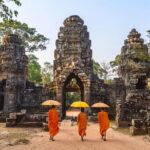
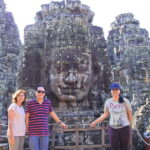
Next comes Bayon Temple. This is the richly decorated Khmer temple tied to the Mahayana Buddhist King Jayavarman VII, built in the late 12th or early 13th century as a state temple. Bayon is known for its iconic stone faces, and it’s also a good stop for understanding how Angkor functioned as a capital, not just a collection of ruins.
Baphuon and Ta Prohm: Hindu roots and later Khmer style
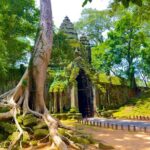
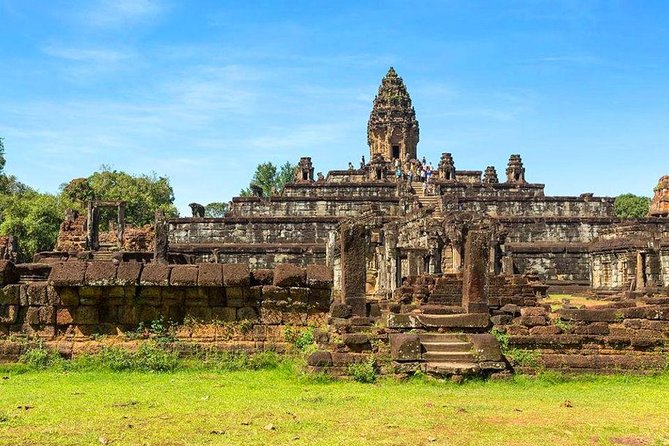
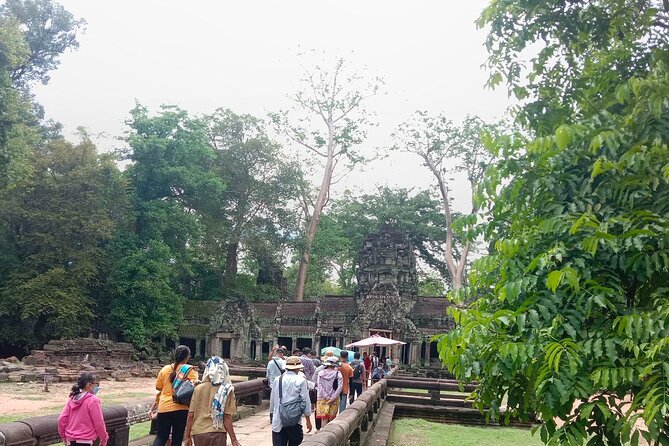
After Bayon, you move to Baphuon Temple, located in Angkor Thom near Bayon. It dates to the mid-11th century and was built as a state temple dedicated to Shiva. Then the pace turns a bit visual again at Ta Prohm, the temple many people associate with dramatic “nature taking over” vibes, originally called Rajavihara.
A practical thought here: Ta Prohm is often one of the most photographed stops, so it can feel like you spend more time standing still for views. If you’re okay with that, it’s a highlight. If you prefer moving and absorbing quietly, take a slow pass, then look for the details in the stonework once the crowds thin out.

Terrace of the Elephants: the palace boundary you can actually read
You also stop at the Terrace of the Elephants and nearby royal terrace grounds. This area forms the Eastern boundary of the Royal Palace grounds and faces the parade areas. It’s not just a pretty viewpoint; it helps you “place” the temple city spatially.
Angkor Wat: the main event, and a full afternoon
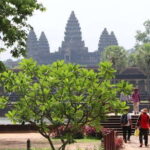
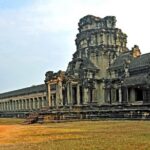
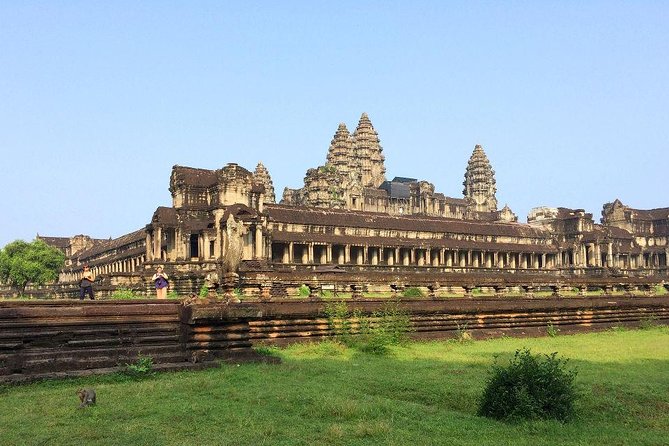
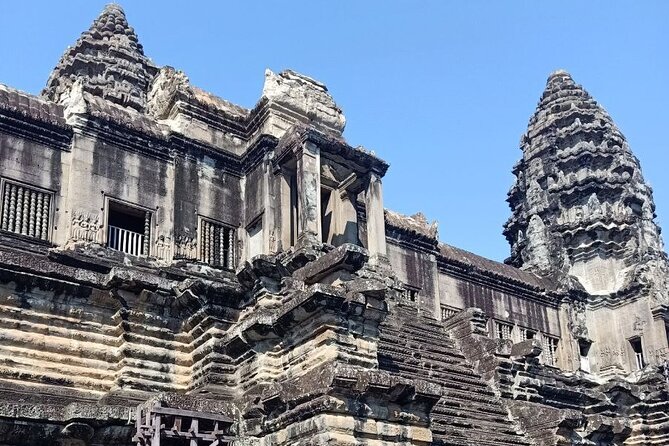
Then comes Angkor Wat, the largest religious monument in the world by site size, originally constructed as a Hindu temple. The tour blocks about three hours here after lunch, which is a smart amount of time for your eyes to adjust.
If you’ve only seen Angkor Wat in photos, day 1 gives you the first emotional hit. Day 2 gives you the sunrise version, which is a very different mood.
Phnom Bakheng: a sunset-style finish (with real stairs)
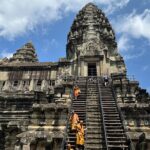
Finally, you end at Phnom Bakheng, a Hindu and Buddhist temple mountain dedicated to Shiva and built at the end of the 9th century. It sits on top of a hill, so expect stairs and a “work your way up” feeling.
This last stop is a good way to close the day because it shifts you from “temple complex walking” to “temple mountain viewpoint.” It’s also one reason you should pace yourself earlier in the day—if your legs are already tired, the hill climb can feel harder than you expect.
Day 2: sunrise at Angkor Wat, then the clustered temples that keep the story going
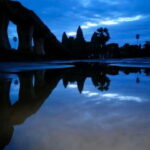
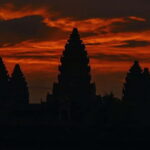
Day 2 starts again at Angkor Wat, with a revisit to see the famous sunrise, then you go back to the hotel for breakfast. That structure matters. You get the iconic moment, but you’re not stuck trying to make it through the rest of the day on empty.
Preah Khan, Neak Poan, Ta Som, East Mebon: temples grouped like a mini-world
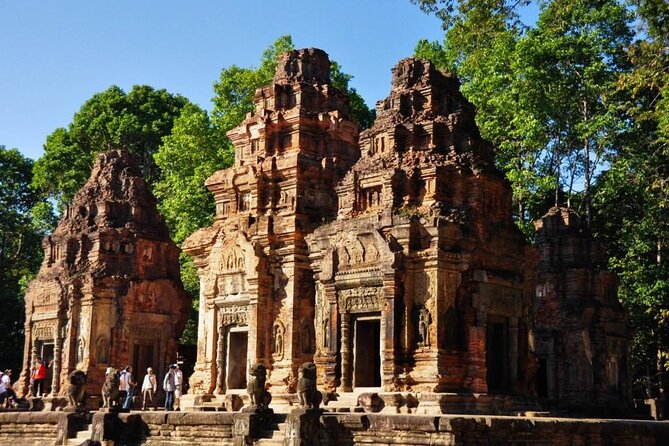
After breakfast, the tour visits a cluster of temples: Preah Khan, Neak Poan, Ta Som, and East Mebon. You’re not hopping randomly across the map; these are grouped together, which helps the day feel efficient.
Preah Khan is known in this circuit as an important temple site, while Neak Poan gives you a different vibe, and Ta Som/East Mebon add more visual variety. The bonus of doing these as a set is that it’s easier to notice how Khmer builders repeated and adjusted design ideas across nearby spaces.
Banteay Srei (ladies temple): smaller scale, big impact
Then you head to Banteay Srei, often called the ladies temple. It’s a 10th-century Cambodian temple dedicated to Shiva near Phnom Dei, about 25 km from the main Angkor area. It’s usually more “detailed and delicate” in feel than some of the sprawling complexes, which is why it’s a good mid-to-late day stop.
If Day 1 felt overwhelming, Banteay Srei can help reset your eye. You slow down. You notice carvings again instead of just chasing the biggest silhouettes.
Banteay Samre and Banteay Kdei: more style, less repetition
After Banteay Srei, you visit Banteay Samre (early 12th century, built in Angkor Wat style, located 400 meters east of the East Baray), then Banteay Kdei, also known as the citadel of monks’ cells. Banteay Kdei is a Buddhist temple built mid-12th to early-13th centuries.
These final stops of the day work well because they keep the theme moving without going back to the exact same view. You finish with a sense of Angkor as a whole system, not a single show.
Day 3: Tonle Sap life at Kampong Phluk, plus the early Roluos temples
Day 3 is where the trip stops being only about stone. The centerpiece is Kampong Phluk, a collection of villages largely built on stilts on the Tonle Sap. The name means Harbor of the Tusks, and the description includes the key practical context: the community depends on fishing and spends Cambodia’s wet season (May–October) fishing.
Kampong Phluk: a lake world, not an indoor museum
Kampong Phluk lasts about three hours. The big value here is perspective. You get out onto the water via a motorized boat ride, and you see how the landscape shapes daily life. Even if you think you already know what floating villages look like, this adds real texture, because the stilt layout and seasonal rhythm change what the village feels like.
Bring a mental note: this part of the day is less about temple architecture and more about watching, listening, and noticing how people live with the water.
Roluos temples: early Khmer roots for the curious eye
Then you go to the Roluos temples. This is where you see some of the earliest permanent Khmer structures, marking the start of the classical period of Khmer civilization dating from the late 9th century. It’s a smart move to include this after you’ve already seen Angkor Thom and Angkor Wat, because you can compare design ideas across eras and feel how the style develops.
The time block here is about three hours, which is enough to take photos, but also enough to let the guide explain what makes these early ruins significant.
Markets and Artisans d Angkor: practical shopping with cultural context
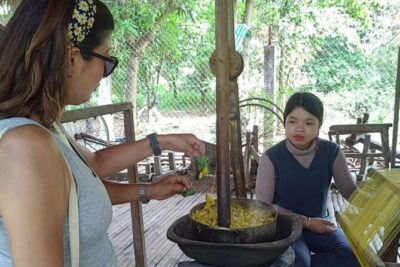
On the way back, you stop at Phsar Leu Thom Thmey (the top market), plus Phsar Chas (the old market) and Artisans d Angkor. This is a good closing mix if you want souvenirs that feel tied to local craft rather than random tourist clutter.
It’s not “required shopping.” It’s a chance to browse while still having a plan for the day’s end.
What’s included, what’s not, and how to pack like you mean it
Here’s where you’ll get the best value: the tour includes the stuff that’s annoying to arrange yourself—hotel transfers, air-conditioned transport, bottled water, cold towels, and the motorized boat fee. A professional English-speaking guide ties it all together.
What you supply: temple passes and meals. The passes are the clear budget line item, and you’ll want to make sure you buy the correct pass duration for your actual time in the Angkor area.
For packing, since the itinerary includes multiple temples and a hilltop finish at Phnom Bakheng, think in terms of comfort and footwear. You’ll do plenty of walking on uneven surfaces, and you’ll be outdoors much of the day. Bring something you can wear for repeated temple visits—layers help too, because mornings can feel cooler while afternoons heat up.
Also, keep a little flexibility in your day. A site like Angkor Wat takes time for your eyes to adjust. Trying to rush everything can make it feel harder than it is.
Pacing, comfort, and who this tour fits best
This is a high-coverage tour. The benefit is obvious if you have limited time: you can see a lot of Angkor and still get the Tonle Sap side in the same trip. The tradeoff is physical effort. The tour is not suitable for those with less-than-average fitness or anyone who can’t walk normally.
If you’re the kind of traveler who likes a guided plan and hates navigating maps in a heat haze, you’ll probably appreciate this. It’s also great for first-timers who don’t want to worry about route planning and entry timing.
If you’re chasing slow travel, long museum-style breaks, or you want full freedom to linger without a schedule, you might find the pace intense. In that case, consider whether you’d rather do fewer temples per day.
The real value: you learn what you’re looking at, and you avoid the worst logistics
Plenty of tours can drop you in front of temples and point. This one adds real structure because you get an English-speaking guide who explains history and culture as you move through the sites. That turns your time into something more than photos.
The motorized boat ride is another value point. You’ll see Tonle Sap from the water, not just from a distance. And the inclusion of Roluos temples and the clustered temple stops on Day 2 helps prevent the classic Angkor problem: doing the same kind of site over and over until your attention fades.
Finally, the hotel transfers reduce stress in a way that’s hard to explain until you’ve tried to manage it yourself. You show up, you leave on time, and you spend your energy on actually seeing things.
Should you book the 3-Day Temples & Tonle Sap tour?
Book it if:
- You want an efficient Angkor plan that also includes the Tonle Sap boat experience
- You like guided explanations and don’t want to sort transport and timing daily
- You’re okay with long days and lots of walking
Consider a different approach if:
- You need a calmer pace with frequent downtime
- You can’t handle stairs and uneven temple paths
- You’d rather build your own route and decide day-by-day without a set schedule
If your goal is to pack in highlights without the headache, this is a solid choice. You’ll finish with Angkor Wat twice in different moods, plus a lake day that breaks the temple routine.
FAQ
What time does the tour start in Siem Reap?
The tour start time is 8:30 am, and the vehicle departs from your hotel at that time.
Are hotel pickup and drop-offs included?
Yes. Hotel pickups and drop-offs are included.
Do I need to buy temple passes for Angkor sites?
Yes. Temple passes are not included. You’ll be guided to buy an Angkor pass (3-day pass listed at USD 62 per person).
Is Angkor Wat included, and do you see it more than once?
Yes. Angkor Wat is visited on Day 1, and it’s revisited on Day 2 for sunrise.
Is the Tonle Sap boat ride included?
Yes. There is a motorized boat ride included, and the fee for it is covered.
What about meals and drinks?
Meals, soft drinks, and alcohol are not included.
What’s included in the tour besides the sightseeing?
Included items are air-conditioned transport, a professional English-speaking guide, bottled water, cold towels, and the motorized boat fee.
Is the tour private or shared?
It’s listed as a private tour/activity, meaning only your group participates.
Is there an age limit?
Yes. It is not available for children under 3 years old.
If I cancel, do I get a refund?
Free cancellation is available up to 24 hours in advance for a full refund. If you cancel less than 24 hours before the start time, the amount paid is not refunded.