REVIEW · SIEM REAP
2 Days Temples with Sunrise-Small Group
Book on Viator →Operated by Tourme ANGKOR · Bookable on Viator
Two mornings can change how you see Angkor. This small-group sunrise temples tour strings together the big sights and the quieter carvings, with an English-speaking local guide who helps you spot what matters as you go. I especially liked the way Sok (the guide) brought the stories to life, while the schedule kept us moving without feeling like we were sprinting.
I also love how the route works in time to include Banteay Srei, the showpiece for fine sandstone carving. In just a short hop, you get a temple that feels more delicate and detailed than many of the larger, darker stone complexes.
One drawback to plan for up front: the $62 temple pass is not included in the $43 tour price, and you pay it on the day you travel.
In This Review
- Key things to know before you go
- Two Days, Compact Temple Route Outside and Inside Angkor
- Pre-Dawn Angkor Wat Sunrise: The Torch, the Eastern Entrance, and Calm
- Day 1 Highlights: Pre Rup Views, Banteay Srei Carvings, and Preah Khan Roots
- Day 2 Angkor City Staples: Ta Prohm, Bayon Faces, and the Elephants
- Value Math: What $43 Covers and the $62 Temple Pass Add-On
- Small-Group Details That Make a Difference: AC, Mineral Water, and Sok’s Touch
- Should You Book This 2-Day Sunrise Temples Tour?
- FAQ
- How much does the 2-day sunrise temples tour cost?
- What is included in the tour price?
- Is the temple pass included?
- Do I need a torch for Angkor Wat sunrise?
- What time does the tour start?
- Which temples are included across the two days?
- Is breakfast included?
- What should I wear to the temples?
- How big is the group?
- Are children allowed?
Key things to know before you go
- Max 15 people means less chaos. You’ll still be at major sites, but the group stays manageable.
- Pre-dawn Angkor Wat starts in the dark. You’ll need a torch/headlamp and a little patience for the timing.
- Day 1 balances variety. Hindu temples, a carved “jewel box” feel, and a root-wrapped ruin.
- You’ll cover both outside and inside Angkor. That compact two-day plan saves you from hopping between guides.
- Hotel pickup and an air-conditioned vehicle help. You’ll spend less time dealing with tuk-tuk logistics.
- The temple pass is extra. Budget that $62 per person for entry into the sites.
Two Days, Compact Temple Route Outside and Inside Angkor
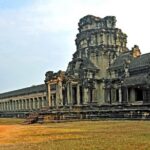
This is a “see a lot, but don’t feel crushed” kind of trip. You’re based in Siem Reap, and you do a two-day circuit that blends temples outside Angkor Thom with the core Angkor classics inside the main area. The big win for you is focus: you get a guided plan that connects the dots, instead of wandering and guessing which buildings to prioritize.
The pacing also makes sense for real life. Day 1 leans toward temples you can enjoy without the worst of the main-ring crowds, including Pre Rup, Banteay Srei, Preah Khan, and Neak Pean. Day 2 is where the schedule tightens around sunrise and the most famous sightlines: Angkor Wat at dawn, then Ta Prohm and Bayon after a rest break.
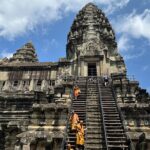
A practical note: this tour is designed for walking. You’ll want comfortable shoes, and you should expect temple floors that can be uneven, plus stairs that can be steeper than they look. If you prefer a slow stroll with long museum-style pauses, you might feel a little “in motion.” But if you want strong value for two days, this route hits the sweet spot.
You can also read our reviews of more tours and experiences in Siem Reap

Pre-Dawn Angkor Wat Sunrise: The Torch, the Eastern Entrance, and Calm
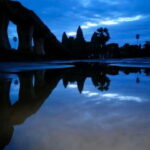
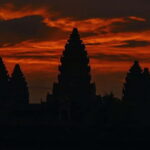
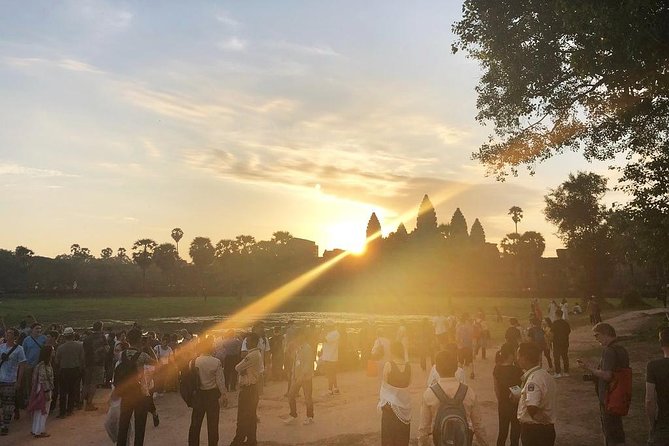
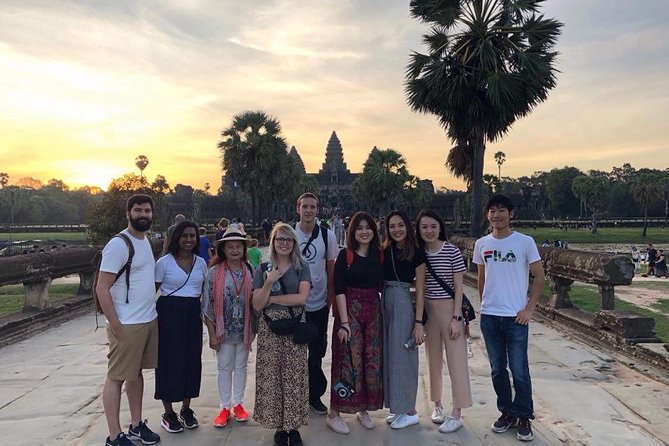
Angkor Wat at sunrise is the part people talk about because the light changes everything. This tour starts with pre-dawn departure from your hotel, and you enter the temple while it’s still dark. The instruction is clear: bring a torch (a headlamp works too) so you can walk safely and keep moving.
One detail I really like here is the emphasis on timing and approach. You’ll enter from the eastern side, described as a less crowded way in, and you’ll creep along cloistered corridors while everything is still quiet. That early entrance matters because Angkor is so much easier to appreciate when your eyes have time to adjust, and when you’re not fighting the biggest wave of people.
Once the sky begins to lighten, you’ll get views over the stone lines and the causeways that don’t look like postcards when you first arrive. They look more like architecture and less like scenery. The guide helps you understand where to look and what you’re seeing, which turns sunrise from a photo mission into a real experience.
Also, you’ll want to be ready for the schedule. Wake up calls are recommended, because this is one of those tours where being late really messes up the whole plan.
Day 1 Highlights: Pre Rup Views, Banteay Srei Carvings, and Preah Khan Roots
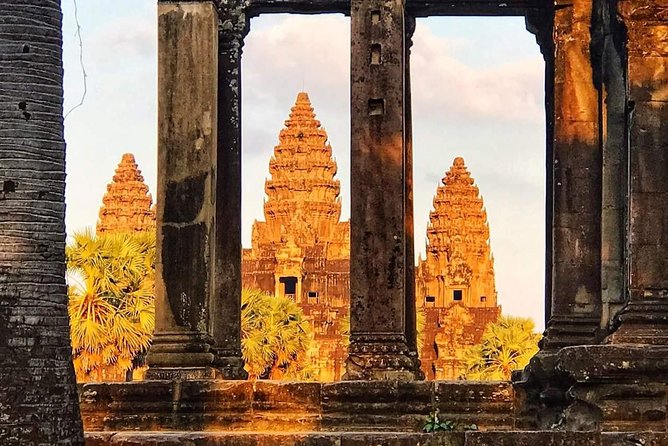
Day 1 starts with Pre Rup, a Hindu state temple built for King Rajendravarman. Pre Rup has that “standing still while the world changes around it” feeling. It’s not just a stop for photos; it’s a place where you can understand how Khmer temple layouts were designed to create visual drama. Even though it’s a daytime visit, the stone and structure still feel cinematic.
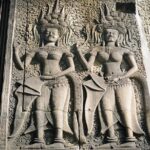
Next comes Banteay Srei, and this is why I’d call the day a smart mix. This small sandstone temple is known for its intricate reliefs, often described as the finest and most skillfully carved in Cambodia. On a practical level, it’s also easier to enjoy because it’s not as huge as Angkor Wat. You can slow down your gaze and appreciate how detailed the work is.
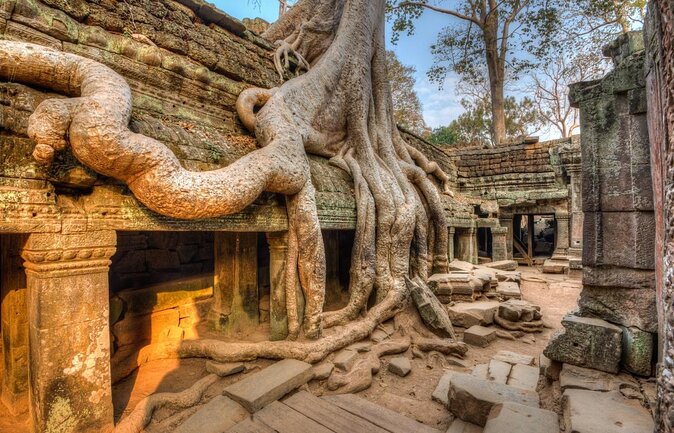
From there you move to Preah Khan, a temple that’s ruined but highly atmospheric. The standout here is the way tree roots and crumbling stone have fused into the scene. It’s not “pretty restoration.” It’s something more interesting: a temple reclaimed by nature, with a strong sense of age and abandonment.
The day ends with Neak Pean, built as an artificial island in Jayatataka Baray, featuring a Buddhist temple on a circular island. It’s quieter and more compact than the headline sites, which is a good way to close out the loop. You get a different mood: less about scale, more about symbolism and water.
Possible drawback on this day: you’ll be in a vehicle between sites. That’s normal for Angkor circuits, and this tour does help with air-conditioned transport, but it’s still a long day of moving. You’ll feel better if you pack water habits and take your photos quickly so you don’t burn out.
Day 2 Angkor City Staples: Ta Prohm, Bayon Faces, and the Elephants
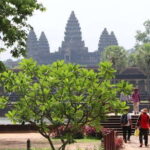
Day 2 is where you hit the big names after sunrise. First up is Angkor Wat again, but the experience here is not “repeat the same thing.” It’s more like: sunrise sets the tone, and then you build on it with other temples that show different sides of the civilization.
After sunrise, you’ll end at Angkor with breakfast at a local Khmer restaurant stop. One thing to keep in mind: meals aren’t listed as included in the tour price, so think of breakfast as a planned stop on the schedule rather than a guaranteed meal deal.
Then you’ll take a rest break before heading to Ta Prohm. This is one of the most atmospheric temple visits because it looks like nature and stone are in a long-time conversation. Ta Prohm was once home to a large monastic community, and today it still feels alive in a way that’s hard to recreate in modern buildings.
You’ll also pass by a couple of famous terraces: the Terrace of the Elephants and the Terrace of the Leper King. Even if you don’t spend long at each one, these passing views help you place Ta Prohm inside the broader temple landscape. It’s a nice trick: you see the landmarks without losing the main flow of the day.
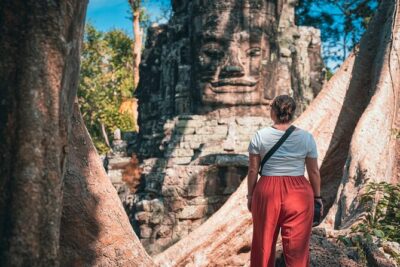
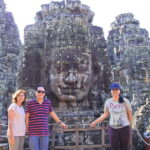
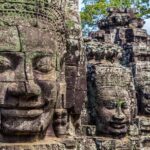
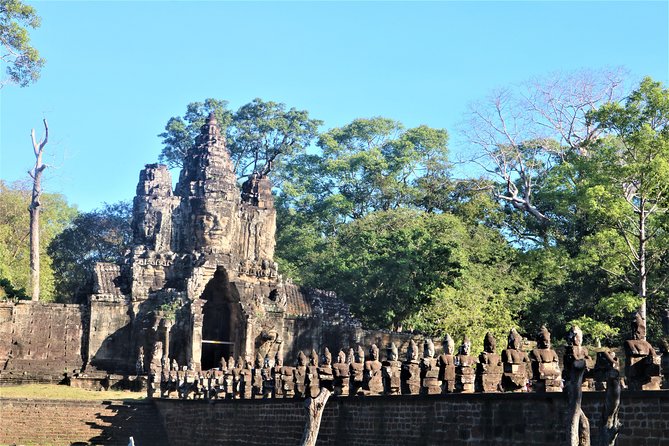
Finally, you reach Bayon Temple, known for its central towers covered with over 200 enormous faces. Bayon is the kind of site where the details keep moving as your perspective shifts. With a guide, you’re less likely to treat it like a flat photo stop and more likely to notice how the carvings and tower placements create a strong visual rhythm.
Value Math: What $43 Covers and the $62 Temple Pass Add-On
Let’s talk money the way you should: what you pay for convenience and guidance, versus what you must pay for entry.
The tour price is $43 per person, and what you get includes a licensed English-speaking guide, hotel pickup and drop-off, an air-conditioned vehicle, mineral water, and local tax. You’re also getting a two-day plan that includes sunrise at Angkor Wat plus major temples on both days. For a short stay, that’s a practical way to “buy time” and avoid temple-ticket headaches by having someone else manage the route.
The big add-on is the temple pass, which is not included. You’ll pay $62 per person directly for the 2–3 day pass on the day of your activity. The tour is basically priced like: guide + transportation + logistics, and then you handle the official site entry cost separately. If you’re comparing options, always include that $62 in your total.
Food is the other soft spot. Meal costs aren’t included. You’ll have a breakfast stop scheduled after sunrise, but you should still plan on spending for meals during the broader day.
When this adds up to value: if you’re going to pay for your own driver, manage timing for sunrise, and figure out which temples are worth your limited time, this packaged approach usually makes more sense. If you already have a temple pass and you’re confident self-planning, you could spend less. But most people in Siem Reap are there to avoid planning stress—and this tour is built to reduce that.
You can also read our reviews of more tours and experiences in Siem Reap

Small-Group Details That Make a Difference: AC, Mineral Water, and Sok’s Touch
What helps this tour feel better than average is the small-group size, plus the human details. The group max is 15 travelers, so you don’t get the feeling of herding or losing your spot. That matters most at crowded moments, like sunrise entrances and the larger temple courtyards.
I also appreciated the way the guide role shows up beyond facts. Sok was highlighted as a great guide, and the standout practical touch in the reviews is the support between stops. You’ll have a driver named Richard, plus mineral water during the day. And there’s even mention of water and a flannel between stops, which might sound minor until you’ve walked in the Khmer heat. Those small resets help you keep moving without feeling wiped out.
The guide’s job here is not just narration. It’s helping you understand what you’re looking at and why it matters: the Hindu context at Pre Rup, the carving artistry that makes Banteay Srei so special, and the atmosphere and structure interplay at Preah Khan and Ta Prohm.
Finally, the tour includes pickup and drop-off. That’s a huge comfort factor. Instead of negotiating transport at odd hours, you get a plan that starts with pre-dawn timing and ends after a long, satisfying second day.
Should You Book This 2-Day Sunrise Temples Tour?
If your goal is to see the key temples in a compact two-day window, I think this is a strong option. The best reasons to book are simple: you get sunrise at Angkor Wat with early entry timing, a route that covers both outside-and-inside Angkor, and the small-group size that keeps things sane. If you like structure—knowing where to go next and what to look for—this tour fits you.
You might skip it (or look for another pace) if you want fully flexible wandering or if you’re hoping meals are included, because meals aren’t listed as included. You should also be ready to pay the $62 temple pass on the day of your activity, since that’s the biggest cost beyond the tour price.
If you’re in Siem Reap with limited time and you want a guided path through the places that matter most, book this. Then do the one thing that makes sunrise tours easier: set up your wake-up plan in advance and bring that torch.
FAQ
How much does the 2-day sunrise temples tour cost?
The tour price is $43 per person. In addition, you must pay a temple pass of $62 per person directly on the day of your activity.
What is included in the tour price?
Hotel pickup and drop-off, an air-conditioned vehicle, an English-speaking local guide, mineral water, and local tax are included.
Is the temple pass included?
No. The temple pass is not included and is paid directly at $62 per person on the day of your tour.
Do I need a torch for Angkor Wat sunrise?
Yes. The sunrise visit includes entering Angkor Wat in darkness, and you’re advised to bring a torch.
What time does the tour start?
The start time listed is 8:00 am, but the Angkor Wat portion requires a pre-dawn departure for sunrise. You should request a wake-up call at your hotel.
Which temples are included across the two days?
Day 1 includes Pre Rup, Banteay Srei, Preah Khan, and Neak Pean. Day 2 includes Angkor Wat at sunrise, plus Srah Srang, Ta Prohm, the Terrace of the Elephants (and Terrace of the Leper King), and Bayon.
Is breakfast included?
Breakfast is part of the schedule after sunrise at Angkor, but meals are listed as not included overall, so you should expect to handle meal costs.
What should I wear to the temples?
Casual clothing is fine, but your shoulders and knees must be covered inside temples.
How big is the group?
The tour has a maximum of 15 travelers.
Are children allowed?
Children must be accompanied by an adult, and younger than 5 years old are not allowed.