REVIEW · SIEM REAP
Angkor Wat 2 Days and a Half Temples & Tonle Sap-Small Group Tour
Book on Viator →Operated by Journey Cambodia · Bookable on Viator
Sunrise at Angkor Wat begins before your alarm. This small-group tour strings together Angkor Wat sunrise and a day of lesser-visited temples, then adds Tonle Sap floating villages for a real break from stone-and-stone.
I especially liked the Sak and Mao combo—Sak’s English and temple-and-Cambodian-culture context make the carvings click, and Mao’s driving keeps the whole schedule moving without drama. I also like that the tour builds in both sunset and sunrise, so you see Angkor in two different moods instead of just daylight photos.
One thing to plan for: the tour price does not include the temple pass (listed as $62 per person), and meals are also not included, so your total will be higher than the $79 headline.
In This Review
- Key points worth knowing
- The core experience: two-day Angkor lighting plus Tonle Sap reality check
- Angkor Wat sunrise: the pre-dawn plan that pays off
- Day 1: Pre Rup, Banteay Srei, Neak Pean, Preah Khan
- Pre Rup: a mountain-temple mood
- Banteay Srei: the carvings that make you slow down
- Neak Pean: a Buddhist temple on an artificial island
- Preah Khan: tree roots and atmospheric ruin
- Day 2: Angkor Wat, Ta Prohm, and the face towers of Bayon
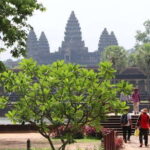
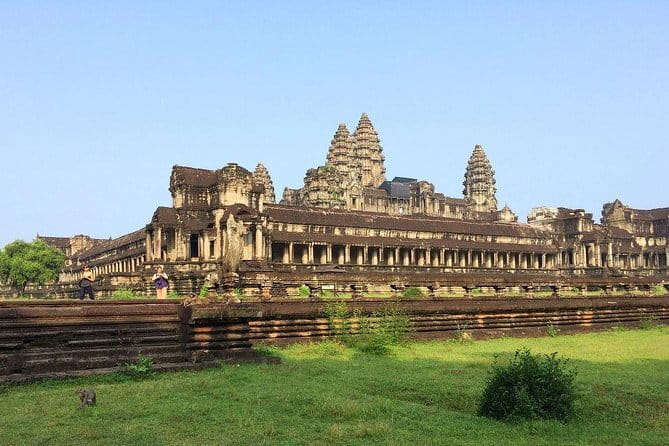
- Angkor Wat: the torch-lit walk and the eastern side
- Srah Srang: a breakfast stop with a quick reset
- Ta Prohm: jungle-wrapped drama
- Angkor Thom: quick orientation at the eastern gate
- Bayon Temple: 200+ face towers
- Day 3 on Tonle Sap: Kampong Phluk by boat
- How the small-group format changes your day
- Price and what you’ll likely pay at the sites
- Best fit: who this tour suits
- Should you book this Angkor Temples and Tonle Sap tour?
- FAQ
- What is the duration of the tour?
- How much does the tour cost?
- Is the temple pass included in the price?
- Does the tour include hotel pickup and drop-off?
- Are sunrise and sunset included?
- Does the itinerary include Angkor Wat sunrise?
- Is Tonle Sap and the boat cruise included?
- Are meals included?
- How large is the group?
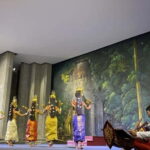
- Is the Cambodia Phare circus included?
Key points worth knowing
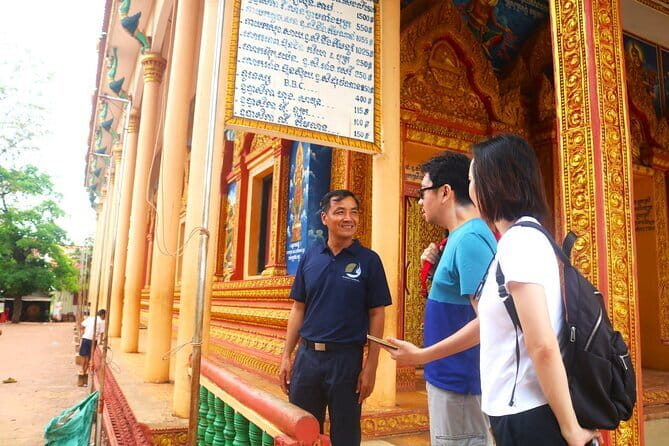
- Small group (max 15): easier pacing and more chances for questions.
- Sunrise at Angkor Wat, pre-dawn start: you’ll enter in the dark with torch light.
- Lesser-seen temple mix: Pre Rup, Banteay Srei, Neak Pean, Preah Khan.
- Two UNESCO-area classics (Ta Prohm + Bayon): jungle drama meets the face towers.
- Tonle Sap included: entrance plus a boat cruise to Kampong Phluk fishing villages.
- Phare circus seat C in dry season: included if it lines up with your dates.
The core experience: two-day Angkor lighting plus Tonle Sap reality check
This is a temple tour that doesn’t only chase the usual checklist. Yes, you get the big names. But the route also spends real time at temples that feel quieter and more “you’re inside the ruins” than “you’re standing in a crowd.”
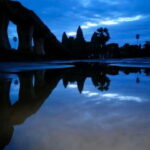
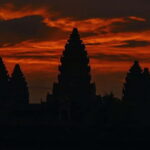
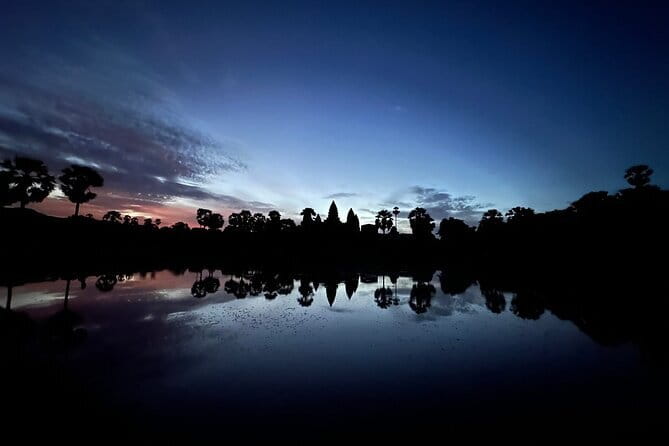
The biggest reason this works is the timing. Day 1 is built around a sunset moment. Day 2 is built around sunrise at Angkor Wat, with a pre-dawn departure from your hotel so you can actually experience the light shift instead of watching it happen from a distance. That alone changes how Angkor looks—and how it feels.
Then day 3 slows down in a different way. You leave the temple circuit and go to Tonle Sap, where daily life floats on the water. The boat cruise to Kampong Phluk helps you see Cambodia as more than monuments.
You can also read our reviews of more tours and experiences in Siem Reap
Angkor Wat sunrise: the pre-dawn plan that pays off
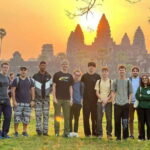
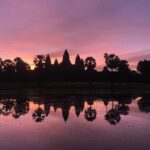
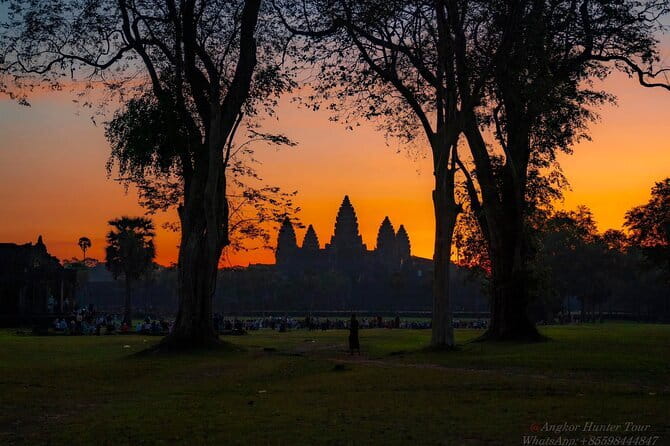
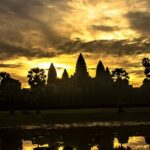
Angkor Wat sunrise tours can be mostly marketing fluff. This one is more specific about the experience: you’ll depart pre-dawn, enter in darkness, and walk using torch light. You also go through the eastern side, which is described as rarely visited in the tour flow.
Why that matters for you: sunrise is not only about the sun showing up. It’s about being part of the quiet moment when the temple is still waking up around you. If you only arrive at the first crowds, you lose the eerie calm and the slow reveal that makes Angkor Wat feel oversized.
Practical vibe: expect walking early, expect the tour to be structured (because sunrise has a hard clock), and expect less time for casual wandering. If you like a plan with a purpose, this part fits. If you prefer to freestyle photos with no group movement, you might feel slightly herded at the start—but the payoff is the lighting and access.
Day 1: Pre Rup, Banteay Srei, Neak Pean, Preah Khan
Day 1 is a nice warm-up day because it mixes temple styles. You start outside the main Angkor Thom city area with Pre Rup, then shift to delicate carvings, then to surreal “temple-in-a-place” scenes, and finally to a ruin that looks like it’s growing out of nature.
Pre Rup: a mountain-temple mood
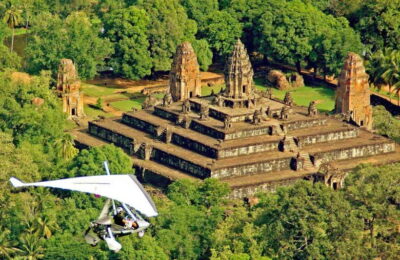
Pre Rup is described as a Hindu temple built as a state temple, with a mountain-temple design made from brick, laterite, and sandstone. This stop is about form and silhouette—how the levels stack and how the structure reads in different light.
What you’ll like: it’s a strong first anchor for the day. You get the “Angkor is layered and planned” feeling early, before the bigger names start swallowing your time.
Banteay Srei: the carvings that make you slow down
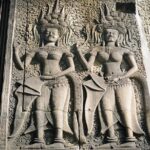
Banteay Srei is a standout for craftsmanship. The description points out that it’s smaller but intricately carved, with reliefs that are regarded as some of the finest work in Cambodia. That combination—small scale plus detailed carving—is exactly what makes this stop memorable.
Reality check: the better you look, the longer you’ll stand there. That’s not a drawback if you enjoy detail. If you want big sweeping views only, Banteay Srei may feel more like “art appreciation” than “giant monument.”
Neak Pean: a Buddhist temple on an artificial island
Neak Pean is an artificial island with a Buddhist temple on a circular base. The “circular island” concept is what makes this stop interesting. It breaks the pattern of linear approaches and square courtyards.
How it fits the day: after Banteay Srei’s intricate carvings, Neak Pean gives your eyes a different kind of focus. It’s still sacred architecture, but the setting and geometry feel stranger and more intimate.
Preah Khan: tree roots and atmospheric ruin
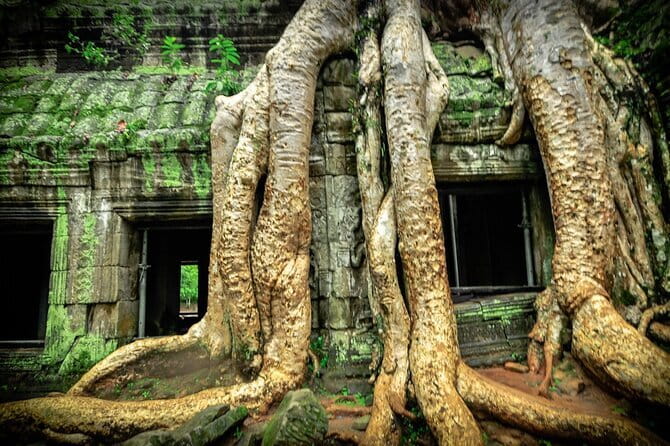
Preah Khan is described as a ruined but highly atmospheric mix of tree roots and crumbling stone. This is the kind of place where the guide’s explanations really help, because the story behind the ruin makes the mess feel meaningful.
What to know: this stop is less about crisp symmetry and more about texture and mood. It’s a good ending to Day 1 because it sets you up to appreciate how Angkor looks when nature and stone share the stage.
Day 2: Angkor Wat, Ta Prohm, and the face towers of Bayon
Day 2 is the heavy-hitter day. You start with the sunrise plan at Angkor Wat, then you move into a morning that’s equal parts jungle and official state architecture.
Angkor Wat: the torch-lit walk and the eastern side
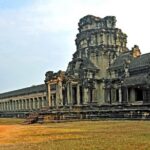
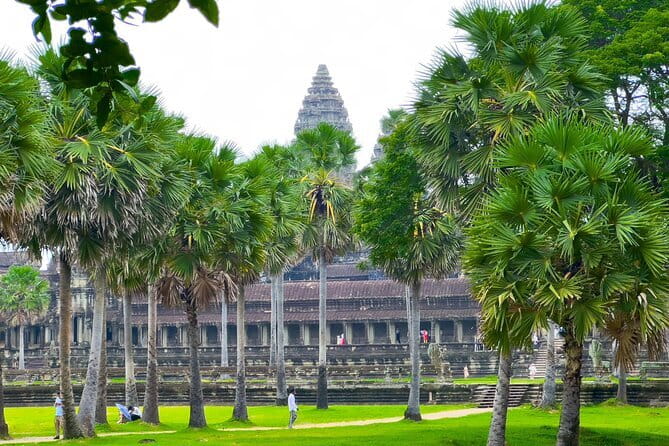
You begin with hotel pickup and a pre-dawn departure, then enter Angkor Wat in darkness with torch light. The tour also includes walking through the rarely visited eastern side.
Why you’ll probably remember this: torch light is not the same as sunrise light. It turns the carvings into shadows-first shapes, so when daylight arrives, you get a second reveal. It’s a two-stage experience built into one entrance.
Srah Srang: a breakfast stop with a quick reset
Srah Srang is included as a short stop, and the itinerary notes breakfast at a Khmer local restaurant with a short rest. Meals are listed as not included, so treat this as a scheduled break where you’ll order or pay for your food there.
This matters because Day 2 can feel relentless once you’re out in the ruins. A reset helps you keep your legs and attention working for the next stops.
Ta Prohm: jungle-wrapped drama
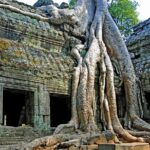
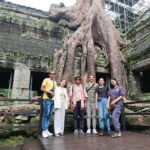
Ta Prohm is one of the most atmospheric temples in the Angkor complex, with jungle enveloping the structures. The tour gives you a focused visit here rather than a quick drive-by.
What this stop does well: Ta Prohm is a temple that looks alive. The mix of stone and roots turns the architecture into a stage. If you came for visual contrast—temple geometry plus nature chaos—this is the contrast.
Angkor Thom: quick orientation at the eastern gate
You get the eastern gate of Angkor Thom for about 20 minutes. That’s a short window, so think of it as orientation: you’re seeing a key threshold and moving on.
A drawback to consider: if you love gates, long walls, and slow soaking-in, you may wish you had more time. But the schedule is built around bigger “must-see” stops right after.
Bayon Temple: 200+ face towers
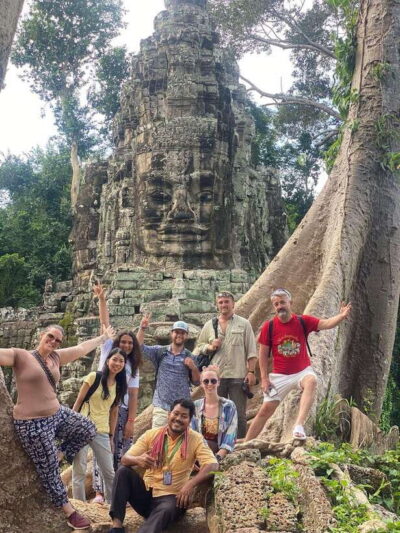
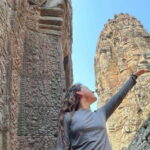
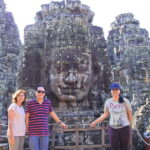
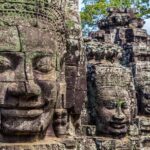
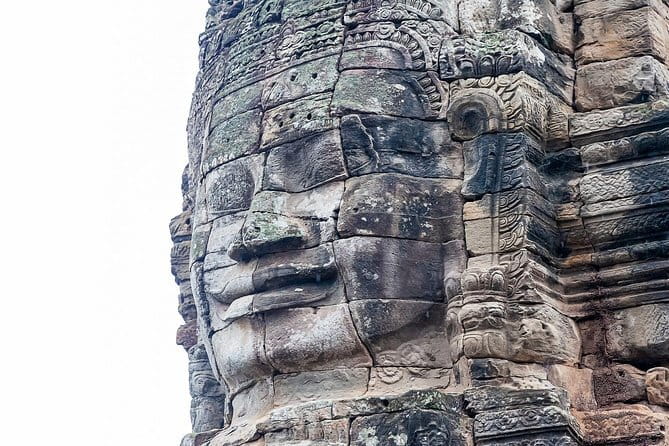
Bayon is all about the faces—central towers covered in more than 200 enormous faces. This is where Angkor turns from architecture-as-structure into architecture-as-expression.
If you like meaning and symbolism, you’ll appreciate how a good guide points out what you’re looking at and why the face towers are treated as central. If you don’t, you can still enjoy it as a repeating visual pattern—step back, look up, then step forward again.
Day 3 on Tonle Sap: Kampong Phluk by boat
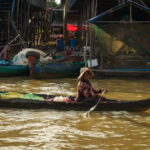
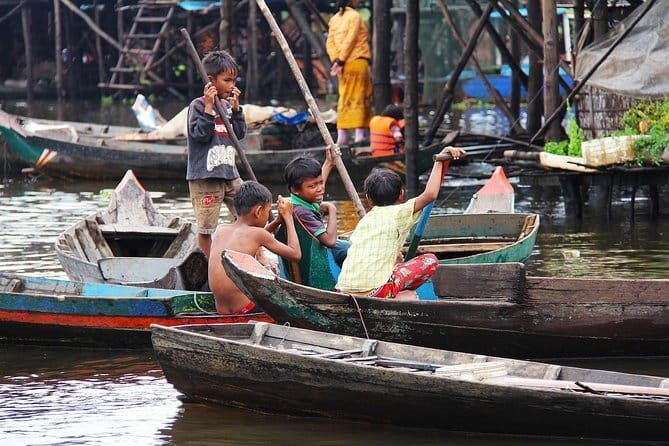
Day 3 is where the tour stops being only temples. You travel to the Tonle Sap area and take a boat trip to Kampong Phluk, described as a collection of small fishing villages.
This part is included in a clean way: Tonle Sap entrance fee and the boat cruise are listed as included. That saves you the mental load of figuring out what’s paid where.
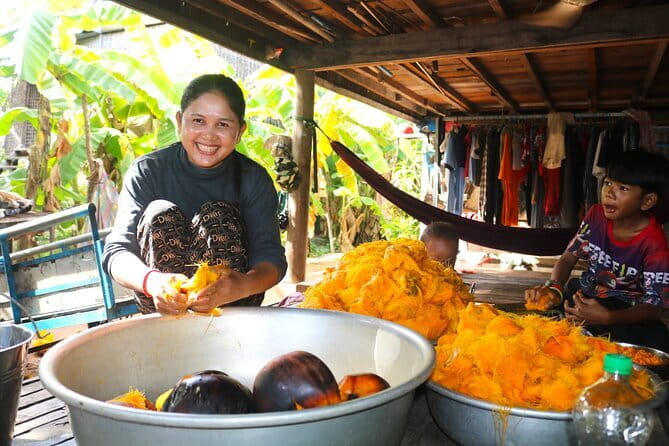
Why Kampong Phluk matters: temples freeze history in stone. Tonle Sap shows history living in daily routines—people working, homes connected to water, and a landscape that doesn’t behave like a normal river bank. Even if you don’t chase photos every second, you’ll feel the pace shift.
Time on the water: the stop is listed as about 4 hours. That’s enough time to get the boat experience and still have some breathing room if you’re not in a photo sprint. Bring any needed personal comfort items, because this is the longest single segment after the early morning sunrise.
How the small-group format changes your day
This tour caps at a maximum of 15 travelers, with an air-conditioned vehicle and hotel pickup and drop-off. Those details sound standard, but in Angkor they matter.
Small group means:
- You’re less likely to lose the guide in a crowd.
- Timing feels tighter, but the pressure to “keep up” is usually lower than big buses.
- Your guide can actually answer questions instead of doing a monologue for 45 people.
From the tour feedback you provided, the guide quality is a major highlight. Sak is singled out for excellent English and being well-educated on the temples, their history, and Cambodian culture. Mao gets credit as a fantastic driver, which matters more than people admit—on these routes, road smoothness and timing can make or break your mood.
Price and what you’ll likely pay at the sites
The tour price is $79 per person, and it includes a lot of the logistics that cost time and effort on your own: air-conditioned transportation, an English-speaking guide, hotel pickup/drop-off, bottled water and a cool towel, sunset and sunrise experiences, and Tonle Sap entrance plus boat cruise. In dry season, it also includes Cambodia Phare circus seat C.
But the big extra cost is the temple pass. Temple pass is listed separately as $62 per person, paid directly at the site. Also, meals are listed as not included.
So how do you judge value? If you add up what this tour saves you—transport, guide time across multiple temples, and the included sunrise/sunset structure—you’re paying for execution. Then you budget extra for the temple pass so the day stays smooth.
My practical take: if you’re already planning to do Angkor sunrise and a floating-village boat day, this price makes sense because those are the pieces that get complicated when you DIY. If you only care about one or two temples and you don’t want early mornings, you may not need a multi-day guided format.
Best fit: who this tour suits
This is a great fit if you want:
- A structured Angkor plan that hits sunrise and sunset.
- A mix of famous temples and temples that feel less crowded.
- Tonle Sap included without you having to coordinate transport and tickets.
It also helps if you prefer a small-group pace rather than a big bus. The guide names you provided—Sak and Mao—are exactly the kind of strong pairing you want on a schedule that starts early and moves all day.
Should you book this Angkor Temples and Tonle Sap tour?
I’d book it if you want the “best of Angkor light” package—sunrise at Angkor Wat, sunset on Day 1, and a day that includes both jungle temples and face towers—plus a Tonle Sap boat day that changes the scenery fast.
I might skip it if:
- You only want Angkor Wat and don’t care about the rest of the circuit.
- You don’t want to pay the temple pass extra ($62 per person) and you also prefer tours where meals are handled for you.
If you’re traveling with the right mindset—comfortable with an early pre-dawn start and happy to pay for the temple pass on-site—this is a well-run small-group route with strong guide support and a day 3 that keeps things from feeling repetitive.
FAQ
What is the duration of the tour?
The tour runs for about 3 days (about 2.5 days described in the overview), covering Angkor temples and Tonle Sap.
How much does the tour cost?
The price is $79.00 per person.
Is the temple pass included in the price?
No. The temple pass is not included and is listed as $62.00 per person, paid directly to the site.
Does the tour include hotel pickup and drop-off?
Yes, pickup and drop-off services are included.
Are sunrise and sunset included?
Yes. The tour includes a beautiful sunset and sunrise experience.
Does the itinerary include Angkor Wat sunrise?
Yes. Day 2 starts with a pre-dawn departure to see sunrise outside Angkor Wat and includes entering the temple in darkness with torch light.
Is Tonle Sap and the boat cruise included?
Yes. Tonle Sap entrance fee and boat cruise are included, with a visit to Kampong Phluk Floating Village.
Are meals included?
Meals are not included. There is a breakfast stop mentioned in the itinerary, but the tour lists meals as available at your own choice.
How large is the group?
The maximum group size is 15 travelers.
Is the Cambodia Phare circus included?
It is included in the dry season, with seat C.