REVIEW · SIEM REAP
Siem Reap: Angkor Wat, Bayon & Ta Prohm Guided Tour
Book on GetYourGuide →Operated by Tourme ANGKOR · Bookable on GetYourGuide
Ancient stone, still breathing with stories. I love how the Angkor Wat and Bayon stops feel connected when you’re walking with an English guide, and I really like the way the day mixes big-scale monuments with quieter jungle ruin time. The only real caution: you’ll be on your feet for hours in sun and heat, so comfortable shoes are non-negotiable.
This is also the kind of tour that keeps you moving without feeling rushed. You get hotel pickup and drop-off in an air-conditioned vehicle, plus bottled water and a cool towel to help you last the full 8 hours, and you’ll benefit from a ticket-line shortcut.
In This Review
- Key points to know before you go
- How this 8-hour Angkor circuit stays organized
- Angkor Wat galleries: the difference a guide makes
- Angkor Thom City: a quick reset before Bayon
- Bayon’s 200+ faces: when stonework turns personal
- Ta Prohm in the jungle: fig trees and a quieter mood
- Price and what you’ll actually pay for a full temple day
- Pickup, ride, and the small details that prevent a bad day
- What to bring, what to wear, and what to skip
- Who should book this tour (and who might feel it’s not right)
- Should you book this guided Angkor Wat, Bayon & Ta Prohm day?
- FAQ
- How long is the Siem Reap Angkor Wat, Bayon & Ta Prohm guided tour?
- What’s included in the tour price?
- Is the temple entrance fee included?
- Do I need to pay for lunch?
- Is hotel pickup and drop-off included?
- What language is the guide?
- Is this tour wheelchair accessible?
- What should I bring and wear?
Key points to know before you go
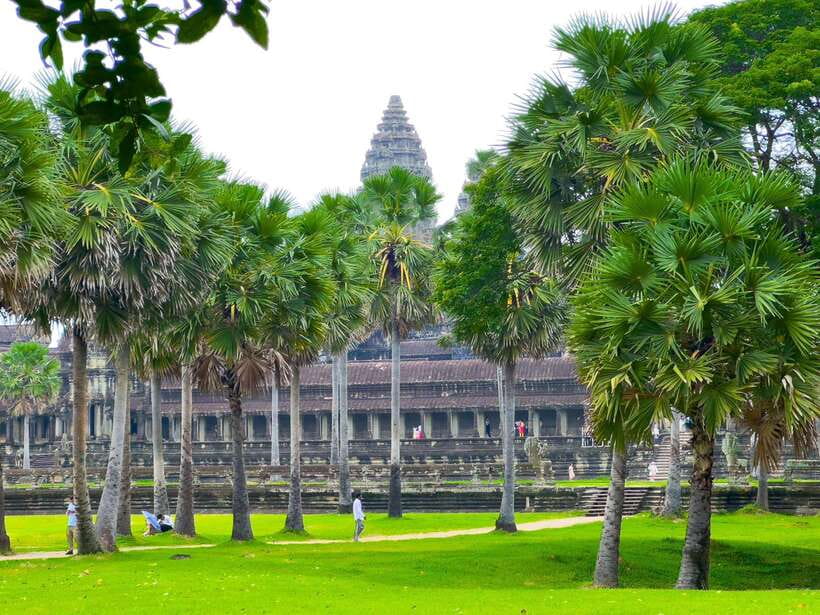
- Angkor Wat with guided context: you’ll walk the galleries with explanations, not just sightseeing photos.
- Bayon’s face towers (200+ faces): a standout moment, especially when someone points out the details.
- Angkor Thom in the middle of the circuit: a calmer breather before you hit Bayon.
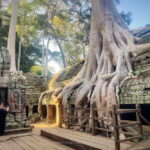
- Ta Prohm’s fig trees: you’ll see the ruin-jungle struggle up close, with a peaceful rural feel.
- A 16-dollar tour price with separate entrance fee: great value if you plan for the $37 temple ticket.
How this 8-hour Angkor circuit stays organized
This day runs like a well-timed route: pickup, a short drive, a quick photo pause, then temple time in a logical order. You start with Angkor Wat, then continue north to Angkor Thom and Bayon, and finish with Ta Prohm before returning to your hotel.
What I appreciate is the built-in structure. With temple days, the hard part is deciding where to stand, what to notice, and how to connect it all. This format hands you that map, with a guide doing the heavy lifting while you focus on walking, looking, and taking breaks when you need them.
The pace is active. Expect guided walking and sightseeing at each major stop, and plan for the heat. It’s not a “sit in the shade all day” kind of outing, even though there are a couple of short photo-view moments that let you catch your breath.
You can also read our reviews of more guided tours in Siem Reap


Angkor Wat galleries: the difference a guide makes
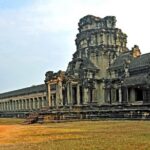
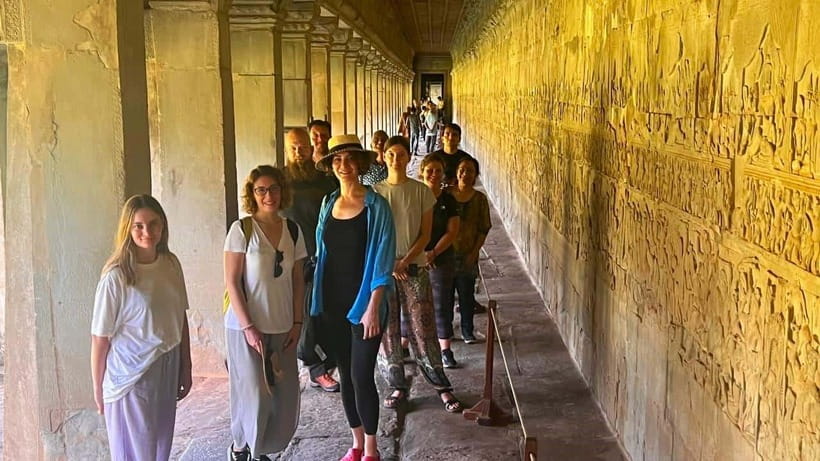
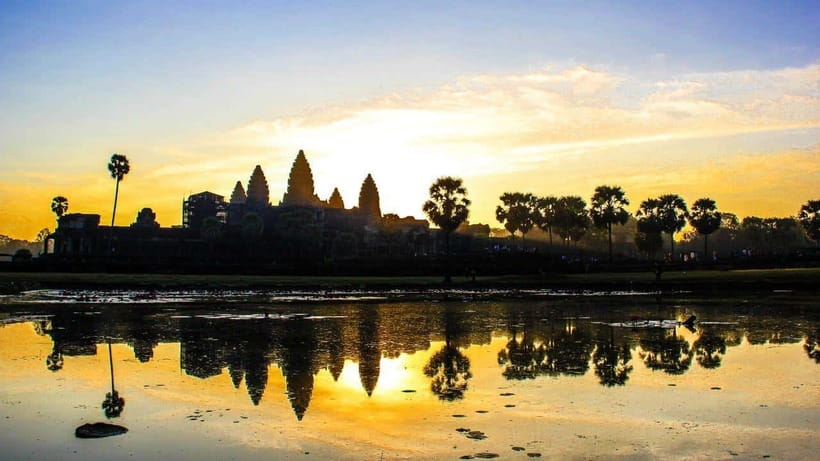
Angkor Wat is the headliner, and the tour starts there for a reason. It’s described as the world’s largest religious monument, and once you’re inside, the scale can hit you fast. The best part, though, is not just the size—it’s the stonework rhythm.
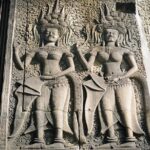
With a local English-speaking guide, you’ll learn the basics while you stroll through the temple’s galleries. That guided walking matters because Angkor Wat can feel like one big complex if you don’t have a thread to follow. A good guide helps you see patterns in carvings and layout, so your photos aren’t only pretty—they’re also meaningful.
You’ll get about 2 hours at Angkor Wat, which is a solid chunk of time for a guided tour. This is long enough to appreciate the major areas without feeling like you’re sprinting. Still, you’ll want to treat this like a museum day plus a hike: water, shade breaks when possible, and good traction underfoot.
One detail I’d watch for: since you’ll be moving through well-maintained areas, you may still encounter uneven stone and stairs. So yes, sandals can look tempting. But on a long day, they can also turn into a foot-stressor. I’d choose the most comfortable, supportive shoes you own.
Angkor Thom City: a quick reset before Bayon

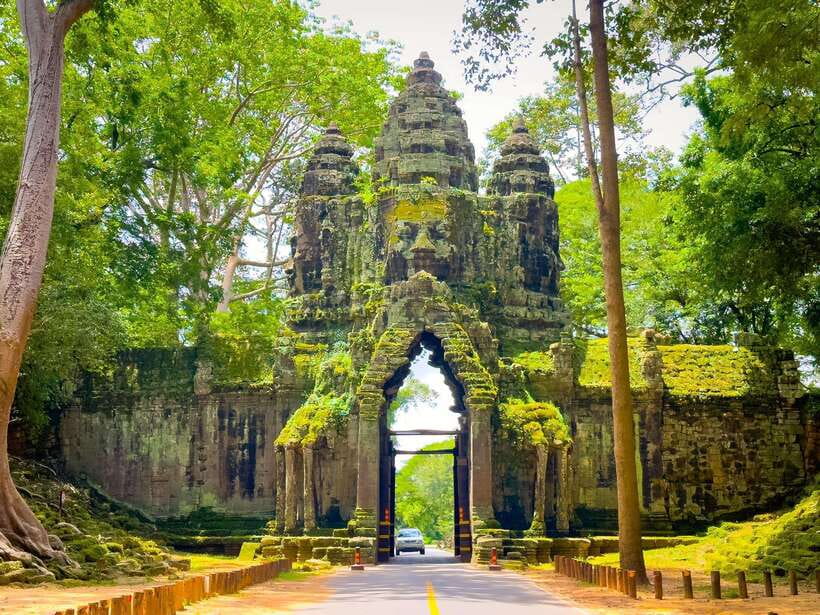
After Angkor Wat, the route heads to Angkor Thom, the Khmer Empire’s capital city. Even with a shorter stop than Angkor Wat, it works as a reset. You get a moment to take in the view before you go inside the city area.
That view moment is small, but it changes how you experience what comes next. When your brain understands where you are in the larger city layout, Bayon’s central towers make more sense—especially because Bayon is the emotional center of the Angkor circuit.
This part of the day runs about 30 minutes for the Angkor Thom city visit. That’s not meant to be exhaustive. It’s meant to get you oriented and ready, so you don’t feel lost when Bayon arrives.
And since this is still a guided portion, you’ll be able to ask (or simply listen) for the stories behind what you’re seeing. For me, that’s the practical advantage: you’re not only looking at stone faces and gates, you’re understanding why they’re placed there.
Bayon’s 200+ faces: when stonework turns personal
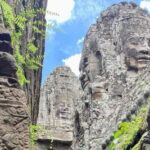
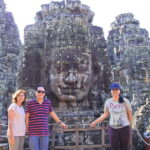
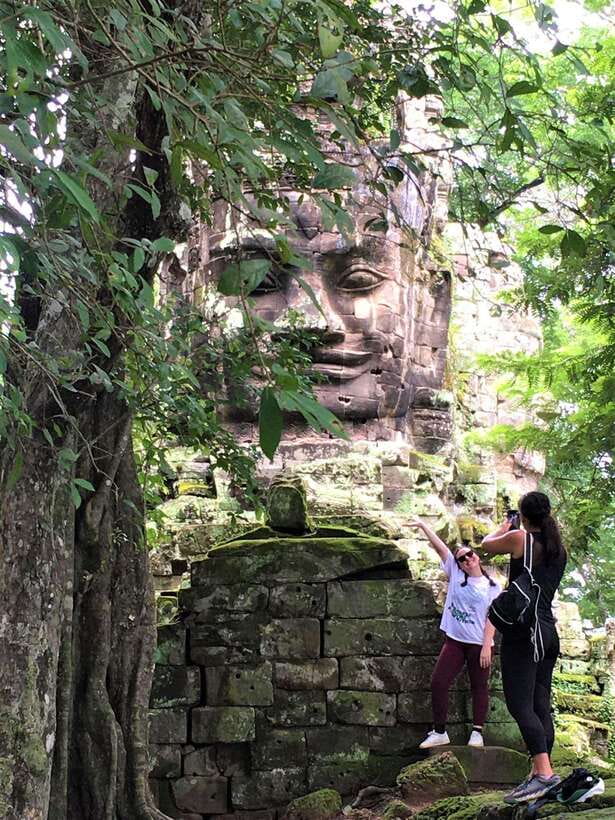
Then you get to Bayon, and it’s hard to look away once you’re close. The central towers are described as covered in more than 200 enormous faces, which is exactly the kind of detail that makes this temple go from impressive to unforgettable.
Your guide helps you appreciate the sculpture in a way that plain photo-walking usually doesn’t. The face towers can look repetitive from far away, but up close, you’ll notice how the expressions and carvings change as you move.
This stop lasts about 1 hour, including guiding, sightseeing, and walking. That’s a good length because Bayon is not just one photo angle. You’ll want time to circle, slow down, and let the carvings “read” as you get different views.
One more thing: a lively guide can make Bayon feel like a conversation instead of a checklist. I especially liked hearing about the mythology and symbolism explained in a straightforward way. In fact, the English guide Yuth has been highlighted for being sociable and for sharing lots of history and mythology, with personal touches that make the stone feel more human.
Ta Prohm in the jungle: fig trees and a quieter mood
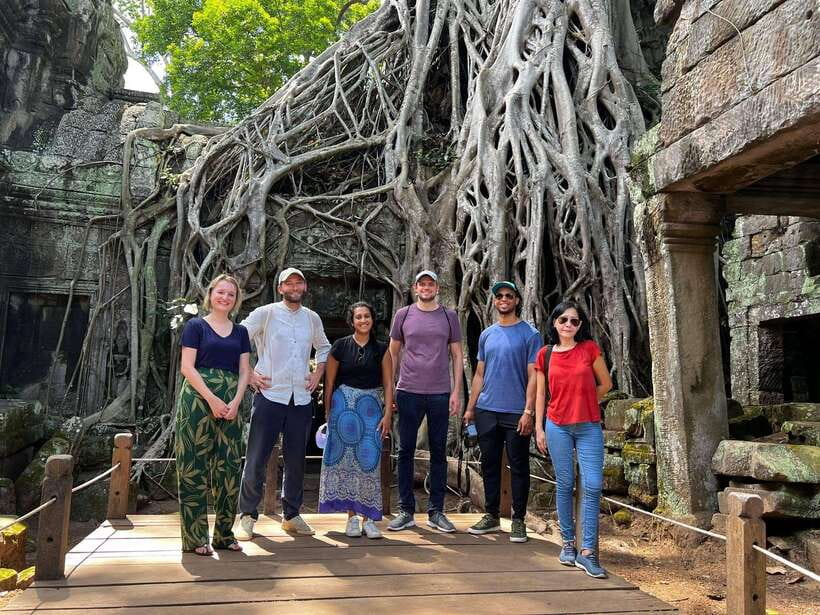
After the major concentration of temples, the day shifts tone at Ta Prohm. This is the one people remember because it looks like it’s been “claimed” by the jungle.
You’ll get about 1 hour here, including guided time, walking, and photo stops. The key image is the fig trees threatening to overtake the structures. It’s a visual story that’s instantly understandable, even if you don’t know every term about the site’s background.
What I like about this portion is that it tends to feel calmer and more rural compared to the big central-city temples. You’re still in a historic place, but the setting changes the way you move through it. Instead of the monumental “wow” of Angkor Wat, Ta Prohm brings you a more atmospheric kind of wonder.
It’s also a great spot for slower looking. If you rush, you’ll just get a quick look at fallen stones and roots. But with a guided approach and time to wander, you’ll notice how the ruin layout and the trees create separate little scenes as you go.
If you’re sensitive to heat, this is where you’ll appreciate taking your time between photo angles. Bring your insect repellent, and keep sipping water. Jungle ruins are beautiful, but your comfort still matters.


Price and what you’ll actually pay for a full temple day
The tour price is listed at $16 per person, which is unusually low for a guided day covering multiple major temples. The catch is that the temple entrance fee is not included.
You’ll need to budget $37 per person for the temple ticket that covers all temples in one day. That means your realistic temple-day cost becomes $53, before you add lunch.
Lunch is at your own expense at a local restaurant included in the schedule. This is normal for temple tours, but it’s worth planning. If you want to avoid expensive menu surprises, decide in advance what you’re comfortable spending and eat when you have the time window.
So is $16 worth it? For me, yes—because you’re paying for the parts that are usually harder to organize yourself: English-speaking guidance, air-conditioned transport, hotel pickup/drop-off within Siem Reap city, bottled water, a cool towel, and the practical advantage of skipping the ticket line.
Also, with a fixed 8-hour window, you’re less likely to waste half a day negotiating entry points. Value here comes from time saved and context gained, not just transportation.
Pickup, ride, and the small details that prevent a bad day
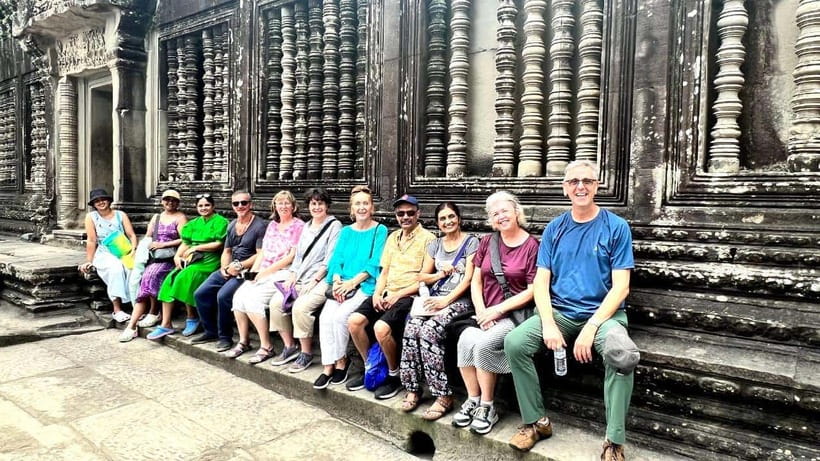
Your day starts with pickup from your hotel in Krong Siem Reap area. You’ll be picked up and dropped off back at your hotel, and the exact pickup time is provided one day before the tour. That’s helpful because Angkor days can start early, and you don’t want to guess.
You travel in an air-conditioned vehicle. That matters more than people think, because you’re going from temple to temple in warm weather. The tour also includes complimentary bottled water and a cool towel, which makes it easier to stay comfortable during walking-heavy portions.
There’s also a short visitor center photo stop. Think of it as a quick pause to reset your expectations before the real temple walking starts. It’s not a long detour, but it can help you start the day feeling ready instead of still wrangling your hat and water bottle.
Finally, note what the day does not include: the temples entrance fee and meal. The rest is structured to keep you in motion with fewer logistical headaches.
What to bring, what to wear, and what to skip
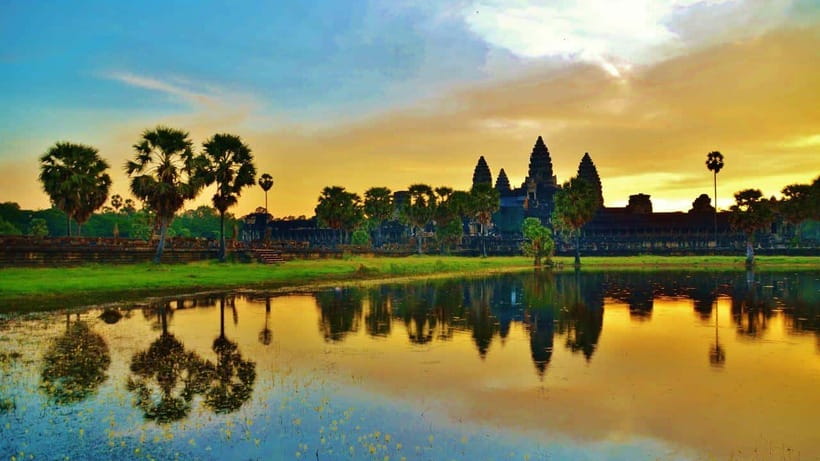
For temple comfort, bring: sunglasses, comfortable shoes, insect repellent, and a hat. Those are exactly the basics that matter in Siem Reap’s heat and outdoor ruin conditions.
Wear practical clothing that won’t annoy you as you walk and climb. Also pay attention to the rule that skirts are not allowed. That doesn’t mean you have to dress up. It just means you should avoid skirt options and stick to clothing that aligns with the temple requirements.
If you’re the type who hates carrying stuff, this tour is still manageable, because water and a cool towel are provided. But you’ll still want to have your own sunscreen routine handled—especially for Angkor Wat’s open areas.
And yes, bring repellent even if you think you won’t need it. Ta Prohm is the kind of place where insects can show up when you least want them.
Who should book this tour (and who might feel it’s not right)

This works best if you want a guided day that connects the dots between major temples. The tour is built for people who like having an English guide explain what you’re looking at, rather than walking on your own through a maze of stone.
It also suits you if you prefer a clear plan. You’ll hit Angkor Wat, then Angkor Thom and Bayon, then Ta Prohm, all in one 8-hour stretch with hotel pickup and drop-off.
It may be less ideal if you need wheelchair access, because it’s not suitable for wheelchair users. If mobility is limited, you’ll want to look for a different format that’s designed around reduced walking and easier access.
And if you’re the kind of person who plans to take a million photos from perfect angles at every single stop, this schedule could feel tight. The upside is that each site still gets a meaningful block of time, but the day is clearly a circuit.
Should you book this guided Angkor Wat, Bayon & Ta Prohm day?
I’d book it if you want maximum Angkor impact in one day with an English-speaking guide doing the talking. Angkor Wat and Bayon are the big visual attractions, and Ta Prohm gives you a totally different atmosphere—jungle ruin energy with fig trees taking over the scene. Put them together and the day feels like a full range of what Angkor is about.
I’d skip it only if you know you can’t handle long walking in warm conditions or you’re traveling with needs that make this route difficult. Otherwise, the value is hard to beat once you factor in air-conditioned transport, hotel pickup/drop-off, bottled water, a cool towel, and a ticket-line shortcut.
If you do book, pack the basics, wear the right clothing (no skirts), and lean on the guide. When someone like Yuth talks through the symbolism and mythology in plain language, Angkor stops being just stone—and starts feeling like a story you can walk through.
FAQ
How long is the Siem Reap Angkor Wat, Bayon & Ta Prohm guided tour?
The tour duration is 8 hours.
What’s included in the tour price?
It includes a guided visit to Angkor Wat, Angkor Thom city, Bayon, and Ta Prohm, an English-speaking tour guide, air-conditioned transportation, hotel pickup and drop-off within Siem Reap city, bottled water, and a cool towel.
Is the temple entrance fee included?
No. The entrance fee is $37 per person and covers all temples in one day.
Do I need to pay for lunch?
Yes. Lunch is available at your own expense at a local restaurant during the tour.
Is hotel pickup and drop-off included?
Yes. Pickup and drop-off are included in Siem Reap city, and the exact pickup time is provided one day before the tour.
What language is the guide?
The tour guide speaks English.
Is this tour wheelchair accessible?
No, it is not suitable for wheelchair users.
What should I bring and wear?
Bring sunglasses, comfortable shoes, insect repellent, and a hat. Skirts are not allowed.