REVIEW · SIEM REAP
2-Day Angkor Wat Tour
Book on Viator →Operated by Adventure Travel Cambodia · Bookable on Viator
Angkor can feel like chaos from the outside, but this two-day plan gives it a clear rhythm, starting with Angkor Wat at sunrise and ending on Tonle Sap at sunset. I love that you get hotel pickup, A/C transport, cool towels, and an English-speaking licensed guide who explains what you’re looking at instead of just pointing. I also like that the schedule clusters the main sights on Day 1 and the best art-and-gate temples on Day 2, so you spend more time seeing and less time figuring out logistics.
One thing to plan for: the big tickets are not included—your 2-day Angkor Pass and the Tonle Sap boat ride each cost extra. If you want a super low-cost trip, add those fees into your budget before you say yes.
In This Review
- Key highlights at a glance
- Why Angkor in 2 days actually works
- Price and logistics: what $164 covers (and what costs extra)
- Day 1: Angkor Thom and the Bayon-face mood
- Angkor Thom: the big walled “city” idea
- South Gate: where you start “reading” the complex
- Bayon Temple: faces that won’t let you rush
- Phimeanakas, Baphuon, Terrace of the Elephants: the in-between anchors
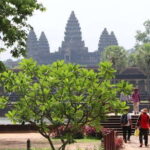
- Angkor Wat in daylight: the best-preserved feeling
- A quick note on food and energy
- Day 2: Sunrise at Angkor Wat, then the north-circuit temples
- Ta Prohm: where the trees and stone argue (nicely)
- Neak Pean and Preah Khan: more than name stops
- Banteay Srei: the lady temple and pink sandstone detail
- Tonle Sap sunset: Kampong Phluk and life on the water
- Guide quality and comfort: why Thy, Sinan, and David matter
- Who should book this Angkor tour (and who might hesitate)
- Should you book this 2-day Angkor Wat experience?
- Do I need to buy an Angkor Pass for this tour?
- Is the Angkor Pass included in the $164 price?
- Is the Tonle Sap boat ride included?
- What’s included besides the guide?
- What time does the tour start?
- How early do I need to get up for sunrise?
- Is this tour private?
- Do I need good weather for the experience?
- What if I need to cancel last minute?
Key highlights at a glance
- Licensed English guide who explains Khmer culture and temple meaning, not just names
- Hotel pickup/drop-off plus A/C transport and water during the day
- Day 1 hits Angkor Thom and Bayon with classic faces and key terraces
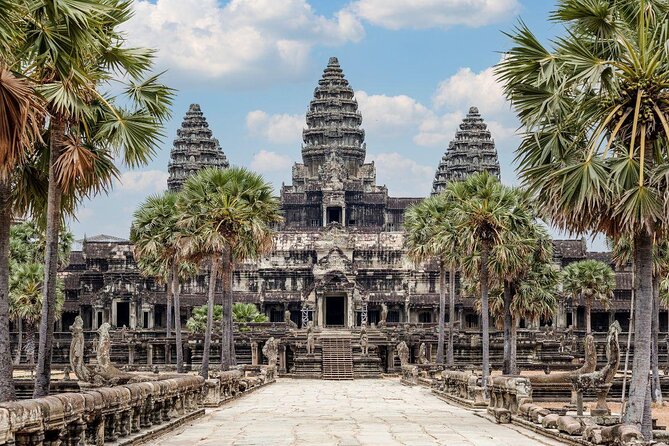
- Day 2 sunrise at Angkor Wat followed by major temples in a northward loop
- Tonle Sap + Kampong Phluk with a private boat cruise for sunset
- Private format for your group, so the pace matches your crew
Why Angkor in 2 days actually works
Angkor is big. That’s the polite way of saying it can swallow your whole vacation if you try to do everything solo. This tour keeps it focused: you get the core Angkor highlights, plus a run of temples that feel like different eras of the same story.
Day 1 leans into the most famous Angkor Thom zone—think gates, Bayon, and the cluster of important buildings around it—then finishes with Angkor Wat in daylight. Day 2 starts before sunrise, so you get the most iconic light show in Cambodia, then continues through the northern circuit with temples that reward slow looking.
There’s also a practical benefit: the itinerary is built around guided walking through the complex, which is where most visitors struggle. When someone explains the layout and what each level or feature is for, you get more out of the same stones.
You can also read our reviews of more tours and experiences in Siem Reap

Price and logistics: what $164 covers (and what costs extra)
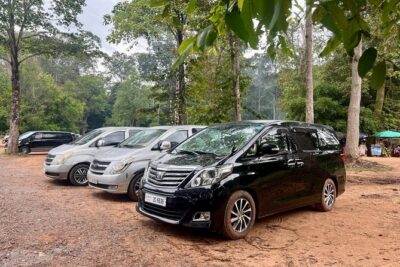
The listed price is $164 per person for about two days. What you’re getting here is the “comfort + planning” package: English-speaking licensed guide, A/C vehicle (car or minivan), unlimited bottle water and cool towels, and hotel pickup and drop-off.
Then there are the two fees that matter for your real total:
- Angkor Pass (2-day): $62 per person, bought during Day 1.
- Tonle Sap ticket + boat ride: $20 per person, paid for during the Tonle Sap stop.
Food is not included, and that can add up if you’re choosing pricier restaurants. Still, when you compare this to doing it DIY—driver, tickets, and the time spent negotiating access—this format can be good value, especially if you’d rather let someone else handle the temple-to-temple timing.
Also note: the tour is described as private for your group. That usually means you’re not stuck with a random pace that doesn’t match yours.
Day 1: Angkor Thom and the Bayon-face mood
Your day begins with pickup from your hotel in the morning, with the day getting going around 8:30 am. You’ll head straight to purchase the 2-day Angkor Pass (priced separately). Since Angkor is ticket-based, this is a smart move: you start the day with what you need so you’re not wasting temple time later.
Angkor Thom: the big walled “city” idea
The first main stop is Angkor Thom, the enclosed royal city area inside the Angkor Archaeological Park. Even if you’ve seen photos, being inside the walls changes the scale. This is one of those places where the guide’s job is essential. It’s easy to feel lost, but once you understand how the complex is laid out, each structure makes more sense.
South Gate: where you start “reading” the complex
Next comes the Angkor Thom South Gate. It’s quick, but gates matter. They’re the transition points between worlds—outside city life and inside temple meaning. You’ll have time to look up and notice the levels and carvings as your guide explains what each part is meant to communicate.
Bayon Temple: faces that won’t let you rush
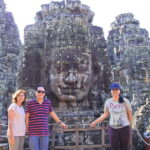
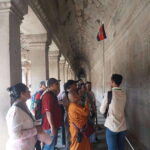
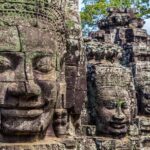
Then you reach Bayon Temple, one of the most emotional stops in the whole Angkor circuit. This is where you’ll spend closer to two hours. The key value here is interpretation: your guide walks with you up and around, explaining what you’ll see at each level. When someone connects the faces and architectural choices to Khmer belief and royal power, it stops being a photogenic backdrop and becomes a statement.
A detail I appreciate from the way the guides are described: they don’t just talk about the stone. They tie the temples to Khmer culture, including food and history, which makes the day feel less like sightseeing bingo.
Phimeanakas, Baphuon, Terrace of the Elephants: the in-between anchors
After Bayon, the pace continues through a set of anchor structures:
- Phimeanakas (shorter stop, about 30 minutes)
- Baphuon Temple (about 30 minutes)
- Terrace of the Elephants (about 30 minutes)
These stops can feel “secondary” if you’re chasing only the headline photos. But that’s exactly where a good guide earns their fee—helping you notice how the structures relate to each other and to the wider theme of the complex. The terraces and temple platforms are also great places to slow down because you can observe details without climbing too much.
Angkor Wat in daylight: the best-preserved feeling
Day 1 finishes with Angkor Wat, and you’ll also get a lunch break in a local Khmer-style restaurant inside the Angkor park area. Then you spend about two hours at Angkor Wat in daylight.
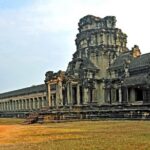
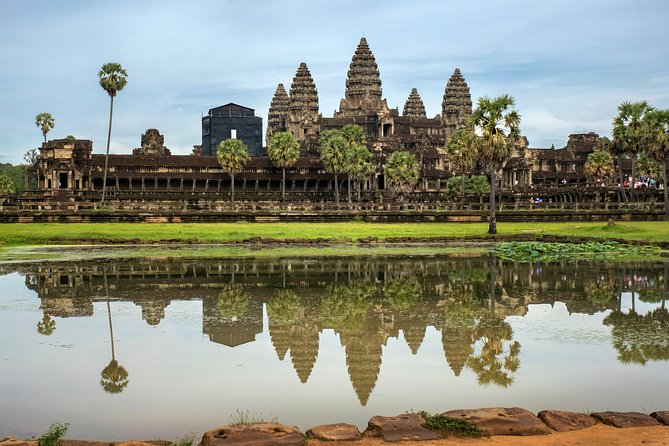
Angkor Wat is often called the best-preserved temple, and you’ll see why when you compare it to other sites where time has won harder. It’s also one of the few places where the symmetry is strong enough that you can stand back and understand the planning even before your brain fully processes the story.
A quick note on food and energy
You’re walking in heat and sun, and the schedule keeps moving. I like that the tour includes unlimited water and cool towels, because that reduces the “I’ll save a bottle for later” stress.
Still, plan for food costs. This isn’t a packaged meal tour. If you’re picky about rice versus noodles, or you want fewer surprises, you’ll be happier if you eat a normal lunch and save snacks for the breaks you control.
Day 2: Sunrise at Angkor Wat, then the north-circuit temples
If your room includes breakfast, you can ask your hotel to pack a takeaway breakfast so you can start early without stopping. The schedule notes getting ready by 4:40 am, which tells you the tour expects an efficient sunrise run.
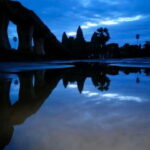
The payoff is sunrise over Angkor Wat. The temple feels different when the air is cooler and the sky is doing the magic before you even step into the paths. You’ll have about two hours here, giving you time to take in the view and still look at the temple details without feeling rushed.
Ta Prohm: where the trees and stone argue (nicely)
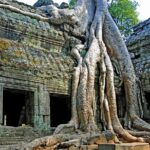
After sunrise, the itinerary moves to Ta Prohm for about two hours. This is the temple many people recognize from films and photos—but don’t treat it like a postcard. With a guide, you’ll focus on why the structures are positioned the way they are and how the site changed over time.
When you’re not just staring at the roots and branches, you start seeing the temple’s logic again—how the builders shaped space, then later generations shaped the view back.
Neak Pean and Preah Khan: more than name stops
Then you head through:
- Neak Pean (about 45 minutes)
- Preah Khan (about 1 hour)
- Ta Som (about 30 minutes)
- Eastern Mebon (about 30 minutes)
These temples can be less famous than Angkor Thom or Angkor Wat, and that’s the point. They help you understand that Angkor wasn’t one temple—it was a whole working system of water, worship, and royal projects across generations.
A good guide is crucial here because the shapes can blur together if you don’t get orientation. Once you know what you’re seeing, each site becomes a different “chapter” instead of a stop on a list.
Banteay Srei: the lady temple and pink sandstone detail
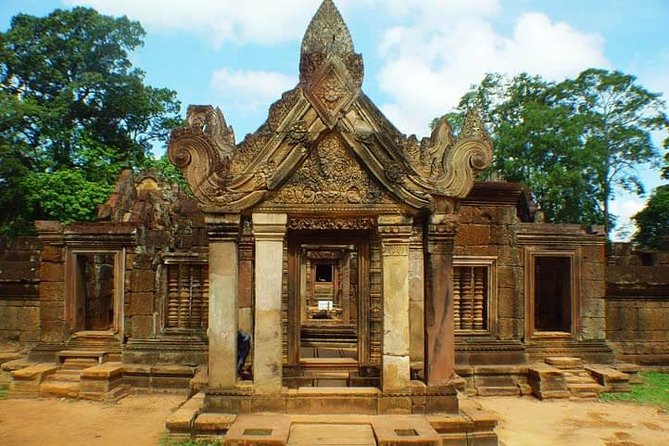
Near the end, you drive further north to Banteay Srei, often called the lady’s temple. The description highlights petite pink sandstone, and this is exactly the kind of detail that rewards a slower look. This stop is shorter in the schedule, so you’ll want to make your questions count during the walking.
If you like architecture details—carving style, color, and how smaller elements fit into larger design—this is a satisfying place to end the temple day.
Tonle Sap sunset: Kampong Phluk and life on the water
After the temples, you shift gears to the landscape that shapes daily life here: Tonle Sap, described as the biggest freshwater lake in Southeast Asia.
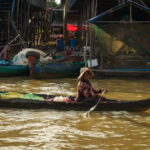
The plan includes a visit to Kampong Phluk, a floating village area where you can learn about local lifestyles. Then you’ll do a private boat cruise for sunset. The boat ride fee is not included, listed at $20 per person.
This part of the day can feel like a reset. The temples are about stone and time. Tonle Sap is about movement and routine. The contrast helps the trip feel complete rather than just another “see monuments” vacation.
Guide quality and comfort: why Thy, Sinan, and David matter

The strongest praise in the experience isn’t just about the temples—it’s about the guides and how they connect dots.
One review highlights Sinan for answering questions on Khmer culture, food, and history while explaining the temples. Another mentions David for strong context about religious traditions and how they influenced what you see. And a separate review credits Thy as a safe, experienced driver, which matters in Siem Reap traffic and on longer temple days.
That combination—driver confidence plus an explanations-first guide—is what keeps you from wasting energy. You can focus on the sights because logistics are handled.
It’s also worth noting the tour description says you have an accredited guide for the temple stops and that the transportation includes A/C. That’s not a luxury detail; it directly affects how long you can enjoy yourself on foot.
Who should book this Angkor tour (and who might hesitate)
This is a good fit if you:
- Want the big Angkor highlights without planning every ticket and route
- Enjoy learning as you walk, not just snapping photos
- Like early mornings when the payoff is real (sunrise at Angkor Wat)
- Prefer a private format for your group rather than a mixed crowd pace
- Have at least moderate physical fitness, since temple walking is involved
You might reconsider if you:
- Hate early starts (Day 2 expects you ready around 4:40 am for sunrise)
- Don’t want to pay extra for key admissions (Angkor Pass and Tonle Sap boat ride)
- Plan to eat budget meals only, since food is not included
Should you book this 2-day Angkor Wat experience?
If your goal is to see Angkor Wat and the other headline temples in a way that feels organized, this tour makes sense. The value isn’t only the temples—it’s the structure: pickup, A/C rides, water and towels, and a guide who explains what you’re looking at.
My decision shortcut:
- If you want maximum clarity per hour, book it.
- If you want a bare-bones budget DIY trip where you handle everything yourself, you may be happier doing it independently.
Also, there’s a practical safety net: the experience offers free cancellation up to 24 hours in advance and rebooking or refund if weather ruins the plan. That’s helpful when you’re trying to line up sunrise timing.
Do I need to buy an Angkor Pass for this tour?
Yes. The tour includes purchasing a 2-day Angkor Pass for $62 per person on Day 1. Admission for other stops is listed as free within the schedule, but the pass purchase is a required part of the experience.
Is the Angkor Pass included in the $164 price?
No. The $62 Angkor Pass is listed as not included, so you should budget for it separately.
Is the Tonle Sap boat ride included?
No. The Tonle Sap ticket with boat ride is listed as not included and costs $20 per person.
What’s included besides the guide?
You get English-speaking licensed guide, hotel pick-up and drop-off, A/C transportation (car or minivan), plus unlimited bottle water and cool towels during the excursion.
What time does the tour start?
The meeting point start time is listed as 8:30 am, and Day 1 pickup is described as happening in the morning.
How early do I need to get up for sunrise?
For Day 2 sunrise, the tour notes that if your room includes breakfast, you can ask the hotel to pack takeaway breakfast and get ready by 4:40 am.
Is this tour private?
Yes. The description says it’s private, and only your group will participate.
Do I need good weather for the experience?
Yes. The tour states it requires good weather. If it’s canceled due to poor weather, you’ll be offered a different date or a full refund.
What if I need to cancel last minute?
The experience offers free cancellation up to 24 hours in advance for a full refund, and if you cancel less than 24 hours before the start time, the amount paid is not refunded.