REVIEW · SIEM REAP
Sunrise at Angkor Wat and Small Tour with Tours Guide
Book on GetYourGuide →Operated by Etrip Asia · Bookable on GetYourGuide
Angkor Wat at sunrise hits different because you’re watching history wake up. This 8-hour small tour pairs an early start with guided temple stops, so you’re not just rushing from doorway to doorway. I like the clear focus on sunrise, and I also like how the route ties the major Angkor sites together with explanations from a local English-speaking guide.
The big thing to plan around is the Angkor Pass, because entry to the temples isn’t included in the $6 price. Also, this tour is best for people who can handle very early mornings and long walking stretches.
In This Review
- Key highlights you’ll care about
- Sunrise at Angkor Wat and the 4:30 AM pickup
- The guide + the temple pass: the two “hidden” drivers of the day
- Angkor Wat after sunrise: guided walking, breakfast break, and photo spots
- South Gate of Angkor Thom to Bayon: the 216 faces moment
- The Terrace stops: Elephant, Leper King, and royal audience vibes
- Ta Prohm: jungle roots, stone, and a slower pace
- Banteay Kdei: a solid finishing temple built by Jayavarman VII
- Shared vs private tour: who this suits best
- Price and value: what $6 really means at Angkor
- Practical tips before you go
- Should you book this sunrise + small-group Angkor tour?
Key highlights you’ll care about
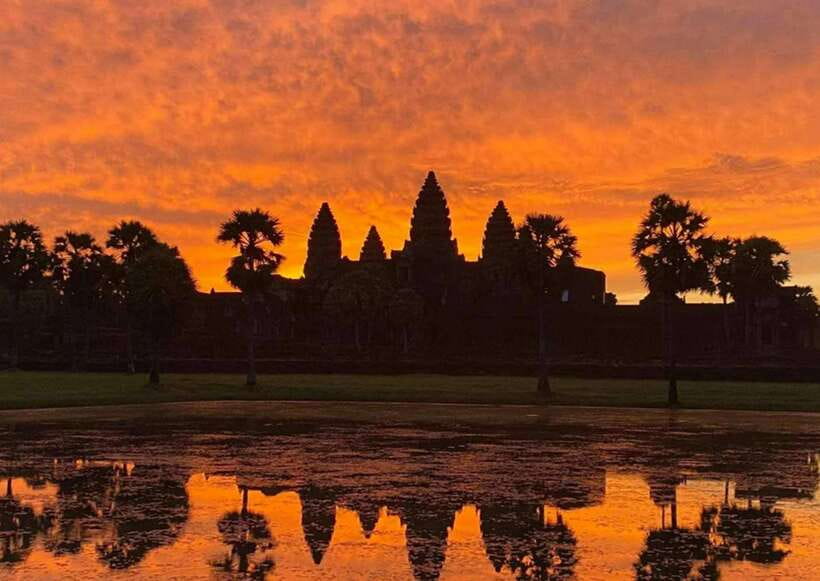
- Sunrise timing with an early hotel pickup and access to the main Angkor Wat entrance area
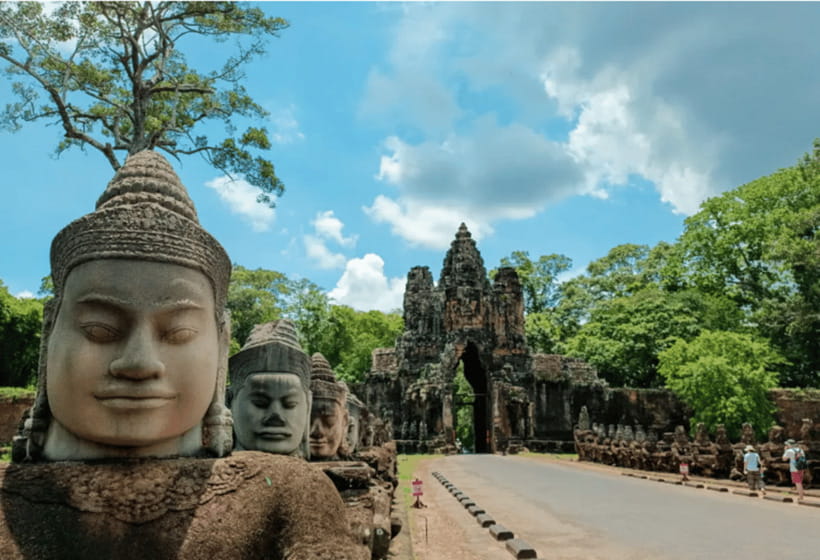
- Bayon + Baphoun at South Gate of Angkor Thom, with the famous 54 towers and 216 Avalokesvara faces
- Ta Prohm’s jungle setting, where tree roots and thick greenery surround the stone
- Terraces with royal functions: the Terrace of the Elephant and the Terrace of the Leper King
- Optional private group, for more control over pacing and photos
Sunrise at Angkor Wat and the 4:30 AM pickup
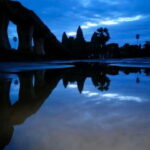
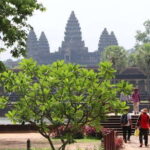
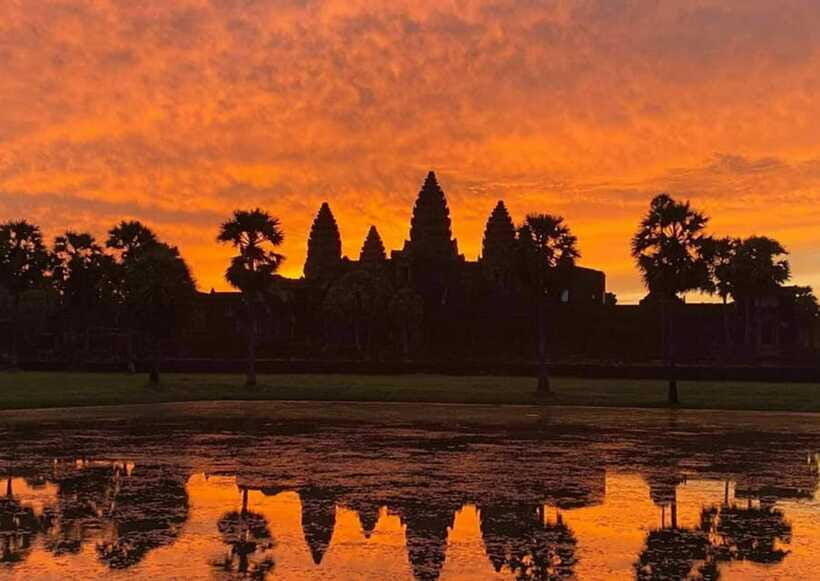
Your day starts early: you’ll get picked up from your hotel around 4:30 AM in an air-conditioned vehicle. The goal is simple—arrive before the light really blooms over Angkor Wat, when the crowds are thinner and the photos have contrast. Sunrise tours are popular for a reason, and this one is built around that moment rather than treating it as a quick checkbox.
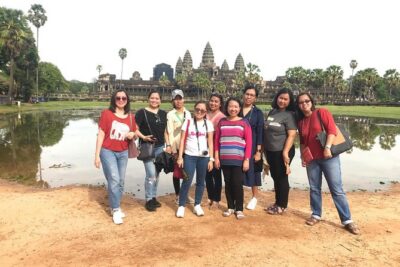
You’ll head to the main entrance of Angkor Wat to admire the first light over the complex. Even if you’ve seen photos, sunrise adds atmosphere: the sky shifts quickly, shadows move over the stone, and the whole place feels quieter and more intentional. If you’re the type who cares about getting your footing and not losing the group, the schedule helps because the transfer happens before walking begins.
One practical note: it’s still temple time, meaning you’ll be outdoors and moving. Wear something you can walk in for hours, and bring a layer. Early morning can feel cooler than the midday heat you’ll meet later.
You can also read our reviews of more guided tours in Siem Reap
The guide + the temple pass: the two “hidden” drivers of the day
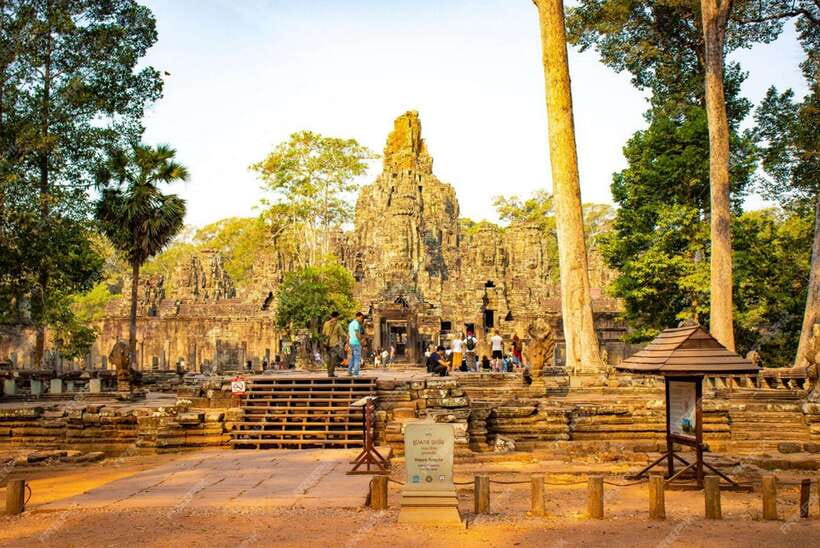
This tour includes an English-speaking guide, bottled drinking water, and a cold towel. Those small extras matter at Angkor because you’ll sweat. They also matter because guides don’t just point—you’ll get context as you walk.
The second driver is the Angkor Pass. Entry requires a pass, and you choose one of these options:
- 1-day: USD 37
- 3-day: USD 62
- 7-day: USD 72
So the real cost isn’t just the advertised $6 per person. That $6 is the tour base—your temple entry is separate. If you’re staying only one day in Siem Reap or you only plan to do a single circuit, it usually makes sense to go with the 1-day pass, but you should check what other temples you plan to visit on your dates.
Good news: you can book with reserve-and-pay-later options, and there’s free cancellation up to 24 hours in advance. That helps if you’re trying to line up sunrise plans with weather and your energy level.
Angkor Wat after sunrise: guided walking, breakfast break, and photo spots
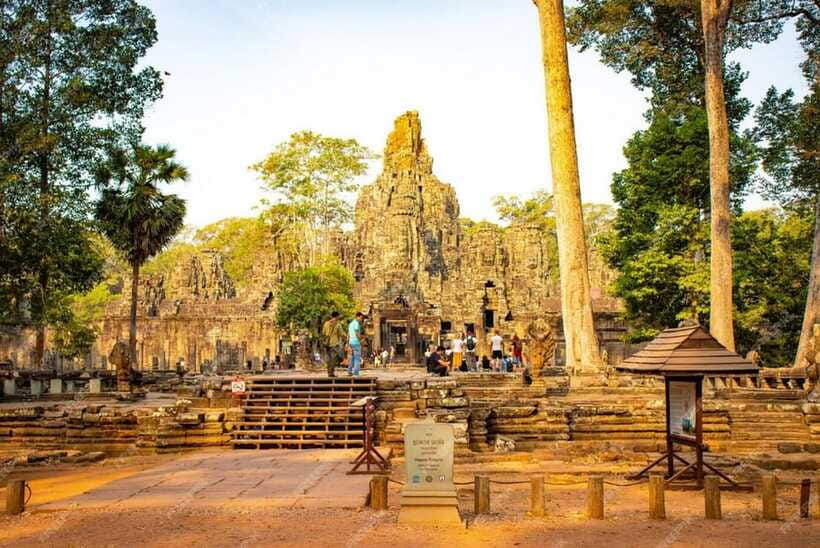
Once sunrise is in your eyes, the tour doesn’t end. After the morning viewpoint, you’ll shift into guided time at Angkor Wat with walking and sightseeing. The schedule gives you a couple of built-in pauses—there’s a break for breakfast (about 30 minutes) and another shorter break later.
This matters because the Angkor Wat circuit is long. Without breaks, you’d burn daylight and then rush the details you came to see. With breaks, you can actually look up at carvings and tower shapes instead of just getting through.
A specific detail worth knowing: a guide named Ounra has been praised for waiting at 5:00 AM at Angkor Wat and for knowing strong sunrise viewing spots while also helping with photography. You can’t guarantee every guide will be the same, but it’s a good sign that the tour can emphasize viewpoints and practical photo timing—not just facts.
If you’re picky about explanations, keep in mind that one tour write-up noted English could be harder to understand for some. If you need things slower or more clearly, ask for repetition. A lot of guides will adjust on the fly.
South Gate of Angkor Thom to Bayon: the 216 faces moment
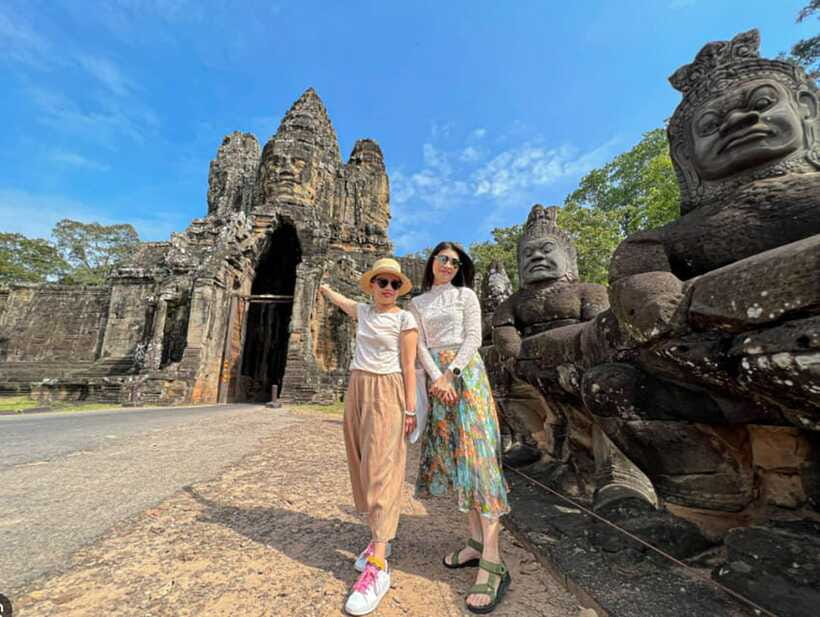
Next up is South Gate of Angkor Thom, where you’ll visit and get guided time around the entrance area and key temple points. This is your bridge from Angkor Wat’s grand symmetry into Angkor Thom’s denser, more character-filled ruins.
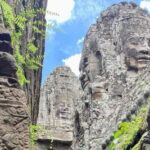
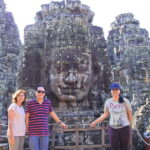
The highlight here is Bayon and Baphoun. You’ll hear the big numbers: 54 towers and 216 faces of the Buddhist figure Avalokesvara. Standing near Bayon is different from seeing it in a picture. The faces repeat across towers, so you feel surrounded rather than just looking at one statue.
Your guide explains historical facts about the Khmer empire and the temples’ meaning. I like this approach for first-timers because Bayon can feel like a puzzle: once someone ties the structure to the worldview and political power of the era, it clicks.
There’s also a photo stop included, which is smart. Bayon works best when you can frame it from the right angle and at the right time of day—angles that change as the sun climbs.
The Terrace stops: Elephant, Leper King, and royal audience vibes
After lunch time in the day’s flow, you’ll see two terraces that feel less like “stopping to look” and more like stepping into a ceremonial space.
First: Terrace of the Elephant. The name hints at the role of the space—this is part of a palace-like complex where power was displayed through architecture and processional design. Even if you don’t know every sculpture, you’ll likely feel the scale.
Second: Terrace of the Leper King, described as a royal viewing platform and the stage for the king’s great audience hall. That wording matters: it frames these terraces as political stages, not just stone leftovers. When you walk through, try to think in terms of movement—who would gather, where would the king stand, and how would the crowd face the center.
This part of the itinerary is a good balance after you’ve already absorbed Bayon’s face-towers. It shifts you from one visual pattern (faces) into a different one (processional and ceremonial geometry). If you like architecture that tells a story through function, this is a strong segment.
You can also read our reviews of more tours and experiences in Siem Reap

Ta Prohm: jungle roots, stone, and a slower pace
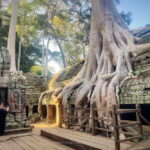
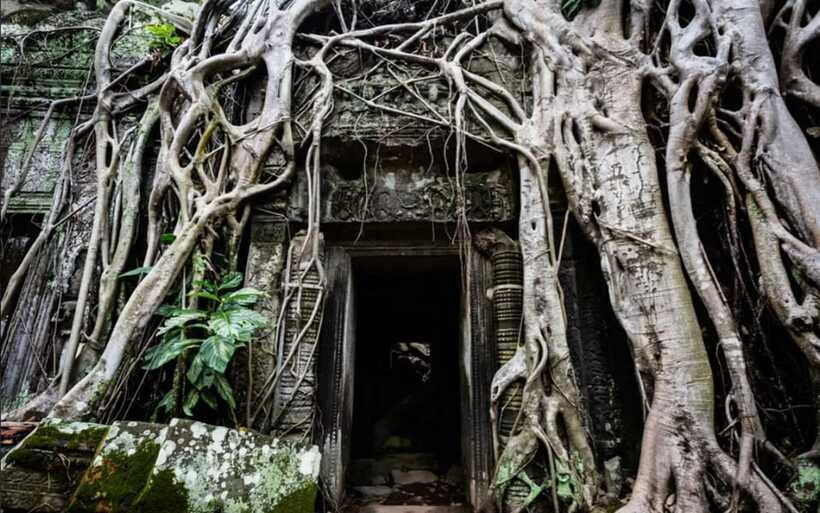
Then comes Ta Prohm, one of the most famous Angkor temples because of its dramatic relationship with the jungle. You’ll enter and have guided time, with a view of lush trees wrapped around the temple stones.
This stop is best when you let it be messy. Ta Prohm isn’t about crisp perfection—it’s about nature taking its time. Tree roots and thick greenery change the mood around the stone. It feels older, not just ancient.
Because Ta Prohm is outdoors and shaded unevenly, it’s worth moving slowly. This is where you can lose track of time if you get distracted by details, like how different parts of the structure are framed by branches and roots. The guide can help point out elements you might otherwise miss when you’re just chasing the big photo spot.
Banteay Kdei: a solid finishing temple built by Jayavarman VII
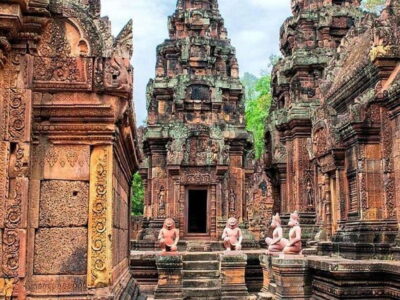
To close the tour, you’ll visit Banteay Kdei, built by King Jayavarman VII in the late 12th century. It’s a nice choice for the ending because it adds variety—different temple feel from what you saw earlier, and it gives you one more anchor to Khmer-era rulers.
You’ll get guided time here too, then you’ll return to your hotel in Siem Reap. By the end of the day, your legs will know it. This is where the early start makes sense: you’re getting the best light and most important sites while you’re still fresh, then finishing before the day drags into an exhausting grind.
Shared vs private tour: who this suits best
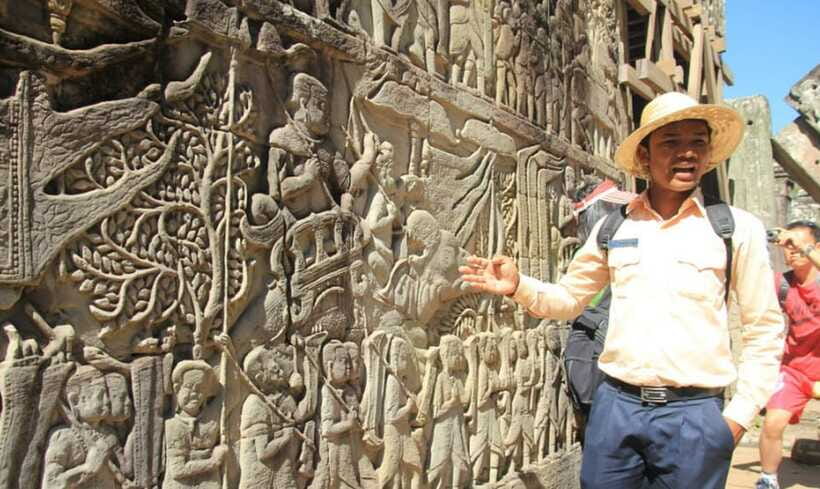
You can choose either a shared group or a private tour. If you’re traveling with friends and you want control—your own pace, more time for photos, and fewer waiting moments—private usually feels calmer.
Shared tours can be a good value, especially at this base price, but group size can swing. One write-up described a group of about 22 people. If you prefer a quiet temple experience, you might want private or at least be mentally ready for a busier rhythm.
This tour is also not suitable for people over 70, so if that’s in your group, look for a different pacing option.
Price and value: what $6 really means at Angkor
On the surface, $6 per person sounds like an absolute bargain for an 8-hour tour with transfers, guide, water, and a cold towel. The catch is that the big cost—temple entry—is separate.
To ballpark the math: if you’re buying an Angkor Pass for one day (USD 37), then your day’s total becomes roughly USD 43 before meals. Meals aren’t included, so you’ll likely pay lunch out at some point during the day. Also, if you plan to visit multiple temple days, a 3-day or 7-day pass could make sense for savings—though that depends on your itinerary in Siem Reap.
So what are you paying $6 for? Mainly the logistics that make sunrise workable: early pickup, the guide’s routing, and getting you through multiple major stops without you having to figure out everything alone. When you factor in time saved and reduced stress, the value is strong—especially for first-timers who want the key Angkor hits in one day.
Practical tips before you go
- Bring comfortable walking shoes and something light for daytime heat.
- If you’re sensitive to early mornings, plan an easy night before sunrise.
- Angkor passes are required—decide ahead of time whether you want 1-day, 3-day, or 7-day.
- Water and a cold towel are included, but I recommend you ask your guide early if you don’t receive them right away.
- If your English understanding is limited, let the guide know you may need slower explanations.
Should you book this sunrise + small-group Angkor tour?
I’d book this tour if you want a focused Angkor day with a real sunrise experience and you like having a guide connect the dots between temples. The itinerary covers the heavy hitters—Angkor Wat sunrise, South Gate and Bayon’s faces, Ta Prohm’s jungle feel, and Banteay Kdei to finish. For many visitors, that’s exactly the right mix for a single-day schedule.
I’d skip (or at least think twice) if you hate early starts, have mobility limits, or you’re planning to visit many temples across several days but haven’t chosen the right pass yet. Also, if you’re very picky about guide language clarity or prefer total quiet, you may want to pick a private tour option.
If sunrise is your priority and you’re ready to move, this is a smart way to do Angkor without turning the day into a chaotic self-guided sprint.