REVIEW · SIEM REAP
1-Day Angkor Wat Sunrise & All Interesting Temples Private Tour
Book on Viator →Operated by Happy Angkor Tour · Bookable on Viator
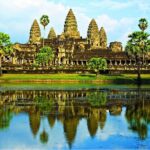
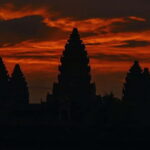
Sunrise at Angkor Wat sets the day’s tempo. This private tour starts with a 4:45am pickup, so you’re already set up before the biggest crowds wake up. The guide also tries hard to route you around the busiest areas for a calmer feel.
What I like most is the mix of big names plus quieter corners. You’ll cover Ta Prohm and the roots-and-stone drama, then continue into smaller temples inside the Angkor Thom complex that many first-timers miss. You also get a true comfort rhythm: cool water, cold wet towels, air-conditioning rides, and a return back to your hotel for breakfast before heading out again.
One important consideration: the $80 tour price does not include the entrance pass. You’ll need to pay $37 per person for the Angkor + All Temples pass, and you’ll want to keep track of those tickets during multiple checkpoints.
In This Review
- Key highlights worth planning around
- Sunrise at Angkor Wat: why the 4:45am start matters
- Hotel pickup, cool comfort, and the breakfast reset
- Price and the $37 Angkor pass: the one extra cost you must plan for
- Ta Prohm and Ta Nei: roots, shade, and the quieter temple feel
- Ta Prohm
- Ta Nei
- Angkor Thom essentials: Victory Gate, Bayon, Baphuon, and Phimeanakas
- The Victory Gate
- Bayon Temple: the faces that follow you
- Baphuon: older layers, shifting meanings
- Phimeanakas and the royal enclosure context
- Terrace of the Elephants and the Leper King story platforms
- Terrace of the Elephants (and the Leper King terrace area)
- Terrace of the Leper King
- Preah Palilay (a quieter temple behind the palace)
- How the guide helps you avoid crowds and get better photos
- Who this sunrise private tour fits best (and who may want something else)
- Value check: is an $80 private tour worth it?
- Should you book this 1-day Angkor Wat Sunrise tour?
- FAQ
- What time does the pickup start for this Angkor Wat sunrise tour?
- How long is the tour?
- Is the Angkor entrance pass included in the $80 price?
- What temples are included during the day?
- Is lunch included?
- Does the tour include hotel pickup and drop-off?
- Is there food or drink included during the tour?
- Is this tour private?
- Can I cancel for a full refund?
Key highlights worth planning around
- Crowd-smart timing with an early start that helps you see Angkor before peak rush
- Cold towels and water timed throughout the day so the heat stays manageable
- Breakfast reset back at your hotel, then you get picked up again to keep going
- More than the poster temples with stops in Angkor Thom like Bayon, Baphuon, and Phimeanakas
- Extra photo help from your guide, including knowing where to stand for better angles
- A private group experience with an English-speaking, licensed guide and your own pacing
Sunrise at Angkor Wat: why the 4:45am start matters
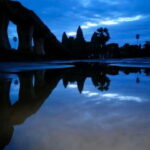
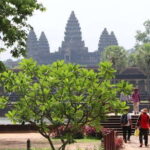
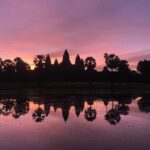
Angkor Wat looks good anytime, but sunrise makes it feel bigger. The early departure is the point: you’re not fighting tour buses at the same time, and you can move with less pushing and less waiting.
Even better, this tour doesn’t treat the sunrise like a quick photo stop. You’ll spend a solid stretch at the temple to take in the carvings and the changing light. In the real world, the sky can be dramatic or plain. If clouds roll in, you might miss a clean sunball moment, but you can still get warm color in the clouds that makes the stone glow.
A practical tip: dress for early mornings. It can feel cooler before sunrise, then quickly turns hot. You’ll be outside longer than you expect while people flow in, so plan layers you can remove without making a mess in the heat.
You can also read our reviews of more private tours in Siem Reap

Hotel pickup, cool comfort, and the breakfast reset
This is one of those tours that understands how Siem Reap days work: you start early, you get hot, and you don’t want to finish destroyed.
You’ll be picked up directly from your hotel (or guest house) and driven in an air-conditioned vehicle. The company also provides cool water and cool wet towels, plus a driver who keeps the day organized. That matters because Angkor is spread out and the traffic can be chaos at peak times.
The biggest comfort win is the breakfast break. After the morning at Angkor Wat, you go back for breakfast, then get picked up again. That split schedule helps you avoid the most common mistake: powering through until noon and turning your temple experience into a sweat contest.
If you get motion sick in cars, the “organized driver + AC” setup helps, but you’ll still be on Cambodian roads. Bring what you normally use. The tour itself won’t change that reality.
Price and the $37 Angkor pass: the one extra cost you must plan for
The $80 per person rate covers the private tour service, the guide, and the transport. What it does not cover is the entrance fees.
You’ll pay $37 per person for the Angkor + All Temples pass. Your guide may help with the pass purchase along the way before you enter the temple areas, but you’re still responsible for that extra admission cost.
Here’s the part that can trip you up: you’ll need the pass checked more than once at different entrances. That means you should keep it secure and easy to show. Some groups prefer to have the guide hold onto tickets for smooth checkpoint moments, which can reduce stress when you’re tired and sweaty.
Add lunch into your mental budget too. Lunch meals aren’t included, and the tour info suggests about $5 per person depending on what’s available on the day. I like to think of it as: you’re paying for the guide + timing, and you cover food like a local day-trip—flexible, not fancy.
Ta Prohm and Ta Nei: roots, shade, and the quieter temple feel
After sunrise, the tour shifts into the “watch your footing and your jaw” zone.
Ta Prohm
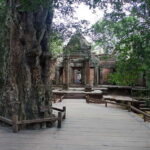
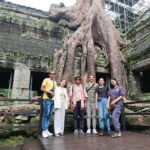
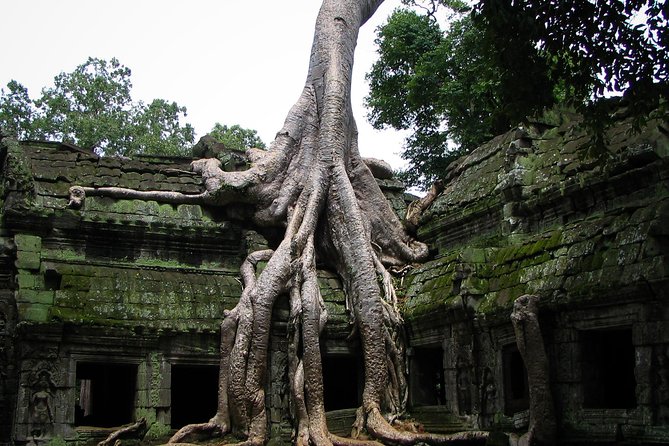
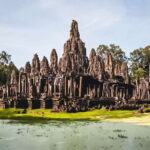
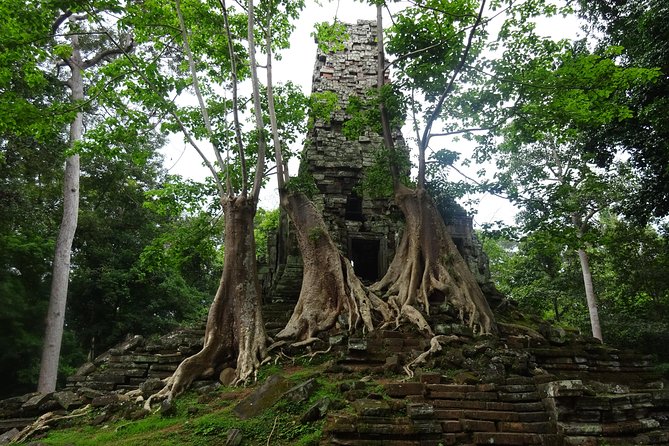
This is the temple most people recognize from Hollywood’s Tomb Raider connection, but the real story is the way nature moved in. Giant tree roots wrap around stone structures in dramatic, tangled patterns. It’s one of the most photogenic places at Angkor, and it tends to get crowded later in the day.
That’s why the guide’s early timing and crowd-avoidance matter. You get a chance to look slowly before the heaviest flow. Plan to walk carefully here—roots and uneven ground can make you trip if you’re rushing.
You can also read our reviews of more tours and experiences in Siem Reap
Ta Nei
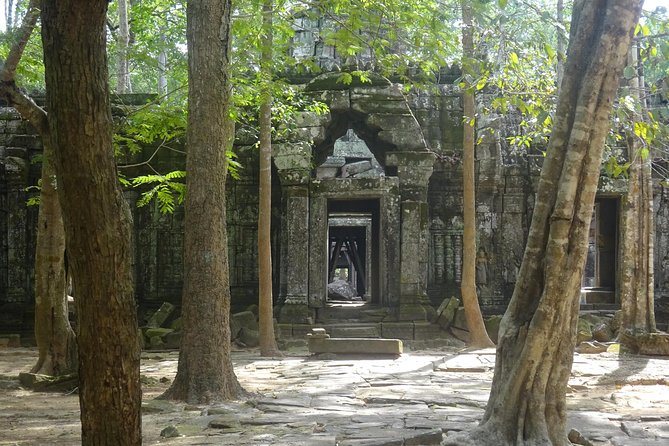
Right after Ta Prohm, you’ll move to Ta Nei, a smaller temple that’s less restored. The vibe is different. Instead of massive restored facades, it feels more “paused,” surrounded by large trees and a quieter courtyard feel.
That contrast is part of why this tour feels smarter than a checklist. You’re not just seeing the famous postcard spots—you’re also seeing what “less restored” actually looks like, which changes how you read the stonework.
What to watch for: you’ll be outdoors for long stretches. If you hate heat, you’ll want to stay hydrated and take shade breaks when offered. The cool towels help, but they’re not magic.
Angkor Thom essentials: Victory Gate, Bayon, Baphuon, and Phimeanakas
Angkor Thom is the old royal city center, and this tour gives you a sequence that makes it easier to understand where you are.
The Victory Gate
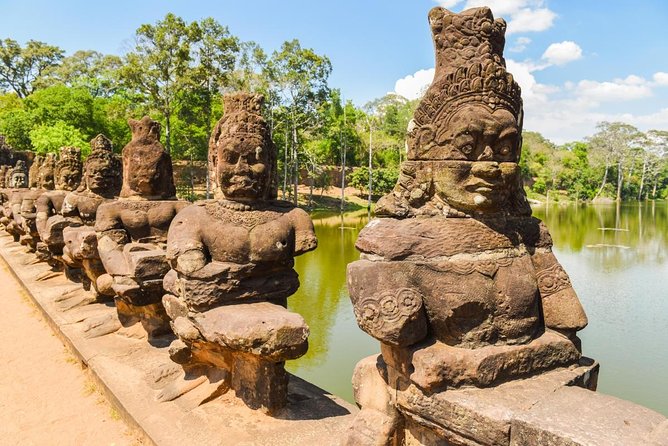
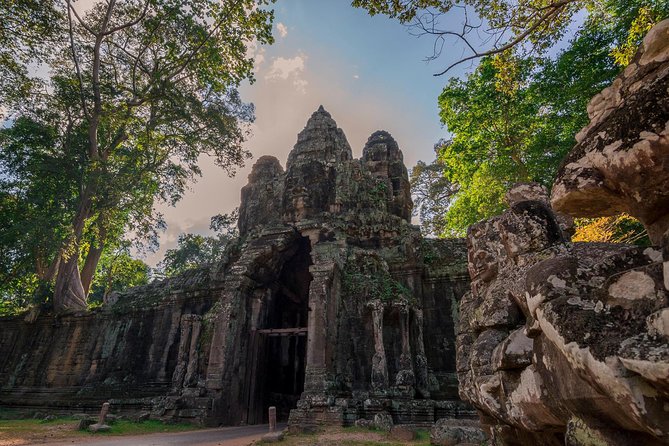
You start with a quick stop at the east side Victory Gate of Angkor Thom. It’s a good “orientation moment.” You see an imposing entry structure, take a few photos, and then roll into the thick of Angkor Thom’s temple highlights.
Bayon Temple: the faces that follow you
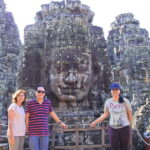
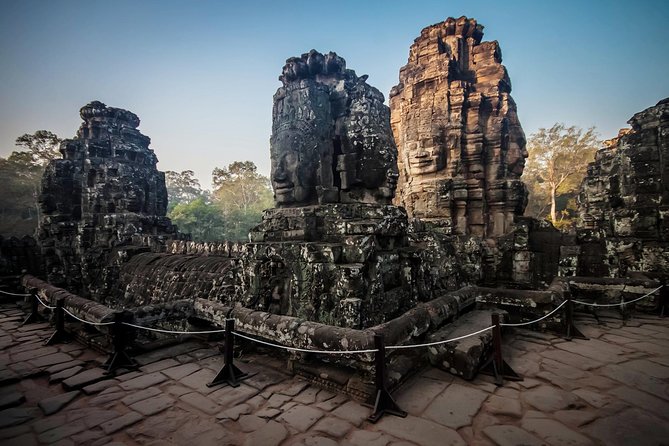
Bayon is the main attraction in the center of Angkor Thom. The big feature is the 49 towers, each with four faces of Avalokiteshvara—so you get 196 faces looking in different directions.
What’s useful on a tour like this is not just the fact that there are faces. It’s how the guide helps you notice the angles. Stand in a couple spots and the expressions shift with your position and lighting. That’s where a private guide can pay off: you’re not stuck with the same photo line as everyone else.
Baphuon: older layers, shifting meanings
After Bayon, you continue to Baphuon. It’s a Hindu temple built in the 11th century, and behind it you’ll see a reclining Buddha added later (16th century). That blend is part of Angkor’s long story—changing religions and power centers left physical layers behind.
If you like temples that feel like they’re telling a timeline, Baphuon does that well.
Phimeanakas and the royal enclosure context
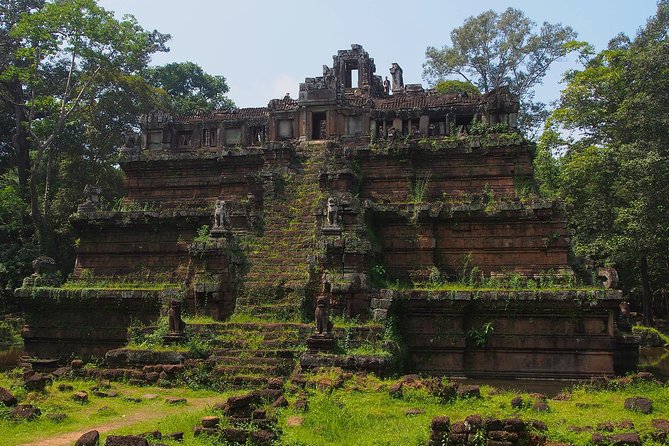
Next is Phimeanakas, a pyramid Hindu temple from the 10th century inside the old Royal Palace complex. The tour also connects it to the ancient royal enclosure wall area.
Even if you’re not a temple-art expert, the guide’s explanations help you place what you’re seeing in terms of royal life and sacred space. That’s the difference between seeing stone and understanding it.
Terrace of the Elephants and the Leper King story platforms
This is where you slow down a bit—because the carvings are the point.
Terrace of the Elephants (and the Leper King terrace area)
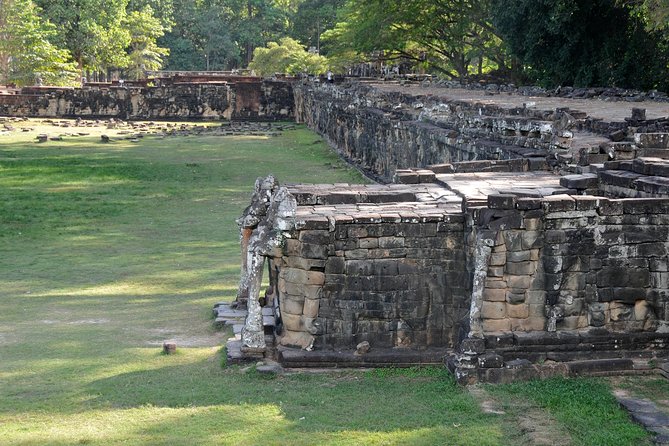
You’ll spend a longer visit in this section. The Terrace of the Elephants is part of the Angkor Thom complex and includes areas often described together with the Elephant and the Leper King terrace, plus nearby parts such as Palilay.
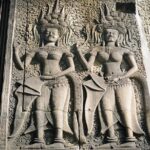
Why it matters: terraces at Angkor are like open-air galleries. You can step back and study the carving narrative, not just stare at one structure. It’s also a good break from the heavy “climb and peak” feel of some other stops.
Terrace of the Leper King
Right after, you’ll make time for the Terrace of the Leper King. It’s another platform with its own carving focus.
The name can sound sensational, but what you get on-site is the actual stone detailing and the way the terrace layout frames the viewing experience. If you enjoy symbolism and story in stone, it’s worth the time.
Preah Palilay (a quieter temple behind the palace)
To round out the day inside Angkor Thom, you’ll visit Preah Palilay, described as a quiet Buddhist temple behind the royal palace area.
This last stop keeps the day from feeling like nonstop big-ticket hits. By this time, you’ll likely appreciate the chance to pause, breathe, and let the stone details land.
How the guide helps you avoid crowds and get better photos
Private tours can be just “a car and a checklist.” This one aims for more.
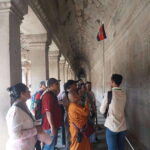
Across guide names you might see assigned (people like Chhay, Tou, Sam, Thean, Jimmy, Sokhem, Mony, Pal, and Tien have all come up in past groups), the common thread is practical help: smart routing to reduce crowd pressure, plus guidance on where to stand for photos.
Some groups also noted that their guide acted like a photographer, taking shots for them and steering them toward better angles. That’s especially valuable at Bayon and other face towers, where one position can make the faces look flat and another can make them feel like they’re watching you.
There’s also a comfort detail that pops up in the feedback: the vehicle tends to be ready fast, with cold towels waiting after temple visits. That sounds small until you’re walking in heat for hours.
One more smart move: your guide may adjust pacing to your group’s needs. That flexibility can mean fewer rushed corners and more time staying in shade.
Who this sunrise private tour fits best (and who may want something else)
This tour makes the most sense if you’re:
- A first-timer to Angkor who wants the big sights without turning the day into a traffic-and-queue grind
- The type who likes learning the “why” behind temple layout and religious shifts
- Someone who values comfort—AC transport, cool towels, and a breakfast reset
It may be less ideal if you:
- Have mobility limits and find uneven paths difficult. Even if a tour stays “on route,” Angkor involves walking on stone surfaces and navigating temple steps.
- Hate very early mornings. The day is scheduled around sunrise, and you’ll be out early even if you’re not a morning person.
Also, if you’re traveling super light, remember you’ll want a small bag for tickets and water. Heat + long hours makes fussy gear annoying.
Value check: is an $80 private tour worth it?
Let’s be honest about the math.
You pay $80 for the tour service, then $37 per person for the Angkor + All Temples pass. That puts your baseline near $117 before lunch. On top of that, you’re getting a private guide, air-conditioned transport, pickup/drop-off at your hotel, and “cool down” support with towels and water.
So the real question is what you’re buying: timing, reduced friction, and interpretation.
If you self-tour, you’ll still need the entrance pass, but you’ll be planning routes, navigating crowds, figuring out which temple order makes sense, and coordinating your own morning schedule. With this private setup, the day’s structure is done for you—plus the guide helps you read what you’re seeing, not just point at it.
For couples and small families, private tours can actually be cost-smart because you reduce wasted taxi rides and time lost to decision-making. For solo travelers, the value is more about experience quality than pure price.
My take: it’s a good-value day if you care about sunrise timing, want a guided story, and appreciate comfort breaks.
Should you book this 1-day Angkor Wat Sunrise tour?
Yes, if you want a sunrise start plus a full Angkor Thom day in one organized package, and you like the idea of seeing both the famous hits and the calmer temple moments.
Book it if crowd avoidance matters to you, and you’ll use the guide for photo spots and context. The cold towels, breakfast reset, and private pacing make it easier to enjoy the temples instead of surviving them.
Skip it or consider a different format if you’d rather stay flexible without early alarms, or if your mobility is limited and you’re worried about uneven stone walking.
If you do book, plan your budget for the $37 pass and keep your tickets easy to access at checkpoint time. Do that, and you’ll walk away with a day that feels organized, thoughtful, and actually worth the early start.
FAQ
What time does the pickup start for this Angkor Wat sunrise tour?
Pickup starts at 4:45am from your hotel or guest house.
How long is the tour?
Plan on about 8 to 9 hours total.
Is the Angkor entrance pass included in the $80 price?
No. The Angkor + All Temples pass costs $37 per person and is listed as not included.
What temples are included during the day?
You’ll visit Angkor Wat at sunrise, plus Ta Prohm, Ta Nei, Victory Gate, Bayon, Baphuon, Phimeanakas, Terrace of the Elephants, Terrace of the Leper King, and Preah Palilay.
Is lunch included?
Lunch is not included. Meals depend on the menu, and the tour info suggests about $5 per person.
Does the tour include hotel pickup and drop-off?
Yes. You get pickup and drop-off at your hotel, with an air-conditioned vehicle and driver.
Is there food or drink included during the tour?
You’ll have cool water and cool wet towels provided during the experience.
Is this tour private?
Yes. It’s described as a private tour/activity, meaning only your group participates.
Can I cancel for a full refund?
Yes. The experience offers free cancellation, and you can cancel up to 24 hours in advance for a full refund.