REVIEW · SIEM REAP
3-Day Angkor Wat Tour with Kulen Mountain & Floating Village
Book on GetYourGuide →Operated by BREKSA TRAVEL · Bookable on GetYourGuide
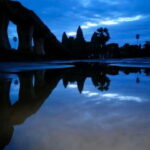
Angkor at sunrise is the kind of moment that resets your whole trip. What makes this 3-day tour compelling is the way it stitches together temples and real everyday Cambodia across Siem Reap’s countryside, Kulen Mountain, and Tonle Sap’s floating village. I especially love the early start strategy on Day 1, plus the small-group feel (limited to 10), which keeps things smoother than the cattle-car approach.
Two more reasons this works: the guide-led pacing and explanations that help you read what you’re looking at, and the included meals that taste local rather than “tourist-only.” The one downside to plan for is energy: it’s a packed itinerary, and by Day 3 you may feel the pace, with some parts running slower than the temple days.
In This Review
- Key things you’ll remember from this tour
- Angkor Wat sunrise, timed for photos and meaning
- Day 1: Angkor Wat then the Small Circuit to Angkor Thom
- Angkor Wat
- Breakfast in a village setting
- Local market stop
- Pre Rup, Ta Prohm, Bayon, and Victory Gate
- Day 2: Countryside temples, Banteay Srei, and the Landmine Museum
- Morning with a local guide outside the city center
- Temples beyond Angkor Thom: Preah Khan, Neak Pean, Ta Som, East Mebon
- Lunch that’s included
- Banteay Srei: the small temple with big carving work
- Cambodian Landmine Museum: an important reality check
- Day 3: Phnom Kulen National Park for waterfalls and the River of Thousand Linga
- The drive through rural villages
- Hilltop attractions: waterfalls, reclining Buddha, and ancient stone lines
- Beng Melea and Kampong Phluk: jungle temple + life on Tonle Sap
- Beng Melea: the 12th-century jungle temple
- Kampong Phluk floating village by boat
- Price and the true cost of seeing it all
- The guides and small-group size make the difference
- Practical tips: what to pack, what to wear, and how to stay sane
- Should you book this Angkor Wat + Kulen + Floating Village tour?
- FAQ
- What time is hotel pickup on Day 1?
- Does the tour include Angkor Wat sunrise tickets or the Angkor Pass?
- Is breakfast included, and what kind of food is it?
- Is lunch included on Day 2?
- Do I need to pay for the Tonle Sap floating village boat ride?
- Is there an entrance fee for Phnom Kulen National Park?
- What kind of group size should I expect?
- What should I wear or pack for temples and outdoor stops?
Key things you’ll remember from this tour
- Angkor Wat sunrise before the main crowd, plus time to walk the temple while it’s calmer
- Classic temple hits across the small and grand circuits, including Ta Prohm in its rooted jungle state
- Kulen Mountain highlights tied to the Khmer Empire story, with waterfalls and the reclining Buddha
- Kampong Phluk by boat for a firsthand look at life built around the lake’s water levels
- Attentive guiding and comfort touches, like cold towels and water after temple stops
Angkor Wat sunrise, timed for photos and meaning
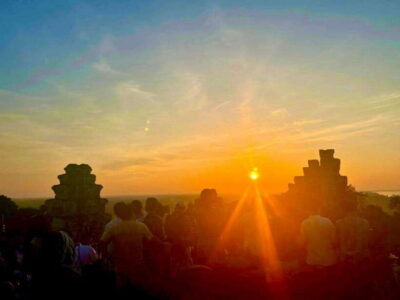
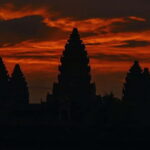
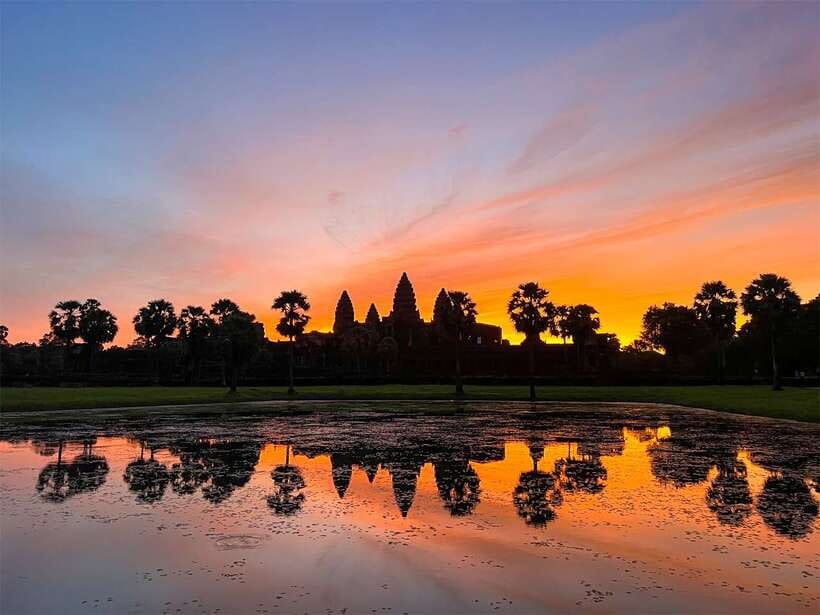
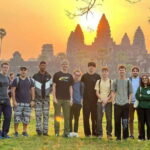
You start early—pickup from your hotel lobby is typically between 4:30 and 5:00 am. That’s not optional here. The point of leaving before sunrise is simple: you get the light on Angkor Wat without arriving after the biggest wave of visitors.
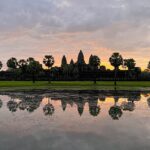
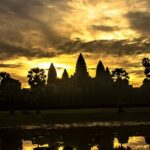
Once there, you’re set up to watch the sun rise over the temple, then explore for about 1 hour and 30 minutes. That window matters. You can walk, look up at towers and bas-reliefs, and take photos when the scene is still fresh and not swallowed by crowds. After that, you’ll notice the tempo changes—morning calm turns into busyness fast—so this schedule gives you a better shot at both atmosphere and great pictures.
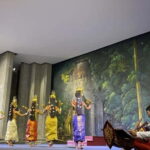
This first day also keeps things grounded with breakfast and local stops, so you’re not just “temple-watching for hours.” If you care about context—how Cambodians eat, pray, and live around these sites—that mix is a big win.
You can also read our reviews of more tours and experiences in Siem Reap
Day 1: Angkor Wat then the Small Circuit to Angkor Thom
Day 1 is the best mix of iconic sights and the kind of temples that make you pause.
Angkor Wat
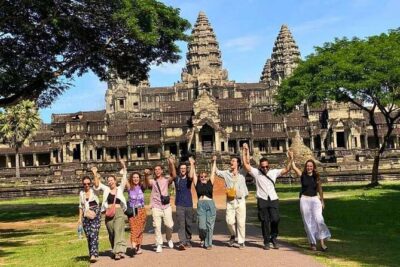
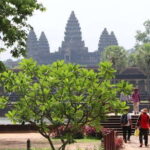
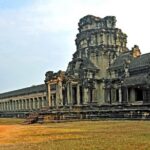
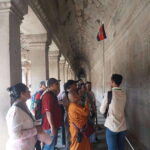
You’ll begin with sunrise, then spend time exploring Angkor Wat before the main crowds settle in. Angkor Wat is the headline, but what I like about this day is the follow-through: you don’t just view it from a distance, you actually walk and look around long enough to understand scale.
Practical tip: bring sunglasses and sunscreen. Early light is beautiful, but you’ll still feel the heat once the sun climbs.
Breakfast in a village setting
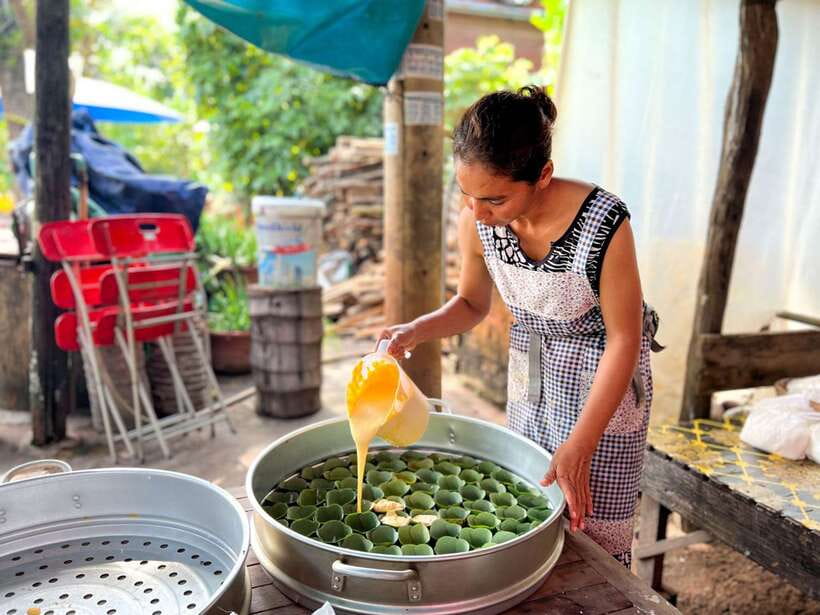
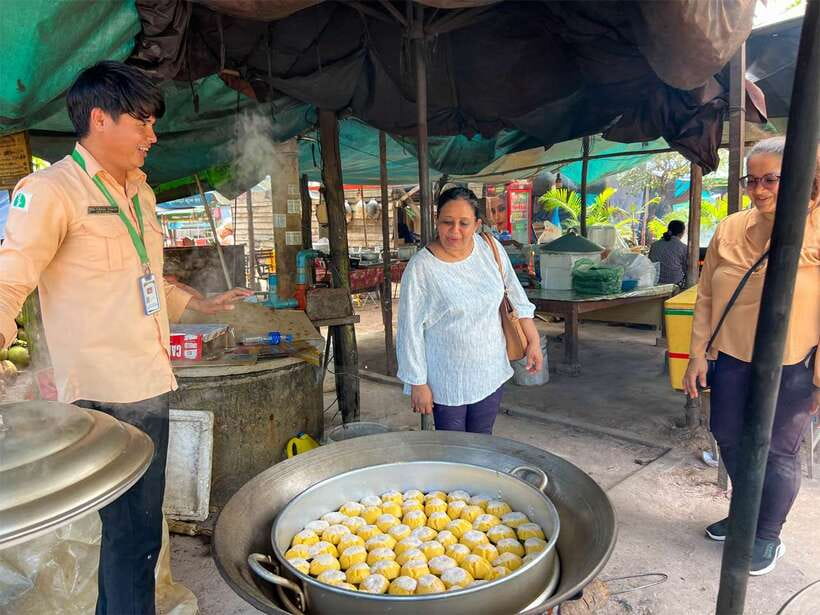
After sunrise, the tour includes breakfast in a village with local food and desserts. The meal is described as authentic, including options like Khmer noodle soup, palm cake, and steamed rice dumplings with palm sugar. Even if you’ve tried Cambodian food before, breakfasts like this are often where the trip feels most personal.
Local market stop
Before heading deeper into temples, you’ll also see an interesting local market. This is one of those small add-ons that makes the day feel less like a theme park. You get a real sense of daily rhythm near Siem Reap, not only the tourist route.
Pre Rup, Ta Prohm, Bayon, and Victory Gate
After breakfast and the market, you move through temples that show different sides of Angkor.
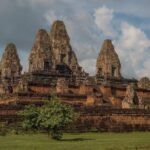
- Pre Rup: a temple that helps you appreciate the artistry and layout across the Angkor complex.
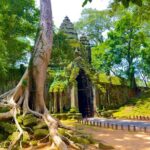
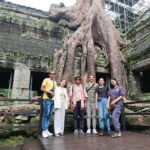
- Ta Prohm: the jungle temple kept in its original state, partly overgrown with huge roots and trees. This is the one you’ll want to slow down for. The roots twist around stone like time has left its own handwriting.
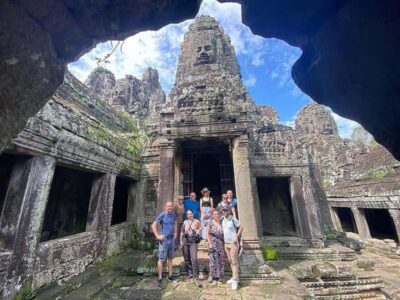
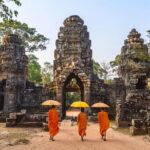
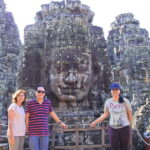
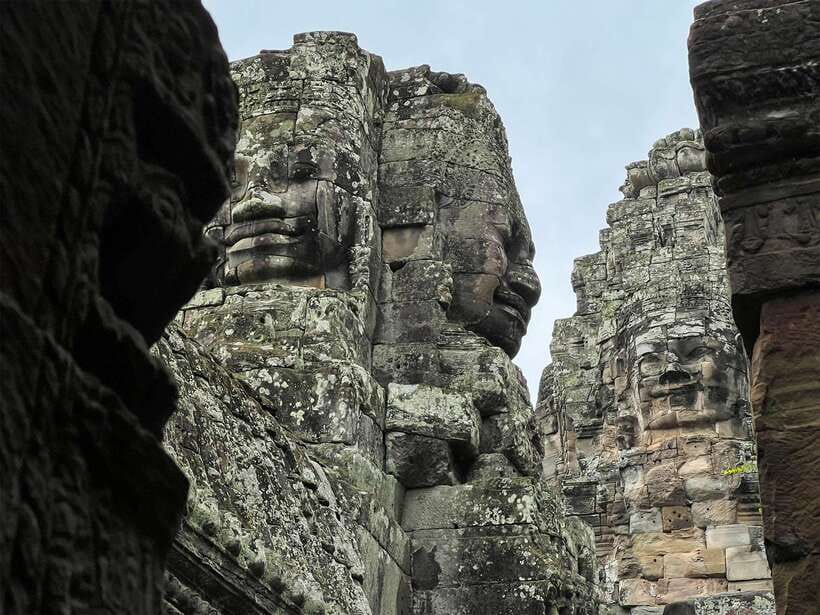
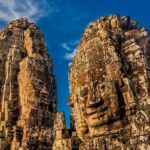
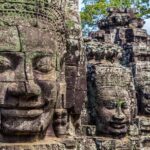
- Bayon at Angkor Thom: the “smiling face” towers are an instant draw, but what you’ll notice is how the faces look different from different angles.
- Victory Gate: a strong finale as you step through the doorway back into the bigger Angkor Thom layout.
One consideration: Day 1 starts with huge excitement and ends with more walking than you might expect. Comfortable shoes matter more than you think.
Day 2: Countryside temples, Banteay Srei, and the Landmine Museum
Day 2 shifts the focus from pure Angkor spectacle to what’s around it—rural life, outside-city temples, and a stop that adds weight to the trip.
Morning with a local guide outside the city center
You leave at 8:00 am after breakfast and head into the countryside of Siem Reap, away from the busiest corridors. This is where you get a more honest sense of Cambodia beyond the temple zone.
The tour is designed so you explore with a guide through rural culture and scenery. You’re not just driving past fields—you’re meant to understand what you’re seeing and how it fits into everyday life.
Temples beyond Angkor Thom: Preah Khan, Neak Pean, Ta Som, East Mebon
The morning includes outside Angkor Thom highlights:
- Preah Khan
- Neak Pean
- Ta Som
- East Mebon
These temples don’t always get the same attention as the “top two” for first-time visitors, but that’s exactly why this day feels good. You’ll often have a less frantic atmosphere, and your guide’s explanations help these places make sense rather than blur into one big stone collage.
Lunch that’s included
Lunch is included on Day 2: you’ll have a break to order individual dishes from a menu. This is practical for picky eaters and good for travelers who don’t want one forced “set meal.” It also keeps the day moving without turning lunch into a whole extra mission.
Banteay Srei: the small temple with big carving work
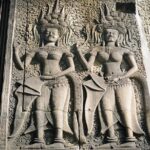
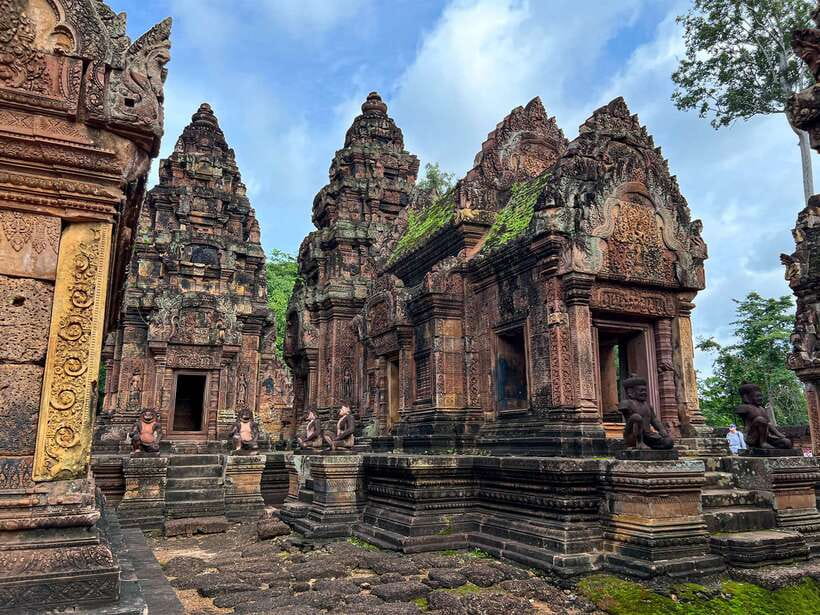
In the early afternoon, you go to Banteay Srei. This temple is known for its intricately carved and well-preserved sandstone reliefs, and the tour description frames it as some of the finest craftsmanship in the kingdom of Cambodia. Translation: don’t rush this stop.
If you like detail—patterns, faces, myth scenes—Banteay Srei is the moment where you’ll feel the difference between “seeing a temple” and actually appreciating what the artisans built into every surface.
Cambodian Landmine Museum: an important reality check
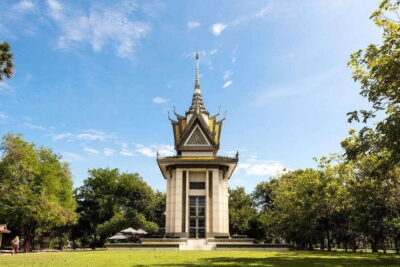
The final Day 2 stop is the Cambodian Landmine Museum. It’s not a “fun” visit in the usual sense, but it adds context that makes the rest of the trip more meaningful. This is a good place to let your brain catch up after two big days of walking and visuals.
If you’re sensitive to heavy topics, expect that. Still, it’s an educational stop that shouldn’t be skipped if you care about understanding how the country’s history affects daily life.
Day 3: Phnom Kulen National Park for waterfalls and the River of Thousand Linga
Day 3 is a change of scenery. You trade temple corridors for a hilltop setting inside Phnom Kulen National Park, with more time spent outdoors.
The drive through rural villages
You depart at 8:00 am and travel for about 1 hour to the park. The route goes through rural Cambodian villages, where you can observe everyday life—like people going about daily routines—and scenery such as rice paddies. This is another “you’re not only in Angkor” day, and it’s a nice counterweight after the first two temple-heavy schedules.
Hilltop attractions: waterfalls, reclining Buddha, and ancient stone lines
Once you’re there, your guide takes you to key sights, including:
- the largest and most beautiful waterfalls in the area
- the reclining Buddha sculpture
- the River of Thousand Linga, described as constructed in 802 AD
The River of Thousand Linga is the kind of place that stops you from thinking in postcard mode. You’re seeing something made to be read slowly, not snapped and forgotten. Your guide’s explanation helps you connect the symbolism to the setting.
Waterfalls note: plan for wet feet and slippery rocks if you wander near the edges. Bring insect repellent and keep an eye on your footing.
Beng Melea and Kampong Phluk: jungle temple + life on Tonle Sap
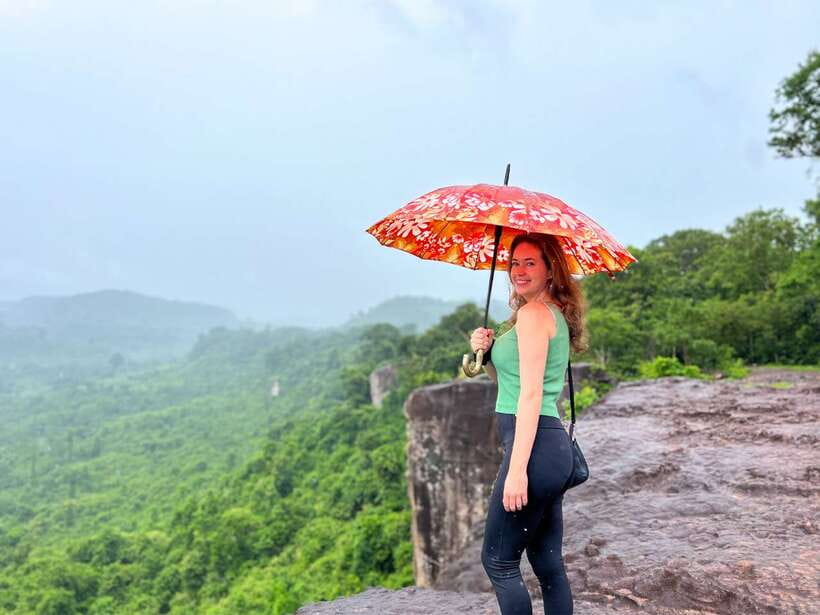
In the afternoon, you head to Beng Melea, then finish with a boat visit to Kampong Phluk on Tonle Sap.
Beng Melea: the 12th-century jungle temple
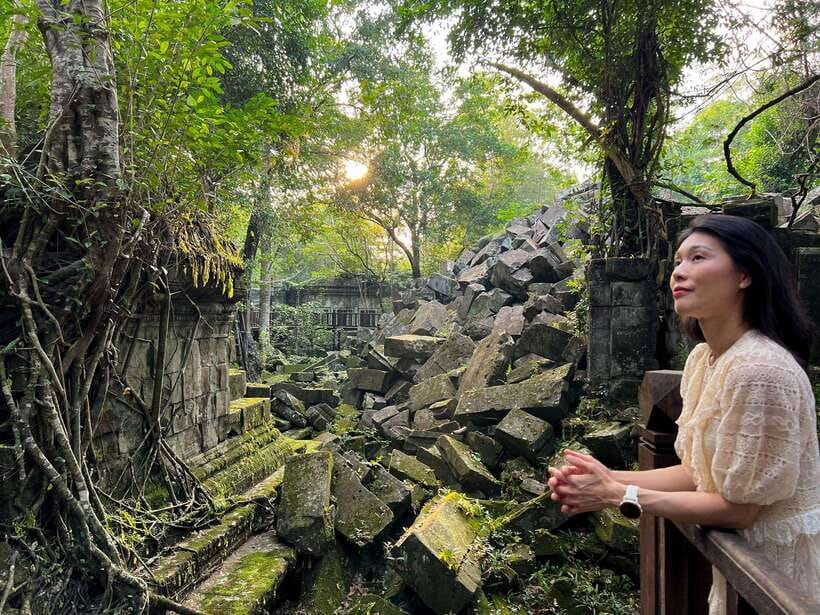
Beng Melea is described as a 12th-century temple in the middle of the jungle, heavily overgrown with vegetation, trees, lianas, and mosses. The area has been rainforest-rich for over 300 years, so when it’s not fully restored, it can feel like you’re walking inside a living ruin.
This is one of those stops where I’d rather have too much time than too little. The best moments are often the quiet ones—when you notice how vines wrap stone and how the setting changes your sense of scale.
The day’s trade-off is simple: it’s a beautiful, eerie place, but it can be physically tiring depending on humidity and how much walking you do.
Kampong Phluk floating village by boat
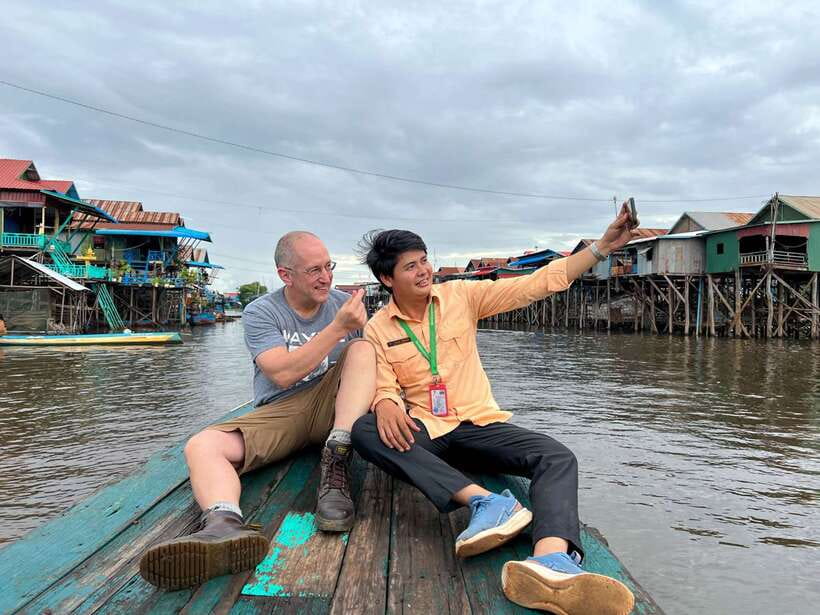
Then you jump to the Tonle Sap lake experience: a boat ride to the floating village of Kampong Phluk.
Here’s what makes this part of the trip feel real:
- you see how families earn a living, primarily through fishing
- many homes sit on long poles along the shore
- high water during the rainy season isn’t a problem in the same way it would be on land
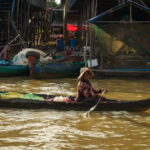
The village is described as brightly colored houses on poles, which makes it visually memorable, but the real value is the everyday rhythm you can spot quickly—people working, preparing, living around the lake’s seasonal changes.
Boat comfort note: bring sunscreen anyway. Even if you’re shaded at times, the sun hits hard on open water.
Price and the true cost of seeing it all
The tour price is listed at $139 per person for 3 days. That’s a good base rate for what you’re getting: an English-speaking guide, private AC transport, hotel pickup/drop-off, water and towels, plus included meals on Day 1 (breakfast) and Day 2 (one lunch).
But the biggest costs are not included. Here’s what you should budget on top:
- Angkor Pass (3 days): $62 per person
- Tonle Sap lake ticket with private boat cruise: $15 per person
- Phnom Kulen National Park admission: $20 per person
- Food and soft drinks (not included beyond the specified meals)
If you add those up, your Angkor-and-Kulen-heavy sightseeing budget grows fast, so I recommend planning your “true total” before you fall in love with the itinerary on paper. Still, in practical terms, paying for a solid guide and smooth logistics often saves you time and hassle—especially with sunrise timing and ticket-related stops.
Value takeaway: this tour is best when you want both classic Angkor temples and the less-famous-but-real places like Kampong Phluk and Beng Melea, with someone coordinating everything.
The guides and small-group size make the difference
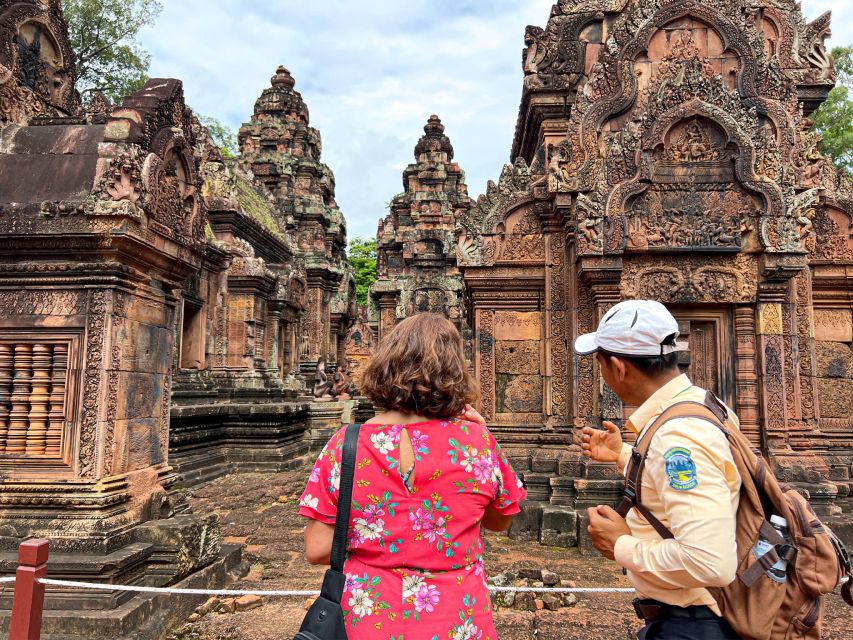
A huge part of the tour’s reputation is the human factor: guides who explain, drivers who handle the route, and small touches that keep you comfortable.
You’ll benefit from:
- Professional English-speaking guides
- Small group size limited to 10 participants
- Private transport with A/C
- Cool bottled water and towels during the tour
From past groups, guides like Phanne, Kamsan, Sa, Moni, Dara, and Ho (with drivers such as Tha, Tria and others) are described as attentive and focused on making the day feel stress-free. The recurring pattern is not just facts—it’s care. That can show up as checking whether you need a break, having cold towels ready after temples, and adapting to small timing issues without turning the day into chaos.
One more practical point: since pickup timing is early, you’ll want to be ready the night before. Keep your bag packed and your phone charged.
Practical tips: what to pack, what to wear, and how to stay sane
This tour includes a lot of outdoor time and temple walking, so your packing list matters.
Bring:
- Sunglasses
- Hat
- Insect repellent
- Sunscreen
Wear rules:
- Avoid short skirts and sleeveless shirts. Temple sites may restrict entry, so dressing appropriately prevents headaches.
Comfort tips:
- Think breathable clothes that still meet the modesty rules.
- Bring light layers. Early mornings can start cooler, then heat ramps up quickly.
- Comfortable shoes are non-negotiable. Temple surfaces aren’t always flat, and Beng Melea adds extra uneven ground.
If you’re the type who wants to take photos often, plan for that pace too. The itinerary gives time, but you’ll still want to move steadily.
Should you book this Angkor Wat + Kulen + Floating Village tour?
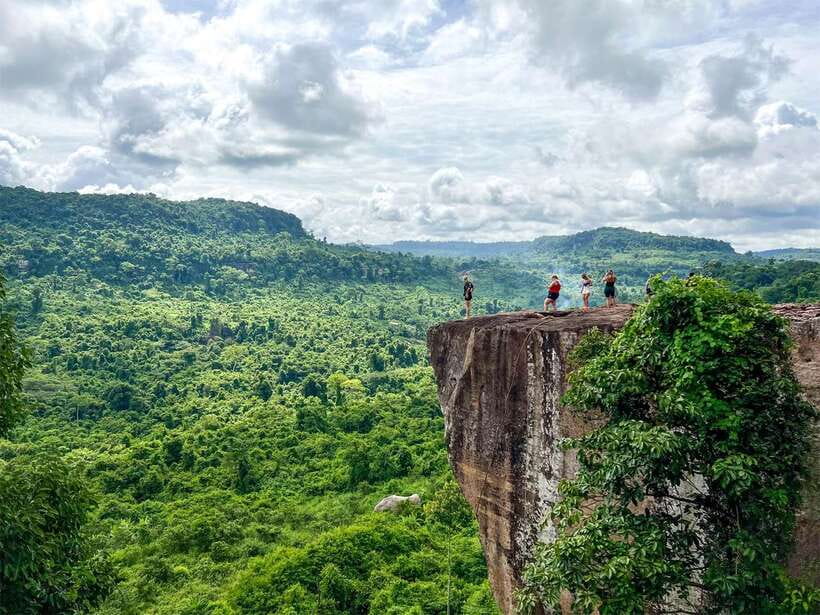
I’d book this if you want a first-time-friendly Angkor experience that still feels like Cambodia, not a checklist. The sunrise timing at Angkor Wat, the mix of small and grand circuit temples, and the jump to Kulen Mountain and Kampong Phluk is a strong arc. You get the famous stones, plus the countryside and the lake life that makes the trip feel complete.
Don’t book it if you want a slow, low-effort vacation. This is structured and busy. Day 3 can feel less intense than the temple highlights, but it’s still a full day with travel and walking.
Best fit:
- You like guided explanations and want help understanding what you’re seeing.
- You care about both iconic sights and more grounded experiences like markets, rural areas, and the floating village.
- You’re okay with early mornings and a packed schedule.
FAQ
What time is hotel pickup on Day 1?
Pickup is before sunrise, typically between 4:30 am and 5:00 am. You should wait in the hotel lobby about 10 minutes before your scheduled pickup time.
Does the tour include Angkor Wat sunrise tickets or the Angkor Pass?
No. The Angkor pass of 3 days is not included and is listed at $62 per person.
Is breakfast included, and what kind of food is it?
Yes. Breakfast is included on Day 1 during the village stop, with local options such as Khmer noodle soup and traditional desserts like palm cake and steamed rice dumplings with palm sugar.
Is lunch included on Day 2?
Yes. Lunch is included on Day 2 as a local meal, where you order individual dishes from a menu.
Do I need to pay for the Tonle Sap floating village boat ride?
Yes. The Tonle Sap lake ticket with private boat cruise is listed at $15 per person and is not included.
Is there an entrance fee for Phnom Kulen National Park?
Yes. Admission to Kulen National Park is listed at $20 per person and is not included.
What kind of group size should I expect?
This is a small group limited to 10 participants, with English-speaking guides and private AC transportation.
What should I wear or pack for temples and outdoor stops?
Bring sunglasses, a hat, insect repellent, and sunscreen. Avoid short skirts and sleeveless shirts, since temple dress rules can restrict entry.