REVIEW · SIEM REAP
3-Days Private Angkor Wat Sunrise/Sunset Tours & Floating Village
Book on Viator →Operated by Siem Reap Guide · Bookable on Viator
Sunrise at Angkor deserves breathing room. I like how this private setup gives you time at the temples without the usual cattle-car rush, and I also like the three-day pacing that lets the carvings and stories actually land. The main catch: several important entrance fees (including the 3-day Angkor pass) are not built into the base price, so you’ll want to budget on top.
You’ll get a true hotel-to-temple experience with hotel pickup and drop-off, traveling by an air-conditioned private SUV/minivan. You’ll also have a mobile ticket option, plus cold waters and wipes to keep you comfortable during hot, long temple days. One more practical note: the tour requires good weather, and timing around sunrise/sunset can get affected if conditions are poor.
In This Review
- Key Points That Make This Tour Worth Your Time
- Why Three Days at Angkor Feels Like a Better Deal
- Your Private Guide: Historian + Photographer in the Same Seat
- Day 1: Angkor Wat, Ta Prohm, Angkor Thom, Then Sunset at Phnom Bakheng
- Angkor Wat: the big opening act (and your first carvings fix)
- Ta Prohm: the jungle-overgrown “Tomb Raider” moment
- Angkor Thom: the ancient city with multiple temple stops
- Bayon: the faces that seem to watch you back
- Baphuon: a climb and a reclining Buddha
- Terrace of the Elephants and Terrace of the Leper King: carvings as storytelling
- Phnom Bakheng: sunset viewpoint with a wide Angkor view
- Day 2: Preah Khan, Neak Pean, Pre Rup, and the Pink-Sandstone Banteay Srei
- Preah Khan: massive, Buddhist, and still overgrown
- Neak Pean: the “ancient hospital” island and bridge crossing
- Ta Som: 13th-century Buddhist temple and overgrown faces
- Eastern Mebon: an island temple after the water dried up
- Pre Rup: Shiva temple with spires and a viewpoint
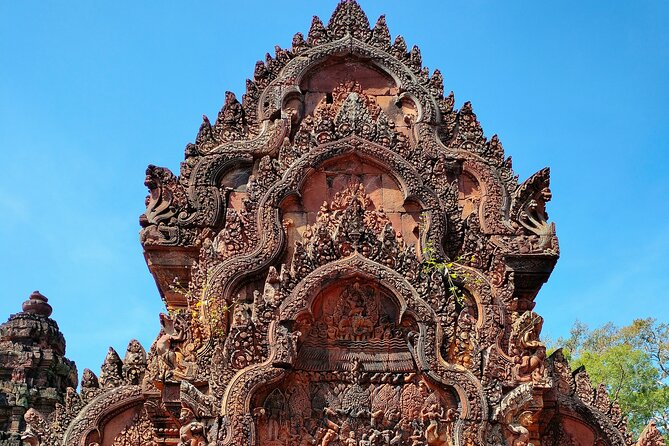
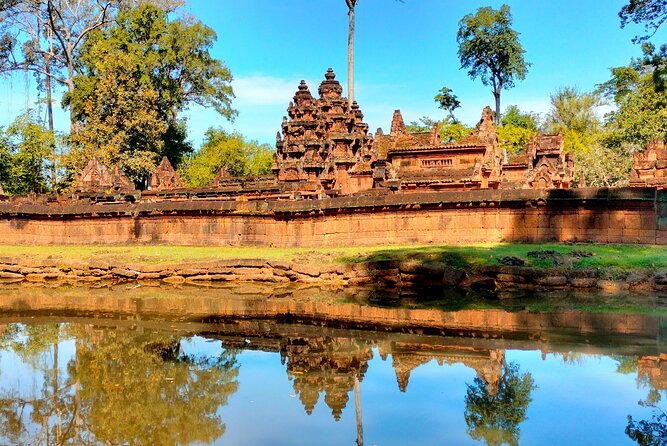
- Banteay Srei: pink sandstone, intricate carvings, and extra drive time
- Day 3: Angkor Wat Sunrise, Jungle Beng Mealea, and Kampong Phluk on Tonle Sap
- Sunrise at Angkor Wat: early light over the classic silhouette
- Prasat Beng Mealea: the Indiana Jones-style jungle ruins
- Kampong Phluk floating village: lake life beyond the temple circuit
- Price and Value: What $370 per Group Really Means
- Temple Comfort: Dress Code, Walking Pace, and What to Bring
- Photo and Story Tips That Make Your Stops Feel Worth It
- Who This Tour Fits Best (and Who Might Want Something Else)
- Should You Book This Private 3-Day Angkor Wat Sunrise/Sunset Tour?
- FAQ
- What time does the tour start?
- What is included in the $370 per group price?
- What entrance fees should I budget for?
- What is the dress code for temples?
- Is this tour private?
- What happens if the weather is bad?
Key Points That Make This Tour Worth Your Time
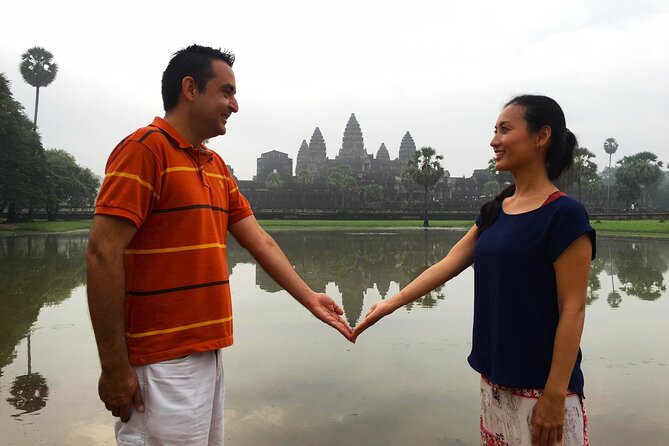
- Private historian & photographer guide so you get explanations and practical photo help, not just directions
- Angkor Wat sunrise plus Phnom Bakheng sunset spread across different days for better pacing and calmer moments
- Angkor Thom at a walkable, story-first tempo, including Bayon, Baphuon, and both terrace highlights
- Jungle feel on Prasat Beng Mealea, where you can roam over rubble and roots like Indiana Jones
- Tonle Sap on Kampong Phluk, a different side of Cambodia beyond temple stones
- Comfort details included like cold waters and wipes during long days of walking and sun
Why Three Days at Angkor Feels Like a Better Deal
Angkor can be overwhelming fast. The sites are famous, yes, but the real magic is how much you can actually see when you’re not sprinting from one photo stop to the next. This tour is built around that idea: you don’t try to cram everything into a single day. Instead, you spread out the big hits—Angkor Wat, Ta Prohm, Angkor Thom, and more—so you get time to slow down, look up, and read the temple surfaces like a giant stone comic strip.
That pacing matters for photos too. Sunrise at Angkor Wat needs timing. Sunset viewpoints at Phnom Bakheng need position. With a multi-day plan, you’re not forcing every key moment into the same day’s chaos. You also get a guide who can translate what you’re looking at into something you can remember later, not just a list of names you forget by night.
The other thing I like is that the day structure supports both moods: one day can feel like deep temple focus, another mixes in viewpoints and architecture, and another shifts you toward the living culture at Kampong Phluk. If you want temples plus a real Cambodian landscape of daily life (lake houses, schools, mangroves), this format fits.
You can also read our reviews of more private tours in Siem Reap

Your Private Guide: Historian + Photographer in the Same Seat
This is a private tour for up to 12 people, with a professional historian & photographer guide traveling with you in an air-conditioned private SUV/minivan. That combination is a big value lever at Angkor.
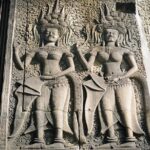
Here’s why: Angkor isn’t just pretty stones. It’s engineering, symbolism, and changing political power, all carved into walls and towers. A historian guide helps you understand what you’re seeing—like why Bayon has those many smiling faces or what you’re looking at on terraces within Angkor Thom. A photographer guide helps with the practical stuff that turns decent images into strong ones: where to stand, how to frame carvings and doorways, and how to plan for early light.
You also get cold waters and wipes included. That sounds small until you realize you’re often on foot in bright sun with long site stretches and short breaks. It’s a simple comfort upgrade that keeps the day from wearing you down too quickly.
Day 1: Angkor Wat, Ta Prohm, Angkor Thom, Then Sunset at Phnom Bakheng
Day 1 is your heavy-duty Angkor foundation. The day starts with pickup at 8:30 am from your hotel lobby, and you’ll stop first to buy the 3 days Angkor temple pass. That matters because it helps you avoid the hassle of getting it separately before you’re even on-site.
Angkor Wat: the big opening act (and your first carvings fix)
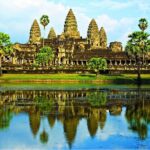
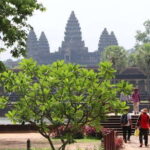
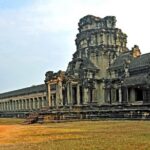
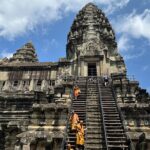
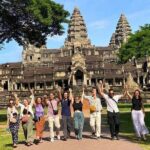
Angkor Wat is the early 12th-century centerpiece here, described as a world-scale monument. Expect about 3 hours to wander its main spaces. This is where you get your first full taste of the site’s scale—causeways, towers, and dense carvings that only make sense once you realize how many surfaces you’re actually seeing.
A practical tip for your timing: go in with the mindset that you’re not trying to see everything at once. You’re trying to pick a few zones and really look. With a knowledgeable guide, you’ll spend your time more intelligently than just drifting.
Ta Prohm: the jungle-overgrown “Tomb Raider” moment
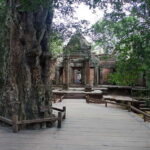
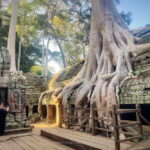
After Angkor Wat, you head to Ta Prohm, known for its jungle overgrowth and natural ruin look. It’s the temple that shows up in Lara Croft Tomb Raider, but you’ll get more out of it when someone explains how vegetation grew into the structure rather than treating it like a movie set.
Plan about 1 hour here. That’s usually enough time to get the classic photo angles while still noticing the textures: tree roots, stone surfaces, and the way the temple’s edges disappear under greenery.
You can also read our reviews of more evening experiences in Siem Reap
Angkor Thom: the ancient city with multiple temple stops
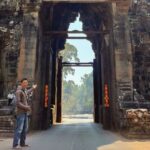
After lunch, you enter Angkor Thom, a late 12th-century walled city. The itinerary includes a lot of the core stops inside the complex, including:
- South Gate
- Bayon
- Baphuon
- Terrace of the Elephants
- Terrace of the Leper King
This part is special because it’s not just one temple. It’s a whole urban layout of symbolism and power. If you like deciphering stone details, this is your day.
Bayon: the faces that seem to watch you back
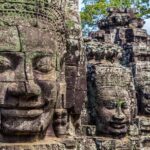
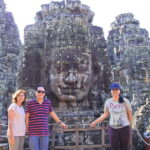
Bayon is a main temple within Angkor Thom, with over 200 mysterious Buddha faces smiling in different directions. The key here is to notice that the faces aren’t just decoration. They’re part of the way the temple controls movement—how you enter, where you pause, and what you see as you walk around.
You’ll have about 45 minutes.
Baphuon: a climb and a reclining Buddha
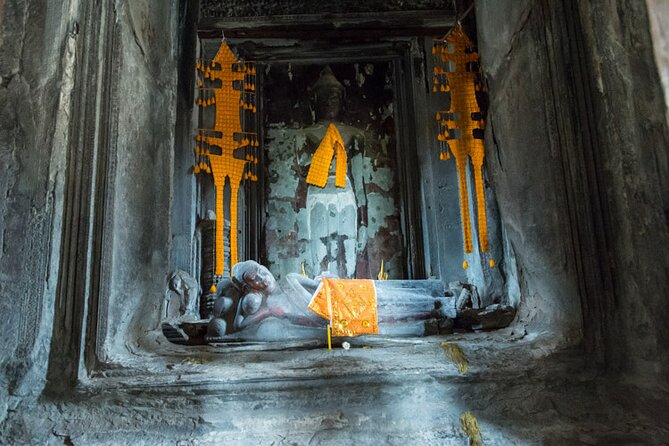
Baphuon is another large Hindu temple within Angkor Thom. The info here says you can climb to the top, with a serene atmosphere and a huge reclining Buddha carving at the back of the temple. Climbing changes how you see the architecture. You’ll get a different sense of proportion and depth from higher up.
Expect around 45 minutes.
Terrace of the Elephants and Terrace of the Leper King: carvings as storytelling
The Terrace of the Elephants is described as an ancient arena with bas-relief carvings of elephant flights, kick bookings, and horse racing. The Terrace of the Leper King has high bas-reliefs including a 9-headed serpent and a statue described as a figure missing fingers and toes, known locally as the Leper King statue.
These are quick stops, but they’re the kind you remember later. They’re not the “main photo” like Angkor Wat, but they’re full of action and odd little details that make Angkor feel human.
Phnom Bakheng: sunset viewpoint with a wide Angkor view
Day 1 ends at Phnom Bakheng, described as an older Hindu temple built in the late 9th century. It includes a viewpoint so you can watch stunning sunset, with views toward Angkor Wat and other surrounding attractions.
You’ll have about 1 hour. This is one of those moments where you’ll want to be ready to move with the light. Sunrise and sunset bring out depth in carvings and make stone textures look almost layered.
Day 2: Preah Khan, Neak Pean, Pre Rup, and the Pink-Sandstone Banteay Srei
Day 2 shifts from the core “most famous” circuit to temples that still feel central, but less like a stampede. You start with Preah Khan, then move through Neak Pean, Ta Som, Eastern Mebon, Pre Rup, and finish with Banteay Srei, including the extra travel time to get there and back.
Preah Khan: massive, Buddhist, and still overgrown
Preah Khan is described as a massive Buddhist temple dedicated to the king father, still surrounded by vegetation. Expect about 1 hour. This is a nice change because you get the vibe of a working, living ruin—less about symmetry for tourists, more about how nature and stone share space.
Neak Pean: the “ancient hospital” island and bridge crossing
Neak Pean is known as an ancient hospital site that used holy water to heal diseases. You reach it by crossing a long wooden bridge over the Jaya Tataka reservoir, and the stop is described as an island people connection.
Plan around 50 minutes. This one is memorable because it’s calmer and more atmospheric than the big monument zones. It’s also a good break day if your first day felt like non-stop sightseeing.
Ta Som: 13th-century Buddhist temple and overgrown faces
Ta Som is a 13th-century Buddhist temple dedicated to Mahayana Buddhism, with stunning 4 Buddha faces and tree overgrowth at the east gate. You’ll have about 40 minutes. The tree-root framing is usually what makes Ta Som feel like it belongs to the same world as Ta Prohm, but in a different way.
Eastern Mebon: an island temple after the water dried up
Eastern Mebon is described as a clay brick temple with lava and sandstone elements, featuring standing elephant statues. It used to be an island temple of Eastern Baray, but the reservoir is now dried and the area became villages and rice fields.
You’ll have around 45 minutes. This is one of the stops where the guide’s historical explanations matter most. Without context, you might just see ruins. With context, you understand why the site looks the way it does today.
Pre Rup: Shiva temple with spires and a viewpoint
Pre Rup is a mid 10th-century clay brick temple dedicated to Shiva, described as more than 1000 years old. It has five spires still standing and includes a top viewpoint.
Expect about 50 minutes. If you like photography, viewpoints are your reward day. If you want fewer stairs and less climbing fatigue than some other temples, this is one of those balanced stops.
Banteay Srei: pink sandstone, intricate carvings, and extra drive time
Banteay Srei is the final day highlight and it’s a different texture and color world: pink sandstone with intricate carvings, located in the outskirt area. The itinerary notes 40 minutes drive each way plus 50 minutes to explore.
Expect about 2 hours total for this stop. This is the kind of temple that can be worth the longer travel because it rewards close attention. Plan to slow down and let the guide point out carving details instead of rushing for the biggest photo.
Day 3: Angkor Wat Sunrise, Jungle Beng Mealea, and Kampong Phluk on Tonle Sap
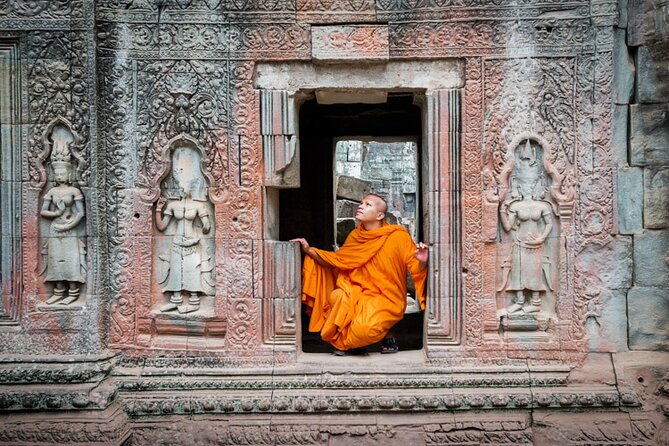
Day 3 is your payoff day: sunrise at Angkor Wat, then a jungle-temple “roam anywhere” vibe at Beng Mealea, and finally the living lake world at Kampong Phluk.
Sunrise at Angkor Wat: early light over the classic silhouette
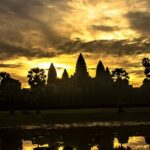
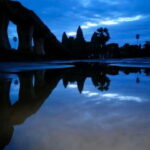
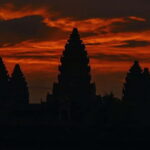
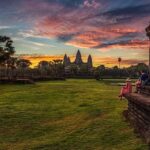
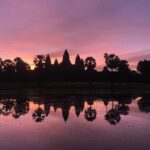
You come early to watch Angkor Wat at sunrise, described as golden light with reflections. You’ll spend about 2 hours here. Sunrise is not just pretty; it helps reduce crowds and changes how stone surfaces read, especially on carvings and doorway frames.
This is also where a photographer-guide’s timing and angle advice can pay off. The goal is less about snapping random shots and more about making your photos look intentional.
Prasat Beng Mealea: the Indiana Jones-style jungle ruins
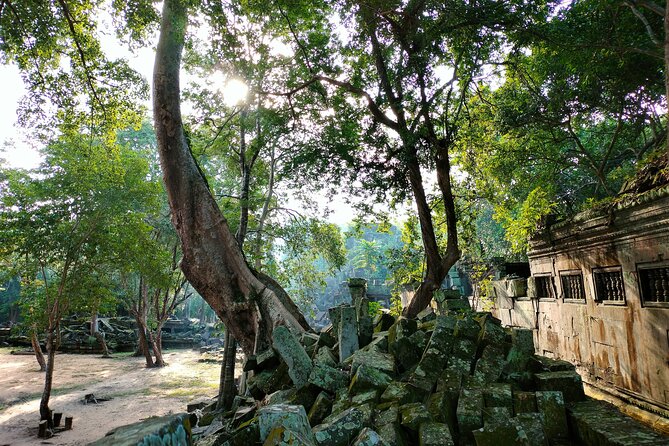
Prasat Beng Mealea is 68 km away, and it’s described as a jungle temple that remains untouched, easy to roam around over rubble and vines. The tone here is very hands-on: you get that Indiana Jones feeling of walking through real ruins rather than staying only on set paths.
Plan about 3 hours. This stop can be muddy or uneven depending on conditions, so move carefully and wear shoes you trust.
Kampong Phluk floating village: lake life beyond the temple circuit
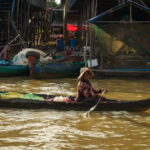
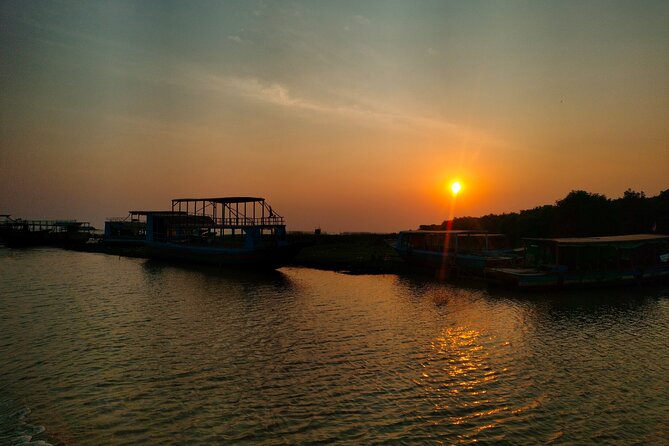
The final stop is Kampong Phluk, a fishing and floating village on the bank of Great Tonle Sap Lake. The description includes pagoda, schools, rice fields, cattle, mangrove forests, and a large community living in the area.
You’ll have about 3 hours here. The value is that you see Cambodia as more than stone monuments. You also get a sense of how people adapt to water and seasonal change.
One practical note to confirm when booking: the materials you’re given list an entrance fee for Kampong Phluk at $20 per person, but the stop also indicates admission ticket included. Either way, you’ll want to ask the operator which is correct for your booking so there are no surprises at the ticket counter.
Price and Value: What $370 per Group Really Means
The base price is $370.00 per group (up to 12 people). That’s for the private vehicle, hotel pickup/drop-off, the historian & photographer guide, cold waters & wipes, and transport costs like gasoline, parking, and toll road.
Then you budget separately for key admission fees:
- 3 days Angkor Park admission: $50 per person
- Beng Mealea entrance: $12 per person
- Kampong Phluk floating village entrance: $20 per person
So the real question is not just sticker price. It’s whether the private guide time and multi-day pacing are worth the add-on admissions.
Here’s a quick way to think about it:
- If you’re a small group (say 2 people), your per-person base tour cost can feel higher because the $370 is shared across the group size.
- If you fill the group (closer to 12 people), the base portion becomes much cheaper per person, and the admissions become the main variable.
Either way, this kind of itinerary can be good value because you’re not just paying for a car. You’re paying for guided time across three days, including sunrise and sunset moments that are harder to do well without planning.
Temple Comfort: Dress Code, Walking Pace, and What to Bring
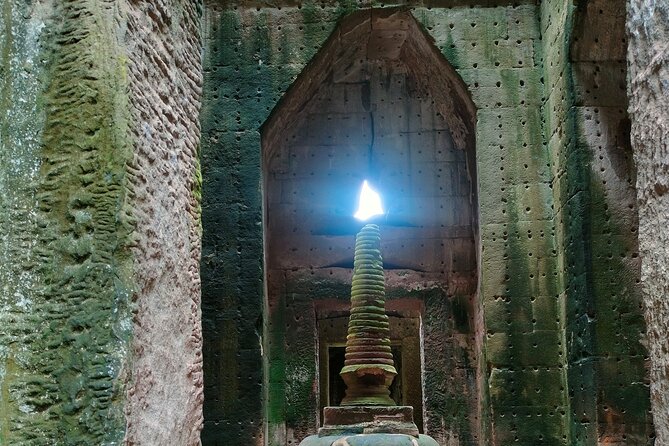
You’ll need to follow a dress code for places of worship and selected museums: no shorts or sleeveless tops, and knees and shoulders must be covered for both men and women. If you ignore this, entry can be refused, so plan your clothing before you leave Siem Reap.
You should also expect moderate physical fitness demands. There’s walking across temple grounds, time in sun, and at least one notable climb opportunity mentioned at Baphuon.
What I suggest you pack:
- Light long pants and a shirt that covers shoulders
- Comfortable shoes you can grip on uneven stone or roots
- A small day bag for water and a towel-like wipe for sweaty moments
Also, bring a mindset for heat. Even with cold waters and wipes included, your body still needs shade and breaks. Build in a slower pace when your guide offers context, because those stops can turn your sweat into understanding.
Photo and Story Tips That Make Your Stops Feel Worth It
One of the most consistently praised elements is the photo help. A photographer-guide isn’t there to take over your camera. They’re there to help you get better results with less frustration—especially during sunrise timing at Angkor Wat and the sunset viewpoint at Phnom Bakheng.
The other big win is explanation. When your guide can connect what you’re looking at to what it was meant to do—religious symbolism, city layout, and the way carvings tell stories—you stop seeing temples as random ruins.
If you like photos and facts, this is a strong match. You’ll likely spend more time in front of details like Bayon faces, Baphuon carvings, and the Terrace bas-reliefs because you’ll understand what you’re hunting for.
Who This Tour Fits Best (and Who Might Want Something Else)
This tour fits best if you:
- Want an Angkor Wat sunrise experience without treating it like a race
- Like learning as you go, not just checking off sites
- Prefer private guidance and a calmer pace over crowded group bus circuits
- Care about photography and want help with timing and angles
- Want one day that includes real village life at Tonle Sap (Kampong Phluk)
You might consider a different option if you:
- Don’t want to handle separate admission fees after booking
- Prefer a very light itinerary with minimal walking and fewer climbs
- Are traveling at a time when weather might be questionable, since the experience is described as requiring good weather
Should You Book This Private 3-Day Angkor Wat Sunrise/Sunset Tour?
If you’re spending real time in Siem Reap and you want Angkor to feel personal, not rushed, I’d book it. The multi-day structure is the big reason: you get sunrise at Angkor Wat, sunset from Phnom Bakheng, and you still have time for the carvings and smaller temple details that make Angkor stick in your memory.
The decision hinge is budget clarity. With base cost plus temple pass and extra entrances, do a quick per-person math for your group size. If you can confirm what’s included for Kampong Phluk entrance on your exact booking, you’ll avoid any last-minute surprises.
If you want sunrise light, jungle ruins, and lake-life Cambodia in three days, this private plan is a smart, value-minded way to do it.
FAQ
What time does the tour start?
Pickup is scheduled from your hotel lobby at 8:30 am.
What is included in the $370 per group price?
Hotel pickup and drop-off, a professional historian & photographer guide, cold waters and wipes, and transport costs like gasoline, parking lots, and toll road.
What entrance fees should I budget for?
You’ll need to budget for the 3 days Angkor Park admission ($50 per person). Beng Mealea is listed at $12 per person, and Kampong Phluk is listed at $20 per person, though the Kampong Phluk stop also notes admission ticket included—so confirm how your booking is handled.
What is the dress code for temples?
You must cover knees and shoulders and avoid shorts or sleeveless tops. If you don’t meet the dress requirements, entry risk is possible.
Is this tour private?
Yes. It’s a private tour/activity, and only your group participates.
What happens if the weather is bad?
The experience requires good weather. If it’s canceled due to poor weather, you’ll be offered a different date or a full refund.