REVIEW · SIEM REAP
Angkor Wat Sunrise and Tonle Sap Lake 1.5 Days
Book on Viator →Operated by Journey Cambodia · Bookable on Viator
You’ll wake up in the dark for a reason. This tight Angkor Wat sunrise plus Tonle Sap plan packs the big hits with smart timing and a guide who keeps the day moving. It’s built for limited time in Siem Reap, but it doesn’t feel like a cattle run.
I like that you get hotel pickup and air-conditioned transport, so you’re not stuck figuring out routes at 4-something in the morning. I also like the balance: day one is temples, and day two swaps the stone for real-life lake communities plus a boat cruise.
The main thing to think about is the cost split: the $59 price doesn’t include the temple pass, which is an extra $37 per person paid on the day. Add that up before you commit, and plan for early starts and real walking.
In This Review
- Key things I’d focus on before you go
- Two days in Siem Reap: sunrise and Tonle Sap without the headache
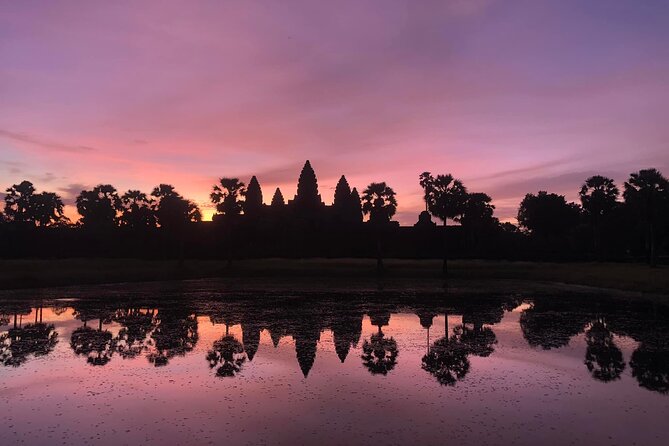
- Angkor Wat at sunrise: what the pre-dawn entry is really for
- Angkor Thom South Gate and Bayon: the capital city feeling
- Terrace of the Elephants to Ta Prohm: balancing big statements with atmosphere
- Ro Lus Market before the lake: a quick look at daily life
- Kampong Phluk and Tonle Sap: the boat cruise experience
- Price and temple pass math: does $59 make sense?
- Timing and logistics: how to survive the early start
- Who should book this Angkor Wat and Tonle Sap tour
- Should you book this tour?
- FAQ
- What time does the tour start?
- Is hotel pickup and drop-off included?
- What is the price, and what isn’t included?
- How much is the temple pass?
- Is lunch or meals included?
- What’s included at Tonle Sap and Kampong Phluk?
- What dress code do I need for the temples?
- How big is the group?
Key things I’d focus on before you go
- Sunrise timing: pre-dawn pickup (about 4:10–4:30 am, depending on the season) for an uncrowded start at Angkor Wat
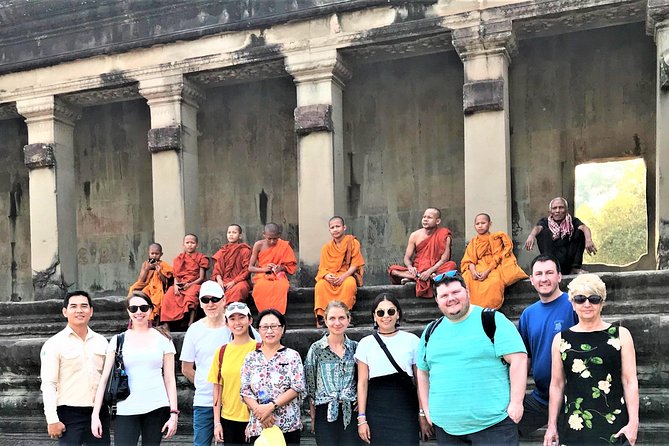
- Small-group feel: a maximum of 10 travelers, which helps you keep your place through the day
- Guide-led context: a licensed English-speaking guide who explains Khmer culture, not just dates and names
- Proper Tonle Sap experience: Kampong Phluk with entrance fee and boat cruise included
- Temple comfort matters: you’ll cover multiple major sites with a strict dress code (knees and shoulders covered)
Two days in Siem Reap: sunrise and Tonle Sap without the headache
If you only have about 1.5 to 2 days in Siem Reap, you’re usually faced with a choice: either do the highlights fast, or spend your limited time in traffic and planning. This tour is designed to solve the planning problem. You get pickup, AC transport, and a set route that hits Angkor’s most famous areas plus Tonle Sap’s lake life.
The big value is not just that you see famous places. It’s how you see them. Angkor Wat at sunrise is a totally different experience than visiting later in the morning. Likewise, Kampong Phluk feels different when you arrive as part of a guided flow with boat access already lined up.
Just be aware of the schedule reality. You’ll start before sunrise, and you’ll do a lot of walking over uneven temple stone. If you hate early mornings or long temple days, this might feel like a lot—even if the day is “only” two days on paper.
You can also read our reviews of more tours and experiences in Siem Reap

Angkor Wat at sunrise: what the pre-dawn entry is really for
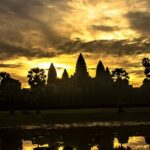
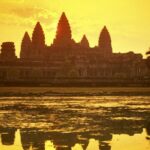
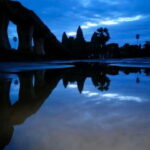
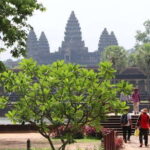
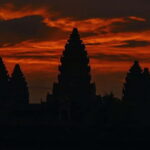
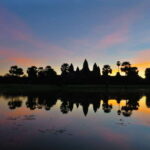
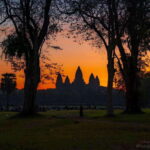
Your day starts with pickup around 4:10 to 4:30 am (the exact time depends on the season). The tour aims for the moment when Angkor Wat is lit by sky light but still quiet enough that you can take it in instead of constantly navigating crowds.
One detail I really like is the approach to entering. You start from the eastern side, and you enter in darkness before sunrise. That matters. When you’re inside while everything is still dim, you notice shape and structure more than selfies. It’s also a calmer way to get oriented before the whole complex wakes up.
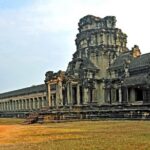
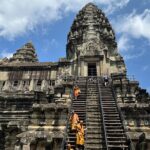
You’ll also have around 3 hours at Angkor Wat including the sunrise window, so it’s not a quick peek and sprint. You’ll have enough time to see key angles, then transition into looking at carvings and layout as light improves.
Tickets for the temple sites are not included in the $59 price. Plan for the temple pass ($37 per person) paid directly on the day of your activity. If you’d rather avoid last-minute lines or scrambling, treat it like part of your budget from the start.
Angkor Thom South Gate and Bayon: the capital city feeling
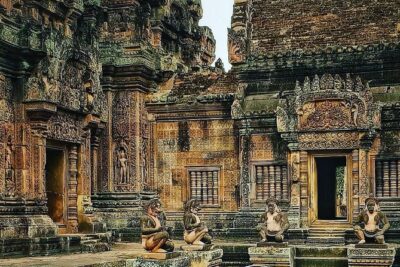
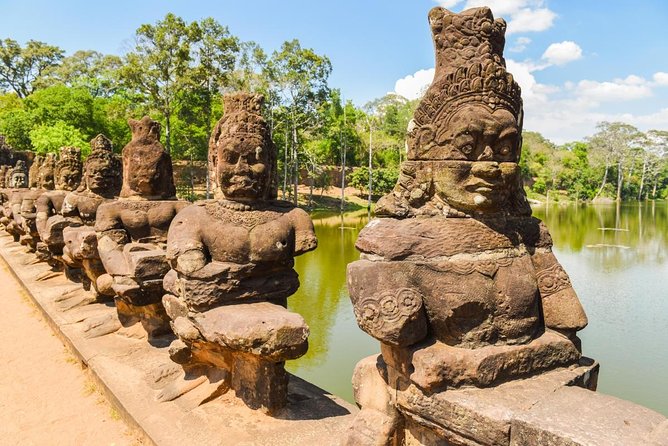
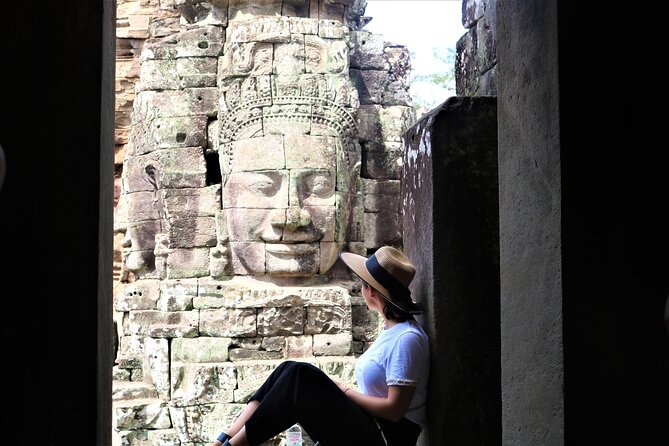
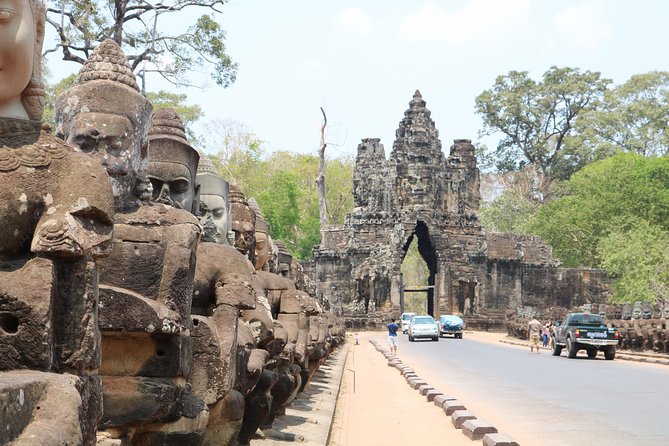
After Angkor Wat, you shift to Angkor Thom, the ancient Khmer capital area. The first stop is the South Gate for about 30 minutes. This is one of those places where you can feel the scale in your body—massive entrances, carved faces, and that “you’re in something bigger than a single temple” effect.
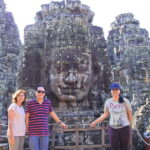
Then you continue into Angkor Thom itself, including Bayon. This segment is scheduled for about 1 hour 30 minutes. Bayon’s famous faces can look like a postcard until you stand close and see the stone texture and wear. This is where a good guide helps you interpret what you’re seeing and why these sites were built and organized the way they were.
A practical point: Angkor Thom is visually intense, with lots going on. You’ll want comfortable shoes and a steady pace. If you try to sprint from spot to spot, you miss the details that make Bayon memorable.
Terrace of the Elephants to Ta Prohm: balancing big statements with atmosphere
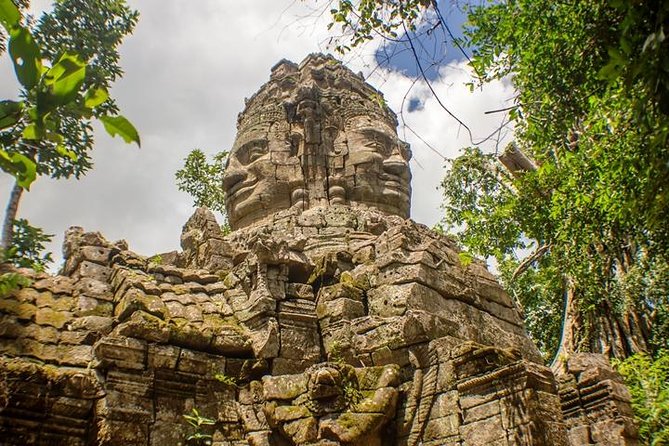
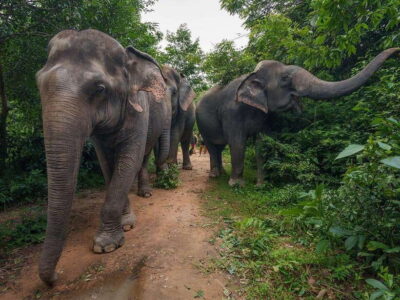
Next comes the Terrace of the Elephants, plus a pass by the Terrace of the Leper King. Your time here is about 2 hours, which is useful because this area isn’t just one view—it’s a space where you can walk, look, and connect the dots between different carved sections.
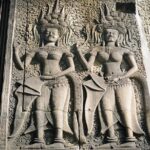
This is also a stop where it’s easy to overheat if you arrive with zero water or no hat plan. Mineral water is included, but you’ll still feel the Cambodian sun later in the day. I’d treat this as your moment to slow down and actually look at the carvings rather than just taking photos while you pass by.
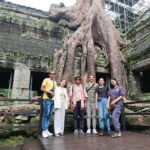
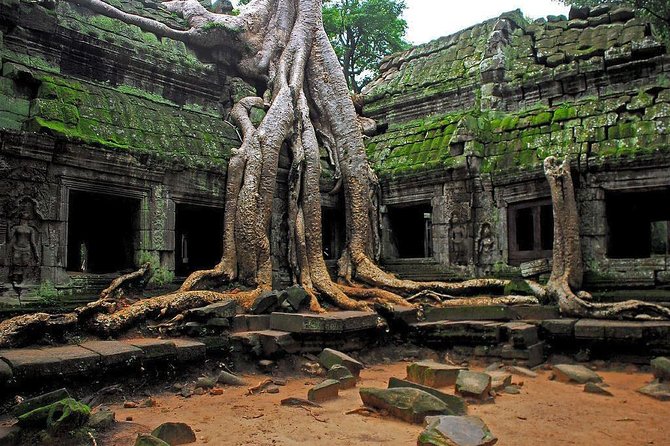
After that, the itinerary flows to Ta Prohm, scheduled for about 1 hour. This is one of the more atmospheric temples. You’ll see those famous tree roots wrapping around stone, and it’s a temple that feels less like a perfectly restored monument and more like something that’s been left to time and weather.
If your priority is “wow-factor,” Ta Prohm usually delivers. If your priority is “learning every carving,” you might wish you had a bit more time. But the timing in this tour is built to keep you moving without making you feel like you’re rushing from one stop to the next with zero breathing room.
Ro Lus Market before the lake: a quick look at daily life
Day two begins with pickup from your hotel and a drive through smaller communities. You then stop at Rolous Market for about 20 minutes.
This isn’t the “main attraction” in the way Angkor Wat is, but it’s a nice reset. It gives you a glimpse of local market life and gives you a chance to get photos and snacks if you need them before you head out to the lake area. If you care about food and everyday routines, this is the kind of short stop that makes the day feel more human.
Just keep your expectations aligned: the market time is brief. Use it to orient yourself and grab what you need, not to plan a full shopping mission.
You can also read our reviews of more tours and experiences in Siem Reap
Kampong Phluk and Tonle Sap: the boat cruise experience
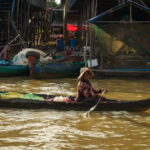
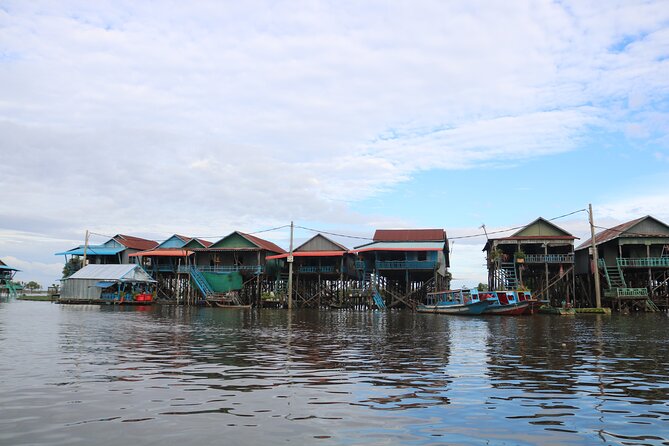
Then you head to Kampong Phluk Floating Village on Tonle Sap Lake, with about 3 hours at the stop. The lake is one of Cambodia’s big natural systems, and the tour includes the Tonle Sap entrance fee and boat cruise, which is the part you don’t want to leave to guesswork.
Here’s a useful bit of context you can carry with you while you’re there: Tonle Sap changes dramatically through the year. In the wet season the lake swells to about 12,000 km², while in the dry half it shrinks to around 2,500 km². That’s why “floating village” is not just a name—it’s a reality tied to seasonal water levels.
On the boat cruise, you’ll see how daily life adapts to that shifting water. The tour’s value is that it includes the boat component and the entrance fee, so your experience isn’t built around surprise extras.
One consideration: boats and lake areas can mean uneven footing around docks and waiting areas. Pack for comfort first. Good shoes matter, and keep an eye on sun exposure even on a cloudy day.
Price and temple pass math: does $59 make sense?
Let’s do the practical math. The tour price is $59 per person, and it includes:
- a licensed English-speaking tour guide
- transport by air-conditioned vehicle
- Tonle Sap visit with Kampong Phluk, including entrance fee and boat cruise
- hotel pickup and drop-off
- mineral water
What’s not included is the big one: the temple pass, an extra $37 per person paid on the day. That brings the headline total to $96 per person, before meals.
So is it good value? For a two-day plan that covers major Angkor highlights at sunrise plus Tonle Sap with a cruise, it’s solid—especially if you’d otherwise spend money on guides, transport, and individual tickets. It’s also helpful that the group size is capped at 10 travelers, so you’re not likely to feel swallowed by a huge bus group.
Where you can control your overall spend is meals. Food isn’t included, but that can be a benefit: you can eat what you actually want rather than being handed one set menu you didn’t choose.
Timing and logistics: how to survive the early start
This tour has one repeating theme: it moves early. Pickup is around 4:20 am, and Angkor Wat’s sunrise experience depends on leaving before the sky is bright.
That means you should plan your evening before like a grown-up:
- set an alarm you fully trust
- keep water and basic snacks ready
- wear layers you can tolerate in morning cool, then adjust as it warms up
And don’t ignore the temple dress code. You’ll need to cover knees and shoulders for the temples portion. If you show up underdressed, you’ll lose time sorting it out on-site, and that’s exactly what you don’t want when you’re already on a tight schedule. Comfortable walking shoes are strongly recommended—and I’d treat that as non-negotiable for multiple temple stops.
Weather matters too. The tour requires good weather, and if it can’t run due to conditions, you’re offered a different date or a full refund.
Who should book this Angkor Wat and Tonle Sap tour
This is a great match if you:
- want a guided plan that hits the obvious Angkor targets without car-hire stress
- prefer to use sunrise time efficiently rather than trying to self-organize that early
- like a mix of iconic temples and real community life on the lake
It may not be ideal if you:
- hate early mornings and long days on your feet
- want lots of free time at each temple for wandering slowly and deeply
- have a rigid budget that can’t handle the extra $37 temple pass on top of the $59 price
Also, the tour has an age note: children under 5 are not allowed, and children must be accompanied by an adult. It’s run for most travelers otherwise, with a fairly small group size.
Should you book this tour?
I’d book it if your goal is “see the highlights, do it well, don’t waste your limited time.” The sunrise timing at Angkor Wat is the kind of experience that self-planning can easily botch, and the tour handles the big pieces: transport, guide, and the temple route. On day two, Tonle Sap plus the included boat cruise takes you somewhere that feels different from the Angkor circuit.
If you’re price-sensitive, don’t get surprised by the extra temple pass. If you’re physically comfortable with walking and early starts, this is a very efficient way to get both Angkor Wat sunrise and Kampong Phluk into one short visit.
FAQ
What time does the tour start?
The tour starts at 4:20 am. Pickup before sunrise is scheduled for about 4:10 to 4:30 am depending on the time of year.
Is hotel pickup and drop-off included?
Yes. Hotel pickup and drop-off are included.
What is the price, and what isn’t included?
The tour price is $59 per person. The temple pass is not included and must be paid directly on the day of activity.
How much is the temple pass?
The temple pass surcharge is USD 37 per person, payable on the day you do the temples portion.
Is lunch or meals included?
No. Meals are not included, and you’ll choose your own options.
What’s included at Tonle Sap and Kampong Phluk?
The tour includes Tonle Sap Lake – Kampong Pluk fishing village, plus Tonle Sap entrance fee and boat cruise.
What dress code do I need for the temples?
You need to cover your knees and shoulders for the temples tour.
How big is the group?
The tour has a maximum of 10 travelers.