REVIEW · SIEM REAP
Half-Day: Silk Farm, Senteur Angkor, and Satcha Workshop
Book on GetYourGuide →Operated by Tour Guide Team Phnom Penh · Bookable on GetYourGuide
Silk, bamboo, and crafts in four hours sounds simple—then it gets very interesting. I like how the tour follows silk from silkworm to finished fabric, and I also like the mix of making and buying at stops like the Satcha bamboo workshop complex. The only drawback to plan for is that some workshop areas can feel more sales-focused, so you’ll want to keep an eye on what you choose to purchase.
This is a good half-day if you want hands-on context, not just pretty shops. You start with hotel pickup in Siem Reap (Krong Siem Reap), ride between stops in a van, and you’ll walk a fair bit on uneven ground—so comfortable shoes really matter.
In This Review
- Key Things You’ll Notice on This Craft Tour
- A Half-Day Silk and Craft Trail from Siem Reap
- Angkor Silk Farm: From Mulberry Trees to the Loom
- Satcha Handicraft Center: Six Bamboo Workshops and 15 Craft Know-How Types
- Why the bamboo workshops are more than a pretty set
- Senteurs d’Angkor: Sustainable Cambodian Treasures in a Local Culture Setting
- How to shop smarter here
- Artisan d’Angkor: Watching Local Handicrafts Being Made
- Price and Logistics: Is $25 a Good Deal for This Craft Trail?
- The smartest way to budget
- What the 4 Hours Feels Like (Stop by Stop Timing)
- What to Bring (and What You’ll Probably Want)
- Who This Tour Is Best For (and Who Might Not Love It)
- Should You Book This Tour?
- FAQ
- How long is the tour?
- Where do you get picked up?
- Is this tour private?
- What places are included in the visit?
- Is hotel pickup and drop-off included?
- What’s the price?
- Are meals included?
- What should I bring?
- What rules should I know before I go?
- Is the tour wheelchair accessible?
Key Things You’ll Notice on This Craft Tour
- Silk-making shown end-to-end, from mulberry trees and silkworm life cycle to weaving
- Satcha Handicraft Center’s bamboo-built workshops, with contemporary designs inspired by Khmer ornaments
- Six workshop areas under one roof, tied to a large network of artisans and different craft know-how
- Senteurs d’Angkor as a stop for sustainable Cambodian products and local culture through artisanal items
- Artisan d’Angkor where you can see local handicrafts being made, not just sold
- Skip-the-line access with a separate entrance, which helps you use the 4 hours well
A Half-Day Silk and Craft Trail from Siem Reap
This tour is designed like a craft circuit. You’ll hit four main places—starting with silk production—then move into bamboo workshops and handicraft hubs before finishing back at your hotel.
You’re looking at about four hours total, which is long enough to understand the process and short enough that you still have plenty of time for Angkor later. Because it’s a private group, you’re not stuck waiting for a huge crowd to shuffle through each room.
You can also read our reviews of more tours and experiences in Siem Reap


Angkor Silk Farm: From Mulberry Trees to the Loom
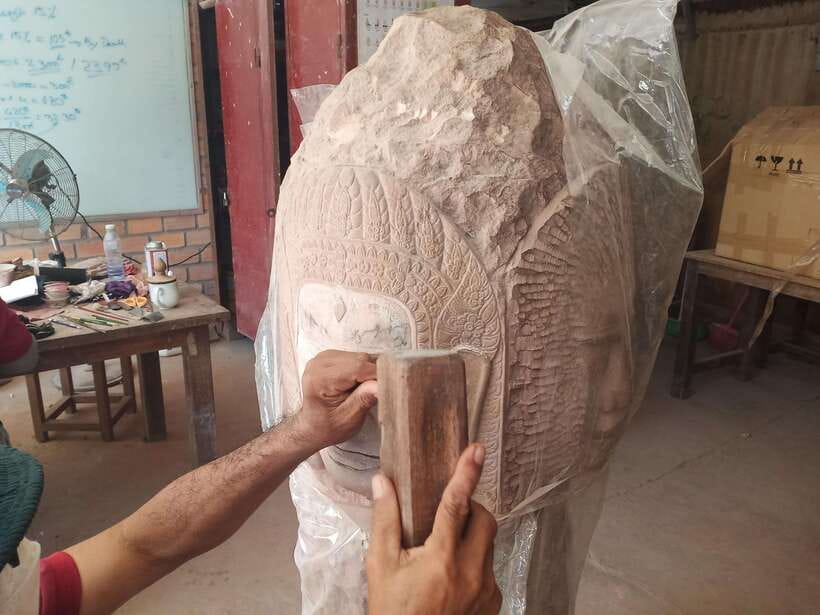
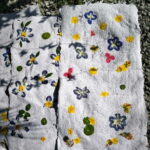
Your morning starts at the Angkor Silk Farm, where the goal is simple: show you where that beautiful fabric comes from. You’ll see the early stage materials (mulberry trees) and the silkworm life cycle, then you move forward to how silk ends up as cloth.
This stop is one of the most valuable parts because it makes the final product feel less mysterious. When you understand what has to happen before the fabric even exists—feeding, growth, and the whole transformation process—you shop differently. You’re more likely to buy something because you appreciate the work behind it, not just because it looks nice.
There’s also a practical side: expect a mix of guided viewing and time to wander. You’ll get photo opportunities too, and you’ll usually find a market-style shopping area connected to the experience. If you enjoy asking questions, this is a great place to do it, since the process is visual and step-by-step.
A consideration: this is an outdoor-and-walking stop, so plan for sun and heat. Bringing a hat and sunscreen isn’t just comfort—it keeps you from feeling done before the tour is over.
Satcha Handicraft Center: Six Bamboo Workshops and 15 Craft Know-How Types
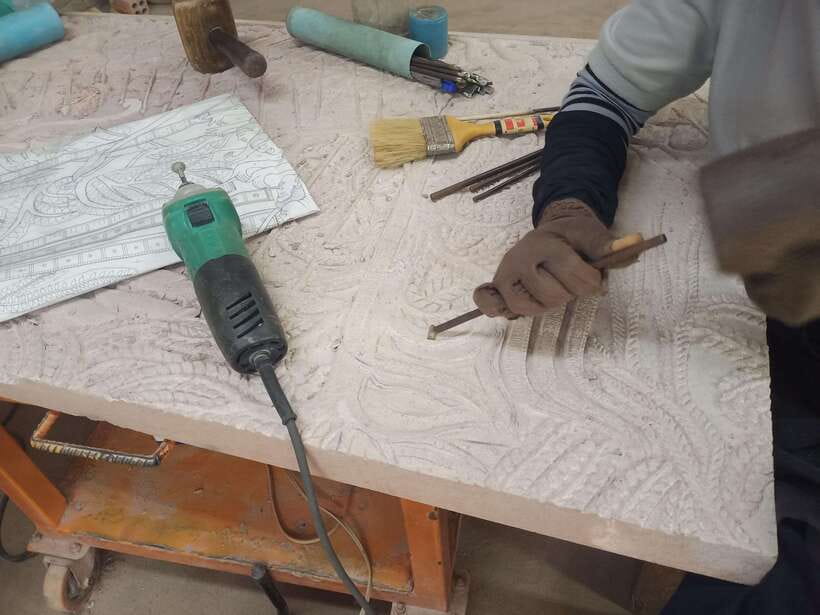
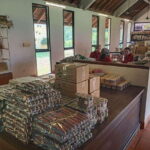
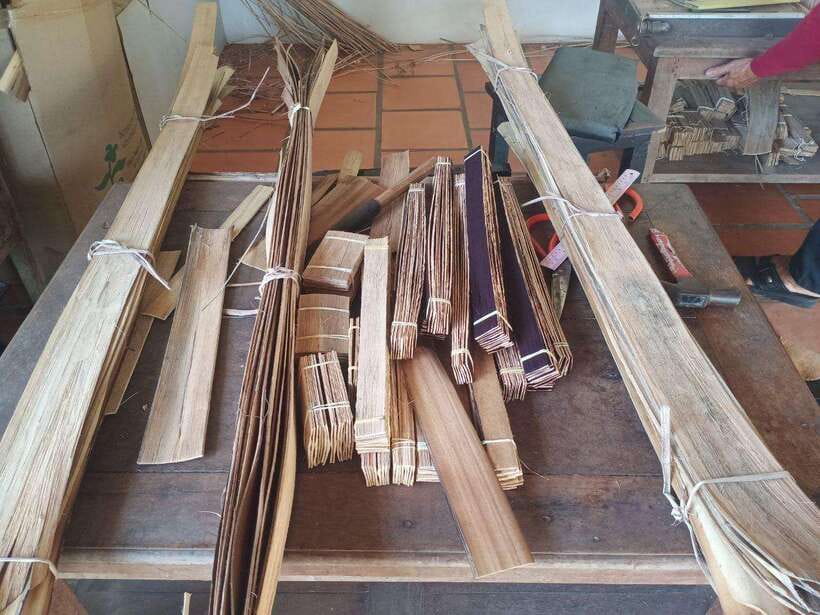
Next comes the Satcha Handicraft Center, a standout because it’s not one craft—it’s a whole workshop campus. The buildings are made with Cambodian bamboo from Kampong Cham, and the look is designed with contemporary touches inspired by Khmer ornament styles.
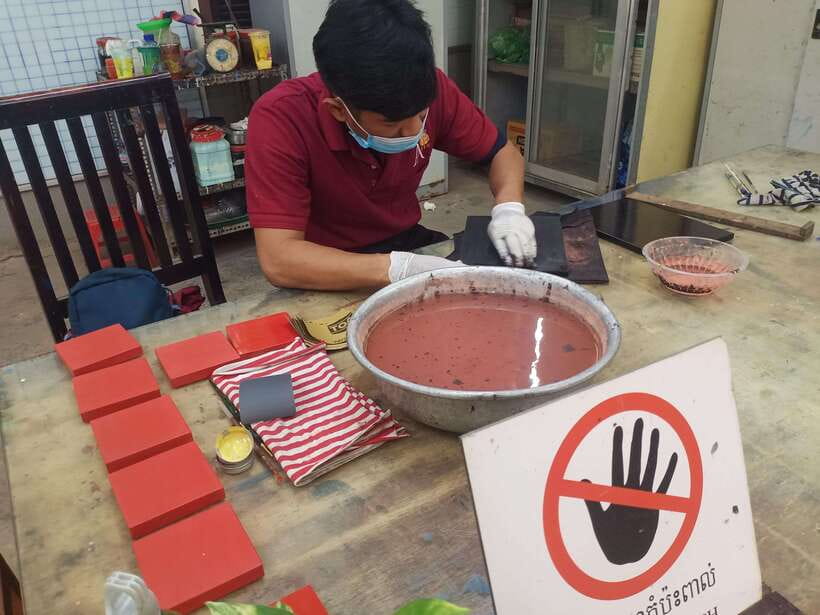
Inside, you can visit six workshops, and the center supports 50+ artisans with 15 different know-hows. That matters because you’re not just watching one demo for an hour and moving on. You get to compare styles and materials across different crafts in a short time frame.
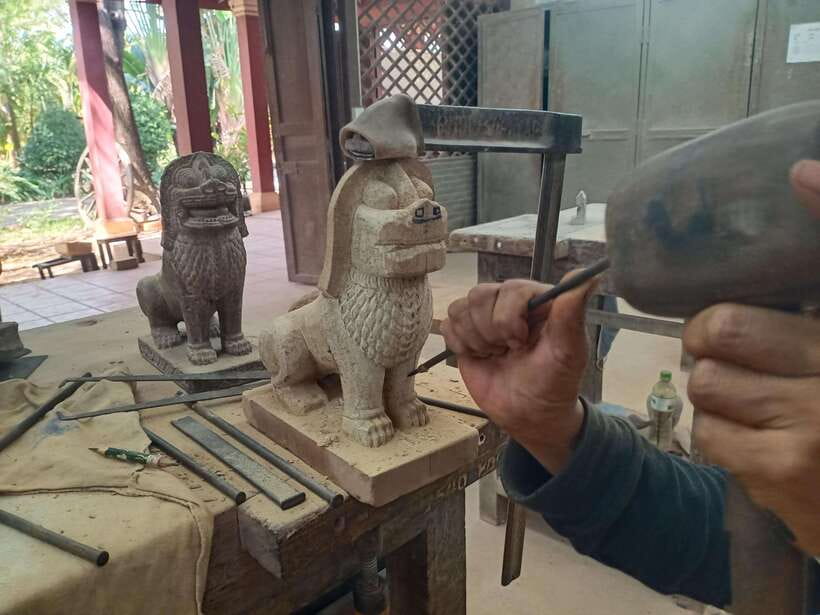
Here are the types of craft know-how you can expect to see listed as part of what the center supports: carving, stone, wood, bamboo, leather, weaving, rattan, seagrass, water hyacinth, silk, cotton, painting and lacquer, jewelry, and silver plating. Even if you don’t see every single category in full action, the range gives you a much clearer picture of Cambodia’s craft ecosystem.
Why the bamboo workshops are more than a pretty set
I like this stop because it puts the “how” in front of the “what.” The bamboo workshop design also keeps things airy and light, which makes it easier to move between stations without feeling trapped indoors.
You’ll likely spend around the middle of the tour here, with guided viewing plus time to walk and shop. Some craft centers offer a quick look; this one is structured to show you multiple areas and multiple production approaches.
A consideration from experience like yours: craft stops sometimes include pricier demos or items depending on the workshop. One sensible approach is to set a rough souvenir budget before you arrive. If you see something you love, check quality and don’t feel pressured to buy at the first station that catches your eye.
Senteurs d’Angkor: Sustainable Cambodian Treasures in a Local Culture Setting
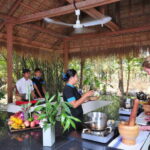
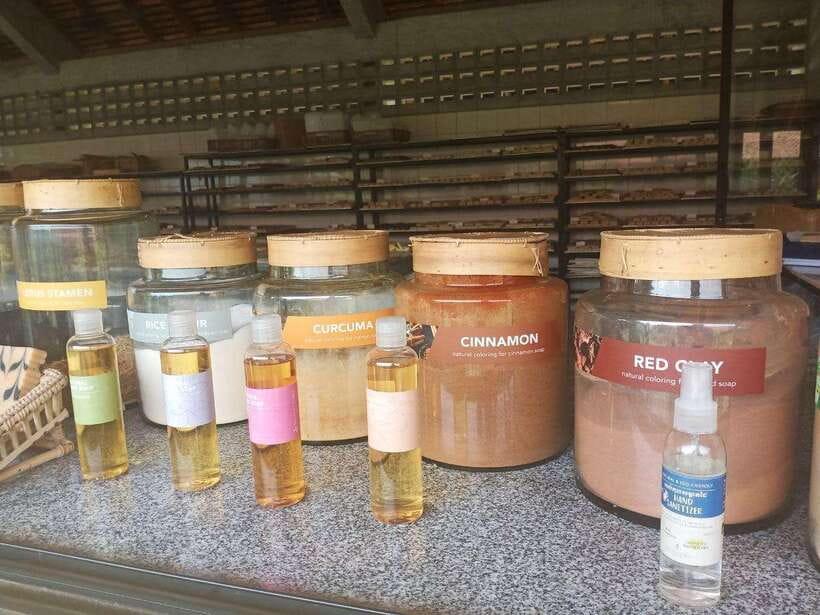
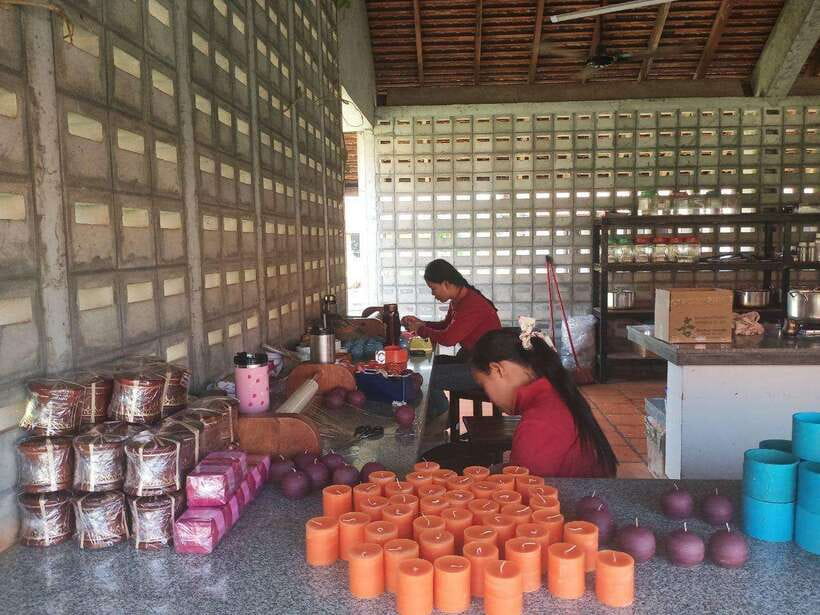
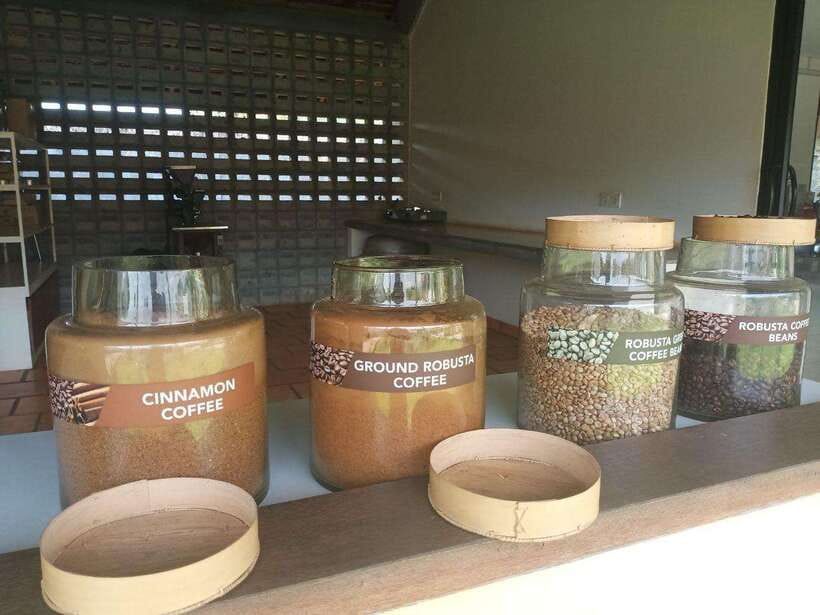
After the workshop hub, you head to Senteurs d’Angkor, described as a hub for sustainable Cambodian treasures. This is where the tour shifts slightly away from “watch the making” and more toward “learn how culture shows up in products.”
In practical terms, you’ll immerse yourself through artisanal items. That can mean browsing crafted goods that reflect local materials and craftsmanship styles, with an emphasis on sustainability. It’s also a good reset moment—less process-focused than the silk farm and more product-oriented—so you can refocus your eyes after earlier stops.
This stop is ideal if you’re shopping for gifts that look thoughtful. When you’ve already seen production earlier, you’ll be more aware of what’s handmade versus what’s mass-produced.
You can also read our reviews of more tours and experiences in Siem Reap



How to shop smarter here
Bring the same mindset you’d use in a market: compare, ask questions, and don’t rush. If you already know you want textiles, prioritize silk-related items. If you want smaller gifts, focus on accessories and crafts that match the variety you saw earlier.
Artisan d’Angkor: Watching Local Handicrafts Being Made
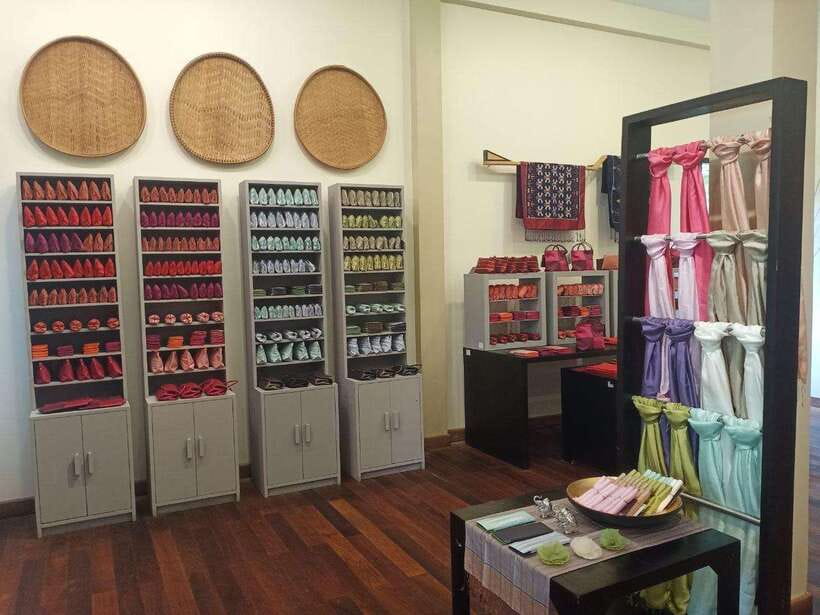
The final craft-making stop is Artisan d’Angkor, where local handicrafts are produced. This is the closer that matters because it ties together everything you saw earlier: raw materials, craft skills, and finished objects.
You’ll have time for guided viewing, shopping, and a bit of wandering. The tour format gives you photo moments too, which is useful because some craft techniques are easier to understand when you can pause and look closer later.
If you like souvenirs that feel connected to a story, this is where that story lands. You’ll likely find items such as textiles and other handcrafted goods, and you can match them to the kinds of know-how you encountered at the workshop center.
A consideration: by the end of a half-day, you may feel fatigue from walking. If you want the best buying decisions, do a quick scan first, then return to the items that genuinely stand out.
Price and Logistics: Is $25 a Good Deal for This Craft Trail?
The price is $25 per group up to 2, for a total duration of about 4 hours. For Siem Reap, that’s a fair setup when you factor in hotel pickup and drop-off plus multiple craft locations in one connected route.
Here’s how I think about value for tours like this:
- You’re paying for time-saving access to several production and craft hubs rather than hopping around on your own.
- You get guided context, which makes shopping more meaningful and helps you avoid buying something you don’t understand.
- You’re getting a concentrated mix of silk production and craft workshops, which is hard to assemble as efficiently on your own.
In reviews, people often highlight that the tour is easy to manage and good for gifts. One useful caution is that workshop shopping can vary in pricing. In other words: the tour itself can feel like good value, while certain individual workshop items may be more expensive than you expect.
The smartest way to budget
Decide before you go:
- a “must-buy” category (like silk scarves, small crafts, or gift sets)
- a maximum souvenir spending limit
- whether you want to focus on one stop or spread your purchases across two
That way you’ll enjoy the craft experience instead of making decisions while you’re tired and hot.
What the 4 Hours Feels Like (Stop by Stop Timing)
The day is structured with short van rides and multiple photo and walk moments. That’s why it works as a half-day: you’re not stuck in a car for long stretches, and you still get real time in each location.
A typical pacing looks like:
- Silk Farm: about 50 minutes of guided viewing plus photo time and market browsing
- A craft-focused photo/stop then workshop area: another 50 minutes with walking, guided viewing, and shop time
- Two additional stops with shorter segments (around 50 minutes each in the plan) plus photo moments and guided touring
Even if your exact flow feels slightly different in the moment, the tour design keeps the balance between watching the process and having time to shop.
What to Bring (and What You’ll Probably Want)
Bring comfortable shoes—you’ll walk. Add a hat and sunscreen because multiple parts are outdoors or have bright sun exposure. A camera is useful because the steps are visual, and you’ll want to remember what you saw.
Also keep in mind the tour rules: smoking is not allowed, and food and drinks aren’t allowed during the tour. So plan on water time before the tour begins or right after you return, rather than counting on snacks during stops.
Who This Tour Is Best For (and Who Might Not Love It)
This experience is a great match if you:
- want a meaningful souvenir hunt, not just shopping
- enjoy seeing how materials become products
- like craft education that’s visual and hands-on
It’s less ideal if you need step-free access. The tour is not suitable for wheelchair users, which usually means there’s walking over uneven areas and you may not get the space you’d need at workshops.
If you’re traveling with kids, it can still work well because the process is easy to understand visually—but the rule about no food/drink during the tour is something to plan around.
Should You Book This Tour?
Book it if you want a focused craft education in a short window and you like the idea of visiting places where the making is part of the experience. The silk farm alone is worth the time because it explains where silk comes from, and the Satcha center adds breadth by showing multiple craft types under one bamboo-built roof.
Skip it or consider alternatives if you’re only interested in a quick shopping spree with minimal walking. Also, if you hate any chance of sales pressure, go in with a firm budget and a clear plan for what you want.
Overall, this is a solid half-day pick for Siem Reap. You leave with better context, smarter gift-buying instincts, and a much deeper appreciation for Cambodian craftsmanship than you’d get from a single shop stop.
FAQ
How long is the tour?
The tour duration is 4 hours.
Where do you get picked up?
Pickup is from Krong Siem Reap, with hotel pickup in the Siem Reap area.
Is this tour private?
Yes, it’s listed as a private group.
What places are included in the visit?
You’ll visit the Angkor Silk Farm, Satcha Handicraft Center, Senteurs d’Angkor, and Artisan d’Angkor.
Is hotel pickup and drop-off included?
Yes, hotel pickup and drop-off are included.
What’s the price?
It’s $25 per group up to 2.
Are meals included?
No. Meals are not included.
What should I bring?
Bring comfortable shoes, a hat, a camera, and sunscreen.
What rules should I know before I go?
Smoking is not allowed, and consuming food and drinks is not allowed during the tour.
Is the tour wheelchair accessible?
No, it’s not suitable for wheelchair users.