REVIEW · SIEM REAP
Siem Reap: Khmer Water Blessing by Monk and Lotus Farm Visit
Book on GetYourGuide →Operated by CWE Travel · Bookable on GetYourGuide
A Khmer water blessing is not like a normal tour stop. This one connects monk-led ritual, lotus farming, and temple learning into a calm 4-hour experience you can actually understand.
I especially love how the day links the spiritual part to real daily life, starting with the shrine and the flower offerings. Another highlight for me is the chance to ask questions during the temple visit and feel the blessing in a personal, respectful way, not as a photo-op.
One thing to plan for: during the water blessing you’ll get completely wet, so bring a towel and change of clothes. If that sounds like a hassle, this tour may not be your best match.
In This Review
- Key Things I’d Actually Do Here
- From shrine to blessing: how this tour tells one story
- Preah Ang Chek Preah Ang Chorm Shrine: the calm “why” stop
- The Royal Residence spiritual house: a sacred location that frames the day
- Lotus farm and the lotus farm silk shop: where your offering starts
- Fried banana and sweet potato: a snack stop that feels local
- Wat Po Banteaychey pagoda: the water blessing (and the big practical heads-up)
- Guides matter: English clarity and a respectful pace
- Transportation, timing, and what the 4 hours are really for
- Price and value: what $55 includes in the real world
- What to bring (so the wet blessing doesn’t ruin your day)
- Who this fits (and who should skip)
- Should you book the Khmer Water Blessing and Lotus Farm visit?
- FAQ
- How long is the Siem Reap Khmer Water Blessing and Lotus Farm visit?
- What’s included in the price?
- Do I need to bring a change of clothes?
- What should I bring with me?
- Where does the water blessing take place?
- Is this tour wheelchair accessible?
Key Things I’d Actually Do Here
- Get your lotus offering ready by picking lotus flowers and using them for the water blessing ceremony
- Start at a sacred shrine so the monk ritual makes more sense when you reach the pagoda
- Learn how temples work locally—role, structure, and what people do there day to day
- Enjoy Siem Reap snacks on the way, including fried banana and sweet potato
- Trust the women-guide energy if you get Sarath or Hong-style hosting, the English and warmth are a big part of the value
From shrine to blessing: how this tour tells one story
This tour is built like a chain. You start at a sacred site, you learn the local Buddhist context, you prepare an offering, and then you take part in the water blessing. That structure matters. Without it, a blessing can feel like a performance you watch from the sidelines. With it, you get the why behind the moment.
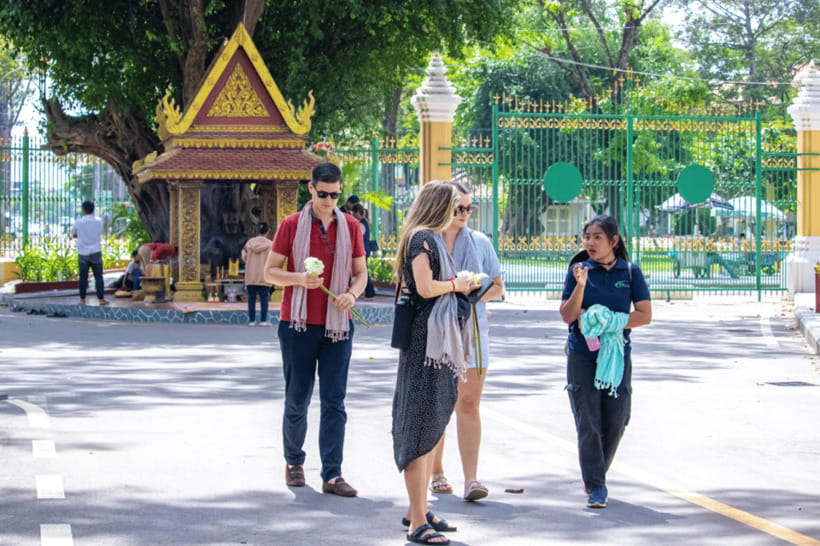
The day begins in Krong Siem Reap with hotel pickup by remork (tuk-tuk). Then you head to a respected shrine area: Preah Ang Chek Preah Ang Chorm. Even though the stop is short, it sets the tone. It’s also where you start seeing how these spiritual places fit into regular life in Siem Reap Province, not just into tourism.
The tour also includes a visit to the Royal Residence spiritual house, described as one of the most important sacred locations in the Siem Reap area. This helps you understand why locals treat certain spaces with care. Instead of rushing, your guide slows the story down so you know what you’re looking at and why it matters to the people who live nearby.
You can also read our reviews of more tours and experiences in Siem Reap
Preah Ang Chek Preah Ang Chorm Shrine: the calm “why” stop
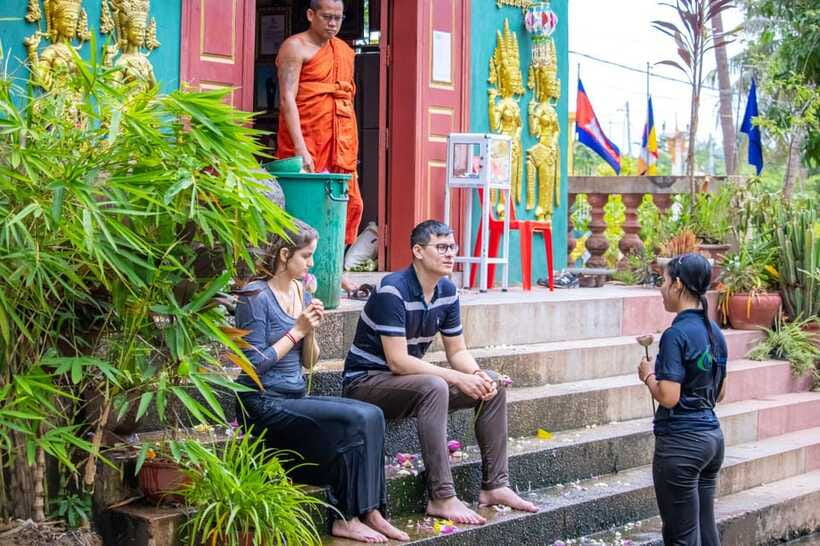
The shrine visit is about 30 minutes. It’s not meant to be a long history lecture. It’s more like orientation. You’re there to understand sacred space in practical terms: how the area is used, what people typically do there, and what beliefs sit underneath the visible rituals.
This is also a good moment to set your questions for later. If you’re the type who likes to know what to do before you do it, you’ll appreciate this stop. You can ask your guide about temple roles, what offerings mean, and how visitors should behave inside religious spaces.
And because your guide is local and English-speaking, you’re not stuck guessing. The goal is simple: you walk away understanding what you saw, instead of only collecting images.
The Royal Residence spiritual house: a sacred location that frames the day
Next up is the Royal Residence and its spiritual house. The tour describes it as a key sacred place for people in Siem Reap, known across Cambodia. Even if you don’t know the details of Cambodian royal spirituality from before, you can still feel the intention of the space: it’s treated with reverence, not casual sightseeing energy.
For me, this stop works because it makes the later water blessing feel connected rather than random. When a ritual comes after context, it lands better. You’re not just soaking yourself for fun; you’re participating in a tradition you at least understand.
Lotus farm and the lotus farm silk shop: where your offering starts
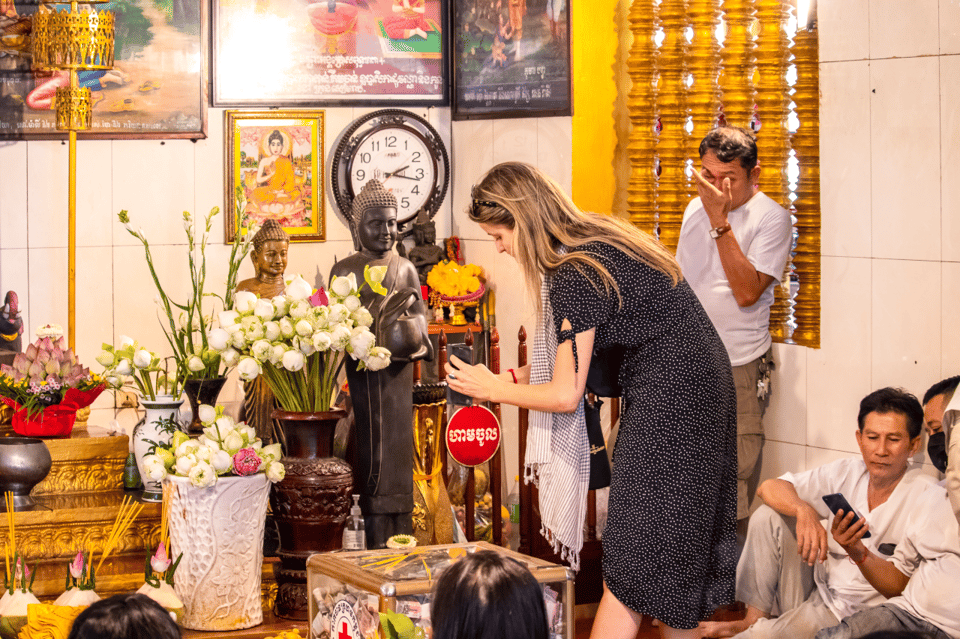
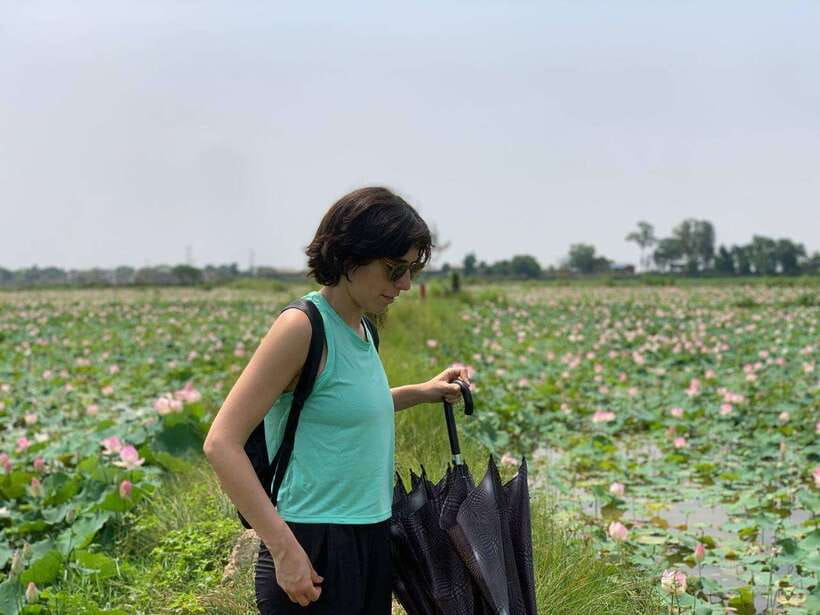
One of the most useful parts of this tour is the connection between the lotus flower and the ceremony. You’ll head toward the Tonle Sap Lake direction and see lotus fields along the roads. That view matters. Lotus isn’t just a symbol here. It’s grown, harvested, and moved through a small supply chain that local people rely on.
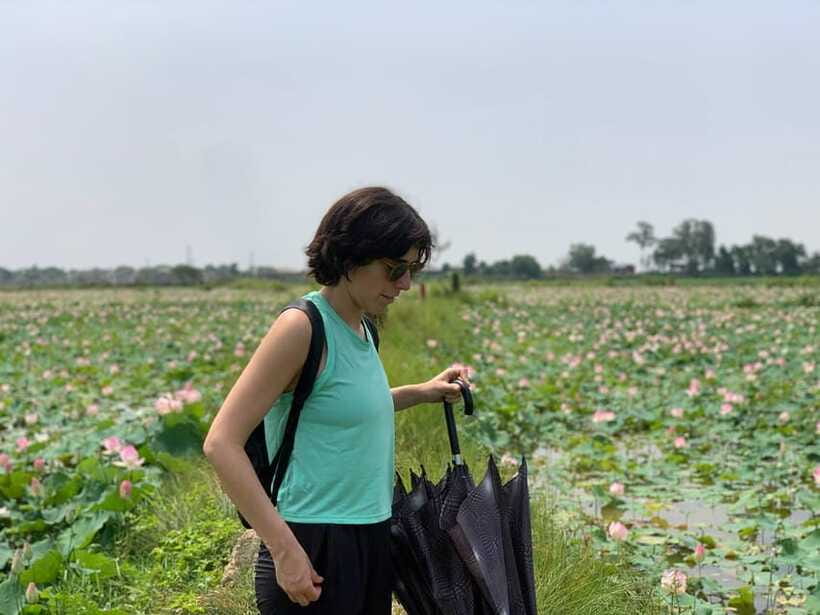
At the Lotus Silk Farm & Shop, you get a guided visit and a walk, about 30 minutes. Your guide explains farming and harvesting methods. Then you can pick some lotus flowers to prepare for the water blessing offering at the temple.
That small detail—picking the flowers yourself—changes the feeling of the whole day. Instead of being handed a souvenir, you’re part of the preparation. Even if you keep it simple and quiet, you still have a role in the ritual setup.
Tip from the practical side: take a slow look at the lotus ponds and flowers before you pick. It’ll help you understand what you’re preparing for. And if you’re using a camera, this is a great time to get clear shots before the wet part of the ceremony.
Fried banana and sweet potato: a snack stop that feels local
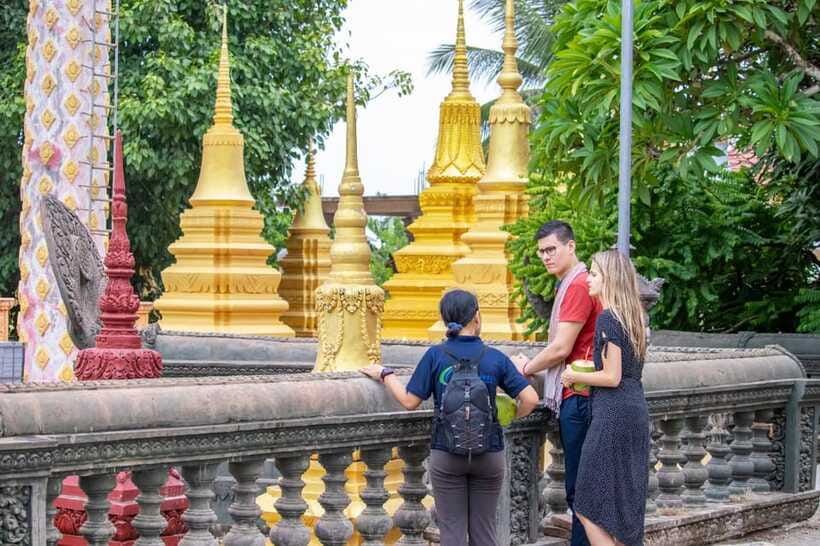
Between sacred stops and the farm, there’s a chance to meet a well-known local business owner in Siem Reap town with a fried banana shop that’s been running for more than 20 years. You’ll get to try fried banana and sweet potato as your first snack.
This is one of those small tour moments that I value more than I expect. When a day is mostly spiritual and reflective, a street snack gives you a normal human pause. It also makes the experience feel grounded. You’re not only moving through temples—you’re also seeing everyday Siem Reap flavors.
If you’re hungry, plan on eating the snack and then letting your guide know if you need anything extra later. The tour includes cold water and local snacks, but you may still want cash for personal extras.
Wat Po Banteaychey pagoda: the water blessing (and the big practical heads-up)
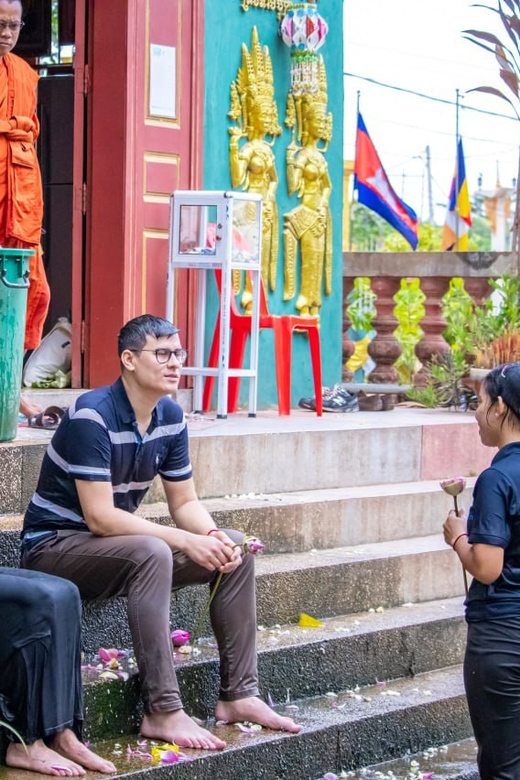
The water blessing takes place at Wat Po Banteaychey. This is the heart of the tour, and it’s also the part where you need to be ready.
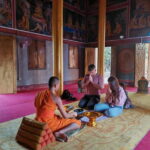
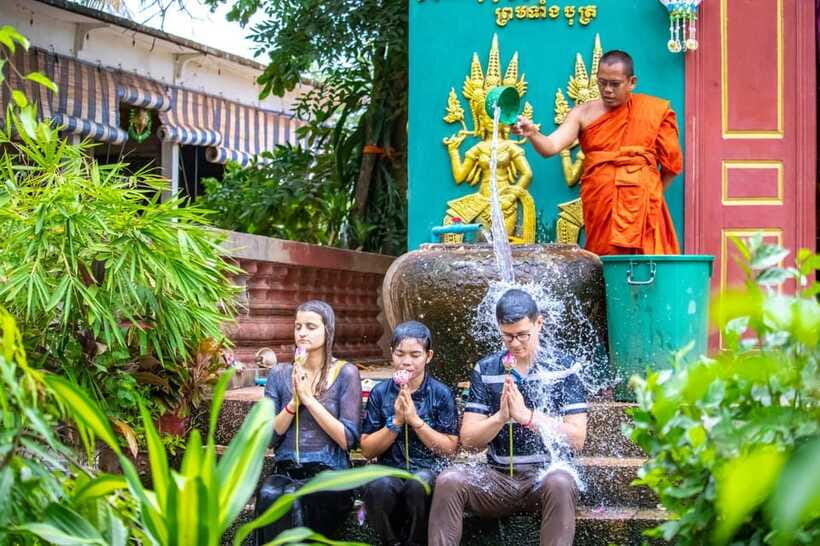
Before the water blessing itself, your guide explains Buddhist beliefs in a way you can follow, plus the role and structure of a local temple and what happens at the pagoda. This pre-brief is important. It helps you know what’s expected and why people participate the way they do.
Then comes the main event. During the water blessing, you’ll get completely wet. That’s not a maybe. It’s a given. The tour specifically asks you to bring a towel and clothes to change.
Here’s how I’d handle it:
- Wear something comfortable and practical for being splashed.
- Use sunglasses if you have them; the day can include bright outdoor light.
- Keep your towel and spare clothes organized so you can change quickly.
- Expect that photos might be tricky unless your guide helps you capture the moment.
In multiple accounts, the monk interaction is described as moving and inspiring, especially when guides create time for respectful conversation. If your English is basic, you can still benefit. A good guide can help you ask sensible questions without turning it into awkward small talk.
After the blessing, you change clothes and wander the pagoda area. This is your decompression time. You’ve done the ritual. Now you can just look around and absorb.
Guides matter: English clarity and a respectful pace
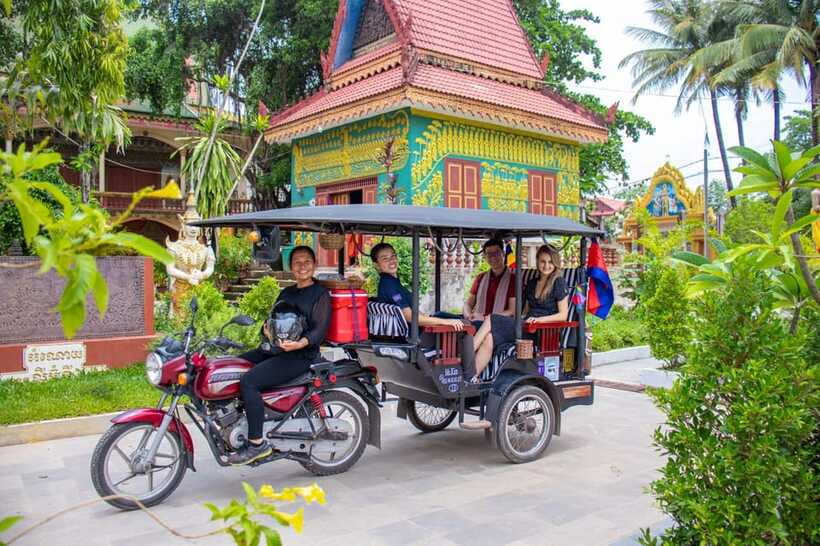
A huge part of the experience is the guide. The tour uses local English-speaking guides, and the tone is often warm and attentive.
In the feedback I saw, two guide names came up: Sarath and Hong. People specifically praised them for clear English and helpful explanations, with guides who seem genuinely invested in making the day feel meaningful. Another practical detail: one person noted that they received great photos taken by the guide—so if you want picture support, you can ask your guide to help when it’s appropriate.
Also, the guides create space for questions. That’s a big deal for first-timers to Buddhist temple culture. If you want to understand what you’re seeing—like temple layout, offerings, or what the ceremony is for—this tour gives you that back-and-forth, instead of just walking you through.
Transportation, timing, and what the 4 hours are really for
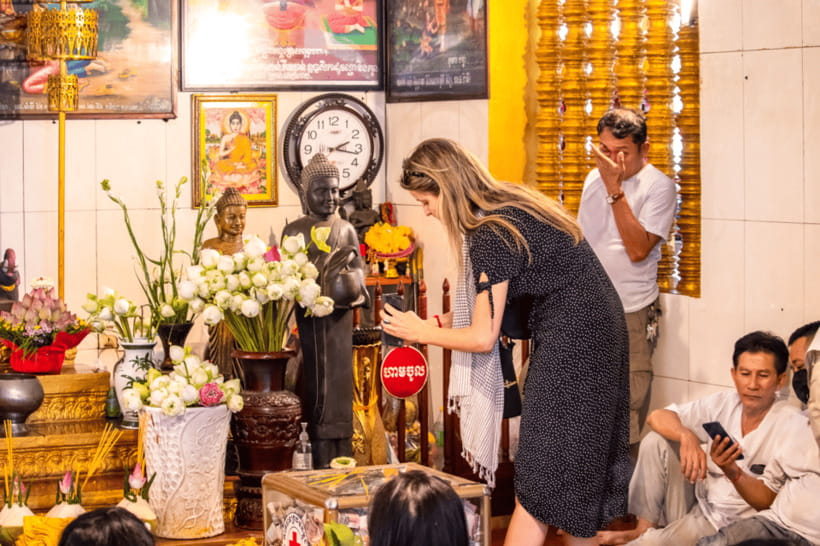
This is a 4-hour tour, and it feels designed for people who don’t want a full day but still want depth. Pickup is included from your hotel or other locations in Siem Reap City. You’ll ride around by remork (tuk-tuk), which keeps things simple in town.
Duration matters here because the experience has two “modes”:
1) Learning and context (shrines, spiritual house, lotus farm)
2) Participation (water blessing with a full wet moment)
A well-paced half-day like this is ideal if you’re doing Angkor visits in the broader trip. You can pair this with temple days without feeling like your schedule is only temples—because this one includes farming and everyday food too.
Group size isn’t listed in the info you provided, so I can’t promise how many people are in the van/tuk-tuk. Still, the stops and timing suggest it’s set up to keep things manageable and on-track.
Price and value: what $55 includes in the real world
The price is $55 per person for about 4 hours. That’s not cheap in a strict budget sense, but it’s not random either. The tour includes several things that add up quickly:
- A local English-speaking guide
- Transportation by remork (tuk-tuk)
- Cold water and local snacks
- Monk’s offering and donations (included)
- Lotus farm entrance fee
Also, you’re getting the wet ritual participation component, plus the educational context before it. That combination—participation + explanation + logistics—is the value.
Still, one practical consideration: if you’re very price-sensitive, you might feel the cost versus what you perceive as the portion going to guides and partners. That concern came up in feedback. I can’t verify internal splits of pricing, but I can tell you the best way to protect value is to ask what’s included in your exact booking and lean into the experience for what’s actually covered.
What to bring (so the wet blessing doesn’t ruin your day)
The tour’s own checklist is short, and it’s right on target:
- Change of clothes
- Towel (strongly recommended given you’ll get completely wet)
- Camera
- Comfortable clothes
- Sunglasses
- Cash (for personal expenses)
A practical note: don’t carry fragile items you can’t risk getting damp. Use a bag you trust, or keep electronics protected. The wet ritual is part of the point, so you’ll want to be ready instead of stressed.
Also, this tour is not suitable for wheelchair users, based on the provided information. If mobility is a concern, ask the provider before booking.
Who this fits (and who should skip)
I think this works best for you if:
- You want spiritual culture without needing to be an expert first
- You like learning through doing—like picking lotus flowers for an offering
- You’re okay getting wet and then changing clothes
- You prefer a small, focused half-day over a long bus day
Skip it if:
- You strongly dislike getting wet or hate the idea of changing mid-tour
- You need wheelchair accessibility
And if you’re visiting Siem Reap mainly for Angkor, this tour can be a solid contrast. It keeps you connected to Cambodian belief and daily ritual life, not only monumental stone.
Should you book the Khmer Water Blessing and Lotus Farm visit?
If you want one memorable experience that mixes monk blessing, temple context, and a lotus farm link you can feel, then yes, I’d book it. The strongest reason is not the soaking (though that’s unforgettable). It’s that the day gives you the meaning before you participate.
I’d make my decision based on two questions:
- Are you prepared with a towel and change of clothes for the water blessing?
- Do you enjoy respectful, guided learning that turns a spiritual moment into something you actually understand?
If you say yes to both, this is the kind of Siem Reap activity that leaves you thinking for the right reasons.
FAQ
How long is the Siem Reap Khmer Water Blessing and Lotus Farm visit?
It runs for about 4 hours.
What’s included in the price?
The tour includes a local English-speaking guide, remork (tuk-tuk) transportation, cold water and local snacks, monk’s offering and donations, and lotus farm entrance fee.
Do I need to bring a change of clothes?
Yes. During the water blessing, you will get completely wet, so you should bring a towel and change of clothes.
What should I bring with me?
Bring sunglasses, comfortable clothes, a camera, cash for personal expenses, and (most importantly) a towel and change of clothes.
Where does the water blessing take place?
The water blessing ceremony takes place at Wat Po Banteaychey.
Is this tour wheelchair accessible?
No, it is not suitable for wheelchair users based on the provided information.