REVIEW · SIEM REAP
Siem Reap: Grand circle tour Sun set on bakeang hill & Guide
Book on GetYourGuide →Operated by Siem Reap Experiences · Bookable on GetYourGuide
Temple day, then sunset on a hill. This temple loop from Siem Reap hits six Angkor-era sites with an English-speaking guide, then finishes at Phnom Bakheng for sunset. I love the way the guide connects the stones to real-life Khmer belief and daily rhythm, and I love that the timing sets you up for memorable views without feeling rushed.
A big reason it works is the people. Guides such as Mr Sayon (and also Sam) tend to keep the pacing friendly, with clear explanations and lots of photo moments built in. And the drivers, like Mr Vur, help keep the day smooth from pickup to drop-off in an AC minibus with chilled bottled water and a wet towel.
One possible drawback: it is a long day with temple stairs and hill climbs, plus strict dress rules at the sites, so comfortable shoes are not optional and no shorts is a real constraint.
In This Review
- Key Highlights Worth Your Time
- A Grand Circle Day That Feels Built for Real Sightseeing
- Pickup, AC Minibus, and What You Actually Get for $19
- Pre Rup: Shiva, Mountain Views, and the Coffin-Like Meditation Stone
- East Mebon: Ancestors, Reservoir Origins, and a 10th-Century Sense of Purpose
- Ta Som: The Tree Over the Gate and Dancer Sculptures That Catch Your Eye
- Neak Pean: Four Pools, Healing Meaning, and the Worthwhile Break
- Preah Khan: The Sacred Sword Temple and the Power Behind the Name
- Phnom Bakheng Sunset: 33 Towers, Hill Climb Energy, and Why Timing Matters
- Temple Pass, Dress Code, and the Packing List That Saves Your Day
- Price and Logistics: When $19 Really Works
- Who This Tour Suits (and Who Might Want a Different Plan)
- Should You Book This Grand Circle Sunset Tour?
- FAQ
- How long is the tour?
- What language is the tour guide?
- Is hotel pickup and drop-off included, and when do you pick me up?
- What is included in the tour price?
- Do I need to buy a temple pass?
- Is food or lunch included?
- What should I bring?
- Are there dress restrictions?
- Can I cancel for a refund?
Key Highlights Worth Your Time
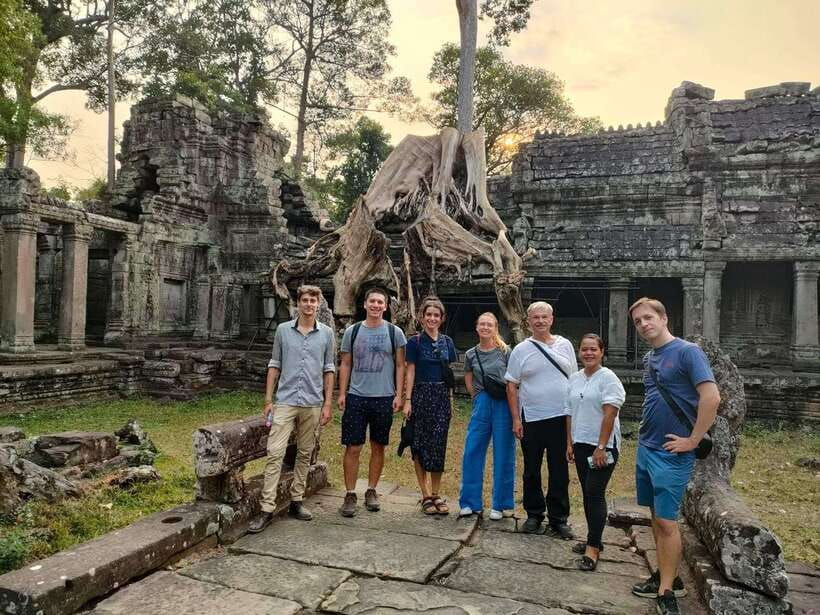
- Grand Circle flow that goes beyond Angkor Wat so you see temples many people skip
- Sunset placement on Phnom Bakheng hill with those famous 33 towers in view
- Pre Rup’s Shiva connection including the full-moon meditation story tied to a coffin-shaped stone
- Neak Pean’s four pools meaning (water, earth, fire and water) that turns sightseeing into a lesson
- Ta Som’s tree over the gate plus dancer sculptures that make the ruins feel alive
- AC transport and small comforts like bottled water, a wet towel, and an English-speaking guide
A Grand Circle Day That Feels Built for Real Sightseeing
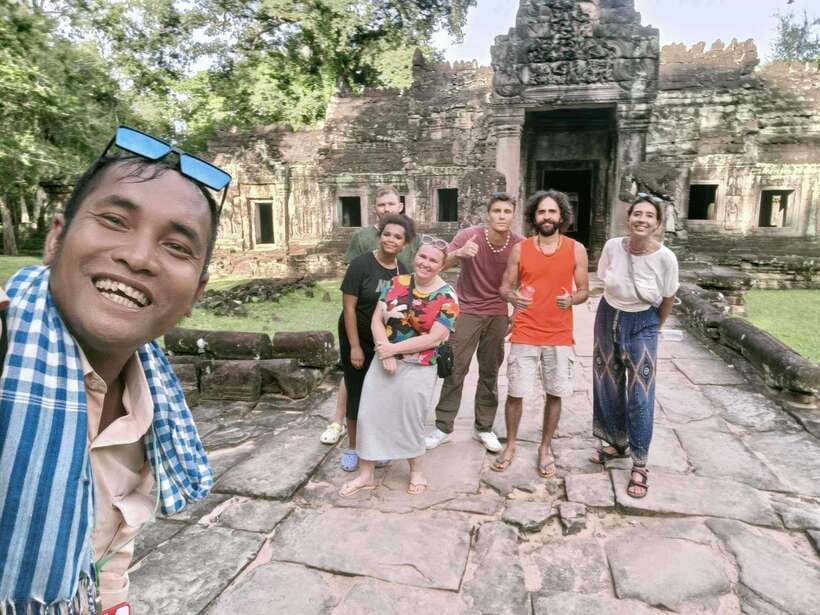
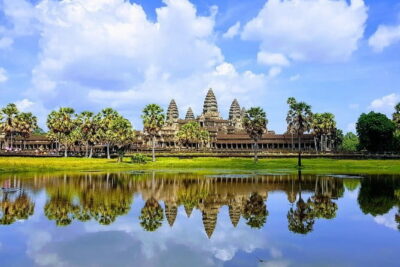
This tour is for people who want more than a checklist. Angkor Wat is the headline, sure, but this day leans into the parts of the Angkor region that feel more personal: mountain-temples, carved gates swallowed by roots, and layered water and Hindu-Buddhist symbolism.
What I like is how the route is arranged to keep momentum without turning into a sprint. You start with temples that reward slow looking—details in stone, layout patterns, and the way each site shifts atmosphere. Then the day climaxes at Phnom Bakheng at sunset, where you’re not just standing around hoping for good light.
And the guide layer matters. With guides like Mr Sayon, Sam, and others who regularly lead this route, you get explanations that translate what you’re seeing into something you can picture. It’s not just dates. It’s why these places were built and how people understood power, healing, and the heavens.
You can also read our reviews of more guided tours in Siem Reap
Pickup, AC Minibus, and What You Actually Get for $19
The price looks low for what you get because the tour bundles the hardest parts: transportation, a guide, and a guided route through multiple temples.
Here’s what’s included:
- Hotel pickup and drop-off (starting in Krong Siem Reap)
- Air-conditioned minibus
- English-speaking tour guide
- Guided visits to 6 temples (with meaningful time at each)
- Chilled bottled water and a wet towel
In practical terms, this means you don’t need to plan your own temple-to-temple logistics for the day. The minibus is a comfort upgrade in Siem Reap heat, and the extra water plus towel is one of those small things that turns a sweaty walk into a manageable one.
A note on pace: the day is about 8 hours total, and you’ll be picked up around 30 minutes before your scheduled start time. That early pickup keeps travel time smooth, but it does mean you shouldn’t plan a late breakfast.
Also, you’ll want to handle temple pass and food separately. The temple pass is not included, and meals are not included—though you may have a break where you can grab food along the way.
Pre Rup: Shiva, Mountain Views, and the Coffin-Like Meditation Stone
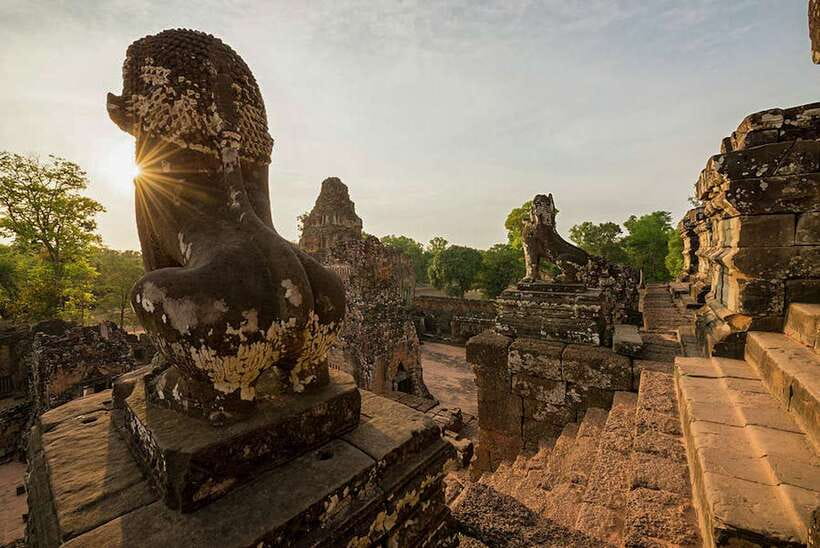
Pre Rup is the first temple stop for a reason: it sets the tone for the whole day. It’s a mountain temple dedicated to Lord Shiva, and even if you’ve never studied Khmer religion, the site’s focus is easy to grasp once you’re there.
The big reason Pre Rup sticks in your mind is the way people explain its key feature. You’ll hear about how it’s often mistaken for a crematorium, largely because of a stone structure that resembles a coffin. In the story tied to the full moon, Hindus used that area for meditation.
That interpretation changes how you look. Instead of just seeing a dramatic ruin on a rise, you start noticing the intention behind the layout. A place like this isn’t only about looking impressive from far away. It’s about ritual space—space meant for worship, reflection, and spiritual connection.
Practical tip: Pre Rup is active. Wear comfortable shoes and plan to take your time on the climbs and steps. The guide’s timing usually helps you avoid the worst crowd surges, but the site’s still a temple, meaning it’s built for walking, not hovering.
East Mebon: Ancestors, Reservoir Origins, and a 10th-Century Sense of Purpose
After Pre Rup, East Mebon shifts the mood. It’s another guided stop for about an hour, and it carries that feeling of “this was built for a reason” more than “this was built to be photographed.”
East Mebon is associated with ancestors and used to sit in the middle of a reservoir. The construction is described as early as the 10th century, which matters because it places the temple as part of the long, evolving Angkor-era tradition rather than a late addition.
Once you understand the reservoir connection, you’ll start noticing why the temple’s location and setting were important. Water wasn’t just scenery. In many temple traditions, it’s tied to life, purification, and cosmic order. Even if the reservoir is not what it once was, the idea behind the placement still comes through.
If you like temples that feel less crowded and more about the layout than the show, East Mebon is a good fit. It’s not trying to compete with Angkor Wat’s fame. It’s building confidence in the story your guide is telling.
Ta Som: The Tree Over the Gate and Dancer Sculptures That Catch Your Eye
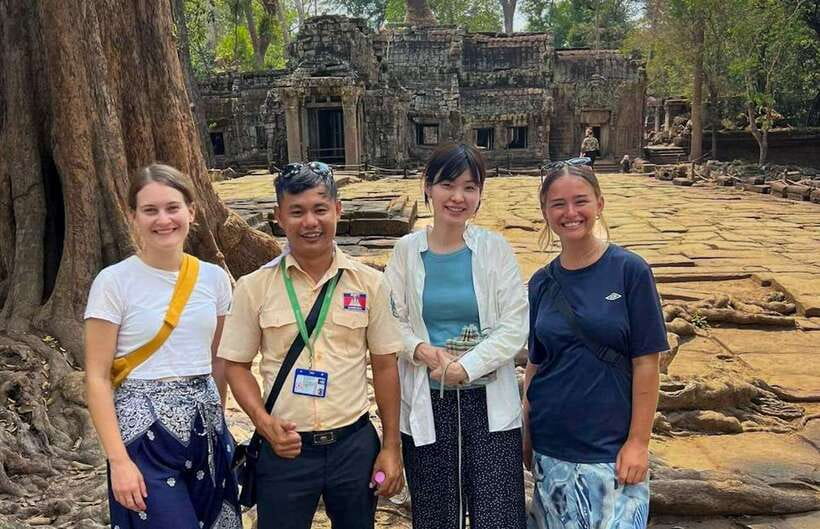
Ta Som is the temple that makes people do a double take.
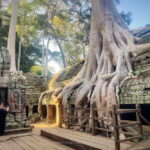
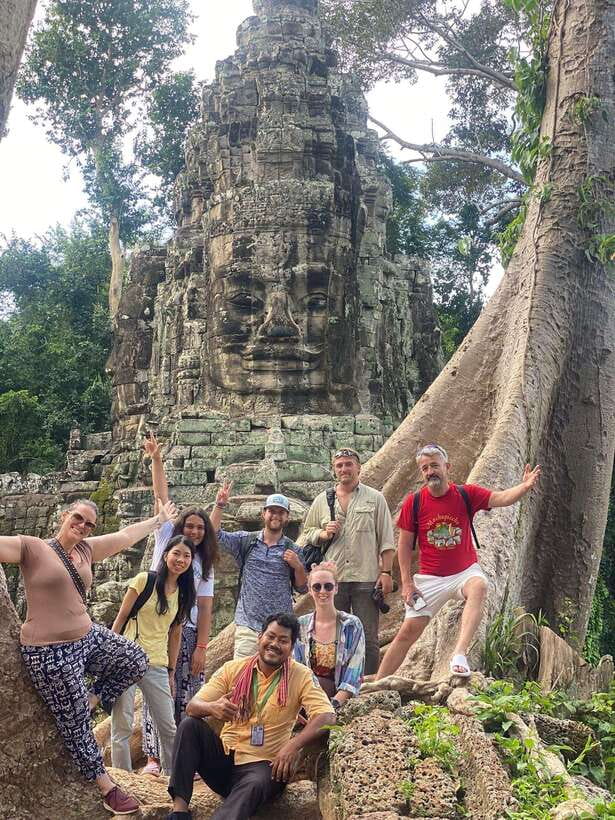
The signature feature is the huge tree growing over the east gate. Roots twist through architecture, and the overall feel is “old stone meeting slow nature.” It’s dramatic, but it also feels oddly welcoming—like the temple is still part of the landscape rather than something trapped behind fences.
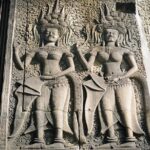
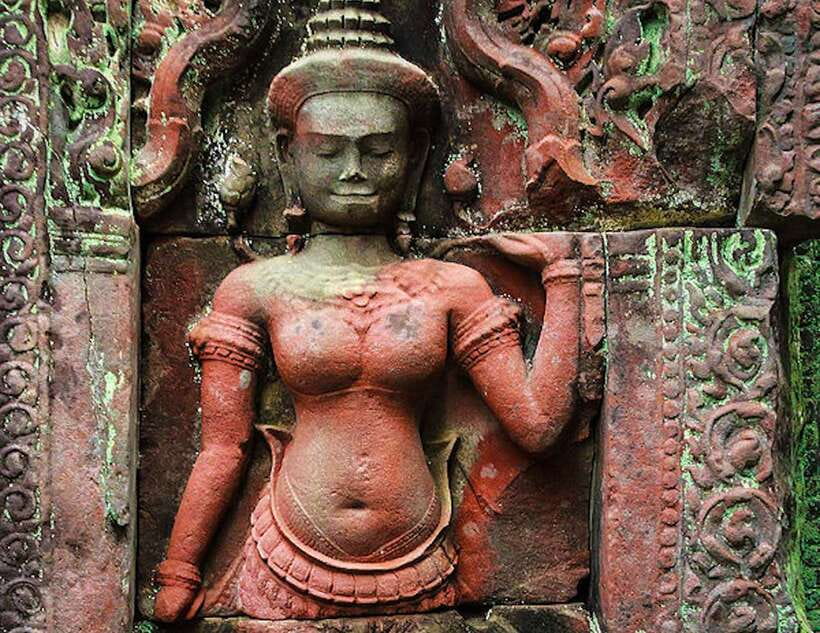
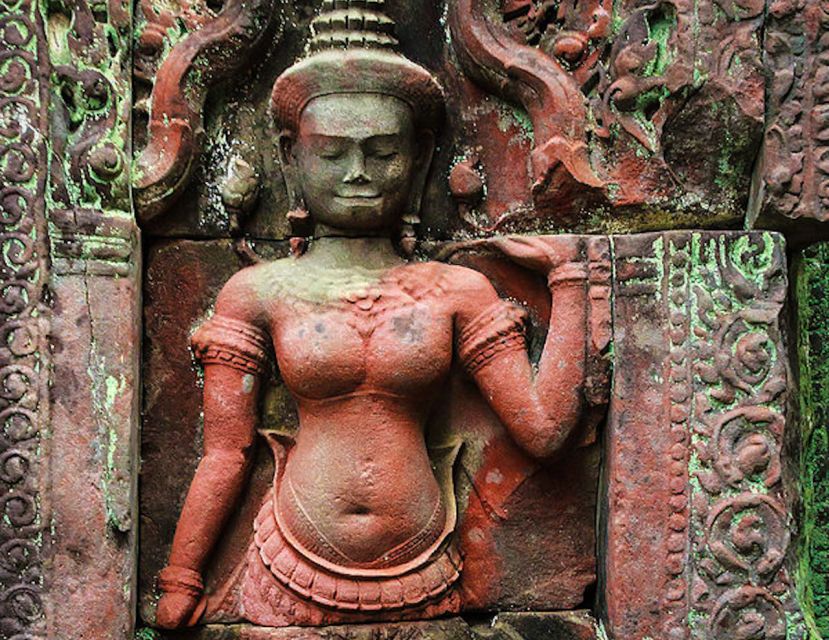
The other standout here is sculpture detail. Ta Som includes many carvings of dancers with long hair, and the temple is described as built for the king’s sister. That personal angle matters. You’re not just looking at a royal project in the abstract. You’re seeing how power, family, and craft show up in stone.
You’ll want your smartphone charged. Not because you need it for every picture, but because this is one of those places where you’ll want to save angles: the gate, the tree roots, and the repeating rhythm of carvings.
One consideration: Ta Som can involve uneven footing, like many Angkor-area temples. Comfortable shoes and careful steps keep this enjoyable instead of stressful.

Neak Pean: Four Pools, Healing Meaning, and the Worthwhile Break
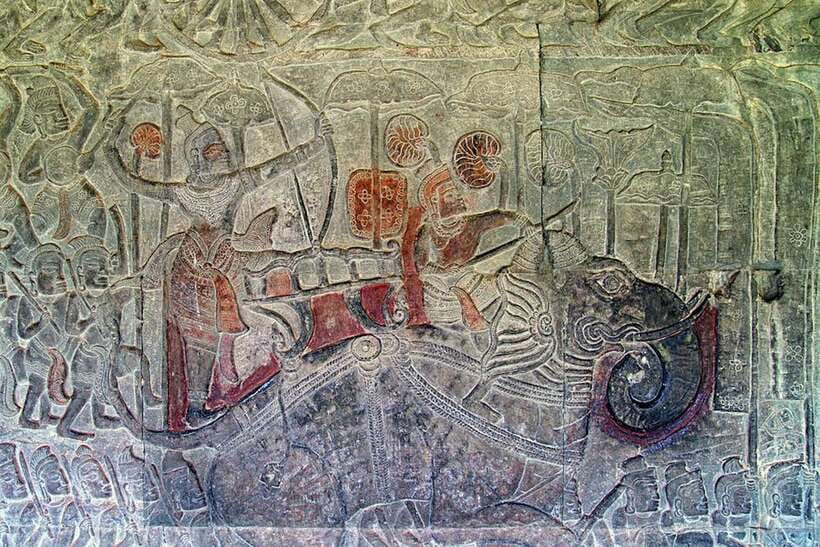
Neak Pean turns sightseeing into symbolism. This is where the tour explains that the four pools represent water, earth, fire and water—with the guide connecting the idea to bathing and health practices from the Angkor period.
Even if you don’t remember all the meanings, you’ll feel the logic once you’re standing near the pools. It’s a temple that doesn’t just point upward at the heavens. It points back to the body: healing, cleansing, and the idea that wellness is tied to spiritual balance.
Then you get a break time after your guided visit here. In the flow of the day, that matters. The morning and early afternoon are temples on temples, and you don’t want to reach the last stretch totally drained.
During the break, this is usually when you can grab a snack or lunch nearby, since food and drinks aren’t included. One helpful mindset: bring your energy strategy. If you’re sensitive to heat or you’re a slow walker, use the break to reset, not just to wander.
Neak Pean is also a good photo stop. If your guide is helping with timing and viewpoints, you’ll likely get the light and angles that make pictures look more intentional than random.
Preah Khan: The Sacred Sword Temple and the Power Behind the Name
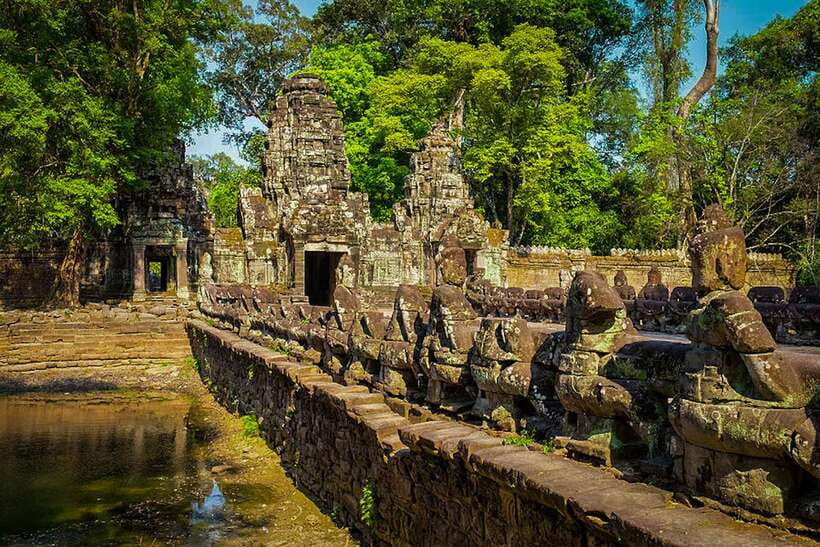
Preah Khan is one of the anchor temples of the loop—bigger, more layered, and ready for a full hour and a half of guidance.
The name is explained as translating to the Sacred Sword, and that title isn’t just poetic. It fits the sense that Preah Khan was built to project authority and devotion.
You’ll also hear about who commissioned it. The tour description ties it to a royal initiative, stating it was built by King Bayon for his father. That detail matters because it frames the temple as a political and religious project at the same time, which is how Angkor-era sites often work.
This is the kind of place where you’ll start spotting how space is organized—entry points, movement through courtyards, and where you can pause to take in the scale. If you like temples where explanations make the ruins easier to read, this stop delivers.
And if you want photos: this is a better temple than a quick photo stop. Give it time, walk it slowly with your guide, and look for symmetry and repeated architectural patterns.
Phnom Bakheng Sunset: 33 Towers, Hill Climb Energy, and Why Timing Matters
The final temple stop is Phnom Bakheng, and sunset is the whole point.
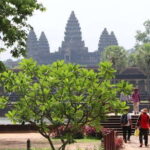
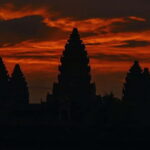
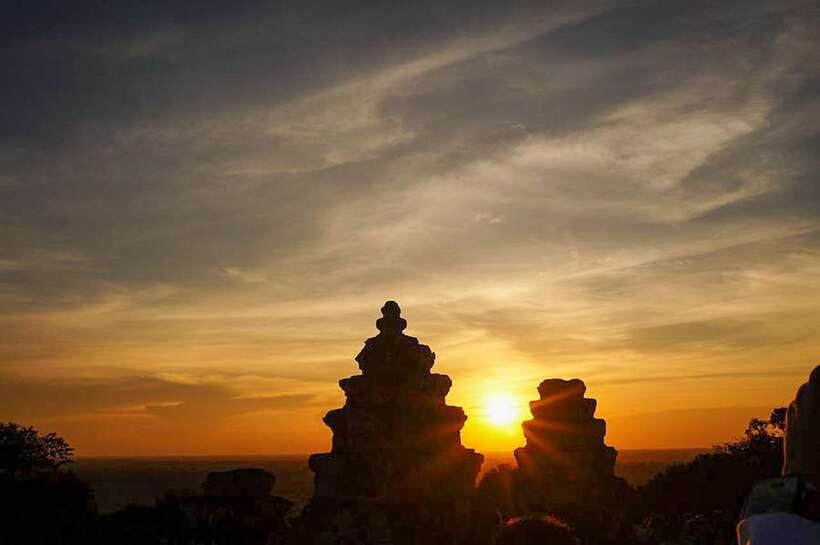
Phnom Bakheng is described as a Hindu and Buddhist temple, built on top of a hill, and it’s famous as a sunset spot. The key detail you’ll want to remember is that the 33 towers represent the heavens. Even if that sounds symbolic on paper, seeing it in person while the light shifts makes the idea feel real.
This is where you feel the tour’s value: it’s not just dropping you off at random. The timing is built so you can be in the right places for that sunset light.
Practical reality: a hilltop temple at sunset means steps, uneven ground, and people moving around. Bring patience. Go with your water and towel, and don’t treat the climb like a race.
Also, dress and modesty rules matter here too. Temple sites enforce coverage, and clothing that’s too short or too bare will get you stopped. Plan ahead.
If you want the best photos, arrive with a simple plan: take a few establishing shots first, then focus on one or two angles where the towers line up against the sky.
Temple Pass, Dress Code, and the Packing List That Saves Your Day
Two things can slow you down if you’re unprepared: entrance rules and heat.
Temple pass: you’ll need it, and it’s not included. You can purchase the official pass at https://www.angkorenterprise.gov.kh/. Do this ahead of time if you want less friction on the day.
Dress code and restrictions:
- No shorts
- No short skirts
- No sleeveless shirts
- Alcohol and drugs are not allowed
So what should you bring?
- Comfortable shoes
- Charged smartphone (for photos and reminders)
- Sunscreen
- Sunglasses
Here’s the simple approach I recommend: treat this as a day outdoors with lots of walking, but in sacred spaces where rules matter. The best tour day is the one where you don’t spend half of it worrying about what you’re wearing or whether your phone will die mid-sunset.
Price and Logistics: When $19 Really Works
Let’s talk value honestly. At $19 per person, this tour is priced for people who want structure. The big question is what you might still pay on top.
Temple pass is extra. Food and drinks are also extra. Those are the two realistic add-ons.
But the “hidden value” is that you’re paying for:
- A guide who explains the why behind the stones
- A full guided route across multiple temples
- Transport in an AC minibus
- Conveniences like water and a wet towel
- Time management for sunset timing at Phnom Bakheng
If you were to DIY this yourself, you’d likely spend your money on transport anyway, and you’d be stuck figuring out the order and where to focus. With a guide, you get to spend your energy on looking and learning instead of logistics.
The tour is also highly rated for transport comfort, with 93% of reviewers scoring it perfect. That matters in Siem Reap, because the comfort difference between a good and rough ride can decide whether the last half of the day feels fun or exhausting.
If you’re traveling on a budget, this one can be a smart pick. Just don’t treat it as an all-inclusive day—plan for the temple pass and a lunch stop.
Who This Tour Suits (and Who Might Want a Different Plan)
This tour fits best if you:
- want a guided day through multiple Angkor-era sites
- enjoy temple details like carvings, symbolism, and layout
- care about sunset photos with timing support
- prefer an organized route over self-planning
It may be less ideal if you:
- get worn out by stairs and hill climbs
- struggle with long walking days
- need flexible stop lengths due to mobility limits
There’s also a specific guideline: it’s not suitable for people over 95 years. That’s a clear indicator that physical demands are part of the experience.
If you’re traveling as a group, note that private group options are available. That can help if you want quieter pacing, more time at a specific temple, or less waiting.
Should You Book This Grand Circle Sunset Tour?
I’d book this if you want the Angkor area in a single day with a real guide and a proper sunset finish. Pre Rup’s Shiva story, Ta Som’s tree-and-dancer carvings, Neak Pean’s four-pool symbolism, and Preah Khan’s Sacred Sword identity aren’t just names on a map. They connect into a bigger picture of how Khmer spirituality shows up in stone.
Book it with a little prep: get your temple pass sorted, follow the dress rules, and wear shoes that can handle stairs. If you do that, the $19 price becomes less about cost and more about how efficiently the day delivers.
FAQ
How long is the tour?
The tour duration is 8 hours.
What language is the tour guide?
The live tour guide speaks English.
Is hotel pickup and drop-off included, and when do you pick me up?
Yes, hotel pickup and drop-off are included. The driver picks you up from your accommodation about 30 minutes before the scheduled tour start time.
What is included in the tour price?
Included are hotel pickup and drop-off, an air-conditioned minibus, an English-speaking tour guide, guided visits to 6 temples, chilled bottled water, and a wet towel.
Do I need to buy a temple pass?
Yes. The temple pass is not included. You can purchase it from https://www.angkorenterprise.gov.kh/.
Is food or lunch included?
No. Food and drinks are not included.
What should I bring?
Bring comfortable shoes, a charged smartphone, sunscreen, and sunglasses.
Are there dress restrictions?
Yes. Shorts, short skirts, sleeveless shirts, alcohol, and drugs are not allowed.
Can I cancel for a refund?
Yes. You can cancel up to 24 hours in advance for a full refund.