REVIEW · SIEM REAP
Explore Angkor Temple Sunset With Tour Guided
Book on GetYourGuide →Operated by Angkor Pro Travel · Bookable on GetYourGuide
Angkor at sunset has a rhythm. This guided 7-hour loop is timed to show you major temples without feeling like you’re always shoulder-to-shoulder, and it’s built around big architectural moments and clear Khmer context. You start early, then work your way through the iconic Angkor sights.
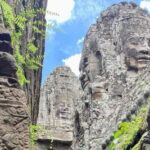
I love how the guide turns stone into meaning, especially around the South Gate of Angkor Thom with its four giant faces. I also like the practical flow of the day: you get guided stops at the heavy-hitters, plus a real break for a meal at a local restaurant rather than rushing straight from one ruin to another.
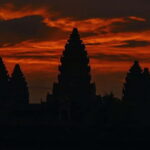
One drawback to plan for: this is a long day, and the optional Phnom Bakheng sunset includes a 25–30 minute hike each way. If you’re tired or your legs aren’t feeling great, you may want to skip the hill and still enjoy the rest.
In This Review
- Key Things That Make This Tour Worth Your Time
- The 7-Hour Plan: How You Actually See More With Less Stress
- Morning Start at the South Gate: Khmer Symbolism Comes First
- Bayon and Angkor Thom: Smiling Faces and Royal Temple Neighborhoods
- Ta Prohm: Tree Roots, Film Fame, and a Real Sense of Time
- Angkor Wat in the Afternoon: Big Scale Plus Carving Details
- Phnom Bakheng Sunset: The Climb Is Optional, the View Is the Payoff
- Lunch Break Timing: Where the Day Stays Human
- Price and What You’re Really Buying for $25
- Guides Can Make or Break Angkor: Vichu, Thy, and Chaat Long
- Who This Tour Suits Best (And Who Might Want a Different Plan)
- Should You Book Explore Angkor Temple Sunset With Tour Guided?
- FAQ
- What is the duration of the tour?
- What time is hotel pickup in Siem Reap?
- Are Angkor temple tickets included in the price?
- What’s included in the tour fee?
- Is sunset part of the experience?
- Is this a private tour or a group tour?
Key Things That Make This Tour Worth Your Time
- South Gate to Bayon routing that helps you start with atmosphere before the heaviest crush
- Four giant faces at the South Gate tied to compassion, sympathy, equanimity, and charity
- Angkor Thom’s Bayon with 200+ smiling faces in stone, plus nearby standout structures
- Ta Prohm’s tree roots and a stop tied to the Lara Croft Tomb Raider filming location
- Angkor Wat’s UNESCO scale and 12th-century royal backstory from your guide
- Phnom Bakheng sunset option (no extra cost), with an optional climb that takes stamina
The 7-Hour Plan: How You Actually See More With Less Stress
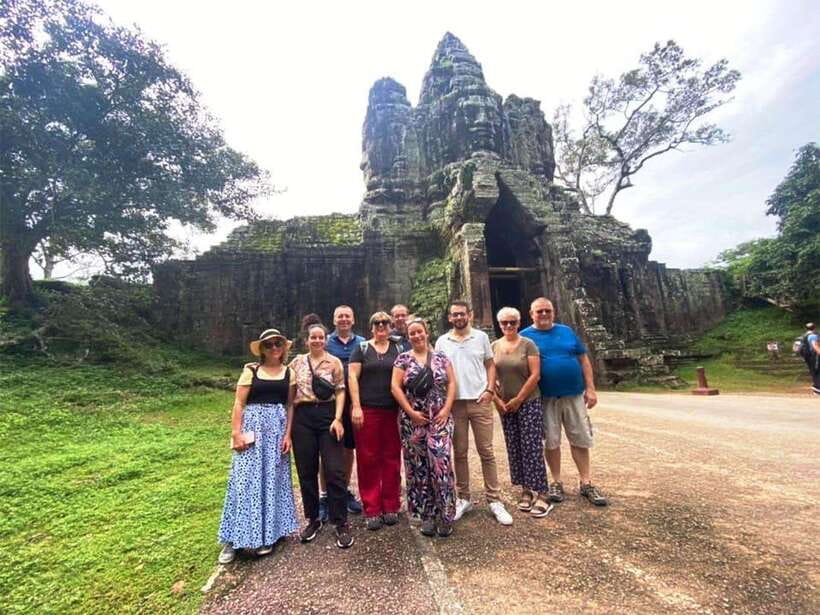
You’ll start with pickup from your hotel area in Krong Siem Reap at 8:00am, then head out together in an air-conditioned car or minivan. If you prefer something different, the tour notes that a tuk-tuk is available on request.
This matters more than it sounds. Angkor can be chaotic, so having a set route and someone coordinating the timing helps you spend your energy looking at temples, not figuring out where to go next. The day is structured around guided walking and viewing, not just dropping you at big gates and hoping you figure it out.
With a total duration of about 7 hours, you get enough time to enjoy each site without turning your day into a blur of only “check it off” photos. You’ll also stop for a break at a local restaurant for about an hour, which is a big quality-of-life upgrade in a place where heat and long distances can wear you out.
You can also read our reviews of more guided tours in Siem Reap
Morning Start at the South Gate: Khmer Symbolism Comes First
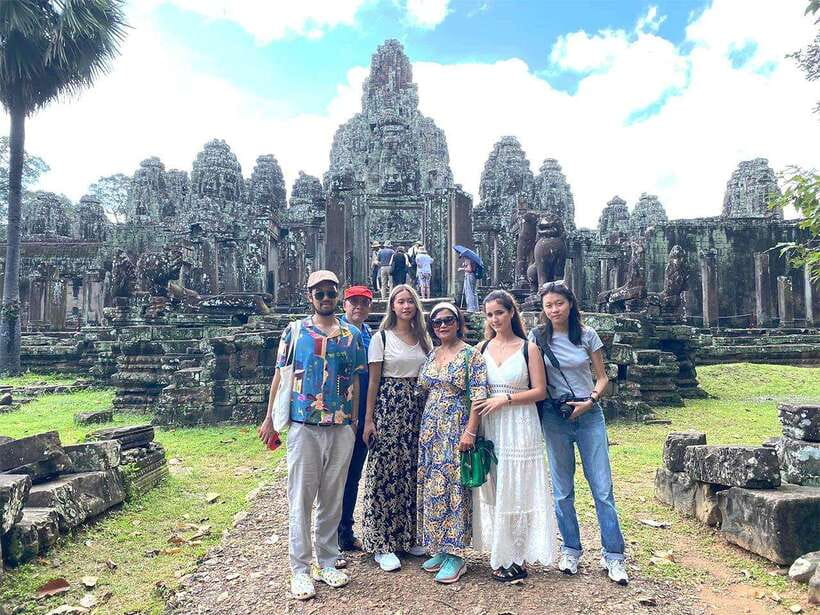
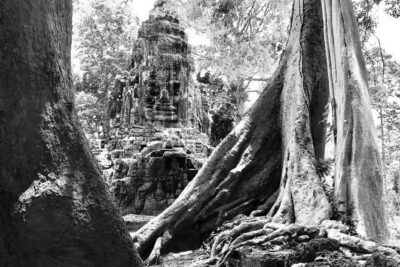
The tour begins by moving you into Angkor’s temple circuit via the South Gate of Angkor Thom. The big draw here is meaning: those four giant faces are tied to compassion, sympathy, equanimity, and charity. Instead of treating it like a pretty entrance, your guide frames it as part of the Khmer worldview.
I like this first stop because it sets your “reading level.” When you understand what the gate represents, later temple details make more sense. You’re also able to get into the feel of the complex before the busiest peak moments, which helps the first walking portion feel smoother.
If you’re someone who likes temples but hates explanations that feel like lectures, this is a good pace. The guide-led storytelling is clearly part of the design, and it helps you notice things you’d likely miss on your own.
Bayon and Angkor Thom: Smiling Faces and Royal Temple Neighborhoods

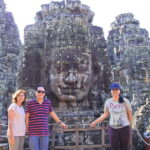
Next comes Angkor Thom, with a guided walk that centers on Bayon. Bayon is famous for its 200+ smiling faces in stone, and your guide helps you look past the obvious and see how the temple is laid out.
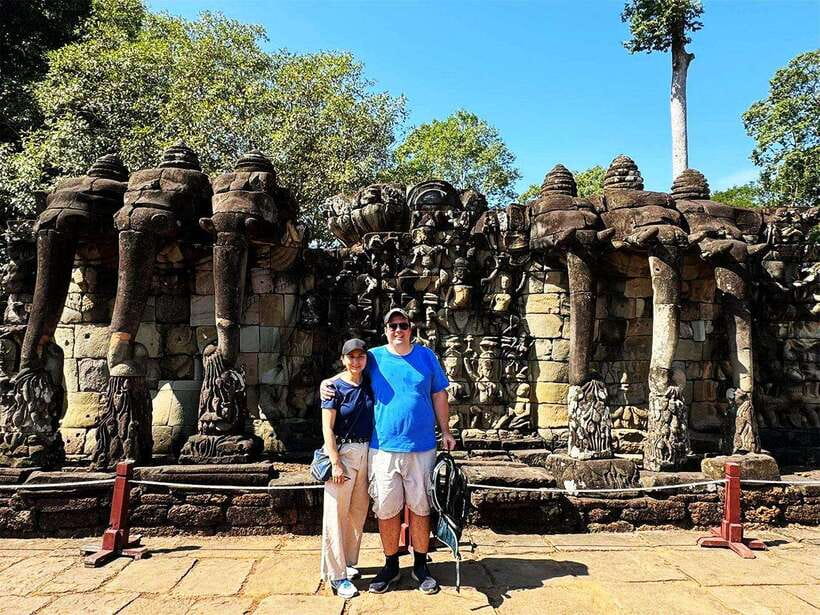
This stop is special because Bayon sits inside a larger “temple neighborhood.” The tour includes time to admire related sites including Baphuon, Phimeanakas, the Terrace of the Leper King, and the Terrace of the Elephant. You won’t just be staring at one monument—you’ll get a sense of how this city of temples functioned as a connected whole.
The main consideration here is walking time. The day includes multiple guided walks, so it’s worth pacing yourself and staying hydrated. The tour provides mineral bottled water and fresh wet tissues, which helps keep you comfortable as you move between zones.
Ta Prohm: Tree Roots, Film Fame, and a Real Sense of Time
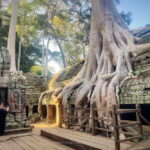
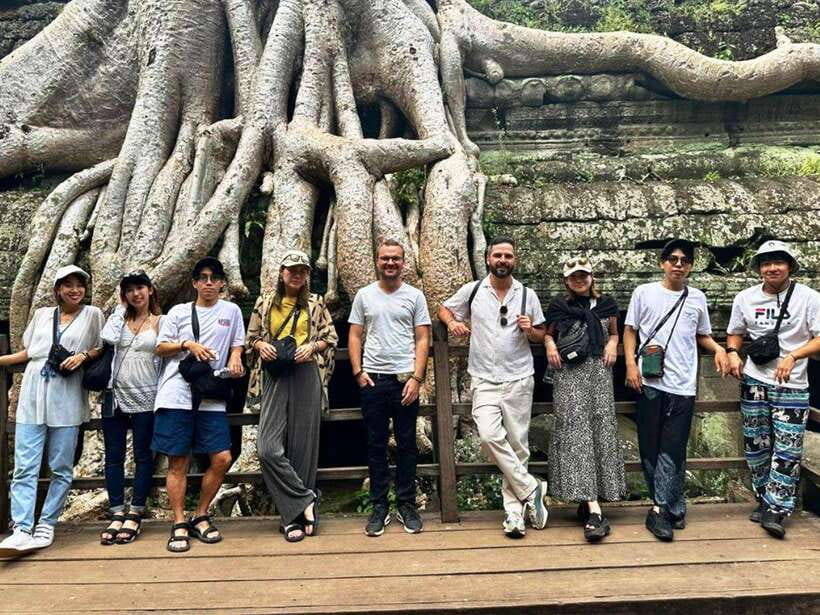
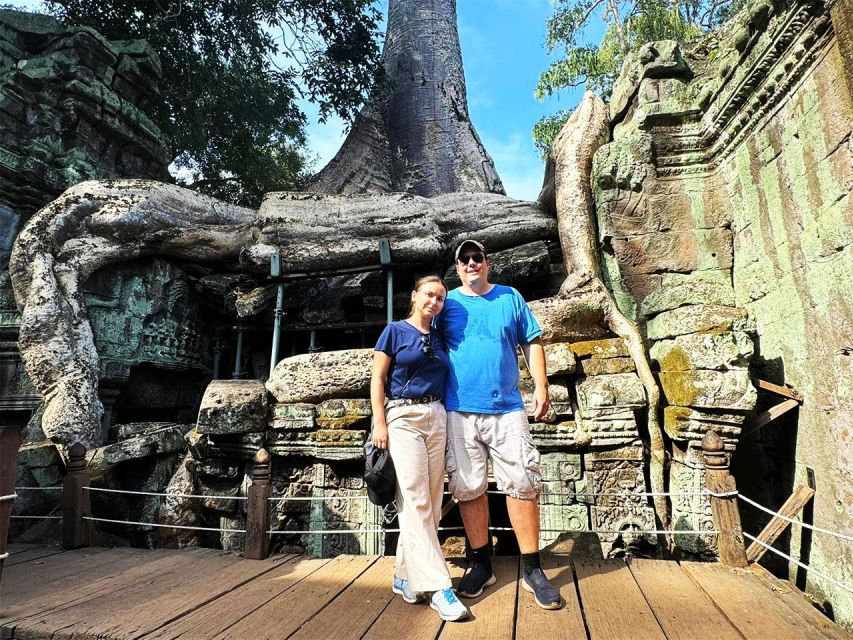
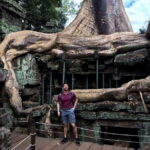
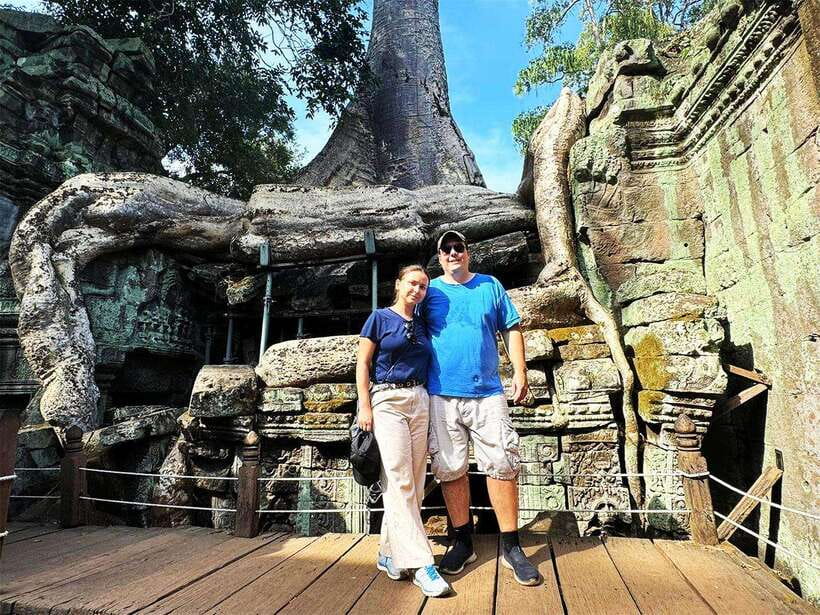
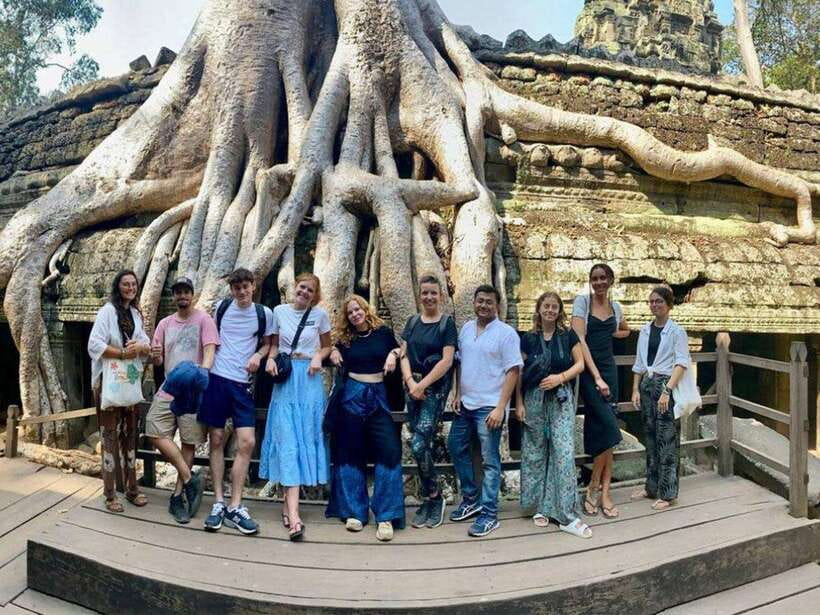
After Bayon, you head to Ta Prohm, the temple known for the dramatic, thick tree roots wrapping around stone. The tour also notes the connection to Lara Croft Tomb Raider, which is one of those details that can instantly hook people into paying closer attention.
What I like about Ta Prohm is that it feels alive in a different way than the more “finished” looking temples. The roots create a constant visual reminder that these ruins have been changing for centuries, not frozen in time. With a guide, you can also get more out of the carvings and layout beyond the roots that everyone takes pictures of.
This stop tends to be a favorite because it’s photogenic without requiring you to be a photography expert. You just need time to look. The tour builds that in with guided sightseeing and walking.
Angkor Wat in the Afternoon: Big Scale Plus Carving Details
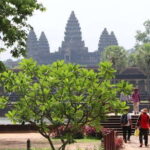
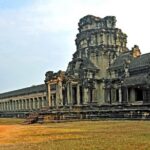
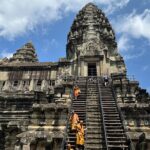
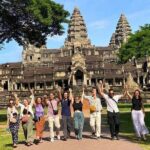
Then comes Angkor Wat, described as a UNESCO heritage site listed in 1992 and known as the largest monument in the world. It’s also tied to royal Khmer power: built by Suryavarman II in the 12th century.
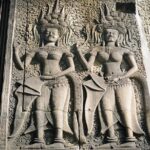
The best value of going with a guide here is learning how to “read” what you’re seeing. Angkor Wat isn’t just impressive because it’s huge. Your guide explains its Khmer Empire context, the architecture, and the finer details in the carvings—so you don’t just stand there in awe without knowing what you’re looking at.
This stop is especially good for people who want more than a photo tour. The tour positions Angkor Wat as the day’s major storytelling anchor, and it’s the kind of place where understanding even a few key themes can make your visit feel richer.
You can also read our reviews of more evening experiences in Siem Reap

Phnom Bakheng Sunset: The Climb Is Optional, the View Is the Payoff
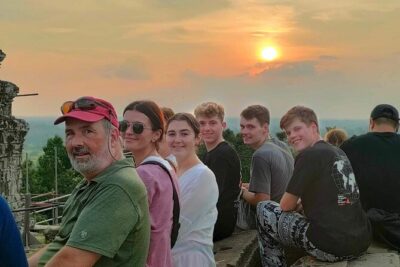
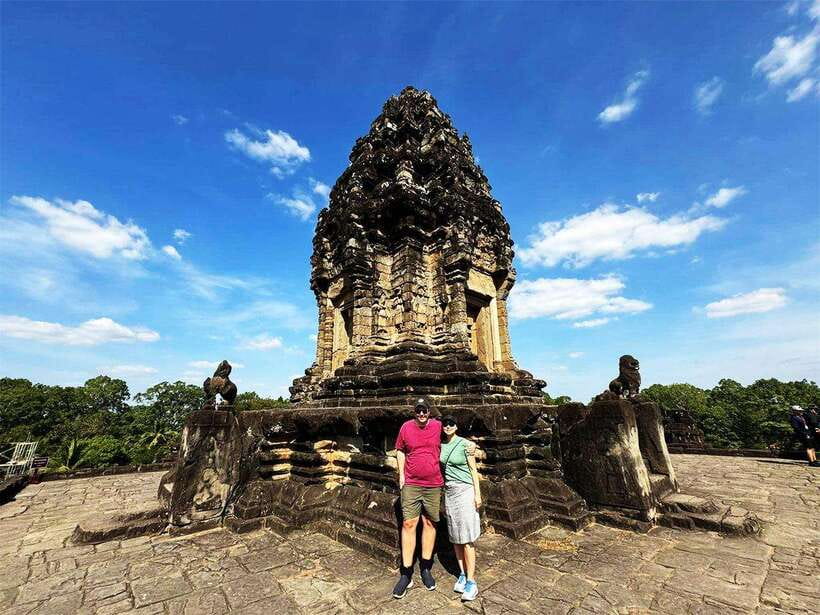
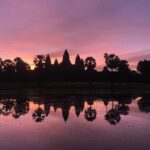
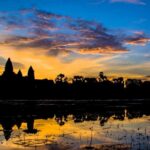
For sunset, the tour offers Phnom Bakheng. This is where you need to think about your energy level. The note is clear: sunset is reached by hiking up about 25–30 minutes each way, and it’s described as always touristy.
Here’s the practical way I’d frame it. If you enjoy sunsets and your legs can handle the hike, the timing can be worth it because you get that hilltop angle over the temple landscape. If you’re tired—especially after already walking through multiple temple sites—skipping the climb is a totally reasonable decision. The tour also states there is no additional cost for sunset, which makes it easier to say yes without feeling like you’re paying extra for the gamble.
If you do plan to go, the key is not getting caught up in rushing. On a hill like this, you’ll enjoy it more if you move at a steady pace and give yourself time at the viewpoint.
Lunch Break Timing: Where the Day Stays Human
You get a local restaurant break of about an hour. In a temple-heavy itinerary, that matters because it prevents the whole day from feeling like forced endurance.
I like that the plan includes food as part of the schedule instead of hoping you’ll find something whenever you stumble across it. If you’ve got a sensitive stomach or you prefer steady meal timing, the structured break is a safety net.
Price and What You’re Really Buying for $25
The tour price is listed as $25 per person, and that’s for the guided experience and logistics. The big thing to understand is that the Angkor ticket is not included and costs $37 per person.
So what are you paying for? You’re paying for an English-speaking local guide, pickup and drop-off in Siem Reap, transportation in an air-conditioned vehicle (or tuk-tuk on request), and guided temple time across the day. You also get bottled water and fresh wet tissues during the tour.
Is it good value? For many visitors, yes—because Angkor isn’t just about seeing temples. It’s about understanding what you’re seeing while you’re there, and avoiding wasted time. If you’re paying for the ticket anyway, the tour fee becomes the “experience layer”: guide explanations, efficient routing, and a smoother day.
If you’re traveling completely independently and you already know exactly how you want to route the temples, you might be able to do it cheaper. But if you want someone to guide your attention to the carvings, symbolism, and religious themes, this price often feels fair.
Guides Can Make or Break Angkor: Vichu, Thy, and Chaat Long
This is one of those places where the guide’s style becomes a major part of the value. In the guide stories from past trips, names like Vichu, Thy, and Chaat Long come up for specific reasons that directly improve the day.
- Vichu is noted for explaining Khmer history and also drawing clear lines between Buddhism and Hinduism, including how the differences show up in temple symbolism. If you’ve ever felt lost between different temple “stories,” this kind of guidance is huge.
- Thy is described as deeply knowledgeable and accommodating, making the temple visits feel magical rather than mechanical.
- Chaat Long is praised for detailed explanations and for knowing the best photo spots, including taking plenty of photos for the group.
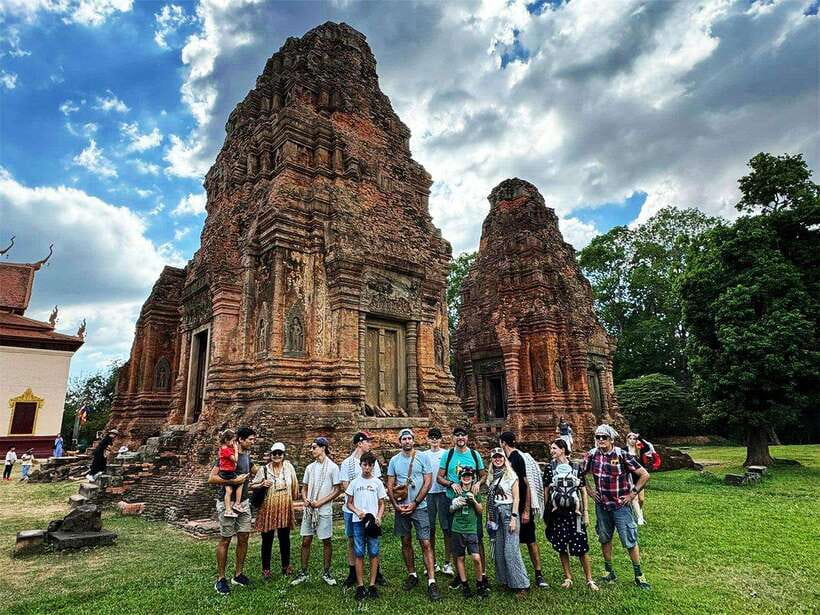
One more subtle win: a past group booking turned into a private tour due to a lack of numbers. That hints at how the experience can feel more personal when you’re not stuck in a big crowd. Since the tour also states private or small groups are available, it’s worth aiming for a quieter day if you prefer less jostling and more conversation.
Who This Tour Suits Best (And Who Might Want a Different Plan)
This tour is a great fit if you want a guided route through the highlights: Angkor Wat, Angkor Thom, Bayon, Ta Prohm, and Phnom Bakheng. It also suits you if you like having someone connect history, religion, and design, especially when temples are packed together and easy to mix up.
You might reconsider if you’re mainly looking for a slow, lazy stroll and you hate walking. The day includes multiple guided walks, plus the optional hill hike for sunset. If hiking isn’t your thing, you can still enjoy the rest of the circuit and opt out of the climb.
It’s also a solid choice for couples and small groups because the value of the guide explanations tends to feel higher when there’s less crowd noise around you.
Should You Book Explore Angkor Temple Sunset With Tour Guided?
Book it if you want structure, guidance, and context for Angkor’s biggest names, with the added bonus of an optional Phnom Bakheng sunset. The combination of hotel pickup, air-conditioned transport, an English-speaking guide, and provided water makes a long day feel manageable.
Skip it or switch plans if you’re determined to do Angkor entirely on your own, or if the idea of a 25–30 minute climb each way for sunset sounds like a deal-breaker. In that case, you might prefer a shorter route that matches your stamina.
If you fall in the middle—curious but not trying to turn your trip into a mapping exercise—this tour is an efficient, human way to experience the temples.
FAQ
What is the duration of the tour?
The tour runs for about 7 hours.
What time is hotel pickup in Siem Reap?
Pickup is at 8:00am from your hotel lobby.
Are Angkor temple tickets included in the price?
No. The Angkor ticket costs $37 per person and is not included.
What’s included in the tour fee?
The tour includes an experienced local English-speaking guide, pickup and drop-off, travel in an air-conditioned car or minivan (tuk-tuk on request), the planned sightseeing activities, and bottled water plus wet tissues.
Is sunset part of the experience?
Sunset is available at Phnom Bakheng. The tour notes there is no additional cost for sunset, and it involves a 25–30 minute hike each way. You can also speak with your guide to manage it or skip it if needed.
Is this a private tour or a group tour?
The tour offers private or small groups.