REVIEW · SIEM REAP
(Free eSim) Classic Angkor Wat Sunrise Full Day Tour
Book on Viator →Operated by MyProGuide Cambodia · Bookable on Viator
Four-thirty in Siem Reap changes your whole day. This Angkor Wat sunrise full-day tour is built around an early start, smooth round-trip pickup, and a friendly English-speaking local guide who helps you see the park with less guesswork and more meaning. You’ll also get cold drinking water and towels along the way, which matters when you’re moving temples in the Cambodian early-morning heat.
What I really liked is the way the route hits the big icons and quieter corners without feeling rushed. You’ll cover Angkor Wat, Ta Prohm, Ta Nei, and Bayon—and the timing is planned to avoid the busiest moments for better photos and a more relaxed pace. The main drawback to plan for: the Angkor Wat ticket ($37 per person) isn’t included, and you’ll need to follow the temple dress rule (shoulders and knees covered) while starting at 4:30am.
In This Review
- Key things to know before you go
- Sunrise at Angkor Wat: why the early start is worth it
- Pickup, guide, and the small-group feel (where this tour wins)
- Budget reality: what you pay for vs. what you still need
- Temple stop by stop: what you’ll see (and why each one matters)
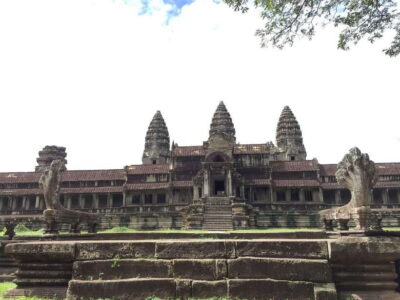
- Stop 1: Angkor Wat sunrise (the main event)
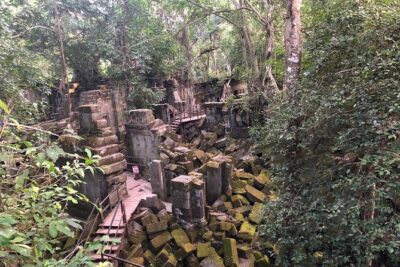
- Stop 2: Ta Prohm (roots, ruins, and that eerie vibe)
- Stop 3: Ta Nei (the calmer break from the crowd)
- Stop 4: Bayon Temple (the smiling faces come alive)
- Comfort that actually helps on a long temple day
- Timing strategy: how the tour avoids the worst crowd chaos
- eSIM bonus: staying connected without fuss
- Who this tour is best for (and who should look elsewhere)
- Tips to get the most from your sunrise morning
- Should you book this Angkor Wat sunrise full day tour?
- FAQ
- What time does the tour start?
- How long is the tour?
- Is hotel pickup included?
- Is the Angkor Wat ticket included in the tour price?
- What’s included during the tour?
- What temples are included in the route?
- Do I need to buy a ticket for each stop?
- What should I wear?
- Is the group large?
- How does the free eSIM work?
- Does the tour run in poor weather?
- What if I need to cancel?
Key things to know before you go
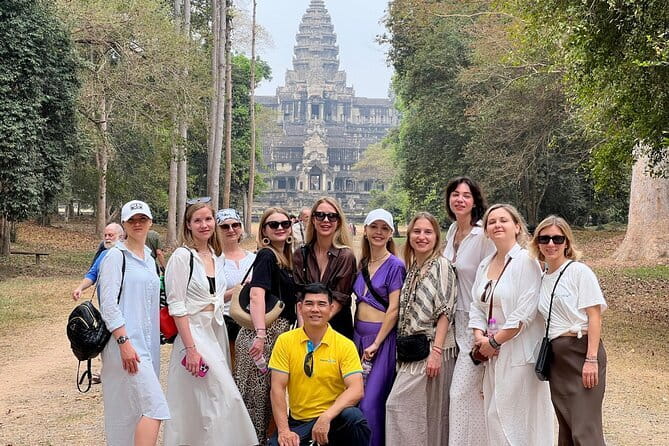
- 4:30am start time: early enough for sunrise, but you’ll feel it in your wake-up routine.
- Small group limit (max 15): fewer people than the huge buses, so you can actually watch and ask questions.
- Four temple stops: Angkor Wat, Ta Prohm, Ta Nei, Bayon in one morning-style circuit.
- Comfort extras: air-conditioned transport, cold water, and towels during the tour.
- Better photo timing: the plan aims to avoid peak crowds for calmer viewpoints.
- Free eSIM included: your eSIM link comes by email after booking (check inbox and spam).
Sunrise at Angkor Wat: why the early start is worth it
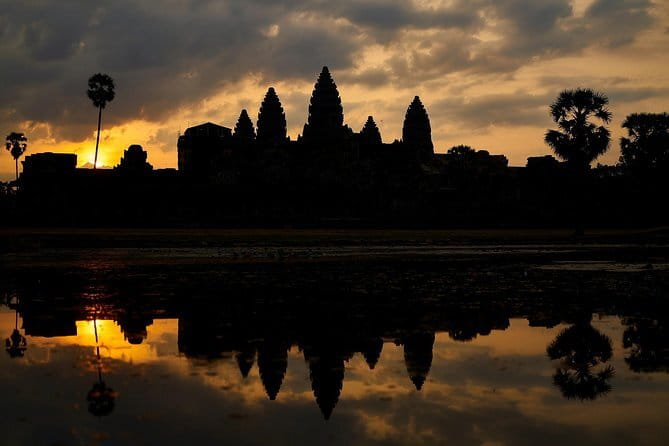
Angkor Wat looks incredible anytime. But sunrise turns it into something else—lighter, calmer, and strangely cinematic. This tour’s whole idea is to get you there for first light, then keep moving through the temples while conditions are still pleasant.
The meeting time is 4:30am, with hotel pickup available. That means you’re not wandering around Siem Reap trying to figure out transport in the dark. You’re not buying tickets last-minute. You’re not late to the viewpoint that everyone talks about.
And the value isn’t just the sunrise moment. The tour is paced so you’re not stuck in the densest crowds at every stop. The route is designed to help you see the temples in softer morning light, and that affects both photos and comfort.
You can also read our reviews of more tours and experiences in Siem Reap

Pickup, guide, and the small-group feel (where this tour wins)

One of the biggest reasons this type of Angkor tour works is simple: a good guide saves your energy. You’re up early; you don’t need to waste that time figuring out where to stand, what to notice, or how long you should spend at each area.
This experience includes a professional English tour guide plus an air-conditioned vehicle. The small group cap—up to 15 travelers—isn’t just a number. It usually means less shuffling, less crowding at viewpoints, and more space to ask questions. Some groups have been as small as a few people, which can make the pace feel personal.
You’ll also see how the guide approach changes your visit. In guide-led tours around Angkor, the difference is often subtle: where the guide tells you to look in the carvings, how to read the layout, and when to pause so you actually catch the atmosphere rather than just pass through.
Guides associated with this experience include names like Da, Ben, Pum, Ron, and Sarak—and they’re repeatedly praised for being attentive, organized, and helpful with photos.
Budget reality: what you pay for vs. what you still need
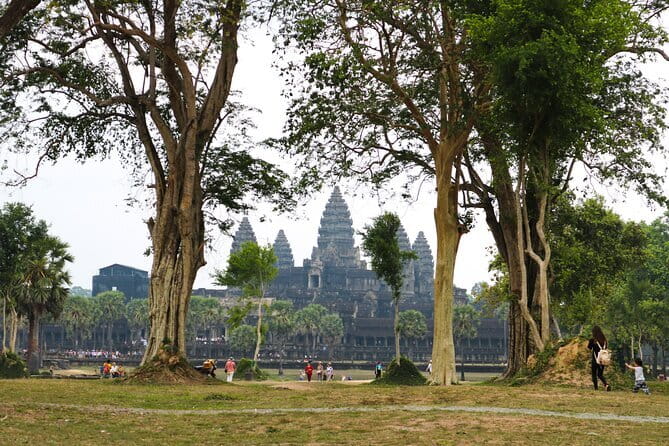
Let’s talk money plainly.
- The tour price listed is $14.40 per person.
- Angkor Wat ticket is $37 per person and is not included.
That means your total day cost is closer to what you pay for the park access plus the guided experience. In other words, you’re not buying just a bus ride. You’re paying for:
- a planned sunrise schedule,
- English-speaking guidance,
- transport (air-conditioned),
- water and towels,
- and a temple route that aims for fewer bottlenecks.
If you already know you’ll want sunrise and a guided circuit through multiple temples, this structure can feel like good value. If you’d rather go fully independent and you’re fine managing transport, sunrise timing, and ticket logistics yourself, then you might compare with self-guided costs.
Temple stop by stop: what you’ll see (and why each one matters)
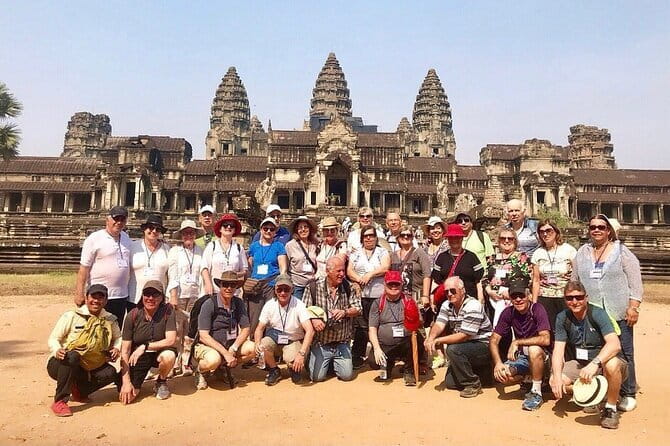
Stop 1: Angkor Wat sunrise (the main event)
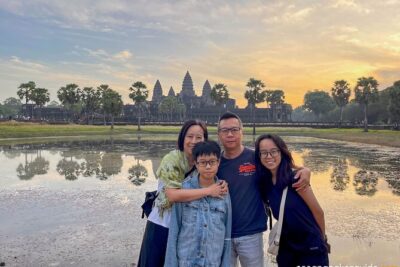
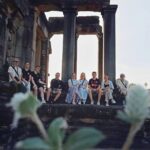
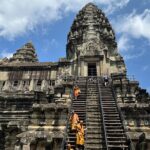
You start at Angkor Wat, and the tour is set up to help you witness sunrise there. The first light over the main temple is the kind of moment people remember for years, because the shadows and highlights shift fast.
This stop is where you’ll want to be fully present:
- Keep your camera ready, but don’t forget to just look.
- Expect that the viewpoint crowd can move. Go with your guide’s timing so you’re not stuck in the worst spot.
One practical note: the itinerary indicates admission ticket not included for the stop. You should plan to purchase the Angkor Wat ticket ($37 per person) as part of your morning plan.
You can also read our reviews of more tours and experiences in Siem Reap




Stop 2: Ta Prohm (roots, ruins, and that eerie vibe)
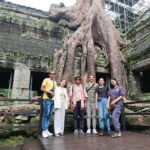
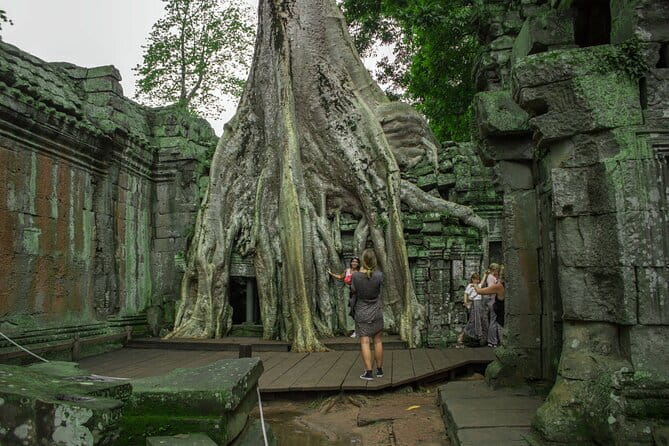
Next comes Ta Prohm, famous for the giant tree roots threading through the stone. This is the stop that often feels the most “movie set” to first-timers—but it still hits hard because the scale is real and the light is dramatic.
Why Ta Prohm works best in the morning:
- It tends to feel quieter earlier.
- The soft light makes the textures easier to photograph.
- You have time to notice details instead of rushing to the next photo spot.
The itinerary gives you about 2 hours here. That’s enough time to walk the main areas, stop for photos, and still have moments when you’re not being bumped along.
Stop 3: Ta Nei (the calmer break from the crowd)
Then you head to Ta Nei, described as a quiet, forest-area temple. This is the kind of stop that often becomes the favorite because it’s less crowded and more intimate. You’re trading the most famous “postcard look” for a more relaxed, tucked-away atmosphere.
This stop has about 1 hour, which is a good length for a smaller site. You’ll still get time to explore at a comfortable pace, but you won’t feel like you’re burning your morning on a long transfer or a long walk.
If you like temples where you can slow down and watch the place instead of just seeing it, Ta Nei is the value add.
Stop 4: Bayon Temple (the smiling faces come alive)
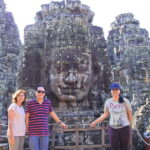
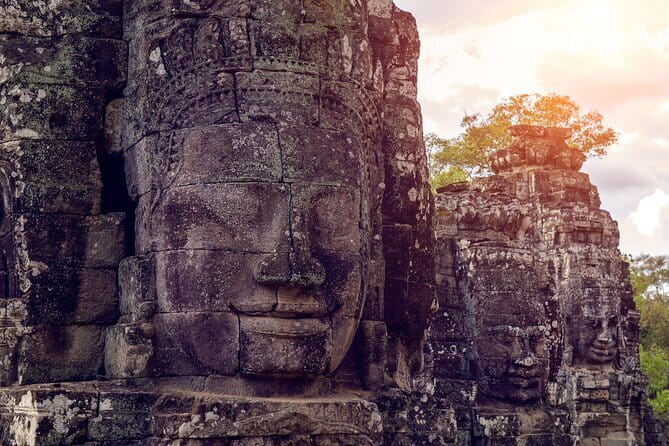
Finally, you reach Bayon Temple to end the morning circuit. Bayon is known for the faces carved into the towers, and early hours help reveal more detail in the stone.
Two things make this stop land:
- The carvings show up better in gentle light than harsh midday sun.
- You’re finishing while the day still feels under control—before crowds peak and heat ramps.
This is another 2-hour stop. Take time here to step back, not just up close. The faces look different depending on where you stand and how the light hits.
Comfort that actually helps on a long temple day

Even though this is an Angkor tour, it’s still a long day of walking, standing, and climbing steps. The included items aren’t flashy, but they matter:
- Cold drinking water
- Refreshing towels
- Air-conditioned vehicle between stops
In a sunrise schedule, the cold water can feel like a lifesaver. Towels help with the morning sweat that sneaks up on you once the sun rises higher. And the vehicle keeps transfers reasonable so you don’t arrive at each stop already exhausted.
Wear comfortable shoes—not your “I brought sneakers but they’re not great walking shoes” sneakers. You’ll appreciate support when you’re moving through uneven stone paths and steps.
Also, don’t ignore the dress rule: shoulders and knees must be covered. Plan clothes that you can move in early in the day. If you arrive dressed lightly, you might waste time fixing it before you enter.
Timing strategy: how the tour avoids the worst crowd chaos
One of the best design choices here is the emphasis on avoiding the busiest times. That shows up in the morning sequence: you hit the headline sunrise moment, then keep moving through the set of temples in a way that aims to dodge peak congestion.
You still get the big sights—Angkor Wat, Ta Prohm, Bayon—but the “hidden” element shows up with Ta Nei, where the mood is calmer. The schedule makes it easier to enjoy the temples rather than feel like you’re in a line.
Cloudy morning? It happens. Even when the sunrise isn’t perfect, this kind of tour can still be a smart choice because you’re guided through the best parts of the park while it’s manageable.
eSIM bonus: staying connected without fuss
Here’s a practical modern add-on: this tour includes a free eSIM. You’re told to check your email for the eSIM link, including in your inbox and spam folder.
For a day like Angkor, it’s useful even if you’re not constantly checking your phone:
- you can share photos immediately,
- you can map your way around afterward,
- and you can keep plans on track without hunting for Wi‑Fi.
If you’re the type who likes to post sunrise pics right away, you’ll appreciate this. And if you rely on internet for rides back to your hotel or to confirm next-day plans, it’s a low-stress win.
Who this tour is best for (and who should look elsewhere)
This experience makes the most sense if you:
- want sunrise at Angkor Wat without handling timing solo,
- prefer a guided route through multiple temples,
- like the idea of smaller group dynamics (max 15),
- care about photo spots and getting there at the right moments,
- and appreciate included comfort items like water and towels.
You might consider a different option if:
- you’re traveling with zero flexibility and hate early mornings (4:30am is early even by vacation standards),
- you don’t want to pay any separate ticket costs at all (because the Angkor Wat ticket is $37 per person),
- or you plan to do Angkor purely at your own pace and dislike schedules.
Tips to get the most from your sunrise morning
Keep these practical moves in mind:
- Arrive prepared for the dress rule. Shoulders and knees covered.
- Pack for early hours: cooler temps at pickup, then warmth once the sun climbs.
- Bring small cash if you want seasonal fruit or souvenirs.
- Keep your phone charged. Sunrise burns battery fast, and you’ll want photos at multiple stops.
- If sunrise is cloudy, don’t panic. This route still gives you a strong temple circuit in comfortable conditions.
And if you’re curious about guide personalities, you’ll see names like Da, Ben, Pum, Ron, and Sarak pop up—often for being friendly, organized, and helpful with pictures.
Should you book this Angkor Wat sunrise full day tour?
I’d book it if you want the classic Angkor experience in a way that feels organized, comfortable, and photo-smart—without the headache of managing sunrise timing and transport yourself. The mix of pickup, English guide support, water and towels, and a route that includes both the big icons and a calmer stop like Ta Nei makes the day feel efficient and genuinely satisfying.
The decision hinges on two things: are you okay with the 4:30am start, and are you fine budgeting the separate $37 Angkor Wat ticket? If yes, this is a solid choice for first-timers and return visitors who still want a smooth, well-timed morning circuit.
FAQ
What time does the tour start?
The start time is 4:30am.
How long is the tour?
The duration is listed as 7 to 8 hours (approx.).
Is hotel pickup included?
Yes. Round-trip hotel pickup and drop-off is offered.
Is the Angkor Wat ticket included in the tour price?
No. The Angkor Wat ticket ($37 per person) is not included.
What’s included during the tour?
You get air-conditioned vehicle, water and towel, and a professional English tour guide.
What temples are included in the route?
The tour includes Angkor Wat, Ta Prohm, Ta Nei, and Bayon Temple.
Do I need to buy a ticket for each stop?
The itinerary shows admission ticket not included for the stops, and it specifically lists the Angkor Wat ticket cost. Plan on purchasing the ticket required for entry.
What should I wear?
Wear casual clothes and comfortable shoes, and make sure shoulders and knees are covered.
Is the group large?
The tour has a maximum of 15 travelers.
How does the free eSIM work?
A free eSIM is included for every traveler, and the eSIM link is sent by email. Be sure to check your inbox and spam folder.
Does the tour run in poor weather?
It requires good weather. If it’s canceled due to poor weather, you’ll be offered a different date or a full refund.
What if I need to cancel?
You can cancel for a full refund if you cancel up to 24 hours in advance of the experience start time.