REVIEW · SIEM REAP
From Siem Reap: Angkor Wat Sunrise and Temples E-Bike Tour
Book on GetYourGuide →Operated by ASEAN ANGKOR GUIDE · Bookable on GetYourGuide
Waking up for Angkor is an instant win. This tour strings together Angkor Wat at sunrise plus a full day of temple-hopping on e-bikes, so you spend less time baking on foot and more time seeing the real Angkor mix of stone, jungle, and daily life in Siem Reap. I like that you get a guided morning start with cool drinks and towels, and then you roll through back roads and temple side entrances with an English-speaking guide such as Mr. August, Raman, Sa, Ho, or Makara. One possible drawback: the sunrise and heat mean an early start, and the food market stop can get intense if you are picky (fried spiders and scorpion are mentioned).
The value is in the format. For $85 per person for 9 hours, you’re paying for a structured route, an e-bike, and hotel pick-up/drop-off by tuk tuk, plus breakfast and extras like fruits, coconut, and water. If you’re expecting a slow, relaxed temple stroll with long museum-style pacing, this one moves, because the e-bikes are built for covering lots of ground.
In This Review
- Key things to know before you go
- Early Start: 4:40am Pickup to Angkor Wat Sunrise
- Angkor Wat at First Light: 90 Minutes Inside the Main Temple
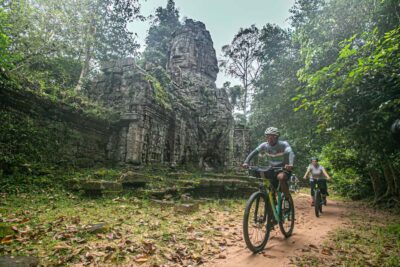
- E-Bikes Through the Ruins: How the Route Cuts Out the Grind
- Breakfast at Sras Srang: Khmer Noodles, Palm Cake, and Rice Dumplings
- Siem Reap Market Stops: Real Snacks, Real Choices
- Ta Prohm & Ta Nei: Jungle Ruins Left in Original-State Mood
- Bayon and Angkor Thom Victory Gate: Smiling Faces With Purpose
- Back to Siem Reap: Tuk-Tuk Transfer Without the Long Ride Home
- Who This Tour Fits Best (and Who Should Skip It)
- Price and Budget Reality: What $85 Covers
- Should You Book This Angkor Wat Sunrise and E-Bike Tour?
- FAQ
- What time does the tour depart from Siem Reap?
- How long is the tour?
- Is the Angkor Pass included in the price?
- What temples are included besides Angkor Wat?
- What is included in breakfast?
- Do I get picked up from my hotel?
- Are there any clothing rules?
- Is the tour guided in English?
Key things to know before you go
- 4:40am pickup gets you to Angkor Wat with time for sunrise timing and low-crowd positioning
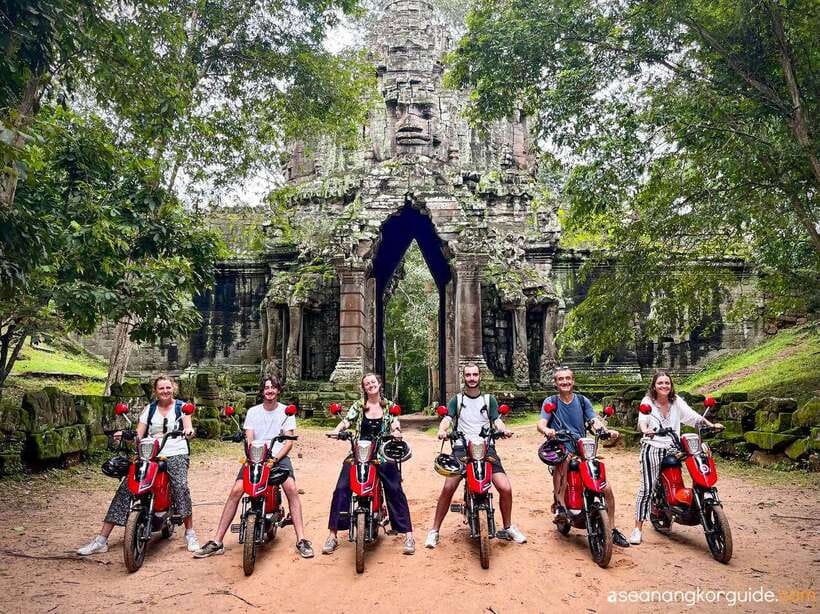
- E-bike temple access helps you reach off-trek entrances and smaller routes around Angkor Park
- Local breakfast at Sras Srang comes with Khmer dishes and homemade-style desserts
- Jungle ruins at Ta Prohm & Ta Nei show Angkor partly reclaimed by trees and roots
- Bayon and Victory Gate bring you to the smiling faces of Bayon within Angkor Thom
Early Start: 4:40am Pickup to Angkor Wat Sunrise
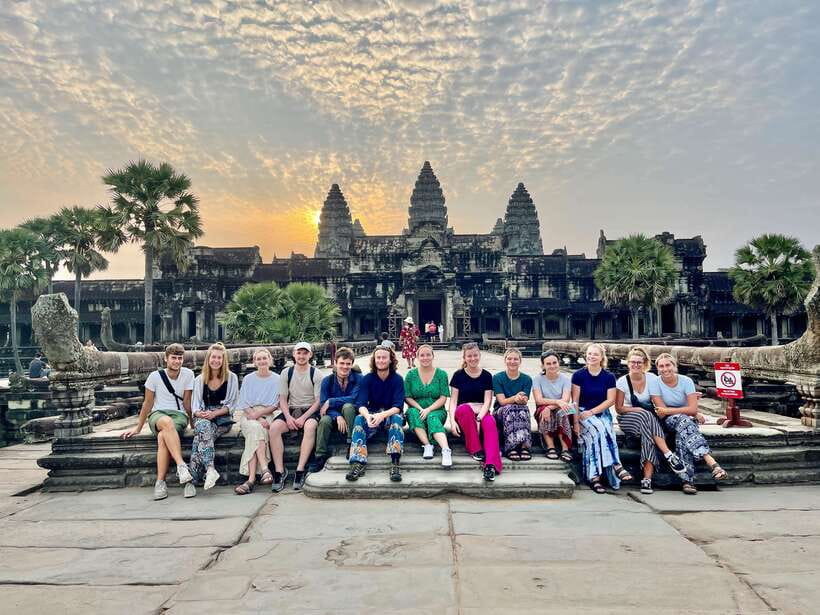
Your day kicks off at 4:40 am. You’ll meet your English-speaking guide (names you may run into include Mr. August, Raman, Sa, Ho, or Makara) and hop in a tuk tuk for the ride from Siem Reap toward Angkor Wat. The drive takes around 20 minutes from the city center.
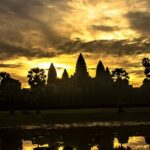
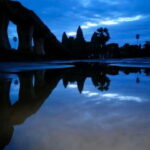
This timing matters. Angkor sunrise is not just a pretty photo moment; it’s also the easiest way to see the temple’s scale before tour groups flood in. If the sky is cloudy, the sunrise still has atmosphere—light bouncing off the reflecting pool is different, but you still get that early quiet feeling.
Bring a little patience for the morning glow. You’re typically in place well before sunrise, and the tour has you waiting around for the light to hit the temple and water. One smart move: wear a hat and light layers you can handle in the dark-to-day transition, and skip anything too flimsy for a bumpy road.
You can also read our reviews of more cycling tours in Siem Reap

Angkor Wat at First Light: 90 Minutes Inside the Main Temple
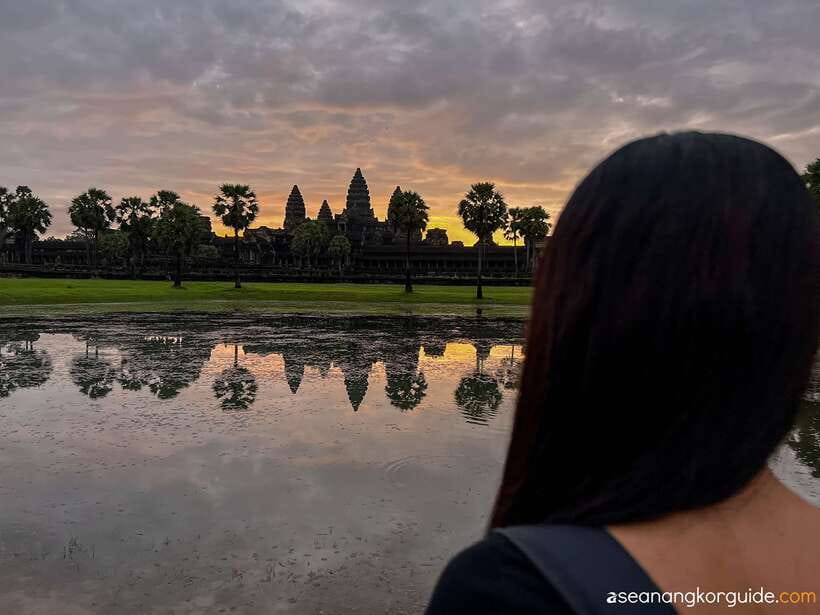
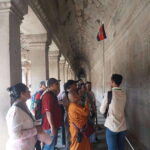
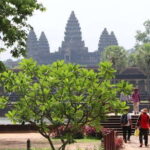
Once you’re at Angkor Wat, the plan is simple: you explore the temple complex for about 1 hour and 30 minutes. That window is enough to get oriented, understand the layout, and still catch the main visual moments that make Angkor Wat famous.
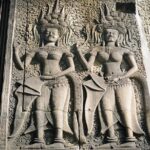
You’ll start in the dark. The tour route guides you along reflecting pool areas and toward the central structures under low light. This is one place where a guide really changes your experience: they help you read carvings and architecture instead of just walking in circles.
Also, know what you’re signing up for. Angkor Wat is not a one-stop photo wall. Expect stairways, uneven surfaces, and crowds that build fast. If you’re comfortable climbing and standing for extended periods, this part is unforgettable. If you aren’t, this tour still works—just pace yourself and take breaks when you need them.
E-Bikes Through the Ruins: How the Route Cuts Out the Grind
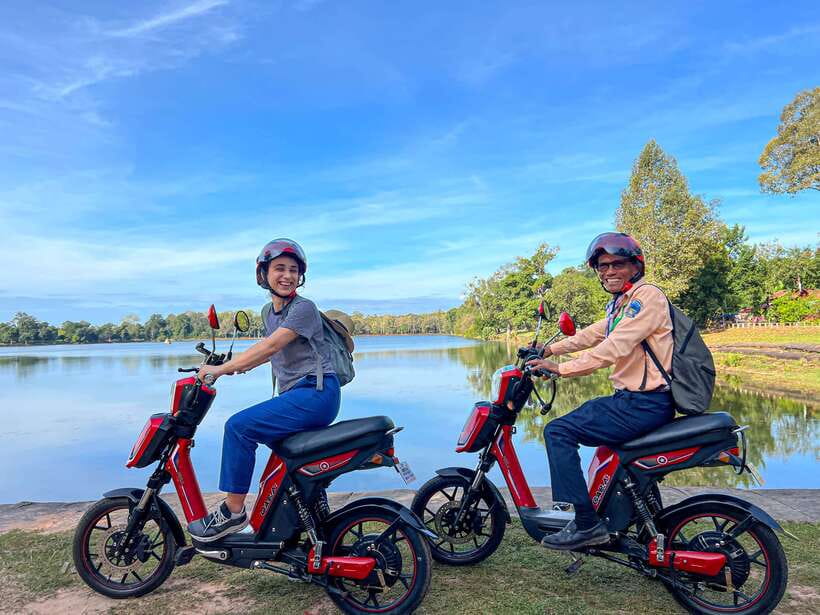
The e-bike is the whole point of doing Angkor this way. Instead of doing everything on foot, you ride. That means less time sweating while other people slog between temple gates, and more time reaching corners of the park that feel more local.
Practically, the ride is organized so you can cover lots of ground in one day: you go from Angkor Wat to the breakfast area, then move to markets, then on to the next temples and back again. You’ll also benefit from the fact that e-bikes allow you to access routes that standard buses and big groups often can’t use.
A few safety and comfort notes from how the day is set up:
- Your tuk tuk follows along to support you if needed, including keeping traffic safer behind the bike route.
- You’ll get cold water, and cool towels at stops are part of the routine.
- The bikes are designed to be easy to operate. Some roads near ruins can be sandy or rocky, so if you’re nervous on rough ground, plan to go slow and steady at turns.
The fun part is the wind. Once you’re moving, you feel the breeze, and that’s a real upgrade over waiting in line or walking in still air.
Breakfast at Sras Srang: Khmer Noodles, Palm Cake, and Rice Dumplings
Around the early-morning energy, the tour shifts gears to fuel you properly. After Angkor Wat, you ride to the Preah Dak village area for breakfast near Royal Swimming Pool of Sras Srang.
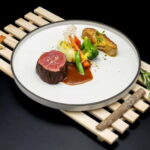
Breakfast here is not just a coffee-and-a-biscuit situation. You’re offered authentic Cambodian favorites, including:
- Khmer rice noodle with fish green curry soup
- Traditional desserts like palm cake
- Steam rice dumplings with palm sugar
- Plus seasonal fruits, coconut, and water as the day ramps up
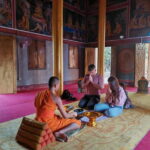
I like breakfast stops that feel like they belong to the community rather than a buffet built for tourists. This one is framed as local food and homemade-style desserts, which usually means fewer gimmicks and more genuine flavors.
If you want to enjoy it fully, go in with an open mind. Even if you don’t eat every item, trying one savory dish plus one sweet treat is a good way to get the point of Cambodian breakfast culture without turning it into a food challenge.
Siem Reap Market Stops: Real Snacks, Real Choices
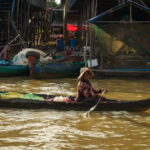
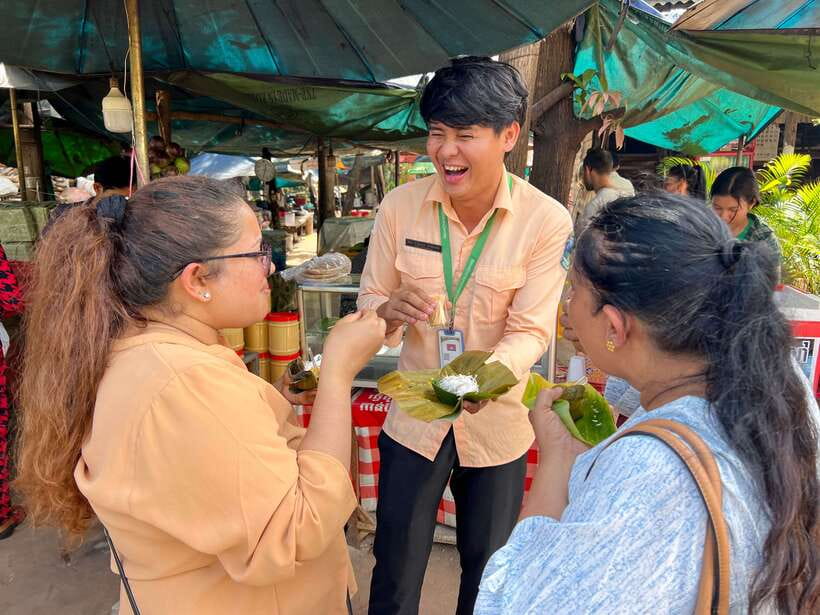
Before the next temples, you’ll stop at a local market in Siem Reap and walk through food stalls. This is where the day stops feeling like a pure temple checklist and starts feeling like a portrait of daily life.
The tour doesn’t force one thing. You get to look for Cambodian specialties and decide what you want to sample. Options mentioned include:
- sticky rice and cakes
- fruits
- egg noodles
- and yes, fried spiders and scorpion for adventurous eaters
If you’re the type who needs comfort food only, you can stick to the safer choices and still have fun watching how vendors cook and serve. If you like trying new things, this is a straightforward way to taste Cambodian snacks without needing a separate food tour.
One practical tip: markets can be hot and crowded with smells. Bring something to keep bugs away, and take a moment before you eat if the situation feels messy. You’ll enjoy it more when you feel calm, not rushed.
You can also read our reviews of more tours and experiences in Siem Reap


Ta Prohm & Ta Nei: Jungle Ruins Left in Original-State Mood
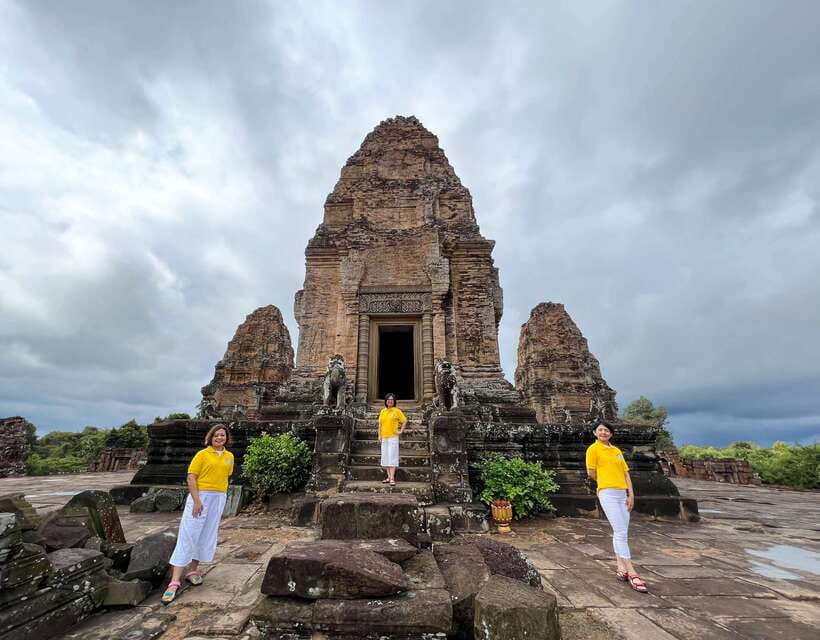
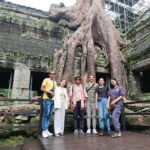
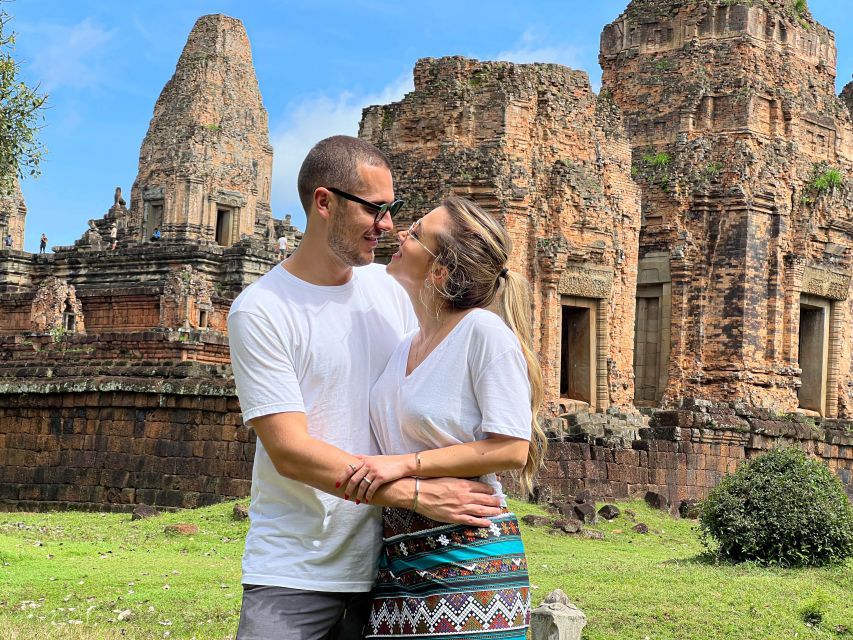
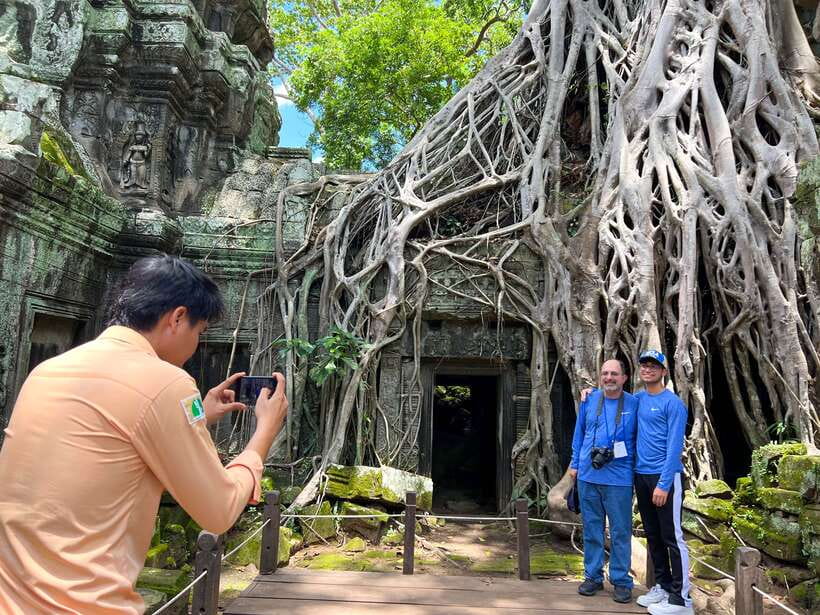
Next up: Ta Prohm & Ta Nei. This is the stop most people picture when they think of Angkor’s “jungle temple” look—trees growing through stone, huge roots, and walls that feel like they’re holding on while nature takes over.
The key idea here is the “original state” feeling. These ruins are partly overgrown in a way that doesn’t look staged. You’ll see roots wrapping around structures and branches clawing into the edges of carvings.
This is also a great mental reset after Angkor Wat’s iconic symmetry. Ta Prohm and Ta Nei feel more organic. You don’t read them as a formal monument as much as a living ruin.
The drawback: because it’s more tangled and uneven, you’ll want to slow down while you look around. Watch your footing, and plan to stop for photos—this temple style is incredibly photogenic in the shade and near the root clusters.
Bayon and Angkor Thom Victory Gate: Smiling Faces With Purpose
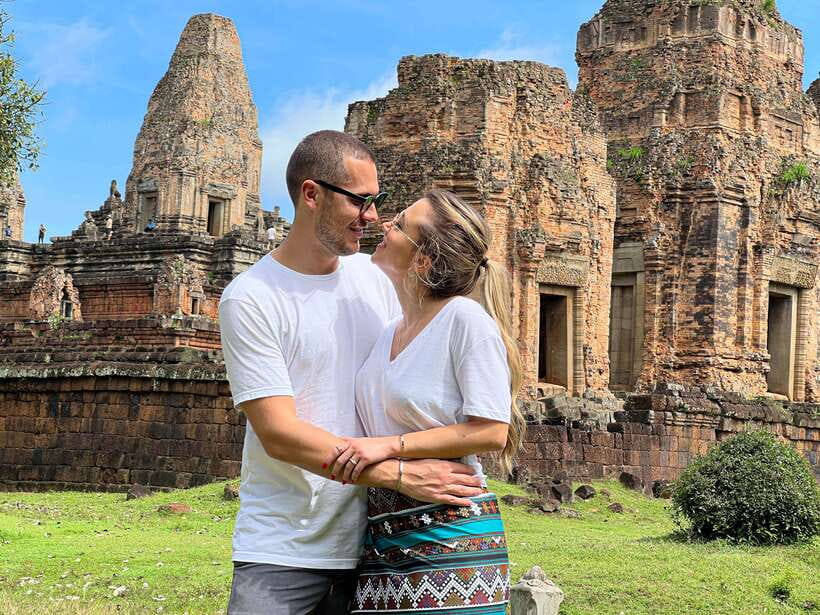
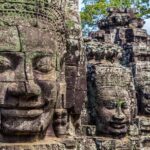
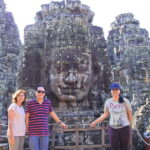
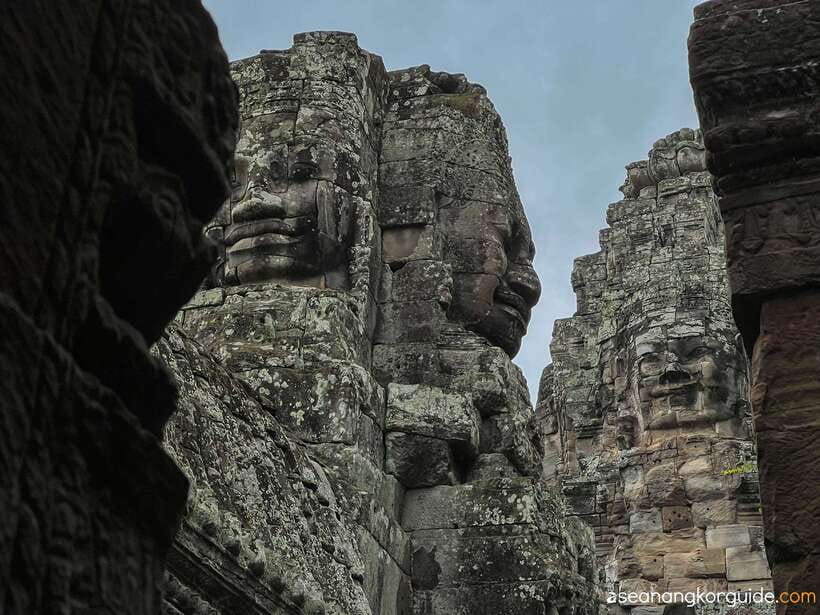
Then you shift from jungle atmosphere to Angkor Thom’s signature visuals: Bayon Temple and the Victory gate of Angkor Thom. Bayon is famous for its many stone faces—those smiling expressions that show up in photos everywhere for a reason.
Here’s why it’s more than a “pretty view.” The tour frames Bayon as the only monastery that has survived to this day and used for worship, education, and administration. Even if you already know the basics of Angkor, hearing it explained this way helps you connect the temple to daily purpose, not just architecture.
At Bayon, your guide’s job becomes obvious. Carvings, face angles, and the spatial logic of the temple complex are easier to interpret when someone points out what you’re looking at and why it matters.
And the Victory Gate adds drama. It’s a strong visual endpoint for the Angkor Thom circuit, and it helps you see how the city’s walls and gates shaped movement and ritual.
Back to Siem Reap: Tuk-Tuk Transfer Without the Long Ride Home
After you finish in Angkor Park, you’re transferred back to Siem Reap city by tuk tuk. That’s a simple but important part of the value. Temple days can drain you. Having a team handle transport means you don’t spend your afternoon fighting with roads, parking, and timing.
If your legs are tired (they will be tired), this wrap-up lets you re-enter “real life” mode quickly—shower, dinner, sleep, repeat. Many people like that the tour ends earlier than expected for a day that includes sunrise plus multiple temple stops.
Who This Tour Fits Best (and Who Should Skip It)
This is a strong fit for you if you:
- want a single-day Angkor plan that covers major highlights without turning it into a marathon of walking
- enjoy riding and want access to smaller routes around temple areas
- like learning why temples look the way they do, not just standing in front of them
It’s also great for families and mixed-age groups as long as everyone can handle early mornings and temple stairs. The e-bike setup tends to work well for people who want motion without high physical strain.
But it’s not for everyone. The tour notes it is not suitable for pregnant women and not suitable for people over 70. If you’re in either group, you’ll want a different format.
Also, there’s a dress rule: no sleeveless shirts. Bring something light with sleeves.
Price and Budget Reality: What $85 Covers
The price is $85 per person for a 9-hour experience. Included is a lot of the “hard parts” of a temple day:
- professional English-speaking tour guide
- e-bike
- hotel pickup & drop-off by tuk tuk
- cool bottle of water, seasonal fruits, coconut, and towels
- breakfast with local food and homemade dessert
Then there’s the big add-on: the Angkor pass of 1-day ($37 per pax) is not included. The tour is built around the Angkor Park circuit, so you should budget for that pass and plan your day around what the pass covers.
My value take: you’re paying a bit more than a basic group shuttle, but you’re not paying for a generic bus-and-walk day. You’re paying for the e-bikes, the timed sunrise access, and the breakfast/market stops that give the day extra texture beyond temples.
Should You Book This Angkor Wat Sunrise and E-Bike Tour?
I’d book it if your priority is an early Angkor Wat sunrise plus a day route that mixes temples with real local stops, and you want to cover more ground without turning your trip into a sweaty foot slog. The best part is the combination: sunrise scale at Angkor Wat, jungle character at Ta Prohm and Ta Nei, and the Bayon smiling faces—connected by e-bike routes that make the whole day feel efficient.
I wouldn’t book it if you want a slow, fully flexible day with lots of free time, or if you’re strongly sensitive to rough roads or early-morning starts. Also skip if the food market concept makes you uncomfortable. You can pass on the adventurous items, but the market stop is part of the experience.
If you’re traveling for your first big Angkor day, this format is a smart way to pack in the highlights with practical support and plenty of cooling breaks.
FAQ
What time does the tour depart from Siem Reap?
The tour departs at 4:40 am from Siem Reap, with hotel pickup by tuk tuk.
How long is the tour?
The total duration is 9 hours.
Is the Angkor Pass included in the price?
No. The 1-day Angkor pass is not included and is listed as $37 per pax.
What temples are included besides Angkor Wat?
You’ll visit Ta Prohm & Ta Nei, Bayon, and the Victory gate of Angkor Thom.
What is included in breakfast?
Breakfast includes local Cambodian food and home-made dessert, such as Khmer rice noodle with fish green curry soup, palm cake, and steam rice dumplings with palm sugar.
Do I get picked up from my hotel?
Yes. Hotel pickup and drop-off by tuk tuk are included. You should wait in the hotel lobby 10 minutes before your scheduled pickup time.
Are there any clothing rules?
Yes. Sleeveless shirts are not allowed.
Is the tour guided in English?
Yes. The tour includes a live English-speaking guide.