REVIEW · SIEM REAP
1 Day | Angkor Wat Sunrise with Small Tour
Book on Viator →Operated by Hok Cambodia Journeys · Bookable on Viator
Some mornings in Siem Reap feel like a different planet. This Angkor Wat sunrise tour is built around the light, the alignments, and a calm route through the main Angkor highlights before the crowds thicken.
What I like most is the focus on the right vantage at sunrise and the way you get guided context, not just walking. You’re with a senior English-speaking guide in a private setup, with cool water, towels, and local snacks to keep the early hours from turning into a suffer-fest. One thing to consider: you’ll start very early, and you still need to budget for the Angkor Temple Pass separately.
In This Review
- Key highlights to know before you go
- Why Angkor Wat sunrise feels worth the alarm
- Meeting at 4:30 AM: pickup, comfort, and timing
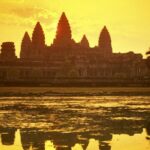
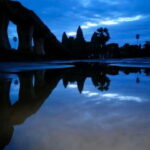
- Stop 1: Angkor Wat and the equinox glow by the reflection pool
- Stop 2: Angkor Thom’s fortified city layout and big symbolism
- Stop 3: Bayon Temple’s smiling faces and the Hindu-Buddhist blend
- Stop 4: Ta Prohm and the roots-over-ruins time warp
- Price check: $66 tour value plus the $37 temple pass
- Guide factor: Hok’s calm explanations and safety habits
- How the stops fit together (and when you’ll feel rushed)
- Who should book this sunrise morning tour
- Should you book this Angkor Wat sunrise tour?
- FAQ
- What time does the Angkor Wat sunrise tour start, and how long is it?
- Is hotel pickup included?
- Do I need to buy the Angkor Temple Pass?
- What’s included in the tour price besides the guide?
- Is this a private tour?
- What happens if weather conditions are poor?
Key highlights to know before you go
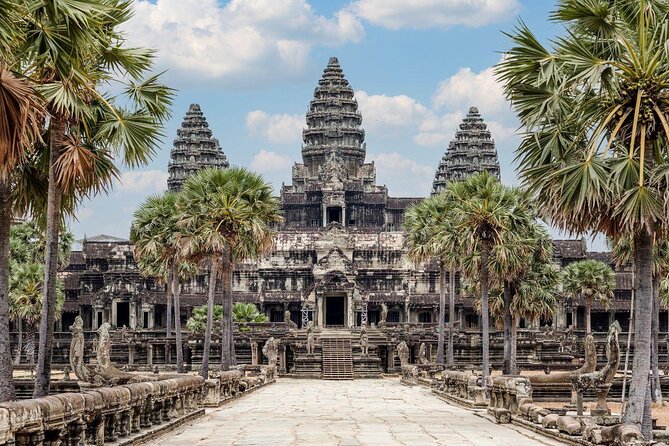
- 4:30 AM start timed for sunrise when the temple’s silhouette and the sky colors matter most
- Reflection pool viewing positioning for the classic Angkor Wat look
- Angkor Thom + Bayon included, so you see the city and the smiling-face temple in the same morning
- Ta Prohm in the mix for that tree-and-root, Tomb Raider fame moment
- Private air-con vehicle plus cool water, towels, and local snacks to make the long morning easier
Why Angkor Wat sunrise feels worth the alarm
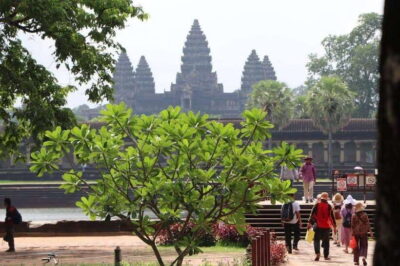
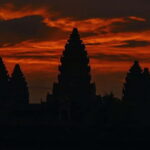
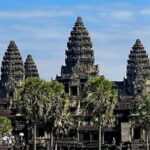
Angkor Wat is the largest religious monument in the world, and sunrise here isn’t just pretty—it’s part of the site’s deeper design story. The temple is aligned with the cardinal points, and the whole complex carries a sense of intention. Add the equinox timing—when sunrise aligns dramatically behind the towers—and the experience turns into a mix of architecture, astronomy, and atmosphere.
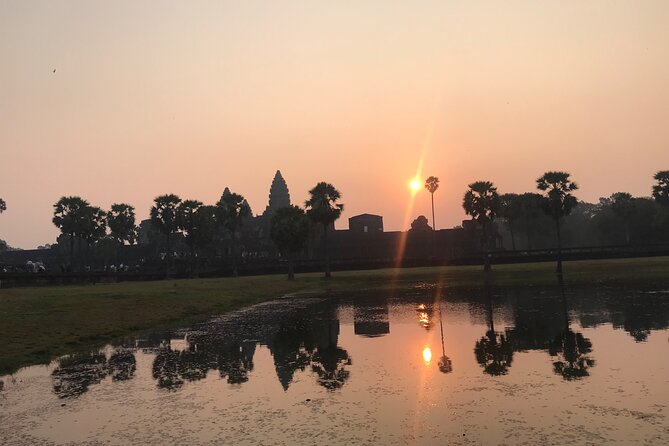
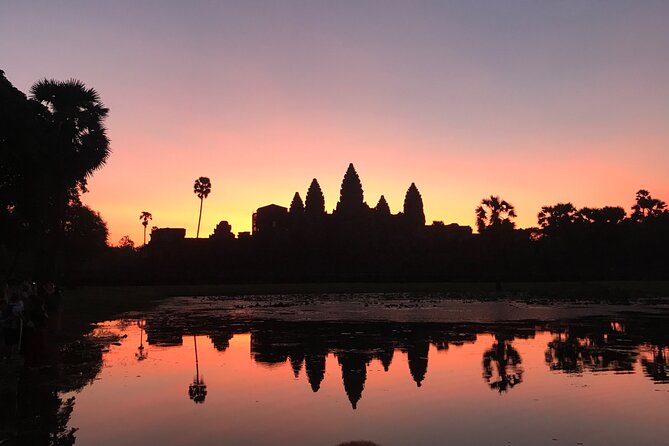
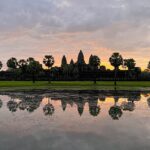
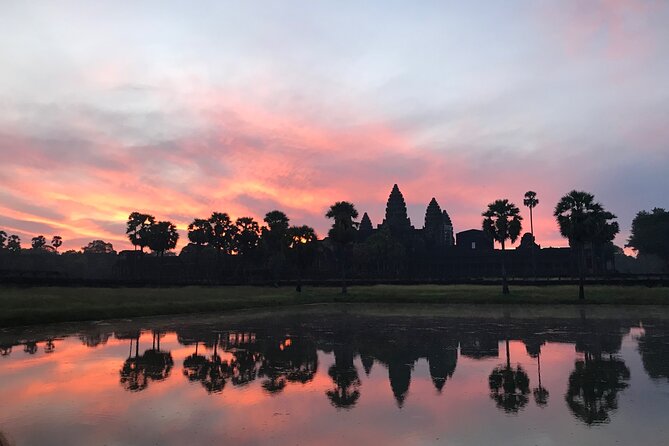
I also like that the tour doesn’t treat sunrise as a quick photo stop. You’re positioned in front of the reflection pool, which is where that iconic temple-and-water image comes from. Even if the sky doesn’t perform perfectly, the early light still changes the colors on the stone and makes the whole place feel more alive than it does later in the day.
You can also read our reviews of more tours and experiences in Siem Reap

Meeting at 4:30 AM: pickup, comfort, and timing
Your day starts at 4:30 AM with pickup from your hotel. The tour runs about 6 hours, and it moves at a pace that’s practical for seeing several major sites in one morning.
The included private air-con vehicle matters more than you might think. Angkor days can turn hot fast, and you’re also leaving before the sun is fully up. Having the car ready, plus cool water and towels, helps you stay functional without wasting time hunting for basics.
One more small but useful detail: the experience includes a mobile ticket. That saves you from scrambling right when you’re trying to get organized early.
Stop 1: Angkor Wat and the equinox glow by the reflection pool
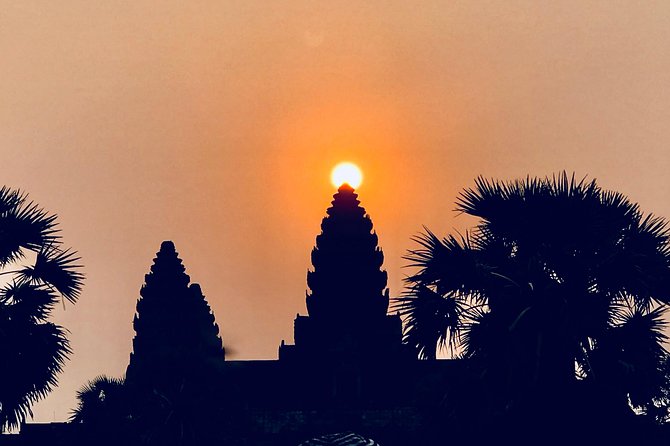
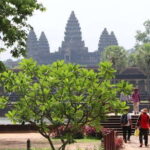
This is the main event, and the tour commits to it. After pickup, you arrive in time to witness sunrise at Angkor Wat, then you get guided time around the main building and the surrounding complex.
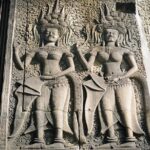
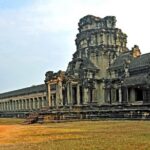
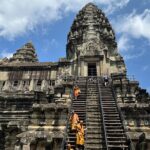
Angkor Wat is famous for being one of the best-preserved temple sites. It’s also known for how cleanly it demonstrates Khmer engineering and planning. The guide’s job here is to connect what you’re seeing—geometry, alignment, and sculptural details—to the bigger picture of Hindu influence and the way Angkor’s builders used astronomy and cardinal-direction layout.
You’ll spend about 2 hours at this stop. That’s enough time to:
- watch the light shift across the towers and courtyards
- understand what to look for beyond the big postcard view
- move at a realistic pace so you’re not rushing through carvings and structures
A key consideration: the Angkor Temple Pass is not included in the tour price. So you’ll want to plan for that up front (more on cost later), especially because you’ll be ready to enter as soon as you arrive.
Stop 2: Angkor Thom’s fortified city layout and big symbolism
After Angkor Wat, the tour heads to Angkor Thom, the fortified capital city built at the height of the Khmer Empire. The name literally means Great City, and the layout reflects how serious rulers were about cosmic order and city design.
Here you’ll spend about 30 minutes, which is short compared with Angkor Wat, so it helps to have a guide who can point out the major themes fast. Angkor Thom is filled with both Hindu and Buddhist sanctuaries, including the royal palace area and the important centerpiece of the next stop.
A distinctive feature is the monumental gates. They’re built along the cardinal directions and decorated with towering statues of gods and demons that symbolize a moral and cosmic struggle. That might sound like “just decoration,” but when you understand the story it stops being random and starts feeling like visual philosophy carved into stone.
Because time is tighter here, you’ll likely get the most value if you let your guide set the pace and focus on the main gates and the logic of the city plan.
Stop 3: Bayon Temple’s smiling faces and the Hindu-Buddhist blend
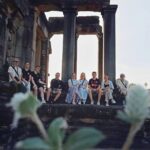
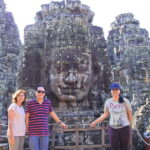
Bayon Temple sits inside Angkor Thom, and it’s one of the most recognizable temples in the entire region thanks to its smiling faces. This is where the tour leans into the cultural complexity of Angkor.
Bayon is associated with King Jayavarman VII (the text also notes him as a major figure), and it’s known for blending Hindu and Buddhist art. The big idea is religious tolerance during that period—Hindu and Buddhist communities coexisted, and the reign was described as an end to religious conflicts in favor of peace and harmony.
You’ll have about 45 minutes at Bayon. That’s enough time to look at:
- the facial towers from different angles
- how the temple’s style shifts between spiritual influences
- the overall feel of Bayon as a central, symbolic space
One drawback to be aware of: Bayon can be busy, even early. With only about 45 minutes, you’ll want to prioritize what your guide highlights so you don’t lose time hopping between spots.
You can also read our reviews of more tours and experiences in Siem Reap
Stop 4: Ta Prohm and the roots-over-ruins time warp
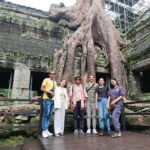
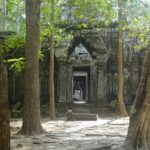
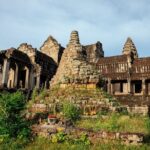
Then you head to Ta Prohm, the famous jungle temple tied to the look people associate with Tomb Raider. Construction is attributed to King Jayavarman VII, and the temple is dedicated to his mother, represented through a Mahayana Buddhist mercy-and-wisdom goddess concept mentioned in the description.
The defining visual is the way trees and roots wrap around the stonework, creating that surreal fusion of nature and architecture. It’s one of those places where your brain goes quiet because you’re trying to process how old stone survives under living roots.
You’ll get about 1 hour here. That’s a good chunk of time for Ta Prohm because:
- you’ll want a few “walk-through” minutes to notice how the root patterns change
- you’ll likely want time for photos without sprinting
- you can slow down if you’re the type who likes to look carefully at details
A practical note: because this is a jungle temple, it can feel damp or shaded depending on conditions. Wear footwear you’re comfortable walking in—Ta Prohm’s surfaces don’t always cooperate.
Price check: $66 tour value plus the $37 temple pass
The tour price is $66 per person, with the key items included: a private air-con vehicle, a senior English-speaking guide, cool water and towels, and local snacks.
But the biggest line item to account for is the Angkor Temple Pass at $37 per person, which is not included. So your realistic total for this day is about $103 per person before any extra expenses like tips or personal purchases.
Is that good value? For me, it comes down to what you’re buying:
- You’re paying for early access timing and a guide who can explain what you’re seeing at sunrise and in the city temples.
- You’re also buying convenience: pickup, private transport, and basic comforts like water, towels, and snacks.
If you’re trying to DIY it, you’d still need transportation and the cost of the pass. The difference here is time and interpretation—especially at sunrise when the light and architecture work together.
Guide factor: Hok’s calm explanations and safety habits
A big reason this tour works is the guide’s approach. The guide’s name is Hok, and he’s described as informative, patient, and kind. I also like that the feedback emphasizes his attention to safety and checking in on people’s well-being during the day.
In one account, Hok is also mentioned as a professional photographer. Even if you’re not chasing gear-level shots, that usually translates into practical advice on where to stand, when to shift your angle, and how to time your photos around changing light.
This is the kind of guide you want at Angkor, because the temples can feel like “more stone” if nobody connects the details to the larger story. With a guide like Hok, you’re more likely to leave with a few clear takeaways, not just a memory card full of similar angles.
How the stops fit together (and when you’ll feel rushed)
This itinerary is designed like a morning sprint through the core Angkor highlights:
- Angkor Wat with sunrise focus and guided time
- Angkor Thom as the fortified capital framework
- Bayon Temple as the iconic face-and-faith stop
- Ta Prohm for the jungle ruins spectacle
The advantage is efficiency: you see four major sites in one day with a guide threading the story between them. The tradeoff is that not every stop is equally long. Bayon and Angkor Thom are shorter, so you’ll want to trust your guide to show you the best parts rather than trying to “optimize your own path” on the fly.
If you like slow travel, this may feel intense. If you like a well-run itinerary with minimal wasted time, this style fits nicely.
Who should book this sunrise morning tour
This small-group/private format is a strong match if you:
- want the sunrise experience without figuring out logistics in the dark
- prefer a guided explanation for what you’re looking at
- like a structured day with comfort included (air-con, water, towels, snacks)
- want to cover Angkor Wat plus the major “next stops” in one morning
It’s also a good option if you’re traveling with family and want an attentive guide. One highlight from the experience notes is how the guide accommodates needs and keeps a close eye on safety—useful for parents and first-time visitors.
If you’re the type who wants total freedom to wander alone, you might prefer a slower, more flexible plan. But if your goal is to hit the key sites efficiently and intelligently, this works.
Should you book this Angkor Wat sunrise tour?
If you’re coming to Siem Reap for the first time and you want one day that feels like the “real Angkor experience,” I’d seriously consider booking. The sunrise timing, the reflection pool positioning, and the guided context all point to an experience that’s more than just sightseeing.
I’d book especially if you value:
- early light and temple alignment context
- comfort for a long morning (pickup, air-con, water/towels/snacks)
- a guide like Hok who’s known for patience and strong explanations
Skip it only if you strongly dislike early wake-ups or you expect long, unstructured exploring at every stop. With this tour, you’re choosing a tight, well-guided circuit—great for seeing a lot, less ideal for lingering.
FAQ
What time does the Angkor Wat sunrise tour start, and how long is it?
The tour starts at 4:30 AM and runs for about 6 hours.
Is hotel pickup included?
Yes. Pickup is offered from your hotel.
Do I need to buy the Angkor Temple Pass?
Yes. The Angkor Temple Pass is not included and costs $37 per person.
What’s included in the tour price besides the guide?
You get a private air-con vehicle, a senior English-speaking guide, cool water and towels, and local snacks.
Is this a private tour?
Yes. It’s a private tour/activity, and only your group participates.
What happens if weather conditions are poor?
The experience requires good weather. If it’s canceled due to poor weather, you’ll be offered a different date or a full refund.