REVIEW · SIEM REAP
Angkor Wat Sunrise Small-Group 1-Day Tour from Siem Reap
Book on Viator →Operated by Vamos Camboja · Bookable on Viator
Golden light, big stones, early start. This Angkor Wat sunrise small-group tour is built for maximum wow with minimal stress: hotel pickup, a professional English guide, and a plan that gets you into the first beams of daylight. I especially love how the guide-led stops keep the day organized, and how the group size stays small enough that you still get personal attention. One drawback to plan around: the Angkor Archaeological Park entrance ticket isn’t included, so you’ll need to factor that cost and dress code before you go.
You’ll leave Siem Reap in the dark and come back around midday, hitting the key sights—Angkor Wat, Ta Prohm, Angkor Thom, Baphuon, and Bayon—by changing temples rather than just sitting in the same place. I also like that transport scales with group size (tuk-tuk for 2, air-conditioned van for 3+), which usually makes mornings smoother. The main consideration is that you’ll be climbing and walking in temple ruins, and you’ll want comfortable footwear for uneven stone.
In This Review
- Key Highlights You’ll Actually Care About
- How This 8-Hour Angkor Sunrise Tour Works (and Why It’s Worth It)
- Sunrise at Angkor Wat: Your First Real Ticket to Wonder
- Ta Prohm’s Jungle Ruins: Where the Stones Look Alive
- Angkor Thom: Victory Gate, Royal Terraces, and the Walk You’ll Remember
- Baphuon and the Big Climb: Views That Make the Steps Pay Off
- Bayon Temple: Smiling Faces at the Heart of the Complex
- Price Breakdown: What You’re Really Paying For
- Transport and Morning Comfort: Tuk-Tuk for Two, Van for the Rest
- Dress Code and Ticket Readiness: The Two Things That Can Ruin Your Morning
- Who This Tour Suits Best (and Who Might Want Something Else)
- Should You Book This Angkor Wat Sunrise Small-Group Tour?
- FAQ
- What time does the tour pick me up from Siem Reap?
- How long is the Angkor Wat sunrise tour?
- Is the Angkor Archaeological Park entrance ticket included?
- What temples are included in this one-day route?
- What transportation will I use?
- What’s the dress code for the temples?
- Is this tour suitable for children?
- Is there free cancellation?
Key Highlights You’ll Actually Care About
- Early pickup (around 4:10–4:30 AM) so you can reach Angkor Wat in time for sunrise
- Small-group feel with an English-speaking guide and shared transport
- Cold water included for the long morning stretch
- Guides with strong photo timing and spot recommendations (people specifically mention Nun, Buth Veasna, and Mr T)
- Major temple lineup in one day, including Ta Prohm’s tree roots and Bayon’s smiling faces
How This 8-Hour Angkor Sunrise Tour Works (and Why It’s Worth It)

This is a fast, focused day built around one goal: see Angkor Wat as the sun climbs, then move through the most important temple areas before the heat—and the crowds—get harder to manage. You’ll be picked up from your hotel reception between 4:10 AM and 4:30 AM, and the tour is scheduled to start around 5:00 AM. You’re back in Siem Reap around 12:30 PM (approx.), which is great if you want the rest of the day for a slower pace.
The small-group setup matters because it changes the feel of the day. With a guide keeping things moving, you’re not stuck asking basic questions at every stop. And with the group staying tight, you usually get quicker responses to needs—like finding a better spot for photos or taking a short breather when your legs start complaining.
One thing I’d flag early: this tour doesn’t include breakfast, and it only mentions cold water. So if your body is one of those types that needs food to function at 4:00 AM, you’ll want to eat something close to pickup time (or at least be ready to grab a snack afterward).
You can also read our reviews of more tours and experiences in Siem Reap

Sunrise at Angkor Wat: Your First Real Ticket to Wonder
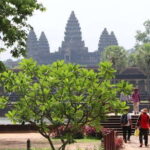
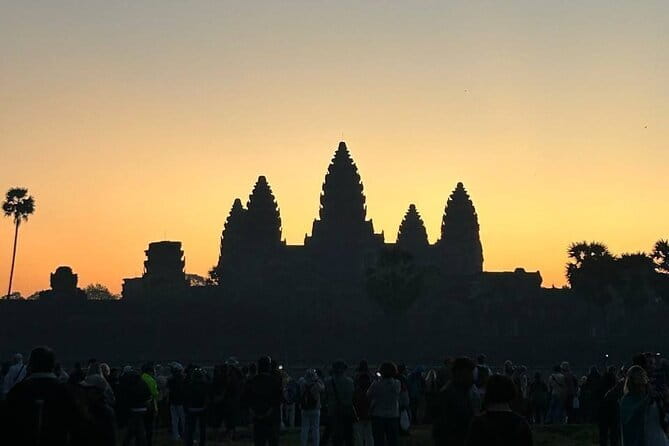
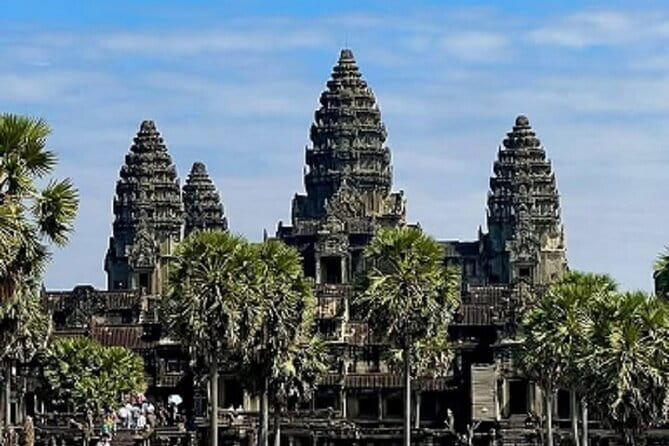
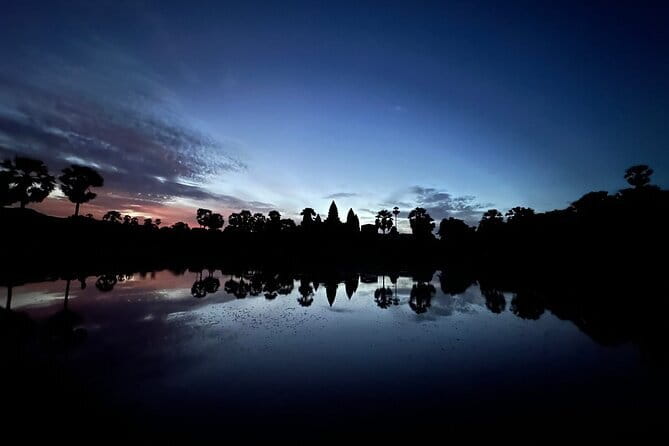
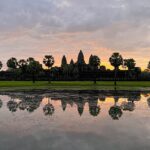
Angkor Wat at sunrise is the headline for a reason. The tour brings you to the temple in time to watch the first golden light hit the stone and reflective pools. It’s not just a pretty moment; it’s also the best time to get photos without the day already feeling rushed. Arriving early gives you a head start on figuring out where you want to stand before it gets crowded.
You’ll spend about 3 hours at Angkor Wat. That time window is important because it gives you more than just a quick “stand here, take photo, leave.” You can walk a bit, find your framing, and still return to your chosen area when the light changes.
Practical note: the Angkor Wat entrance rules are strict. For Angkor Wat, you must wear clothing that covers your shoulders and knees. That means no miniskirts, shorts, tank tops, or other revealing outfits. For most other temples, a scarf that covers knees and shoulders can help, but Angkor Wat is the one place where they’ll enforce the full rule.
Also, this tour is not including the Angkor Archaeological Park ticket in the price. That means your sunrise experience depends partly on having your ticket ready before you start walking into the complex.
Ta Prohm’s Jungle Ruins: Where the Stones Look Alive
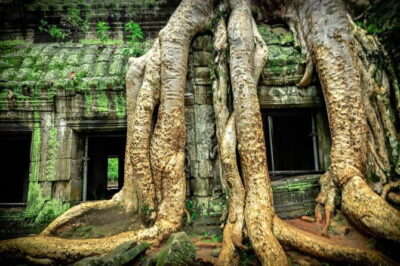
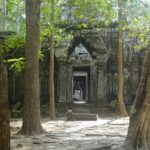
After sunrise, the day shifts from long-photo patience into a more exploratory feel at Ta Prohm, famous for being partly swallowed by nature—especially those dramatic tree roots gripping the ruins. The nickname people use for this temple comes from the “ruins + adventure” vibe, and it’s easy to see why once you’re there.
You’ll have about 1 hour at Ta Prohm. That might sound short, but the visual density is high. You’ll want that hour to move slowly, notice details, and let your eyes adjust from bright morning light into the shaded, root-filled structures. If you try to rush it, you’ll miss what makes the place special.
Why this stop is a good use of time: Ta Prohm isn’t just architecture. It’s a different kind of mood. One moment you’re focused on symmetry and carvings; the next you’re watching roots curve around doorways like they’re taking control. It’s one of the most memorable stops on the list because it feels less “museum-perfect” and more like nature and history are still negotiating.
Angkor Thom: Victory Gate, Royal Terraces, and the Walk You’ll Remember
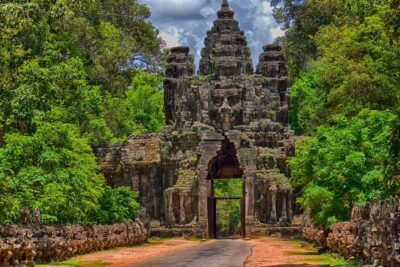
Next comes Angkor Thom, the walled city area. You enter through the Victory Gate, with large stone carvings of gods and demons guarding the entrance. This is the kind of stop that rewards you for slowing down at the gate rather than just marching forward.
The tour includes about 30 minutes here, which is enough time to get your bearings and hit the key highlights without turning the day into a marathon. You’ll also see the Royal Terraces and the Terrace of the Leper King mentioned in the route. Even if you don’t go super deep into every story, just being there helps you understand how the Angkor complex “worked” as a whole—city planning wrapped around religious symbolism.
A quick consideration: this section has more walking and a bit of uneven terrain. If you’re wearing shoes that are okay for sidewalks but not great on rough stone, you’ll feel it more here.
Baphuon and the Big Climb: Views That Make the Steps Pay Off
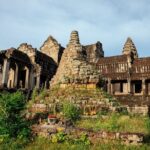
Then it’s Baphuon Temple, described as a grand pyramid temple with a three-tiered form. The route includes about 30 minutes, and that time is designed for one main thing: climb enough to feel like you earned the viewpoint.
The climb is steep in places, so it’s a good moment to pace yourself. If you stop halfway to catch your breath, that’s not wasted time—it helps you enjoy what’s ahead. Up top, you get panoramic views that help you understand the scale of Angkor beyond the single temple you started at.
This is also where the tour’s “small-group with a guide” format helps. A competent guide can keep you from rushing or wandering into areas that don’t add much to your day.
You can also read our reviews of more tours and experiences in Siem Reap



Bayon Temple: Smiling Faces at the Heart of the Complex
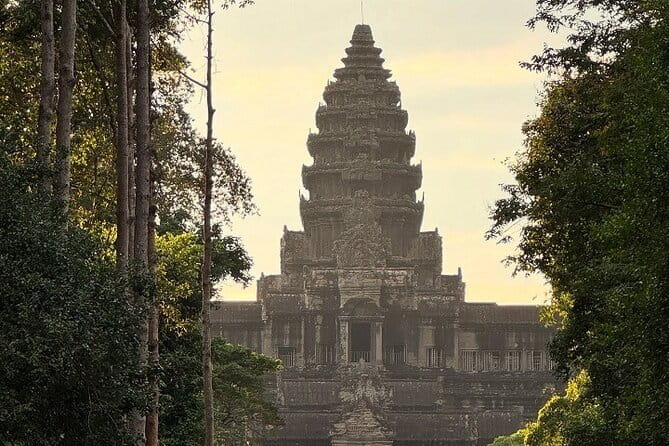
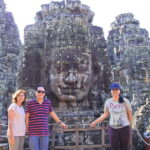
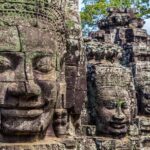
The last temple stop is Bayon Temple, famous for its 54 towers with 216 giant stone faces. The vibe here shifts again: it’s less about dramatic jungle roots and more about repeating, watchful faces that make the whole place feel alive.
You’ll spend about 1 hour at Bayon. That’s a solid amount of time to walk the main circuits, pause for photos, and take in the expressions from different angles. It’s also a great ending because by this point your brain has connected the dots: you’ve moved from sunrise awe to layered ruins to city-scale history to panoramic views, and now you close with a signature landmark.
A nice bonus: people highlighted guides who know good photo spots and when to take them. If you’re serious about pictures, Bayon is where timing matters because light changes how the stone features pop.
Price Breakdown: What You’re Really Paying For
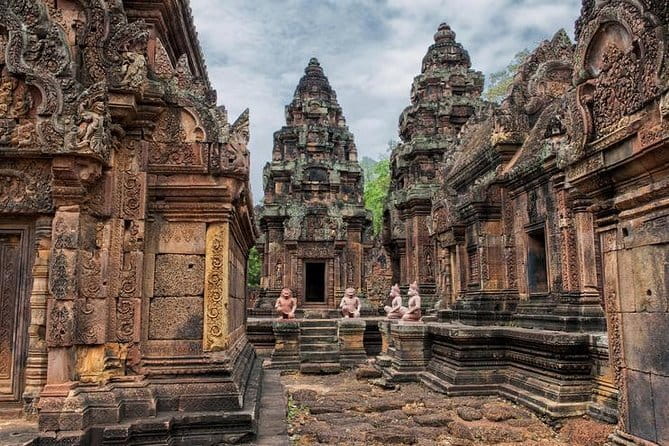
The tour price is $35.00 per person, and the Angkor entrance ticket is not included (it’s listed as $37 per person for the Angkor Archaeological Park). So your realistic spend for the core experience is closer to $72 total per person, before any optional extras like snacks or drinks you buy yourself.
Is that value? For me, yes—because you’re buying two things that cost time and energy on your own: (1) a guide who helps you move efficiently and understand what you’re looking at, and (2) transport that handles the big early-morning logistics. The tour also includes hotel pickup and drop-off plus cold water, which is a small detail but a useful one when you’re out during the hottest part of the day’s early build-up.
The fact that it’s described as a small-group experience is part of the value too. You’re not getting the “everyone pile in and out” feeling that can happen with larger groups. In the feedback people shared, guides like Nun, Buth Veasna, and Mr T got praise for being punctual, attentive, and patient—and that directly affects how smoothly a day like this runs.
Transport and Morning Comfort: Tuk-Tuk for Two, Van for the Rest
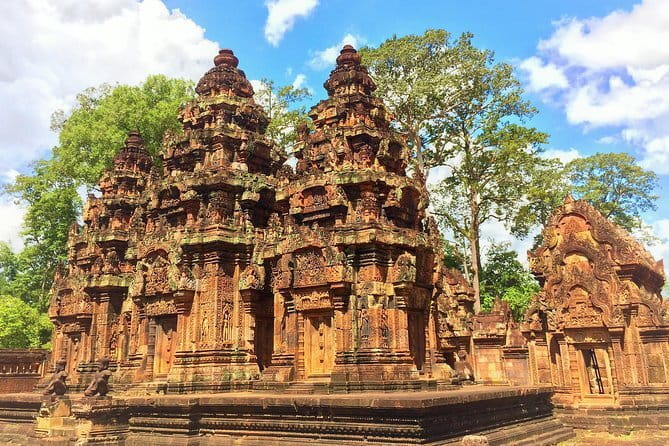
One practical detail that helps: the ride setup changes with your group size. For 2 people, the transport is tuk-tuk. For 3 people up, it’s air-conditioned van/minibus.
Why you should care: sunrise days start early, and driving time adds up fast when it’s dark out. An air-conditioned vehicle for groups of 3–6 can make the morning feel less punishing, while a tuk-tuk for two can feel more personal and flexible.
Either way, you’ll be starting at your hotel and returning to it. That door-to-door convenience is worth something on a day when you’re also tracking a time-sensitive sunrise.
Dress Code and Ticket Readiness: The Two Things That Can Ruin Your Morning
If you do only two things to prepare, make them these.
First, plan your outfit. For most temples you can use a scarf to cover knees and shoulders, but for Angkor Wat you must wear clothing covering your knees and shoulders. If you show up in shorts or a tank top, you may have to sort something out on-site, which can waste time during your most time-sensitive moment.
Second, handle the entrance ticket. The tour warns that you should have temple entrance tickets before the start so there’s enough time to explore. Since the Angkor Archaeological Park ticket is listed as $37 per person and is not included, you’ll want to buy it online or arrange it ahead of time so you don’t get stuck at the entrance when you’re already running on early-day clocks.
Who This Tour Suits Best (and Who Might Want Something Else)
This experience fits well if you want the classic Angkor temples in a single day without juggling transport and timing on your own. It’s especially good for couples, solo travelers, and families who like a guided structure—but still want time to move around at each stop.
It’s also a solid choice if you care about sunrise. The tour is built around arriving at Angkor Wat early enough to enjoy the light rather than just “arrive someday and hope for good photos.”
One limitation: children under 12 are not eligible for this shared tour, so if you’re traveling with younger kids, you may need a different option.
Should You Book This Angkor Wat Sunrise Small-Group Tour?
Book it if you want a clean, guided route that hits the essentials, with early pickup timed for sunrise and enough time at each major temple to actually look around. The price is reasonable once you factor in the guide, hotel transfers, and transport—and people repeatedly praised guide performance, especially punctuality, clear English, and photo-spot help (including guides such as Nun, Buth Veasna, and Mr T).
Skip it or consider a different format if you hate early mornings, you’re not comfortable with temple walking and climbing, or you don’t want to manage the entrance ticket on your own. Since the Angkor Archaeological Park ticket isn’t included, make sure that cost and dress code are handled ahead of time so sunrise isn’t a scramble.
FAQ
What time does the tour pick me up from Siem Reap?
Pickup is scheduled between 4:10 AM and 4:30 AM, and the tour departure is set for around 5:00 AM.
How long is the Angkor Wat sunrise tour?
The duration is listed as about 8 hours, with drop-off around 12:30 PM (approximately).
Is the Angkor Archaeological Park entrance ticket included?
No. The entrance ticket is not included and must be purchased separately at about USD 37 per person.
What temples are included in this one-day route?
The tour includes Angkor Wat (sunrise), Ta Prohm, Angkor Thom (including Victory Gate and Royal Terraces), Baphuon Temple, and Bayon Temple.
What transportation will I use?
For 2 people, it’s by tuk-tuk. For 3 people and up, it’s by air-conditioned van/minibus.
What’s the dress code for the temples?
A scarf can help cover knees and shoulders for most temples. For Angkor Wat specifically, you must wear pants or skirts that cover the knees and shirts that cover the shoulders (miniskirts, shorts, tank tops, and revealing clothing aren’t allowed).
Is this tour suitable for children?
Children under 12 years old are not eligible for this shared tour.
Is there free cancellation?
Yes, you can cancel up to 24 hours in advance for a full refund.