REVIEW · SIEM REAP
Siem Reap: Cambodian Desserts Cooking Lesson with Tastings
Book on GetYourGuide →Operated by Beyond. Unique Escapes · Bookable on GetYourGuide
Palm sugar is the star of this Siem Reap cooking lesson, and it really works as a skill you can repeat at home. I love the market-to-kitchen start, where you get oriented before you cook, and I also like the hands-on setup, including your own workstation and equipment while you make three Khmer desserts. You’ll learn with English instruction and take away a recipe card, not just samples.
The main thing to consider is that this class is dessert-forward. If you don’t love coconut and palm sugar sweetness, you may find the flavors quite rich by the time tastings add up.
In This Review
- Key Things You Should Notice Before Booking
- Palm Sugar Desserts: The Practical Skill You’ll Actually Use
- From Your Hotel to a Market Snack: The Siem Reap Start
- The Outdoor Kitchen Setup and How Instruction Feels
- The Three Cambodian Desserts You’ll Learn to Recreate
- Steamed Ginger Custard: Comfort With a Fresh Edge
- Palm Sugar and Coconut Bananas: The Khmer Sweet Stick-to-Your-Ribs One
- Sweet Coconut Pancakes: The Crowd-Friendly Finish
- Palm Sugar From Sugar Palm Tree to Finished Sweet: What You Learn
- Tastings, Take-Home Portions, and the Recipe Card
- Price and Value: Is $32 a Fair Deal in Siem Reap
- Who This Class Fits Best (And Who Might Prefer Something Else)
- Tips to Get the Most Out of Your Cambodian Desserts Class
- Should You Book This Siem Reap Dessert Lesson?
- FAQ
- What desserts are included in the cooking lesson?
- How long is the Siem Reap Cambodian desserts cooking lesson?
- Does the tour include tastings?
- Is hotel pickup and drop-off included?
- What language is the instruction in?
- Do I get anything to take home?
- What is the price per person?
- Can I get a refund if my plans change?
- Is reserve and pay later available?
Key Things You Should Notice Before Booking
- Market stop that’s more than a photo op, with snacks and context for what you’ll buy and cook with
- Your own cooking station, so you’re not just watching while someone else handles the pan
- Three traditional desserts, including steamed ginger custard and palm-sugar coconut banana sweets
- Palm sugar from tree to finished ingredient, with practical lessons on how it behaves in recipes
- Tuk-tuk transfer between your accommodation and the peaceful cooking workshop
Palm Sugar Desserts: The Practical Skill You’ll Actually Use
Siem Reap is famous for temples, but Cambodian desserts are a different kind of cultural clue. They’re built around a few repeat ingredients, and once you understand how they work together, you stop thinking of sweets as magic and start thinking of them as techniques.
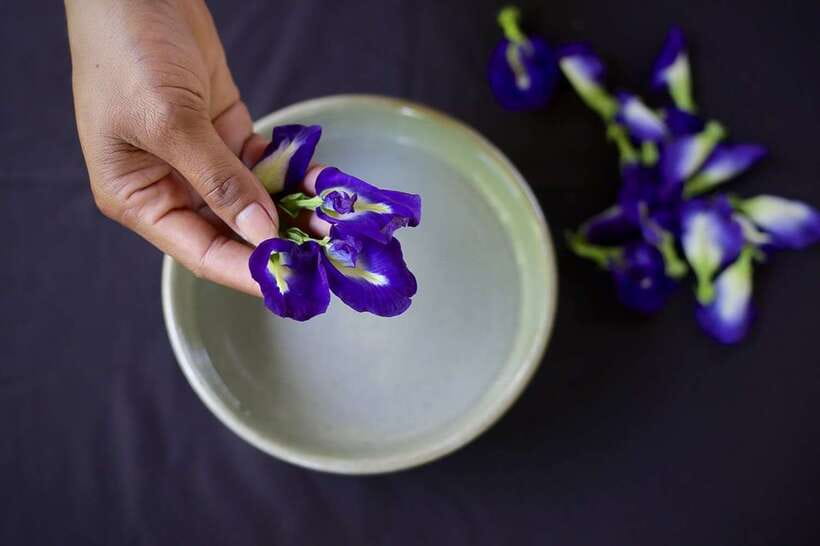
This class focuses on that exact idea: you learn how to recreate authentic Khmer desserts with repeatable methods. The big anchor is palm sugar, plus coconut milk, ginger, and lemongrass. That combination shows up constantly across Cambodian home cooking, so your takeaway isn’t only three finished plates. It’s a feel for how sweetness, aroma, and texture come together.
If you’re the type of traveler who wants one honest, take-home skill (not just a souvenir), this fits well. And because you get tastings as you go and end with enough food to take with you, it’s not a rushed demo style lesson. It’s closer to cooking with a friendly team and learning in real time.
You can also read our reviews of more cooking classes in Siem Reap

From Your Hotel to a Market Snack: The Siem Reap Start
Your day starts with pickup and drop-off directly at your accommodation. That matters here because it keeps the experience easy. No confusing meetings, no long taxi negotiations. You just show up at your lobby a bit early and get transferred to the workshop area.
Before the cooking portion, you’ll head to a local market. This is one of the most praised parts of the experience for good reason: you’re not just tasting sweets, you’re seeing ingredients in context. You’ll get a first snack and a sense of what’s normal to buy for Khmer cooking. It also helps you understand why palm sugar and coconut are such common building blocks. When you later work with those ingredients at your station, it clicks faster.
And yes, the ride between places includes a tuk-tuk, which adds a fun Siem Reap texture to the day. It’s short and simple, but it keeps the experience feeling like you’re moving through real daily life rather than hopping between tourist checkpoints.
The Outdoor Kitchen Setup and How Instruction Feels
One of the strongest themes from the experience is clarity. The teaching style is practical and step-by-step, and you get hands-on guidance rather than vague tips.
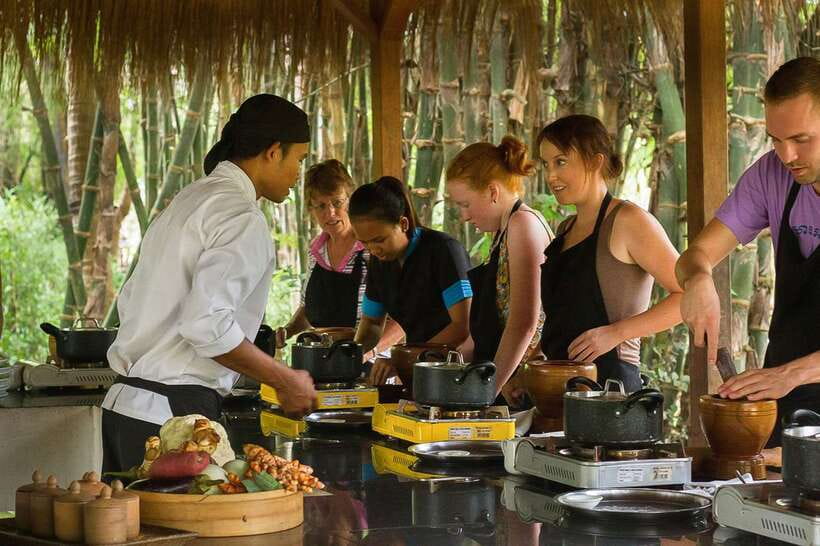
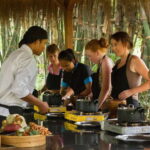
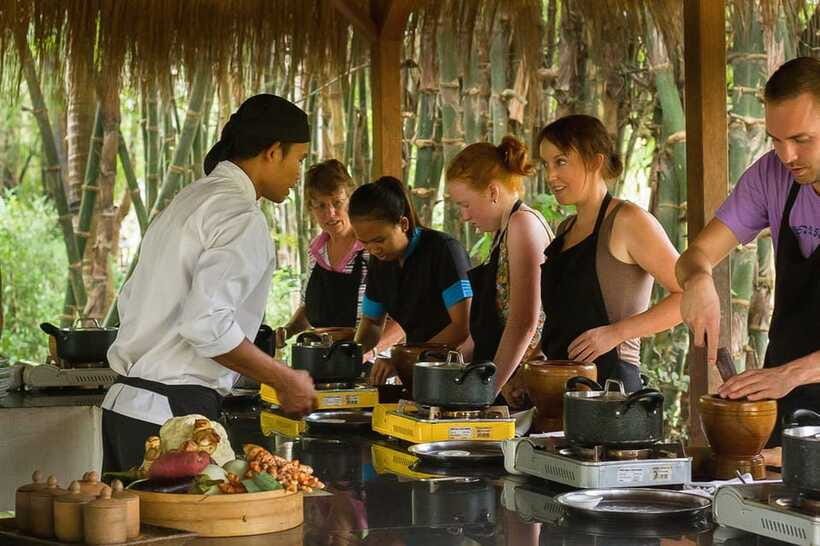
Expect a workshop kitchen that feels calm and comfortable, often described as spacious and outdoors with a nature feel around you. You’ll cook in a way that’s more like cooking with friends than standing in a line waiting your turn.
English instruction is part of the package, and multiple hosts and chefs show up in the experience, including names like Sofia and chefs such as Prey and Bri. That matters because it signals consistency in how the class is run: someone is there to guide the flow, explain ingredients, and keep you from getting stuck.
You’ll also have your own equipment at your station, which is a real difference-maker. When you’re using the tools, measuring, stirring, and shaping, you internalize the method. When you only watch, you may remember the taste but not the technique.
The Three Cambodian Desserts You’ll Learn to Recreate
This class teaches three Cambodian desserts, and they’re chosen well because they cover different textures and flavor styles. You’re not only making one type of sweet.
Below is what you can expect from each recipe, plus what to watch for so you can redo it later.
Steamed Ginger Custard: Comfort With a Fresh Edge
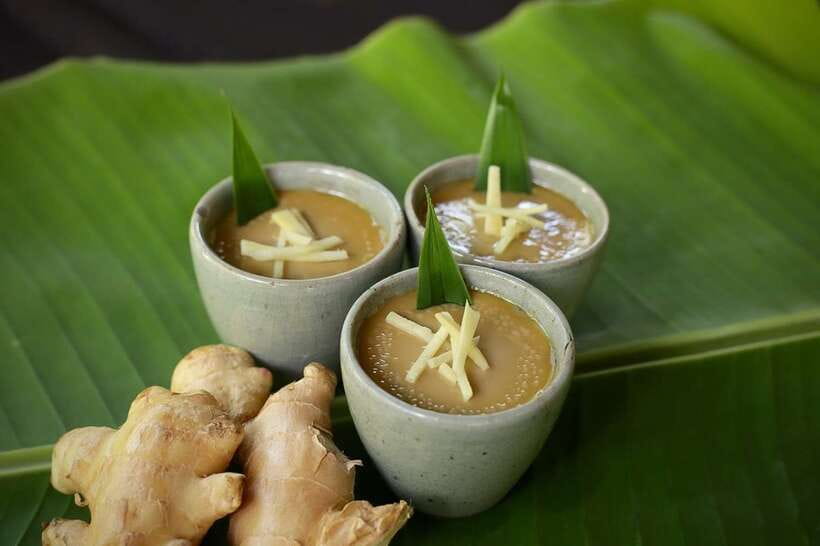
The steamed ginger custard is a great entry recipe because it teaches balance. Ginger brings warmth and brightness, while the custard sets into a soft, spoonable texture.
In your class, you’ll work with ginger and get hands-on instruction on how to prepare the custard base and manage the steaming process so it sets properly. It’s the kind of dessert that makes you feel like you’ve learned real technique, not just assembly.
When you make this at home later, the biggest win is understanding how ginger flavor lands in a gentle custard rather than a heavy syrup. The result is creamy and fragrant without being one-note.
You can also read our reviews of more tours and experiences in Siem Reap
Palm Sugar and Coconut Bananas: The Khmer Sweet Stick-to-Your-Ribs One
This is where palm sugar becomes more than an ingredient. It’s a flavor system. The recipe combines palm sugar with coconut and banana, creating a dessert that’s chewy-sweet and aromatic.
You’ll learn how to use palm sugar so it turns into the right sweetness and texture, and how coconut milk contributes creaminess. Because palm sugar behaves differently from refined sugar (its flavor is deeper and it handles heat in its own way), this recipe teaches you what to look for as it cooks.
A practical bonus: when people say they can repeat the desserts at home, recipes like this are often the reason. Once you understand palm sugar’s cooking cues, you can expand beyond the exact banana version and make similar sweets confidently.
Sweet Coconut Pancakes: The Crowd-Friendly Finish
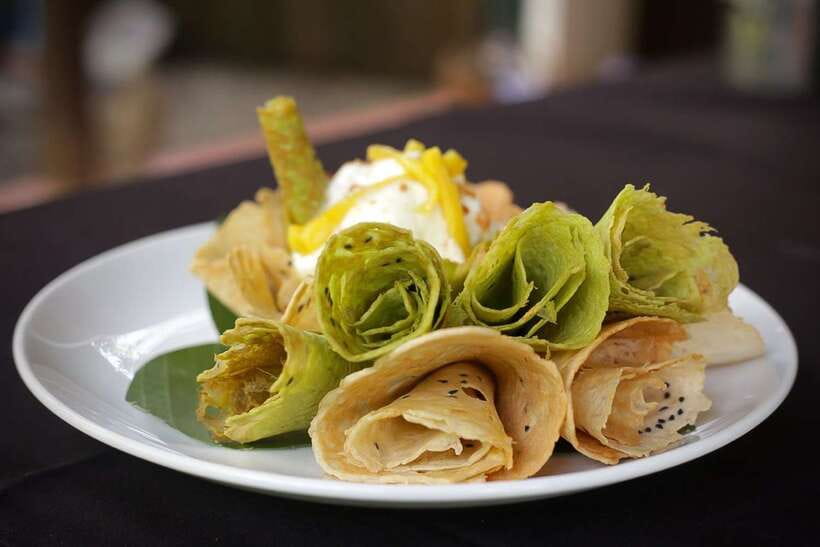
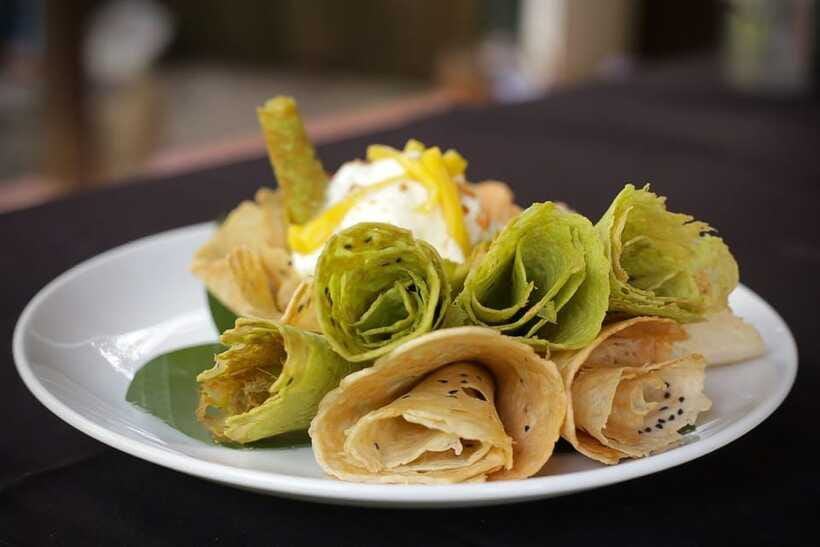
The sweet coconut pancakes round out the class by teaching a totally different style of Cambodian dessert: not steamed, not saucy, but griddled and shaped.
You’ll work with coconut and learn how to build a pancake batter that tastes like coconut-forward Khmer sweets rather than a generic coconut dessert. You’ll also get practice with cooking times and texture so they turn out properly instead of too wet or too dry.
This is a dessert that also travels well for take-home portions, which is useful here because you’ll finish with plenty of food to share and pack.
Palm Sugar From Sugar Palm Tree to Finished Sweet: What You Learn
One of the most memorable parts is the ingredient story. You’ll get a structured explanation of palm sugar, from the sugar palm tree all the way to the finished product used in Khmer cooking.
This matters because palm sugar is not just flavor. It has a distinct identity in the kitchen. When you learn how it’s made and how it shows up in desserts, you stop substituting blindly. You learn what you want from it and what to do when it behaves differently than cane sugar or brown sugar.
A useful way to think about it: after this class, you’ll likely know what “right” looks and smells like for palm-sugar dishes. That makes the recipe card more useful, because you can adjust based on texture and aroma, not just measurements.
It’s also one of those cultural lessons that doesn’t feel like trivia. It changes how you cook.
Tastings, Take-Home Portions, and the Recipe Card
The class includes tastings throughout, and that’s not a small detail. Tastings give you immediate feedback on what the dessert should taste like while you’re still cooking. That keeps you from guessing later at the “Did I do it right?” stage.
You’ll also leave with a recipe card, and in some cases a small recipe booklet or boxed-up portions are included as a nice souvenir. Many people also walk away with extra dessert packed to go, which is perfect if you’re sharing back at your hotel or you just want a treat for later.
If you didn’t eat breakfast, you might get additional kindness like fruit and tea to keep you comfortable before cooking. That kind of little extra support helps the day feel warm and organized.
Price and Value: Is $32 a Fair Deal in Siem Reap
At $32 per person for a 3-hour experience, the value depends on what you want from Siem Reap.
Here’s what you’re paying for beyond the recipes:
- Hotel pickup and drop-off, so transportation is handled
- Hands-on cooking lesson, not a passive tasting event
- Three dessert recipes, so you’re leaving with multiple repeatable techniques
- Tastings, so you learn by tasting and adjusting
- A recipe card to help you cook again later
For many visitors, cooking classes that include market context and ingredient instruction cost more than you expect. This one is positioned as a focused dessert workshop with real logistics handled for you. If you want an experience that turns into an actual skill, $32 is reasonable.
Where the price may feel less “worth it” is if you want a long, multi-hour meal experience or you only want one dessert skill. This is intentionally compact: three desserts in three hours, with a practical pace.
Who This Class Fits Best (And Who Might Prefer Something Else)
This cooking lesson is a strong fit if you:
- like Khmer flavors and want to understand the building blocks
- want something hands-on with clear English instruction
- like learning ingredient behavior, not just memorizing steps
- want a take-home recipe card and enough food to share
It may feel less ideal if you:
- dislike coconut or very sweet desserts
- prefer savory cooking classes instead of dessert
- want a longer deep meal experience rather than a focused 3-hour workshop
That said, even if you’re picky about sweets, ginger custard and the way palm sugar is taught can be a great “gateway dessert” into Cambodian cooking.
Tips to Get the Most Out of Your Cambodian Desserts Class
A few practical moves will help you learn faster and get better results later.
- Take notes on palm sugar changes. The key value here is learning how it behaves, so jot down what you notice as it cooks.
- Taste in order. If you’re given tastings while cooking, pay attention to when flavors become stronger. That helps you recreate timing at home.
- Plan for coconut and sweetness. You’ll likely have multiple coconut-based components in one day, so drink water and keep an open mind.
- Ask what to substitute for tricky ingredients. The class includes palm sugar, coconut milk, ginger, and lemongrass. Your home kitchen may not have everything, so ask what the chef would do if ingredients are hard to find.
- Use the recipe card immediately. When you’re back at your hotel, compare your memory to the card while it’s fresh. This is when your learning “locks in.”
Should You Book This Siem Reap Dessert Lesson?
I’d book this if you want a small, focused cooking experience that teaches you Cambodian desserts the way local kitchens think about them: ingredients first, method second, final taste always in mind. The market start, the hands-on station, and the palm sugar explanation make it more than a fun activity. You’ll likely leave with a repeatable skill and a recipe card you’ll actually use.
I wouldn’t prioritize it if you hate sweet desserts or you’re looking for a long, expansive meal with lots of savory dishes. This is the dessert track, done seriously, with a friendly pace.
If you’re in Siem Reap and you have a free half-day, this is a smart use of time. It’s cultural, practical, and easy to bring home.
FAQ
What desserts are included in the cooking lesson?
You’ll learn to make steamed ginger custard, palm sugar and coconut bananas, and sweet coconut pancakes.
How long is the Siem Reap Cambodian desserts cooking lesson?
The experience runs for 3 hours.
Does the tour include tastings?
Yes, tastings are included during the class.
Is hotel pickup and drop-off included?
Yes. You’re picked up from your accommodation and dropped back there at the end.
What language is the instruction in?
The cooking lesson is taught in English.
Do I get anything to take home?
You receive a recipe card. Some participants also mention leaving with additional recipe materials and take-home dessert portions.
What is the price per person?
The price is $32 per person.
Can I get a refund if my plans change?
Cancellation is free up to 24 hours in advance for a full refund.
Is reserve and pay later available?
Yes, you can reserve now and pay later to keep plans flexible.