REVIEW · SIEM REAP
2-Day Eight Temple Tour with Optional Sunrise
Book on Viator →Operated by Angkor Pura Tours · Bookable on Viator
Temple hopping gets easier fast. This two-day, private eight-temple route in Siem Reap strings together standouts like Pre Rup, Ta Prohm, and Angkor’s biggest star, Angkor Wat, with hotel pickup and a guide who helps you see what you’re looking at. I like the way the schedule keeps you moving across multiple zones of the Angkor Archaeological Park without the daily headache of arranging transport on your own.
I also like the payoff of visiting less-spoken-about temples alongside the headline acts. You’ll get Khmer architecture details at Banteay Samre and Banteay Srei (pink sandstone and those famously intricate carvings), plus the contrast of Preah Khan’s ruins left to the elements and Bayon’s faces.
One thing to think about: Pre Rup involves a steep climb to the top towers, so if you’re short on stamina or hate stairs, you may want to pace yourself early and plan slow breaks.
In This Review
- Quick hits
- Two days in Siem Reap: how the eight-temple rhythm works
- Day 1: Pre Rup, Banteay Samre, Banteay Srei, Ta Prohm, Banteay Kdei
- Pre Rup: climb for the mountain-temple view
- Banteay Samre: Angkor Wat energy in a smaller package
- Banteay Srei: pink sandstone and the carvings
- Ta Prohm: the Tomb Raider effect, minus the script
- Banteay Kdei: the citadel of monks’ cells
- Day 2: Angkor Wat, Preah Khan, and Bayon’s faces
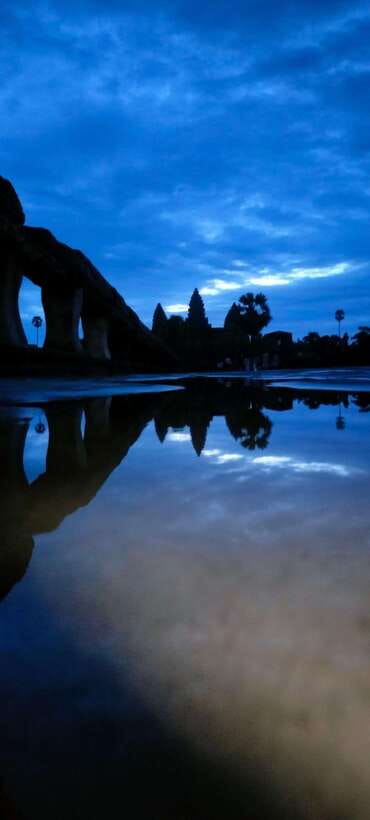
- Angkor Wat: start with the centerpiece, then let it unfold
- Preah Khan: ruins with limited restoration
- Bayon: Hindu inscriptions plus two strands of Buddhism
- Your private guide and transport: where the value hides
- What to plan for: temple pass, dress code, and real-world timing
- Price check: what $98 gets you (and when it’s a smart move)
- Who this tour suits best
- Should you book this eight-temple tour with optional sunrise?
- FAQ
- What temples are included in the eight-temple route?
- Is this tour private or shared?
- Does the tour include hotel pickup in Siem Reap?
- What’s included in the price besides the guide?
- Do I need to buy the temple pass?
- Is food or drinks included?
- What’s the dress code for the temples?
- How long is the tour?
- Is sunrise part of the tour?
- Can I cancel for a full refund?
Quick hits
- Private pacing, not a rush-through: you explore at your own speed with less waiting around
- A guide who turns stones into stories: history and Khmer-era context at every stop
- Day 1 mixes jungle + countryside: from Pre Rup viewpoints to Ta Prohm’s jungle corridors
- Day 2 hits the park’s heavyweights: Angkor Wat, then Preah Khan, then Bayon
- Temple pass not included: you’ll need the 3-day Angkor pass for entry
- Optional sunrise: sunrise is offered as an add-on, if you want the early-light mood
Two days in Siem Reap: how the eight-temple rhythm works
This tour is built around a simple idea: you only have so many days in Siem Reap, so you want a plan that covers real variety without burning hours on logistics. Over roughly two days, you’ll cover eight temples that sit in different parts of the area, so the big goal is momentum with breathing room.
The private setup matters more than it sounds. When your guide controls the timing, you can spend longer where something grabs you and cut back where you’re not feeling it. That becomes important at Angkor, where even a good route can get slowed by crowds and traffic.
You’ll also travel with practical comforts: your group gets a private guide, cold water, and transport suited to the group size, with pickup from your Siem Reap hotel. It’s not glamorous, but it’s the stuff that keeps you cheerful when you’re walking all day in heat.
You can also read our reviews of more tours and experiences in Siem Reap

Day 1: Pre Rup, Banteay Samre, Banteay Srei, Ta Prohm, Banteay Kdei
Day 1 is a mix of viewpoints, classic Khmer design, and that unmistakable Angkor contrast of carved stone versus wild jungle growth. It’s also the day where the tour teaches you how to “read” temples, so the next day’s big monuments land harder.
Pre Rup: climb for the mountain-temple view
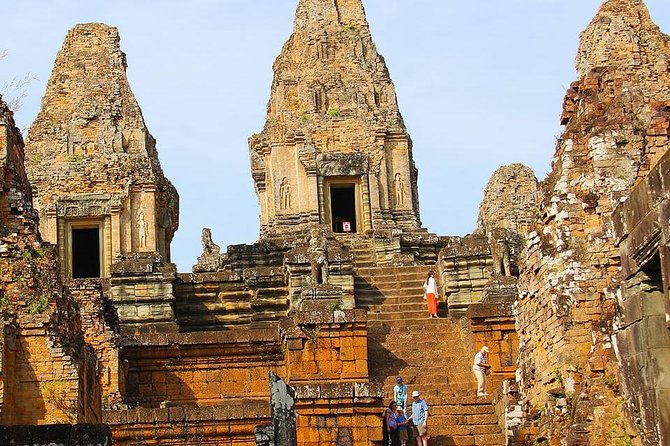
Pre Rup is often called a mountain temple for a reason: there’s a steep climb up to the towers. Yes, it’s a workout. But the reward is the view—wide countryside views that give you scale. When you look out from the top, Angkor stops feeling like a pile of ruins and starts looking like a planned landscape.
Practical tip: keep your pace even. The climb is the kind of effort where you don’t want to sprint, then get tired halfway through.
Banteay Samre: Angkor Wat energy in a smaller package
Next is Banteay Samre, a “stunning example” of Khmer architecture built in a style similar to Angkor Wat. This is a good stop for people who love symmetry, temple geometry, and carved design that feels intentional rather than random.
You’ll likely spend about an hour exploring the towers and carvings, which is long enough to catch details without feeling stuck in one place. This is also where a guide helps, because you can understand what you’re seeing instead of just noticing pretty stone.
Banteay Srei: pink sandstone and the carvings
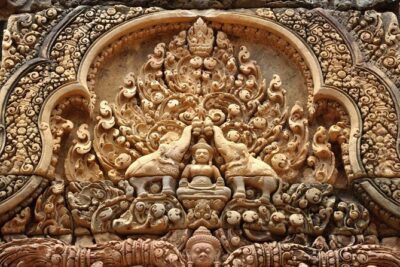
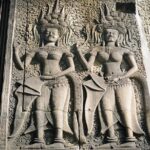
Then comes one of the most memorable temples on the whole trip: Banteay Srei. It’s made from pink sandstone sourced from quarries in the Kulen Mountain range, and that color makes the carvings pop—especially after you’ve walked through darker-toned ruins.
This temple is also linked to a legend about who carved the intricate designs. The story says the carvings were made by women. Whether you treat it as literal or folklore, it adds a human layer to the stonework and helps you look slower. You can easily lose time here—in a good way—because the details reward close viewing.
You can also read our reviews of more tours and experiences in Siem Reap

Ta Prohm: the Tomb Raider effect, minus the script
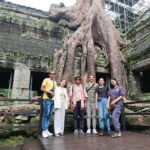
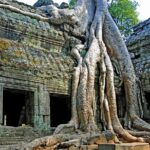
Ta Prohm is known as the Tomb Raider temple, thanks to its use as a movie set. But the real reason it stays famous is that the temple feels half-built and half-beaten back by nature. Jungle grows through the structure, and the temple has been left to the elements, so it looks alive in a way more restored sites don’t.
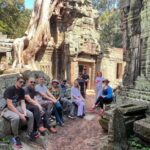
This is where you’ll enjoy the private pace most. In a group setting, you can feel pushed along. Here, you can stop when the roots and stones line up in a frame, then move on when you’re ready.
Banteay Kdei: the citadel of monks’ cells
Day 1 ends with Banteay Kdei, called the Citadel of Chambers or the Citadel of Monks’ Cells. It’s a Buddhist temple, and it sits close to Ta Prohm, so it works well as a follow-up: same region, different mood.
Banteay Kdei gives you another layer to the story of Angkor. Instead of only thinking of temples as royal monuments, you start to see how religious life shaped buildings over time. It’s another popular stop, but the private format helps you keep control of your time here too.
Day 2: Angkor Wat, Preah Khan, and Bayon’s faces
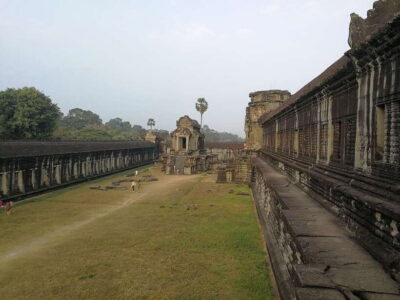
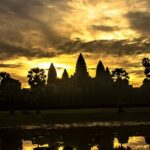
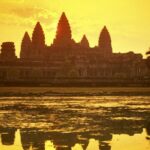
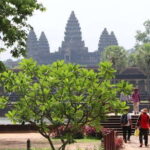
Day 2 is the “big show,” starting with Angkor Wat. The tour doesn’t only say it’s famous. It gives you a reason to pay attention: Angkor Wat attracts millions of visitors each year, and it’s also the largest temple built during the Khmer empire. That’s the context that turns a wow moment into something you can actually understand.
Angkor Wat: start with the centerpiece, then let it unfold
You’ll explore Angkor Wat first, which makes sense because it’s the most recognizable and the easiest to anchor your day around. The scale is the point, but the deeper value is learning how the temple’s layout and symbolism relate to Khmer ideas of power and religion.
Tip for your comfort: wear your most reliable walking shoes. This is the kind of day where your feet will negotiate with you by mid-afternoon.
Preah Khan: ruins with limited restoration
After Angkor Wat, you head to Preah Khan, a 12th-century temple built by King Jayavarman VII. Unlike many other sites, Preah Khan has been left to the elements. It’s been made safe for visitors, but it has very little restoration work.
That means you see a different texture of Angkor than at temples that are restored to look cleaner and newer. You’ll likely feel like you’re walking through a living ruin—one that shows age, weathering, and time in a direct way.
Bayon: Hindu inscriptions plus two strands of Buddhism
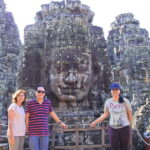
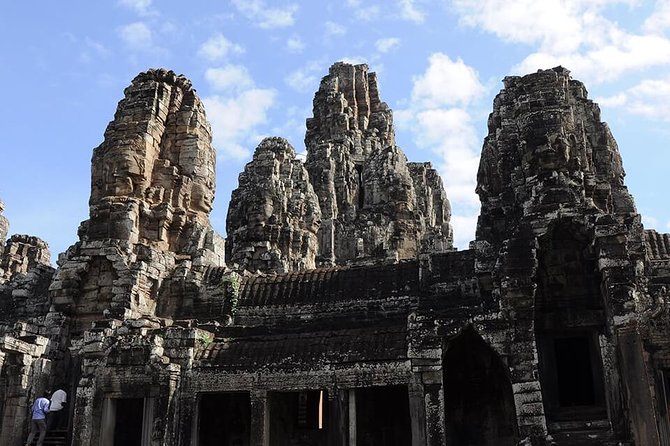
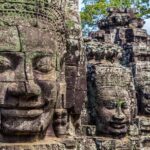
Then you reach Bayon, a temple famous for its faces and often a favorite stop. Bayon has remnants of Hindu inscriptions, plus both Mahayana and Theravada Buddhist inscriptions.
That mix matters. It’s not just pretty sculpture. It’s a clue that the region’s religious identity shifted and layered over time. A guide’s explanations can help you connect those dots instead of treating Bayon as a single-style showpiece.
You’ll spend a few hours exploring Bayon’s nooks and crannies, which is exactly how you should experience it. If you try to rush, you miss the way the temple rewards close attention.
Your private guide and transport: where the value hides
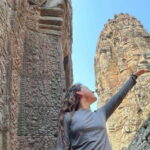
This is one of those tours where the guide is doing real work, not just reading a script. The reviews tie strong memories to the guide’s storytelling style and even how good they were at photography—one guide named Sam stood out for being a master storyteller with serious photo skills.
Even if your guide isn’t Sam, the core value stays the same: you get someone who can point out what the carvings mean, why one temple feels different from another, and what each stop contributed to the Khmer world. That matters most if you don’t want to spend every day reading pamphlets and trying to figure it out alone.
Transport also earns its keep here. Hotel pickup reduces stress, and having private transport helps you avoid the time loss that can happen when you’re trying to stitch together tuk-tuk rides between far-flung temples.
And yes, cold water is included. It sounds minor until you’re walking in the heat and your body starts bargaining for anything cold.
What to plan for: temple pass, dress code, and real-world timing
Before you go, make sure you’re set on the temple entry details. The tour includes the guide, cold water, and transport, but it does not include food or drinks. That means you’ll want cash and a plan for breaks during the day.
Also, the 3-Day Temple Pass is not included (listed at $62 per person). This is important. If you arrive without the pass, you can lose time at the entrances. If you already have a different valid pass, confirm what it covers before you book so you don’t end up with duplicate costs.
Dress code is clear: cover your shoulders and knees to enter the temples. Lightweight layers help. If you forget, you might be stuck sorting out what to wear while everyone else is already walking.
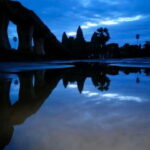
Finally, optional sunrise is part of the tour title. You’ll want to check what sunrise addition means for your exact schedule when you book. If you’re sensitive to early wake-ups, it’s worth treating sunrise as a bonus, not the whole plan.
Price check: what $98 gets you (and when it’s a smart move)
At $98 for a two-day private eight-temple tour, the big question is: what are you buying besides temple tickets? The temple pass is extra, and food is extra. So the real value is the combined package of guide, transport, cold water, and the ability to cover eight temples efficiently without DIY scrambling.
Compared to building your own route, you’re paying for saved time and fewer decision headaches. Angkor temples can be spread out, and a good day plan is half the battle. This tour gives you that plan and lets you spend time where it counts, especially with its private pacing.
One scenario where it might not be ideal: if you’re traveling with very flexible time and you already know exactly which temples you want plus how you’ll get between them, you might squeeze similar value by DIY. But if you want a clean structure with someone else handling the route, this price looks reasonable for what’s included.
Who this tour suits best
This is a strong fit if you want:
- A focused eight-temple route over two days in the Angkor area
- A private guide to make carvings, inscriptions, and temple differences easier to understand
- Less rushing and more control of your walking pace
- A mix of major sights and temples that give variety beyond the headline names
It’s also a good match for photography lovers. The tour’s combination of viewpoints (Pre Rup), jungle drama (Ta Prohm), and sculpted stone details (Banteay Srei, Bayon) gives plenty of visual moments.
Should you book this eight-temple tour with optional sunrise?
I’d book it if you want an efficient, well-rounded Angkor experience that doesn’t feel like a conveyor belt. The private setup and the storytelling guide approach help a lot, especially at temples where the details are the whole point.
Skip it or rethink it only if you know you can’t handle a steep climb at Pre Rup or you strongly dislike early starts (sunrise is optional, but it’s still part of the offer). If you’re good with walking and you want a guided plan across eight temples, this is the kind of structured trip that makes your two days in Siem Reap feel like you got your money’s worth.
FAQ
What temples are included in the eight-temple route?
The tour includes Pre Rup, Banteay Samre, Banteay Srei, Ta Prohm, Banteay Kdei, Angkor Wat, Preah Khan, and Bayon.
Is this tour private or shared?
It’s private. Only your group participates.
Does the tour include hotel pickup in Siem Reap?
Yes. Private transport includes convenient pick-up from your Siem Reap hotel.
What’s included in the price besides the guide?
Cold water and suitable transport for your group size are included.
Do I need to buy the temple pass?
Yes. The 3-Day Temple Pass is not included and is listed at $62 per person.
Is food or drinks included?
No. Food and drinks are not included.
What’s the dress code for the temples?
You must cover your shoulders and knees to enter the temples.
How long is the tour?
It’s approximately 2 days.
Is sunrise part of the tour?
The tour offers an optional sunrise. Exact timing details depend on your booking.
Can I cancel for a full refund?
Yes, you can cancel for free up to 24 hours in advance of the experience start time for a full refund.