REVIEW · SIEM REAP
3 Day Angkor Wat Kulen Mountain Beng Mealea and Floating village
Book on Viator →Operated by Asean Angkor Guide · Bookable on Viator
Early mornings, then the best kind of magic.
This 3-day, private-style Angkor experience mixes Sunrise over Angkor Wat with a floating village boat cruise at Kampong Phluk, plus Kulen National Park waterfalls and big temple variety. I like that it’s paced like a conversation with an expert guide (not just a bus drop-off), and you get time to take photos before the worst crush.
What I especially like is the way the day shapes your mood: daybreak awe, then temple detail, then nature and village life, then sunset again. With an English-speaking guide such as Mr. Sean, Sotin Kim, Raman, or Mr. Ho (names that come up with this operator), you can expect explanations that help you read the stonework fast and plan your photo angles better. My second big win is the inclusion list: breakfast, two lunches, all admission tickets, and even water and towels so you don’t spend your trip hunting for small essentials.
One consideration: you should be ready for a lot of walking and stairs over three long days. The schedule starts very early (4:40 AM pickup on day 1) and includes temple climbs and mountain sunset at Phnom Bakheng, so if you want an easy vacation, this one may feel like a workout.
In This Review
- Key takeaways before you go
- Sunrise at Angkor Wat: the payoff of starting at 4:40 AM
- Day 1: Srah Srang, Ta Prohm roots, and Angkor Thom faces
- Kulen Mountain: cliff views, reclining Buddha, 1000 Lingas, then waterfalls
- Beng Mealea: when nature takes over, you learn to look differently
- Kompong Phluk and the floating village boat ride on Tonle Sap
- Day 3: a different temple circuit plus palm cake and palm sugar
- Phnom Bakheng sunset: the climb that turns the whole trip into a memory
- Transportation, timing, and what $195 buys you here
- Who should book this 3-day Angkor + Kulen + floating village tour
- Should you book this tour?
- FAQ
- How much does the 3-day Angkor Wat, Kulen, Beng Mealea, and floating village tour cost?
- What time is pickup on the first day?
- Is this tour private?
- What meals are included?
- Are admission tickets included?
- Do you get water or towels during the tour?
- Does the tour include sunrise and sunset viewpoints?
- Can I cancel for a full refund?
Key takeaways before you go
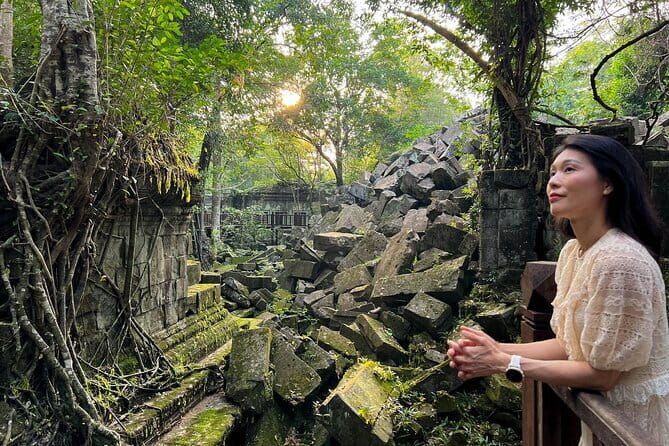
- Sunrise timing at Angkor Wat so you see the temple lighting before the day crowds build up
- A real variety day-to-day: major temples, Ta Prohm roots, Kulen waterfalls, Beng Mealea, and Tonle Sap villages
- Guides who can spot the story (and help with photography) like Raman, Mr. Sean, and others
- Meals that are built into the rhythm: breakfast plus two lunches (including a local chief-cooked lunch on day 3)
- You still climb and walk a lot: bring comfortable shoes and plan for early starts
Sunrise at Angkor Wat: the payoff of starting at 4:40 AM
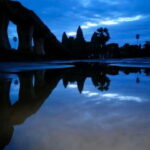
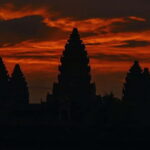
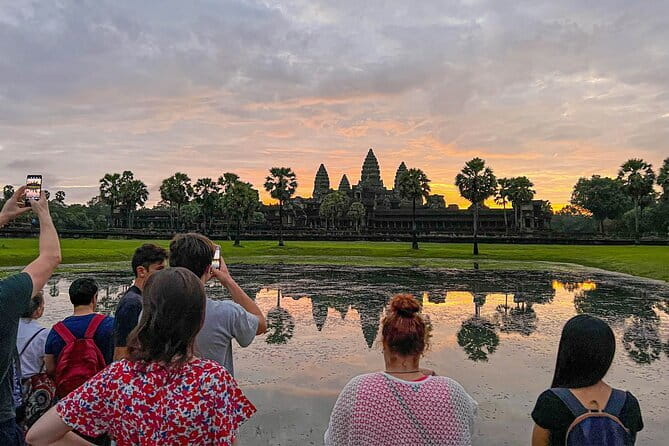
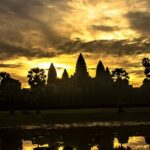
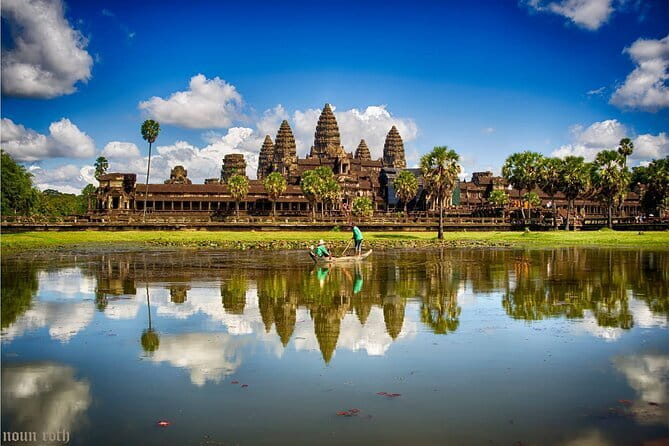
Angkor is famous, but timing changes everything. Being picked up from your hotel lobby before sunrise at 4:40 AM puts you at Angkor Wat when the light is soft and the mood is quiet. Instead of fighting people for angles, you can actually look at the architecture and work out your shots.
Also, sunrise here is not just a pretty photo moment. It helps you understand why Angkor Wat is such a spiritual magnet: the temple silhouette feels purposeful when the world is still waking up. You’ll spend about two hours exploring Angkor Wat with your guide, and the important part is that you’re doing the meaningful viewing before it turns into a steady flow of latecomers.
If you’re the type who likes your days with intention, this start is worth it. If you’re not a morning person, try to go to bed early anyway. This tour doesn’t pretend day 1 is gentle.
You can also read our reviews of more tours and experiences in Siem Reap
Day 1: Srah Srang, Ta Prohm roots, and Angkor Thom faces
After sunrise, the itinerary keeps a temple-heavy pace, but it makes sense because the sites are close enough to chain together without wasting time. Right after Angkor Wat, you move to Srah Srang for a countryside-style breakfast at a local family restaurant. That’s a nice reset: you’re leaving the largest landmark behind and getting into the everyday Angkor neighborhood food scene before more temples.
Next is Ta Prohm, the jungle temple that looks like nature never finished the job. You’ll trek through areas where huge roots and thick vegetation have been allowed to remain. If you’ve seen it in popular culture, you’ll recognize it—this temple has also been used as a backdrop for Tomb Raider. The guide’s job here is key: they can point out what you’re seeing in the surviving stone and how the structure was shaped over time.
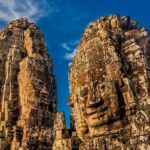
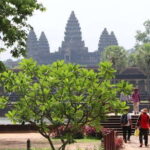
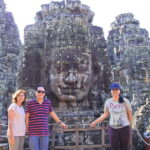
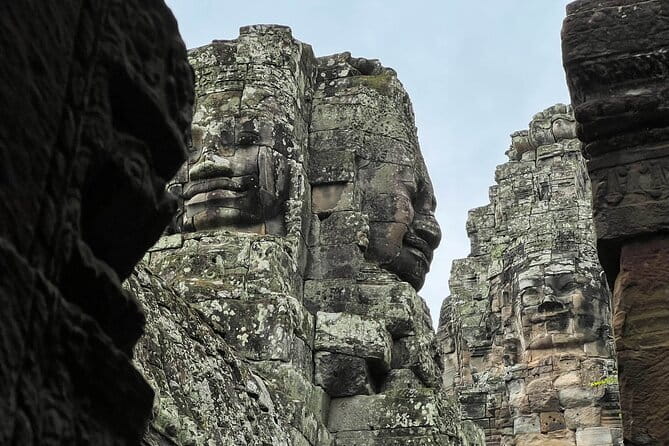
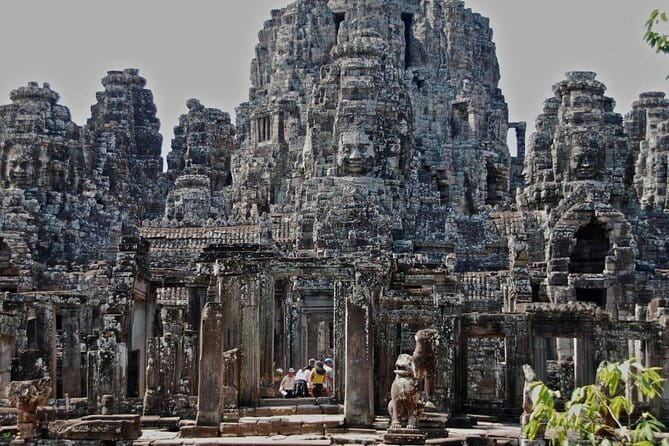
Then comes Angkor Thom, with the South Gate and the famous face towers around Bayon. Expect time for the Terrace of the Elephant and other nearby structures, plus the large-scale feel of the city layout. The faces can be overwhelming at first, but a good guide helps you see that you’re not just looking at statues—you’re reading an entire ceremonial center.
By early afternoon you’re back in Siem Reap, with drop-off possible at your hotel or the Old Market area, aiming for a return around 13:00. That’s smart because it gives you time to recover before day 2 starts again.
Kulen Mountain: cliff views, reclining Buddha, 1000 Lingas, then waterfalls
Day 2 shifts from temple stones to mountain spirituality and nature. Pickup is 8:00 AM, which feels luxurious after day 1, and the first stop is Poeng Ta Kho (often described as an amazing cliff). It’s a short visit, but the payoff is sweeping views across canyons and forested areas. Even if you only have one quick walk, it helps you reset your brain away from the carvings.
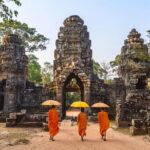
Then you climb to Preah Ang Thom, where you’ll find an 8-meter reclining Buddha carved into the mountainside. The tour frames it around long-standing pilgrim traditions—local families light incense and monks offer quiet prayers. This is one of those stops where you’ll get more from slow observation than rushing for photos.
After that, you visit 1000 Lingas, focusing on thousands of carved sacred fertility symbols in the actual riverbed. You’ll have time to view them, and the guide can explain how the flowing water functions as part of the sacred ritual setting. The practical point for you: wear shoes you trust on wet surfaces, because you’ll be moving around where water matters.
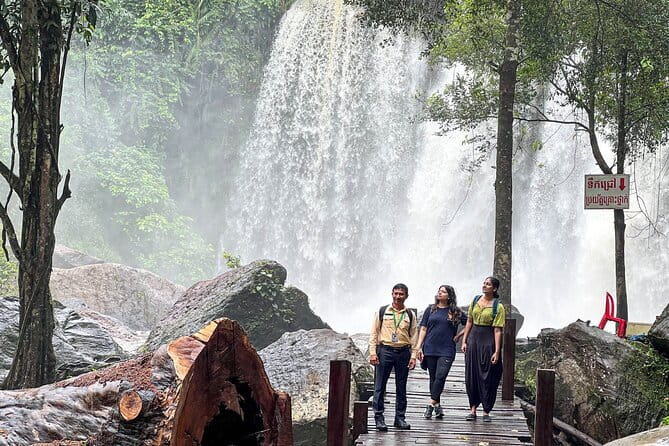
Finally, Phnom Kulen Waterfall is the big nature moment. You’ll spend about two hours around crystal-clear pools and limestone-filtered mountain water. The tour notes a swim option, with cold water that can wake you up fast. I’d treat this like a real swimming break: bring a plan for wet-to-dry changes and don’t assume you’ll have time later to fully recover.
After nature, the day stays active with more temples and a big travel shift toward the lake.
Beng Mealea: when nature takes over, you learn to look differently
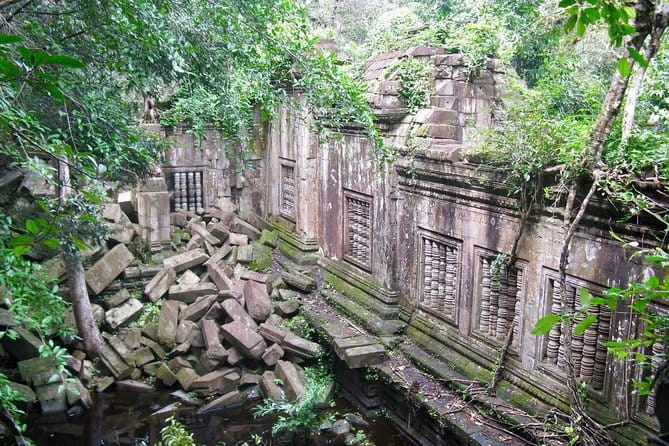
Next comes Prasat Beng Mealea, built in the 12th century and known for being heavily reclaimed by trees and roots. The effect is wild: you get a different emotional take on Angkor. Instead of a carefully restored monument, you see something closer to a conversation between human design and the jungle reclaiming space.
You’ll have about an hour here. That time matters because Beng Mealea is harder to read than the famous face towers. A guide helps you spot sightlines and understand how the ruins connect, instead of walking in circles. The best approach is to keep moving slowly: look up, look sideways, then back down, letting your brain adjust to the less-formal layout.
If you love off-the-beaten-path ruins (even though Beng Mealea is still known), this stop adds variety without feeling random. It also balances the later lake village experience by getting you outdoors again.
Kompong Phluk and the floating village boat ride on Tonle Sap
The day ends with Kompong Phluk, one of Cambodia’s floating villages on Tonle Sap Lake. You’ll visit and also take a boat cruise through the stilt-house world, where families live on the water with mangrove forests around them.
This is a section where you’ll notice the tour’s cultural angle. The time isn’t only for scenery; it’s also about seeing how a life built on water works day-to-day. You’ll visit a Buddhist structure and spend about 1.5 hours in the village area.
Practical tips matter here. The lake experience can mean sun glare and occasional spray depending on conditions. Bring sunglasses and consider light layers. Your tour includes water and towels, but you’ll still want to be ready for sun and a bit of movement on boats.
This stop is also a strong contrast to the temple days. In one day you go from sacred stone and carved river symbols to daily life on stilts. That contrast is what makes the itinerary feel full instead of repetitive.
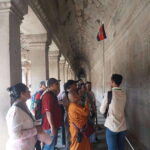
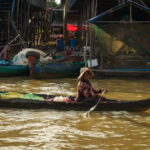

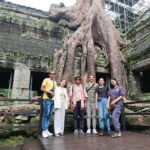
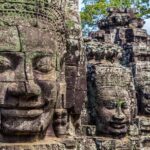
Day 3: a different temple circuit plus palm cake and palm sugar
Day 3 starts at 8:00 AM, and the temple circuit is more focused on variety than on repeating the biggest names from day 1. The first stop is Banteay Kdei for about 45 minutes. It’s a good warm-up temple: enough time to see the feel of the carvings and structure without exhausting you immediately.
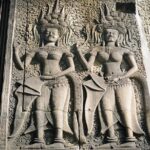
Then you go to Pre Rup (about an hour). Expect a classic Angkor experience here—more time for viewpoints and reading the site layout. After that, Banteay Srei takes center stage. It’s scheduled for about an hour, and it’s one of the places where the stone details can be striking, especially with a guide pointing out what you’re actually looking at.
Next is East Mebon (40 minutes) and Ta Som (30 minutes). These are shorter stops by design. They prevent the day from dragging and keep you moving through a range of temple styles and settings.
Then comes lunch and a countryside community moment. You’ll eat at a local restaurant cooked by a local chief, which is a memorable change from the usual packaged meal rhythm. After lunch, you visit Phum Preah Dak, described as a more authentic village community, where you can learn how locals make palm cake and palm sugar. Even if you’re not buying anything, this stop gives you a tangible connection to everyday skills, not just monumental sightseeing.
After that, you continue with Neak Pean (about 40 minutes) and Preah Khan (about an hour). These are the kinds of sites that reward a guide’s explanation, because you’ll learn how they fit into the broader Angkor system rather than treating each temple as a separate postcard.
Phnom Bakheng sunset: the climb that turns the whole trip into a memory
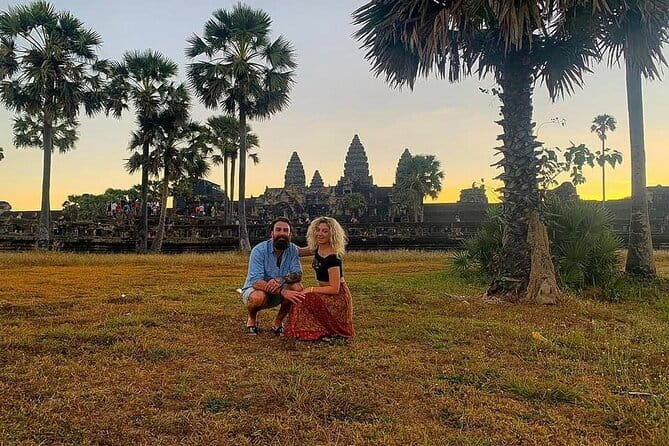
Your day ends at Phnom Bakheng for sunset. The tour schedules about 1.5 hours here, including the climb. This is the second major lighting moment of the experience, and it’s where the earlier efforts make sense. You’ve been walking through carved stone and river symbolism all trip; seeing the park from above ties it into a wider feeling of place.
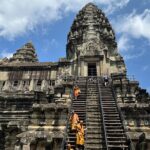
The practical side: the climb to the viewpoints means you should go at a steady pace, especially if the ground is uneven or hot. Wear shoes with traction and avoid rushing. You’ll want your legs to save energy for the return transfer to your hotel afterward.
It’s a satisfying ending. The sunset viewpoint doesn’t erase the earlier sunrise; it reframes the trip, giving you a top-down sense of how vast Angkor Park feels.
Transportation, timing, and what $195 buys you here
The price is $195 per person for three days in Siem Reap. For that, you’re not only paying for entry tickets or a guide’s commentary. You also get transportation with an experienced driver, a professional English-speaking tour guide, and included admissions for all the sights.
You also get small stuff that matters in the real world: a cool bottle of water and towels during the tour, plus breakfast on day 1 and two lunches across the three days. If you’ve traveled in places where you constantly pay extra for the basics, this inclusion list helps you keep your budget under control.
It’s also a private-style setup. Your group is the only group on the tour, which usually means less time waiting around for other people’s pace. That matters on temple days where timing is everything—especially for sunrise and sunset moments.
One more detail: the tour includes mobile ticket. That’s helpful because it reduces last-minute confusion at ticket gates, and you keep the day running smoothly.
Who should book this 3-day Angkor + Kulen + floating village tour
This is a good fit if you want more than the typical Angkor hits. You’ll get sunrise and sunset, yes, but you’ll also spend real time away from the main temple core at Kulen and in the floating village at Kampong Phluk. If you like variety—temples plus nature plus daily life—this itinerary makes a lot of sense.
It’s also a strong match for people who like photography. The included guide expertise tends to focus on how to see and how to shoot, and there’s specific mention of a guide like Raman being talented at photographing guests.
You might think twice if:
- you hate early mornings (day 1 starts at 4:40 AM),
- you want minimal walking,
- you don’t like climbs (Phnom Bakheng sunset includes climbing).
Should you book this tour?
I think you should book it if you want an Angkor trip with shape: start with sunrise, build through a structured temple day, trade stone for water at Kulen, go beyond the main sites with Beng Mealea and Kampong Phluk, then finish with another big view from Phnom Bakheng. The value is strongest because you get most costs covered—tickets, meals, guide, and transport—so you spend less time managing logistics and more time enjoying the places.
If you’re on the fence, decide based on your tolerance for stairs and early starts. If you can handle that, this is an efficient way to see a lot while still keeping the trip human and guided.
FAQ
How much does the 3-day Angkor Wat, Kulen, Beng Mealea, and floating village tour cost?
It costs $195.00 per person.
What time is pickup on the first day?
You’re picked up from your hotel lobby before sunrise at 4:40 AM.
Is this tour private?
Yes. It’s listed as a private tour/activity, and only your group participates.
What meals are included?
Breakfast is included, and lunch is included twice during the tour.
Are admission tickets included?
Yes. Admission tickets for all attractions are included.
Do you get water or towels during the tour?
Yes. The tour includes a cool bottle of water and towels during the day.
Does the tour include sunrise and sunset viewpoints?
Yes. You’ll watch sunrise at Angkor Wat and you’ll climb Phnom Bakheng for sunset.
Can I cancel for a full refund?
Yes. Free cancellation is available up to 24 hours in advance for a full refund.