REVIEW · SIEM REAP
Angkor Wat Bike Tour with Lunch Included
Book on GetYourGuide →Operated by The Guide Cambodia Travel · Bookable on GetYourGuide
Pedaling through Angkor feels like time travel. This Angkor Wat bike tour is built for a full day that still moves at a human pace, with hotel pickup and a tight plan of major temples in about 7 hours.
I especially like how it gets you past the temple-distance problem; the bike makes the whole circuit feel doable.
What I like second is the mix of big-name wow and quieter ruins. You’ll take in Ta Prohm with its famous root trees, then roll on to a less-frequented jungle-temple stop along the way, so the day doesn’t blur into one crowded photo line.
One thing to consider: the temple pass is not included, so you’ll want that sorted ahead of time. Also, you’ll be cycling on a mix of hard-packed dirt and some paved sections, so this is best for people who are comfortable on rougher ground.
In This Review
- Key highlights I’d put at the top
- Angkor Wat by bike: the 7-hour plan that actually works
- Your morning start: hotel pickup, helmets, and bike setup
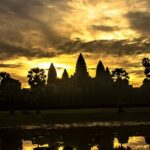
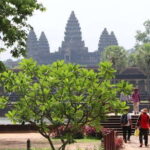
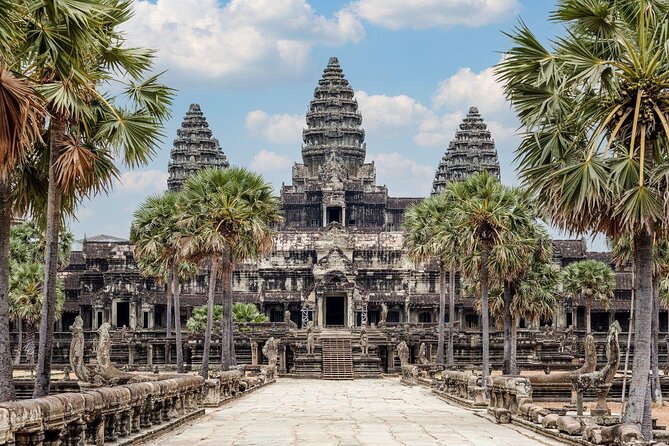
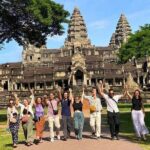
- Angkor Wat at the start: the Khmer masterpiece up close
- Ta Prohm’s roots and the Tomb Raider film link
- Lunch at a local restaurant: fuel, not just a break
- Ta Nei Temple: the jungle ruin stop many people miss
- Angkor Thom, the Bayon, and the Terrace of Elephants
- The ride itself: pace, comfort, and what to wear
- Why the guide can make or break your day
- Price and value: what $55 buys you (and what it doesn’t)
- Who this Angkor bike tour is best for
- Should you book this Angkor Wat Bike Tour with Lunch Included?
- FAQ
- How long is the Angkor Wat bike tour with lunch included?
- What time does the pickup happen?
- What temples are included on the route?
- Is lunch included?
- What’s included with the price?
- What is not included?
- How big is the group?
- Is free cancellation available?
Key highlights I’d put at the top
- Small group (max 8): easier conversations and more flexibility when you pause for photos.
- Giant mountain bikes with disc brakes and suspension: a real confidence boost on uneven paths.
- Ta Prohm roots plus Bayon faces: two classic Angkor images, viewed from angles you can control.
- Ta Nei temple stop: a quieter ruined temple moment that most people miss.
- Lunch and fruit included: you’re not stuck searching for food halfway through.
Angkor Wat by bike: the 7-hour plan that actually works
Angkor is huge, and on foot you can burn hours just moving between sites. This tour’s strength is the timing: a 8:30 pickup gets you started early, and you’re finished by around 3:00, with fresh fruit served on the way back.
The route is also smart in terms of variety. You’re not only hitting monuments everyone talks about; you’re seeing the wide Angkor story too, including Angkor Thom and key Buddhist sites connected to the reign of King Jayavarman VII.
You get a practical rhythm: temple time, cycling time, then a proper lunch break—followed by more temples while the day is still moving. That matters because temple fatigue is real, and a bike day helps keep your energy up instead of dragging yourself along hot stone.
You can also read our reviews of more cycling tours in Siem Reap
Your morning start: hotel pickup, helmets, and bike setup
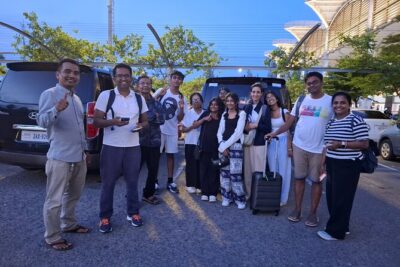
You’ll be collected from your hotel lobby at 8:30 am by tuk-tuk or car, and the ride continues from there to the main temple area. Once you’re geared up, you’ll get a helmet, a bottle of water, and your bike.
The bikes are described as modern Giant mountain bikes with large gear sets, disc brakes, and front suspension. Translation: you can tackle stop-and-go cycling without feeling like you’re wrestling the bike, and the suspension helps on the rougher ground you’ll encounter.
Bike condition and path type are a big part of your comfort level at Angkor. One clear detail from past experiences: the roads are mostly hard-packed dirt with some paved sections and minimal traffic. That’s usually manageable for most fit travelers, but it’s still not the same as cruising a city bike lane.
Angkor Wat at the start: the Khmer masterpiece up close

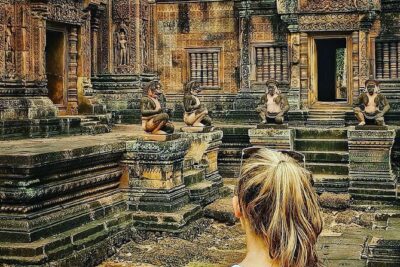
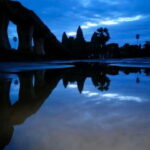
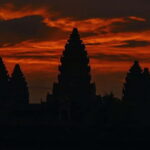
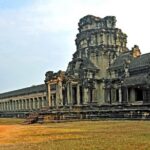
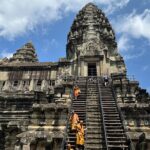
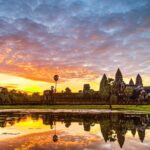
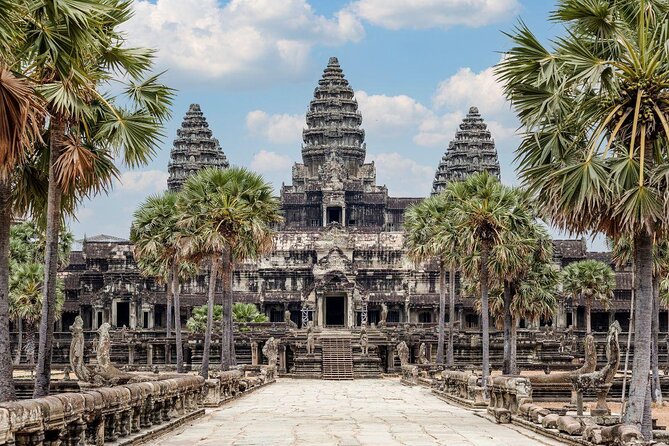
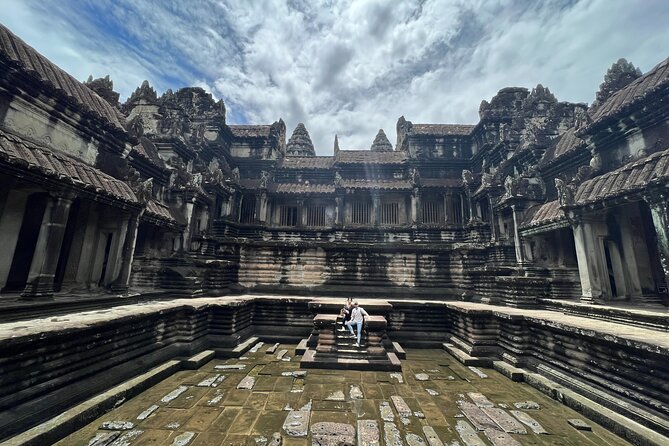
The tour starts at Angkor Wat, treated as the Khmer world’s masterpiece. Even if you’ve seen pictures, there’s something different when you’re standing there with your day’s pacing controlled—time to notice stone details without rushing between buses and crowds.
This is also where having a guide helps you get past the postcard view. The focus is Khmer art and its peak in the 12th century, and the guide’s job is to connect what you’re seeing to why it was built the way it was.
One practical note: because the temple pass isn’t included, you’ll need to plan for it separately. If you arrive without it, you’ll lose precious time at the start when your legs are fresh.
Ta Prohm’s roots and the Tomb Raider film link
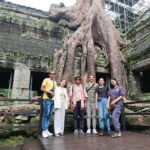
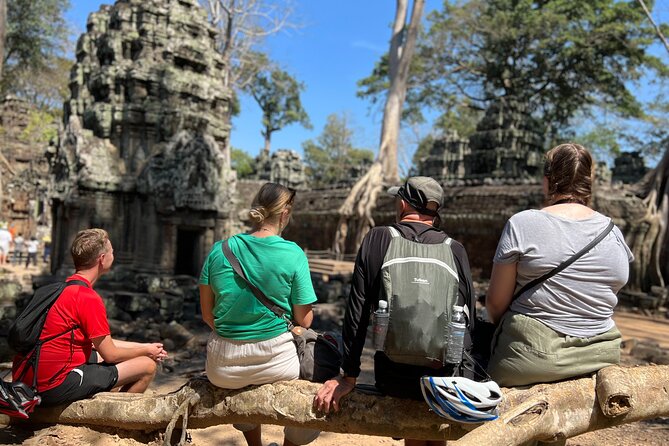
Around 10:00 am, you shift from standing still to moving. You cycle to Ta Prohm, described as left as discovered, which is a key detail: you see the famous entanglement of root trees with ancient stone rather than a fully restored, cleaned-up version.
The guide connection to pop culture is useful here. The film reference is well known—Angkor’s Ta Prohm was used as a filming callout for Tomb Raider with Angelina Jolie—so it gives you a quick way to orient what you’re looking at before you start noticing the finer stonework.
Why bike matters at Ta Prohm: it’s not just the temple; it’s also the way you reach it. You avoid some of the “everyone funnels in at once” feeling, and you can time your stops so you’re not always surrounded by the same cluster.
Lunch at a local restaurant: fuel, not just a break
At about 11:30 am, it’s time for lunch. This is included, and it’s the kind of stop that keeps the day from turning into a scavenger hunt for food.
What stands out from past experience is that the lunch stop is clean and the food is actually good, with solid entrees rather than a rushed filler meal. You also get more than water at this stage: the day later includes fresh fruit, so your body doesn’t crash after the afternoon temples.
If you’re picky about pacing, lunch is the built-in reset. You’ll have time to wash down the morning heat, then head back out when your legs are ready again.
You can also read our reviews of more tours and experiences in Siem Reap
Ta Nei Temple: the jungle ruin stop many people miss
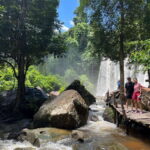
After lunch, you continue cycling and head toward Ta Nei Temple, described as a ruined temple in the jungle that many visitors can’t see on their own. That’s a major value-add for a bike tour: you’re not only following the easiest, most crowded route.
What you should expect here is atmosphere. Jungle-temple viewing changes the feel of Angkor. The light hits differently through trees, stone textures look older, and you’re likely to spend more time looking and less time waiting.
This stop is also why cycling feels better than a simple minivan loop. It’s harder to reach these more out-of-the-way angles by hopping in and out quickly, and the bike gives the day room for moments that don’t fit on a rushed schedule.
Angkor Thom, the Bayon, and the Terrace of Elephants
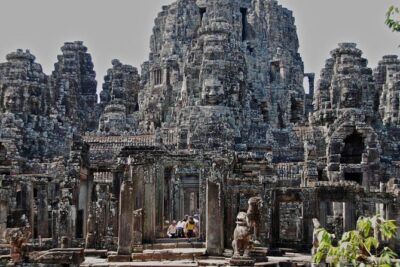
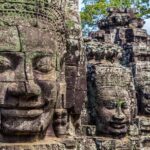
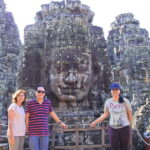
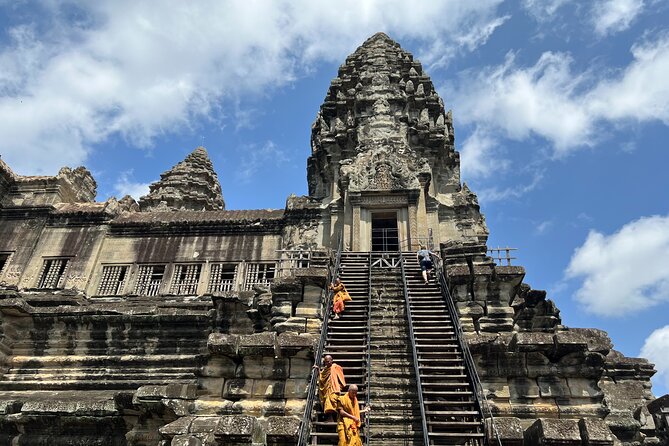
Around 2:00 pm, the route moves into Angkor Thom, including the east gate and then Bayon Temple. Bayon is where you see the magnificent smiling stone heads, linked to Avalokiteshvara and connected to the Mahayana Buddhist king Jayavarman VII.
From a viewing standpoint, this is a great afternoon choice. The light often feels more even as the day moves on, and you’re not at the very start of temple fatigue. The guide can also steer you to the story behind the faces so it doesn’t become just a “count the heads” exercise.
After Bayon, the tour includes a visit to the Terrace of Elephants, described as the main terrace where the King would observe training of elephants. Even if you’re not an elephant-trivia person, this is the kind of detail that makes Angkor feel like a lived-in city instead of a museum of stone.
You end the tour around 3:00 pm, and you’ll be served locally grown fruit before heading back to your accommodation by tuk-tuk.
The ride itself: pace, comfort, and what to wear
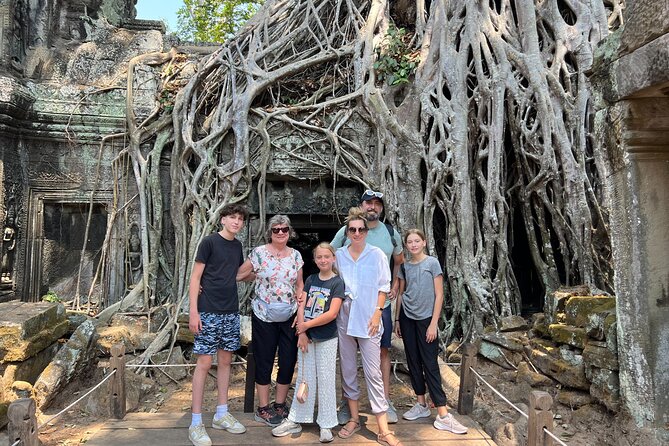
This is a cycling day, but it’s not a race. The schedule is built around temple viewing, and the support vehicle is part of the plan—so you’re not on your own if you need a breather.
Still, you should plan like it’s a real bike ride. The paths are described as hard-packed dirt, with some paved stretches and minimal traffic. That usually means: keep your balance on uneven sections, expect dust in dry weather, and wear shoes that grip.
For clothing, think practical: light layers for Cambodia heat, something that covers enough for temple visits, and a hat or cap. You’ll also want sunscreen, because temple stone reflects sun and you’ll be out for long stretches.
Why the guide can make or break your day
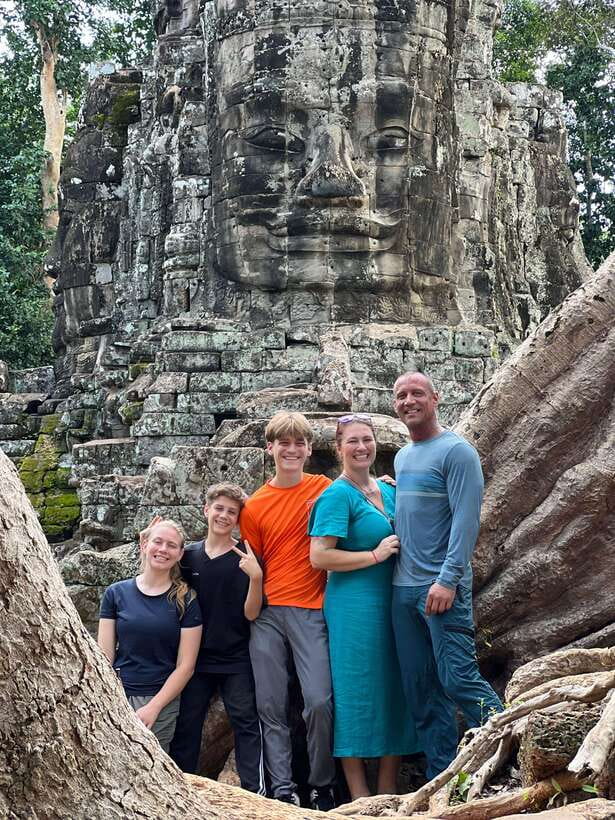
The guide is a standout part of this experience, and you’ll feel it most when the walking stops.
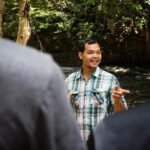
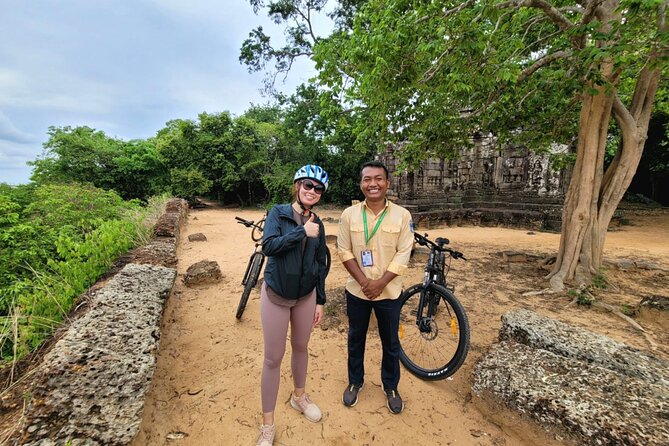
In the feedback you’re given a clear pattern: guides like Pok are praised for answering questions, sharing history in a way that stays understandable, and helping with photos. One note that stuck: Pok is described as having serious skill with photos and is happy to share them afterward.
Another guide name that appears is Meam, noted for being knowledgeable and adding interesting temple background with humor. That matters because Angkor’s scale can feel overwhelming; a good guide helps you decide what to look at first.
So if you care about learning while you travel, this tour has the right setup. The guide isn’t only leading you from A to B. They’re helping you connect the buildings to the people who built and used them.
Price and value: what $55 buys you (and what it doesn’t)
At $55 per person for about 7 hours, you’re paying for a whole day package, not just a “ride to temples.” What’s included is a lot: an English-speaking tour guide, modern bikes with key safety features, a helmet, water, lunch, fresh fruit, support transportation, and hotel pickup/drop-off by tuk-tuk or car.
That inclusion list is what makes the price feel reasonable, especially if you’d otherwise pay separately for transportation, bike rental, a driver, and a guide. The one big missing piece is the temple pass, which you’ll need to arrange on your own.
If you’re doing Angkor in a short time window in Siem Reap, this is the practical kind of value. You get a structured overview without spending your day in traffic and waiting.
Who this Angkor bike tour is best for
This tour fits best if you want:
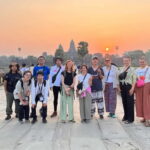
- A small group experience that stays friendly (limited to 8 participants).
- A day that combines famous temples with at least one quieter stop.
- A way to cover Angkor distances without turning the trip into a foot marathon.
It also makes sense if you’re short on time. One consistent theme is that the tour gives you the overview you need, with enough guidance that you don’t feel like you just pointed your camera at stone.
You might reconsider if you’re not comfortable cycling on dirt paths, or if you prefer a slower, purely walking pace. Also, because the temple pass isn’t included, plan that step early so the start doesn’t get awkward.
Should you book this Angkor Wat Bike Tour with Lunch Included?
If you want a well-paced day that’s built around cycling, this is an easy yes. The combination of mountain-bike comfort, included meals, and a route that reaches both headline sites like Ta Prohm and Bayon and a more secluded temple stop makes the experience feel worth it.
Book it if you like being active but still want a structured plan, and if you’ll appreciate a guide who can explain what you’re seeing while also helping you get great photos. Just remember the temple pass is on you, and dress for a mix of sun and dirt.
FAQ
How long is the Angkor Wat bike tour with lunch included?
The tour lasts about 7 hours.
What time does the pickup happen?
Pickup is scheduled for 8:30 am from your hotel lobby.
What temples are included on the route?
The plan includes Angkor Wat, Ta Prohm, Ta Nei Temple, Angkor Thom (including the east gate), Bayon Temple, and Ta Keo Temple is listed among the highlights.
Is lunch included?
Yes. Lunch is included at a local restaurant, and you’ll also get fresh fruit later in the afternoon.
What’s included with the price?
Included are a professional English-speaking guide, modern mountain bikes (with disc brakes and front suspension), helmet, bottle water, fresh fruits, lunch, support transportation, and hotel pickup and drop-off by tuk-tuk or car.
What is not included?
The temple pass and personal expenses are not included.
How big is the group?
The group is limited to 8 participants.
Is free cancellation available?
Yes. You can cancel up to 24 hours in advance for a full refund.