REVIEW · SIEM REAP
Angkor Wat: Full-Day Guided Sunset Tour
Book on GetYourGuide →Operated by Angkor Wat Travel Tour · Bookable on GetYourGuide
A day at Angkor hits different at sunset. This full-day tour layers the big-ticket temples with Phnom Bakheng views, plus a local guide who connects the dots between Khmer temple design and Cambodian belief. I like that you get a structured route without spending the day figuring out routes, rides, and timing on your own.
Two standouts for me are the guided time at Angkor Wat and the way the day builds toward sunset at Phnom Bakheng. People also rave about guides such as David, Rith, Mare, Rey, Chong, and Indiana Jones (Chanthy) for keeping the pace easy while sharing stories (and yes, plenty of laughs) along the way.
One consideration: entry tickets and meals are not included. So you’ll want to budget for temple entry fees and plan for lunch during the day.
In This Review
- Key Things That Make This Tour Worth Your Time
- The Real Hook: Angkor Wat by day, Phnom Bakheng at sunset
- Pickup, Ride Time, and How the Day Stays Comfortable
- Angkor Wat: Two Hours to See the Sacred Geometry
- Banteay Kdei: Jayavarman VII, a Monastic Layout, and Less-Perfume Crowds
- Ta Prohm and the Fig Trees: When the Jungle Feels Part of the Design
- Lunch Stop: A Break That Helps You Enjoy the Afternoon Temples
- Bayon Temple: Hundreds of Stone Faces and the Buddhist Shift
- Phnom Bakheng Sunset: The Steps, the Timing, and Why You’ll Sweat a Bit
- Value for $16: What’s Included, What’s Extra, and How to Budget Smartly
- Guides Make the Difference: Why David, Rith, Mare, and Rey Get Named
- Who This Tour Fits Best (and Who Should Reconsider)
- Should You Book This Angkor Wat Sunset Tour?
- FAQ
- What time does hotel pickup happen?
- How long is the tour?
- Does the tour include hotel pickup and drop-off?
- Which temples are visited?
- Are temple entry tickets included in the price?
- What should I bring?
Key Things That Make This Tour Worth Your Time
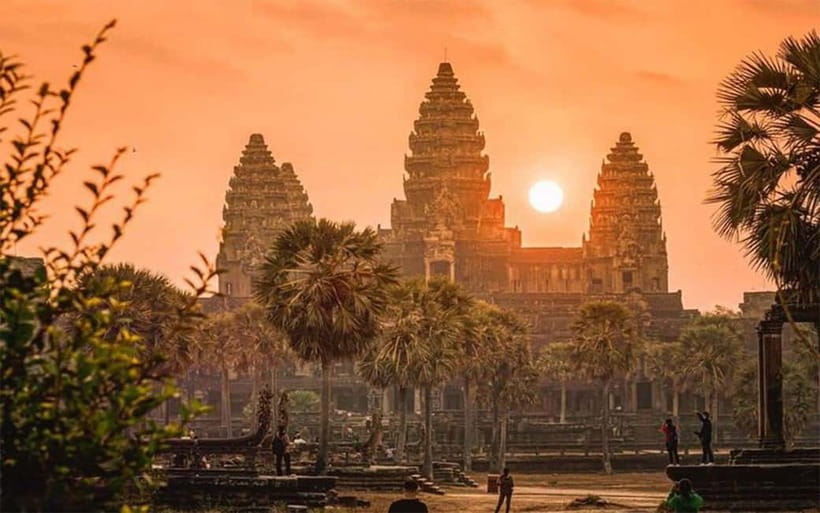
- Sunset viewing from Phnom Bakheng: a temple-mountain moment with photo stops built in
- A focused temple route: Angkor Wat, Banteay Kdei, Ta Prohm, Bayon, and Phnom Bakheng in one day
- Local guide storytelling: Khmer history and religious symbolism tied directly to what you’re seeing
- Practical comfort: cold water and a cold towel at stops, plus hotel pickup and drop-off
- Time for your own photos: short breaks so you’re not always stuck only looking through someone else’s lens
The Real Hook: Angkor Wat by day, Phnom Bakheng at sunset
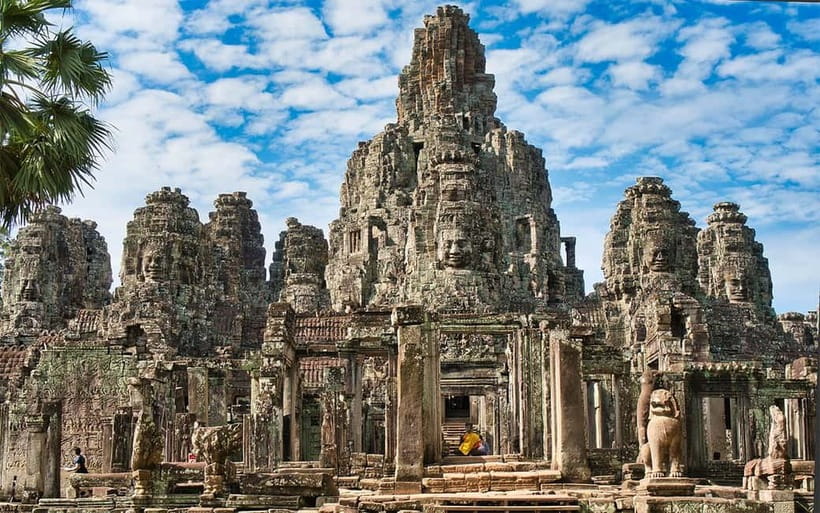
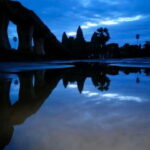
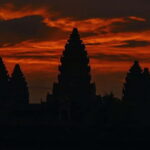
Angkor is impressive any time. But there’s a reason this kind of day-tour format works so well: you experience the temples in two moods. First, you get the crisp, detailed feel of Angkor Wat while the light is higher and the carvings read more clearly. Then the day ends with a view from Phnom Bakheng when the sky shifts and the temple silhouette does its best work.
This tour is also built for sanity. You get hotel pickup and drop-off, and you’re not left hunting for tuk-tuks between sites. The schedule is tight enough to hit the major landmarks, but the stops are long enough that you can actually look around, not just pose and move on.
You can also read our reviews of more guided tours in Siem Reap
Pickup, Ride Time, and How the Day Stays Comfortable
You’re picked up from Krong Siem Reap between 8:30 AM and 9:00 AM. The itinerary lists a roughly 40-minute coach ride at the start and again on the return. In the heat, that matters. It means you’re not spending all day crammed into short transfers and waiting around every time you change vehicles.
You also get little comfort boosts along the way: cold water and a cold towel during the tour. Multiple guide-and-driver pairings get praised for having water ready at each stop, plus wet face towels that help when humidity ramps up. That sounds basic, but it’s what keeps the day from turning into a dehydration contest.
Angkor Wat: Two Hours to See the Sacred Geometry
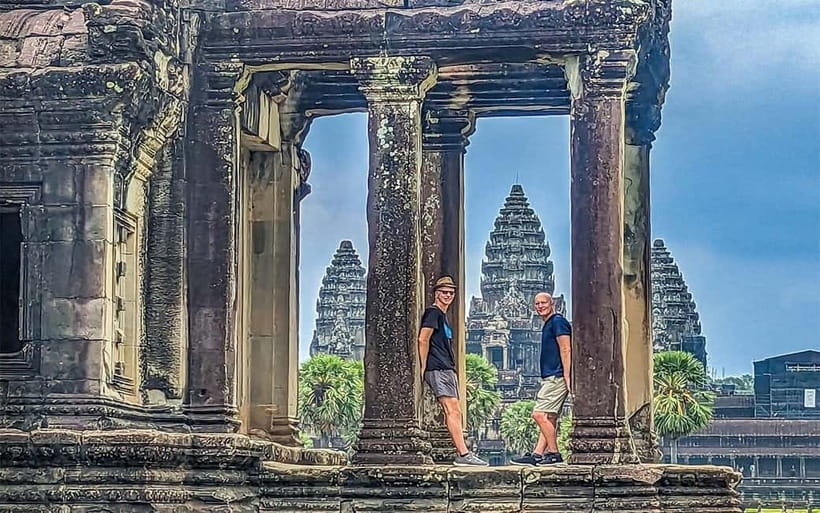
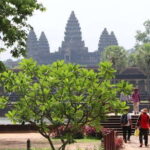
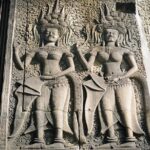
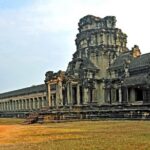
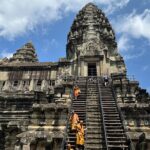
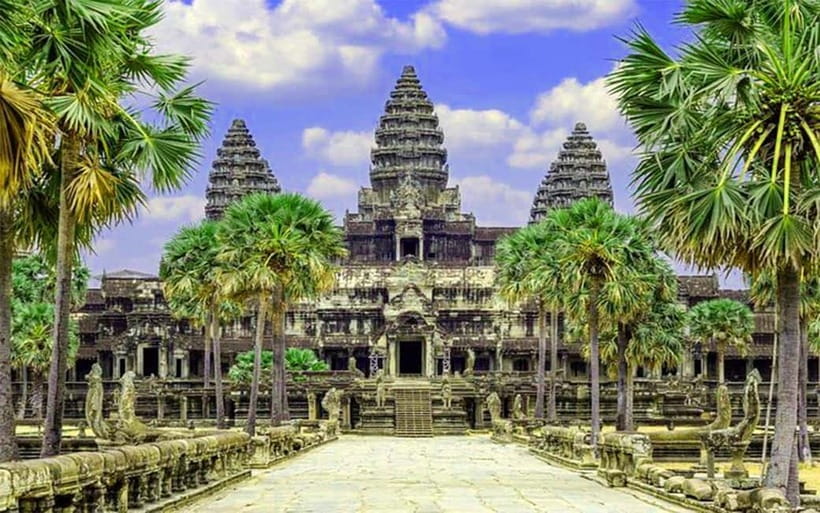
Angkor Wat is the anchor of the day for a reason. The tour gives you about 2 hours, including time for photos, guided explanations, and sightseeing. You’ll be working with Khmer symbolism in a very physical way: temple design here isn’t random. It’s a map of belief laid out in stone.
You also get key context: Angkor Wat was built in the early 12th century by King Suryavarman II, and the temple is dedicated to Vishnu. Even if you’re not the type to memorize dates, that detail changes how you look at the site. The guide’s job is to translate the temple’s structure into plain language, so you’re not just walking through a photo spot.
What I like about the way this stop is handled is the mix of guided and unguided moments. Many people mention the guide taking them to strong photo angles, then giving time to explore at your own speed. It helps you avoid the “too many people, too little seeing” trap that can happen at the most famous Angkor temples.
Practical tip: wear shoes you can stand in for a while. Even on a structured route, Angkor Wat involves lots of walking surfaces that can feel tiring by hour two.
Banteay Kdei: Jayavarman VII, a Monastic Layout, and Less-Perfume Crowds
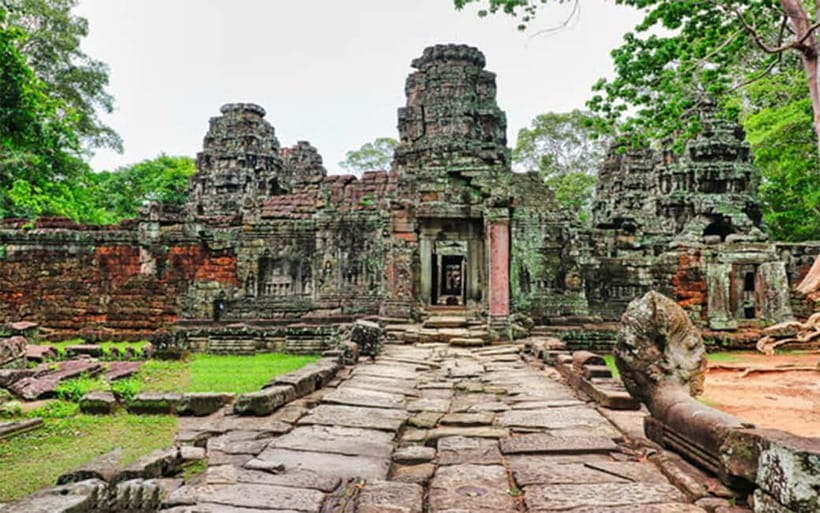
After Angkor Wat, you move to Banteay Kdei, with about 45 minutes on the schedule. This is a temple that works well as a palate cleanser. It’s still major Khmer architecture, but it doesn’t carry the same “everybody must stop here” intensity as the top three.
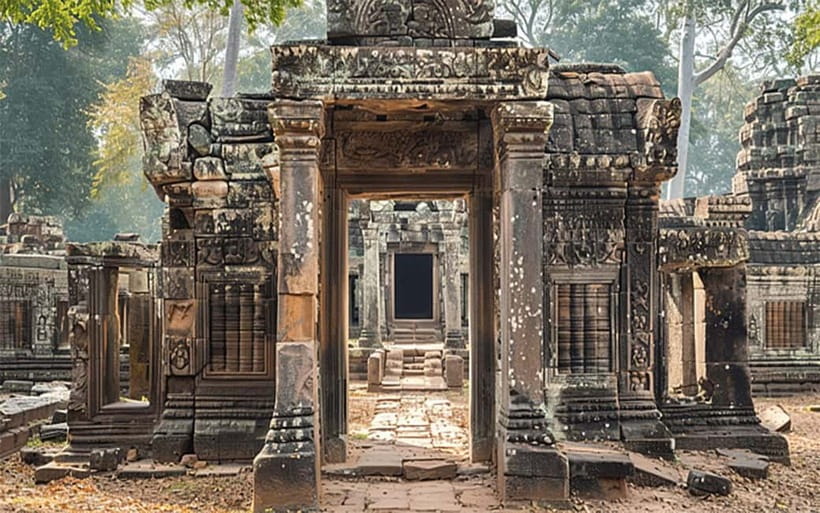
You’ll learn that Banteay Kdei was built by King Jayavarman VII in the late 12th century. The tour highlights that it’s largely unrenovated, and that it served as a monastic complex. You’ll also hear how its architectural style connects to Ta Prohm.
Why this stop is valuable: by this point, your brain has Angkor Wat patterns in memory. Banteay Kdei lets you compare. You start noticing how Khmer temple layouts can look similar but function differently. It turns the day from a checklist into a story about how the Angkor civilization organized sacred space.
Ta Prohm and the Fig Trees: When the Jungle Feels Part of the Design
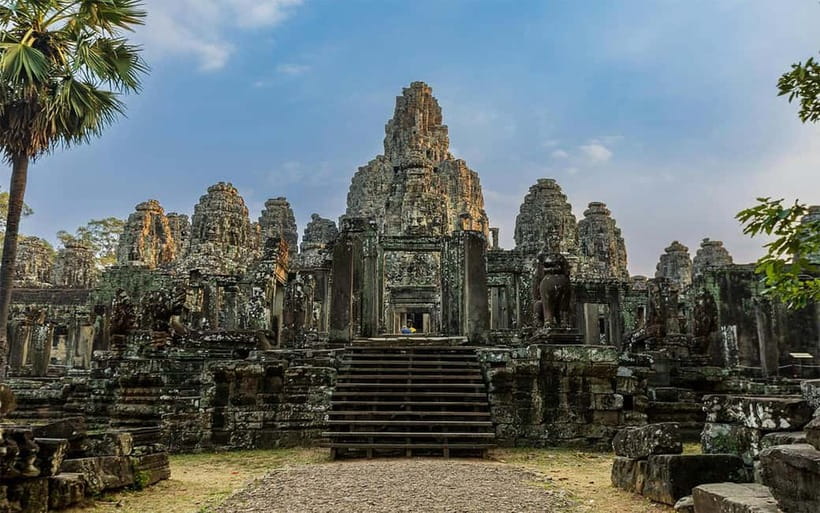
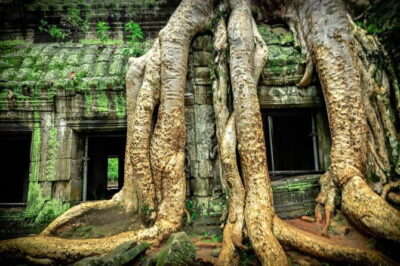
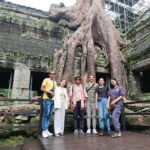
Then comes the stop most people instantly recognize from photos: Ta Prohm Temple. You get about 1.5 hours, including photo time, a guided walk, and time to see the main features without rushing.
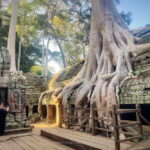
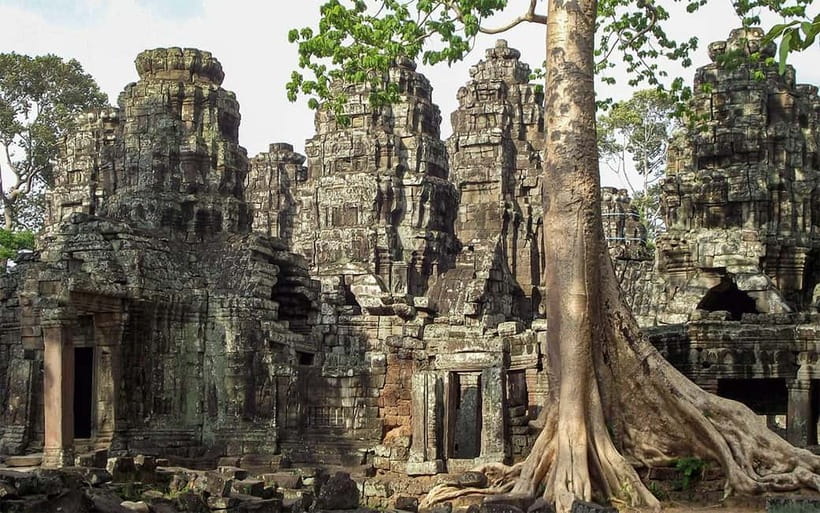
Ta Prohm is famous for the gigantic fig trees that wrap around and over the temple ruins. The tour emphasizes how the temple is remarkably preserved in its original state, and how the intertwining roots create that iconic “jungle holding the stone” look.
This is where the guide’s storytelling helps most. If you only see it as a cool photo, you’ll miss the deeper idea: this is what happens when human construction and nature reclaim each other over time. The guide helps you connect the aesthetic with what the site represents in the larger Angkor world.
Practical tip: bring your camera ready, but also expect that sunlight, shade, and tree branches can make framing tricky. A good guide helps you find spots where the roots and stonework line up.
You can also read our reviews of more evening experiences in Siem Reap

Lunch Stop: A Break That Helps You Enjoy the Afternoon Temples
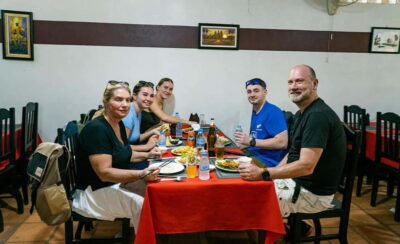
Midday is built around a break time for coffee, lunch, and local snacks (the schedule lists about 45 minutes for this window). This is one of the most important “hidden” parts of the day, because the afternoon involves more walking and stair climbs.
One detail to keep straight: the activity description says meals are not included. Still, the itinerary clearly includes a lunch stop at a local restaurant. So you’ll likely be able to eat there, but it may be paid separately depending on how the tour is priced and what you choose.
My advice: plan to bring some cash/card for lunch and keep it flexible. If you’re arriving with a big appetite and you’re hungry later on, you’ll have less patience for temples. This stop is your momentum reset.
Bayon Temple: Hundreds of Stone Faces and the Buddhist Shift
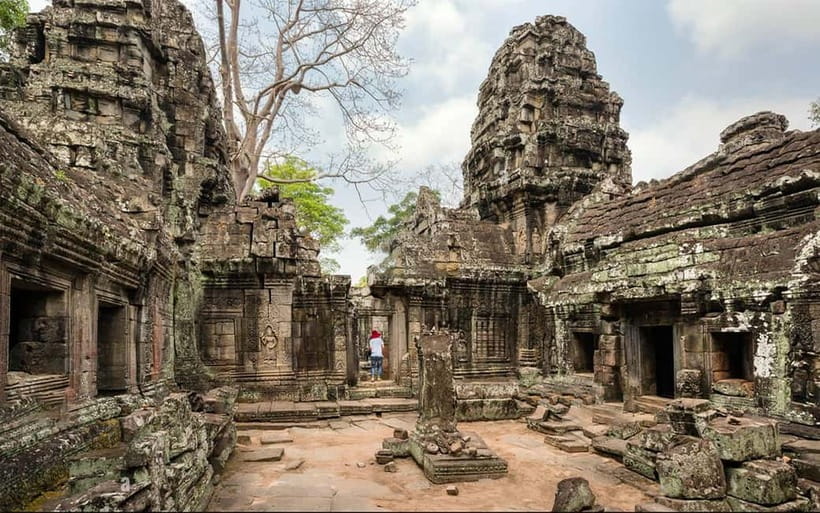
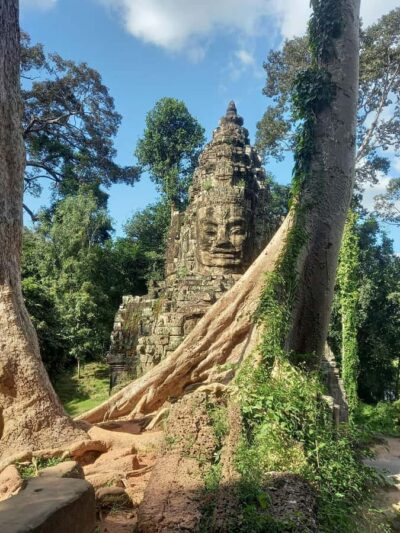
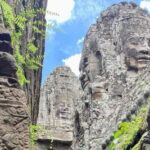
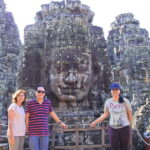
Next up is Bayon Temple, about 1 hour. Bayon is known for hundreds of stone faces, and the tour points out its Buddhist architecture.
What you’ll likely feel here is a shift in tone compared to the earlier sites. The guide’s job is to help you see why the imagery looks the way it does, and how Bayon fits into the broader evolution of religious meaning at Angkor.
Why this stop matters on a sunset tour: by the time you reach Bayon, you’ve already spent time with Vishnu context at Angkor Wat and Khmer king timelines earlier in the day. Bayon gives you another lens, so your whole route feels connected instead of random. It’s also a great “slow down and look” place, since the faces reward careful looking.
Phnom Bakheng Sunset: The Steps, the Timing, and Why You’ll Sweat a Bit
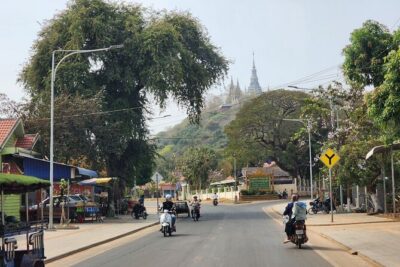
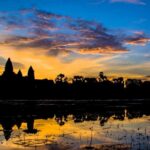
The day ends at Phnom Bakheng, with about 1 hour that includes a photo stop, guided time, and the sunset experience. This is the temple mountain of the first Khmer capital, and it’s the payoff moment.
The viewing here is the reason many people book this exact format. You’re not waiting around all day for one tiny look. You get a guided approach up to the key areas, then you’re set for sunset.
But be realistic. Sunset at Phnom Bakheng involves steps and a bit of uphill effort. In heat and humidity, even a short climb can feel like work. That’s where the earlier cold water and towels quietly pay off.
Weather also plays a role. One guide-led experience in the supplied info mentions rain affecting the sunset. You can’t control the sky, but a local guide and timing can help you make the most of the window you get.
Photo tip: arrive with your camera settings ready before sunset. The light changes fast, and you’ll be busy finding the right angle.
Value for $16: What’s Included, What’s Extra, and How to Budget Smartly
The headline price is $16 per person for an 8-hour day. For that, you’re paying for the big practical pieces:
- Hotel pickup and drop-off
- A local English-speaking tour guide
- Cold water and cold towel
- Transport by coach between stops
What you don’t get in that price:
- Entry tickets fee
- Meals (breakfast and lunch)
So is it good value? Yes, if you treat it like what it is: a guided logistics package for the key Angkor stops, not a fully bundled “everything included” day. If you’re already planning to pay temple entry fees anyway, then $16 mainly covers a guide plus a smooth, chauffeured route through the complex.
My budget suggestion: set aside temple entry fees plus lunch money before you go. That way you don’t feel rushed at midday or caught off guard about payment on-site.
Guides Make the Difference: Why David, Rith, Mare, and Rey Get Named
A lot of the high ratings connect to guide style, not just routes. Multiple names come up for being fun, organized, and helpful with photography. People mention that guides like David and Rith bring history to life with humor and clear explanations. Others mention Mare and Rey for sharing a steady stream of context and keeping the pace relaxed.
There are also mentions of guides helping you find good photo spots. Some guides are described as taking photos for you and letting you browse at your own speed between guided moments. That matters because Angkor is crowded at peak times. A strong guide helps you avoid the worst bottlenecks and keeps the day feeling manageable.
Who This Tour Fits Best (and Who Should Reconsider)
This is a good match if you want:
- A full-day Angkor overview that includes the sunset moment
- A guide to explain what you’re seeing (Angkor Wat to Bayon to Phnom Bakheng)
- Convenience: pickup, drop-off, and transport handled for you
- Comfort support: cold water and towels
It may not be the right fit if:
- You’re using a wheelchair (the tour states it’s not suitable)
- You’re traveling with unaccompanied minors (not allowed)
- You’re the type who wants total freedom to spend extra hours at one site (this route is structured to cover several temples)
Should You Book This Angkor Wat Sunset Tour?
Book it if you want an organized day with a local guide, comfortable support, and an actual sunset ending at Phnom Bakheng. At $16, the included hotel pickup, guide, water, and towels make it a strong value, as long as you’re okay paying temple entry fees and lunch separately.
Skip or rethink it if you need full accessibility support or you’d rather do Angkor at your own pace with fewer scheduled stops. For most people planning a first (or “I want to see the highlights”) Angkor trip, this route hits the right balance of history, major temples, and sunset payoff.
FAQ
What time does hotel pickup happen?
Pickup is scheduled between 8:30 AM and 9:00 AM from your Siem Reap hotel area.
How long is the tour?
The duration is listed as 8 hours.
Does the tour include hotel pickup and drop-off?
Yes. Hotel pickup and drop-off are included.
Which temples are visited?
You’ll visit Angkor Wat, Banteay Kdei, Ta Prohm, Bayon, and Phnom Bakheng.
Are temple entry tickets included in the price?
No. Entry tickets fee is not included.
What should I bring?
Bring comfortable shoes, a camera, and comfortable clothes.