REVIEW · SIEM REAP
Explore Angkor Wat by Bike and Sunset
Book on GetYourGuide →Operated by The Guide Cambodia Travel · Bookable on GetYourGuide
Two wheels beats temple-lines at Angkor. I like how this day pairs modern mountain bikes with a Phnom Bakheng sunset finish, so you see the Khmer sights and still keep moving at a human pace. It also helps that your guide, often mentioned as Pok, talks through what you’re looking at in clear English, which makes the carvings and layouts click faster than wandering alone.
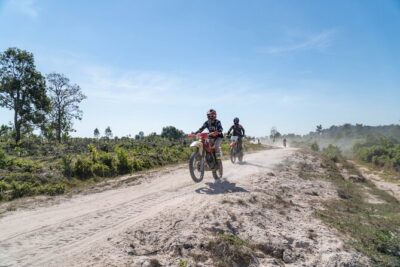
You’ll pedal a route that hits the big names and the quieter corners: Angkor Wat, Ta Prohm, Ta Nei, Angkor Thom, Bayon, and the Terrace of Elephants. The trade-off is simple: the heat can be brutal and the ride is not a stroll. Expect around 25–30 km, and one review calls it exhausting and sometimes challenging for people who aren’t used to biking (and not ideal for small children).
If you show up ready to work up a sweat, you get a well-timed circuit from morning to sunset, plus comfort extras like helmet, bottled water, fresh fruit, and lunch. It’s a practical way to get your bearings in Angkor without losing half the day to traffic jams and waiting.
In This Review
- Key highlights at a glance
- A bike circuit that makes Angkor feel sized right
- 9:00 am pickup and Angkor Wat in the morning
- Ta Prohm by bike: roots, movie magic, and real atmosphere
- Lunch break at 12:30 pm: fuel matters more than you think
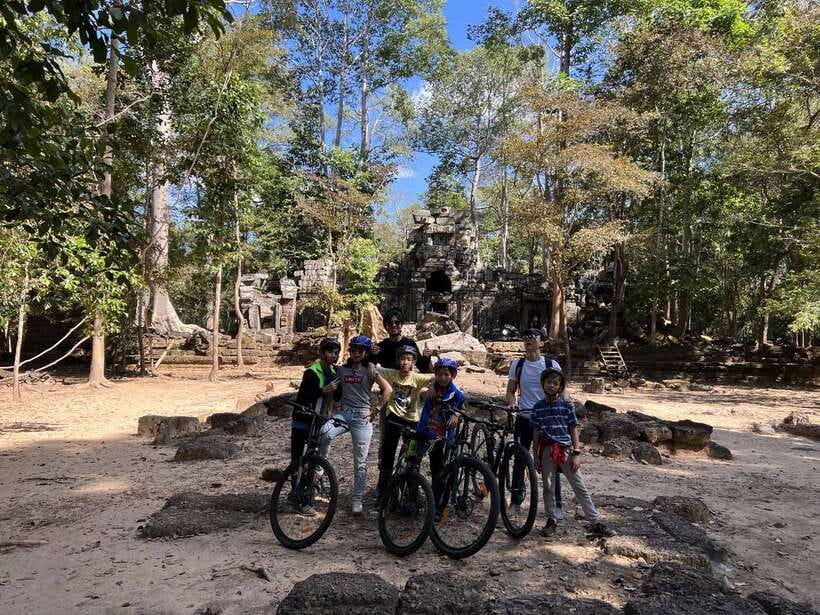
- Ta Nei Temple at 2:00 pm: quieter ruins with fewer stoplights
- Angkor Thom East Gate, Bayon smiles, and the Terrace of Elephants
- Phnom Bakheng sunset: the big-angle finale
- How the bikes and small group change the day
- Price and value: why $65 can make sense here
- Fit check: who should book, and who might choose another plan
- Should you book this Angkor Wat by Bike and Sunset tour?
- FAQ
- Do I need an Angkor Pass for this tour?
- How long is the experience?
- What’s included in the price?
- Is the group small?
- Is the tour suitable for beginners or children?
- Is free cancellation available?
Key highlights at a glance
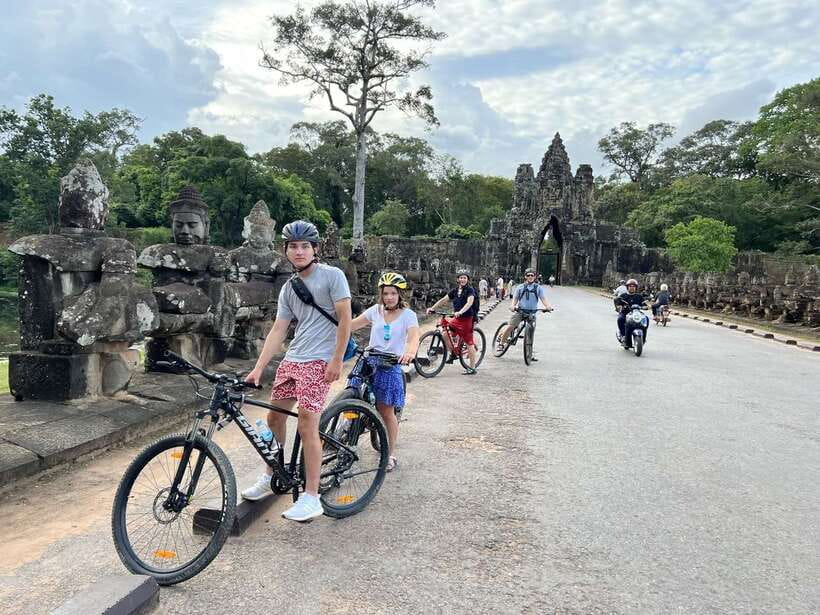
- Small group (up to 8) means more room for questions and photo stops with your English guide, often Pok
- Modern Giant bikes with disc brakes, large gear ranges, and front suspension make uneven temple roads feel more manageable
- Ta Prohm as discovered, with dramatic roots, plus the Tomb Raider movie connection many people recognize
- Ta Nei temple offers a calmer, more off-the-typical-route moment in the jungle
- Bayon and the smiling stone faces of Avalokiteshvara, framed by Angkor Thom’s grand east gate
- Sunset at Phnom Bakheng gives you the big-angle finish you came for
A bike circuit that makes Angkor feel sized right
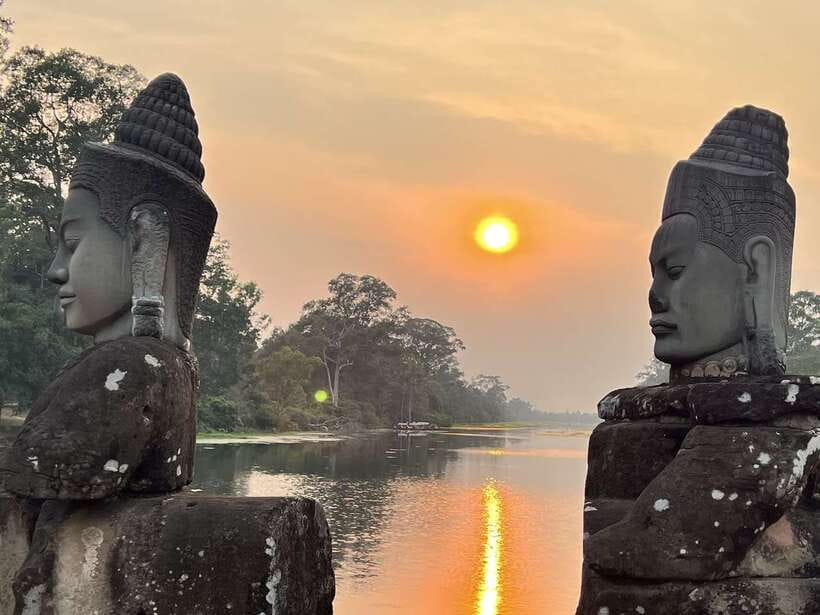
Angkor Wat is the headline, but Angkor is also a giant maze. The best tours solve two problems at once: they teach you what you’re seeing, and they help you understand the scale without burning your whole day sitting in crowds. This bike tour does both.
I especially like the way the route uses cycling to break up the temple marathon. You’re not just hopping between distant gates; you’re traveling between areas while the day is still active. The small group size (limited to 8) also makes the whole thing feel more like a shared outing than a cattle-line transfer.
There are two layers to the experience. First, you get the famous architecture and faces: Angkor Wat, Ta Prohm, Bayon, and the Terrace of Elephants. Second, you get the “how it all connects” feeling—because moving by bike shows you how far apart these points actually are. One solo rider even got extra help with photos, which is a nice perk if you don’t want to rely on strangers.
You can also read our reviews of more cycling tours in Siem Reap
9:00 am pickup and Angkor Wat in the morning
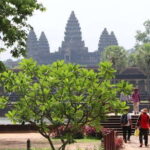
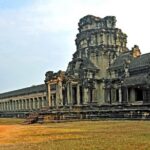
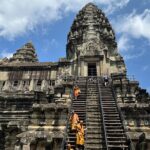
The day starts with hotel pickup around 9:00 am, using a tuk-tuk or car. That matters because early access time is one of the few advantages you can’t buy later. When you arrive at Angkor Wat, you’re already in the mood: calm light, organized walking routes, and a chance to actually look.
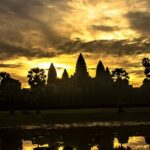
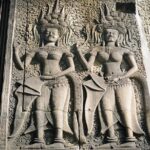
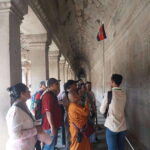
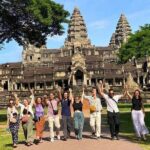
Angkor Wat is framed as the greatest temple of the Khmer empire, tied to Khmer art reaching its glory in the 12th century. Even if you only know a little, a good guide helps you notice details you’d otherwise miss—like how the layout leads your eyes and how the carvings tell stories.
The practical win here is pacing. You’re seeing the main structure first, then shifting to cycling for the next wave of temples. If you’re prone to getting overwhelmed by too many stones at once, this order helps your brain breathe.
One note: the Angkor Pass is not included, so you’ll want to sort that ahead of time. It’s the kind of small administrative step that can ruin momentum if you leave it for the day-of.
Ta Prohm by bike: roots, movie magic, and real atmosphere
By late morning (around 11:00 am), you start cycling toward Ta Prohm. This is where the tour really earns its keep as a bike experience, because the setting is dramatic even before you reach the main ruins.
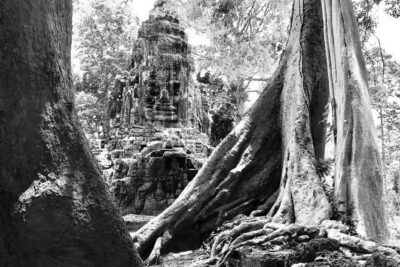
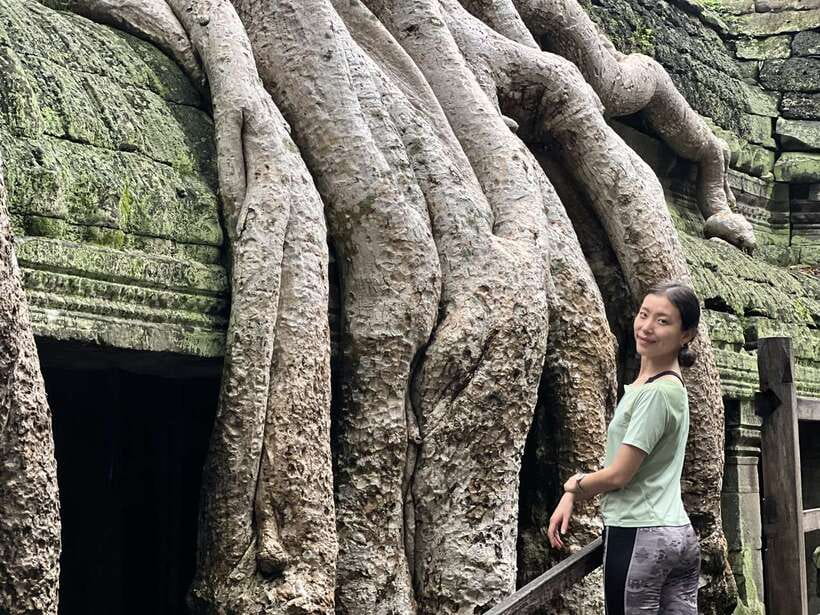
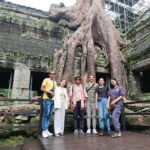
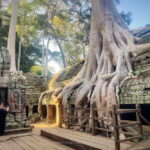
Ta Prohm is preserved as discovered, with huge root structures wrapping through the stones. People often connect it to the Tomb Raider film shot here starring Angelina Jolie, and even if you’re not a movie buff, it helps you picture why the site feels so cinematic.
Why this stop works on a bike tour: you don’t just “arrive and take photos.” You travel through the temple zone with your guide, and the stories get told as the scenery changes. That makes Ta Prohm feel less like a single stop and more like a chapter in the Angkor landscape.
Also, this is one of the most popular places in the circuit. A bike tour with a tight group can help your timing and movement, even if it doesn’t turn Angkor into a private estate.
Lunch break at 12:30 pm: fuel matters more than you think
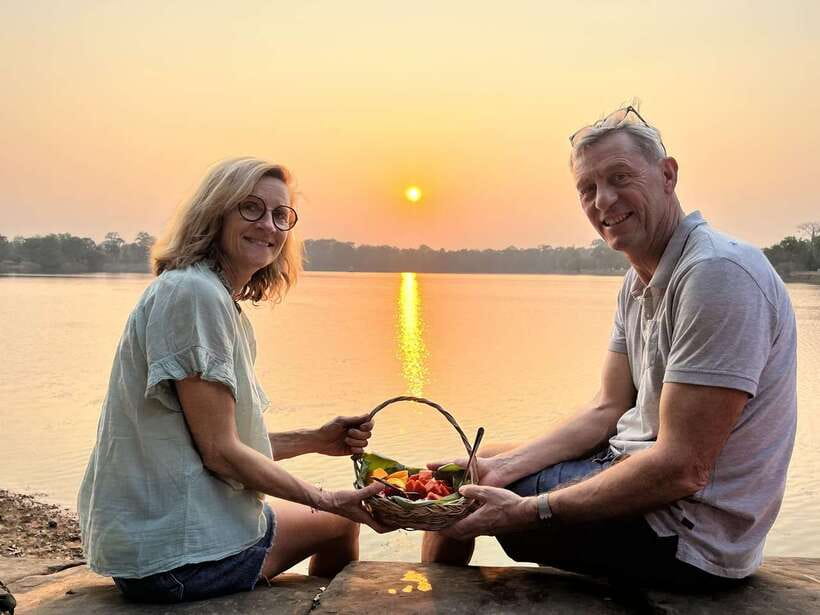
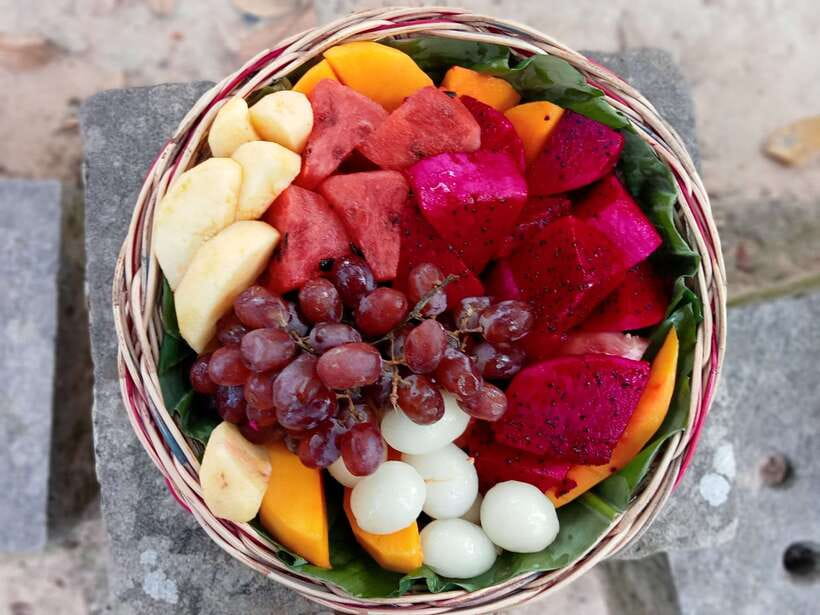
At about 12:30 pm, there’s a lunchtime break at a local restaurant. Lunch is included, along with bottled water, a Coke, and fresh fruits during the day.
This part is underrated. Temple days go sideways when you treat food like an afterthought. Here, the schedule builds a pause right before you tackle the next temple section. One important detail from the experience info: your lunch choice isn’t left vague. It’s built into the itinerary, which makes the whole day easier to manage—especially in heat.
One review specifically praised the restaurant setting and the Cambodian food, which is a good sign that this isn’t just a quick stop to keep you moving. If you’re prone to hunger headaches while cycling, this is a real advantage.
Ta Nei Temple at 2:00 pm: quieter ruins with fewer stoplights
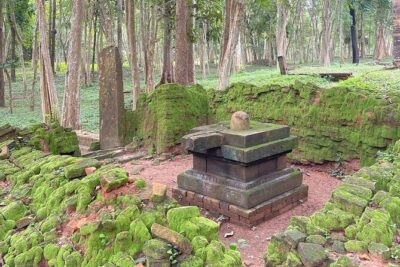
Next, you bike to Ta Nei temple, the one described as less visited on the route. The stop sits around 2:00 pm, and the point is clear: you get a jungle-temple moment that many people don’t hit.
Why it’s worth it: Ta Nei gives you contrast. After the high-volume attention of the major name sites, it’s a chance to see what ruined temples look like when nature takes more of the stage. You’re not just collecting famous landmarks; you’re learning how the area changes from place to place.
This is also a smart moment for photos, because the mood tends to feel different here. If you like your travel with a little breathing room, Ta Nei is where you’ll likely feel your shoulders drop.
You can also read our reviews of more evening experiences in Siem Reap

Angkor Thom East Gate, Bayon smiles, and the Terrace of Elephants
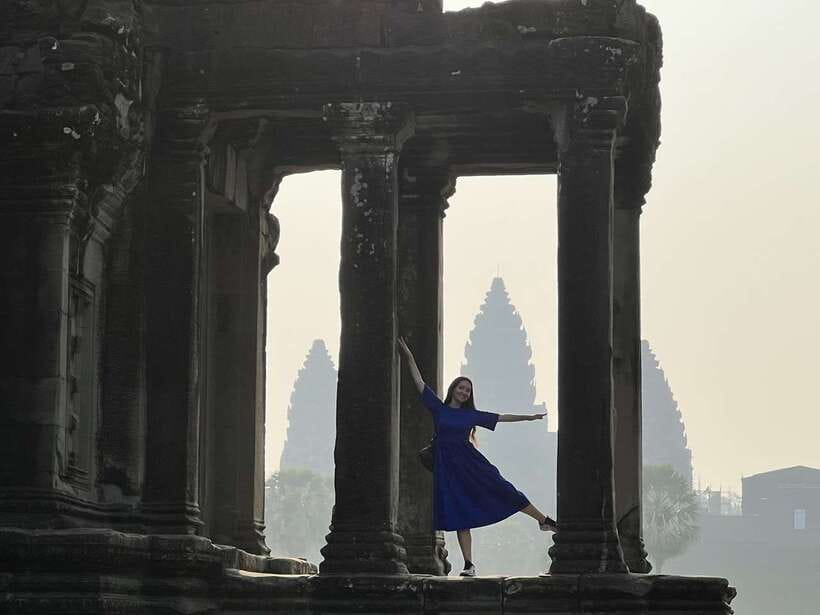
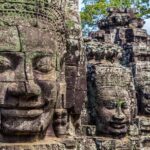
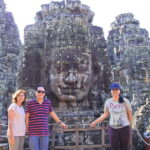
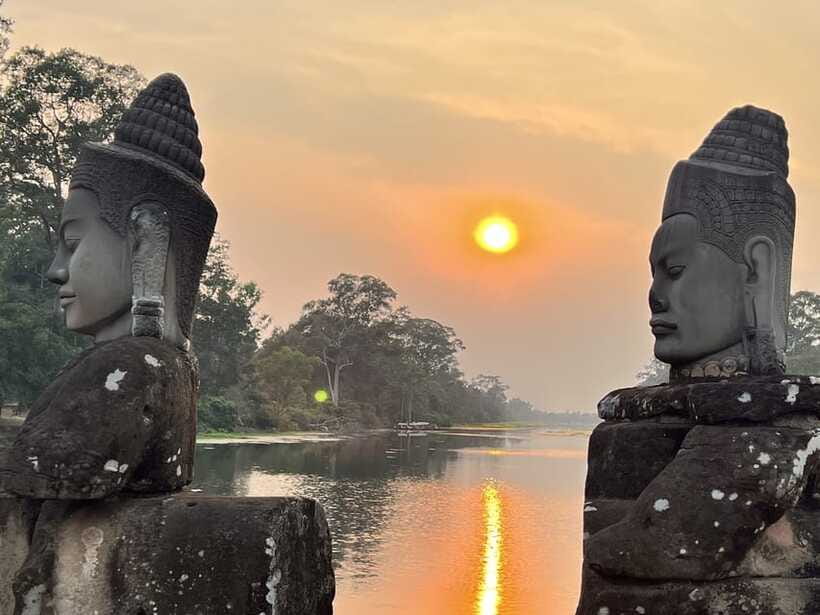
Around 3:00 pm you reach Angkor Thom’s east gate and then visit Bayon. Bayon is famous for the stone faces—Avalokiteshvara—looking out over the complex. The guide angle here matters: the tour frames Bayon not only as a visual spectacle, but also as a state temple connected to Mahayana Buddhist King Jayavarman VII.
This stop is where the “what am I looking at” payoff hits hardest. The stone faces are recognizable, but a good explanation helps you connect them to what the king’s era was building. Without context, you might only see symmetry. With it, you start noticing repetition, alignment, and how the faces relate to movement through the grounds.
After Bayon, you visit the Terrace of Elephants. The timing supports the story: you’re building an understanding of power and ritual, then stepping into the space where the king sat to observe elephant training. Even if elephants aren’t your main interest, the terrace gives you a sense of the ceremonial scale of the place.
If you’re the type who likes to understand how kings ruled and how temples communicated power, this portion is a highlight. If you’re mostly into architectural photos, you’ll still get the goods, just with more context than you’d get from quick photo stops.
Phnom Bakheng sunset: the big-angle finale
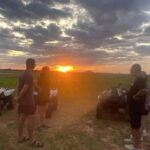
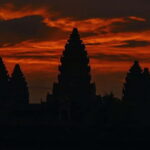
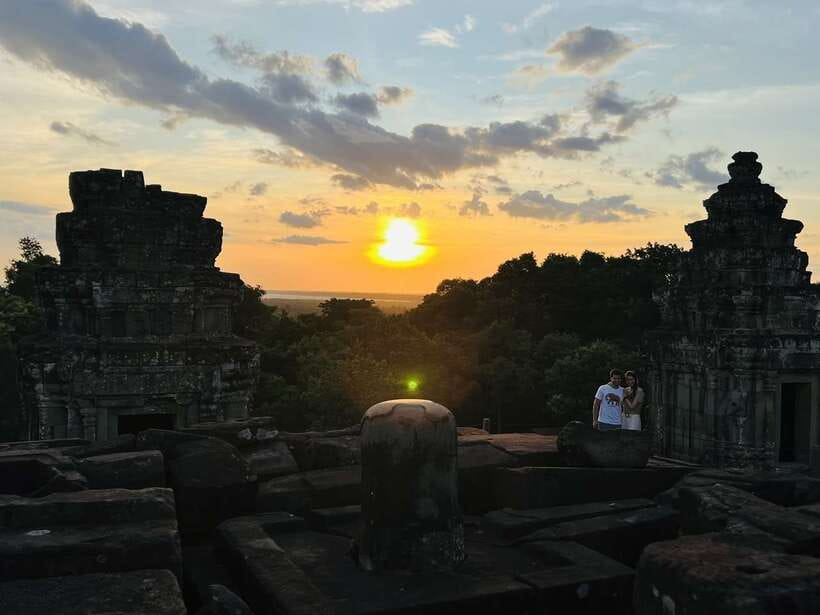
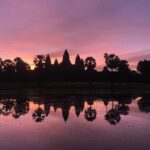
The final main event happens late afternoon. Around 4:30 pm, you head up and watch sunset from Phnom Bakheng.
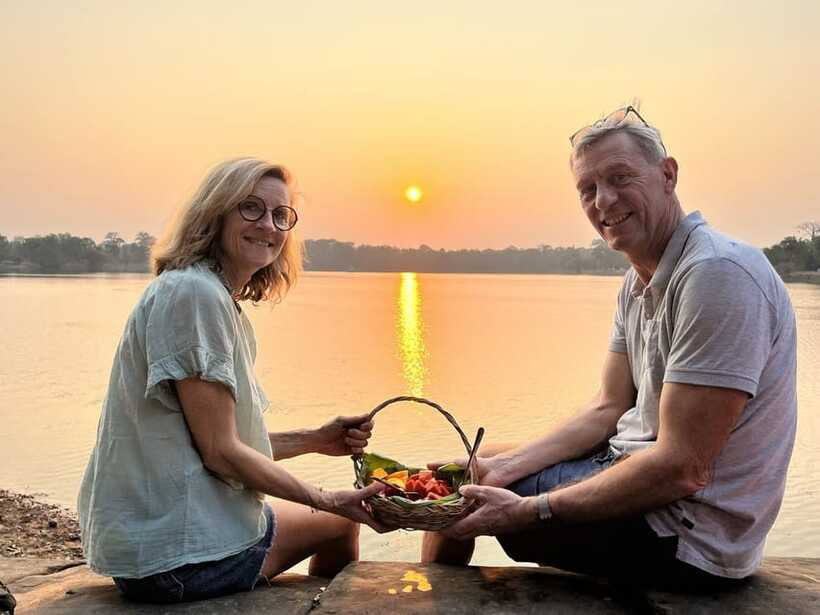
Sunset is where the whole circuit feels worth it. You’ve been moving through ruins, faces, and roots; now you get a wide view that puts the temples into their real setting. It’s the kind of finish that turns a list of monuments into a memory.
In heat, sunset can also feel like a relief because it’s often cooler than midday. Still, plan to stay alert and follow your guide’s instructions while you’re up there. One rider described the day as exhausting, so bringing a calm, steady pace mindset helps.
A small practical consideration: this is a top-of-the-mountain moment, so you’ll want to take care with footing and timing. The tour schedule builds in the ride-to-sunset flow, but your own comfort level still matters.
How the bikes and small group change the day
Let’s talk gear, because it affects real comfort. The tour includes modern mountain bikes (Giant) with large gear sets, disc brakes, and front suspension, plus a helmet. That’s not a luxury detail—it’s what helps you handle broken pavement, uneven temple-area roads, and the stop-start nature of the route.
You also get support transportation. The included support vehicle doesn’t mean you’ll never sweat, but it’s part of the safety net that makes this type of route more doable.
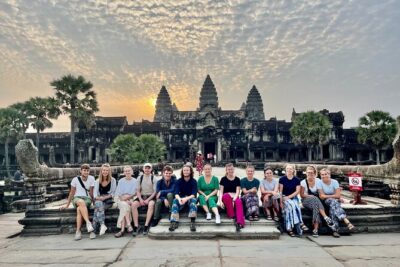
The group is limited to 8 participants, which is a big deal in Angkor’s chaos. With fewer people, your guide can pace you, stop for photos, and answer questions without turning into an assembly line. One solo traveler mentioned getting help with pictures and that Pok is friendly, funny, and full of information. If you want your questions answered without feeling rushed, this size helps.
Still, keep expectations grounded. Even with decent bikes, the schedule and the heat mean the ride can be hard work. If you’re not used to cycling or you expect a flat, easy cruise, you may find it too much.
Price and value: why $65 can make sense here
At $65 per person for a 9-hour day, you’re paying for a lot more than a bike. Included items are a professional English-speaking guide, helmet, bottled water, Coke, fresh fruits, lunch, and hotel pickup/drop-off by tuk-tuk or car, plus support transportation.
The one cost you must plan for is the Angkor Pass, which is not included. That’s typical for Angkor, and it’s the main thing that changes the total cost once you’re in Cambodia.
So is it good value? For me, it’s a strong fit if you want:
- expert guidance across multiple temple styles in one day
- a cycling route that shows the scale of the area
- built-in breaks and included meals
It’s less of a deal if you already know Angkor well and you’d rather go at your own pace with a cheaper DIY setup. But for first-time visitors, a structured bike circuit can save time and reduce decision fatigue.
Fit check: who should book, and who might choose another plan
This tour is a great match for you if:
- you want an introduction to Angkor Wat plus the surrounding highlights
- you like moving between sites instead of only walking
- you prefer a small group and a real guide over a loose day plan
- you want included lunch and refreshment, not a guess-and-ration system
It may not be your best choice if:
- you’re sensitive to heat or not comfortable biking for a long stretch
- you’re traveling with small children who might not handle an exhausting day well
- you need a perfectly rigid list of stops, because one booking noted that one temple mentioned in their materials wasn’t included during the ride, and they had to raise it
If you book, do yourself a favor: confirm the exact temples listed in your voucher before you go. Angkor can change day to day, but you shouldn’t have to guess what’s on your schedule.
Should you book this Angkor Wat by Bike and Sunset tour?
I’d book this tour if you want a guided, bike-based route that hits the major temples and still includes calmer moments like Ta Nei. The combination of modern bikes, included meals and drinks, small group size, and a real sunset finale at Phnom Bakheng is the recipe for a memorable first (or second) Angkor visit.
I would hesitate if you’re expecting an easy ride or you’re traveling with someone who can’t handle heat and sustained cycling. In that case, you might prefer a less physically demanding format.
FAQ
Do I need an Angkor Pass for this tour?
No. The Angkor Pass is not included, so you’ll need to arrange it separately.
How long is the experience?
It’s listed as a 9-hour tour.
What’s included in the price?
Included items are a professional English-speaking tour guide, a modern mountain bike with helmet, bottle water, Coke, fresh fruits, lunch, support transportation, and hotel pickup and drop-off by tuk-tuk or car.
Is the group small?
Yes. It’s limited to 8 participants.
Is the tour suitable for beginners or children?
The day can be exhausting and challenging in places. It’s not recommended for untrained people and small children based on feedback, and you should expect around 25–30 km of cycling.
Is free cancellation available?
Yes. You can cancel up to 24 hours in advance for a full refund.