REVIEW · SIEM REAP
Siem Reap: Angkor Wat Private Tour with Sunrise
Book on GetYourGuide →Operated by Vamos Camboja Turismo · Bookable on GetYourGuide
Waking up at 5 AM can pay off. This private Angkor Wat sunrise tour in Siem Reap pairs a local guide with comfortable transport and a tight temple route you can actually enjoy.
I love two things most: the Angkor Wat sunrise timing and the way the tour keeps you moving through the major sights without feeling rushed. You also get the option to add Banteay Srei on a second day if you want more than just the big-name temples.
One thing to plan for is that entrance tickets are not included. Add the Angkor Archaeological Park ticket cost on top of the tour price, and make sure you follow the temple dress rules.
In This Review
- Key highlights worth booking for
- Angkor Wat Sunrise at 5:00 AM: Getting the Light Right
- Private Setup in Siem Reap: Tuk-Tuk, Van, and a Guide Who Explains
- Small Circuit in One Morning: From Ta Prohm to Bayon
- Ta Prohm: the Tomb Raider temple effect
- Victory Gate: quick but photogenic
- Terrace of the Elephants and Baphuon
- Bayon: the smiling faces
- Angkor Thom Stops: What the Gates and Terraces Teach You
- Day Two Grand Circuit: Preah Khan, Neak Pean, Ta Som, Pre Rup
- Banteay Srei: The Pink Sandstone Finale
- Tickets, Dress Code, and Packing List That Saves Your Day
- Entrance tickets are separate
- Dress code rules you must plan for
- What to bring
- Value for Money: Why This Price Can Work for You
- Should You Book This Angkor Wat Private Sunrise Tour?
- FAQ
- What time is the pickup for the Angkor Wat sunrise portion?
- Is the Angkor entrance ticket included in the tour price?
- What are the main differences between the 1-day and 2-day options?
- What languages are the guides available in?
- What should I wear, and what is not allowed in the temples?
- Is lunch included?
- Is this tour wheelchair accessible, and do children need tickets?
Key highlights worth booking for
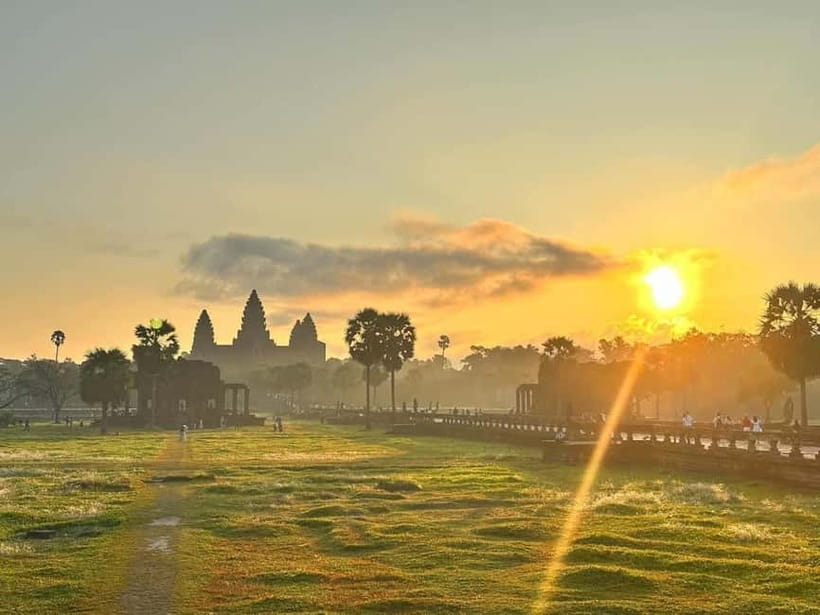
- Sunrise at Angkor Wat with an early pickup around 05:00 AM and a dedicated sunrise visit window
- Private guide in English, Spanish, French, Portuguese, or Japanese, with a pace you can tailor
- Smart temple routing across the Small Circuit or the Grand Circuit in just 1 or 2 days
- Photo-friendly pacing plus help from the guide on good viewing angles and stops
- Cold water and towels during the tour, which matters in Cambodia heat
Angkor Wat Sunrise at 5:00 AM: Getting the Light Right
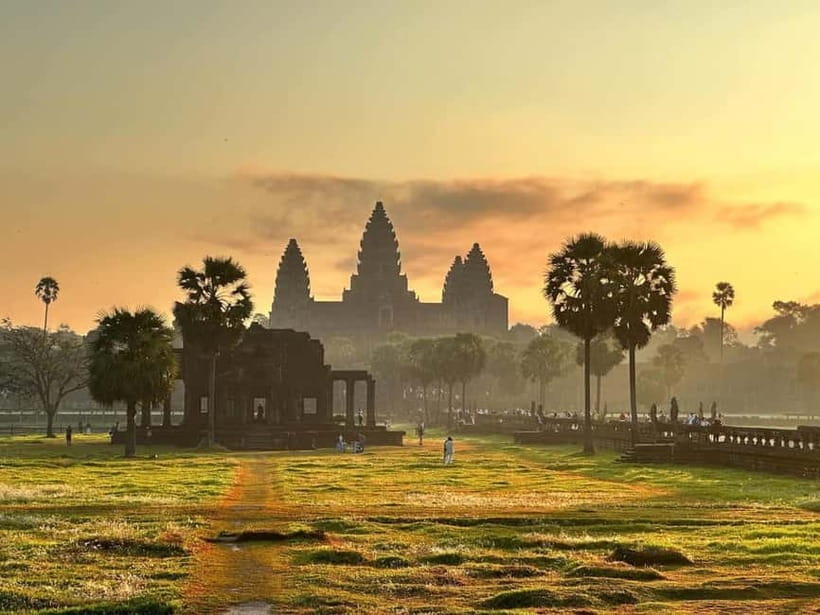
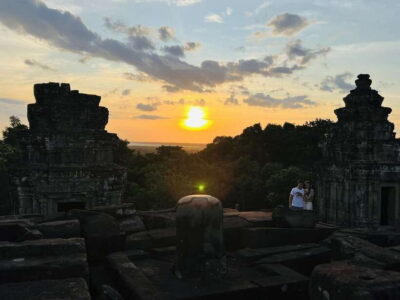
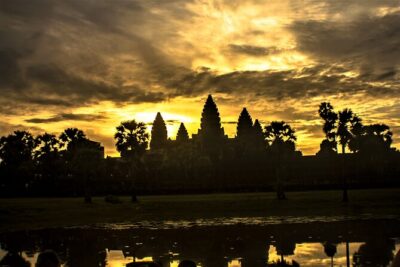
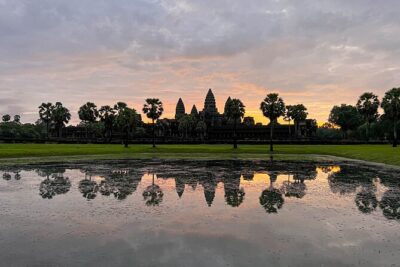
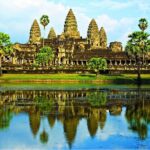
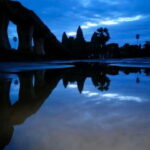
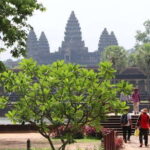
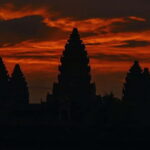
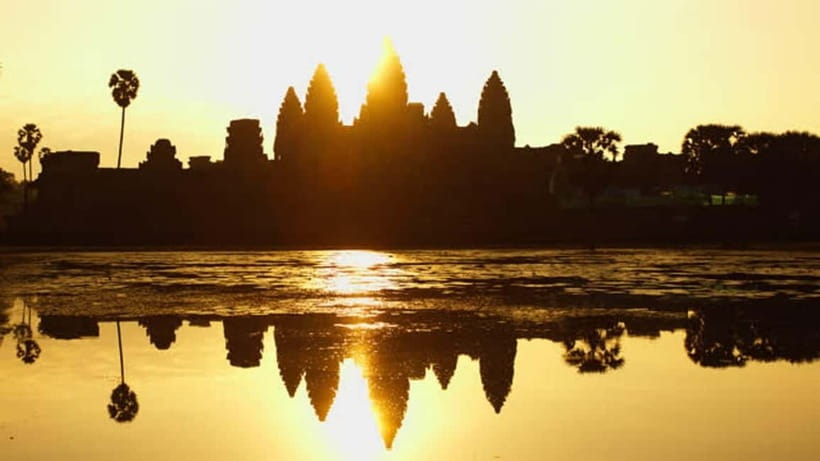
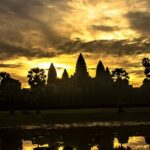
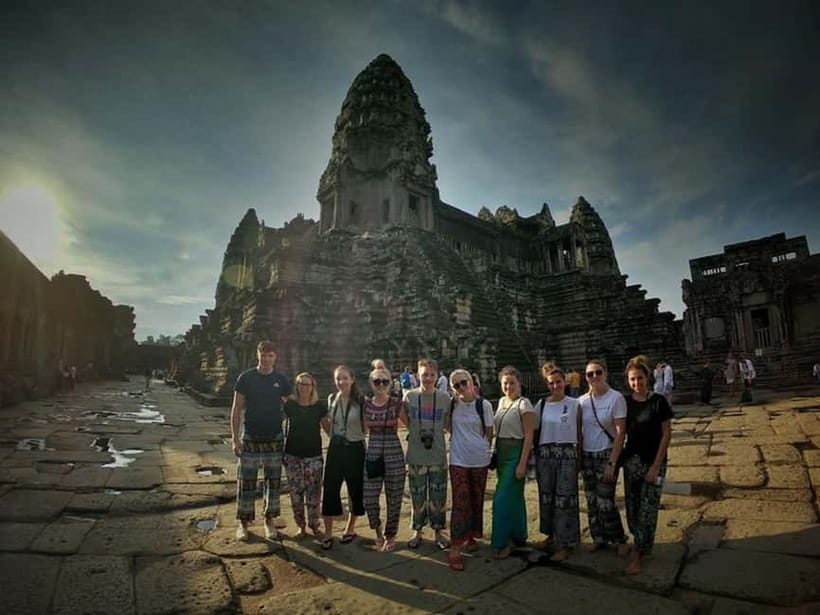
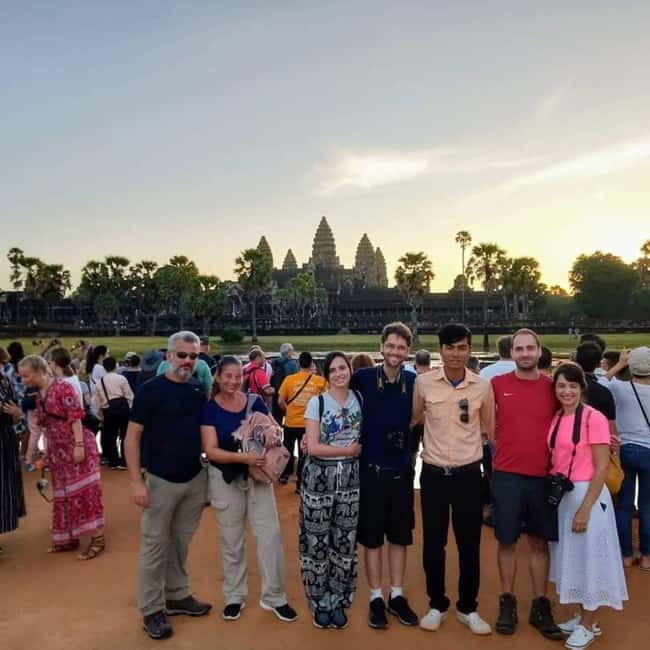
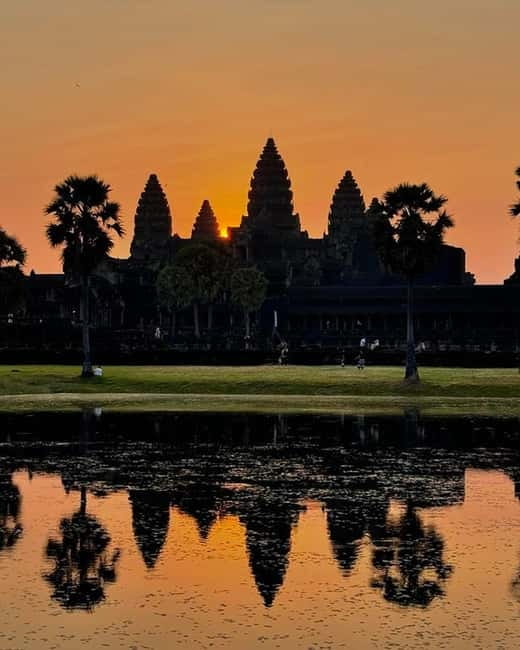
Angkor Wat at sunrise is the kind of sight that makes time feel weird. The sky starts changing while you’re still walking through the calm temple grounds, and the stone looks different as the light warms up. That’s the payoff for the early start.
This tour picks you up from your hotel around 05:00 AM so you can reach Angkor Wat before the day gets loud. The sunrise visit is scheduled for about 2.5 hours, which is a solid chunk of time. You’re not just showing up for a quick photo and sprinting off.
Practical tip: the tour recommends bringing breakfast from your hotel, like a breakfast box. So you can eat without losing temple time. Also bring sunglasses and sunscreen. Even if sunrise is cool at first, you’ll be in the sun soon enough.
If you care about great photos, a private guide style can help a lot. In past experiences with this kind of service, guides like Youk have been praised for spotting good photo positions and making the whole morning run smoothly.
You can also read our reviews of more private tours in Siem Reap

Private Setup in Siem Reap: Tuk-Tuk, Van, and a Guide Who Explains
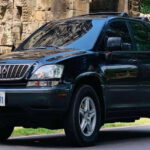
A big part of why this feels worth it is the private format. You’re not sharing your morning with strangers, and you can keep a comfortable pace. Your group rides in either a tuk tuk or an air-conditioned van depending on group size: 1–2 people by tuk tuk, and 3+ people by air-conditioned van/bus.
You’ll have a professional local guide speaking one of these languages: English, Spanish, French, Portuguese, or Japanese. And this isn’t only about reciting dates. A good guide turns the temples into something you can read. You’ll hear what you’re looking at, why it mattered, and what the carvings symbolize.
There’s also small comfort you’ll appreciate in the real heat: cold water and a cold towel during the tour. One guide-driver team (Mr Sao and guide Youk) was singled out for keeping things comfortable throughout the day.
If you’re traveling with a tight schedule, private transport and a route that’s already planned can remove a lot of stress.
Small Circuit in One Morning: From Ta Prohm to Bayon
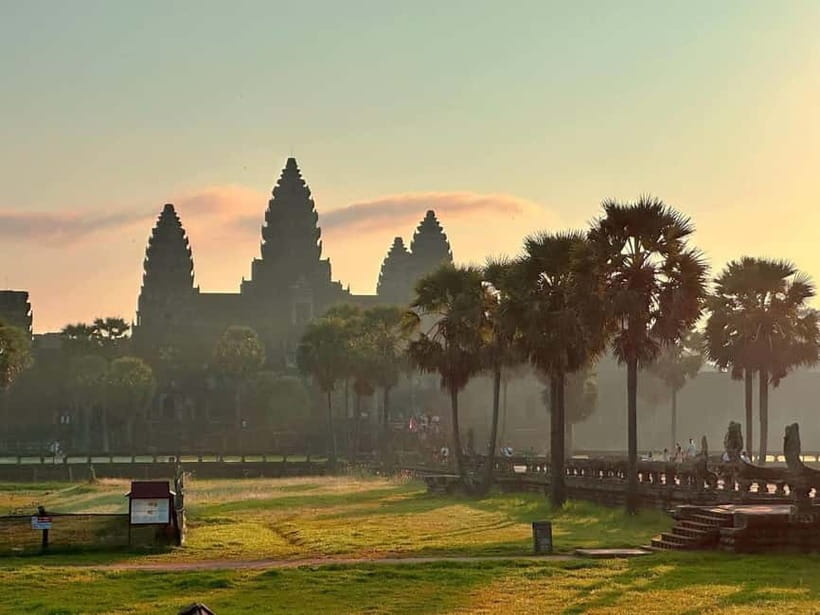
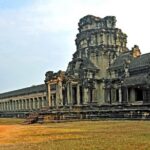
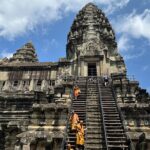
Choose the 1-day option if you want the core Angkor highlights and you like the idea of being done by midday. You’ll start with Angkor Wat at sunrise, then move through the Small Circuit through the former royal city area.
Here’s how the morning typically feels, stop by stop, and what’s worth watching:
Ta Prohm: the Tomb Raider temple effect
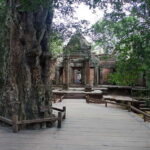
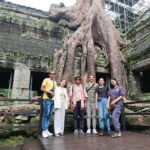
Ta Prohm is famous for a reason. The temple ruins blend with massive roots and trees, so it feels like nature is slowly reclaiming stone. The tour gives about 1 hour here, which is enough time to take photos without feeling trapped.
Drawback to note: it can get crowded later in the morning. Sunrise morning helps, but bring patience and keep your camera ready.
Victory Gate: quick but photogenic
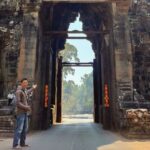
Victory Gate is a fast 15-minute photo stop. It’s one of the grand entrances to Angkor Thom, with views that frame the route like a stage set. Don’t rush through it, but also don’t waste 30 minutes here if you want full time for the bigger temple interiors.
You can also read our reviews of more tours and experiences in Siem Reap

Terrace of the Elephants and Baphuon
Next comes the Terrace of the Elephants (about 20 minutes), where you can spot elephant bas-reliefs used to decorate this royal viewing platform. Then you’ll move to Baphuon (around 40 minutes), a restored temple mountain connected with the symbolism of Mount Meru.
This is where a guide really helps. If you only glance at the stone, you miss the bigger pattern.
Bayon: the smiling faces
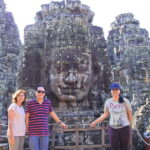
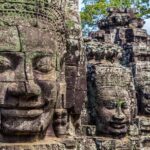
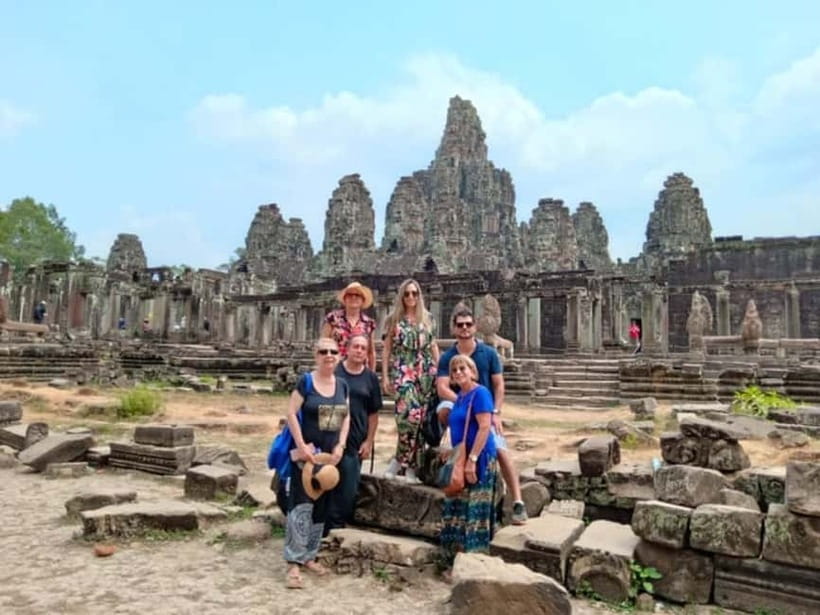
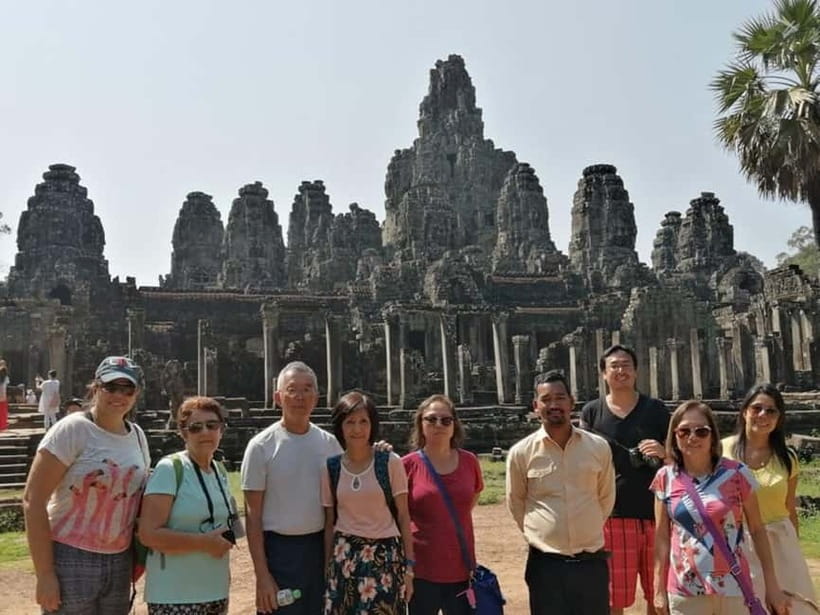
Bayon is the grand closer for the Small Circuit. Expect about 45 minutes here. Bayon is known for its 54 towers lined with over 200 serene, smiling faces. Up close, it’s less about one perfect photo and more about walking around and seeing the faces change with your angle.
The 1-day tour finishes around 12:00 PM, then you’re back at your hotel.
Angkor Thom Stops: What the Gates and Terraces Teach You
The Small Circuit isn’t just a checklist. It’s a walk through how Angkor organized royal power—gates, terraces, and ceremonial spaces that make the complex feel like a functioning city.
Two stops help you understand that idea fast:
- Terrace of the Leper King: named after a statue and known for its detailed carvings. Even if you can’t “read” all the symbolism at once, the craftsmanship hits you.
- Victory Gate and the Angkor Thom gate approach: these are designed to make you slow down and look up. That’s the point. The architecture guides your movement.
This is also where sunrise returns value. When you start early, you’re more likely to enjoy the details instead of fighting the heat and crowd noise. And because this is private, you can stop for a minute longer where you care most, like a carving wall or a specific face.
Day Two Grand Circuit: Preah Khan, Neak Pean, Ta Som, Pre Rup
If you want a more relaxed pace, go with the 2-day option. Day 1 still includes sunrise plus the Small Circuit. Day 2 expands into the Grand Circuit and finishes with Banteay Srei.
Day 2 starts with Preah Khan, a large monastic complex full of corridors and carved scenes. You’ll then visit Neak Pean, a smaller temple surrounded by calm pools, which gives you a breather after earlier stone-heavy stops. The route continues to Ta Som with its famous tree-covered gate—one of those places where roots turn a doorway into a living frame.
Then you move to East Mebon, a temple that once stood on an island in an ancient reservoir. That bit of geography matters because it changes how you imagine the temple’s original setting.
Finally, you’ll reach Pre Rup, a mountain-style temple with sweeping views over the Cambodian countryside. It’s the kind of stop that makes you pause and look beyond the walls.
Lunch is not included on day 2, so you’ll want to plan for it. This tour suggests eating at a nearby restaurant, so you don’t end up guessing where to go at the busiest time.
Expect the 2-day tour to end around 04:00 PM on day 2, with return to your hotel.
Banteay Srei: The Pink Sandstone Finale
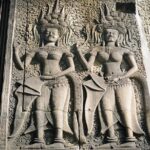
If Angkor Wat is the headline, Banteay Srei is often the moment you remember the most for close-up detail. It’s called the Citadel of Women and is admired for its intricate carvings in pink sandstone.
This tour typically schedules Banteay Srei on day 2, which works well. Your eyes are ready for “fine detail” by the end of the second day, after you’ve already seen the big structures.
What makes it special for many people is the contrast:
- earlier temples often feel monumental and wide
- Banteay Srei rewards you for slowing down and looking carefully
Timing note: if it’s very hot, you’ll want to take short breaks and drink water. The day is long, and the carvings don’t care if you rush.
At the end of the day, you’ll return to your hotel around 04:00 PM.
Tickets, Dress Code, and Packing List That Saves Your Day
One of the most practical things about this tour is how clearly the rules are laid out. Follow them, and you avoid the stress of scrambling at the last second.
Entrance tickets are separate
The Angkor Archaeological Park entrance ticket is not included:
- $37 per person for 1 day
- $62 per person for 2–3 days
Because your tour price is $57 per person, the real total for a 1-day choice becomes about $94 per person before lunch. For the 2-day option, it’s about $119 per person plus meals. That math helps you decide if the private guide and transport feel worth it compared to DIY.
Dress code rules you must plan for
Temple dress code is strict:
- Shorts, short skirts, and sleeveless shirts are not allowed
- You may wear a scarf to cover knees and shoulders for most temples
- Except for Angkor Wat, you need pants and skirts that cover the knees and shirts that cover shoulders
- Alcohol and drugs are not allowed
If you’re underpacked, this is where trips slow down. It’s worth bringing light long sleeves or a cover-up that meets the rules.
What to bring
Bring:
- comfortable shoes
- sunglasses, sun hat
- camera
- sunscreen
- insect repellent (biodegradable is mentioned)
- cash
Also: follow the insect advice. Daytime mosquitoes can be real around temple grounds.
Value for Money: Why This Price Can Work for You
At $57 per person, you’re not paying for just a driver. You’re paying for three things that matter in Angkor:
- A guided, structured route
The temple complex is big. A private guide helps you spend your energy on meaningful stops rather than wandering between crowds and confusing signage.
- Time saved on sunrise
Sunrise means the best light. But it also means starting early. This tour organizes pickup and timing so you can show up at the right moment without coordinating everything yourself.
- Comfort extras that reduce friction
Cold water and towels sound small until it’s 11 AM and you’re still walking.
Where the value can shrink is obvious: the entrance ticket cost is on top, and lunch isn’t included on day 2. Also, there’s a limitation that this isn’t set up for wheelchair users, and the guidance says it’s not suitable for people over 95 years.
So, is it good value? For most people who care about seeing Angkor Wat at sunrise and want a guide to explain what they’re actually looking at, yes. If you’re budget-only and plan to DIY everything, this will feel pricier once you add the entrance tickets.
Should You Book This Angkor Wat Private Sunrise Tour?
Book it if you fit this profile:
- you want Angkor Wat at sunrise rather than later in the day
- you like learning as you go, not just taking photos
- you prefer a private pace with a professional guide
- you’re open to following dress rules and starting early
Choose the 1-day option if you’re short on time and want the core temples, including Ta Prohm and Bayon, without dedicating a whole second day. Choose the 2-day option if you want a gentler rhythm and extra temples like Banteay Srei, plus the Grand Circuit stops such as Preah Khan and Pre Rup.
Skip or reconsider if:
- you don’t want early mornings
- you’re not ready to budget for the entrance ticket add-on
- you need wheelchair access, since the tour is not suitable for wheelchair users
If you’re aiming to get real value out of a Siem Reap trip, this one is built around the biggest moments with smart timing and a guide who can make the stone make sense.
FAQ
What time is the pickup for the Angkor Wat sunrise portion?
Pickup is scheduled for around 05:00 AM from your hotel in Krong Siem Reap so you can watch sunrise at Angkor Wat.
Is the Angkor entrance ticket included in the tour price?
No. The Angkor Archaeological Park entrance ticket is not included. It is $37 per person for 1 day and $62 per person for 2–3 days.
What are the main differences between the 1-day and 2-day options?
The 1-day option includes sunrise at Angkor Wat plus the Small Circuit main temples. The 2-day option includes sunrise plus the Small Circuit on day 1, then the Grand Circuit temples on day 2, finishing with Banteay Srei.
What languages are the guides available in?
The guide is available in English, Spanish, French, Portuguese, or Japanese.
What should I wear, and what is not allowed in the temples?
You can use a scarf to cover knees and shoulders for most temples. Except at Angkor Wat, you must wear pants and skirts that cover the knees and shirts that cover the shoulders. Shorts, short skirts, sleeveless shirts, and revealing clothing are not permitted. Alcohol and drugs are also not allowed.
Is lunch included?
Lunch is not included on day 2. The plan notes eating at a nearby restaurant.
Is this tour wheelchair accessible, and do children need tickets?
The tour is not suitable for wheelchair users and is also noted as not suitable for people over 95 years. For entrance tickets, children under 12 years are not required to purchase an entrance ticket if a passport is shown as proof.