REVIEW · SIEM REAP
Siem Reap: Angkor Wat Small-Group Full Day Tour and Sunset
Book on GetYourGuide →Operated by Passion Indochina Travel Co.,Ltd. · Bookable on GetYourGuide
Four temples, one unforgettable day.
This small-group Angkor tour is interesting because it strings together the big headline sites (and a few lesser-seen moments) in one smooth circuit. I especially liked how the guide helps you read stone faces at Bayon without rushing the details, and I also loved the village visit at Phum Preah Dak for palm cake and palm sugar. The other reason it works is the comfort layer: hotel pickup, cold water, and cold towels after a long day in the heat.
One thing to consider: the sunset is watched from Phnom Bakheng, not directly at Angkor Wat. If you’re hoping for the simplest, closest-feeling sunset setup right by the main temple, plan around the climb and the viewing location.
In This Review
- Key highlights worth getting excited about
- Starting in Siem Reap: the comfort matters
- Angkor Thom: Great Royal City and the Bayon moment
- Terrace of Elephants and Baphuon: reading the stone layout
- Ta Prohm: the tree-root temple that steals the show
- Lunch stop and the village of Phum Preah Dak
- Angkor Wat: the main icon and why the timing works
- Phnom Bakheng sunset: the climb and what to expect
- Value and costs: $32 plus the Angkor pass reality
- Who this tour fits best
- Practical tips so your day runs smoothly
- Should you book this Angkor Wat small-group day tour?
- FAQ
- Do I need an Angkor pass for this tour?
- Is lunch included?
- How long is the tour?
- Do you provide hotel pickup and drop-off?
- What’s included in the tour price?
- Is the guide language English?
- What should I bring?
- Are short skirts allowed?
- FAQ
- Do I get free cancellation?
- Can I reserve now and pay later?
Key highlights worth getting excited about
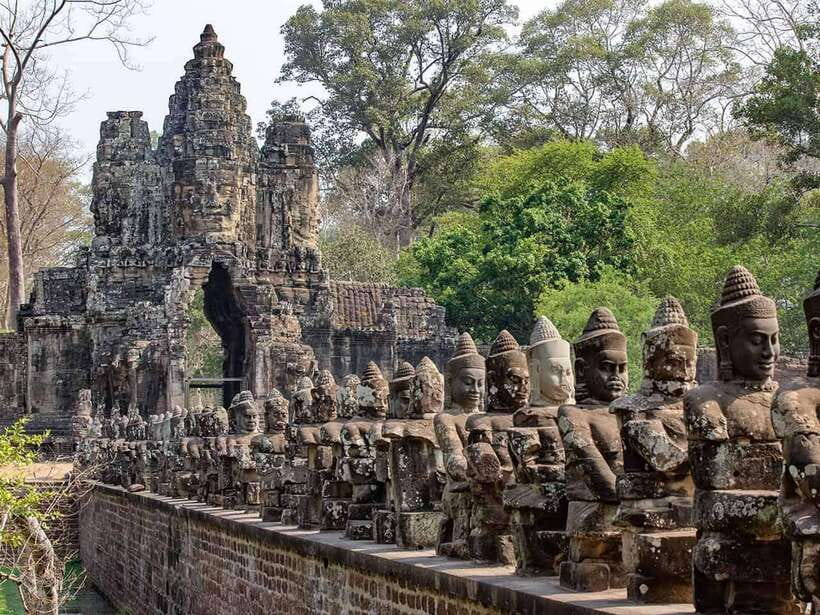
- Bayon’s stone faces, explained clearly: you’ll know what you’re looking at, not just where to stand for photos.
- Ta Prohm in an original, tree-overgrown state: roots and atmosphere are part of the deal here.
- Angkor Thom’s Royal City route: you’ll cover major stops, including terraces and major temples.
- Terrace of Elephants and Baphuon Temple: big sculpted spaces you can actually walk and interpret.
- Phum Preah Dak village stop: palm cake and palm sugar bring Angkor into local daily life.
- Phnom Bakheng sunset climb: a different angle on Angkor’s temple-jungle world.
Starting in Siem Reap: the comfort matters
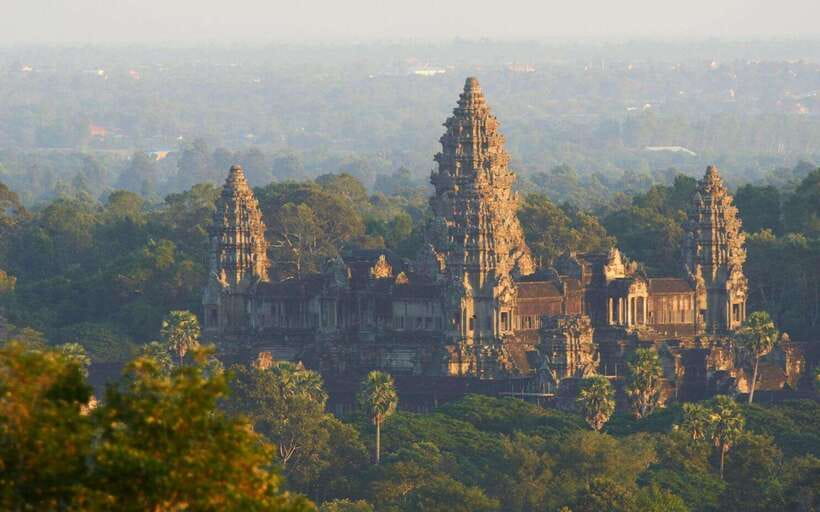
This tour starts with hotel pickup in Krong Siem Reap and runs for about 10 hours. You’re in a luxury minivan with insurance, plus a white-glove, licensed driver. For Angkor days, that comfort is not fluff. It’s what keeps your energy for walking later, instead of burning it on “how do I get there?” stress.
You’ll also get cold drinking water and cold towels. In Cambodia’s heat, that’s the difference between a pleasant day and a late-day slow-down. Add comfortable shoes and light layers, and you’re set for temple walking that can mean uneven stone and lots of sun exposure.
You can also read our reviews of more evening experiences in Siem Reap

Angkor Thom: Great Royal City and the Bayon moment
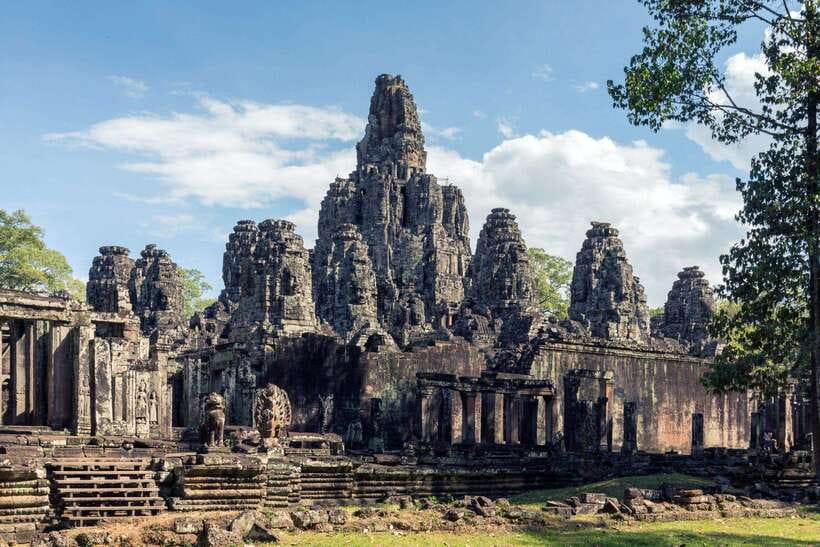
Angkor Thom is the big walled complex most people aim for, and the tour structures your visit around the key royal-city points. You’ll travel to the fortified “Great Royal City” built in the 12th century by King Jayavarman VII. This is where Angkor shifts from individual temples into a whole planned world—gates, walls, and monumental symbolism.
From there, you’ll see the statue of Avalokiteshvara, a figure that even shows up in the Tomb Raider movie. That kind of pop-culture reference is useful here, not because it’s trivia, but because it gives you a handle for recognizing the style and intention of the imagery as you move through the complex.
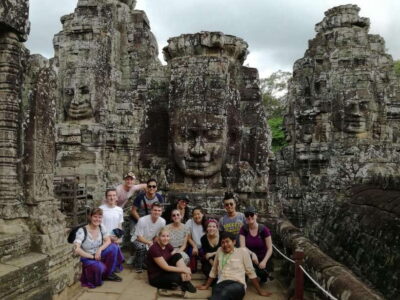
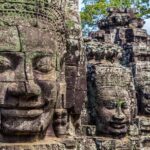
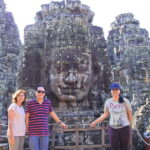
Then comes Bayon Temple, famous for its hundreds of stone faces. I like this stop because it’s not just “look at the temple.” The scale is the point, and a good guide helps you notice how the faces are arranged across towers and galleries. You end up understanding the temple’s emotional tone—serious, watchful, and oddly personal—rather than only collecting angles.
Terrace of Elephants and Baphuon: reading the stone layout
After Bayon, you’ll hit several of the major monuments inside Angkor Thom. The Terrace of Elephants was the former Royal Palace area, and it’s one of those spaces where walking the perimeter helps. You can see how the terrace functioned as a ceremonial platform—built for viewing, gathering, and power display.
You’ll also visit Phimeanakas, the Terrace of the Leper King, and Baphuon Temple. Of these, Baphuon is the standout in size and presence; it’s described as the largest Hindu temple in Angkor Thom. That matters because it helps you frame the religious layers of the Angkor period. Different belief systems and political priorities left their mark, and the temples aren’t just pretty ruins—they’re physical records of change.
If you’re the type who wants to know what you’re looking at, pay attention when the guide connects each stop to the story of the royal city. If you’re more photo-focused, still take a minute to slow down at the terrace areas. They’re built for perspective, not just snapshots.
Ta Prohm: the tree-root temple that steals the show
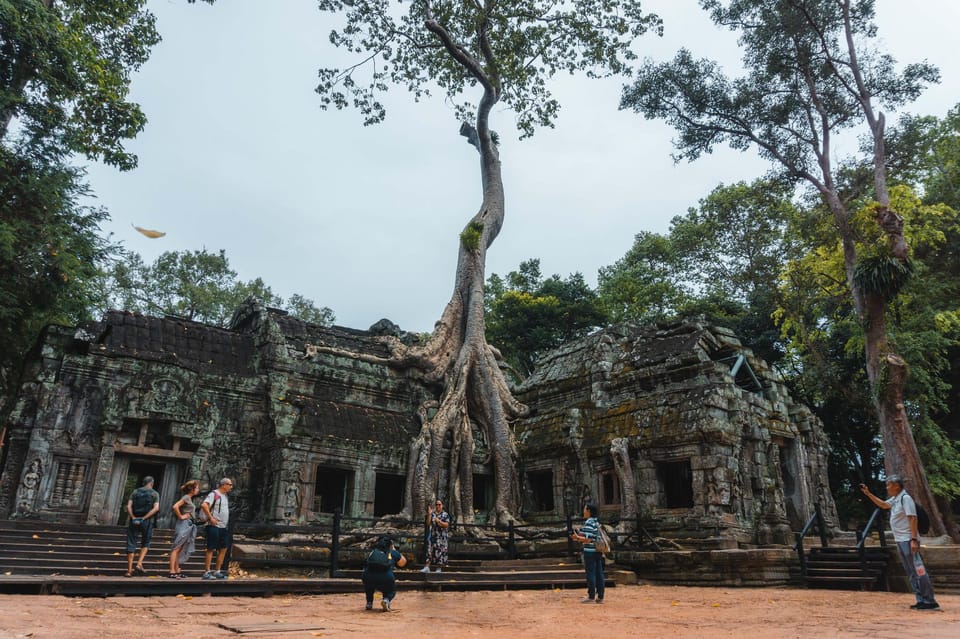
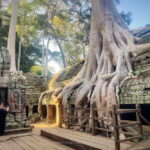
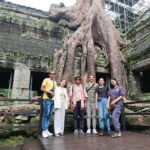
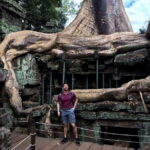
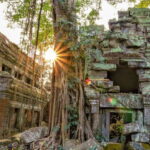
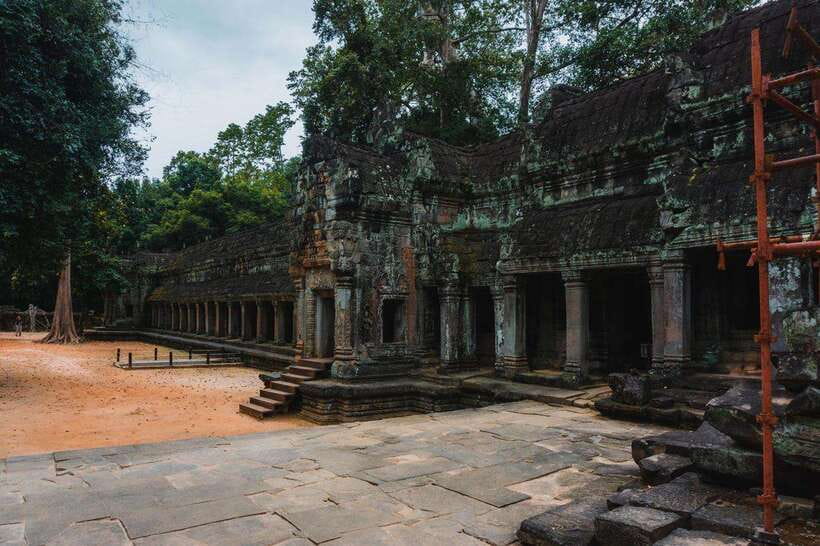
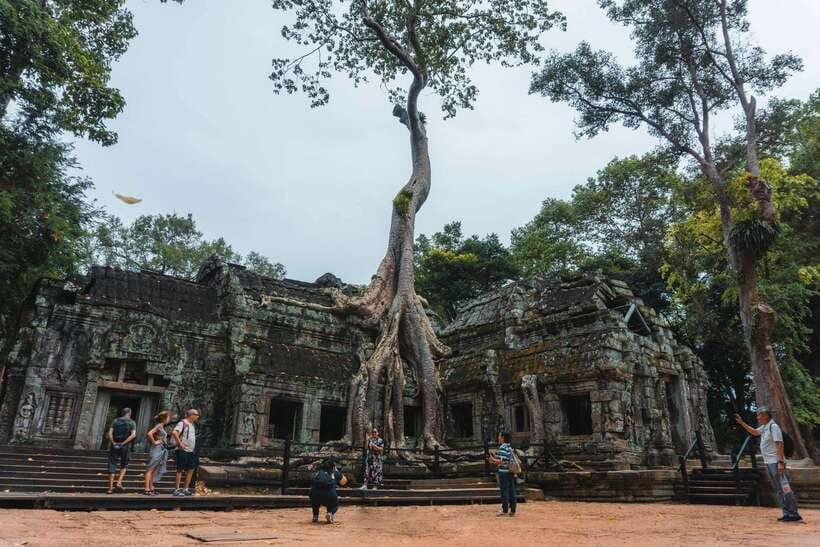
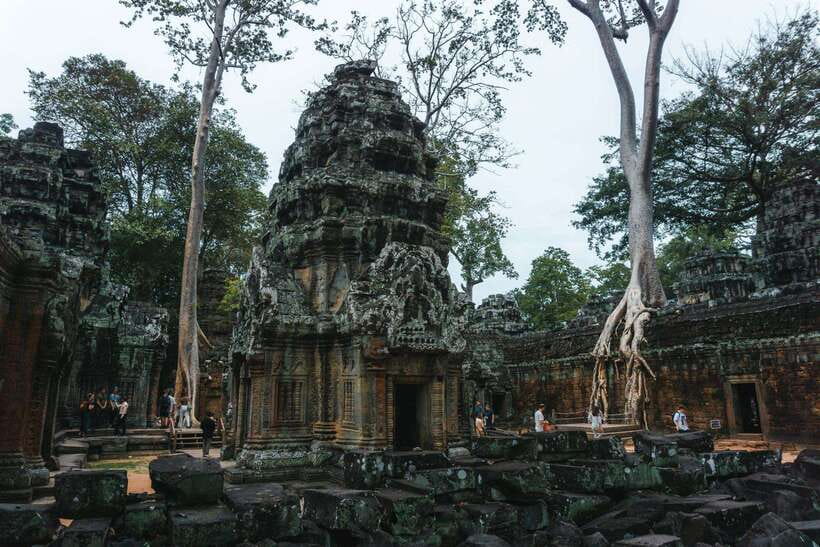
Next you drive to Ta Prohm Temple. This is the one that feels like the jungle grabbed the stone and refused to let go. The temple is left in its original state and is famously overgrown with trees and roots, again linked in popular culture to Tomb Raider.
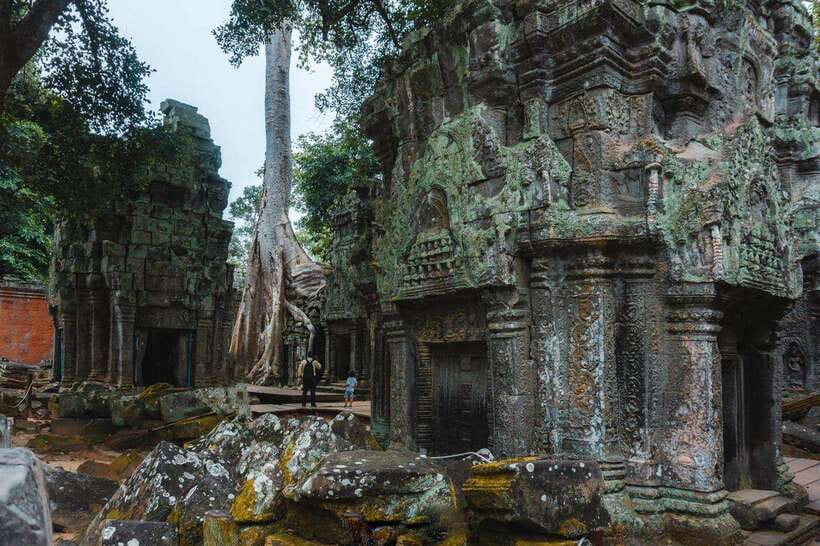
What I like about Ta Prohm is that it’s not “ruin with vegetation.” It’s a working visual system: roots, trunks, and stone beams all compete for your attention, which is exactly why it works. You don’t have to be an expert to appreciate the texture—this place is built to make you look up, look sideways, then look back down at the way roots meet carved surfaces.
Practical note: Ta Prohm can feel darker and more enclosed under the canopy, so bring your patience for slow wandering. The guide keeps things moving, but you’ll still want to take short breaks and let your eyes adjust.
Lunch stop and the village of Phum Preah Dak
Between temple-heavy blocks, the tour includes lunch at a local restaurant. Lunch is not included in the price, so you’ll be paying separately when you arrive. I’d plan on carrying some cash just in case the payment process is simple and cash-based at that spot. Also, don’t overthink lunch. Use it as a reset: drink water, cool off, and get ready for more walking.
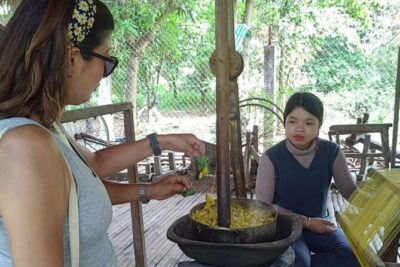
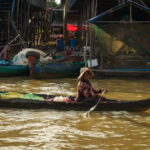
After that, you’ll shift from monumental stone to everyday life with a visit to Phum Preah Dak. This is where the tour earns its place on a “more than temples” list. You can learn how locals make palm cake and palm sugar—skills tied to daily rhythms, not just heritage tours.
This village stop changes the texture of the day. Angkor is about kings, gods, and grand building projects. Phum Preah Dak is about hands, ingredients, and time. Together, they make the story feel more complete, and you’ll likely remember it long after the last photo from the temples.
You can also read our reviews of more tours and experiences in Siem Reap
Angkor Wat: the main icon and why the timing works
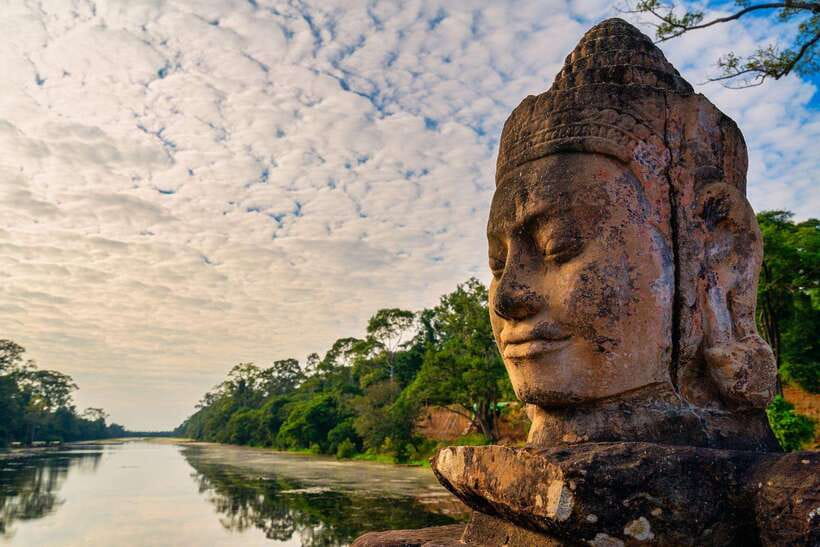
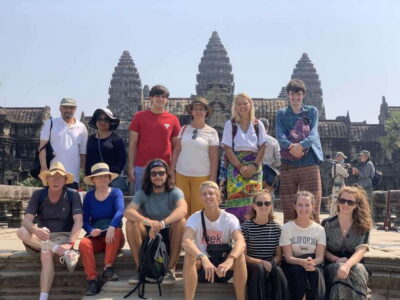
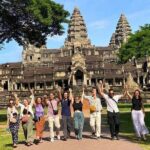
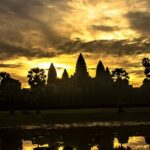
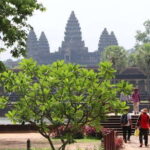
Angkor Wat is next, and it’s the largest sacred building on Earth, and the Khmer civilization icon most people dream about. The tour aims to bring you in during a practical part of the day so you can walk the grounds and enjoy the scale with fewer “I’m rushing” moments.
You’ll spend time exploring Angkor Wat with views of the dense jungle beyond the temple edges. That jungle framing matters because Angkor isn’t sitting in a museum setting. It’s part of a lived-in landscape, and the contrast between carved stone geometry and surrounding vegetation is the point.
This is also a good place to slow down for observations. Look at how the temple’s lines guide you onward, and notice how different angles make the same building feel totally different. Even if you’ve seen photos before, you’ll likely find new details once you’re standing within the scale.
Phnom Bakheng sunset: the climb and what to expect
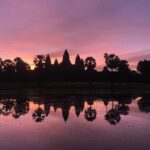
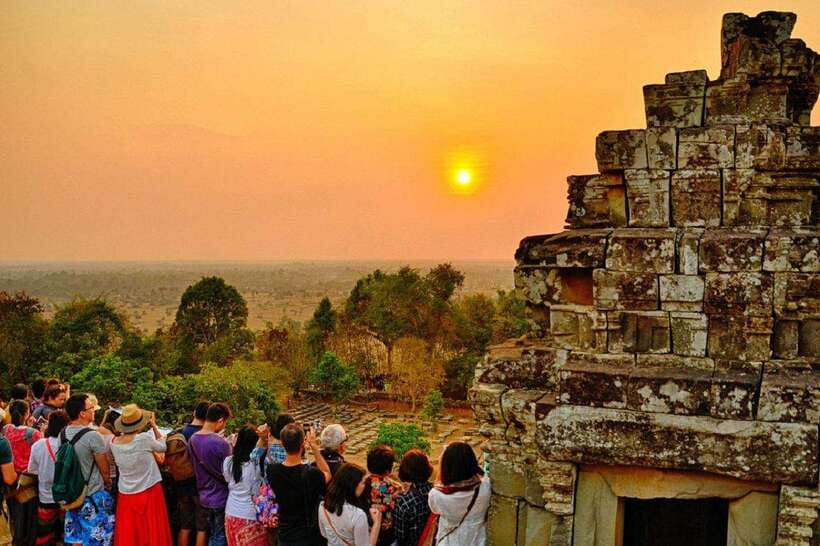
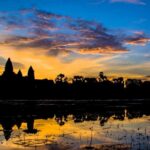
To wrap up, you climb Phnom Bakheng to watch the sunset before being transferred back to your hotel. This is a classic move because it gives you a viewpoint rather than another gallery of carvings.
Be ready for the climb as a real part of the experience. Sunset plans at Angkor often mean mixed light and a scramble for good spots, and Phnom Bakheng is no exception. The bigger thing is expectation management: this tour’s sunset is specifically from Phnom Bakheng, so it’s not a guaranteed “watch the sun right in front of Angkor Wat” situation.
That’s exactly why I think this ending works. It adds variety: you finish with a view of the temple-jungle world instead of repeating another close-up temple walkthrough.
Value and costs: $32 plus the Angkor pass reality
The tour price is $32 per person for a full day (about 10 hours), with hotel pickup and drop-off, a luxury minivan, a licensed driver, an English-speaking guide, and cold water plus cold towels. Those inclusions matter because Angkor tours are often time-consuming to organize on your own. Paying for transportation and guide attention is usually what makes the day feel doable.
But the big cost item is the Angkor pass: $37 per pax, not included. So your true temple-entry cost is effectively higher than the headline price. Add lunch (also not included), and you’re closer to a more realistic all-in figure.
Still, I think the value holds if you want a guided, structured route. You’re not only paying for driving. You’re paying for someone to connect Bayon’s faces, the terrace areas, Ta Prohm’s “left original state” feel, and Angkor Wat’s icon status into one coherent story—while also keeping the day paced.
One more value factor: the guide and driver quality. On one recent booking, the English guide Bunhak was praised, and the driver Nol was described as nice and professional. You can’t assume names on every day, but you can take comfort that the operation focuses on competent staff.
Who this tour fits best
This tour is best for you if you want a full Angkor day without having to plan every turn. It also fits well if you like a “story route”—Angkor Thom’s royal city layout, then Bayon, terraces, Ta Prohm’s iconic trees, Angkor Wat’s scale, and finally a sunset viewpoint.
It’s also a great match if you care about local culture as much as temples. Phum Preah Dak makes the trip feel less like a checklist and more like a connection with daily life. If you’re only chasing photos, you might wish for more time at fewer sites—but the structured pace is part of the appeal for many first-timers.
Practical tips so your day runs smoothly
Here’s how to make this tour feel easier on the ground:
- Wear comfortable shoes you trust on uneven stone and possibly dusty paths.
- Bring a sun hat and sunscreen. You’ll be outside a lot.
- Dress for heat and temple rules: short skirts aren’t allowed. Light, covered clothing works better than you might think.
- Expect a long day. Even though it’s only 10 hours, the walking and sun exposure stack up quickly.
- Bring a little cash for lunch, just in case payment feels cash-based at the restaurant stop.
If you’re sensitive to heat, go slow at your first temple stops. Starting calm helps you enjoy the later sites like Bayon and Ta Prohm without feeling behind.
Should you book this Angkor Wat small-group day tour?
Book it if you want a guided, efficient day that covers the big temples plus a real village-cultural stop. The combination of Angkor Thom, Bayon, Ta Prohm, Angkor Wat, and a Phnom Bakheng sunset is the kind of lineup that’s hard to replicate well on your own.
Skip or rethink if sunset is your top priority and you’re expecting to be right beside Angkor Wat at golden hour. This tour ends with a Phnom Bakheng climb and viewing location, so plan around that.
If you’re ready for a full, structured Angkor circuit with comfort on the transport side, this one is a strong choice.
FAQ
Do I need an Angkor pass for this tour?
Yes. The Angkor pass is not included, and it’s listed at $37 per person.
Is lunch included?
No. Lunch is not included, even though there is a lunch stop during the day.
How long is the tour?
The tour runs for about 10 hours.
Do you provide hotel pickup and drop-off?
Yes. Pickup and drop-off at your hotel are included.
What’s included in the tour price?
Hotel pickup and drop-off, a luxury minivan with insurance, a licensed English-speaking guide, and cold drinking water plus cold towels.
Is the guide language English?
Yes. The tour includes an English-speaking guide.
What should I bring?
Comfortable shoes, a sun hat, sunscreen, and comfortable clothes.
Are short skirts allowed?
No. Short skirts are not allowed.
FAQ
Do I get free cancellation?
Yes. You can cancel up to 24 hours in advance for a full refund.
Can I reserve now and pay later?
Yes. The tour offers a reserve now & pay later option, where you can book your spot and pay nothing today.