REVIEW · SIEM REAP
Cambodian Cooking Class from Siem Reap
Book on GetYourGuide →Operated by Beyond. Unique Escapes · Bookable on GetYourGuide
The smell of herbs tells you this class means business. You’ll ride out of Siem Reap by tuk tuk, meet a local family, then cook Khmer dishes at your own station in a village setting. I especially love the way the experience starts with ingredients in the morning market and ends with you eating what you made in a calm outdoor pavilion.
Two things I like a lot: first, it’s truly hands-on, not watch-and-hope cooking. Second, you get a real look at daily Khmer life through a village walk and a stop at a local home, including the kitchen setup and a vegetable garden. One thing to plan for: a big chunk happens outdoors, so bring sun protection and wear comfortable shoes for the short walk.
If your goal is a cooking class that feels tied to the community (not just the food), this hits the mark. The team includes English-speaking guides and chefs you might see referenced by name, like Sophia Lauren, Sopheap, and chefs such as Prey or Prayer. And because groups are capped at 6, you get more attention while you chop, crush, and taste.
In This Review
- Key Highlights You Should Know
- Tuk-Tuk Pickup and the Short Ride Out of Siem Reap
- The Market and Ingredient Hunting That Actually Helps You Cook
- Visiting a Khmer Family Home, Kitchen, and Vegetable Garden
- How the Outdoor Cooking Class Works (And Why Everyone Cooks)
- What You’ll Cook: Two Menus of Khmer Favorites
- Morning Class Menu
- Afternoon Class Menu
- Lunch Served Over the Pond: Eating What You Made
- Price and Value: Is $32 Worth It?
- Who Should Book This Class (And Who Might Skip It)
- Tips to Make the Day Go Smoothly
- Should You Book This Cambodian Cooking Class in Siem Reap?
- FAQ
- How long is the Cambodian cooking class?
- What is the price per person?
- Is hotel pickup and drop-off included?
- How big is the group?
- What language is the guide and instruction in?
- What kind of dishes are included?
- Can children join?
- Are drinks included with the meal?
- Is the cooking truly hands-on?
Key Highlights You Should Know
- Market visit first: you learn what you’re actually buying and why it matters before you start cooking.
- Village walk + local family home: you see herbs and vegetables tied to daily meals, not just restaurant cooking.
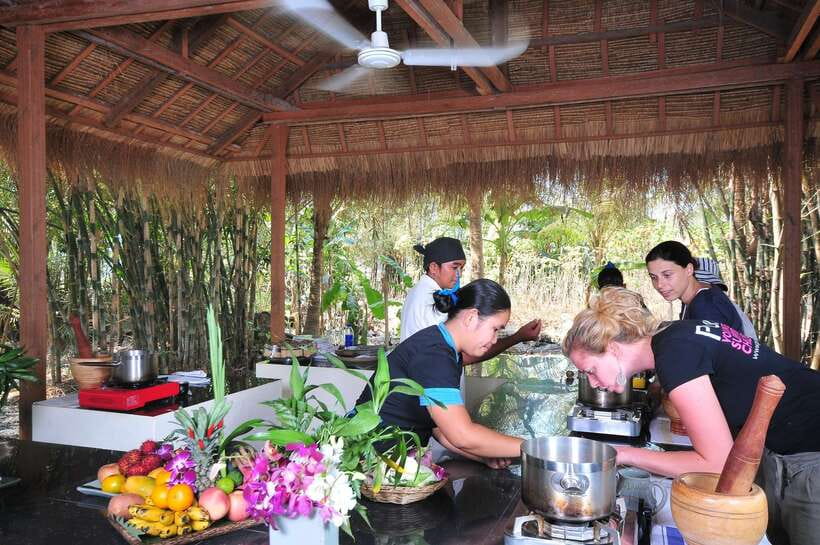
- Own station, real prep work: everyone cooks with their own tools and equipment.
- Outdoor pavilion with pond views: you finish by eating in a wooden pavilion over a pond, often with turtles nearby.
- Khmer dishes you can repeat at home: you get recipe cards and a recipe book, with guidance from the chef.
- Small-group pace: capped at a maximum of 6 participants for a relaxed, guided class.
Tuk-Tuk Pickup and the Short Ride Out of Siem Reap
The day starts with a tuk tuk pick-up from your hotel, then a short ride out of the city to a rural village area. It’s not a long commute, so you don’t feel wiped out before you even cook.
This transport matters more than it sounds. In Siem Reap, it’s easy to feel trapped in tour zones. This ride gently breaks that pattern, and it sets the tone for the rest of the experience.
You can also read our reviews of more cooking classes in Siem Reap
The Market and Ingredient Hunting That Actually Helps You Cook
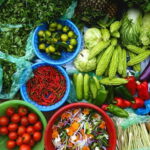
One of the strongest parts of the experience is the market run with the chef and/or guide. You’re not just collecting ingredients blindly. You’re learning how Khmer cooks think about produce and flavor, and you get explanations for herbs and vegetables used in everyday cooking.
If you want to shop smarter back home, this is the moment. You get to smell and see the raw materials up close, which makes the recipes easier to follow later. Several guests also highlight that guides explain ingredients clearly and offer alternatives for items you might not find at home.
Practical note: go with an open mind. Cambodian dishes use ingredients that may not be on your supermarket shelf, but the class is designed to help you understand what each ingredient is doing.
Visiting a Khmer Family Home, Kitchen, and Vegetable Garden
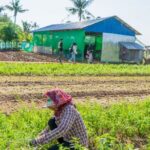
After the market, the experience shifts from shopping to lived-in life. You’ll visit a local family and learn about food preparation in a Khmer home, plus you’ll see the kitchen and the vegetable garden.
This is where the class stops feeling like a one-off activity and starts feeling like cultural context. You learn which herbs and vegetables Khmer households commonly grow and use, and you connect that to what you’ll cook later.
You also get a village walking segment and time talking with local villagers. With a maximum of 6 people, those moments don’t feel rushed. Your guide can actually answer questions and connect the dots between what you saw and what you’re making.
How the Outdoor Cooking Class Works (And Why Everyone Cooks)
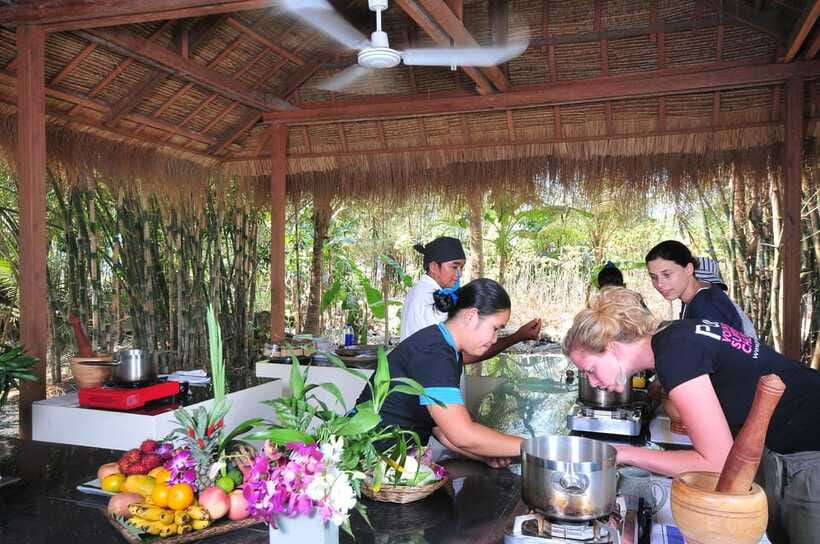
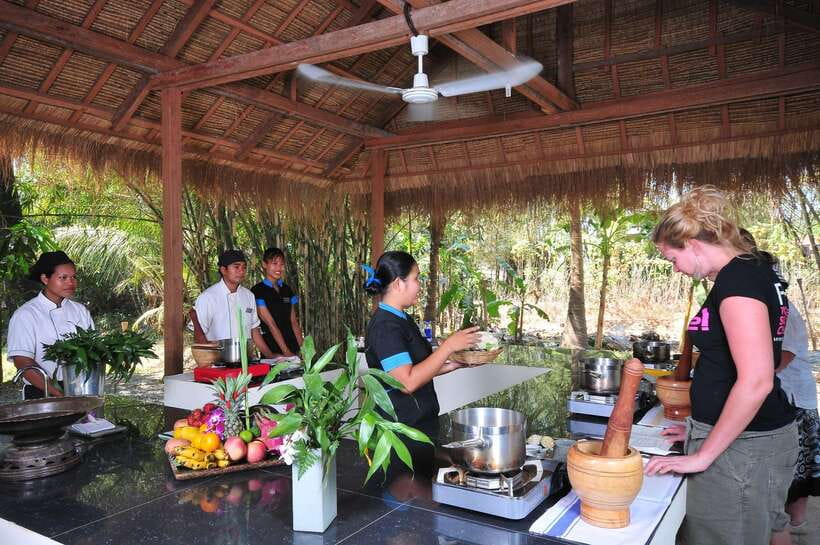
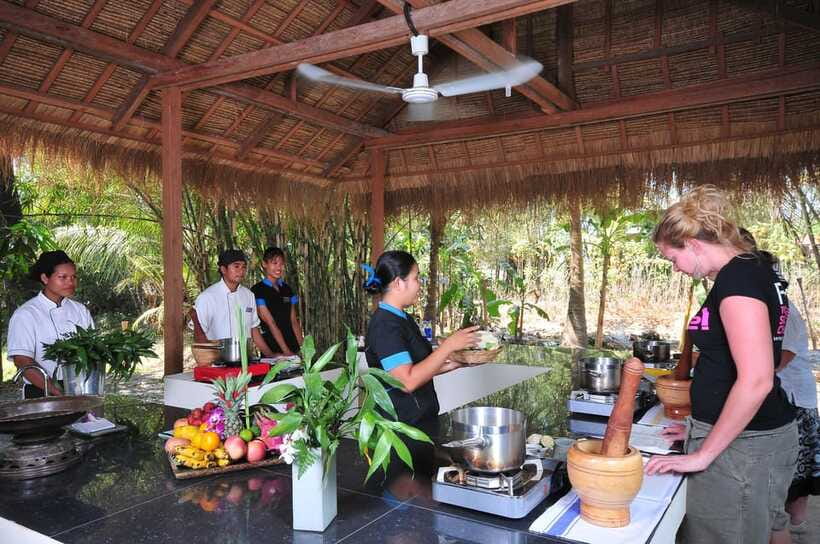
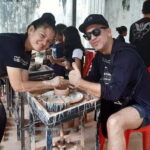
The cooking happens at a nearby pavilion, outdoors but set up for comfort. You’ll get assigned a cooking station and equipment. Then the English-speaking chef and guide teach you while you cook, step by step.
This format is the big advantage versus many cooking classes where you hover and take photos. Here, you’re chopping, mixing, and learning techniques in real time. That includes learning flavor logic, like how Cambodian curry relies on fragrant spices and building blocks rather than just heat.
I also like that the pace feels relaxed. One reason is group size. Another is the way the chef checks in and adjusts instruction so you can keep up. People mention clear explanations and patient guidance, which makes a difference if your knife skills are more tourist than local.
What You’ll Cook: Two Menus of Khmer Favorites
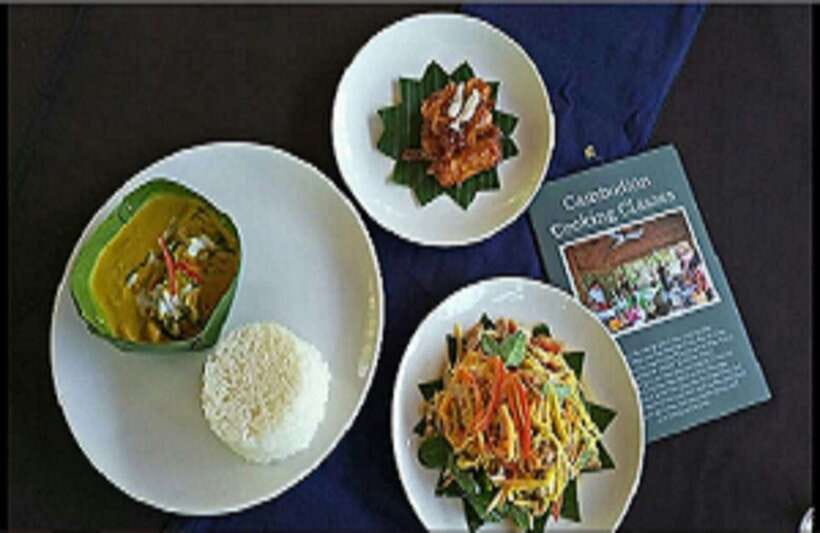
You’ll cook several dishes, and which menu you do depends on your class time. Morning classes focus on lighter and classic Khmer standards. Afternoon classes lean into fish, sugar cane, curry, and Khmer sweets.
You can also read our reviews of more tours and experiences in Siem Reap
Morning Class Menu
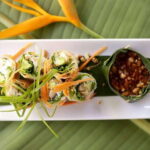
- Cambodian Mango Salad
This is built around fresh, light ingredients. It’s a good warm-up dish and a nice counterpoint if you’re worried Khmer food might be too heavy.
- Fish Amok
Amok is cooked in young coconut. It’s described as a smooth curry, and it can be made with fish, chicken, or tofu.
- Sticky Rice Balls with Palm Sugar and Grated Young Coconut
A dessert-style sweet featuring palm sugar and young coconut.
Afternoon Class Menu
- Prahet Chien
Minced fish on sugar cane. Expect a dish that’s playful in shape and satisfying in texture.
- Cambodian Curry
This is a key Khmer lesson: it’s explained as less about hot, spicy heat compared with nearby Thai-style flavors, and more about layers of fragrant spices.
- Nom Tong Noun
Khmer brandy snaps. It’s slightly sweet, crisp, and easy to overeat in the best possible way.
A useful bonus: you’re not only learning what dishes are on the table. You’re learning how to reproduce them. The class provides a recipe card, plus a recipe book that goes beyond just the dish you made.
Lunch Served Over the Pond: Eating What You Made
After cooking, you sit in the wooden pavilion perched over a pond. Your dishes get served to you one by one, so you can taste and compare as the meal progresses.
A lot of people love this part because it turns class time into meal time. One review noted turtles swimming in the pond area, and that kind of calm detail really sticks in your memory.
You’ll also get a complimentary drink with lunch, with the class listing options like beer, soft drink, or bottled water. One past guest mentioned a misunderstanding about beer, so if alcohol matters to your plan, confirm what’s included for your specific session before you order or pay anything.
Either way, the practical value is the same: you’re eating the results of your work right away, while flavors are still fresh and the cooking steps are still in your head.
Price and Value: Is $32 Worth It?
At $32 per person for about 3.5 hours, this is one of those deals that feels fair once you list what’s included.
You’re getting:
- Hotel pickup and return by tuk tuk
- An English-speaking guide and chef
- Market and village walking components
- A fully hands-on cooking session
- A recipe book and recipe card
- Lunch (you eat what you cook)
- Complimentary drink during the meal
For the time, the group size cap, and the fact that you actively cook instead of just observe, I think the value holds up. You’re paying for instruction, ingredients, and a setup that lets you cook at your own station in a village setting.
If your budget in Siem Reap is tight, this can be a smarter choice than another paid tour that mostly just shows you sights. It also gives you something you can keep using after you leave: the recipe and the techniques.
Who Should Book This Class (And Who Might Skip It)
This is a great fit if you:
- Want a hands-on Khmer cooking experience
- Like culture that connects to daily life, not just temples
- Enjoy markets and ingredient learning
- Want a small-group class with more attention
It’s also a strong option for families with teens. The class states that only children above 12 can join the cooking class, with private classes possible for families by request. If you’re traveling with younger kids, you’ll need to plan around that.
Who might skip it? If you expect a fully indoor, air-conditioned cooking studio, this won’t match that vibe. It’s outdoors and you’ll walk through a village, so plan for sun.
Tips to Make the Day Go Smoothly
- Bring a hat and wear comfortable footwear. You’ll do a short village walk and you’ll be outside during cooking.
- Expect mild heat compared with some neighboring cuisines. Cambodian food is described as having spices but not the same level of heat.
- Tell them about dietary needs. Guests report that dietary restrictions can be accommodated and that they help make the meal safe.
- Come hungry and curious. You’ll be cooking several dishes, and the meal portion is generous for what’s essentially a half-day class.
Also, don’t stress about experience level. The class is designed so you don’t need special cooking skills before you arrive.
Should You Book This Cambodian Cooking Class in Siem Reap?
Yes, if you want real Khmer food skills and a village experience that feels connected to the people making the food. I like that it blends market learning, a family-home visit, and a practical cooking session where you actually do the work.
Book it especially if you:
- Want an activity that breaks up temple-heavy days
- Care about learning ingredients and methods you can repeat later
- Prefer small groups and clear instruction
Skip or adjust expectations if you’re looking for an all-indoor, polished studio feel. This is more rustic, more outdoors, and more focused on daily life than on luxury.
If you want one cooking class that leaves you with both recipes and context, this is a solid choice for Siem Reap.
FAQ
How long is the Cambodian cooking class?
The class lasts about 3.5 hours.
What is the price per person?
It’s $32 per person.
Is hotel pickup and drop-off included?
Yes. You get tuk tuk pickup from your hotel and return to the tour office at the end.
How big is the group?
Tours are capped at a maximum of 6 participants.
What language is the guide and instruction in?
Instruction is in English.
What kind of dishes are included?
You’ll cook multiple Cambodian dishes. Morning classes focus on Cambodian Mango Salad, Fish Amok, and Sticky Rice Balls, while afternoon classes typically include Prahet Chien, Cambodian Curry, and Nom Tong Noun.
Can children join?
Only children above 12 can join the cooking class. Private classes can be arranged for families upon request.
Are drinks included with the meal?
The class includes a complimentary soft drink, beer, or bottled water with lunch.
Is the cooking truly hands-on?
Yes. It’s described as 100% hands-on, with your own cooking station and equipment so you actively make the dishes.