REVIEW · SIEM REAP
Siem Reap: Half-Day Cambodian Cooking Class
Book on GetYourGuide →Operated by Beyond. Unique Escapes · Bookable on GetYourGuide
Cooking in Cambodia is easier than you think.
This half-day Siem Reap cooking class turns a casual food outing into a practical skill you can repeat at home, starting with a local market stop. I love the market walk with a guide named Sofia, because it shows what to look for in Cambodian ingredients instead of just buying what looks good.
The hands-on part is even better: you cook three dishes with step-by-step guidance in a purpose-built garden pavilion, then taste what you make. One thing to consider is that you only learn three dishes in three hours, so if you want a wide-ranging menu or lots of extra recipes, you may need to plan another meal later.
In This Review
- Key things I’d put on your radar
- Why this Siem Reap cooking class feels like real value
- Getting picked up and cruising to the market by tuk-tuk
- The guided market walk: how to shop like you actually cook
- Cooking at the garden pavilion: where technique becomes confidence
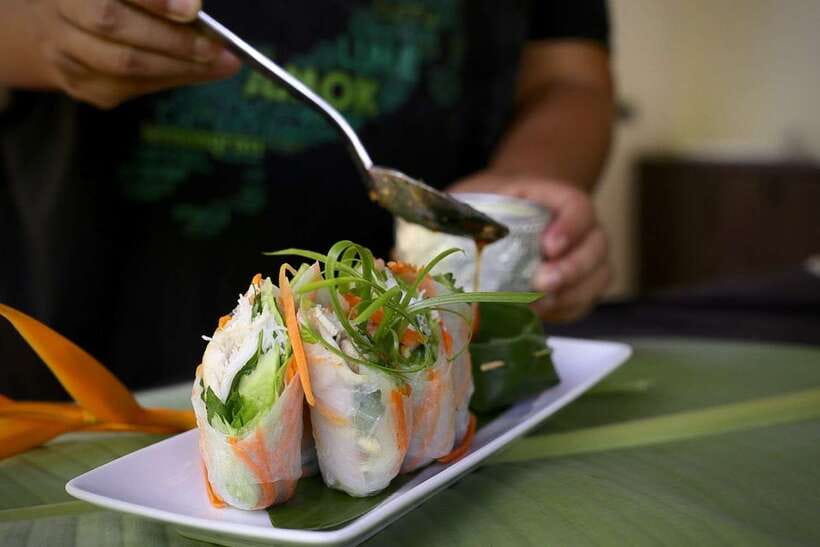
- Your three-dish plan: spring rolls, curry, and palm-sugar bananas
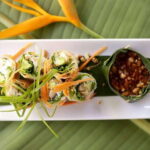
- Rice paper spring rolls
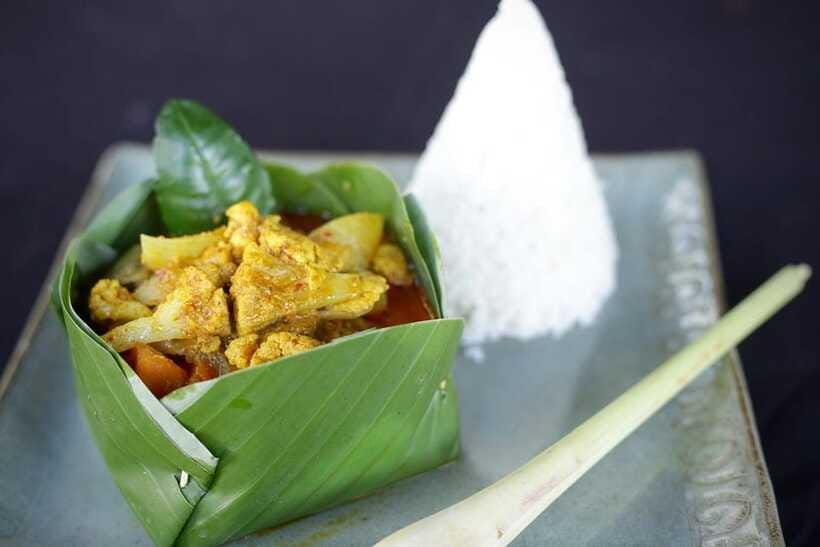
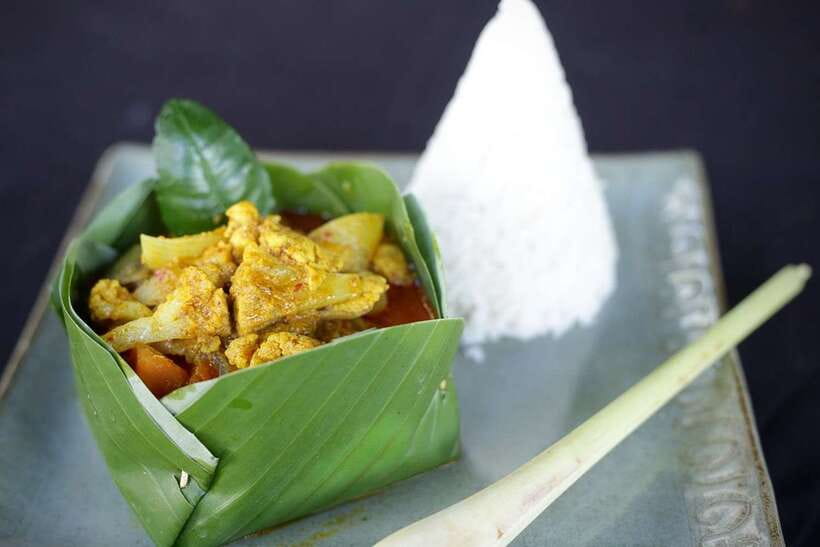
- Cambodian-style curry
- Bananas in palm sugar
- Tasting your work and keeping pace without feeling rushed
- Who this cooking class is best for in Siem Reap
- Price check: is $32 for three hours a fair deal?
- Practical tips so you have a smooth, happy class
- Should you book this Siem Reap cooking class?
- FAQ
- FAQ
- What is the duration of the Siem Reap half-day Cambodian cooking class?
- How much does the cooking class cost?
- Will I be picked up and dropped off from my hotel?
- Do I visit a market during the experience?
- What dishes will I learn to cook?
- Is the class taught in English?
- Is water provided?
- Are tastings included?
- Is the experience wheelchair accessible?
- Can I cancel and get a refund?
- Can I reserve without paying immediately?
Key things I’d put on your radar
- Market shopping with Sofia and ingredient pointers that make sense when you’re back home
- Tuk-tuk transfer from your hotel so you spend energy on food, not logistics
- Hands-on cooking in a garden pavilion with clear, supportive instruction
- Three specific dishes: rice paper spring rolls, Cambodian-style curry, and bananas in palm sugar
- Fresh, well-measured ingredients that help you focus on technique
- Pickup and drop-off at your accommodation, so you can slot this in easily
Why this Siem Reap cooking class feels like real value
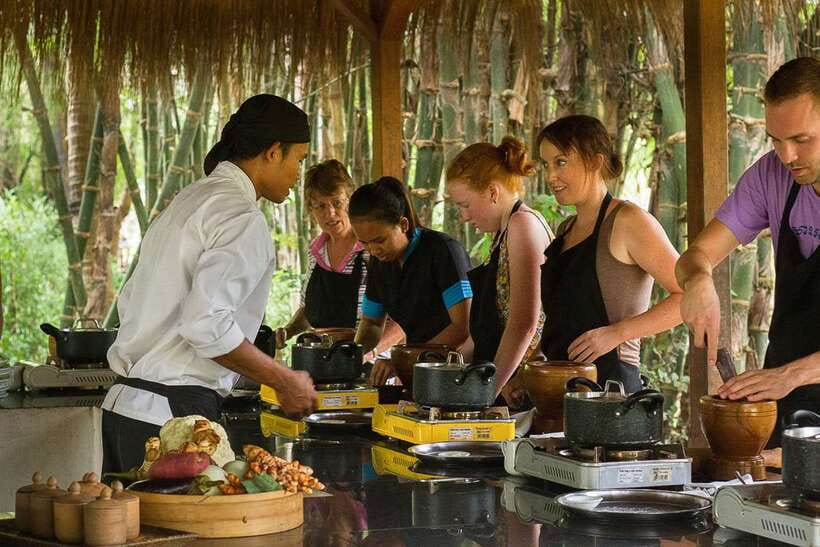
At $32 per person for about three hours, this is one of those activities that can beat another “see the sights” slot on a travel day. You’re not just watching someone cook—you’re learning how to shop for ingredients and how to put together a Cambodian meal in a way that’s shareable.
What makes it feel like good value is the structure. You get a guided market stop, then you get direct coaching while you cook, and tastings are included. That combo matters: the market teaches your eye, the kitchen teaches your hands, and tastings keep you honest about flavor and texture.
It also works well if you’re tired after busy Angkor days. You’re still getting something deeply local, but without the fatigue of a full-day plan.
You can also read our reviews of more cooking classes in Siem Reap

Getting picked up and cruising to the market by tuk-tuk
The experience starts with hotel pickup in Siem Reap. You’ll want to be waiting in your lobby about 30 minutes before the scheduled start, because that’s how they’ll find you and get you on the way.
Then comes the short ride to the market by tuk-tuk. It’s not just “transport”—it sets the tone. You arrive already relaxed, and you’re in a neighborhood food mindset instead of a tourist checklist mindset.
Since water is included, you don’t have to worry about staying comfortable during the market walk and the cooking session. For many people, that’s the difference between enjoying a class and rushing through it.
The guided market walk: how to shop like you actually cook
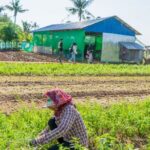
One of the most praised parts is the guided market time, where you walk and learn how Cambodian ingredients fit together. With a guide named Sofia, the focus is practical: you’re learning what items are commonly used and how to spot what you need for the dishes you’ll cook later.
Here’s what this does for you. When you learn ingredients in context—what they’re for and how they’re used—you’re more likely to replicate the recipes later. Instead of guessing at substitutions, you learn the logic of the flavors.
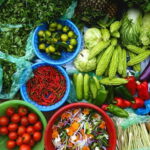
You can also expect plenty of colorful produce and typical local items during the walking tour. Even if you don’t buy anything, the market gives you a mental map for Cambodian cooking: the balance of savory, aromatic, sweet, and tangy elements that show up across different dishes.
A small practical note: wear comfortable shoes. You’ll be moving through a market, and you’ll want to watch your step while you take in the food.
Cooking at the garden pavilion: where technique becomes confidence
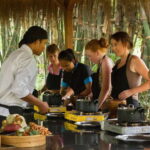
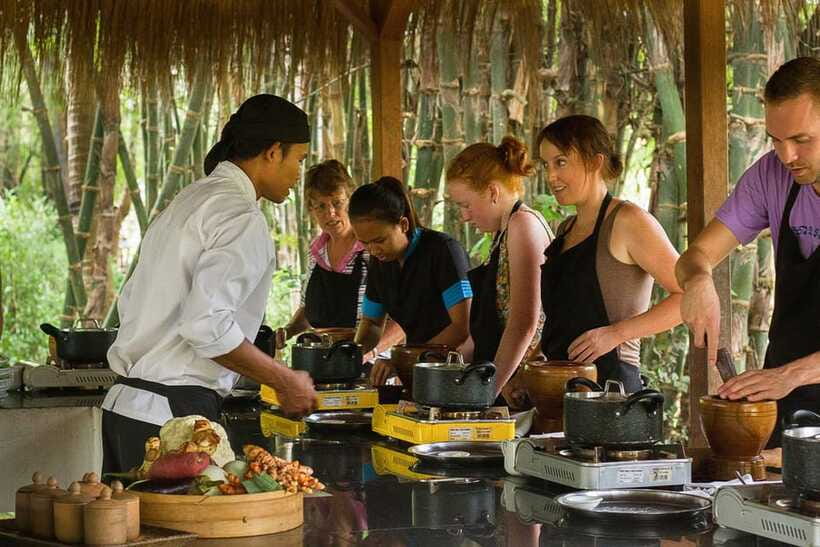
After the market, you head to a purpose-built garden pavilion for the cooking class. This setting helps a lot. It’s designed for instruction, so you’re not squeezed into a place that makes it hard to see, ask questions, or follow along.
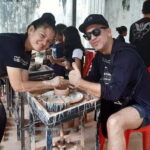
Your instructor is in English, and the teaching style is step-by-step. In the class, you get hands-on guidance while you cook, which is exactly what turns this from entertainment into a skill.
This matters because Cambodian cooking relies on more than memorizing ingredients. You need to understand timing, texture, and how the flavors change as they cook. When you’re actively cooking, those lessons stick faster.
If you’re the type who learns best by doing, this is your kind of class.
Your three-dish plan: spring rolls, curry, and palm-sugar bananas
This class is built around three dishes. That’s a smart approach because it gives you a full meal arc—savory starters, a main, then something sweet.
You can also read our reviews of more tours and experiences in Siem Reap
Rice paper spring rolls
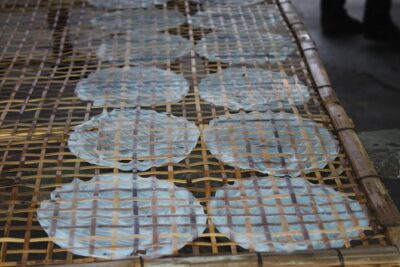
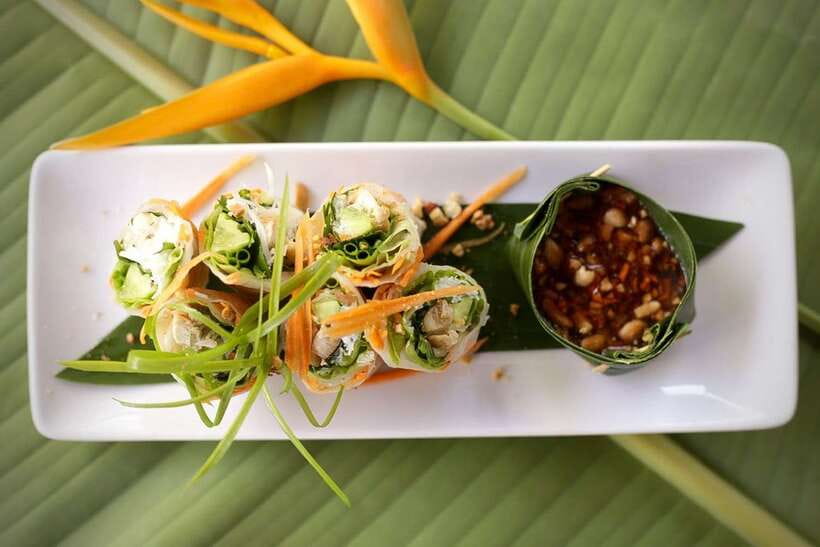
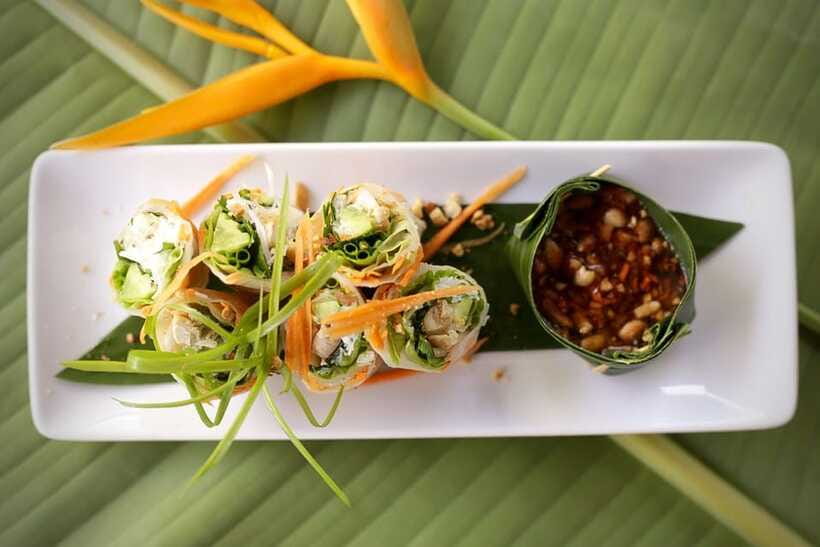
You’ll make rice paper spring rolls with step-by-step help. The key skill here is handling the wrappers. Rice paper can turn tricky if it dries out or gets too wet too fast, so coaching during the process helps you avoid common mistakes.
These spring rolls are also the kind of dish that travels well to your future kitchen life. Once you learn the wrapper workflow, you can adapt fillings later.
Cambodian-style curry
Next is Cambodian-style curry, which is where the class shows its flavor thinking. Curry isn’t just “spice.” It’s about the balance of aromatics and how ingredients come together into a cohesive sauce.
In a cooking class like this, the biggest value is that you’re tasting and adjusting as you go—so you understand what the dish should feel like when it’s right.
Bananas in palm sugar
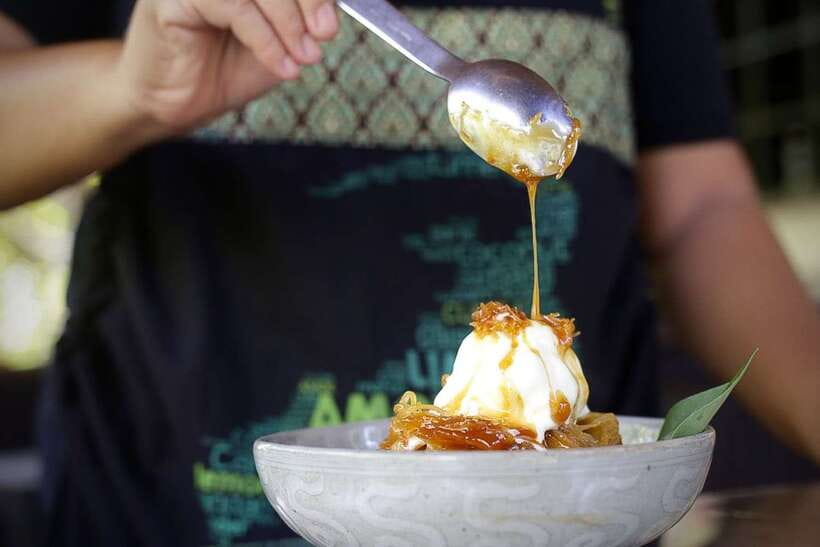
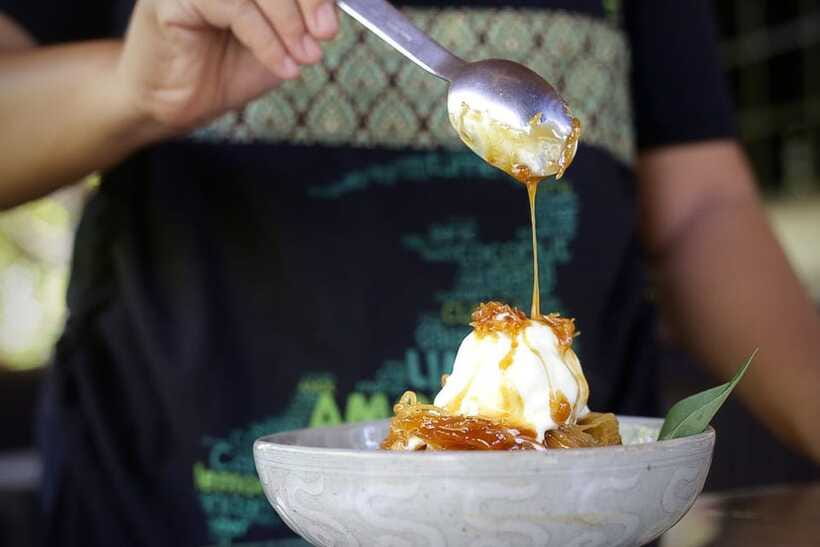
Finally: sweet bananas in palm sugar. This is a crowd-pleaser because it’s simple but very Cambodian in its sweet flavor direction. You learn how palm sugar creates depth rather than just sweetness, and you’ll see how the dessert side of the meal fits naturally after something savory.
This final dish also makes the class feel complete. You’re not just learning a technique; you’re learning a meal flow you can share.
Tasting your work and keeping pace without feeling rushed
Tastings are included, which is practical. You get to compare what you cooked with what the dish should be like, and that feedback loop helps you learn faster.
The class timing is about three hours total. In real life, that pacing is important. It’s long enough to feel satisfying and hands-on, but short enough that you don’t lose your energy before the cooking starts.
If you like structured activities, you’ll appreciate how the session moves from market to pavilion to cooking to tasting to return. It’s designed so you don’t have to manage many details yourself.
One more nice touch: ingredients are prepared fresh and in the right amounts, according to past participants. That reduces stress and helps you focus on technique instead of measuring chaos.
Also, there’s mention of a cookbook in feedback from a past participant, which suggests you may get recipe guidance to help you repeat the dishes later. If that matters to you, check with the operator when you book.
Who this cooking class is best for in Siem Reap
This is an excellent choice for several types of travelers:
- Food lovers who want more than a dinner recommendation
- Couples who want a shared activity that’s not another temple stop
- Solo travelers who want a social but not overwhelming group setting
- Anyone who wants a practical takeaway skill
It can also be a smart rainy-day backup. When you’re in Siem Reap and weather changes fast, a cooking class gives you local culture without needing the outdoors.
The one group that might find it less ideal is someone who wants a huge buffet of dishes or a deep dive into many Cambodian specialties. Here, you learn three recipes well, not ten recipes superficially.
Price check: is $32 for three hours a fair deal?
Let’s talk money, plainly.
$32 per person for a half-day class is reasonable when you count what’s included: hotel pickup and drop-off, the cooking instruction, tastings, water, and the market walk with a local guide. Add the fact that you’re making three dishes you can share, and the value starts to make sense quickly.
You’re paying for three things that are hard to DIY on your own in a foreign kitchen:
1) ingredient guidance at the market,
2) live instruction while you cook, and
3) built-in feedback through tastings.
If you’ve ever tried to learn a cuisine from a recipe online without knowing which ingredients matter most, you’ll understand why this costs what it costs.
Practical tips so you have a smooth, happy class
These are the small things that help most:
- Arrive with comfortable shoes for the market walk.
- Keep your questions ready. The instructor’s English-language guidance is there for a reason.
- Plan to eat what you cook. Tastings are part of the experience, and the portion timing is built around the class flow.
- Wear clothes you don’t mind getting a little splashed with cooking activity (even if it’s kept tidy).
If you have dietary restrictions, you’ll want to confirm what the class can accommodate when you book, since the dishes are specified as spring rolls, curry, and palm-sugar bananas.
Should you book this Siem Reap cooking class?
If you want a hands-on Siem Reap experience that’s genuinely useful after you leave—this is an easy yes.
I’d book it if you:
- enjoy learning food through shopping plus cooking,
- like structured guidance with a friendly instructor, and
- want a simple way to bring Cambodian cooking home to your own friends and family.
I’d hesitate only if you:
- want lots of dishes beyond three recipes, or
- are looking for something that’s primarily a sightseeing tour.
FAQ
FAQ
What is the duration of the Siem Reap half-day Cambodian cooking class?
The class runs for 3 hours.
How much does the cooking class cost?
It costs $32 per person.
Will I be picked up and dropped off from my hotel?
Yes. Hotel pickup and drop-off are included, and you should be waiting in your hotel lobby 30 minutes before the start time.
Do I visit a market during the experience?
Yes. You’ll take a guided walking tour of a local market with a guide to learn about ingredients.
What dishes will I learn to cook?
You’ll make rice paper spring rolls, Cambodian-style curry, and bananas in palm sugar.
Is the class taught in English?
Yes. The instructor is English-speaking.
Is water provided?
Yes. Water is included.
Are tastings included?
Yes. Tastings are included as part of the class.
Is the experience wheelchair accessible?
Yes, the activity is wheelchair accessible.
Can I cancel and get a refund?
Free cancellation is available up to 24 hours in advance for a full refund.
Can I reserve without paying immediately?
Yes. You can reserve now and pay later.