REVIEW · SIEM REAP
Private Tours Angkor Wat For 2 Days
Book on Viator →Operated by Private Angkor Wat Tour · Bookable on Viator
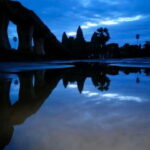
Angkor at dawn is the kind of magic you plan for. This private 2-day Angkor Wat experience is built around the big photo moments—sunrise at Angkor Wat and sunset from Phnom Bakheng—while still giving you guided stops at Banteay Srei, Preah Khan, Neak Pean, Pre Rup, Bayon, and Ta Prohm. Two things I really like: you get a dedicated guide (in recent feedback, Rain stood out for adjusting to what people care about) and private transport that keeps the day from turning into a stressful shuffle between sites.
The main thing to watch is cost creep. Temple entry is not included, and lunch and dinner aren’t included either, so you’ll want to budget for meals plus the Angkor pass before you go—especially if you’re hoping to stay out late for the evening views.
In This Review
- Key highlights at a glance
- Why this private 2-day Angkor plan makes sense in Siem Reap
- Day 1: Banteay Srei to Phnom Bakheng sunset (pink stone, ruins, and a big payoff)
- Stop 1: Banteay Srei (the pink-carving highlight)
- Stop 2: Preah Khan (ruins with atmosphere)
- Stop 3: Neak Pean (a man-made island temple)
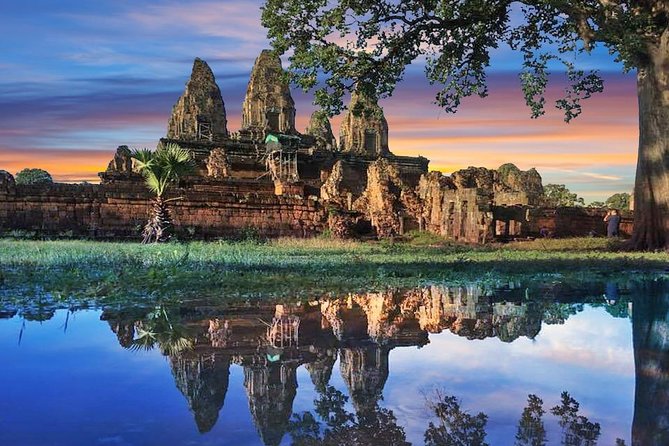
- Stop 4: Pre Rup (a Hindu pyramid you can feel in your legs)
- Stop 5: Phnom Bakheng (the sunset finale)
- Day 2: Angkor Wat sunrise, Bayon’s faces, and Ta Prohm’s atmosphere
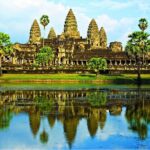
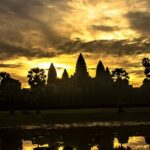
- Stop 1: Angkor Wat (sunrise and the big, preserved centerpiece)
- Stop 2: Bayon Temple at Angkor Thom’s South Gate (gods and demons on a causeway)
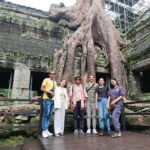
- Stop 3: Ta Prohm (the atmospheric, monastery-in-the-stones stop)
- The guide and driver effect: where comfort meets smart temple timing
- Price and value: what the $240 package covers (and what it doesn’t)
- Tickets, temple passes, and how to avoid day-of surprises
- What to pack for Angkor heat: shoes, sun protection, and camera readiness
- Accommodation flexibility: why not having your hotel included can be a win
- Who this private tour suits best (and who might want a different setup)
- Should you book Private Tours Angkor Wat for 2 Days?
- FAQ
- How long is the Private Tours Angkor Wat for 2 Days experience?
- Where does the tour start and end?
- Is accommodation included?
- What’s included in the tour price?
- Are temple passes or admission tickets included?
- Is lunch or dinner included?
- Is this a private tour or a group tour?
- Do I need good weather for the tour?
- What should I bring or wear for the temples?
Key highlights at a glance
- Private group pace: You’re not squeezed into someone else’s schedule.
- Sunrise and sunset planning: Angkor Wat at sunrise, then Phnom Bakheng for sunset.
- Stops with clear variety: From small, carved Banteay Srei to atmospheric ruins like Preah Khan.
- Bottled water and practical comfort: Handy during hot temple hours.
- Great guide-driver teamwork: Rain and driver Kann are noted for smart crowd navigation and looking after basics like towels and water.
- Accommodation is on you: Which is a plus if you like choosing your own hotel area.
Why this private 2-day Angkor plan makes sense in Siem Reap
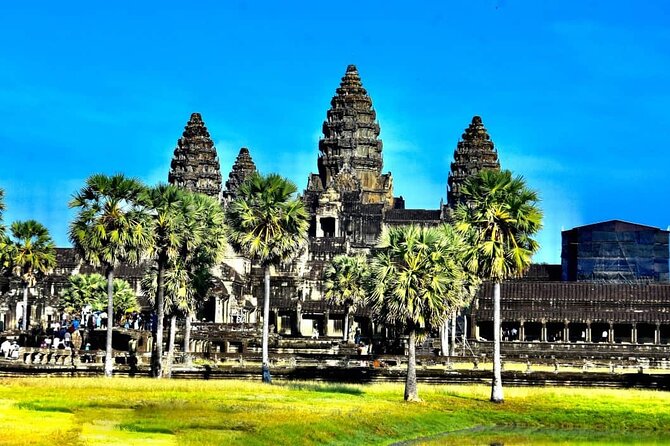
Angkor Wat doesn’t work like a normal day trip. The temples are spread out, the best light comes early or late, and the crowds can feel like they multiply the second you show up without a plan. That’s why a private, two-day structure is such a good fit. You get a start around 8:00 am, then each day ends back at your hotel, so you’re not stuck hunting down transport after dark.
The “private” part matters more than people think. When you’re with just your group, your guide can steer the timing between temples around your pace and interest level. In particular, the guide setup here is designed for explanation, not just “drop-off and go.” The tour highlights the art and architecture behind what you’re seeing—like Banteay Srei’s famous pink sandstone look and its finely detailed carvings, or Bayon’s iconic smiling stone faces—so you’re not staring at stones with no context.
One more small but meaningful perk: bottled water is included, and that’s real value in Siem Reap heat, especially when you’re out for long stretch temple blocks.
You can also read our reviews of more private tours in Siem Reap

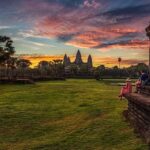
Day 1: Banteay Srei to Phnom Bakheng sunset (pink stone, ruins, and a big payoff)
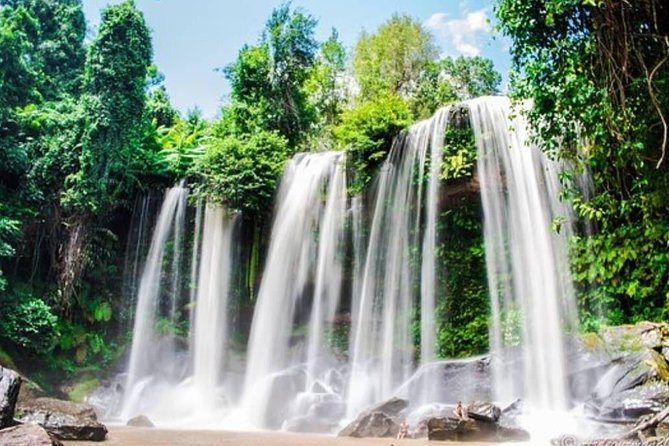
Day 1 is a strong opener because it mixes “wow, art” with “wow, atmosphere,” and then saves the cinematic moment for the end.
Stop 1: Banteay Srei (the pink-carving highlight)
You start at Banteay Srei, a smaller temple that’s considered a masterpiece of classical Khmer art. The big reason people get excited is the pink sandstone and the very fine, detailed carvings. Because it’s small, the experience can feel more magical and personal than the mega-sites.
Practical note: because it’s a focused stop, it works well even if you want to spend extra time photographing specific carved sections. Bring your patience for close-up detail. This is not the kind of temple you speed through.
Stop 2: Preah Khan (ruins with atmosphere)
Next is Preah Khan, described as a collection of ruined but highly atmospheric stone structures. If you like temples that feel less pristine and more lived-in through time, this is the contrast piece after the carvings-focused Banteay Srei.
What to expect here: you’ll likely get a guided sense of what you’re looking at—ruins can feel confusing if you don’t know what to pay attention to. The tour’s goal is to keep you oriented while you walk through the still-impressive stone layout.
Stop 3: Neak Pean (a man-made island temple)
Then you head to Neak Pean, a man-made island containing a Buddhist temple. This stop is shorter (about 40 minutes), but the concept makes it memorable: you’re moving from temple ruins and stone structures to a layout that feels more intentional and distinctive.
This is a good time to reset your energy. Shorter blocks help you stay comfortable, especially with the heat and sun.
You can also read our reviews of more tours and experiences in Siem Reap

Stop 4: Pre Rup (a Hindu pyramid you can feel in your legs)
Pre Rup is next, and it’s a Hindu temple also known as a pyramid. This is another stop that adds physical presence to the day. Even if you’re not the type who loves climbing, pyramidal temple layouts naturally make you move differently than flat courtyards.
The tour keeps the visit to around 40 minutes, which is a sensible pace for a day that’s already stacking up.
Stop 5: Phnom Bakheng (the sunset finale)
You finish at Phnom Bakheng, the last temple listed for the evening sunset view. The day’s rhythm makes sense: earlier stops are about architecture and scattered details, then Phnom Bakheng is about the big light payoff.
This is where your camera planning matters. Sunrise and sunset are explicitly called out as the main highlights, so plan to arrive with a calm mindset and a little flexibility. Also, sunscreen is highly recommended, and comfortable shoes are strongly recommended—because sunset temple viewing is not the moment to be wearing your least-practical footwear.
Day 2: Angkor Wat sunrise, Bayon’s faces, and Ta Prohm’s atmosphere
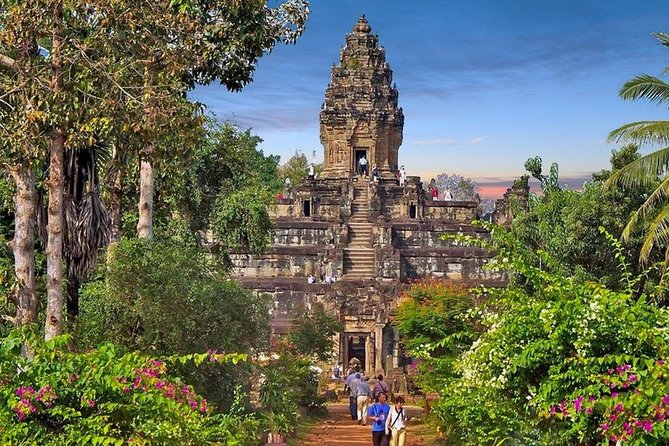
Day 2 is built around two big “signature” temple moments: first Angkor Wat sunrise, then Bayon and Ta Prohm as the artistic-and-mood closing act.
Stop 1: Angkor Wat (sunrise and the big, preserved centerpiece)
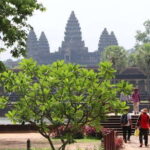
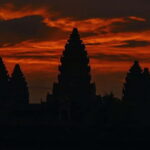
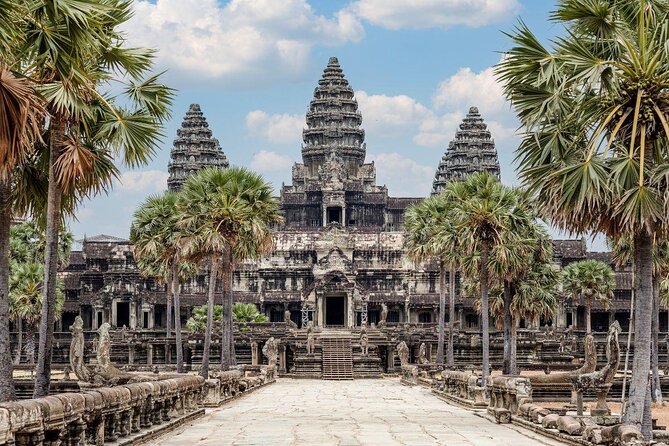
You start with Angkor Wat, described as the best-preserved and most religiously significant of the Angkor temples. You’ll spend about 3 hours here, which is a helpful amount of time. It’s long enough to see the sunrise part without feeling rushed, and still have room for exploration after.
What I like about this setup: sunrise isn’t tacked on like an optional side quest. It’s the main reason to structure the day around Angkor Wat first. If you care about the light, you’re not guessing where to stand or when to move.
Stop 2: Bayon Temple at Angkor Thom’s South Gate (gods and demons on a causeway)
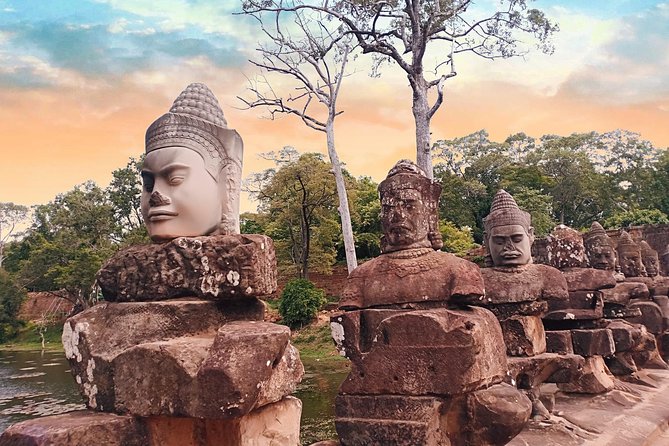
After Angkor Wat, you head to Bayon Temple, starting at the South Gate of Angkor Thom. You cross a causeway lined with statues of gods and demons holding a giant Naga, and that detail alone turns this into more than just a walk to the next stop.
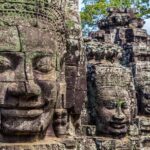
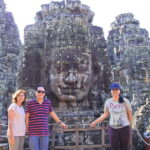
Bayon is famous here for the mysterious smiling stone faces. Then you continue to Baphuon (the tour summary cuts off mid-line, but the route clearly links Bayon onward). The key value of having a guide is that stone faces can look like a photo-only stop unless someone helps you understand what you’re seeing and why it matters.
The time block for this portion is about 3 hours, which gives you breathing room. Bayon-style signature carvings and faces can reward slower looking.
Stop 3: Ta Prohm (the atmospheric, monastery-in-the-stones stop)
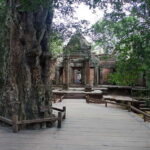
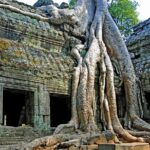
Finally: Ta Prohm, described as one of the most atmospheric temples in Angkor. It was once home to 2,740 monks, which is a striking way to think about the place. Ta Prohm isn’t just about visuals; the human history angle helps the ruins feel less like scenery and more like a remembered world.
This last stop is about 1 hour. That’s a smart choice. After a full day, Ta Prohm still lands the mood, without keeping you out so long that you’re dragging.
The guide and driver effect: where comfort meets smart temple timing
This tour includes an English-speaking guide and private transportation, and that combination is usually the difference between a good Angkor day and a frustrating one. The big wins show up in two areas: explanation and logistics.
In the feedback highlighted by your tour’s guide team, Rain is noted for being able to read the group and adjust to personal interests. It also describes how he helped avoid the worst crowd congestion at the temples. That’s not just a comfort issue—it’s a time-and-learning issue. If you’re stuck behind people in every photo angle and you can’t move freely, you lose the chance to really look at carvings and layout details.
Driver support matters too. Driver Kann is mentioned for safe driving and for practical comfort touches like cool towels and water ready for heat. When you’re out all day, those small basics feel like a real service, not a nice-to-have.
Just keep expectations realistic: private means you control the pace, but temples still take time. You’ll get the route and timing that fits the sunrise and sunset goals, and you’ll still want to be ready for walking under the sun.
Price and value: what the $240 package covers (and what it doesn’t)
At $240 for 2 days, the value depends on what you usually spend when you do Angkor on your own. Here’s what’s clearly included:
- English-speaking tour guide
- Bottled water
- Private transportation
- A private group setup (only your group participates)
What’s not included:
- Temple pass / admission tickets (listed as not included at each stop)
- Lunch and dinner
- Personal expenses (also not listed under included)
So the best way to think about the price is this: you’re paying for less stress and more context. Without a guide and private transport, you’d probably end up paying for multiple day drivers, timing help, and guide time anyway. The private structure also protects your sunrise and sunset attempts, which is the main reason many DIY days get messy.
If you’re the kind of traveler who wants to move efficiently but still understand what you’re seeing, this price often feels fair. If you only care about photos and don’t want explanations, you might feel it’s overkill. But for most people, Angkor is more satisfying when someone helps you read the carvings and temple logic.
Tickets, temple passes, and how to avoid day-of surprises
Temple admissions are clearly marked as not included for the stops listed. That means you’ll need to plan for the temple pass separately, and you’ll want to confirm your exact entry requirements before you show up at the first sunrise moment.
Also note that the tour mentions a mobile ticket feature. That’s likely part of how your tour-related documentation works, but it doesn’t replace the fact that admission is listed as not included. Treat the mobile ticket as a convenience tool, not as permission to forget temple passes.
One more practical note: the experience is said to require good weather. If conditions are poor, you might be offered a different date or a full refund. That’s the kind of policy you appreciate when you’re planning around sunrise and sunset.
What to pack for Angkor heat: shoes, sun protection, and camera readiness
The tour explicitly calls out:
- Sun screen highly recommended
- Comfortable shoes highly recommend
- Proper uniform (the tour mentions properly uniform)
Even without extra advice, those are your core “don’t regret it later” items. Temple ground can be uneven, and sunrise/sunset waits often involve standing and walking at odd angles in changing light. Comfortable shoes stop you from spending your day thinking about your feet instead of thinking about art and architecture.
And yes—bring your camera gear ready. Sunrise and sunset are the tour’s signature moments, and they’re highlighted as the times you should have your camera ready. If you hate fumbling in the dark or at daybreak, take a minute to decide your camera settings the night before.
Accommodation flexibility: why not having your hotel included can be a win
Accommodation is not included, which might sound like a drawback until you remember Siem Reap has different neighborhoods for different styles of travel. Not tying you to one hotel gives you the freedom to pick:
- a location closer to certain tuk-tuk routes
- a hotel that matches your budget
- a room style that helps you rest properly for early sunrise
Since you’re dropped back at your hotel each evening, the only requirement is that your hotel is workable for pick-up and drop-off. If you like control over your stay, this setup fits well.
And because lunch and dinner aren’t included, you can choose where to eat based on what you actually want—Cambodian food, familiar options, or a quiet spot to recharge.
Who this private tour suits best (and who might want a different setup)
This tour is a strong match if you:
- want sunrise at Angkor Wat and sunset from Phnom Bakheng without guessing logistics
- prefer private pacing and a guide who talks about art and architecture
- like the idea of seeing a range of temples in two days rather than only doing one or two big sites
It’s less ideal if you:
- already know you don’t want a guided explanation and just want quick photo stops
- are trying to minimize all extra costs, because temple passes and meals are not included
- are traveling with very limited walking tolerance (you’ll still be on your feet across multiple temple blocks)
Should you book Private Tours Angkor Wat for 2 Days?
I’d book it if you want the classic Angkor experience done in a calmer, smarter way. The tour is built around the two lighting moments people remember—sunrise at Angkor Wat and sunset from Phnom Bakheng—and the rest of the route fills in the cultural texture with Banteay Srei, Preah Khan, Neak Pean, Pre Rup, Bayon, and Ta Prohm.
It’s also a good value style for $240 when you factor in that you’re getting an English-speaking guide plus private transport across two days. You’ll just want to plan ahead for the temple pass and meals, and bring the basics like sunscreen and proper shoes so you can fully enjoy the long hours outdoors.
If weather turns bad, the offer of a different date or a full refund helps you feel safe planning around sunrise and sunset.
FAQ
How long is the Private Tours Angkor Wat for 2 Days experience?
It’s listed as 2 days (approx.), with a start time of 8:00 am.
Where does the tour start and end?
It starts in Krong Siem Reap, Cambodia, and it ends back at the meeting point (which is also where you start).
Is accommodation included?
No. Accommodation is not included, so you choose your own hotel.
What’s included in the tour price?
Included items are an English-speaking tour guide, bottled water, and private transportation.
Are temple passes or admission tickets included?
No. Temple pass/admission tickets are not included.
Is lunch or dinner included?
No. Lunch and dinner are not included.
Is this a private tour or a group tour?
This is a private tour/activity, and only your group participates.
Do I need good weather for the tour?
Yes. The experience requires good weather. If it’s canceled due to poor weather, you may be offered a different date or a full refund.
What should I bring or wear for the temples?
Sunscreen is highly recommended and comfortable shoes are highly recommended. The tour also mentions proper uniform.