REVIEW · SIEM REAP
Full-Day Bike Tour in Siem Reap with Zipline
Book on Viator →Operated by Angkor Zipline · Bookable on Viator
A day in two speeds, from treetops to temples. I like that you get a proper zipline canopy tour first, then a bike route through quieter Angkor-area stops, not just the big-name look. You’ll also get great photo chances—some viewpoints and angles you don’t see when you only rush between gates. One thing to consider: it’s a long day (about 8 hours) with active biking, so plan for heat, uneven ground, and doing some short climbs.
This combo also makes practical sense. You ride with provided gear, you’re covered by included insurance, and you’re not stuck waiting around all day—there’s a structured rhythm from safety briefing to breaks to temple time. Bring a reusable water bottle since the operator uses a water refilling station and avoids single-use plastic bottles.
In This Review
- Key highlights to know before you go
- A full day of two speeds: zipline canopy then Angkor-area biking
- Meeting point, timing, and group size that keep things manageable
- What the “moderate fitness” note really means
- What’s included (and why it affects the real value)
- Morning zipline: the safety demo and the Silver Course flight
- West Baray viewpoint and a 30-minute Khmer canoe ride
- Temple cycling route: Preah Khan, Victory Gate, Bayon from a better angle
- Preah Khan Temple stop
- The Victory Gate photo stop
- Bayon Temple viewpoints
- Ta Nei, Death Gate, and Takeo: how to pace climbs and photos
- Practical tips that make the day smoother
- Bring the right stuff for a day that mixes heights and biking
- Hydration and the reusable-bottle approach
- If you’re with kids or biking beginners
- Price and value: $97.90 is only half the budget story
- Who should book this Ride and Glide combo?
- Should you book? My quick decision guide
- FAQ
- What time does the tour start, and how long is it?
- Where is the meeting point?
- What’s included in the price?
- Is an Angkor Park ticket required?
- How big is the group?
- Is there a minimum number of travelers?
- What fitness level do I need?
Key highlights to know before you go
- Zipline starts early (with a safety demo) so the later bike time doesn’t feel rushed
- Silver Course canopy tour at the Angkor Zipline site, with harness and helmets provided
- West Baray break includes a viewpoint stop plus a 30-minute traditional Khmer canoe ride rowed by a local villager
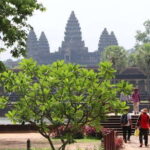
- Temple stops mix classic and less-obvious angles, including Preah Khan, Victory Gate, and Bayon from a different perspective
- Camera-friendly timing with multiple short photo stops around gates and temple viewpoints
- Small group size (up to 9 travelers), which usually makes the day feel easier to manage
A full day of two speeds: zipline canopy then Angkor-area biking
This is the kind of Siem Reap day that fits people who want more than temple photos. The plan is simple: you fly in the trees first, then you shift gears and explore on a bicycle through Angkor-area sights and side paths.
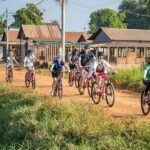
The flow matters. Starting with the zipline at 8:00 a.m. (instead of late afternoon) helps you enjoy the canopy tour with cooler morning energy, and then you use the rest of the day for temple viewing. The bike portion is where the day turns into a calmer, more human-scale experience—stopping, looking closely, and taking in details you often miss when you’re moving fast in a car.
You can also read our reviews of more cycling tours in Siem Reap
Meeting point, timing, and group size that keep things manageable
You meet at the Angkor Zipline operation site in Rohal village, Krong Siem Reap. The tour begins at 8:00 a.m. and returns to the same meeting point at the end of the day.
This day runs about 8 hours, and the schedule is paced with breaks and multiple short stops rather than one long marathon without relief. Group size is capped at 9 travelers, which can make it easier for guides to keep an eye on everyone during transitions—especially when you shift from zipline gear to bike helmets.
What the “moderate fitness” note really means
The tour asks for moderate physical fitness. Practically, that usually translates to:
- biking for stretches on day-trip timing (not just a short loop)
- dealing with uneven or muddy parts during the cycling portion
- tolerating a few short climb moments at temples
You don’t need to be an athlete, but you should feel comfortable riding all morning and part of the afternoon.
What’s included (and why it affects the real value)
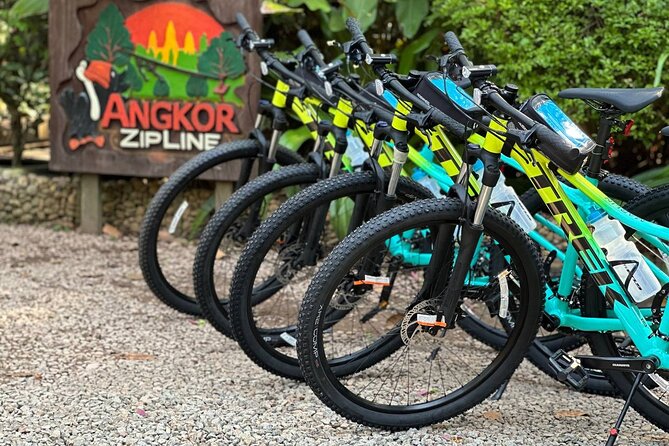
At $97.90 per person for an approximately 8-hour full day, the big value is that this is not just a tour ticket. Your day includes:
- Bicycle
- Helmet for the bike portion
- Harness and helmet for the zipline portion
- Lunch
- Insurance
What’s not included is important for budgeting:
- Angkor Park ticket (a Day Pass) is required and is paid directly at Angkor Enterprise
- Private transportation
If you’re already planning to visit Angkor and you’re looking for an active add-on that doesn’t double your costs, this combo can feel efficient. The price also covers safety gear and insurance—small details, but they matter when you’re dealing with both heights and roads/paths.
Morning zipline: the safety demo and the Silver Course flight
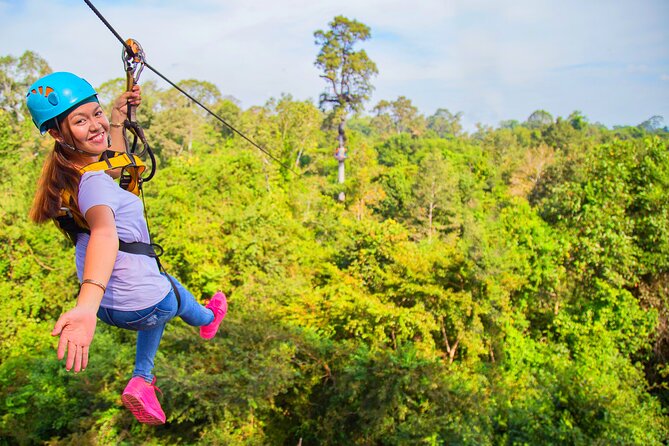
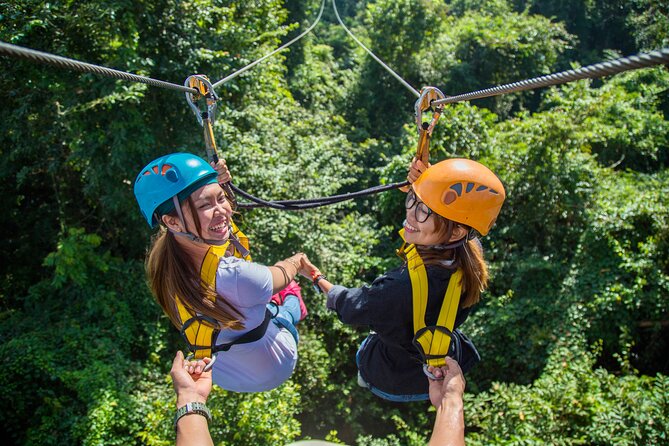
Your day begins with arrival at the zipline operation site around 8:00 a.m., then a safety demonstration at about 8:15 a.m. After that, the canopy tour starts around 8:30 a.m. on the Silver Course.
The most reassuring part here is that safety is built into the timeline. You’re not thrown straight onto a cable; you get a briefing first. During the day, guides are also described as safety-conscious, and there’s an emphasis on helping people feel secure while they ride.
From a planning standpoint, the zipline portion ends around 10:00 a.m., followed by roughly a 30-minute break. That means you get time to reset before the bike day starts. It also helps you avoid that classic problem of tours that cram everything into a single burst and then let you crash.
You can also read our reviews of more tours and experiences in Siem Reap
West Baray viewpoint and a 30-minute Khmer canoe ride
After the first half of the day, there’s a shift into scenic, slower pacing. One of the standouts is the West Baray stop.
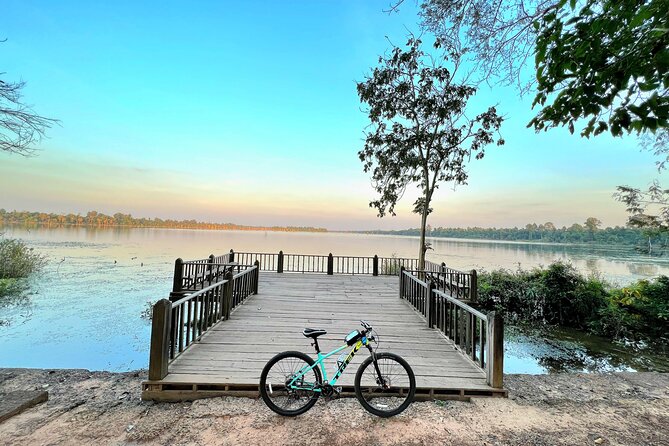
First, you pause briefly to take in the view from the viewing platform at Baray Jayataka. This is one of those “pause and breathe” moments. It gives your legs and mind a break before you continue.
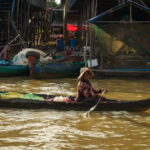
Then you take a 30-minute boat ride in a traditional Khmer canoe, rowed by a local villager. This part is valuable because it breaks the pattern of only biking and walking. You get water, shade, and local movement—plus a different kind of perspective on the Angkor region compared with temple ruins and gates.
Temple cycling route: Preah Khan, Victory Gate, Bayon from a better angle
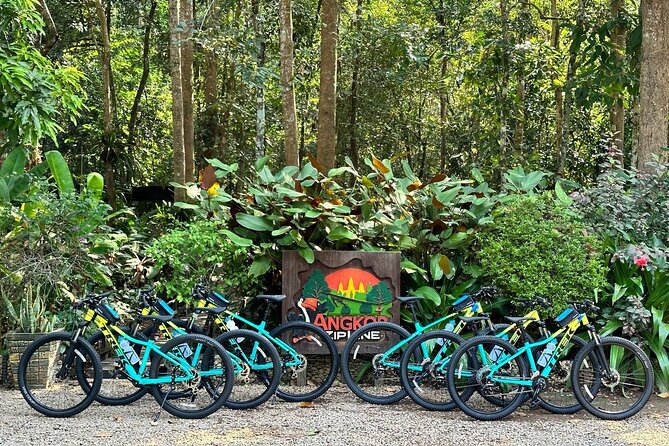
Once you’re back on the bike, the day becomes a string of short, meaningful stops. Instead of a rush-through, you get moments to look, photograph, and listen.
Preah Khan Temple stop
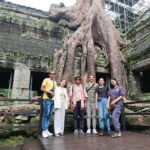
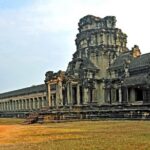
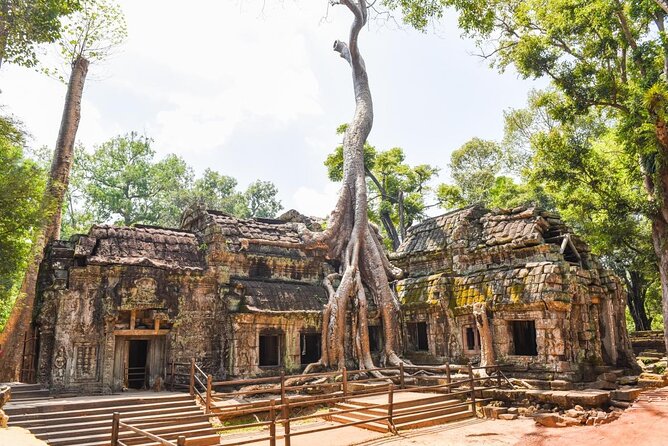
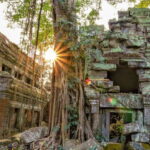
Preah Khan is about an hour on the route. Your guide explains the history and you explore the ruins. This is where the day earns its “more than sightseeing” value. The historical context turns stone into story, and it helps you notice details that you’d otherwise walk right past.
The Victory Gate photo stop
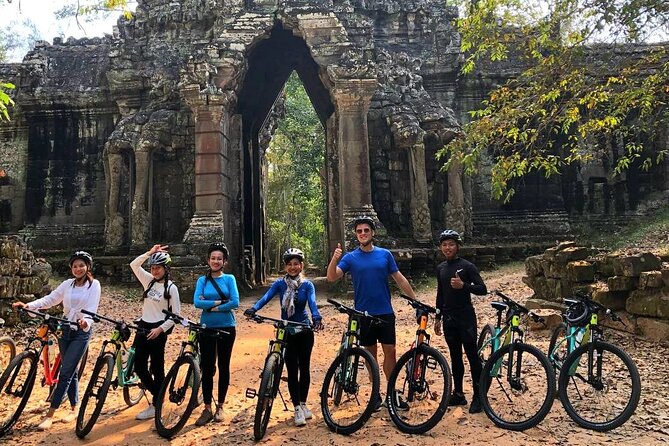
Victory Gate is a shorter stop (around 15 minutes). It’s still worth it because it’s one of those architectural moments that frames the rest of the complex. Think of it like a photo checkpoint: quick, focused, and timed so you don’t lose momentum.
Bayon Temple viewpoints
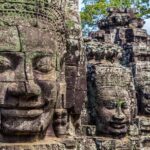
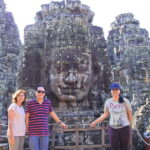
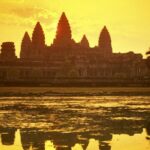
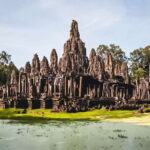
Bayon is also around 15 minutes. What makes this stop feel extra useful is the idea of viewing it from a less-known angle. You get a different look rather than only the most obvious viewpoint. For photographers, that’s where you can score better compositions without fighting the same traffic flow as the biggest, most obvious photo spots.
Ta Nei, Death Gate, and Takeo: how to pace climbs and photos
This is where the tour closes strong, with more temple time and a bit more physical effort.
Ta Nei Temple is on the route, with a guide explaining fun facts about the place. You also spend time at Death Gate (about 30 minutes) for temple history and viewing.
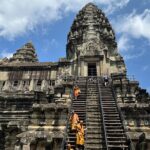
Then there’s Takeo Temple with a short climb to the top (about 15 minutes). Even if it’s not a long climb, it’s a perfect “use your energy” moment. By late afternoon, you’ve already done the zipline and several biking segments, so treat this as your last active push.
The tour finishes around 3:30 p.m., so you’re not ending in the dark or arriving exhausted at a weird time. For day-trip planning in Siem Reap, that’s a big deal. You’ll still have time to do an evening meal, market walk, or just decompress after a high-energy day.
Practical tips that make the day smoother
Bring the right stuff for a day that mixes heights and biking
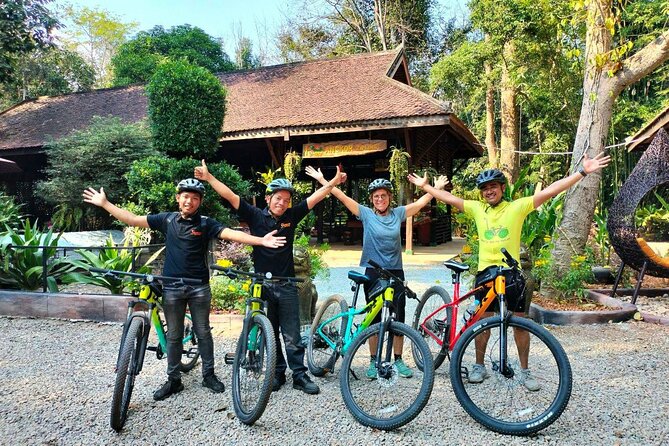
You’ll handle safety gear on the day (helmet and harness are included), but you should still pack for comfort:
- Wear closed-toe shoes that grip (biking + temple paths isn’t the time for flimsy sandals)
- Bring a camera since you’ll have multiple photo stops at gates and viewing points
- Use sun protection. It’s hot in Siem Reap, and the day is long
Hydration and the reusable-bottle approach
The operator avoids single-use plastic water bottles and has water refilling stations. Bring your own reusable bottle so you’re not stuck buying water midway through.
If you’re with kids or biking beginners
The tour is described as having guides who are patient, including helping families and children. That doesn’t mean it’s a “sit on a bike all day” easy ride, but it suggests you won’t be left behind if your group needs a calmer pace.
Price and value: $97.90 is only half the budget story
Let’s talk money in a grounded way.
Your price is $97.90 per person. Included are the big components that often cost extra on other tours: bicycle, lunch, and insurance, plus helmet and harness for the zipline.
What you should budget separately:
- Angkor Park Day Pass: required, paid directly at Angkor Enterprise ($37 per person)
You’ll also want to handle transportation yourself unless you’re using private transport (not included). Since this tour is scheduled from the zipline site and returns there, the easiest day is when you’re already positioned nearby or you can sort transport without last-minute drama.
Overall, this combo can feel like strong value if:
- you want both a zipline adventure and an Angkor-area bike day in one shot
- you’re already paying for the Angkor Day Pass anyway
- you prefer active touring rather than only temple walking
Who should book this Ride and Glide combo?
Book it if you like a structured day with variety: trees in the morning, then temples with enough stops to take photos and actually look. It’s especially good for people who:
- want a more active Siem Reap day than a car-only itinerary
- like smaller groups (up to 9)
- value having safety gear included for the zipline
Skip or reconsider if:
- you’re looking for a mostly-relaxing day with minimal physical effort
- you only want the single most famous Angkor views and don’t care about gates, viewpoint angles, and varied ruins
Should you book? My quick decision guide
If your ideal day in Siem Reap includes both adventure and temple time, I think this is a smart choice. You get the zipline canopy tour with a safety demo, a planned break, then a bike route built around several temple stops and photo opportunities, capped with a final temple climb moment.
Just make sure you’re ready for a full day with active biking and that you’ve budgeted the Angkor Park Day Pass you’ll pay on site. If you can check those boxes, this is one of the more balanced ways to mix adrenaline with Angkor-area exploration without turning the day into a chaotic sprint.
FAQ
What time does the tour start, and how long is it?
The tour starts at 8:00 a.m. and runs for about 8 hours (approx.), ending back at the meeting point.
Where is the meeting point?
The meeting point is Angkor Zipline Rohal village, Krong Siem Reap, Cambodia.
What’s included in the price?
The tour includes a bicycle, helmets for the zip line and bike portions, a harness for the zip line, lunch, and insurance.
Is an Angkor Park ticket required?
Yes. An Angkor Park Day Pass is required and costs $37 per person, paid directly at Angkor Enterprise.
How big is the group?
The tour has a maximum of 9 travelers.
Is there a minimum number of travelers?
Yes. A minimum of 2 people per booking is required for the tour to operate.
What fitness level do I need?
The tour calls for moderate physical fitness. It’s an all-day experience with biking and some temple climbing time.